 Chat with us

- Dew Point Meters
- Gas Analysers
- Portable Gas Detector
- Moisture And Dew Point Analyzer
- Dust/Opacity Monitor
- Gas Monitoring Systems
- Gas Leak Detectors
- Gas Transmitters
- VOC Leak Detector
- Air Quality Monitoring System
- Online Continuous Emission Monitoring System-OCEMS
- Dew Point Monitors
- Gas Detector
- Opacity Monitor
- Portable Flue Gas Analyzer
- Online SOX & NOX Gas Analyzer
- Methane Gas Leak Detector
- Hydrogen Purity Analyzer
- Gas Purity Analyzer
- Effluent Monitoring Systems
- Producer Gas Analyzer
- Gas Detector Calibration Service
- Portable Gas Monitors
- Gas Sensor Transmitter

 Send Inquiry
Air and Gas Pollution Monitors
Price 158000.0 INR/ Unit
MOQ : 1 Unit
Air and Gas Pollution Monitors Specification
- Sensor Type
- EC
- Humidity %
- <85RH Pressure: 86-106 Kpa
- Measurement Range
- 0.001-10mg/m 3
- Temperature Range
- 0-55 degree C Celsius (oC)
- Resolution
- 0.01%
- Usage
- Testing & measurement
- Material
- Metal
- Power Supply
- Electric
- Product Type
- Gas detector
- Accuracy
- 99.99 %
- Display Type
- Digital Only
- Range
- 0.001-10mg/m 3
Air and Gas Pollution Monitors Trade Information
- Minimum Order Quantity
- 1 Unit
- Supply Ability
- 4 Units Per Month
- Delivery Time
- 4 Days
- Packaging Details
- As Per Customer Requirement
- Main Domestic Market
- Andhra Pradesh, Bihar, Dadra and Nagar Haveli, South India, All India, North India, East India, Gujarat, Karnataka, Kerala, Lakshadweep, Mizoram, Meghalaya, Manipur, Chandigarh, Daman and Diu, Goa, Jharkhand, Odisha, Punjab, Assam, Delhi, Andaman and Nicobar Islands, Arunachal Pradesh, Nagaland, Rajasthan, Sikkim, Tamil Nadu, Telangana, Tripura, Pondicherry, Uttar Pradesh, Uttarakhand, Central India, West India, Chhattisgarh, Haryana, Himachal Pradesh, Jammu and Kashmir, Madhya Pradesh, Maharashtra, West Bengal
- Certifications
- An ISO 9001:2015 Company
Air and Gas Pollution Monitors About
| Operating Temperature | -15 Degree C |
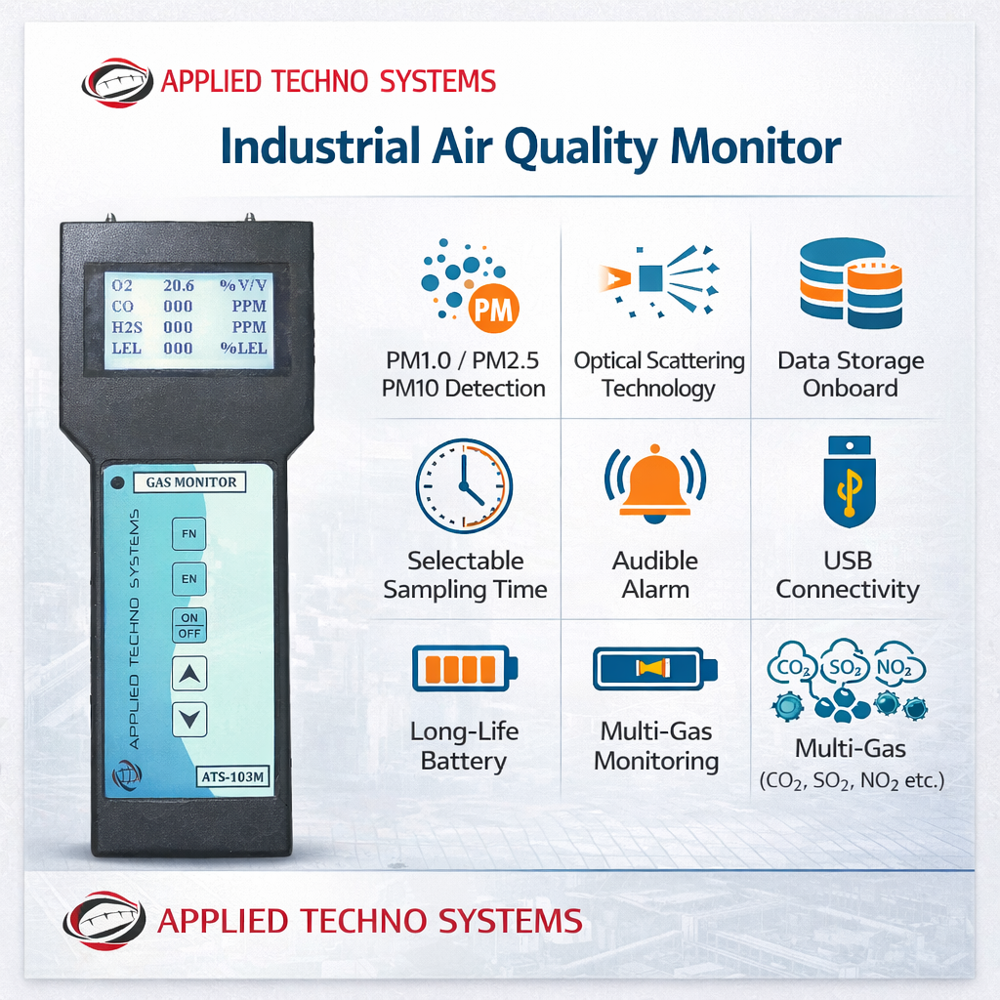
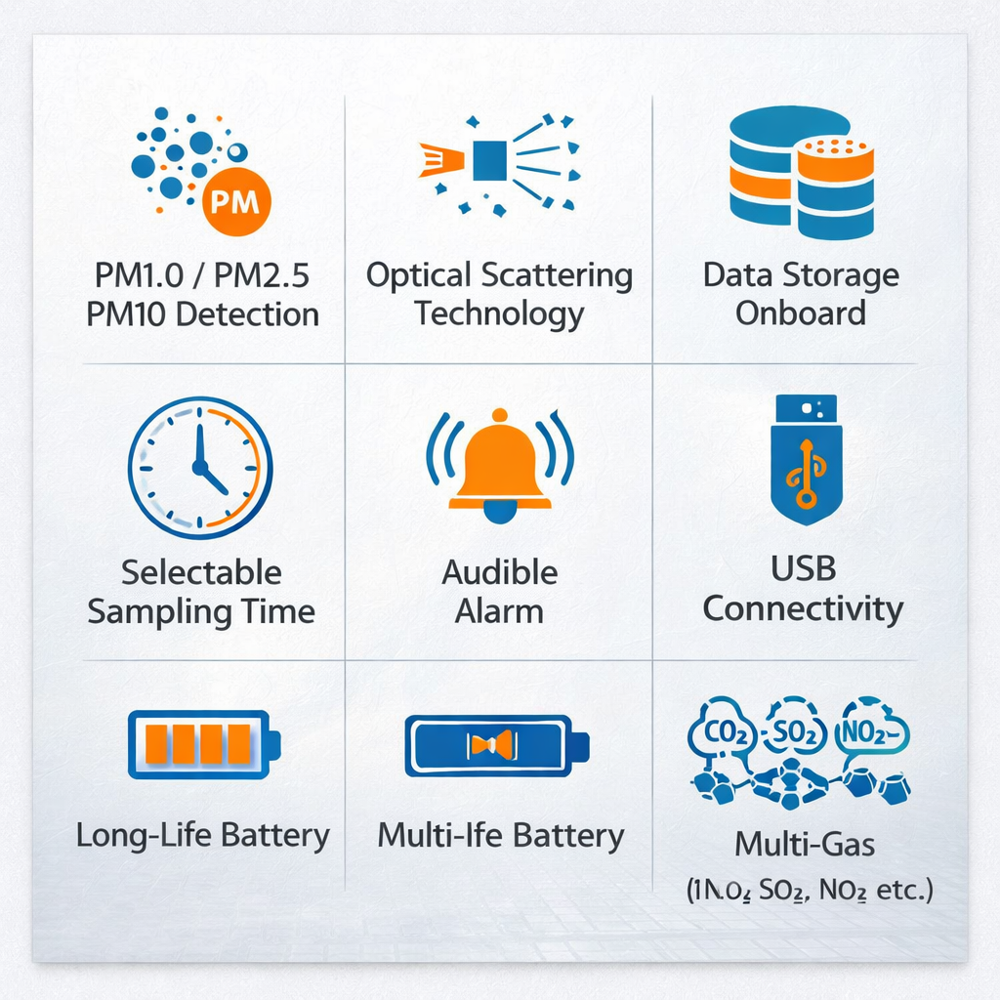
| Particle Size Range | PM 1.0,PM 2.5 PM 10 |
| Usage/Application | Ambient Air Quality Monitor |
| Weight | 0.6 Kg |
| Operating Time | 5 hours |
| Flow Rate | 2.83L/min (Imported Pump) |
| Country of Origin | Made in India |
Advanced Monitoring Capability
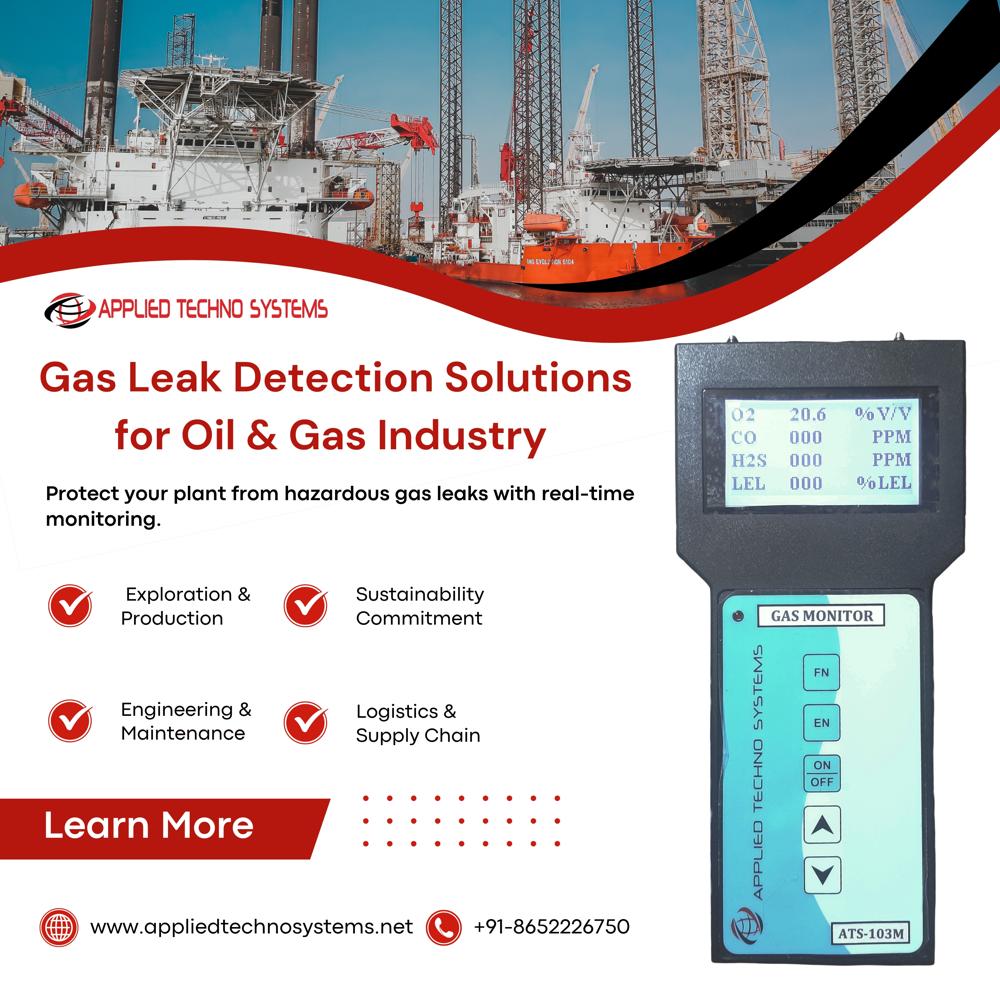
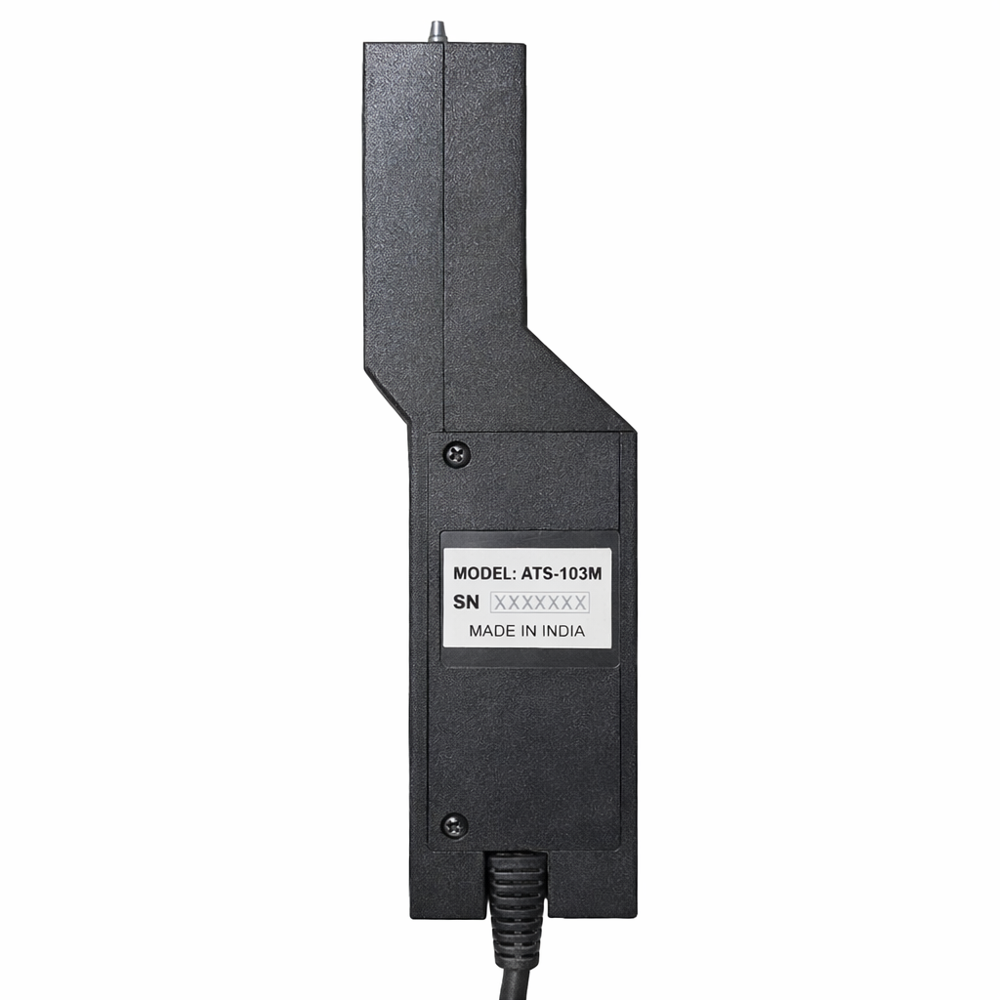
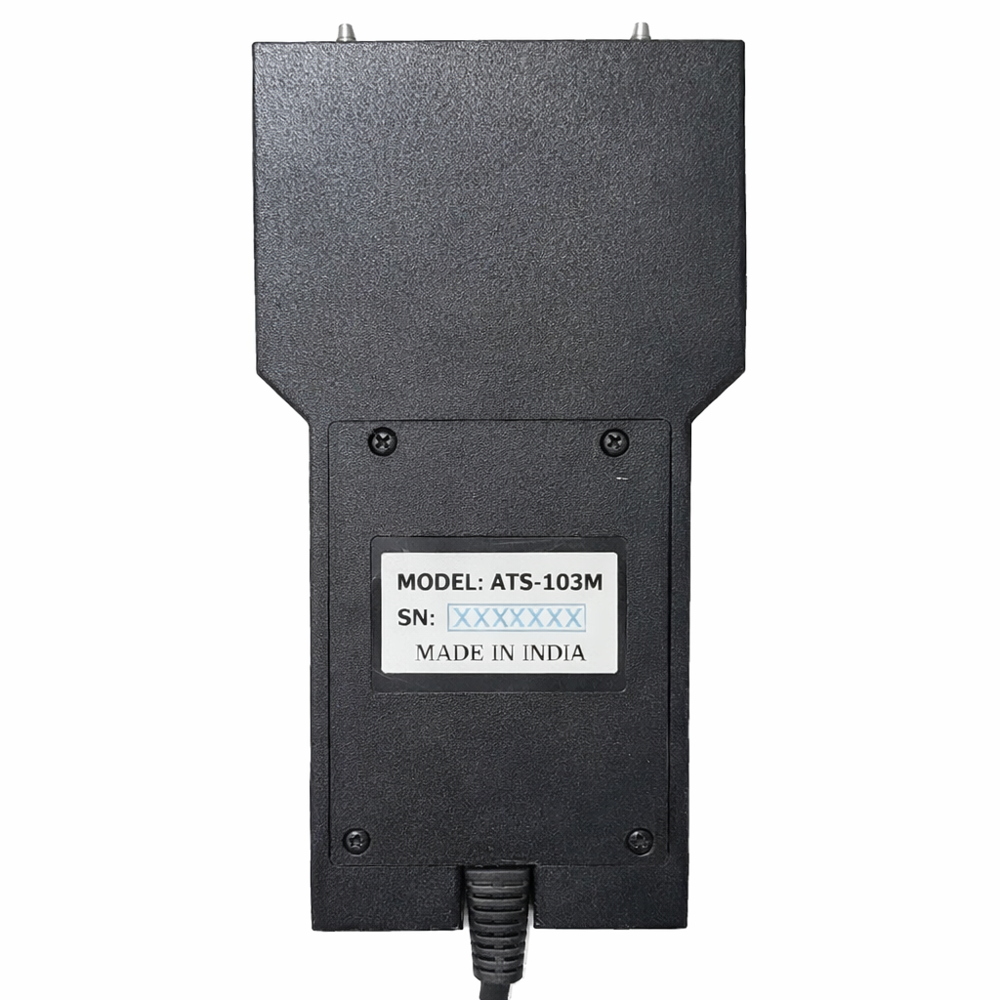
Our air and gas pollution monitors are designed for high accuracy and comprehensive measurement, making them ideal for industrial, commercial, and environmental applications. Their digital-only display ensures instant and intuitive data access, while durable metal housing guarantees longevity even in challenging conditions.
Reliable Performance Across Conditions
These monitors operate within a broad temperature range of 055C and withstand humidity up to 85% RH, making them suitable for varied climates and working environments. The precision measurement capability helps in maintaining regulatory compliance and promoting safer air quality standards.
FAQs of Air and Gas Pollution Monitors:
Q: How do I use the Air and Gas Pollution Monitor for testing and measurement?
A: Simply connect the monitor to an electric power source and position it in the area you wish to survey. The digital display will show real-time pollutant concentration levels between 0.001 and 10 mg/m, making it straightforward to assess air quality.Q: What are the main benefits of using this pollution monitor?
A: Key benefits include its exceptional 99.99% accuracy, wide measurement range, robust metal build, and electric-powered operation. These features ensure both reliability and durability, making it an indispensable tool for air quality management.Q: When should regular air and gas pollution monitoring be conducted?
A: Routine monitoring is recommended in industrial zones, laboratories, or environments with suspected pollutant presence. Regular checks help in early detection and timely response, promoting health and regulatory compliance.Q: Where can these monitors be installed for optimal results?
A: Install the monitor in areas where air quality is critical, such as manufacturing floors, research labs, and public spaces. Their rugged design and adaptability to temperature and humidity variations ensure dependable operation in diverse locations.Q: What process does the monitor use to ensure accurate readings?
A: The device employs high-sensitivity sensors and a digital-only display to provide real-time, accurate measurements of airborne pollutants within its specified range, accommodating temperature and pressure variations for consistent performance.Q: How does the digital display enhance usability?
A: The digital display presents clear, immediate pollutant readings, reducing user interpretation errors and facilitating quicker decisions regarding air quality management.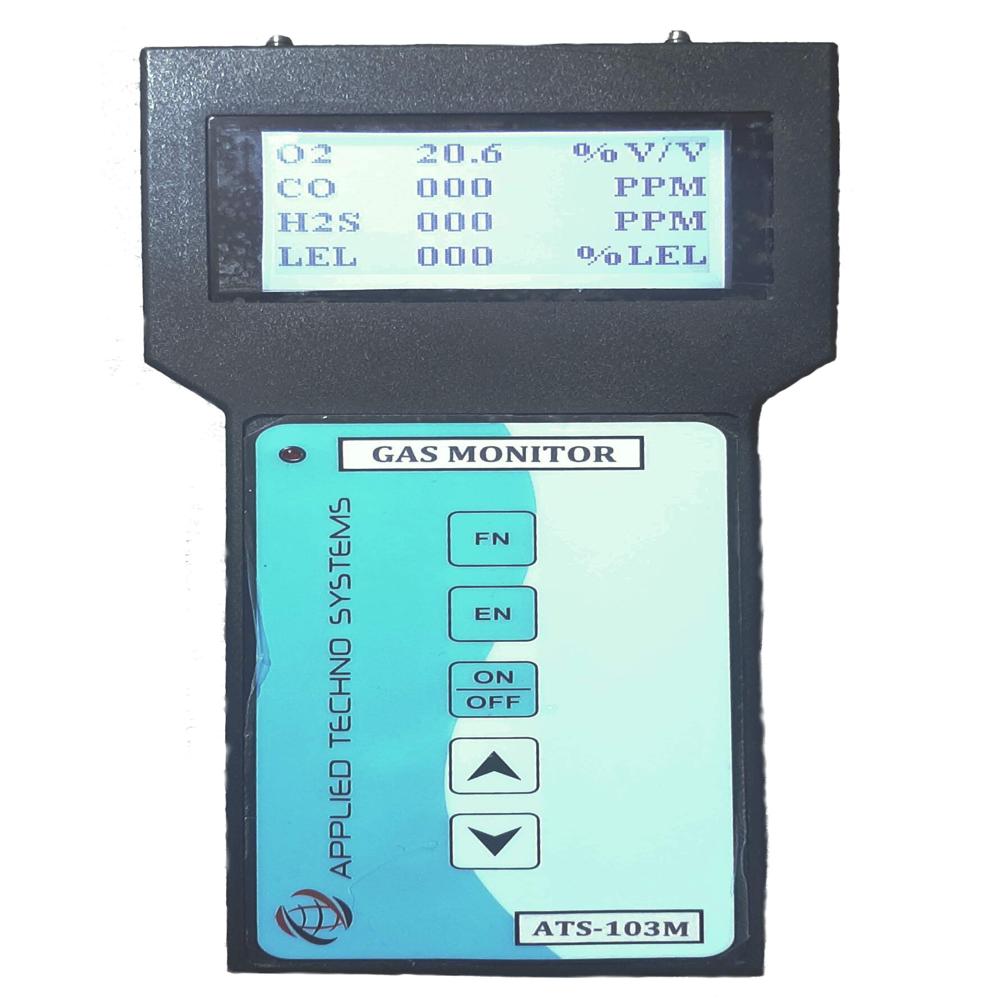
Tell us about your requirement

Price:
Quantity
Select Unit
- 50
- 100
- 200
- 250
- 500
- 1000+
Additional detail
Mobile number
Email

More Products in Effluent Monitoring Systems Category
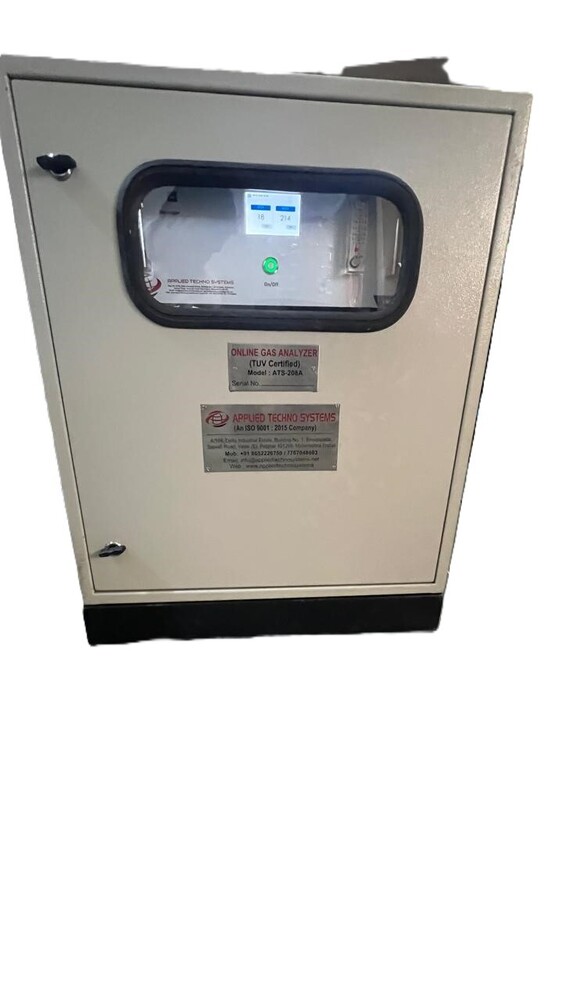
Continuous Stack Emission Monitor Systems
Price 950000.0 INR / Unit
Minimum Order Quantity : 1 Unit
Display Type : Digital Only
Usage : Dryer & gases
Product Type : Portable
Power Supply : 200 to 240V a.c, 5060 Hz
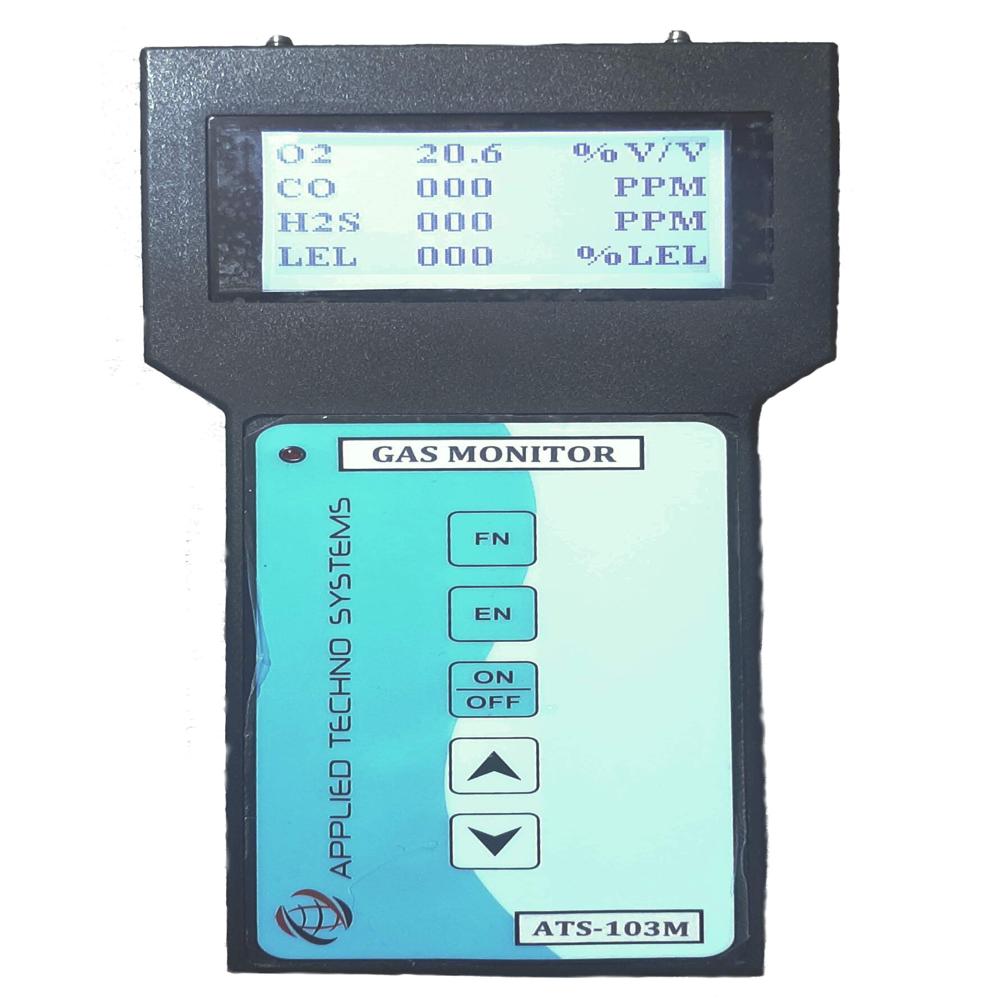
High-Accuracy Gas Measurement Systems
Price 78500.0 INR / Unit
Minimum Order Quantity : 1 Unit
Display Type : Other
Usage : Monitoring & Analysing
Product Type : Monitor
Power Supply : 3.7 V DC Long Life Lithium Rechargeable Battery
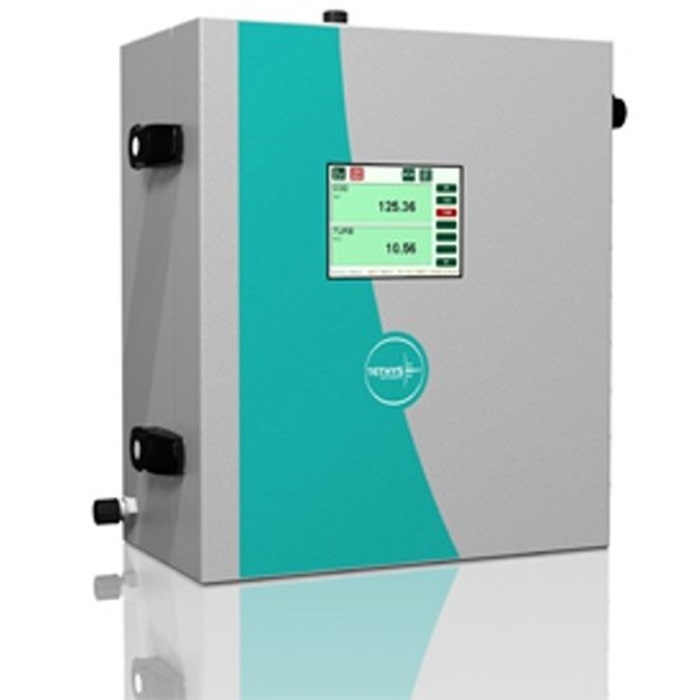
Water Quality Monitoring System
Price 855000 INR / Unit
Minimum Order Quantity : 1 Unit
Display Type : Other, Digital LCD
Power Supply : 220V AC, 50Hz
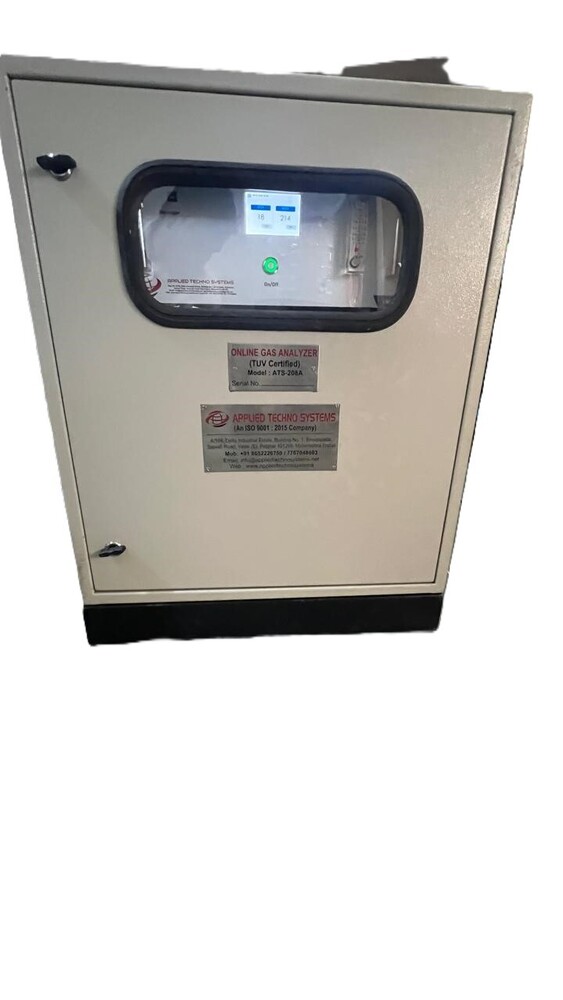
Online Multi Gas Analyser
Price 950000.0 INR / Unit
Minimum Order Quantity : 1 Unit
Display Type : Analog And Digital
Usage : Monitoring & Analysing
Product Type : Analyser

Contact Us

- 104, Delta Industrial Estate, Building No 1, Gokhivare, Sativali Road, Vasai East, Dist-Palghar,Vasai - 401208, Maharashtra, India
- Phone : 08045814504
APPLIED TECHNO ENGINEERS PRIVATE LIMITED
GST : 27AAVCA1127G1ZN

- Mr M L YADAV (Marketing Manager)
- Mobile : 08045814504
- Send Inquiry
 Send Inquiry
|


Our Products
- Dew Point Meters
- Gas Analysers
- Portable Gas Detector
- Moisture And Dew Point Analyzer
- Dust/Opacity Monitor
- Gas Monitoring Systems
- Gas Leak Detectors
- Gas Transmitters
- VOC Leak Detector
- Air Quality Monitoring System
- Online Continuous Emission Monitoring System-OCEMS
- Dew Point Monitors
- Gas Detector
- Opacity Monitor
- Portable Flue Gas Analyzer
- Online SOX & NOX Gas Analyzer
- Methane Gas Leak Detector
- Hydrogen Purity Analyzer
- Gas Purity Analyzer
- Effluent Monitoring Systems
- Producer Gas Analyzer
- Gas Detector Calibration Service
- Portable Gas Monitors
- Gas Sensor Transmitter

APPLIED TECHNO ENGINEERS PRIVATE LIMITED
All Rights Reserved.(Terms of Use)
Developed and Managed by Infocom Network Private Limited.
Developed and Managed by Infocom Network Private Limited.


 English
 Spanish
 French
 German
 Italian
 Chinese (Simplified)
 Japanese
 Korean
 Arabic
 Portuguese