 Chat with us

- Dew Point Meters
- Gas Analysers
- Portable Gas Detector
- Moisture And Dew Point Analyzer
- Dust/Opacity Monitor
- Gas Monitoring Systems
- Gas Leak Detectors
- Gas Transmitters
- VOC Leak Detector
- Air Quality Monitoring System
- Online Continuous Emission Monitoring System-OCEMS
- Dew Point Monitors
- Gas Detector
- Opacity Monitor
- Portable Flue Gas Analyzer
- Online SOX & NOX Gas Analyzer
- Methane Gas Leak Detector
- Hydrogen Purity Analyzer
- Gas Purity Analyzer
- Effluent Monitoring Systems
- Producer Gas Analyzer
- Gas Detector Calibration Service
- Portable Gas Monitors
- Gas Sensor Transmitter

 Send Inquiry
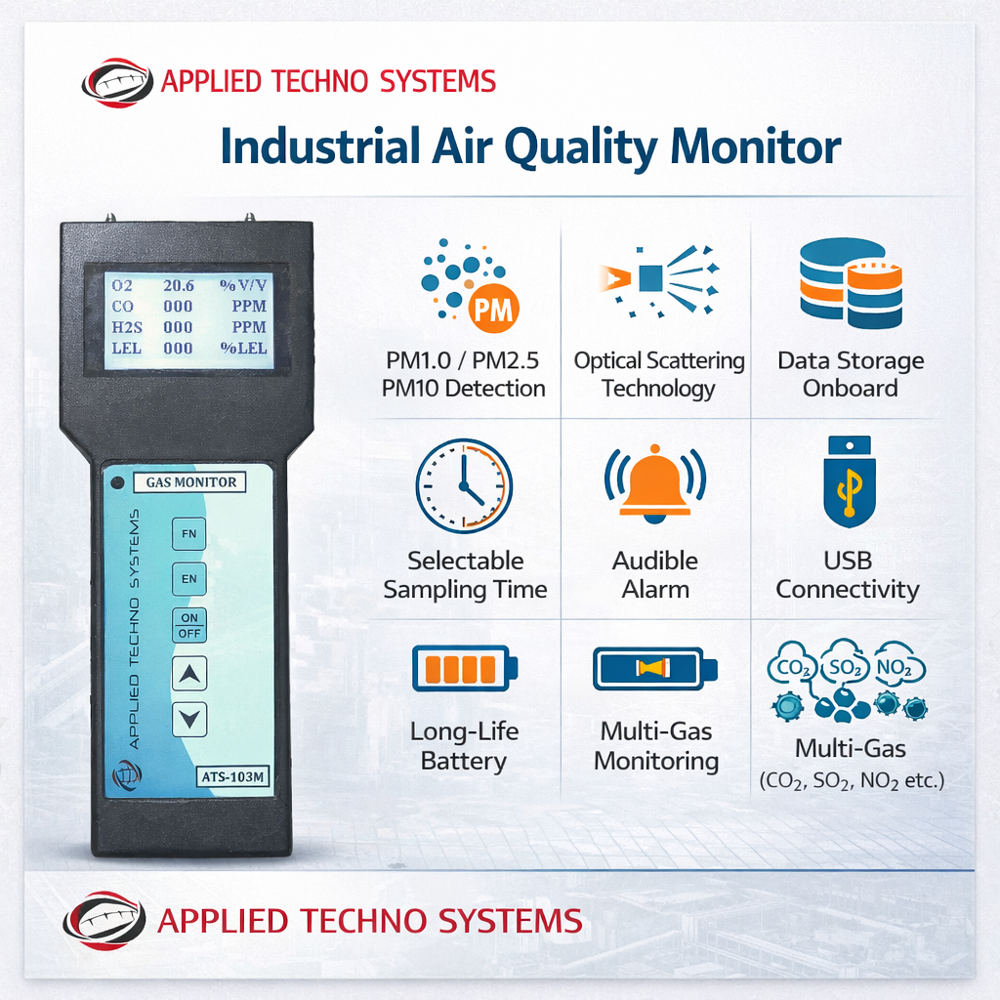
Air Pollution Gas Monitors
Price 78500.0 INR/ Unit
MOQ : 1 Unit
Air Pollution Gas Monitors Specification
- Display Type
- Liquid Crystal Display(LCD)
- Power Source
- Electric
- Sensor Type
- TCD, IR or EC
- Usage & Applications
- For Industrial Use
- Temperature
- 15 Celsius (oC)
- Product Type
- Gas Monitor
- Material
- ABS Plastic
- Voltage
- 230 Volt (v)
- Warranty
- One Year
Air Pollution Gas Monitors Trade Information
- Minimum Order Quantity
- 1 Unit
- Supply Ability
- 50 Units Per Week
- Delivery Time
- 1 Week
- Packaging Details
- As Per Customer Requirement
- Main Domestic Market
- South India, Central India, Meghalaya, Manipur, Andhra Pradesh, Bihar, Chandigarh, Goa, Assam, Delhi, Dadra and Nagar Haveli, All India, West India, North India, East India, Gujarat, Karnataka, Kerala, Lakshadweep, Daman and Diu, Mizoram, Jammu and Kashmir, Madhya Pradesh, Maharashtra, Nagaland, Rajasthan, Sikkim, Tamil Nadu, Telangana, Tripura, Pondicherry, Uttar Pradesh, Uttarakhand, West Bengal, Jharkhand, Odisha, Punjab, Arunachal Pradesh, Chhattisgarh, Andaman and Nicobar Islands, Haryana, Himachal Pradesh
- Certifications
- An ISO 9001:2015 Company
Air Pollution Gas Monitors About
Air Pollution Gas Monitors are devices used to detect and measure the concentration of harmful gases in the atmosphere to ensure environmental safety and regulatory compliance.Typical gases include:
- Sulfur Dioxide (SO)
- Nitrogen Dioxide (NO)
- Carbon Monoxide (CO)
- Ozone (O)
- Volatile Organic Compounds (VOCs)
- Carbon Dioxide (CO)
These monitors are used in
- Urban air quality monitoring stations
- Industrial areas (factories, power plants)
- Construction sites
- Traffic-heavy zones
- Indoor air quality assessments
- Research and environmental studies
Sensors are used in these monitors are -
- Electrochemical Sensors (for CO, NO, SO)
- Non-Dispersive Infrared (NDIR) Sensors (for CO)
- Photoionization Detectors (PIDs) for VOCs
- Laser Scattering Sensors (for PM)
Accuracy varies by model and sensor type. Regulatory-grade monitors offer high precision (+/-5%), while low-cost sensors may have +/-10% accuracy. Calibration greatly affects accuracy.
Robust Industrial Performance
Engineered for industrial use, these gas monitors are built with high-quality ABS plastic, making them resilient in demanding environments. The integration of TCD, IR, or EC sensors enables effective detection of various hazardous gases, supporting plant safety and compliance with regulatory standards.
Easy-to-Read LCD Display
The large Liquid Crystal Display (LCD) provides real-time readings with clarity. Users benefit from quick and accurate detection information, facilitating on-the-spot decisions and maintenance planning for efficient industrial processes.
FAQs of Air Pollution Gas Monitors:
Q: How does the Air Pollution Gas Monitor operate?
A: The Air Pollution Gas Monitor operates by using TCD, IR, or EC sensors to detect and measure specific gases in industrial settings. Powered by electricity, it continuously monitors gas concentrations and displays real-time data on an integrated LCD.Q: What types of gases can be detected using these monitors?
A: These monitors can detect a broad range of industrial gases, including toxic, flammable, and greenhouse gases, depending on the chosen sensor type (TCD, IR, or EC). This versatility ensures suitability for various industrial applications.Q: When should the gas monitor be calibrated or maintained?
A: It is recommended to calibrate the gas monitor regularly as part of routine maintenance, generally every 6 to 12 months, or as per manufacturer guidelines, to maintain accuracy and reliability in readings.Q: Where can these monitors be installed in an industrial facility?
A: The monitors are designed for flexible installation in areas prone to gas exposure, such as manufacturing plants, processing units, or storage facilities. Placement should ensure optimal detection and safety coverage.Q: What is the usage process for the Air Pollution Gas Monitor?
A: Installation is straightforward: simply position the device in the designated area, power it on using the electric source, and monitor gas levels via the LCD display. Routine calibration and scheduled maintenance help ensure ongoing accuracy.Q: What benefits do industrial users gain from these monitors?
A: Industrial users benefit from enhanced workplace safety, regulatory compliance, early warning of hazardous gas concentrations, and reduced risk of operational downtime, all supported by reliable gas detection and a one-year warranty.



Tell us about your requirement

Price:
Quantity
Select Unit
- 50
- 100
- 200
- 250
- 500
- 1000+
Additional detail
Mobile number
Email

More Products in Air Quality Monitoring System Category

Stack Monitor
Price 275500.0 INR / Number
Minimum Order Quantity : 1 Number
Usage & Applications : Industrial
Product Type : Dew Point
Warranty : 1 Year
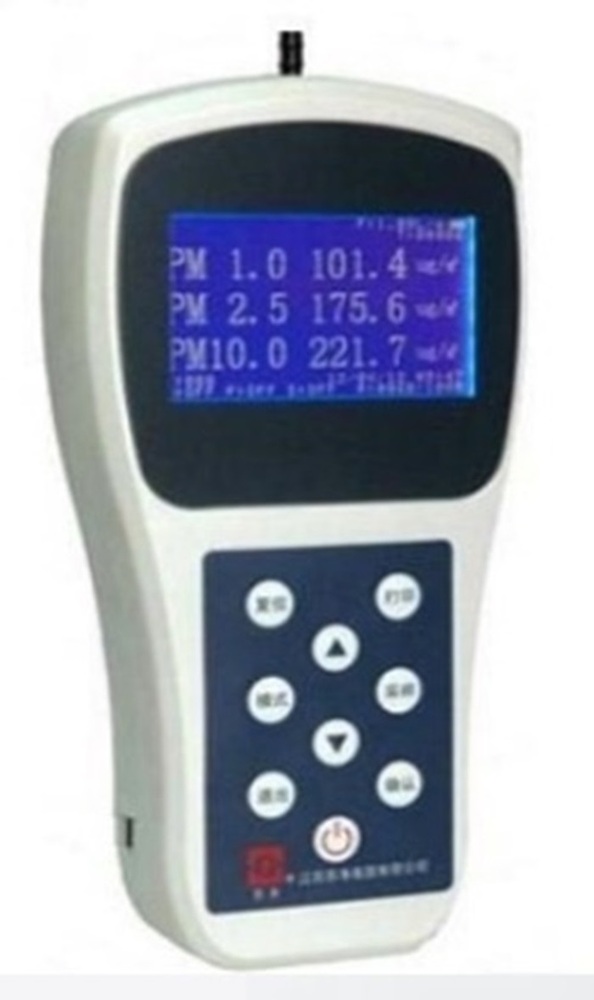
Handheld Air Quality Monitor with Data storage
Price 158000 INR / Unit
Minimum Order Quantity : 1 Unit
Usage & Applications : Monitoring
Product Type : Monitor
Warranty : One Year
Material : ABS Plastic
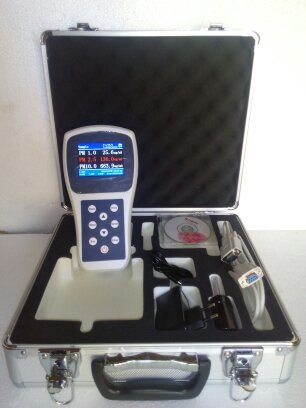
Air Quality Monitor
Price 145500.00 INR / Piece
Minimum Order Quantity : 1 Piece
Usage & Applications : Industrial
Product Type : Air Quality Monitor
Warranty : 1 Year
Material : PVC Plastic
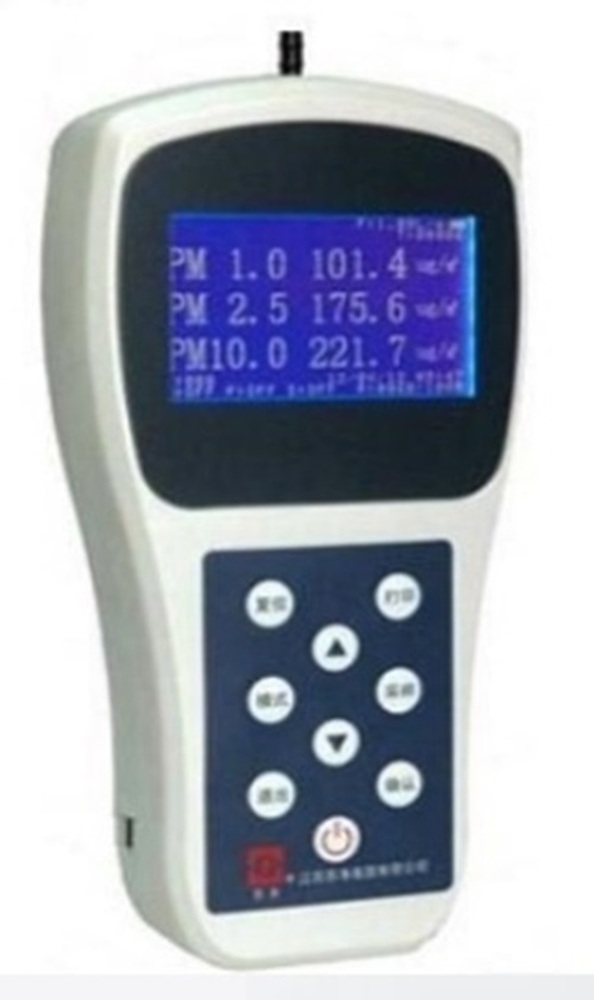
PM-10, PM-2.5 Air Monitoring System
Price 158000 INR / Unit
Minimum Order Quantity : 1 Unit
Usage & Applications : Industrial
Product Type : Air Monitoring System
Warranty : 1 year
Material : Plastic

Contact Us

- 104, Delta Industrial Estate, Building No 1, Gokhivare, Sativali Road, Vasai East, Dist-Palghar,Vasai - 401208, Maharashtra, India
- Phone : 08045814504
APPLIED TECHNO ENGINEERS PRIVATE LIMITED
GST : 27AAVCA1127G1ZN

- Mr M L YADAV (Marketing Manager)
- Mobile : 08045814504
- Send Inquiry
 Send Inquiry
|


Our Products
- Dew Point Meters
- Gas Analysers
- Portable Gas Detector
- Moisture And Dew Point Analyzer
- Dust/Opacity Monitor
- Gas Monitoring Systems
- Gas Leak Detectors
- Gas Transmitters
- VOC Leak Detector
- Air Quality Monitoring System
- Online Continuous Emission Monitoring System-OCEMS
- Dew Point Monitors
- Gas Detector
- Opacity Monitor
- Portable Flue Gas Analyzer
- Online SOX & NOX Gas Analyzer
- Methane Gas Leak Detector
- Hydrogen Purity Analyzer
- Gas Purity Analyzer
- Effluent Monitoring Systems
- Producer Gas Analyzer
- Gas Detector Calibration Service
- Portable Gas Monitors
- Gas Sensor Transmitter

APPLIED TECHNO ENGINEERS PRIVATE LIMITED
All Rights Reserved.(Terms of Use)
Developed and Managed by Infocom Network Private Limited.
Developed and Managed by Infocom Network Private Limited.


 English
 Spanish
 French
 German
 Italian
 Chinese (Simplified)
 Japanese
 Korean
 Arabic
 Portuguese