 Chat with us

- Dew Point Meters
- Gas Analysers
- Portable Gas Detector
- Moisture And Dew Point Analyzer
- Dust/Opacity Monitor
- Gas Monitoring Systems
- Gas Leak Detectors
- Gas Transmitters
- VOC Leak Detector
- Air Quality Monitoring System
- Online Continuous Emission Monitoring System-OCEMS
- Dew Point Monitors
- Gas Detector
- Opacity Monitor
- Portable Flue Gas Analyzer
- Online SOX & NOX Gas Analyzer
- Methane Gas Leak Detector
- Hydrogen Purity Analyzer
- Gas Purity Analyzer
- Effluent Monitoring Systems
- Producer Gas Analyzer
- Gas Detector Calibration Service
- Portable Gas Monitors
- Gas Sensor Transmitter

 Send Inquiry
Biogas Analysis Equipment
Price 855500.0 INR/ Piece
Biogas Analysis Equipment Specification
- Humidity
- 0-95% RH (Non-condensing)
- Accuracy
- 2% of Full Scale
- Max Height
- 500 mm (case size approx.)
- Frequency
- 50 Hz
- Power Supply
- 230V AC, 50 Hz
- Specimen Size
- Standard for Gas Sample Lines
- Features
- Touch Pad Control, Auto Calibration, Alarm Outputs
- Test Range
- 0-100% Vol (for each gas channel)
- Temperature
- 0C to +50C
- Resolution
- 0.01%
- Number of Specimens
- Single Sample Line
- Interface Type
- RS232 / USB / Ethernet (as required)
- Application
- Biogas, Bio-methane, Landfill, Digester Gas Analysis
- Display Type
- Graphic LCD Display
- Measuring Range
- CO2, CH4, O2, H2S, H2, N2 as per client requirement
- Gas Pressure
- 0.5 - 2 bar
- Mounting Type
- Wall Mounted / Table Top
- Automation Grade
- Automatic
- Response Time
- < 45 Seconds
- Operating Voltage
- 230V AC
- Equipment Type
- Biogas Analysis Equipment
- Port Size
- 1/4 Inch or Custom as Required
- Usage
- Continuous or Spot Analysis
- Capacity
- Continuous Operation
- Machine Weight
- Approx. 20 kg
- Control Mode
- Microprocessor Based
- Enclosure Protection
- IP 55 / IP 65 (optional)
- Operating Principle
- Continuous Online Analysis
- Alarm Outputs
- Relay Output for High/Low Gas Levels
- Sensor Type
- NDIR for CO2/CH4, Electrochemical for O2/H2S
- Calibration
- Automatic Calibration with Standard Gases
- Sampling Method
- Pump Suction / Direct Connection
- Data Logging
- Internal Memory with Data Storage Capability
- Approval
- CE Certified
About Biogas Analysis Equipment
The Online Biogas Analyser is a reliable continuous gas analysis system designed for real-time measurement and monitoring of biogas composition in biogas plants, anaerobic digesters, wastewater treatment facilities, landfills, and other process gas applications. Depending on the configuration, the analyser can measure key biogas components such as Methane (CH), Carbon Dioxide (CO), Oxygen (O), Hydrogen Sulfide (HS), Hydrogen (H), and other applicable gases, providing accurate information about gas quality and process conditions. The system enables continuous online monitoring of biogas composition, helping operators evaluate digester performance, monitor methane concentration, detect changes in gas quality, optimize gas production, and support safe and efficient plant operation. It is suitable for biogas monitoring, methane analysis, CO monitoring, HS monitoring, gas quality measurement, anaerobic digestion monitoring, gas purification assessment, process optimization, and renewable energy applications. The Online Biogas Analyser can be used in Biogas Plants, Sewage Treatment Plants, Wastewater Treatment Plants, Landfills, Biomass Plants, Food Processing Industries, Sugar and Distillery Plants, Dairy Industries, Municipal Waste Treatment, Renewable Energy Facilities, and other industries involved in biogas generation and utilization. It provides a practical solution for continuous biogas analysis, process control, gas quality monitoring, performance evaluation, and operational safety.Advanced Gas Monitoring for Biogas Applications
This equipment provides simultaneous measurement of multiple gases such as CO2, CH4, O2, H2S, and others with high accuracy and swift response time. Automatic calibration ensures reliable data, while touch pad control and graphic LCD display make operation intuitive for continuous or spot analyses in plants or laboratories.
Robust Design and Flexible Installation
Protected by an IP55/IP65 enclosure, the biogas analyzer is suited for harsh industrial settings. It offers both wall-mounted and tabletop installation options and operates in a wide humidity and temperature range. The system's connectivity (RS232, USB, Ethernet) seamlessly integrates with data management workflows.
Comprehensive Data Logging and Alarm Functions
Equipped with internal memory for secure data storage, this analyzer alerts users to abnormal gas levels through relay outputs. Operators can easily download historical readings, ensuring safe, efficient monitoring and regulatory compliance across diverse gas monitoring applications.
FAQ's of Biogas Analysis Equipment:
Q: How does the automatic calibration of the biogas analysis equipment work?
A: The analyzer performs automatic calibration using standard reference gases, ensuring high measurement accuracy and reducing the need for manual recalibration. This process compensates for sensor drift and environmental variations, delivering consistent results for all gas channels.Q: What is the benefit of having both NDIR and electrochemical sensors in this system?
A: Using NDIR sensors for CO2 and CH4 and electrochemical sensors for O2 and H2S enables precise detection tailored for each gas type. This combination ensures excellent selectivity, sensitivity, and longevity, adapting to various biogas compositions encountered in industrial environments.Q: When are alarm outputs triggered, and how do they help in gas monitoring?
A: Relay alarm outputs are activated whenever gas concentrations exceed or fall below user-set thresholds. These alarms provide an immediate response, helping operators take corrective actions to maintain safety and compliance in real time.Q: Where can this biogas analysis equipment be installed?
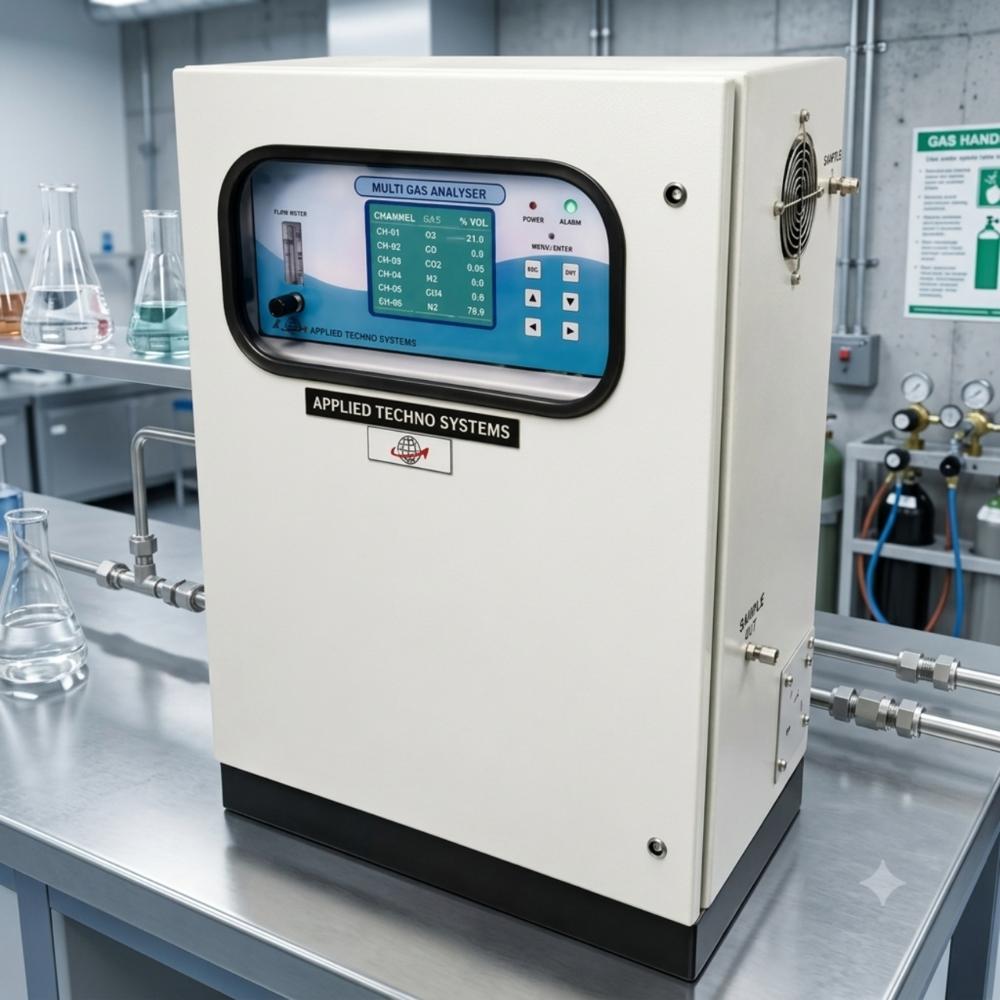
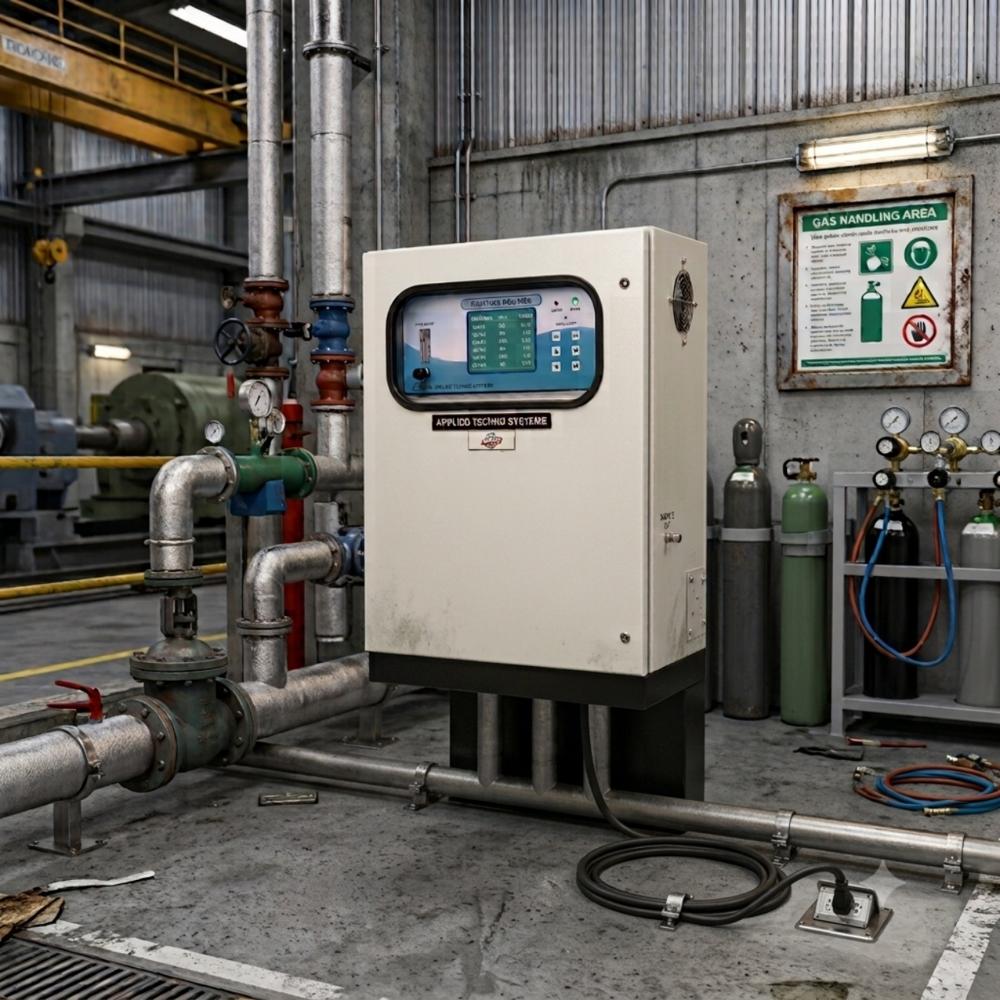
A: Designed for versatility, the system can be wall-mounted or placed on a table. Its IP55/IP65-rated enclosure allows installation in demanding sites such as biogas plants, landfills, digesters, and laboratory environments where dust and moisture are concerns.Q: What is the process for sampling and analyzing gas?
A: The equipment supports both pump suction and direct connection sampling methods. Gas is drawn into the analyzer, where sensors measure the concentration of specific gases. Results appear on the LCD display, and data are logged internally for future review.Q: How is data stored and accessed from the analyzer?
A: Internal memory securely records measurement data, which can be accessed or downloaded via RS232, USB, or Ethernet interfaces. This allows users to maintain detailed logs for performance tracking, troubleshooting, or regulatory reporting.Q: What are the main benefits of using this biogas analyzer in industrial applications?
A: Key benefits include precise, automatic gas analysis, robust alarm functions for safety, flexible installation options, and comprehensive data management. Its continuous operation and reliable performance contribute to safe, efficient management of biogas facilities.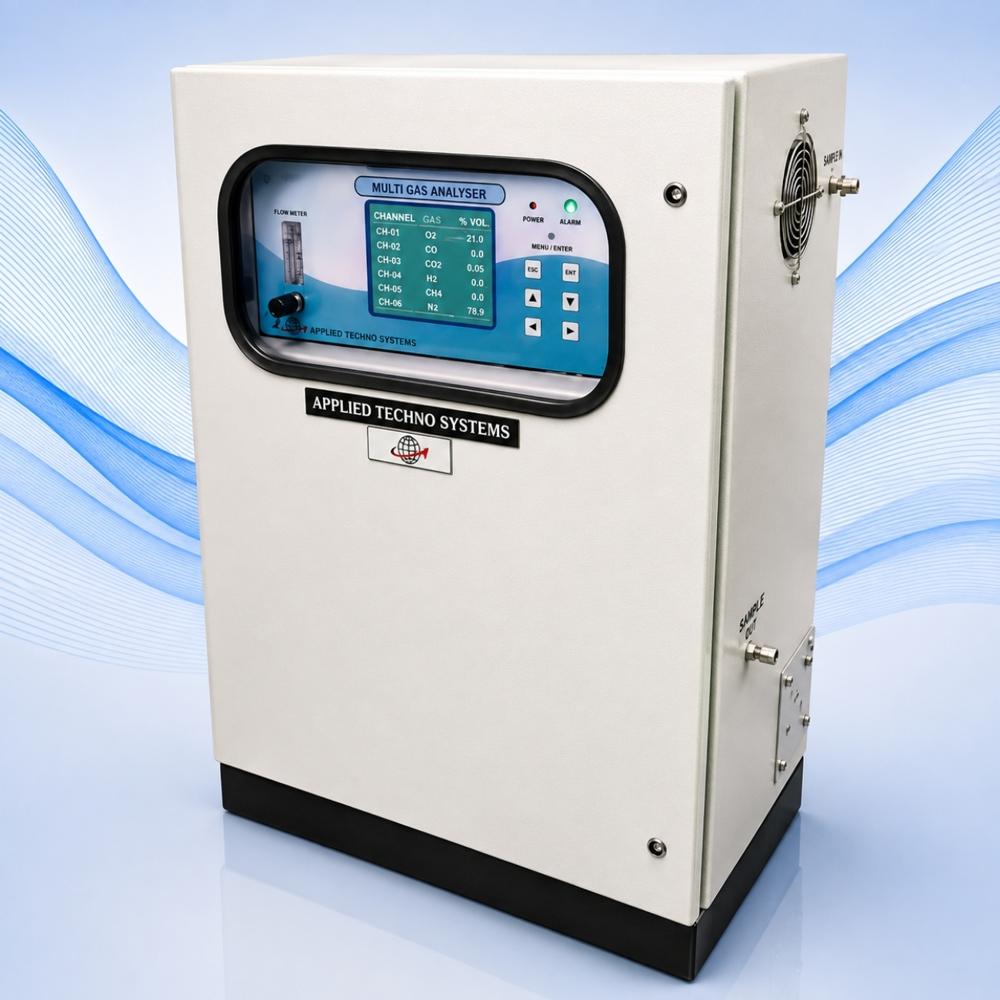

Price:
- 50
- 100
- 200
- 250
- 500
- 1000+

More Products in Gas Analysers Category
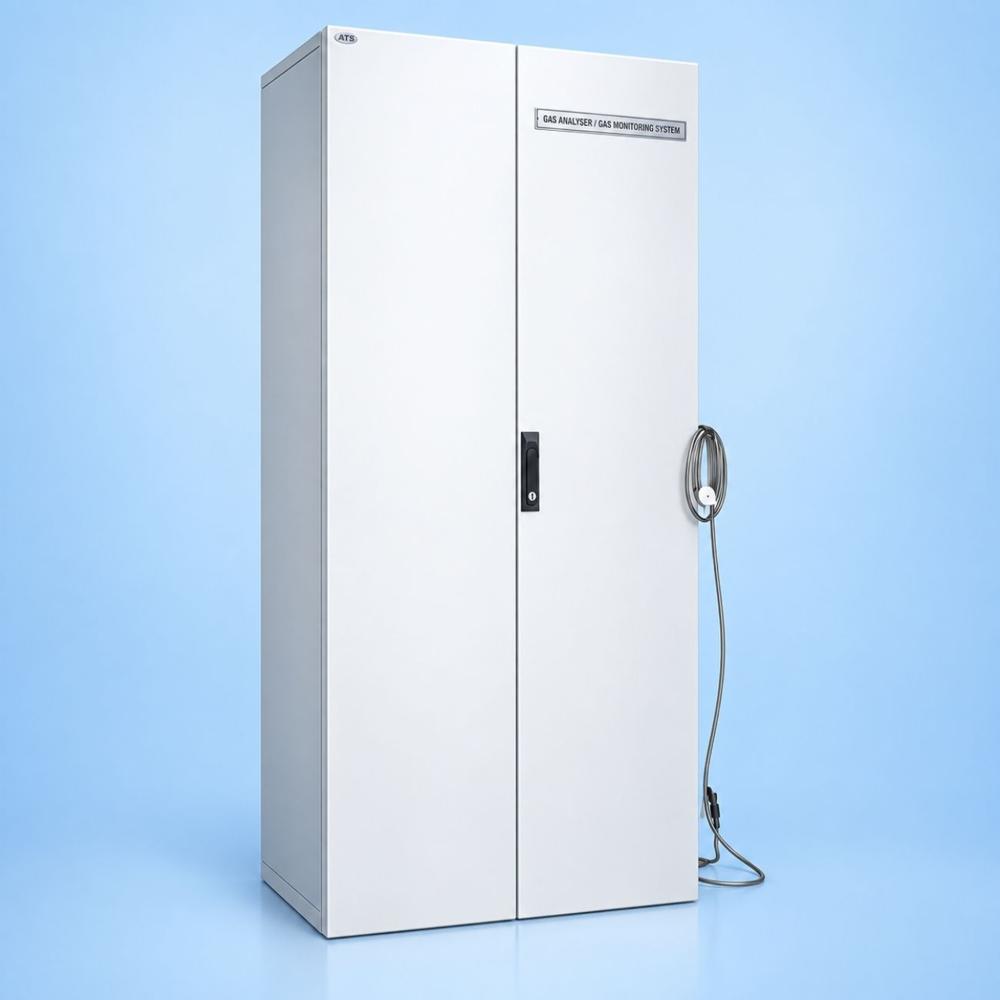
Online Gas Analyser
Price 1645500.0 INR / Piece
Minimum Order Quantity : 1 Piece
Accuracy : 1% of reading (typical)
Control Mode : Automatic/Remote Controlled
Application : Continuous monitoring of gases in industrial environments
Temperature : 5C to 45C (Operating)
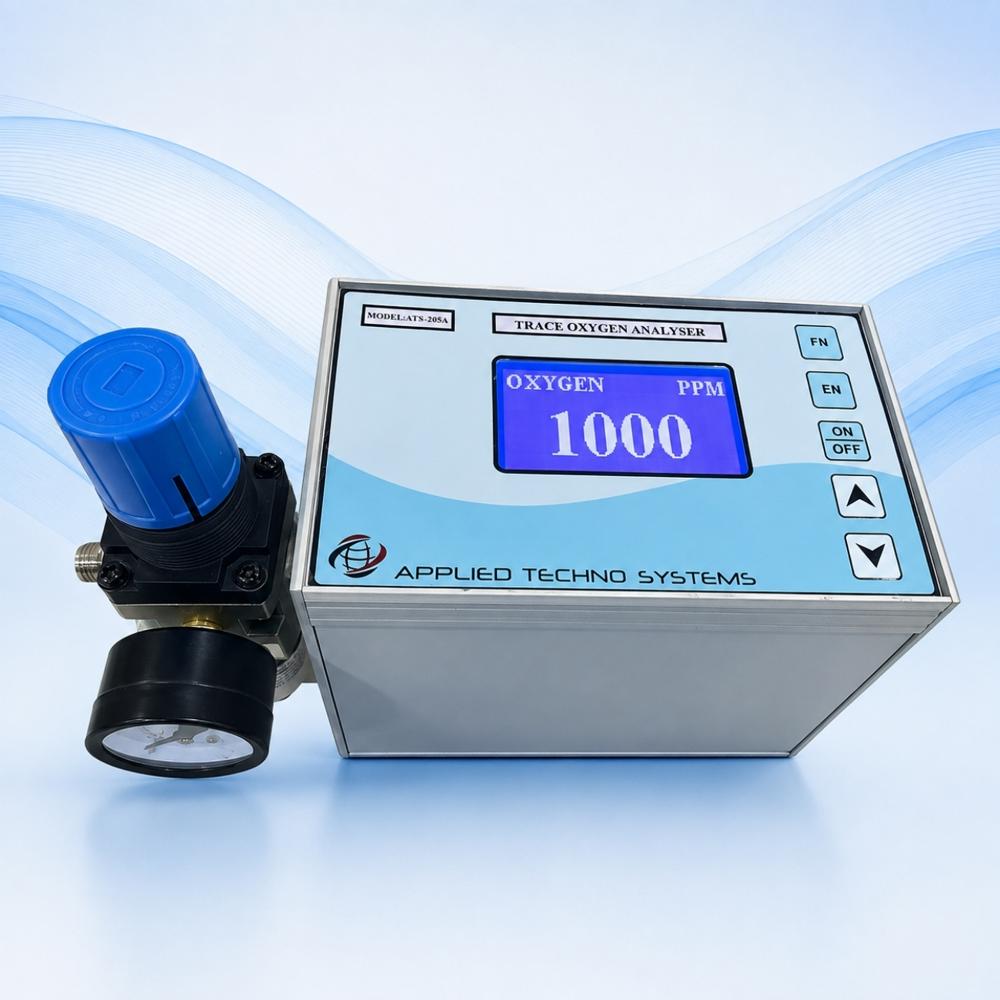
Trace Oxygen Monitoring System
Price 350500.0 INR / Unit
Minimum Order Quantity : 1 Unit
Accuracy : 1% of reading
Control Mode : Microcontrollerbased
Application : Trace oxygen measurement in industrial gas, glove box, and laboratory environments
Temperature : 0C to 50C
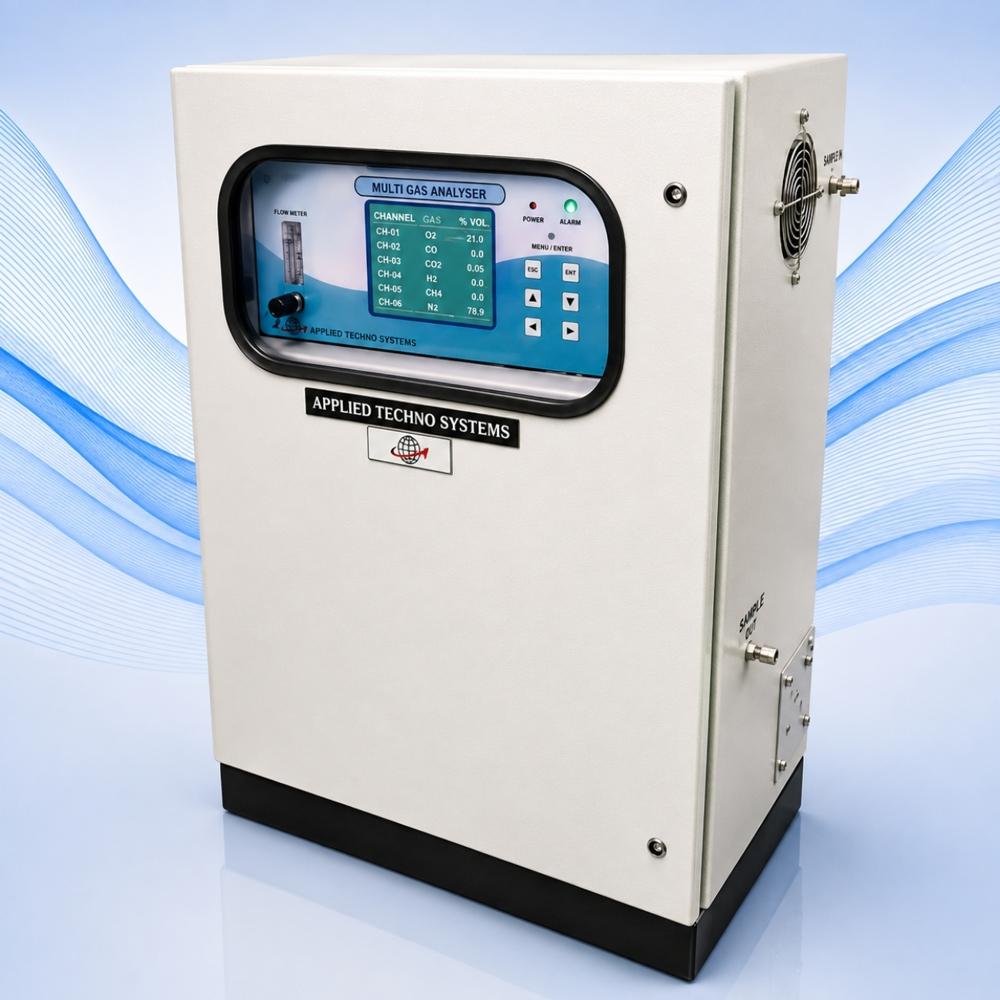
Online Oxygen Analyser
Price 455500.0 INR / Piece
Minimum Order Quantity : 1 Piece
Accuracy : 1% of full scale
Control Mode : Microprocessor based
Application : Industrial gas measurement, process monitoring
Temperature : 0C to 50C (operating range)
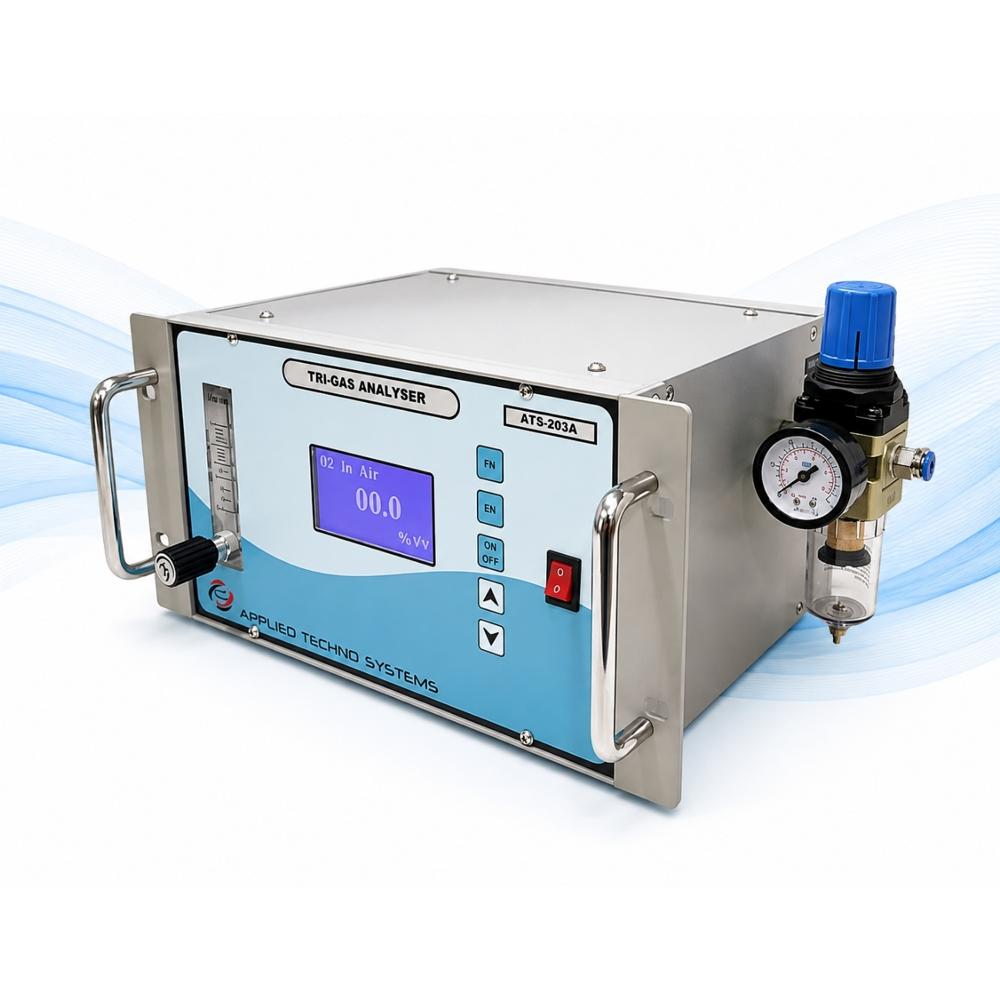
Tri Gas Analysis Equipment
Price 450500.0 INR / Piece
Minimum Order Quantity : 1 Piece
Accuracy : 1% FS
Control Mode : Microprocessor controlled
Application : Industrial gas analysis, environmental monitoring, laboratory analysis
Temperature : 545C


- 104, Delta Industrial Estate, Building No 1, Gokhivare, Sativali Road, Vasai East, Dist-Palghar,Vasai - 401208, Maharashtra, India
- Phone : 08045814504
GST : 27AAVCA1127G1ZN

- Mr M L YADAV (Marketing Manager)
- Mobile : 08045814504
- Send Inquiry
 Send Inquiry

|


- Dew Point Meters
- Gas Analysers
- Portable Gas Detector
- Moisture And Dew Point Analyzer
- Dust/Opacity Monitor
- Gas Monitoring Systems
- Gas Leak Detectors
- Gas Transmitters
- VOC Leak Detector
- Air Quality Monitoring System
- Online Continuous Emission Monitoring System-OCEMS
- Dew Point Monitors
- Gas Detector
- Opacity Monitor
- Portable Flue Gas Analyzer
- Online SOX & NOX Gas Analyzer
- Methane Gas Leak Detector
- Hydrogen Purity Analyzer
- Gas Purity Analyzer
- Effluent Monitoring Systems
- Producer Gas Analyzer
- Gas Detector Calibration Service
- Portable Gas Monitors
- Gas Sensor Transmitter

Developed and Managed by Infocom Network Private Limited.


 English
 Spanish
 French
 German
 Italian
 Chinese (Simplified)
 Japanese
 Korean
 Arabic
 Portuguese
