 Chat with us

- Dew Point Meters
- Gas Analysers
- Portable Gas Detector
- Moisture And Dew Point Analyzer
- Dust/Opacity Monitor
- Gas Monitoring Systems
- Gas Leak Detectors
- Gas Transmitters
- VOC Leak Detector
- Air Quality Monitoring System
- Online Continuous Emission Monitoring System-OCEMS
- Dew Point Monitors
- Gas Detector
- Opacity Monitor
- Portable Flue Gas Analyzer
- Online SOX & NOX Gas Analyzer
- Methane Gas Leak Detector
- Hydrogen Purity Analyzer
- Gas Purity Analyzer
- Effluent Monitoring Systems
- Producer Gas Analyzer
- Gas Detector Calibration Service
- Portable Gas Monitors
- Gas Sensor Transmitter

 Send Inquiry
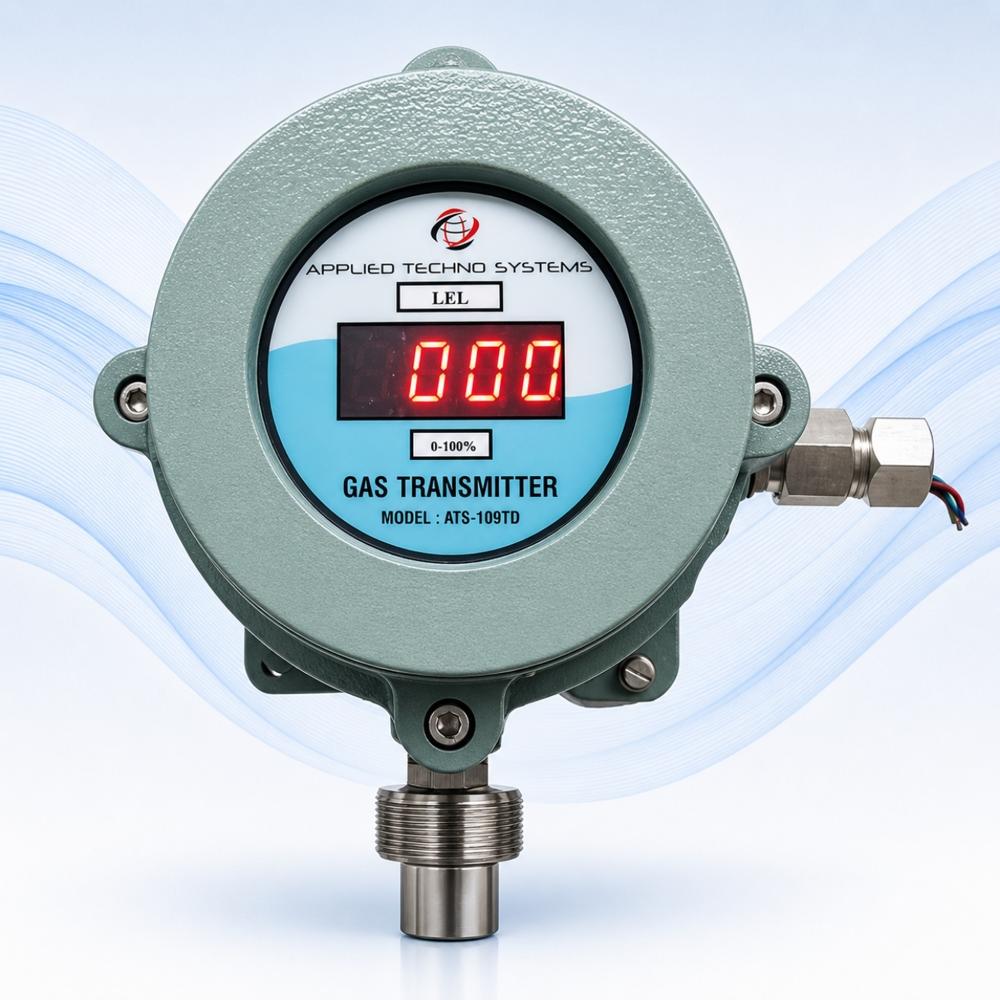
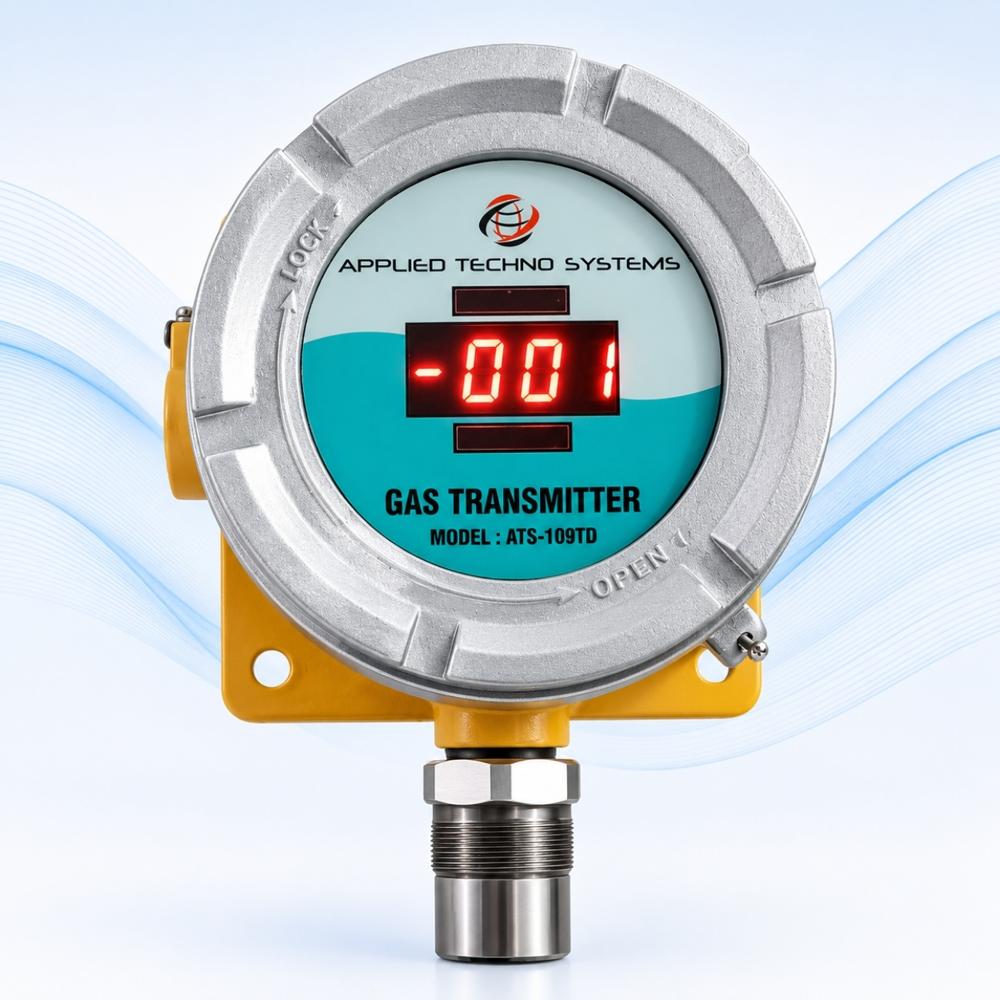
Ex-Proof Gas Detection System
Price 36500.0 INR/ Piece
Ex-Proof Gas Detection System Specification
- Application
- Industrial, Oil & Gas, Chemical Plants, Refineries
- Ingress Protection
- IP66
- Sensor Type
- Catalytic/NDIR/Electrochemical (Configurable)
- Power Consumption
- <3W
- Mounting Thread
- 3/4 NPT
- Sensitivity
- High (application dependent)
- Spectral Range
- Broadband (Sensor-specific)
- Signal Type
- Analog (4-20mA)
- Mounting Type
- Wall/Surface Mount
- Cable Length
- Customizable
- Operating Temperature
- -20C to +55C
- Measurement Range
- 0-100% LEL (typical for combustible gases)
- Wireless
- No
- Housing Material
- Aluminium Alloy (Explosion Proof Enclosure)
- IP Rating
- IP66 Flameproof
- Response Time
- <30 seconds
- Features
- Explosion Proof, Digital Display, Audible Alarm support
- Interface
- Wired connection (optional RS-485 Modbus)
- Product Type
- Ex-Proof Gas Detection System
- Material
- Stainless Steel & Flameproof Aluminum
- Input
- 24V DC Power Supply
- Output
- 4-20mA Analog
- Function
- Continuous Gas Monitoring and Detection
- Usage
- Detecting Combustible or Toxic Gases in Hazardous Areas
- Accuracy
- 2% F.S.
- Resolution
- 0.01% LEL
- Voltage
- 24V DC
- Weight
- ~2.5 kg
- Display Type
- LED Digital
- Compatible Gases
- Methane, Propane, Hydrogen, Ammonia, H2S, CO, O2, and many others (gas specific sensor)
- Indicator
- Alarm & Status LED on Display
- Enclosure Color
- Yellow (Housing) with Silver front
- Data Logging
- Optional with external data logger attachment
- Alarm Output
- Relay (potential free contact, optional)
- Calibration
- Manual, On-site Calibration Supported
About Ex-Proof Gas Detection System
The Gas Sensor Transmitter EX-Proof is an industrial gas detection and monitoring device designed for the continuous measurement of hazardous, toxic, combustible, and flammable gases in potentially hazardous environments. The transmitter can be configured with suitable gas sensors for detecting gases such as Oxygen (O), Hydrogen Sulfide (HS), Carbon Monoxide (CO), Sulfur Dioxide (SO), Hydrogen (H), Methane (CH), combustible gases, VOCs, and other toxic or flammable gases, depending on the application requirement. Designed for use in demanding industrial conditions, the Explosion-Proof Gas Sensor Transmitter provides reliable gas concentration measurement with 420 mA output, alarm/relay options, self-diagnostics, and continuous monitoring capabilities. It can be integrated with fixed gas detection and multi-point gas monitoring systems for real-time monitoring and early detection of hazardous gas leaks. The transmitter is suitable for applications in Oil Refineries, Petrochemical, Chemical, Oil & Gas, Natural Gas, LNG/LPG, Fertilizer, Coal Mining, Power Plants, Iron & Steel, Foundries, Pharmaceutical, Battery Manufacturing, and other hazardous industrial environments, providing dependable gas monitoring for plant safety, process safety, leak detection, and workplace protection.Explosion Proof and Industrial Safety
Engineered with a flameproof aluminum alloy housing and IP66 ingress protection, this gas detector excels in hazardous industrial spaces. Its explosion-proof feature ensures safe operation in environments where flammable or toxic gases are present, protecting facilities and personnel from potential gas-related accidents.
User-Friendly Calibration and Operation
With support for both manual and on-site calibration, the device allows maintenance teams to easily ensure accuracy. The intuitive LED digital display aids in monitoring, showing alarm and status notifications, delivering real-time gas concentration alerts for swift response.
Advanced Gas Compatibility and High Sensitivity
Whether you need to monitor methane, hydrogen sulfide, carbon monoxide, or oxygen, this system adapts with sensor-specific technology. It achieves high sensitivity and accuracy-2% Full Scale and a resolution of 0.01% LEL-across a broadband spectral range for diverse industrial applications.
FAQ's of Ex-Proof Gas Detection System:
Q: How does on-site calibration work for the Ex-Proof Gas Detection System?
A: On-site calibration is performed manually using designated calibration gas and following procedural prompts shown on the LED display. This process enables users to maintain consistent accuracy without needing to send the device to the manufacturer or a lab, ensuring reliability directly at the installation site.Q: What gases can this detection system monitor and how are sensors selected?
A: The system detects a range of gases, including methane, propane, hydrogen, ammonia, H2S, CO, and O2, among others. Each unit is configured with a sensor specific to the target gas for optimal performance. Choosing the right sensor depends on the gas risks associated with your application.Q: When should the gas detection system be recalibrated or maintained?
A: The device should be recalibrated at intervals recommended by the manufacturer, typically every 6 to 12 months, or after exposure to high concentrations. Regular checks ensure reliable functionality and accuracy, especially in critical hazardous area applications.Q: Where can the Ex-Proof Gas Detection System be installed?
A: Thanks to its explosion-proof aluminum housing, IP66 rating, and versatile wall/surface mounting options, the detector can be safely installed in chemical plants, oil & gas refineries, and any industrial zone classified as hazardous due to potential gas leaks.Q: What are the benefits of using a digital LED display and alarm LED indicators?
A: The clear LED digital display provides real-time readings, while integrated alarm and status LEDs ensure immediate visual notification of hazards. This setup enhances situational awareness and helps operators respond promptly to unsafe conditions.Q: How is data logged and accessed in this system?
A: Data logging is available as an optional feature via an external data logger attachment. This allows users to track gas concentration histories and analyze trends over time, supporting compliance, safety audits, and preventative maintenance.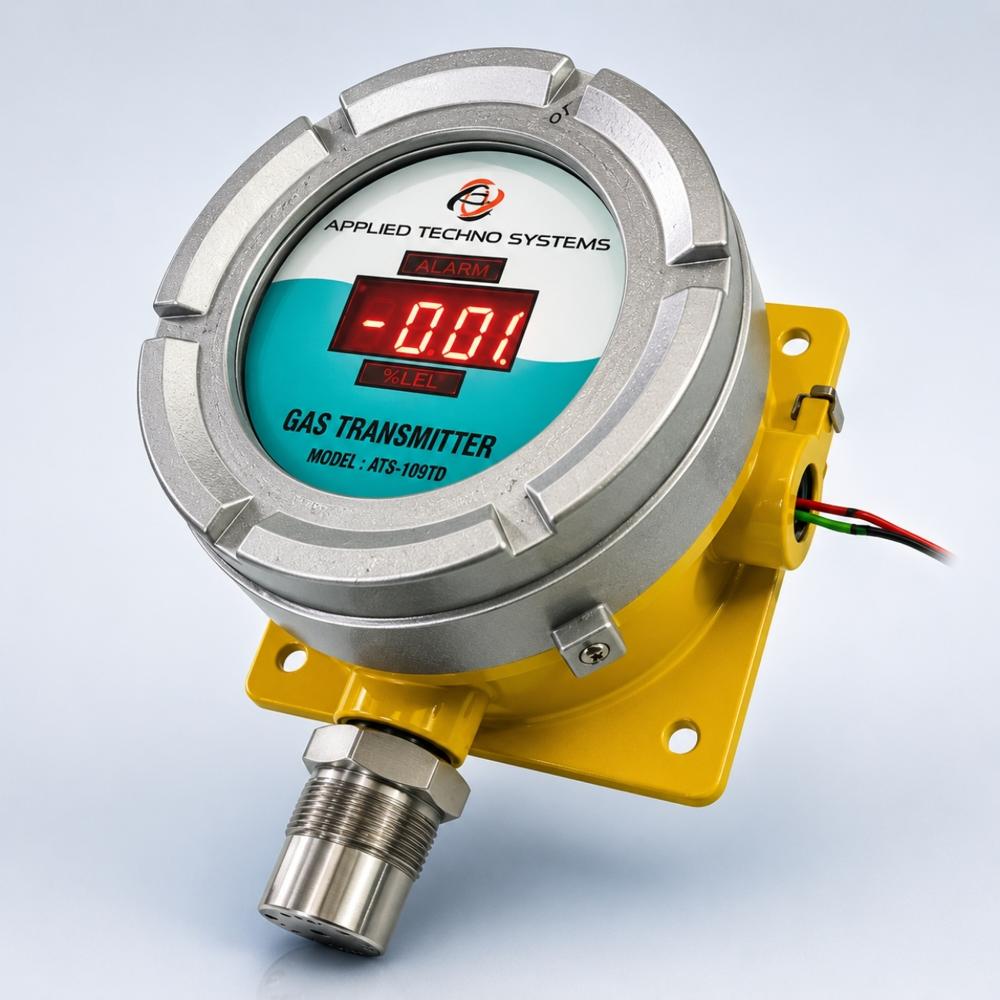

Price:
- 50
- 100
- 200
- 250
- 500
- 1000+

More Products in Gas Transmitters Category
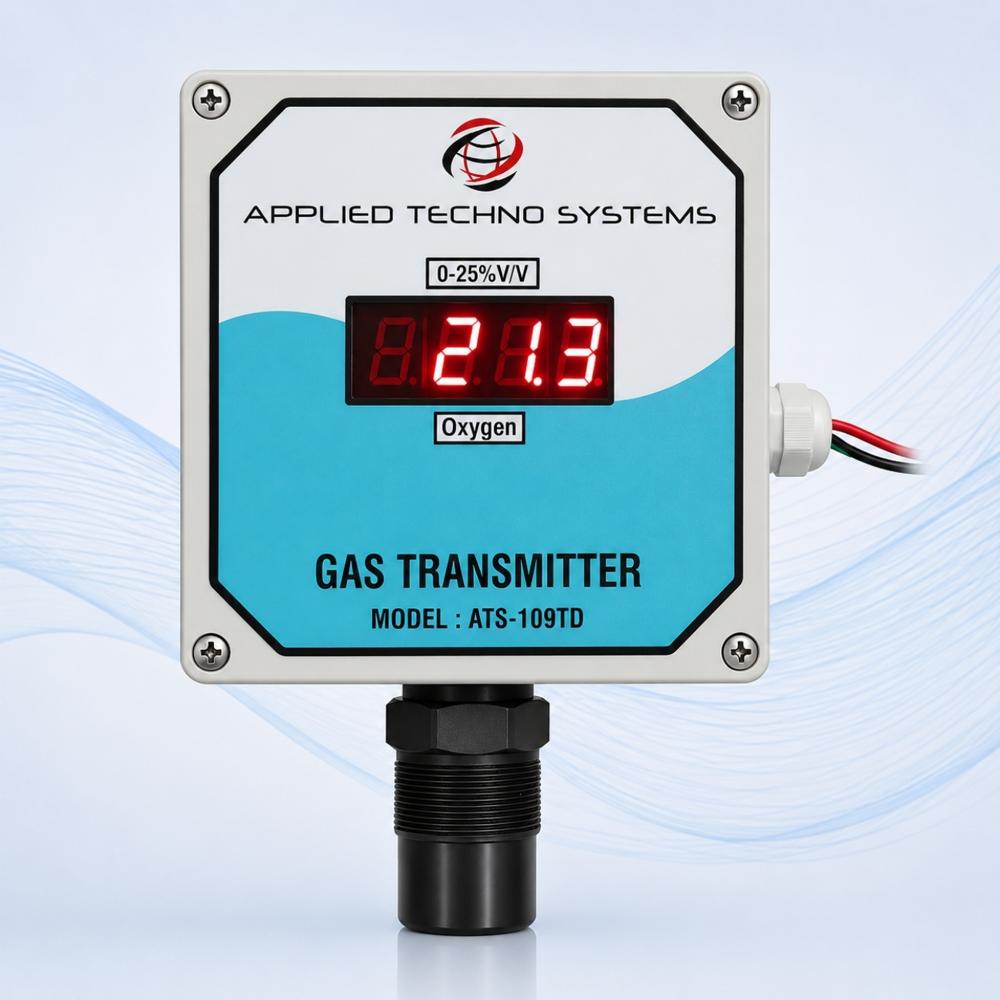
Gas Monitoring Transmitter
Price 35500.0 INR / Piece
Minimum Order Quantity : 1 Piece
Product Type : Gas Monitoring Transmitter
Resolution : 0.1% V/V
Sensor Type : Electrochemical sensor
Application : Oxygen Gas Monitoring
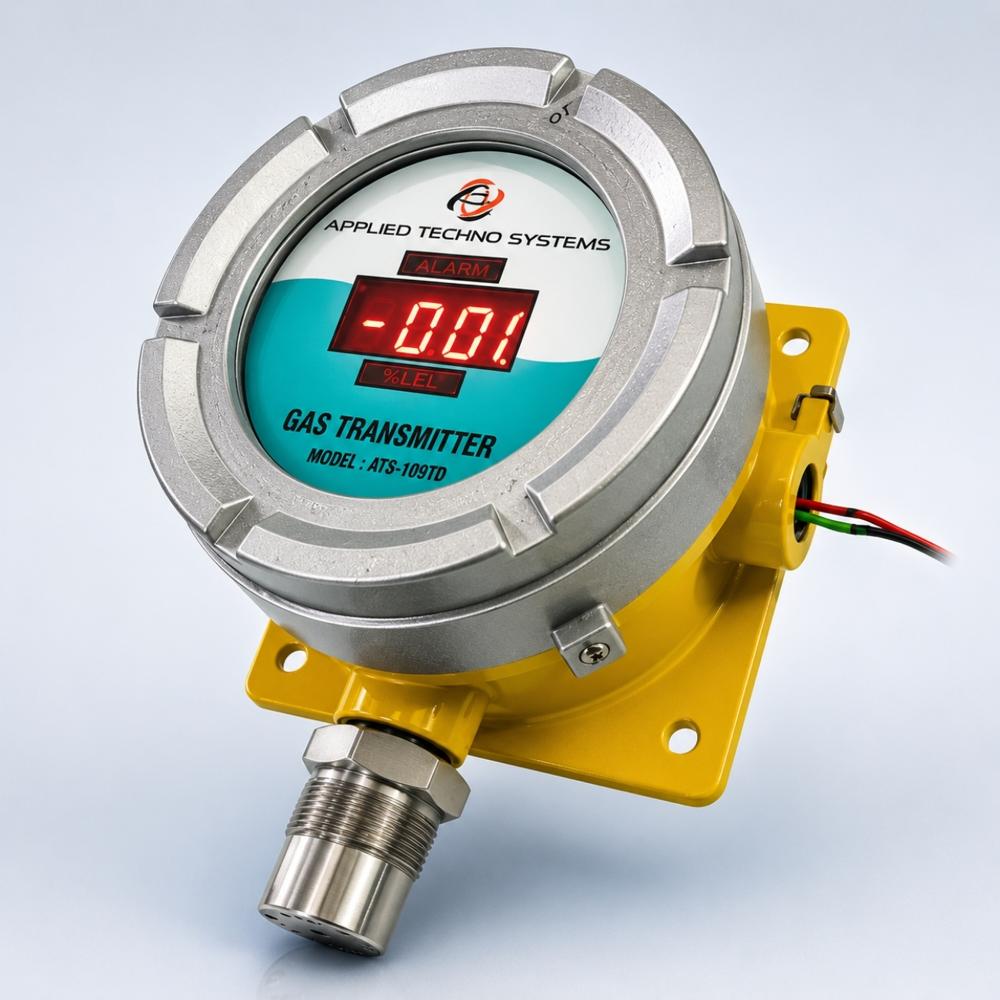
EX-Proof Gas Sensor Transmitter
Price 34500.0 INR / Piece
Minimum Order Quantity : 1 Piece
Product Type : EXProof Gas Sensor Transmitter
Resolution : 0.1% LEL
Sensor Type : Catalytic
Application : Hazardous area gas detection
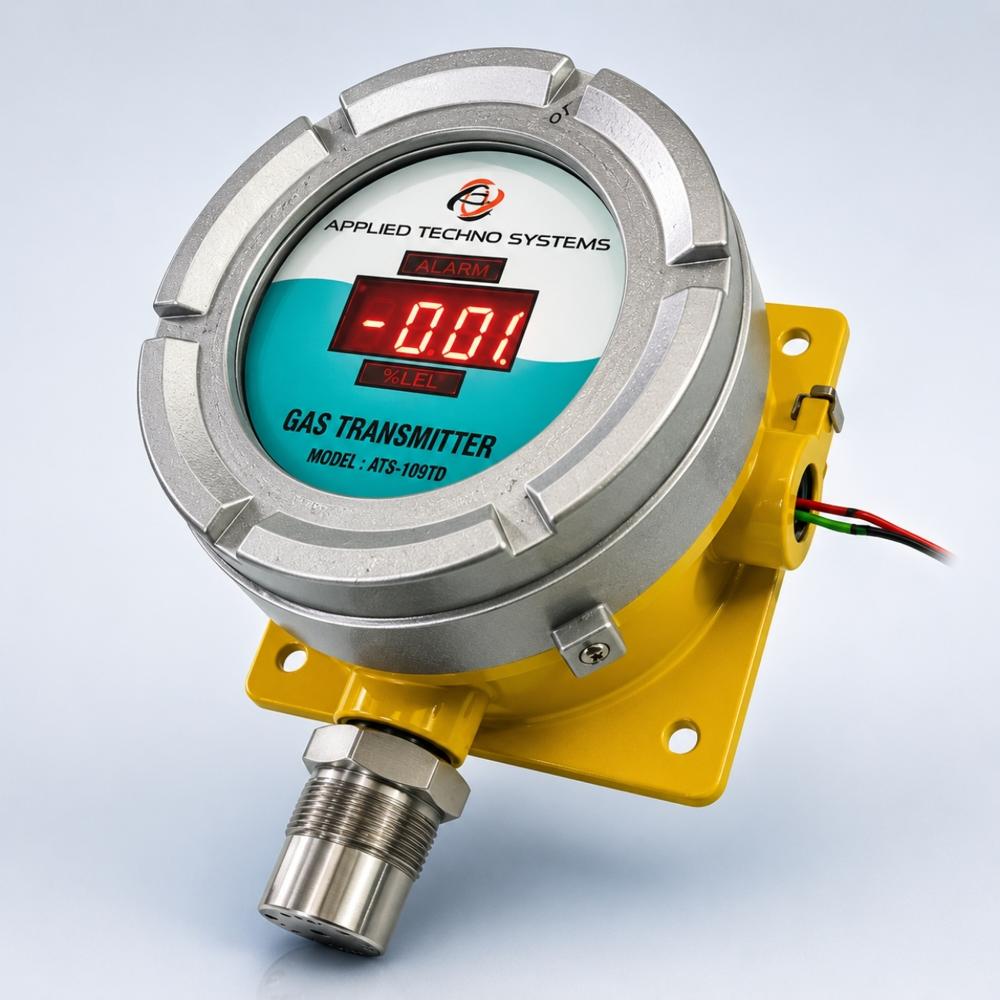
Gas Detection Sensor Transmitter
Price 38500.0 INR / Piece
Minimum Order Quantity : 1 Piece
Product Type : Gas Detection Sensor Transmitter
Resolution : 0.1% LEL
Sensor Type : Catalytic, Semiconductor, or Electrochemical
Application : Toxic, Flammable, or Combustible Gas Detection
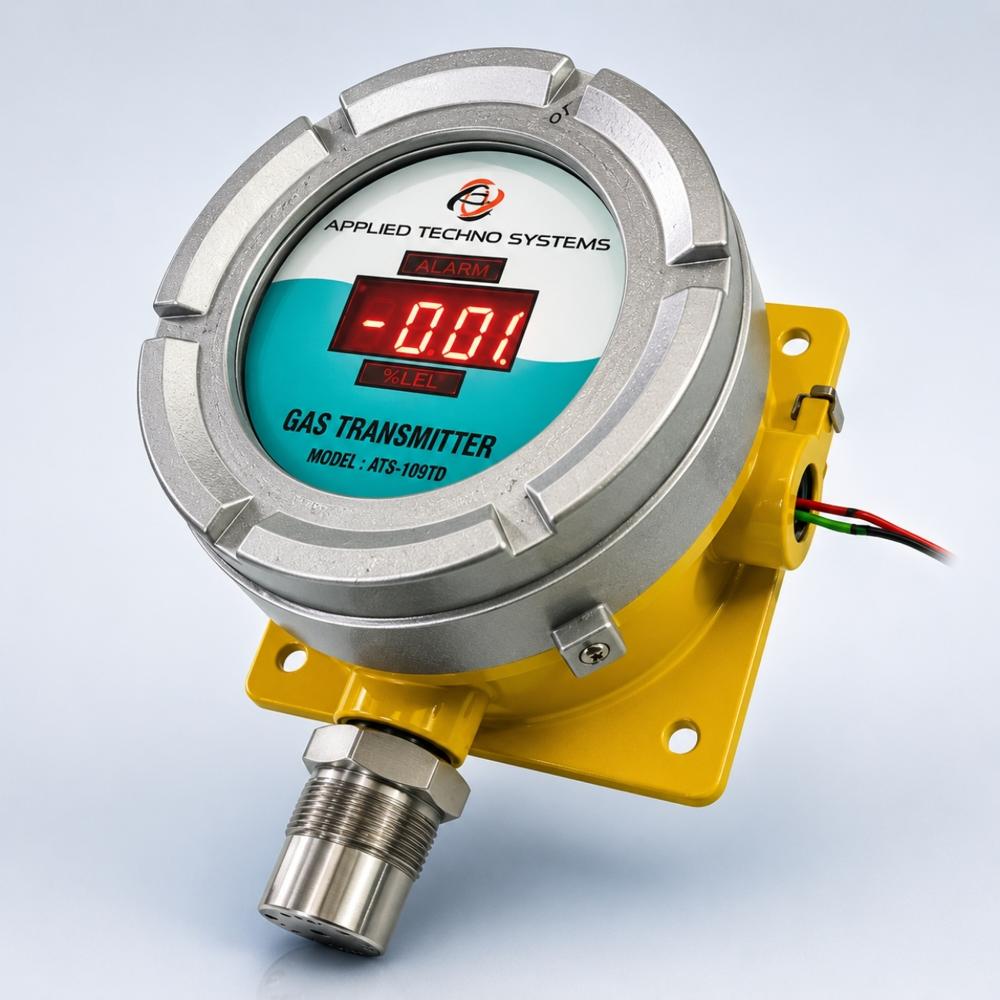
Flameproof Gas Detector
Price 34500.0 INR / Piece
Minimum Order Quantity : 1 Piece
Product Type : Flameproof Gas Detector (Gas Transmitter)
Resolution : 0.1% LEL (Lower Explosive Limit)
Sensor Type : Catalytic/Infrared/Other (Depending on Gas Type)
Application : Oil & Gas, Chemical, Petrochemical, Industrial Plants


- 104, Delta Industrial Estate, Building No 1, Gokhivare, Sativali Road, Vasai East, Dist-Palghar,Vasai - 401208, Maharashtra, India
- Phone : 08045814504
GST : 27AAVCA1127G1ZN

- Mr M L YADAV (Marketing Manager)
- Mobile : 08045814504
- Send Inquiry
 Send Inquiry

|


- Dew Point Meters
- Gas Analysers
- Portable Gas Detector
- Moisture And Dew Point Analyzer
- Dust/Opacity Monitor
- Gas Monitoring Systems
- Gas Leak Detectors
- Gas Transmitters
- VOC Leak Detector
- Air Quality Monitoring System
- Online Continuous Emission Monitoring System-OCEMS
- Dew Point Monitors
- Gas Detector
- Opacity Monitor
- Portable Flue Gas Analyzer
- Online SOX & NOX Gas Analyzer
- Methane Gas Leak Detector
- Hydrogen Purity Analyzer
- Gas Purity Analyzer
- Effluent Monitoring Systems
- Producer Gas Analyzer
- Gas Detector Calibration Service
- Portable Gas Monitors
- Gas Sensor Transmitter

Developed and Managed by Infocom Network Private Limited.


 English
 Spanish
 French
 German
 Italian
 Chinese (Simplified)
 Japanese
 Korean
 Arabic
 Portuguese
