 Chat with us

- Dew Point Meters
- Gas Analysers
- Portable Gas Detector
- Moisture And Dew Point Analyzer
- Dust/Opacity Monitor
- Gas Monitoring Systems
- Gas Leak Detectors
- Gas Transmitters
- VOC Leak Detector
- Air Quality Monitoring System
- Online Continuous Emission Monitoring System-OCEMS
- Dew Point Monitors
- Gas Detector
- Opacity Monitor
- Portable Flue Gas Analyzer
- Online SOX & NOX Gas Analyzer
- Methane Gas Leak Detector
- Hydrogen Purity Analyzer
- Gas Purity Analyzer
- Effluent Monitoring Systems
- Producer Gas Analyzer
- Gas Detector Calibration Service
- Portable Gas Monitors
- Gas Sensor Transmitter

 Send Inquiry
Fixed Gas Detection System
Price 66500.0 INR/ Piece
Fixed Gas Detection System Specification
- Operating Mode
- Continuous Gas Monitoring
- Interface
- RS-485, Relay, Sensor Port
- License Free
- Yes
- Mounting Type
- Wall Mount
- Standard
- Industrial Grade, ATS-107M Model
- Size
- Compact, Terminal Box Integrated
- Connectivity Type
- RS-485 Communication Interface
- Technology
- Electrochemical Sensor Technology
- Special Features
- Digital Display, Alarm Indicator, Trouble Indicator, Reset & Function Buttons, Real-time Gas Monitoring
- Application
- Industrial Safety, Environmental Monitoring, Gas Leak Detection
- Screen Resolution
- Digital LCD Display, Four-digit Readout
- Power Supply
- 230 VAC
- Output Formats
- Relay Output, RS-485 Communication
- Real-time Monitoring
- Enabled
- Sensor Connectivity
- Direct Sensor Port
- Power Consumption
- Low Power Consumption
- Indication Type
- Green (Main), Yellow (Alarm), Red (Trouble)
- Display Type
- Backlit Digital LCD
- Measurement Range
- 0-9999 PPM
- Relay Output
- Available for External Devices
- Terminal Box
- Integrated for Easy Wiring
- Environmental Suitability
- Suitable for Harsh Industrial Environments
- Control Buttons
- FN, EN, RESET, Arrow Navigation
- Model
- ATS-107M
- Detection Gas Type
- Ammonia (NH3)
- Enclosure
- Transparent Protective Casing
About Fixed Gas Detection System
The Fixed / Continuous Gas Monitoring System is an industrial gas detection and monitoring solution designed for the continuous measurement of hazardous, toxic, combustible, and flammable gases in industrial and commercial environments. The system can be configured with multiple gas sensor transmitters and control units to continuously monitor gases such as Oxygen (O), Hydrogen Sulfide (HS), Carbon Monoxide (CO), Sulfur Dioxide (SO), Hydrogen (H), Methane (CH), combustible gases, VOCs, and other toxic or flammable gases, depending on the application and sensor requirement. It provides real-time gas concentration monitoring with visual, audible, and relay alarm outputs, helping users identify gas leaks and hazardous conditions at an early stage. The system is suitable for continuous gas monitoring, leak detection, process safety, plant safety, confined-area monitoring, and emergency alarm applications and can be configured for single-point or multi-point monitoring. Suitable for applications in Oil Refineries, Petrochemical, Chemical, Oil & Gas, Natural Gas, LNG/LPG, Fertilizer, Coal Mining, Power Plants, Iron & Steel, Foundries, Pharmaceutical, Battery Manufacturing, and other industrial environments, the fixed gas monitoring system provides reliable long-term monitoring and supports safer industrial operations.Advanced Ammonia Gas Detection
The ATS-107M provides real-time supervision of ammonia (NH3) gas levels using high-precision electrochemical sensor technology. Its broad detection range up to 9999 PPM ensures heighted safety for industrial and environmental applications, making it invaluable for facilities where ammonia leaks pose risk.
Intuitive Controls and Indicators
With clear green, yellow, and red visual indicators, and reset and function buttons, users can quickly interpret system status and intervene if necessary. The digital LCD delivers easy-to-read measurements, while the user-friendly design streamlines day-to-day monitoring and operation.
Built for Industrial Environments
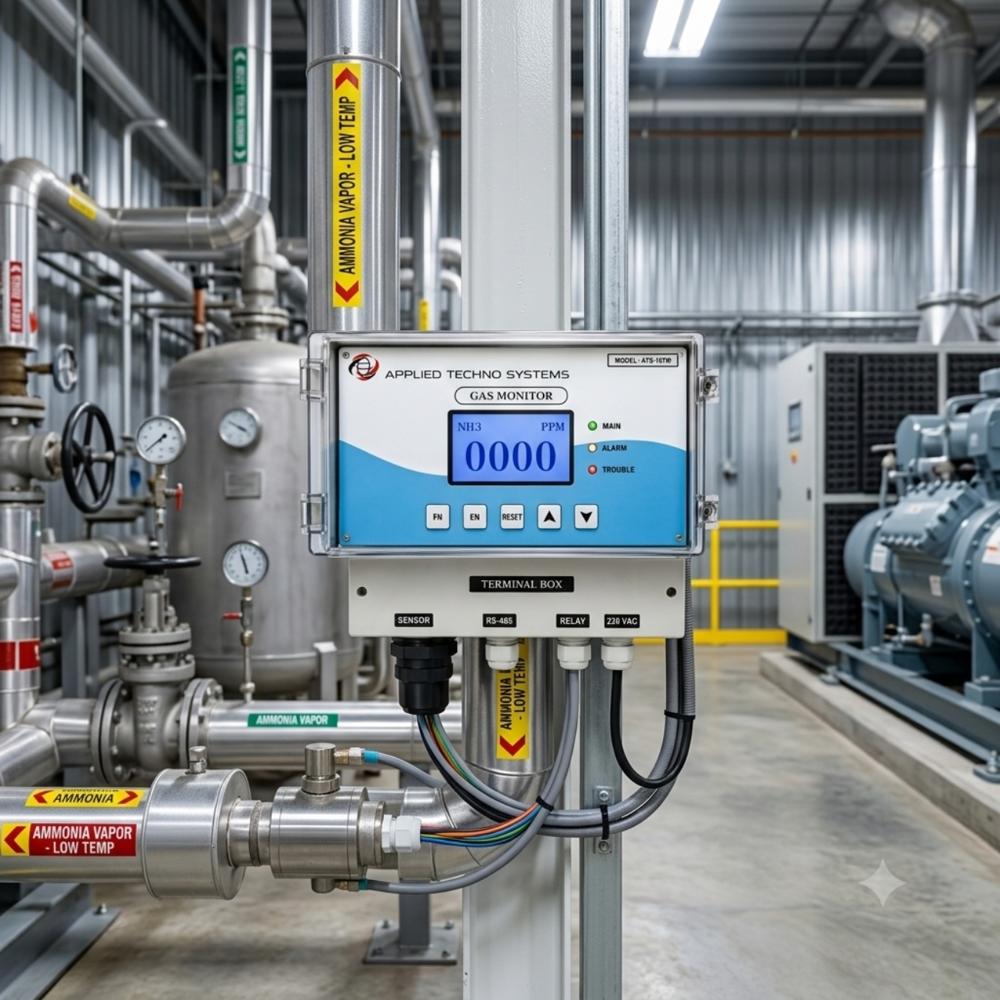
Housed in a transparent protective casing, the ATS-107M is engineered for durability and reliability in demanding workplaces. Low power consumption, wall-mount capability, integrated terminal box, and direct sensor port simplify installation and operation even in harsh industrial conditions.
FAQ's of Fixed Gas Detection System:
Q: How does the ATS-107M Fixed Gas Detection System monitor ammonia levels?
A: The ATS-107M uses advanced electrochemical sensor technology to provide accurate, real-time monitoring of ammonia (NH3) concentrations within the range of 0-9999 PPM. Its continuous operating mode ensures you receive instant updates about the gas levels on the digital LCD display.Q: What actions should be taken when the system indicates an alarm or trouble status?
A: When the yellow (alarm) or red (trouble) indicator lights up, it signals either high ammonia concentration or a system malfunction. In such cases, follow your facility's safety protocols immediately. Use the RESET and function buttons to acknowledge or reset the system after resolving the issue.Q: Where can the ATS-107M gas detector be installed for optimal performance?
A: The ATS-107M is designed for wall mounting in industrial environments, ideally placed near potential sources of ammonia leakage or in areas requiring continuous gas monitoring. Its robust enclosure ensures reliable operation even in harsh conditions.Q: What types of devices can the relay outputs connect to for external control?
A: Relay outputs can be configured to activate external alarms, ventilation systems, or automatic shutdown devices when ammonia levels exceed preset thresholds, enhancing your facility's safety response mechanisms.Q: When is maintenance or calibration required for the ATS-107M system?
A: Routine maintenance and calibration schedules depend on your facility's safety requirements and the manufacturer's recommendations. Regular sensor calibration ensures continued measurement accuracy, especially in demanding industrial settings.Q: How does the RS-485 communication interface benefit system integration?
A: The RS-485 interface allows for seamless integration with centralized monitoring systems, facilitating remote data acquisition, system diagnostics, and communication with building management systems or SCADA for enhanced control.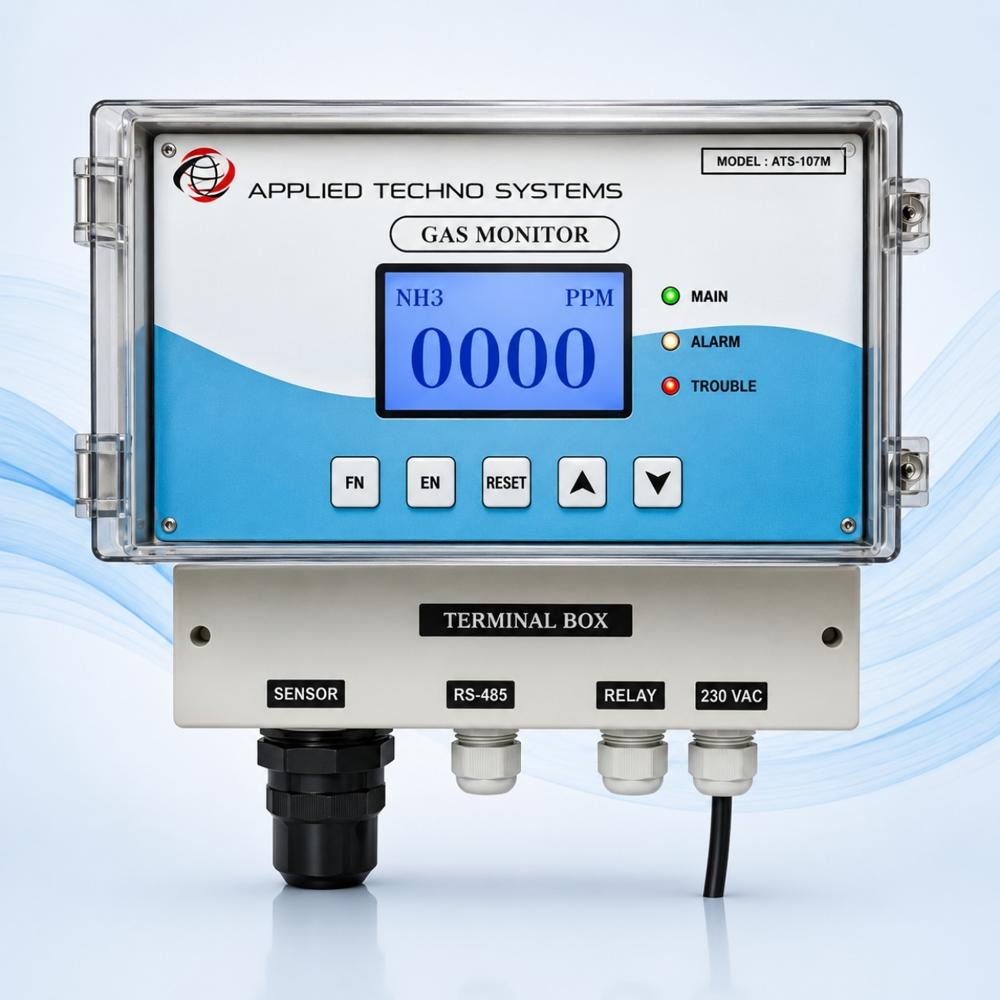

Price:
- 50
- 100
- 200
- 250
- 500
- 1000+

More Products in Gas Monitoring Systems Category
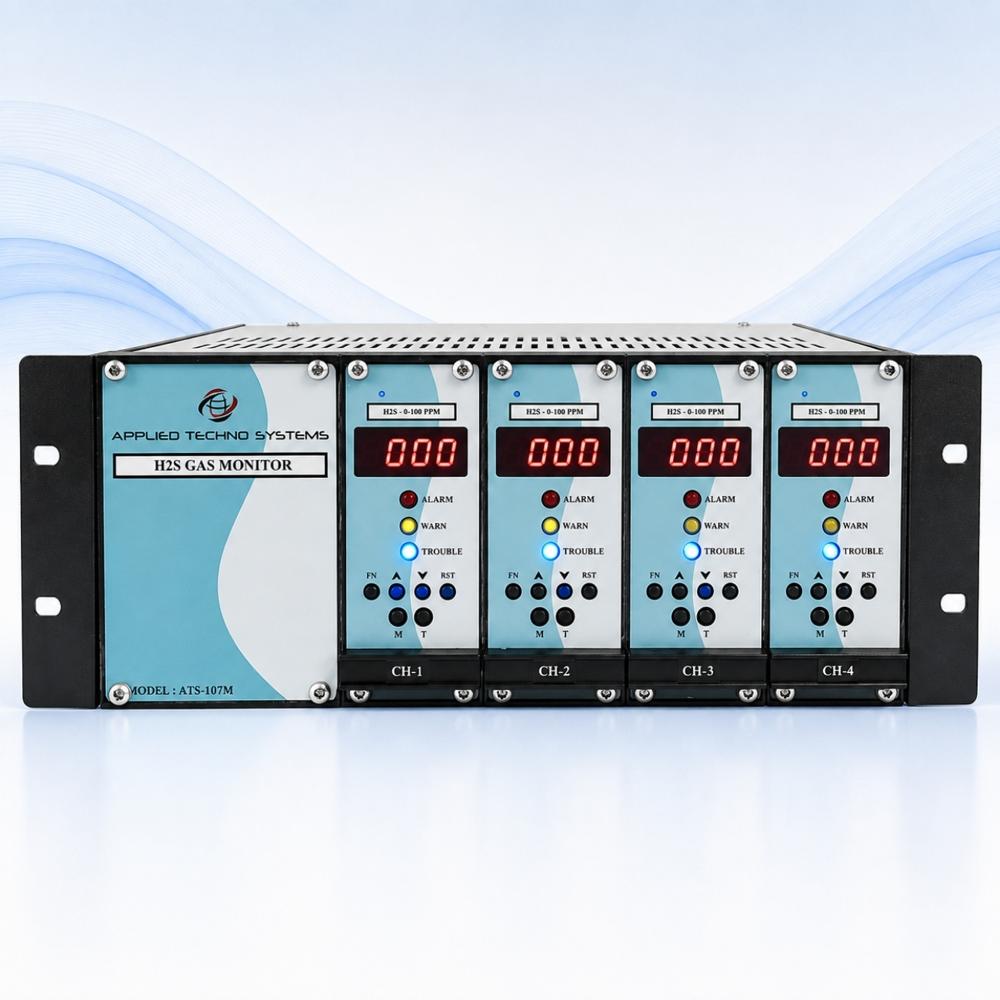
Continuous Gas Detection System
Price 80500.0 INR / Piece
Minimum Order Quantity : 1 Piece
Size : Standard 19inch rack enclosure, approx. 3U height
Power Supply : 230V AC / 24V DC (standard)
Output Formats : Analog 420 mA, Relay digital outputs
Screen Resolution : 3digit digital LED display for each channel
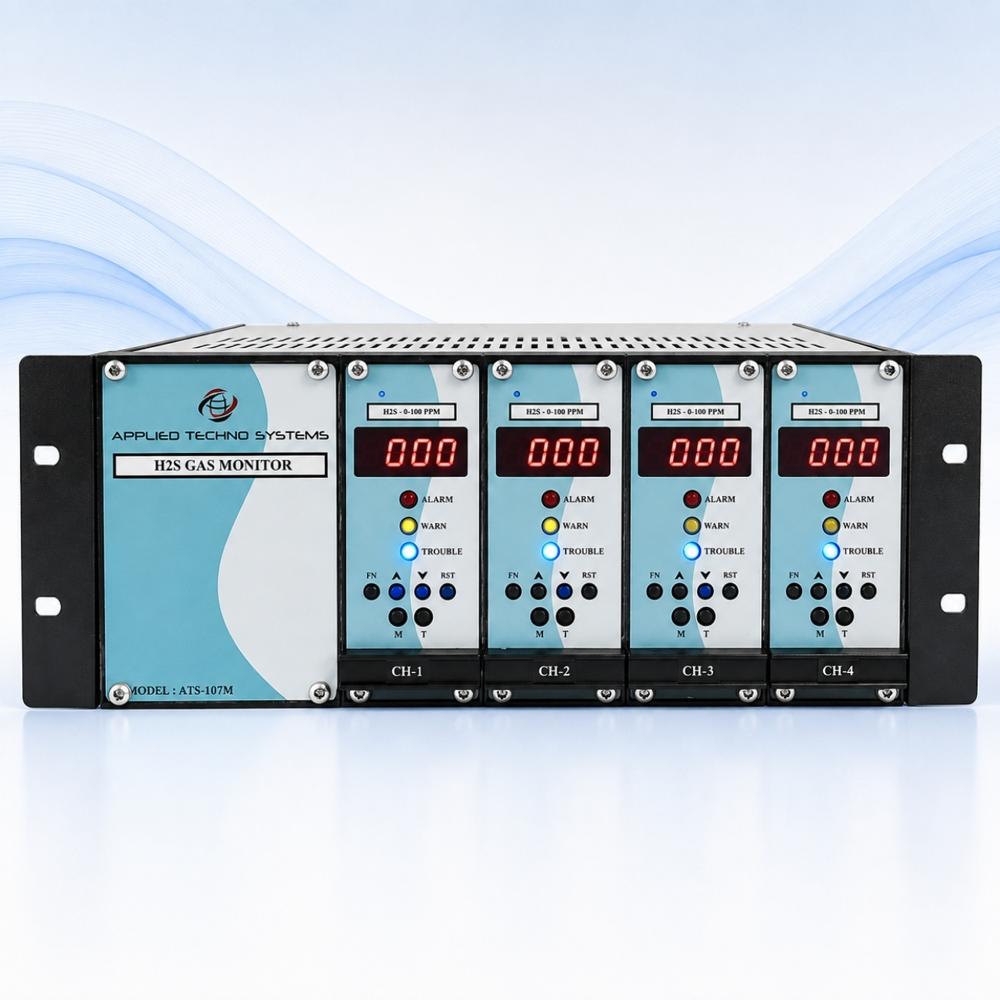
Online Gas Monitoring System
Price 160500.0 INR / Piece
Minimum Order Quantity : 1 Piece
Size : Standard 19Inch Rack Size
Power Supply : 230V AC, 50Hz
Output Formats : Analog 420mA, Relay Output
Screen Resolution : 3Digit Digital LED Display per Channel
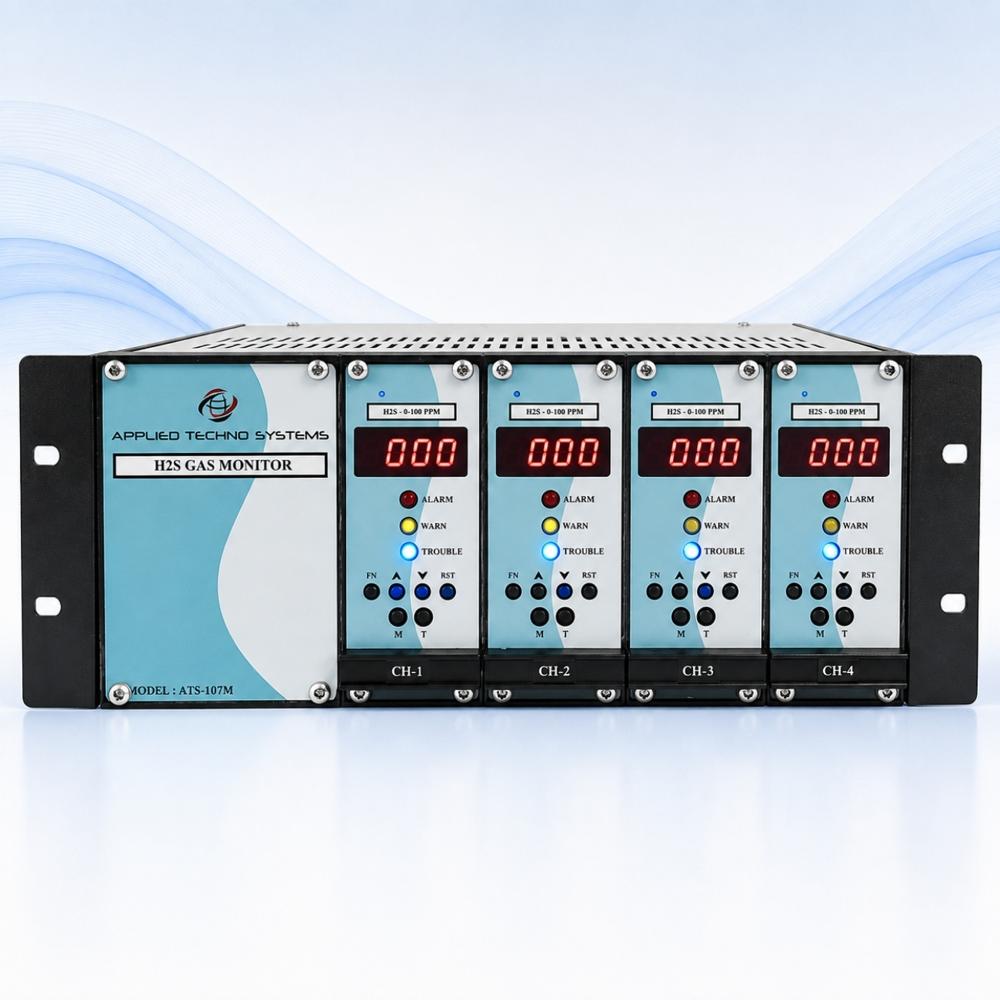
Multi Channel Gas Detection System
Price 180500.0 INR / Piece
Minimum Order Quantity : 1 Piece
Size : Standard 19 inch Rack
Power Supply : 230V AC / 24V DC
Output Formats : Relay Outputs, Analog 420mA Output
Screen Resolution : 3Digit LED Digital Readout
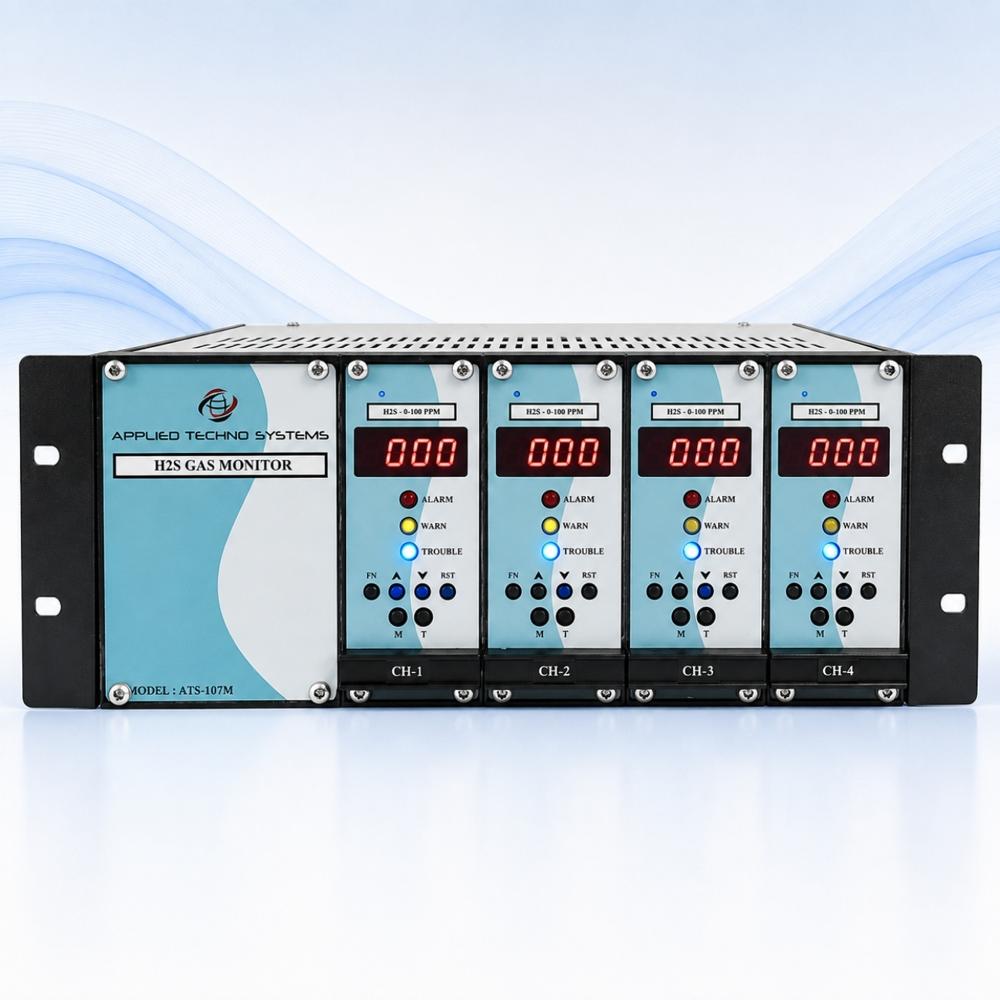
Multi Channel Gas Monitoring Equipment
Price 160500.0 INR / Piece
Minimum Order Quantity : 1 Piece
Size : Standard 19inch rack
Power Supply : 230V AC / 24V DC (as per model specification)
Output Formats : 420mA analog output, relay outputs for alarms
Screen Resolution : Digital 3digit LED per channel


- 104, Delta Industrial Estate, Building No 1, Gokhivare, Sativali Road, Vasai East, Dist-Palghar,Vasai - 401208, Maharashtra, India
- Phone : 08045814504
GST : 27AAVCA1127G1ZN

- Mr M L YADAV (Marketing Manager)
- Mobile : 08045814504
- Send Inquiry
 Send Inquiry

|


- Dew Point Meters
- Gas Analysers
- Portable Gas Detector
- Moisture And Dew Point Analyzer
- Dust/Opacity Monitor
- Gas Monitoring Systems
- Gas Leak Detectors
- Gas Transmitters
- VOC Leak Detector
- Air Quality Monitoring System
- Online Continuous Emission Monitoring System-OCEMS
- Dew Point Monitors
- Gas Detector
- Opacity Monitor
- Portable Flue Gas Analyzer
- Online SOX & NOX Gas Analyzer
- Methane Gas Leak Detector
- Hydrogen Purity Analyzer
- Gas Purity Analyzer
- Effluent Monitoring Systems
- Producer Gas Analyzer
- Gas Detector Calibration Service
- Portable Gas Monitors
- Gas Sensor Transmitter

Developed and Managed by Infocom Network Private Limited.


 English
 Spanish
 French
 German
 Italian
 Chinese (Simplified)
 Japanese
 Korean
 Arabic
 Portuguese
