 Chat with us

- Dew Point Meters
- Gas Analysers
- Portable Gas Detector
- Moisture And Dew Point Analyzer
- Dust/Opacity Monitor
- Gas Monitoring Systems
- Gas Leak Detectors
- Gas Transmitters
- VOC Leak Detector
- Air Quality Monitoring System
- Online Continuous Emission Monitoring System-OCEMS
- Dew Point Monitors
- Gas Detector
- Opacity Monitor
- Portable Flue Gas Analyzer
- Online SOX & NOX Gas Analyzer
- Methane Gas Leak Detector
- Hydrogen Purity Analyzer
- Gas Purity Analyzer
- Effluent Monitoring Systems
- Producer Gas Analyzer
- Gas Detector Calibration Service
- Portable Gas Monitors
- Gas Sensor Transmitter

 Send Inquiry
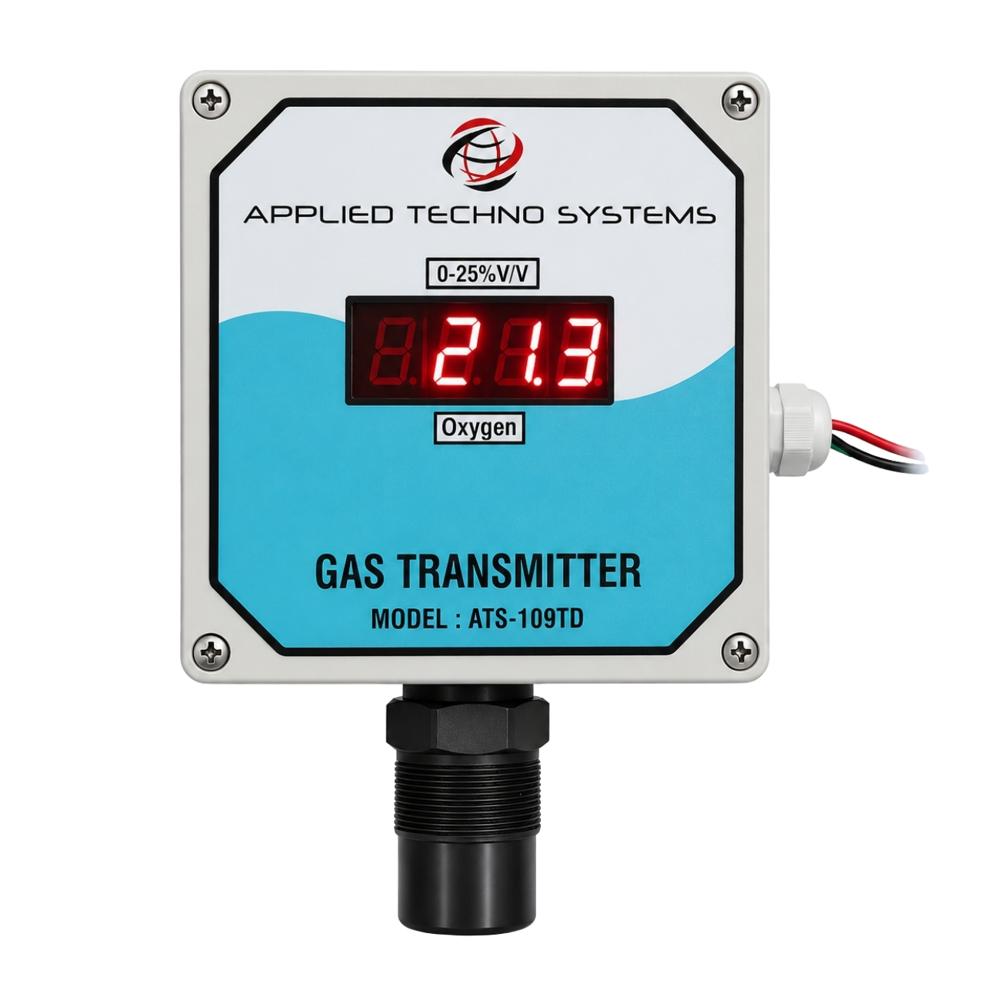
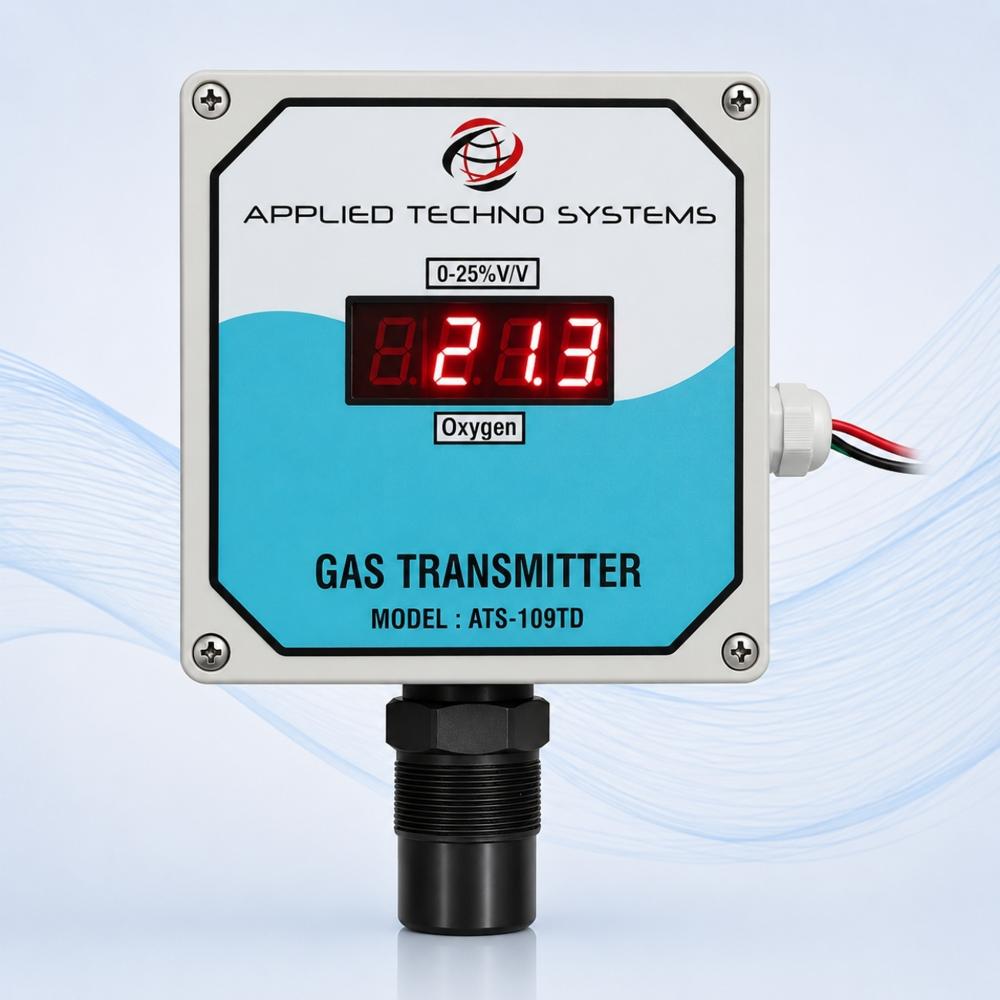
Fixed Gas Monitoring Transmitter
Price 34500.0 INR/ Piece
Fixed Gas Monitoring Transmitter Specification
- Cable Length
- Customizable, Standard 1 Meter
- Sensitivity
- High
- Mounting Thread
- Standard Pipe Thread (Typically 1 inch NPT)
- Response Time
- <30 Seconds
- Mounting Type
- Wall/Duct/Pipe Mountable
- IP Rating
- IP65
- Interface
- Wired Terminal Block
- Operating Temperature
- -10C to +50C
- Housing Material
- ABS Plastic/Polycarbonate Enclosure
- Spectral Range
- 0 - 25% V/V (Oxygen)
- Features
- Large LED Display, Sturdy Housing, Continuous Operation
- Sensor Type
- Electrochemical Cell
- Application
- Industrial, Laboratory, Safety, Confined Spaces
- Ingress Protection
- IP65 Rated Enclosure
- Measurement Range
- 0 - 25% V/V (Oxygen)
- Power Consumption
- <0.5W
- Wireless
- No
- Signal Type
- 4-20mA Analog
- Product Type
- Fixed Gas Monitoring Transmitter
- Material
- Corrosion Resistant, High-Impact Plastic
- Input
- 24V DC
- Output
- 4-20 mA Analog Signal
- Function
- Continuous Area Gas Monitoring
- Usage
- Industrial Oxygen Gas Detection
- Accuracy
- 2% Full Scale
- Resolution
- 0.1% V/V
- Voltage
- 24V DC Nominal
- Weight
- Approx. 350-500g
- Dimensions
- Approx. 120 x 110 x 60 mm
- Sensor Life
- Typically 2 Years (Replaceable)
- Alarm Indication
- Optional External Module via Output
- Calibration Interval
- 6-12 Months Recommended
- Storage Temperature
- -20C to +60C
- Relay Option
- Available on Request
- Display
- 4-digit Red LED, High-visibility
- Relative Humidity
- 15% - 95% RH (Non-condensing)
About Fixed Gas Monitoring Transmitter
The Gas Sensor Transmitter WP (Weatherproof) is a reliable industrial gas detection and monitoring device designed for the continuous measurement of hazardous, toxic, combustible, and flammable gases in indoor and outdoor environments. The transmitter can be configured with suitable gas sensors for detecting gases such as Oxygen (O), Hydrogen Sulfide (HS), Carbon Monoxide (CO), Sulfur Dioxide (SO), Hydrogen (H), Methane (CH), combustible gases, VOCs, and other toxic or flammable gases, depending on the application requirement. Its rugged weatherproof construction makes it suitable for demanding industrial conditions and outdoor gas monitoring applications. The transmitter provides reliable gas concentration measurement with 420 mA output, alarm/relay options, self-diagnostics, and continuous monitoring capabilities, and can be integrated with fixed gas detection and multi-point gas monitoring systems. It is suitable for gas leak detection, plant safety, process monitoring, storage area monitoring, workplace safety, and continuous gas monitoring in Oil Refineries, Petrochemical, Chemical, Oil & Gas, Natural Gas, LNG/LPG, Fertilizer, Coal Mining, Power Plants, Iron & Steel, Foundries, Pharmaceutical, Battery Manufacturing, and other industrial environments.Continuous and Reliable Oxygen Detection
Utilizing high-sensitivity electrochemical sensors, this transmitter provides accurate, real-time monitoring of oxygen concentrations from 0 to 25% V/V. The large, red LED display ensures easy visibility, even in low-light or industrial conditions, supporting prompt safety action where necessary.
Built for Harsh Industrial Environments
Housed in a sturdy IP65-rated polycarbonate/ABS enclosure, this transmitter is highly resistant to impact and corrosion. It operates efficiently in wide temperature and humidity ranges, making it perfect for both industrial and laboratory use in challenging environments.
Flexible Installation and Integration
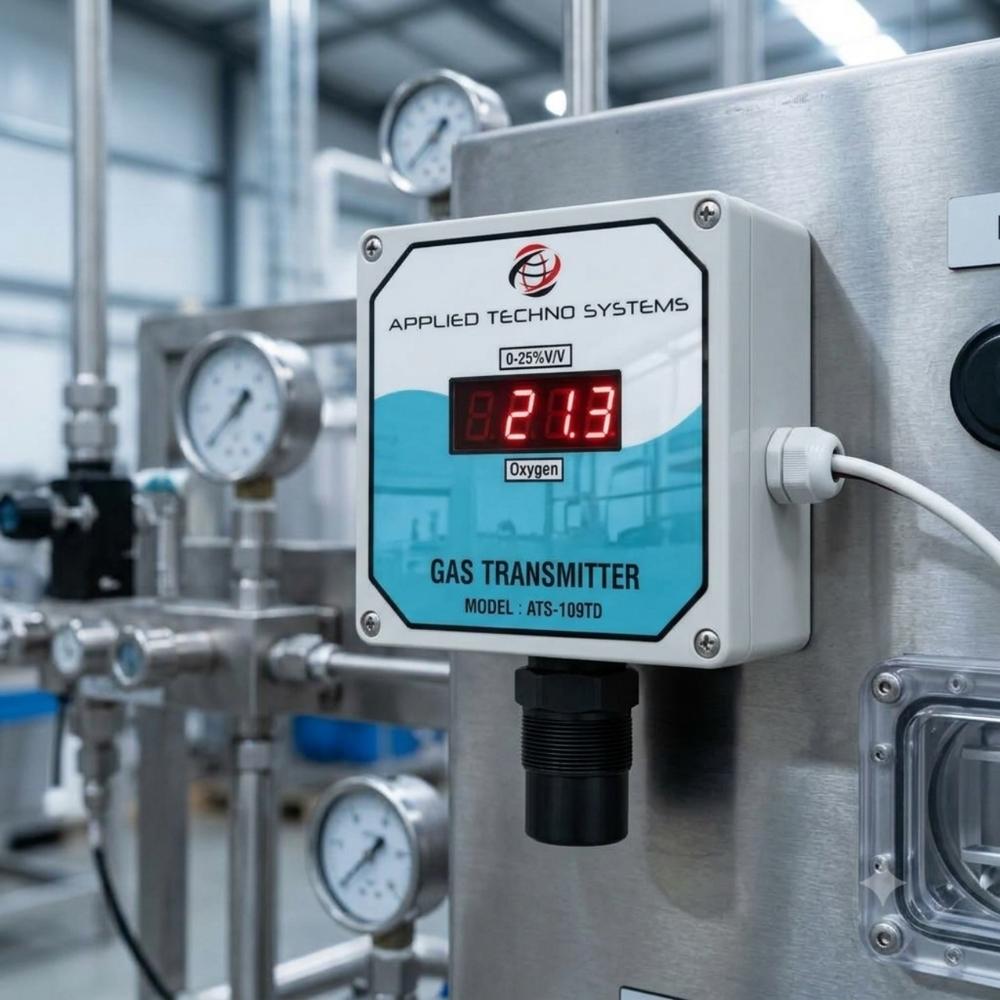
Thanks to standard mounting threads and a compact, versatile design, installation is simple on walls, ducts, or pipes. With a 4-20 mA output and customizable cable lengths, the transmitter integrates seamlessly into existing wired safety or building management systems.
FAQ's of Fixed Gas Monitoring Transmitter:
Q: How does the Fixed Gas Monitoring Transmitter detect gases and what is its measurement range?
A: The transmitter uses an electrochemical cell sensor to continuously monitor oxygen levels, providing readings within the 0-25% V/V range. Its high sensitivity ensures accurate detection and reliable performance in industrial and laboratory settings.Q: What is the recommended calibration interval for this transmitter, and why is it important?
A: Calibration is advised every 6 to 12 months to maintain measurement accuracy. Regular calibration ensures the device consistently meets safety standards and delivers reliable gas concentration readings.Q: Where can this oxygen gas transmitter be installed for optimal performance?
A: The unit is designed for wall, pipe, or duct mounting-ideal for industrial sites, laboratories, or confined spaces. The IP65-rated enclosure protects against dust and water, making it suitable for harsh or demanding environments.Q: What process is required to replace the sensor, and how often should it be replaced?
A: The sensor typically lasts two years under normal conditions. To replace, simply follow the manufacturer's user guide; the modular design makes replacement quick and straightforward, minimizing downtime.Q: How can you connect the alarm indication module or relays?
A: Alarm indication can be achieved via an optional external module using the device's output. Relay options are available on request and can be integrated to trigger alarms or ventilation systems as needed.Q: What are the key benefits of using this gas transmitter in industrial safety applications?
A: Key benefits include continuous, accurate monitoring, a high-visibility display, robust IP65 housing, and easy integration with safety systems via 4-20 mA output. Its corrosion resistance and broad environmental tolerances support reliable long-term operation.Q: When should you contact the manufacturer or service provider?
A: Contact them for technical support, replacement parts, calibration services, or when customizing features such as relay integration or cable length. Ongoing support ensures your system remains up to date and effective.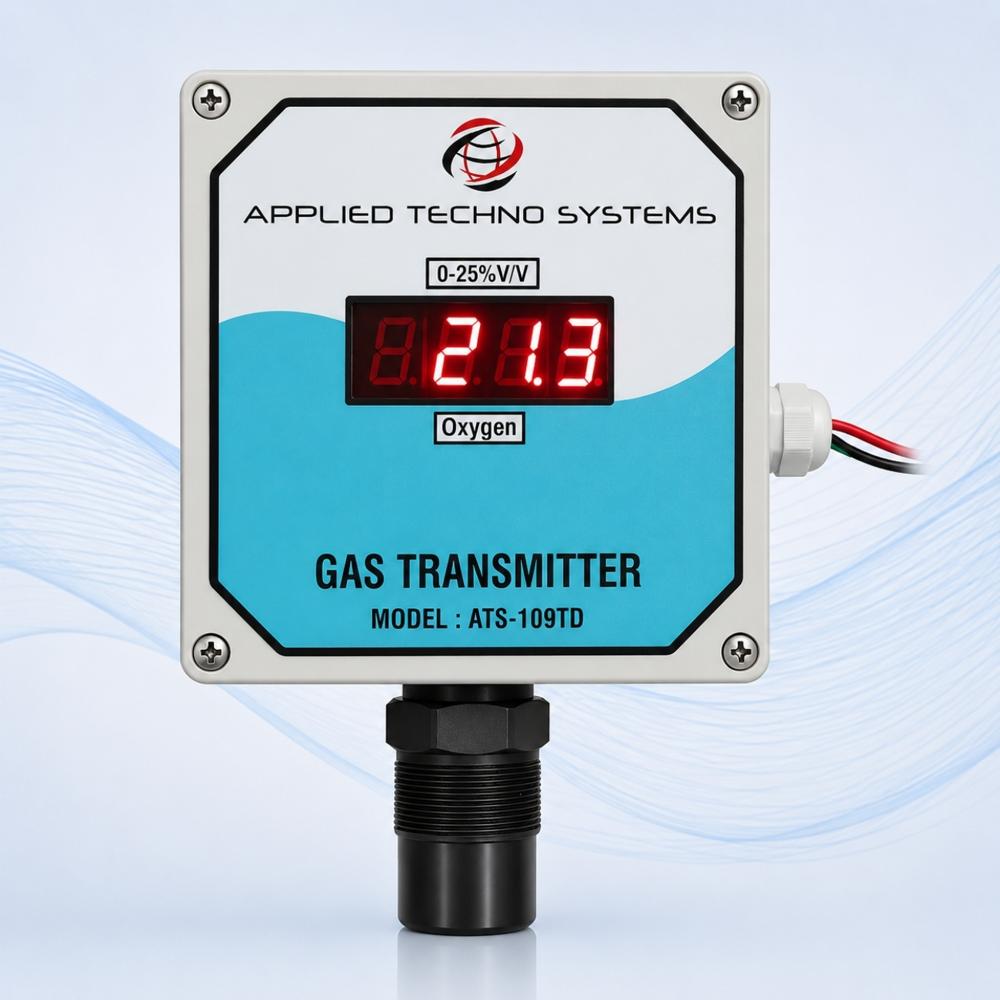

Price:
- 50
- 100
- 200
- 250
- 500
- 1000+

More Products in Gas Transmitters Category
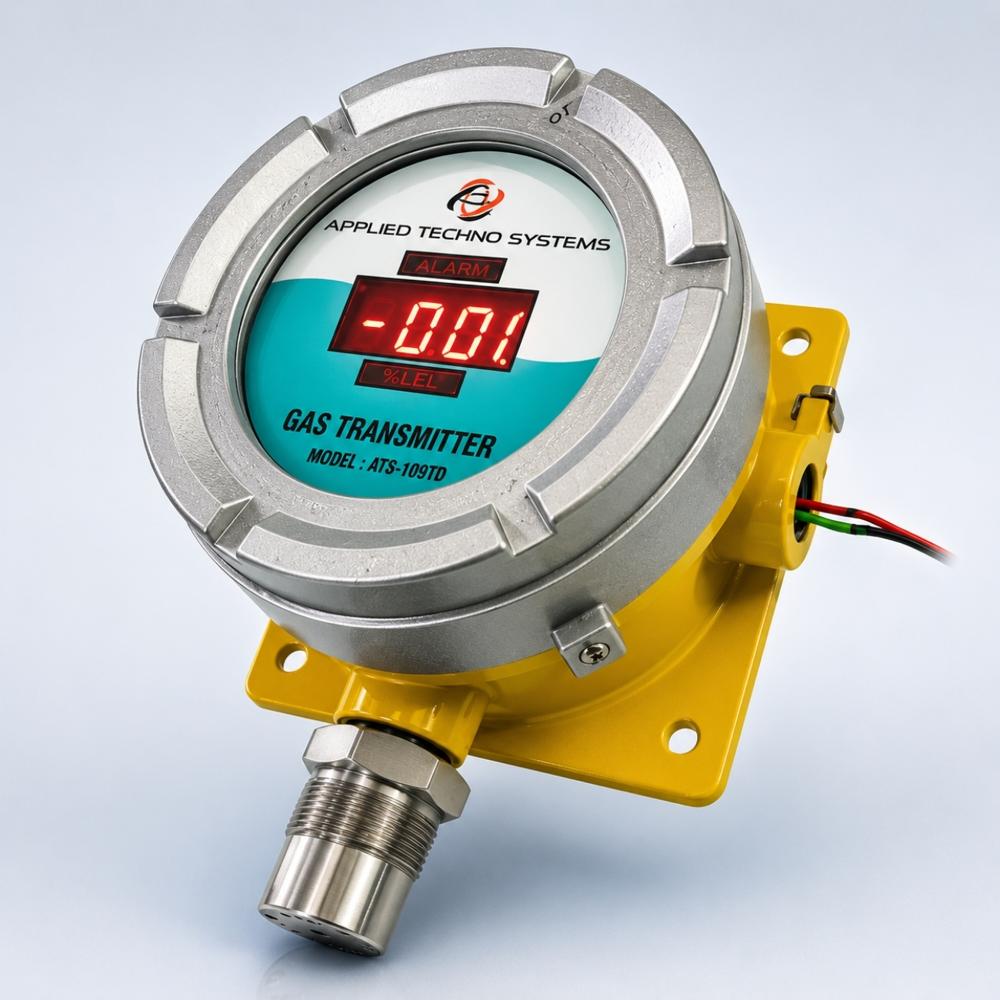
Industrial Gas Transmitter
Price 23500.0 INR / Piece
Minimum Order Quantity : 1 Piece
Signal Type : Other, Analog and Optional Digital
Wireless : Other, No (wired standard, optional wireless)
Accuracy : 2% F.S.
Voltage : 24V DC
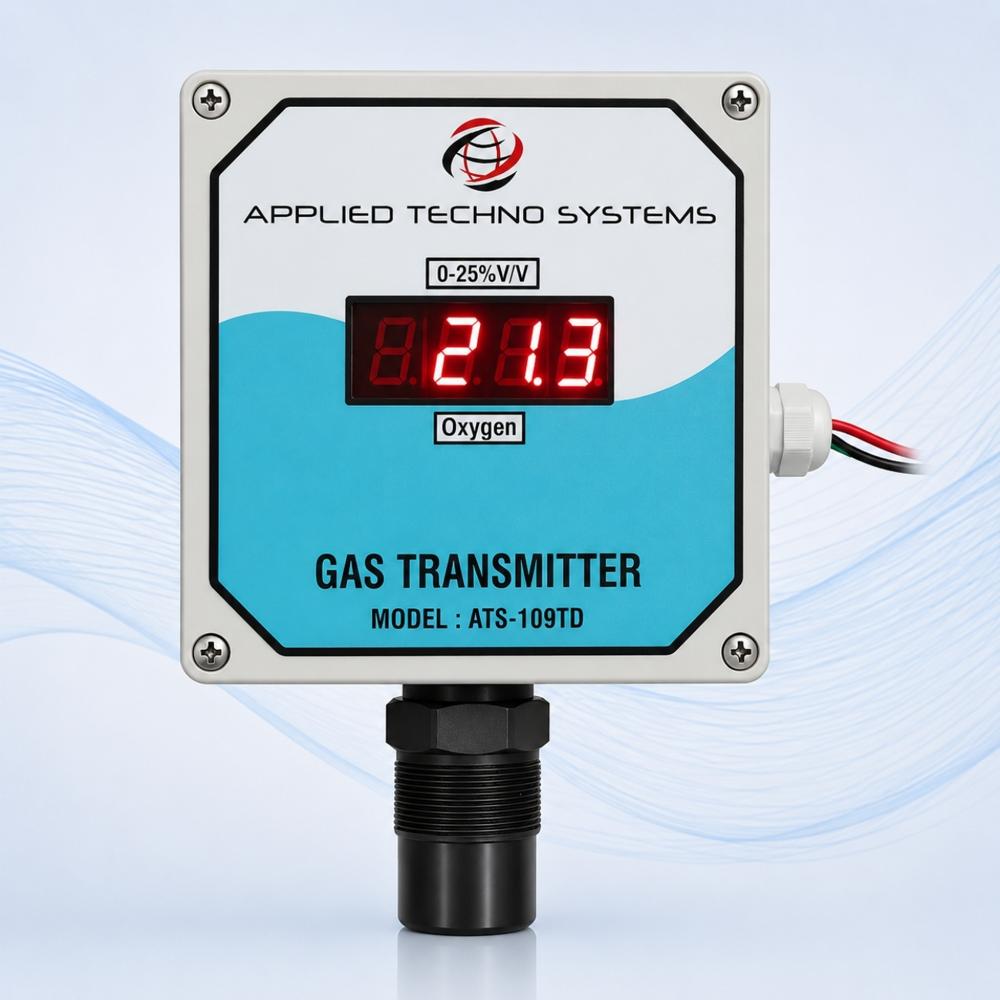
Weatherproof Gas Transmitter
Price 33500.0 INR / Piece
Minimum Order Quantity : 1 Piece
Signal Type : Other, Analog (420mA), Digital (RS485)
Wireless : No
Accuracy : 2% of full scale
Voltage : 24V DC
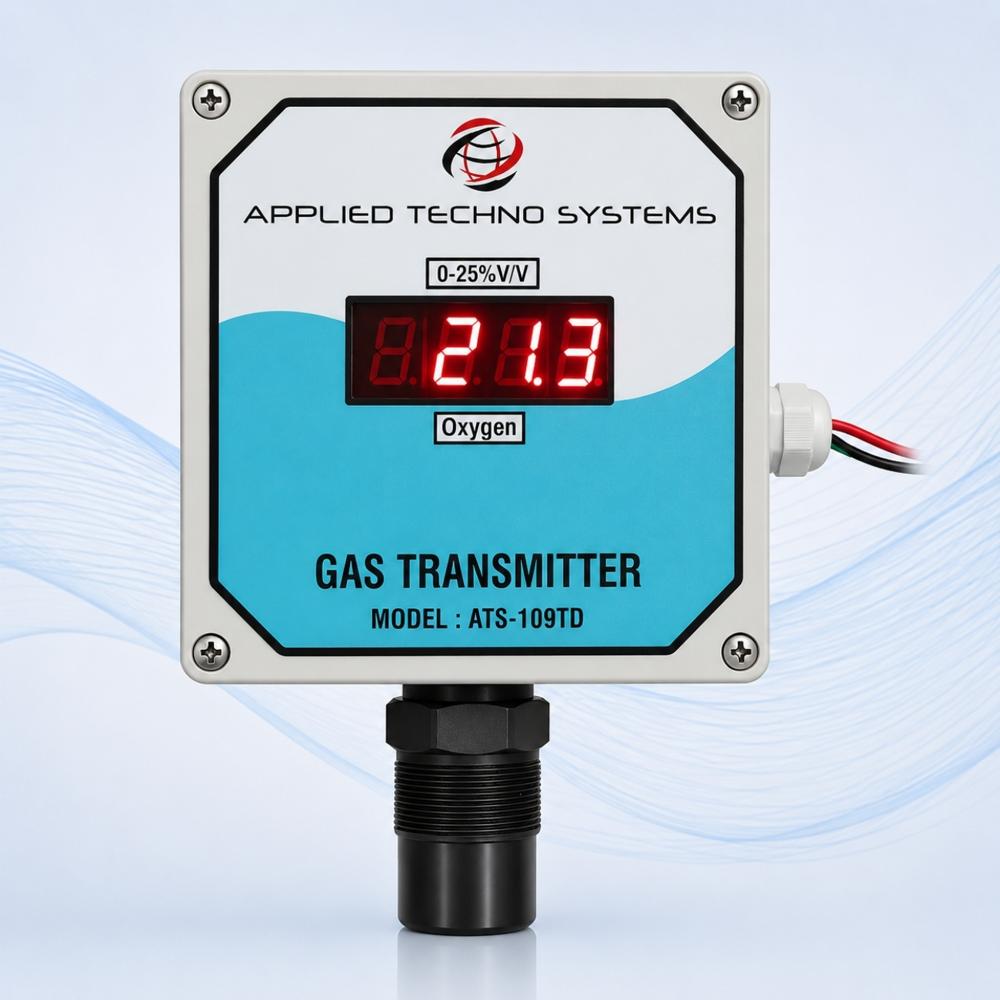
Weatherproof Gas Detector
Price 31500.0 INR / Unit
Minimum Order Quantity : 1 Unit
Signal Type : Other, Analog 420 mA, Digital RS485
Wireless : Other, No (wired)
Accuracy : 2% of measured value
Voltage : 24V DC (nominal)
Gas Sensor Transmitter
Price 28500.0 INR / Piece
Minimum Order Quantity : 1 Piece
Signal Type : Other, Analog (420 mA), possible digital option
Wireless : Other, No (standard wired version)
Accuracy : 2% of Full Scale (typical for Oxygen transmitter)
Voltage : Typically 24V DC (external supply, as industry standard)


- 104, Delta Industrial Estate, Building No 1, Gokhivare, Sativali Road, Vasai East, Dist-Palghar,Vasai - 401208, Maharashtra, India
- Phone : 08045814504
GST : 27AAVCA1127G1ZN

- Mr M L YADAV (Marketing Manager)
- Mobile : 08045814504
- Send Inquiry
 Send Inquiry

|


- Dew Point Meters
- Gas Analysers
- Portable Gas Detector
- Moisture And Dew Point Analyzer
- Dust/Opacity Monitor
- Gas Monitoring Systems
- Gas Leak Detectors
- Gas Transmitters
- VOC Leak Detector
- Air Quality Monitoring System
- Online Continuous Emission Monitoring System-OCEMS
- Dew Point Monitors
- Gas Detector
- Opacity Monitor
- Portable Flue Gas Analyzer
- Online SOX & NOX Gas Analyzer
- Methane Gas Leak Detector
- Hydrogen Purity Analyzer
- Gas Purity Analyzer
- Effluent Monitoring Systems
- Producer Gas Analyzer
- Gas Detector Calibration Service
- Portable Gas Monitors
- Gas Sensor Transmitter

Developed and Managed by Infocom Network Private Limited.


 English
 Spanish
 French
 German
 Italian
 Chinese (Simplified)
 Japanese
 Korean
 Arabic
 Portuguese
