 Chat with us

- Dew Point Meters
- Gas Analysers
- Portable Gas Detector
- Moisture And Dew Point Analyzer
- Dust/Opacity Monitor
- Gas Monitoring Systems
- Gas Leak Detectors
- Gas Transmitters
- VOC Leak Detector
- Air Quality Monitoring System
- Online Continuous Emission Monitoring System-OCEMS
- Dew Point Monitors
- Gas Detector
- Opacity Monitor
- Portable Flue Gas Analyzer
- Online SOX & NOX Gas Analyzer
- Methane Gas Leak Detector
- Hydrogen Purity Analyzer
- Gas Purity Analyzer
- Effluent Monitoring Systems
- Producer Gas Analyzer
- Gas Detector Calibration Service
- Portable Gas Monitors
- Gas Sensor Transmitter

 Send Inquiry
Gas Analysis Instrument
Price 165500.0 INR/ Piece
Gas Analysis Instrument Specification
- Port Size
- 1/4 Inch NPT
- Resolution
- CO: 1 ppm, CO2: 0.01%, O2: 0.01%, NO: 1 ppm, SO2: 1 ppm
- Response Time
- <15 seconds
- Equipment Type
- Gas Analysis Instrument
- Display Type
- Digital LCD Display
- Automation Grade
- Automatic
- Number of Specimens
- Single Sample
- Temperature
- Operating: 0-45C
- Power Supply
- 230V AC, 50Hz
- Humidity
- 0-90% RH
- Accuracy
- 2% of Reading
- Frequency
- 50Hz
- Test Range
- CO, CO2, O2, NO, SO2 - PPM/Percentage
- Features
- Data Logger, Real-Time Printing, Multiple Gas Analysis, Portable
- Interface Type
- RS232, USB
- Application
- Flue Gas Analysis, Air Ambient Analysis
- Measuring Range
- CO: 0-10000 ppm, CO2: 0-20%, O2: 0-25%, NO: 0-5000 ppm, SO2: 0-5000 ppm
- Mounting Type
- Bench-top
- Gas Pressure
- 2-3 bar
- Operating Voltage
- 230V AC
- Usage
- Industrial Flue Gas Monitoring
- Machine Weight
- Approx. 5.5 kg
- Test Speed
- Adjustable
- Control Mode
- Microprocessor-Based
- Warm-Up Time
- < 2 minutes
- Flow Rate Measurement
- 1-5 LPM with integrated Rotameter
- Protection Class
- IP20
- Calibration
- Auto/Manual Calibration Available
- Housing Material
- Corrosion-Resistant Metal Casing
- Sample Gas Handling
- For dry/non-corrosive gases
- Sensor Type
- Electrochemical Sensors for CO, NO, SO2; Infrared for CO2; Paramagnetic for O2
- Data Storage
- Internal Memory Up to 999 Test Records
- Dimensions
- Approx. 260 x 160 x 170 mm
- Printer Type
- In-built Thermal Printer
- Alarm System
- High/Low programmable alarm
About Gas Analysis Instrument
The Portable Gas Purity Analyser is a compact and reliable gas analysis instrument designed for measuring gas concentration, purity, and composition in industrial and commercial applications. Depending on the sensor and configuration, the analyser can be used for measuring gases such as Oxygen (O), Hydrogen (H), Nitrogen (N), Methane (CH), Carbon Dioxide (CO), Carbon Monoxide (CO), Hydrogen Sulfide (HS), and other process or specialty gases. Its portable design enables convenient on-site testing, routine inspection, gas quality verification, troubleshooting, and process monitoring at different sampling points. The analyser is suitable for gas purity measurement, gas composition analysis, process gas monitoring, leak investigation, gas quality control, equipment maintenance, and operational safety. It can be used for applications including power generation, hydrogen systems, biogas plants, gasification, natural gas, oil and gas, petrochemical, chemical processing, steel plants, industrial gas systems, laboratories, and other industries requiring reliable gas purity and composition analysis. The Portable Gas Purity Analyser provides a practical solution for field-based gas measurement and quality monitoring across a wide range of industrial processes.Advanced Multi-Gas Detection Technology
This instrument utilizes the power of electrochemical, paramagnetic, and infrared sensors tailored for precise detection of CO, CO2, O2, NO, and SO2. Together, they provide reliable and detailed monitoring required for effective flue gas scrutiny and air quality management.
Seamless Operation and Intelligent Features
With microprocessor-based controls, both automatic and manual calibration options, and a digital LCD display, the analyzer delivers swift test results in under 15 seconds. Users benefit from adjustable test speeds, programmable alarms, and intuitive usability, supporting efficient testing procedures in various industrial settings.
Comprehensive Data Handling and Accessibility
On-board memory enables the storage of up to 999 test records, while the in-built thermal printer supports instant, real-time report generation. Multiple interface options, including RS232 and USB, streamline data transfer, ensuring ease of data management for analysis and compliance.
FAQ's of Gas Analysis Instrument:
Q: How does the Gas Analysis Instrument perform calibration, and what choices are available?
A: The instrument offers both automatic and manual calibration options. Auto-calibration ensures high accuracy with minimal user intervention, while manual calibration allows experienced users to adjust settings for specialized testing requirements or as needed to comply with standard protocols.Q: What types of gases can this analyzer measure, and what sensors are used?
A: The analyzer measures CO, CO2, O2, NO, and SO2 using advanced electrochemical sensors for CO, NO, and SO2; an infrared sensor for CO2; and a paramagnetic sensor for O2, ensuring precise and reliable gas analysis across a broad spectrum of applications.Q: When should I use the built-in real-time thermal printer?
A: The in-built thermal printer should be used whenever an immediate hardcopy of test results is required, such as for record-keeping, regulatory compliance, or operational reporting directly at the site of measurement.Q: Where can the Gas Analysis Instrument be implemented?
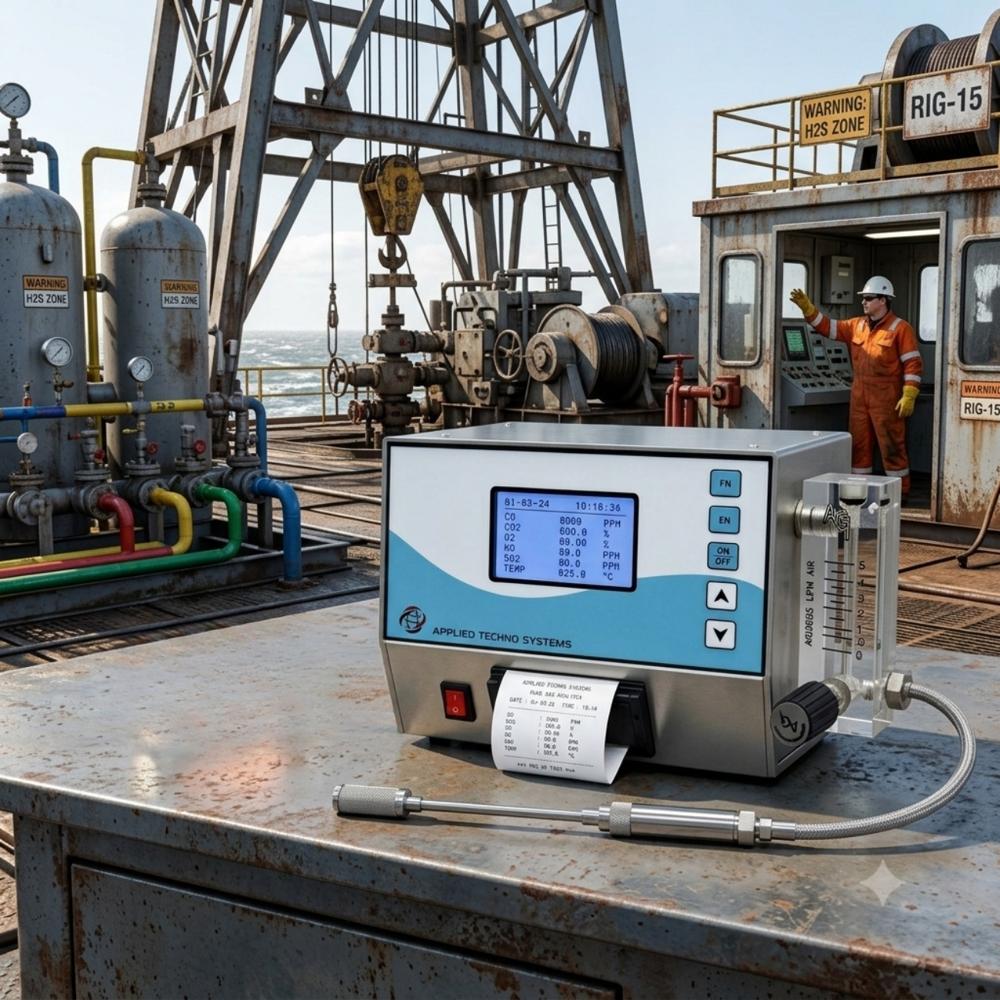
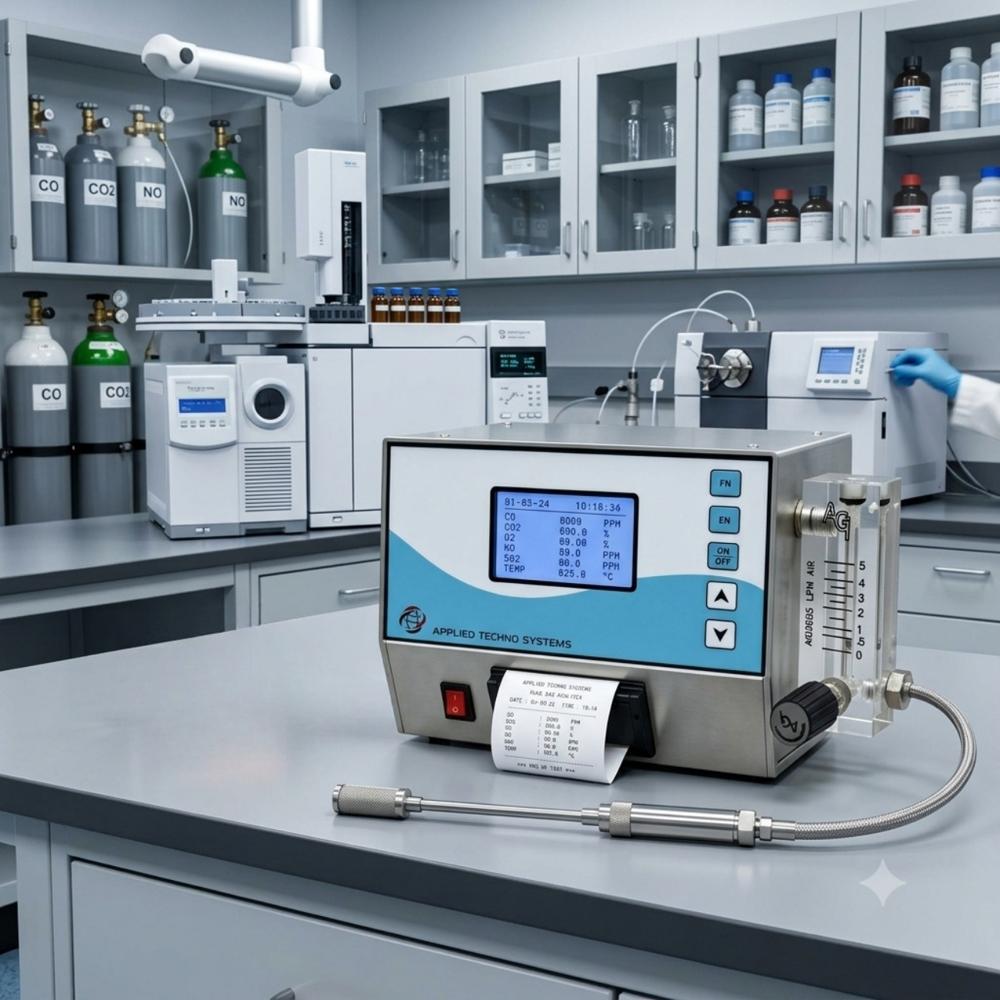
A: This instrument is ideal for industrial settings, particularly for flue gas analysis in boilers or combustion systems, and air ambient quality monitoring in manufacturing plants, environmental labs, and service facilities.Q: What is the procedure for measuring a gas sample?
A: To measure a sample, connect the gas inlet to your source (supporting 2-3 bar pressure and 1/4-inch NPT port), power on the device (230V AC, 50Hz), allow a brief <2 minute warm-up, select the desired test parameters via the microprocessor-based controls, and use the integrated rotameter to adjust flow rate between 1-5 LPM. Results are displayed on the digital LCD within 15 seconds.Q: How does the internal data storage and data logger benefit usage?
A: The internal memory holds up to 999 test records, supporting long-term and repetitive monitoring applications. The built-in data logger and USB/RS232 interfaces facilitate analysis, archiving, and reporting, making compliance and trend tracking more efficient.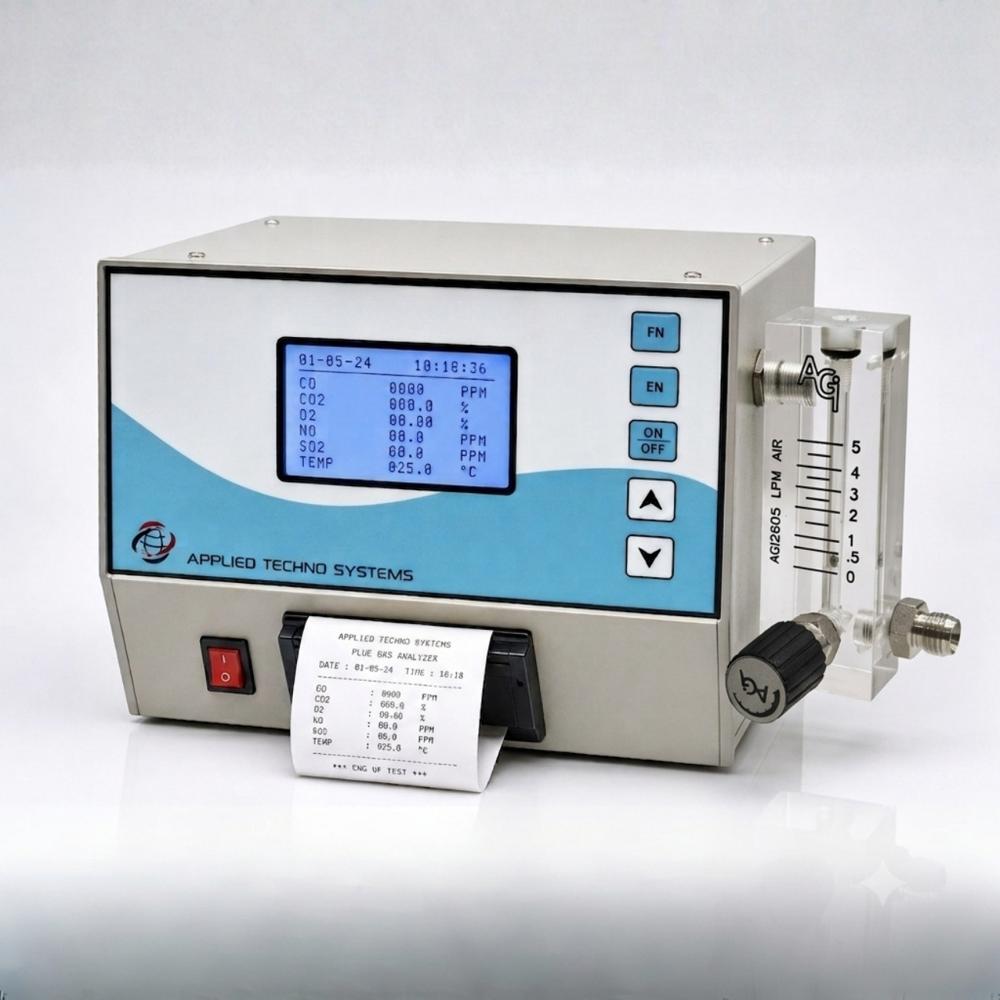

Price:
- 50
- 100
- 200
- 250
- 500
- 1000+

More Products in Gas Purity Analyzer Category
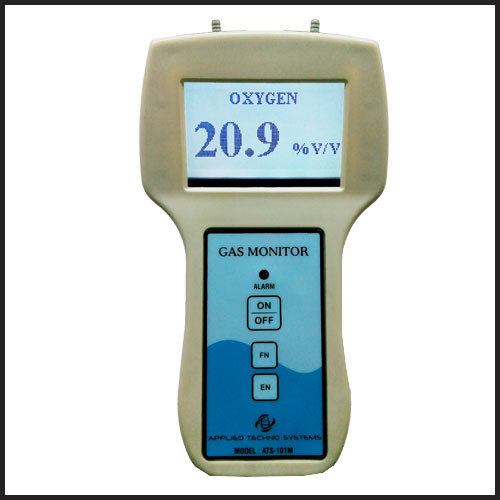
Medical Oxygen Purity Analyzer
Price 38500.0 INR / Number
Minimum Order Quantity : 1 Number
Control Mode : Manual
Usage : Medical Oxygen Purity Checking
Automation Grade : Semiautomatic
Machine Weight : 0.4 Kilograms (kg)
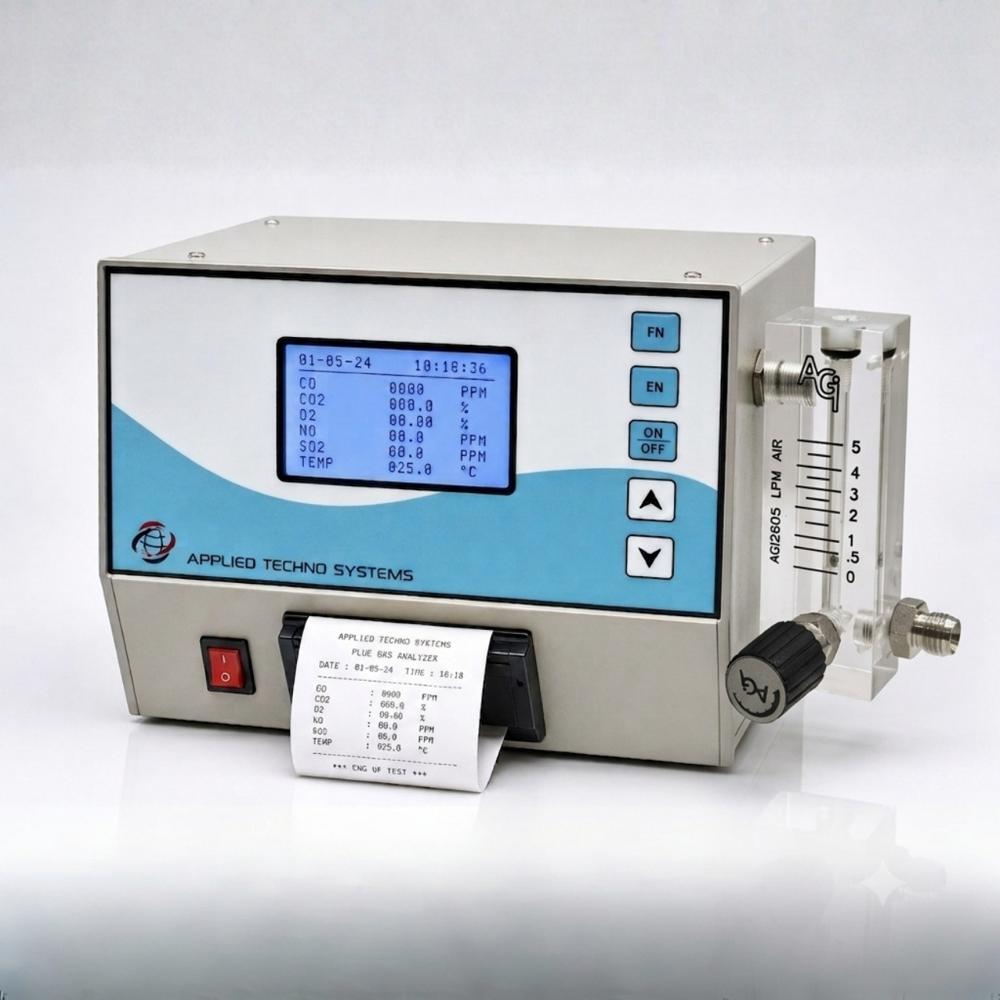
Gas Purity Measurement Instrument
Price 95500.0 INR / Piece
Minimum Order Quantity : 1 Piece
Control Mode : Microprocessor controlled
Usage : Continuous or batch gas analysis
Automation Grade : Automatic
Machine Weight : Approx. 4.5 kg
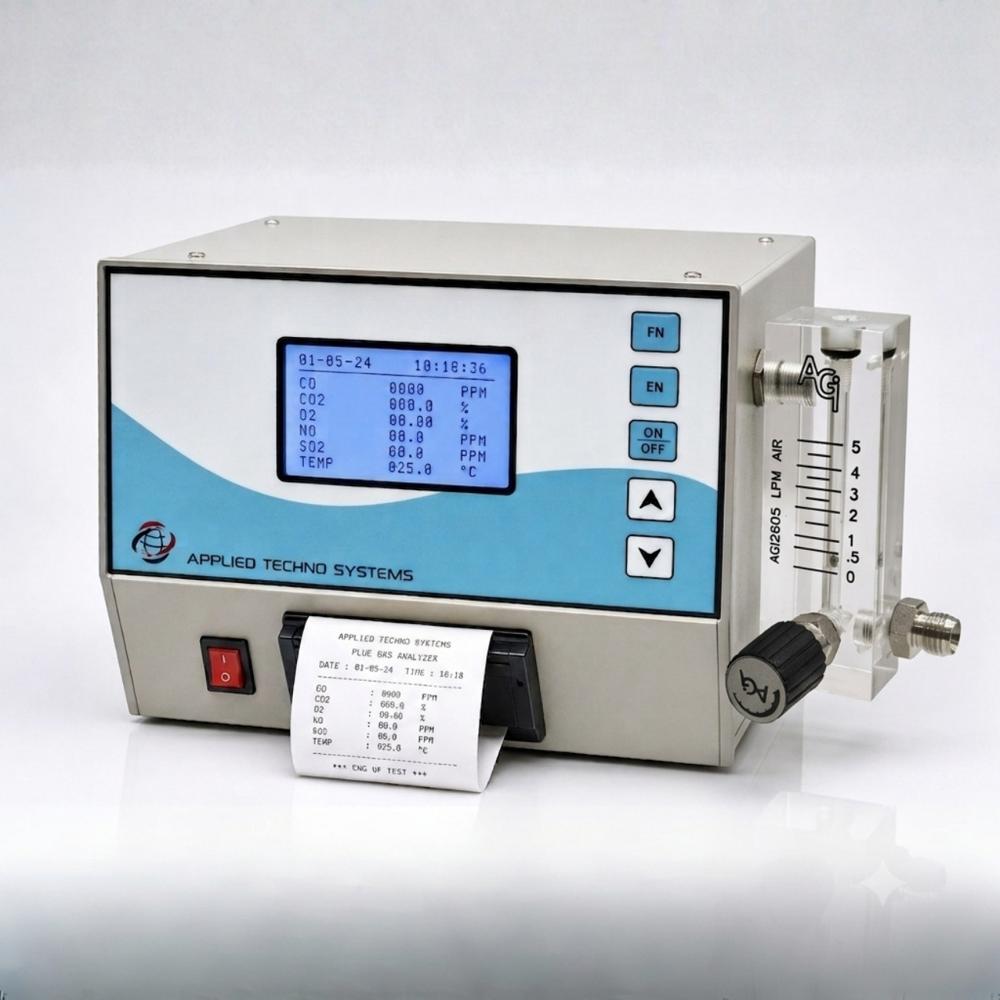
Portable Gas Testing Equipment
Price 150500.0 INR / Unit
Minimum Order Quantity : 1 Unit
Control Mode : Microprocessor controlled
Usage : Gas Detection, Air Quality Analysis, Stack Emissions Testing
Automation Grade : Automatic
Machine Weight : Approx. 3 kg
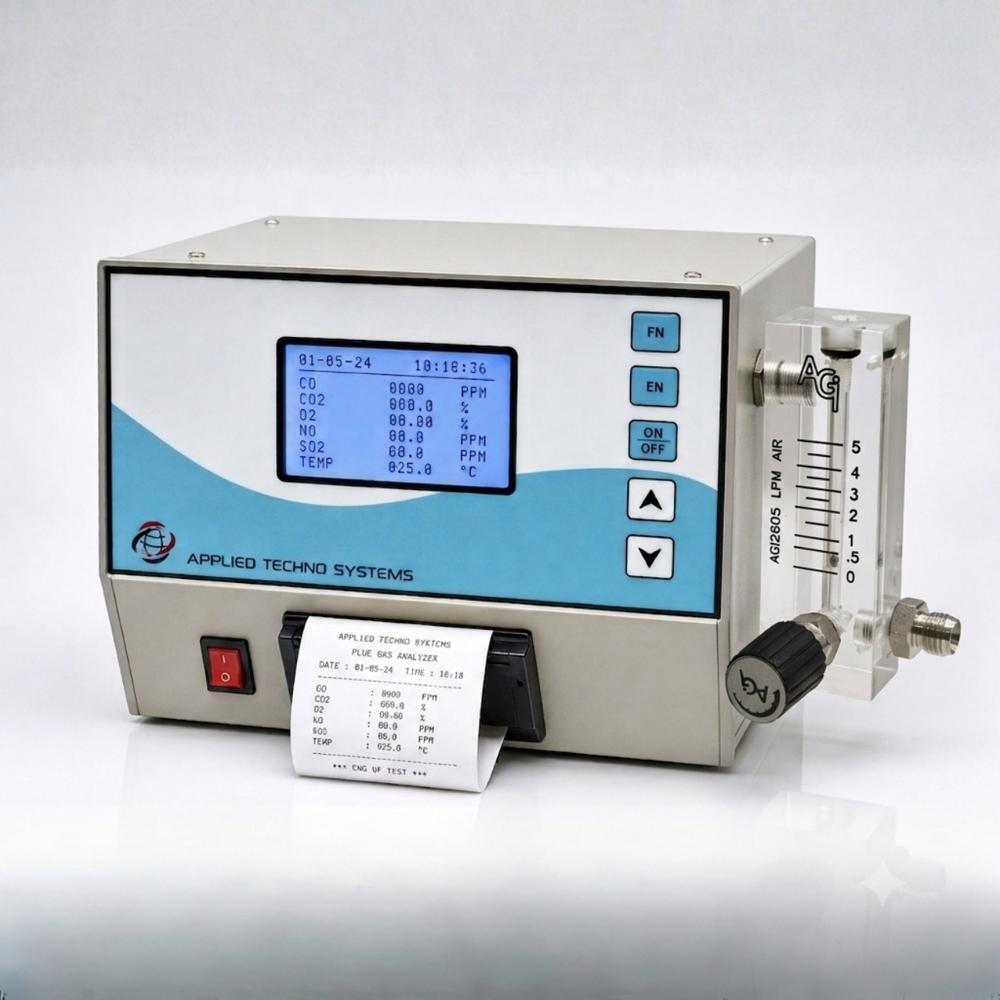
Gas Purity Measurement Device
Price 198500.0 INR / Piece
Minimum Order Quantity : 1 Piece
Control Mode : Microprocessor Based Digital Control
Usage : Onsite, Laboratory, Industrial
Automation Grade : Automatic
Machine Weight : Approx. 4.5 kg


- 104, Delta Industrial Estate, Building No 1, Gokhivare, Sativali Road, Vasai East, Dist-Palghar,Vasai - 401208, Maharashtra, India
- Phone : 08045814504
GST : 27AAVCA1127G1ZN

- Mr M L YADAV (Marketing Manager)
- Mobile : 08045814504
- Send Inquiry
 Send Inquiry

|


- Dew Point Meters
- Gas Analysers
- Portable Gas Detector
- Moisture And Dew Point Analyzer
- Dust/Opacity Monitor
- Gas Monitoring Systems
- Gas Leak Detectors
- Gas Transmitters
- VOC Leak Detector
- Air Quality Monitoring System
- Online Continuous Emission Monitoring System-OCEMS
- Dew Point Monitors
- Gas Detector
- Opacity Monitor
- Portable Flue Gas Analyzer
- Online SOX & NOX Gas Analyzer
- Methane Gas Leak Detector
- Hydrogen Purity Analyzer
- Gas Purity Analyzer
- Effluent Monitoring Systems
- Producer Gas Analyzer
- Gas Detector Calibration Service
- Portable Gas Monitors
- Gas Sensor Transmitter

Developed and Managed by Infocom Network Private Limited.


 English
 Spanish
 French
 German
 Italian
 Chinese (Simplified)
 Japanese
 Korean
 Arabic
 Portuguese
