 Chat with us

- Dew Point Meters
- Gas Analysers
- Portable Gas Detector
- Moisture And Dew Point Analyzer
- Dust/Opacity Monitor
- Gas Monitoring Systems
- Gas Leak Detectors
- Gas Transmitters
- VOC Leak Detector
- Air Quality Monitoring System
- Online Continuous Emission Monitoring System-OCEMS
- Dew Point Monitors
- Gas Detector
- Opacity Monitor
- Portable Flue Gas Analyzer
- Online SOX & NOX Gas Analyzer
- Methane Gas Leak Detector
- Hydrogen Purity Analyzer
- Gas Purity Analyzer
- Effluent Monitoring Systems
- Producer Gas Analyzer
- Gas Detector Calibration Service
- Portable Gas Monitors
- Gas Sensor Transmitter

 Send Inquiry
Gas Composition Analyser
Price 450500.0 INR/ Unit
MOQ : 1 Unit
Gas Composition Analyser Specification
- Frequency
- 50Hz
- Mounting Type
- Bench-top
- Resolution
- 0.1%
- Power Supply
- 230V AC, 50Hz
- Operating Voltage
- 230V AC
- Humidity
- 10% - 90% RH (non-condensing)
- Accuracy
- 1% of full scale
- Gas Pressure
- 0-10 bar (adjustable)
- Response Time
- <10 seconds
- Test Range
- 0-100% O2 / CO2 / N2 (user selectable)
- Measuring Range
- 0-100% for O2, CO2, N2
- Application
- Industrial gas analysis, laboratory gas monitoring
- Interface Type
- RS-232, USB
- Display Type
- LCD digital display
- Max Height
- 180 mm
- Temperature
- 0C to 50C operating range
- Equipment Type
- Gas Composition Analyser
- Port Size
- 1/4 inch NPT
- Features
- Portable, digital display, rapid response, easy calibration
- Automation Grade
- Semi-automatic
- Usage
- Gas purity measurement, composition analysis
- Capacity
- Continuous sampling
- Machine Weight
- Approx. 6 kg
- Control Mode
- Microprocessor based control
- Additional Placeholder 10
- Display Size: 4 inch
- Additional Placeholder 9
- Safety Certifications: CE Marked
- Additional Placeholder 7
- Calibration: Manual/Automatic
- Additional Placeholder 5
- Data Storage: Up to 1000 readings
- Additional Placeholder 8
- Enclosure Material: SS 304
- Additional Placeholder 6
- Operating Environment: Indoor
- Additional Placeholder 4
- Alarm Output: Relay, Audible Alarm
- Additional Placeholder 3
- Sensor Type: Electrochemical & Infrared
- Additional Placeholder 1
- Power Consumption: <100W
- Additional Placeholder 2
- Sample Flow Rate: 100-200 ml/min
About Gas Composition Analyser
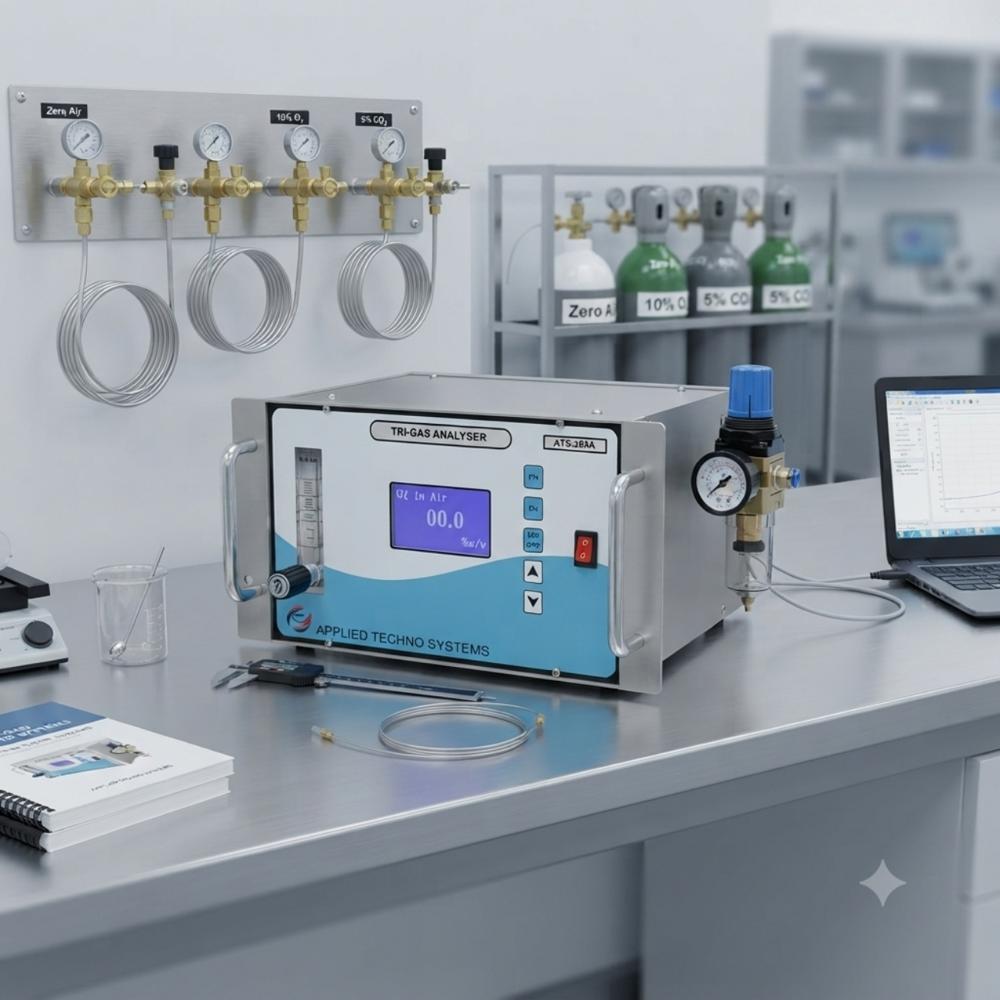
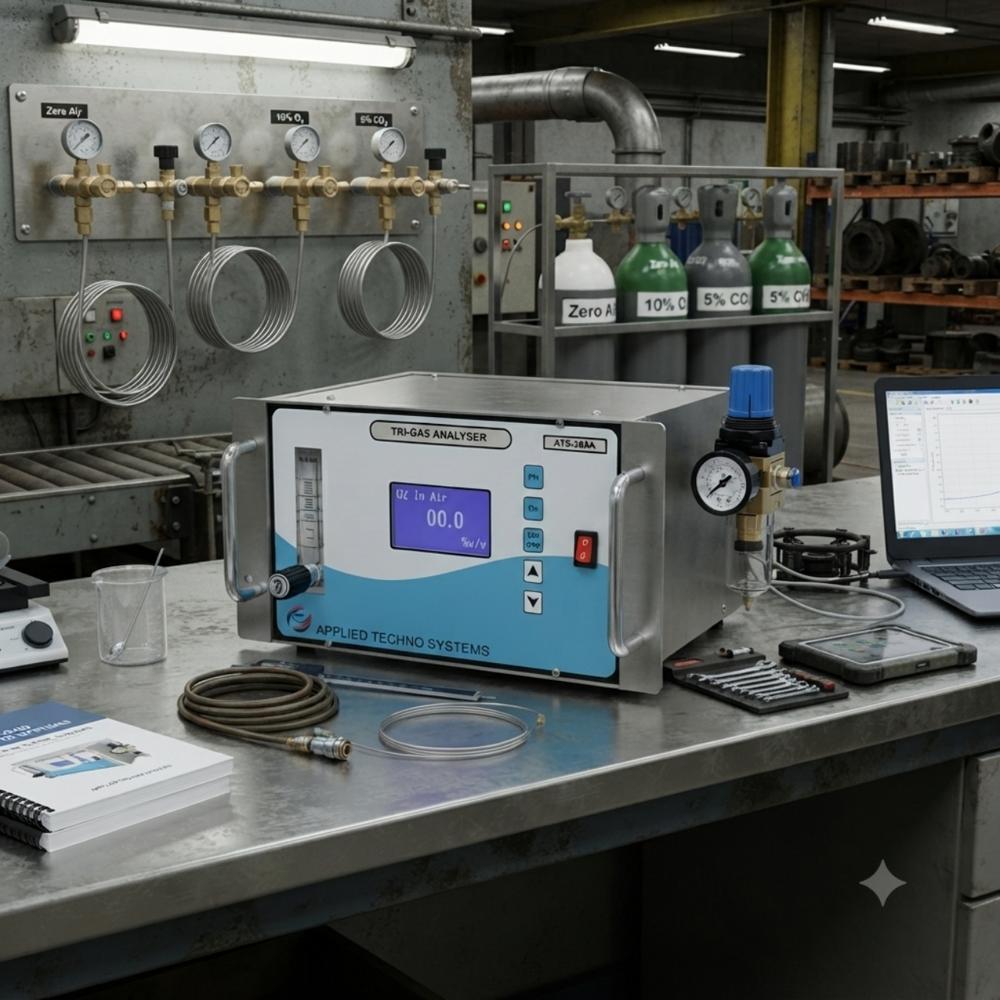
The Tri Gas Analyser is a portable and reliable gas analysis instrument designed for accurate measurement and monitoring of gas composition in power generation and other industrial applications. It is particularly suitable for measuring Hydrogen (H), Air, and Carbon Dioxide (CO) during generator filling, purging, shutdown, startup, and normal operating conditions, helping users monitor gas purity and ensure safe and efficient operation. The analyser uses a reliable gas measurement system with temperature compensation for stable and accurate readings and can be configured with suitable sampling components for convenient field analysis. Its portable design makes it suitable for generator gas purity testing, hydrogen cooling system monitoring, gas replacement and purging operations, maintenance, commissioning, troubleshooting, and routine inspection. The Tri Gas Analyser can be used in power plants, electrical power generation facilities, turbine-generator systems, industrial plants, hydrogen-cooled generators, and other applications requiring reliable measurement of hydrogen, air, and carbon dioxide gas composition. It provides a practical solution for on-site gas analysis, helping operators verify gas purity, monitor generator conditions, and support safe and efficient plant operation.Reliable Multi-Gas Measurement
Harness advanced electrochemical and infrared sensors for accurate, swift detection of oxygen, carbon dioxide, and nitrogen across 0-100% test ranges. This analyser is tailored for continuous sampling and supports both bench-top operation and portability, adapting seamlessly to diverse industrial and laboratory setups.
Efficient Data Management and User Interface
Store up to 1,000 readings for trend analysis and quality assurance, while the intuitive 4-inch LCD digital display simplifies real-time monitoring. Integrated microprocessor control offers streamlined settings adjustments, and multiple interfaces including RS-232 and USB ensure convenient data transfer.
Safe and Certified for Demanding Environments
Designed with a corrosion-resistant SS 304 enclosure, this analyser withstands indoor environments and fluctuating conditions from 0C to 50C. CE certification and relay-based alarm outputs, including an audible alert, help safeguard operations and ensure regulatory compliance.
FAQ's of Gas Composition Analyser:
Q: How does the Gas Composition Analyser measure different gases?
A: The analyser uses both electrochemical and infrared sensor technologies to detect and quantify oxygen, carbon dioxide, and nitrogen concentrations with high accuracy and rapid response, covering a 0-100% measuring range.Q: What are the requirements for sample gas flow rate and pressure?
A: For optimal performance, the sample gas should have a flow rate between 100-200 ml/min and a pressure adjustable up to 10 bar, delivered via a 1/4 inch NPT port.Q: When should I calibrate the Gas Composition Analyser?
A: Calibration can be performed either manually or automatically, depending on your process requirements. Regular calibration is recommended to maintain the declared 1% full scale accuracy.Q: Where is this analyser best suited for installation?
A: Designed for indoor use, it is ideal for industrial gas analysis, laboratory gas monitoring, and applications requiring bench-top mounting in controlled environments with 10-90% relative humidity and temperatures from 0C to 50C.Q: What alarms and safety features does the analyser offer?
A: The system provides both relay and audible alarm outputs for immediate notification of abnormal gas levels. It is housed in a sturdy SS 304 enclosure and is CE marked for enhanced safety compliance.Q: How is data stored and accessed in the analyser?
A: The device can store up to 1,000 gas readings, which can be viewed directly on the digital LCD display or exported via RS-232 or USB interfaces for further analysis and record keeping.Q: What are the power requirements and energy consumption of this analyser?
A: Operating at 230V AC, 50Hz, the Gas Composition Analyser consumes less than 100W of power, making it an efficient option for continuous and long-term monitoring tasks.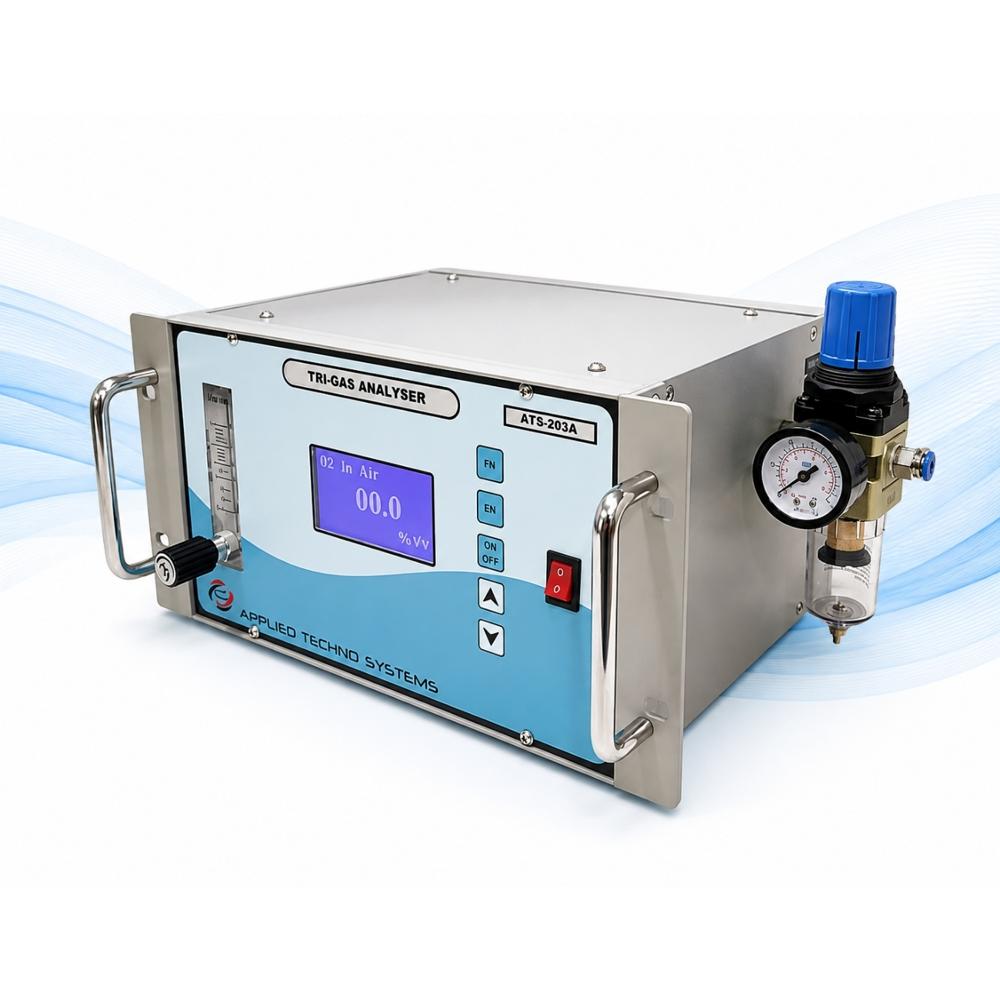
Tell us about your requirement

Price:
Quantity
Select Unit
- 50
- 100
- 200
- 250
- 500
- 1000+
Additional detail
Mobile number
Email

More Products in Gas Analysers Category
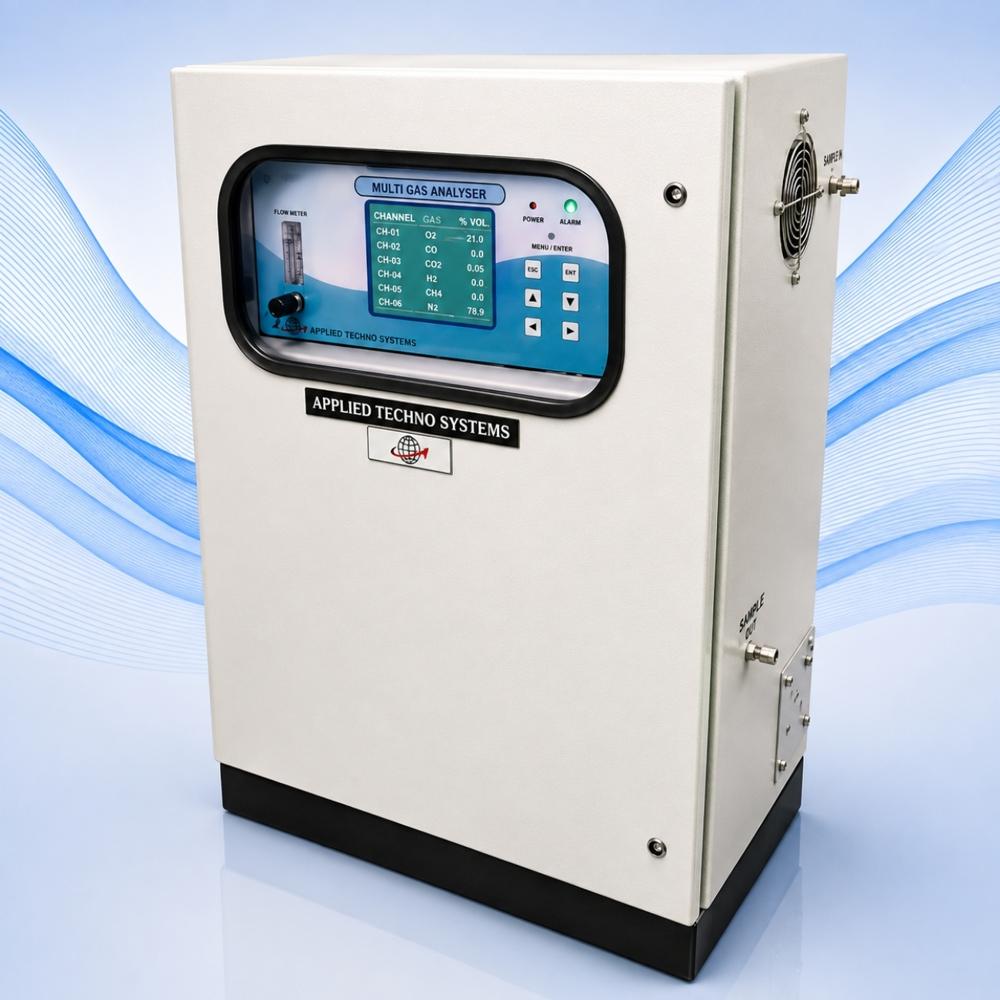
Online Syngas Analyzer System
Price 1075500.0 INR / Piece
Minimum Order Quantity : 1 Piece
Display Type : Digital LCD Touchscreen
Resolution : 0.01%
Application : Continuous measurement of Syngas composition in process industries
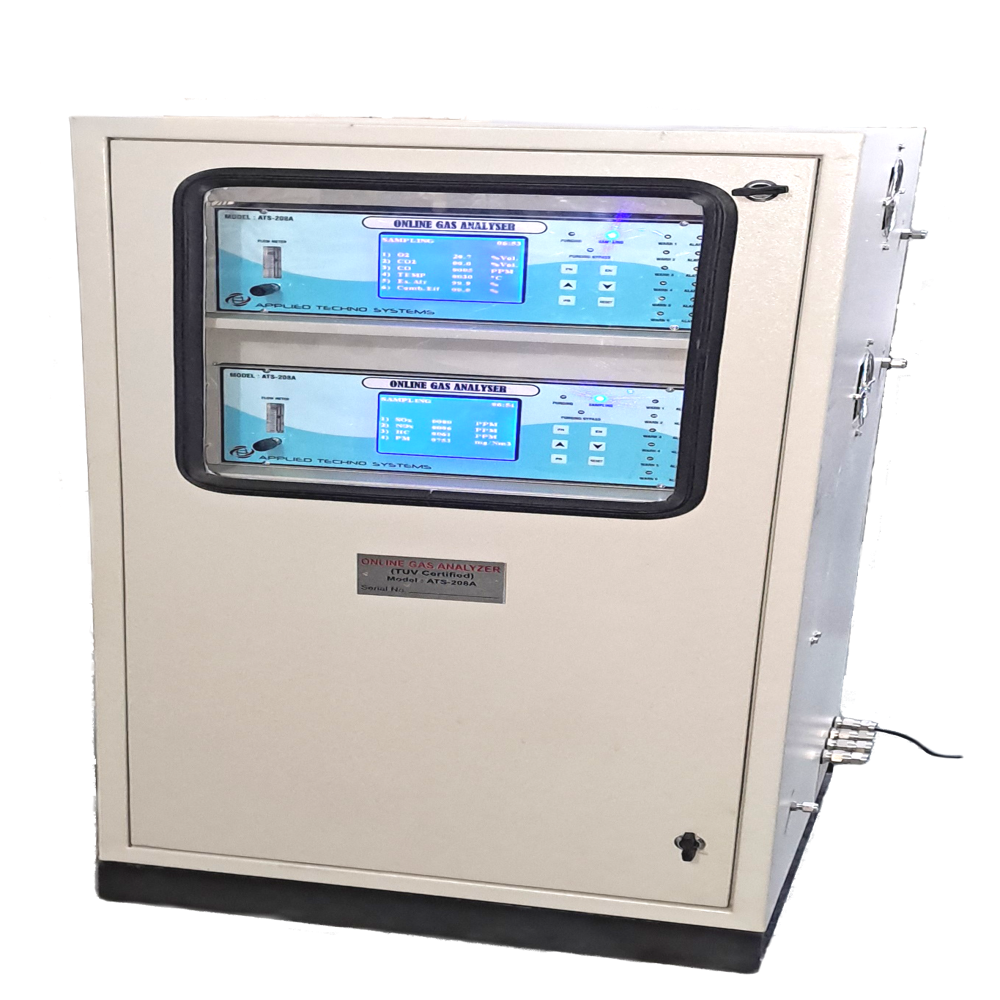
Online Nox Analyzer
Price 365500.0 INR / Piece
Minimum Order Quantity : 1 Piece
Display Type : Digital
Product Type : Gas Analyzer
Resolution : 1ppm
Application : Industrial
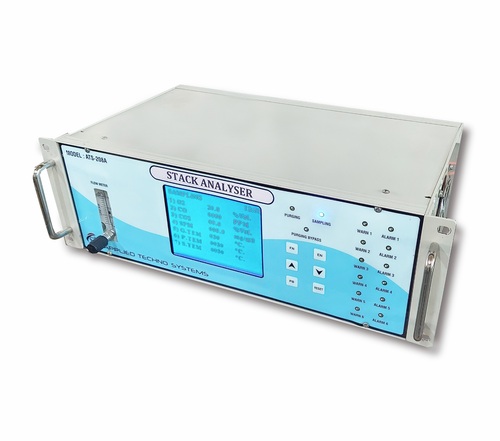
Emissions Gas Analyzer
Price 750000.0 INR / Number
Minimum Order Quantity : 1 Number
Display Type : Graphic
Product Type : Gas Analyzer
Application : Industrial
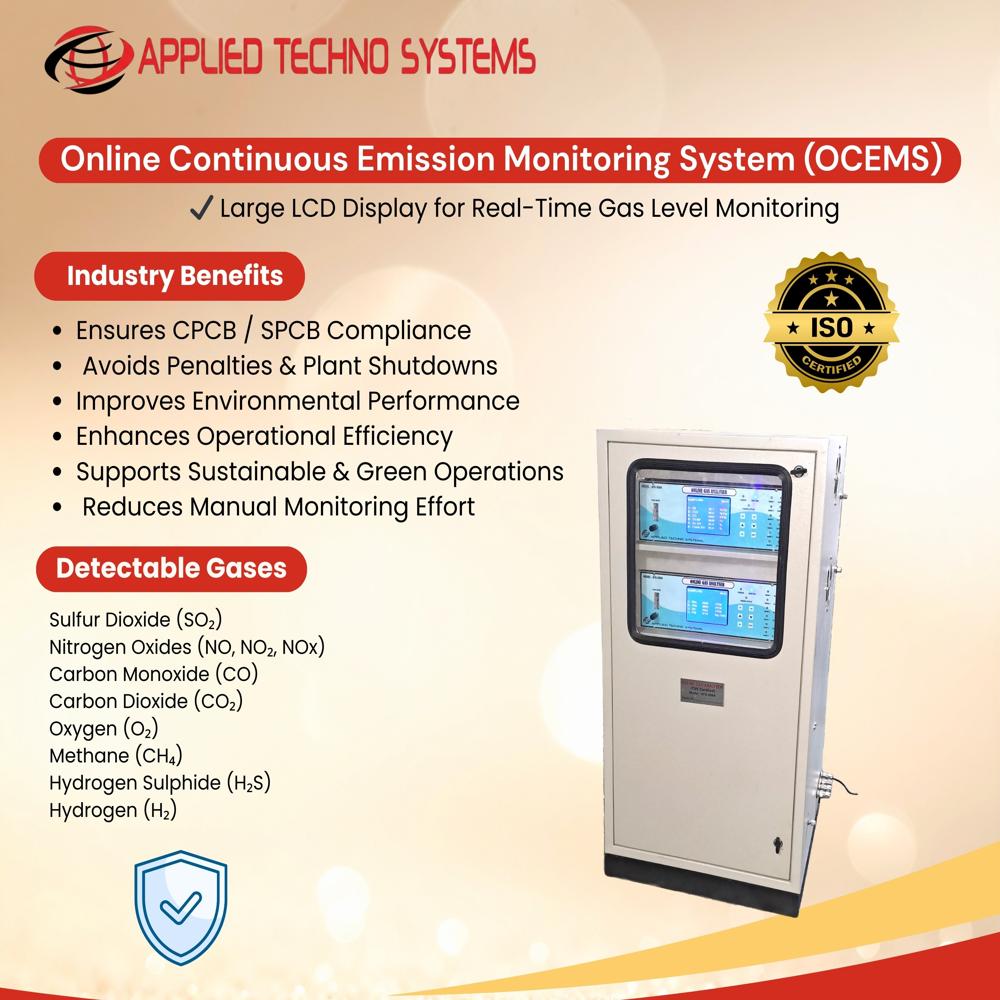
Continuous Turbind gas analyser
Price 849999.0 INR / Piece
Minimum Order Quantity : 1 Piece
Display Type : Digital
Product Type : Gas analyzer
Resolution : 1 PPM
Application : Industrial

Contact Us

- 104, Delta Industrial Estate, Building No 1, Gokhivare, Sativali Road, Vasai East, Dist-Palghar,Vasai - 401208, Maharashtra, India
- Phone : 08045814504
APPLIED TECHNO ENGINEERS PRIVATE LIMITED
GST : 27AAVCA1127G1ZN

- Mr M L YADAV (Marketing Manager)
- Mobile : 08045814504
- Send Inquiry
 Send Inquiry

|


Our Products
- Dew Point Meters
- Gas Analysers
- Portable Gas Detector
- Moisture And Dew Point Analyzer
- Dust/Opacity Monitor
- Gas Monitoring Systems
- Gas Leak Detectors
- Gas Transmitters
- VOC Leak Detector
- Air Quality Monitoring System
- Online Continuous Emission Monitoring System-OCEMS
- Dew Point Monitors
- Gas Detector
- Opacity Monitor
- Portable Flue Gas Analyzer
- Online SOX & NOX Gas Analyzer
- Methane Gas Leak Detector
- Hydrogen Purity Analyzer
- Gas Purity Analyzer
- Effluent Monitoring Systems
- Producer Gas Analyzer
- Gas Detector Calibration Service
- Portable Gas Monitors
- Gas Sensor Transmitter

APPLIED TECHNO ENGINEERS PRIVATE LIMITED
All Rights Reserved.(Terms of Use)
Developed and Managed by Infocom Network Private Limited.
Developed and Managed by Infocom Network Private Limited.


 English
 Spanish
 French
 German
 Italian
 Chinese (Simplified)
 Japanese
 Korean
 Arabic
 Portuguese
