 Chat with us

- Dew Point Meters
- Gas Analysers
- Portable Gas Detector
- Moisture And Dew Point Analyzer
- Dust/Opacity Monitor
- Gas Monitoring Systems
- Gas Leak Detectors
- Gas Transmitters
- VOC Leak Detector
- Air Quality Monitoring System
- Online Continuous Emission Monitoring System-OCEMS
- Dew Point Monitors
- Gas Detector
- Opacity Monitor
- Portable Flue Gas Analyzer
- Online SOX & NOX Gas Analyzer
- Methane Gas Leak Detector
- Hydrogen Purity Analyzer
- Gas Purity Analyzer
- Effluent Monitoring Systems
- Producer Gas Analyzer
- Gas Detector Calibration Service
- Portable Gas Monitors
- Gas Sensor Transmitter

 Send Inquiry
Gas Detector Instrument
Price 25000.0 INR/ Piece
Gas Detector Instrument Specification
- Interface Type
- Micro USB charging
- Features
- Portable, Temperature display, Real-time monitoring, Alarm indication
- Display Type
- Digital LCD
- Max Height
- 120 mm (approx.)
- Hardness
- IP65 enclosure
- Power Supply
- Rechargeable Lithium-ion battery
- Resolution
- 1 ppm
- Humidity
- 0-95% RH (non-condensing)
- Automation Grade
- Automatic
- Gas Pressure
- Atmospheric
- Equipment Type
- Handheld Gas Detector
- Application
- Industrial, safety, environmental monitoring
- Accuracy
- 3% F.S.
- Mounting Type
- Handheld/Portable
- Response Time
- 30 seconds
- Operating Voltage
- 3.7V DC
- Temperature
- -10C to 50C
- Number of Specimens
- Single gas monitoring
- Test Range
- 0-1000 ppm (for CO)
- Port Size
- Standard sampling port
- Measuring Range
- 0-1000 ppm (for CO)
- Usage
- Gas leak detection
- Machine Weight
- Approx. 150g
- Test Speed
- Instantaneous reading
- Test Width
- Single sensor
- Control Mode
- Push button
- Sensor Type
- Electrochemical CO sensor
- Alarm Types
- Audible, visual, and vibration
- Data Displayed
- Gas concentration, Temperature, Time, Battery status
- Battery Life
- Up to 12 hours continuous use
- Low Battery Indicator
- Yes
- Alarm Thresholds
- User settable
- Operating Language
- English
- Charging Time
- About 4 hours
- Enclosure Material
- ABS + rubberized protection
About Gas Detector Instrument
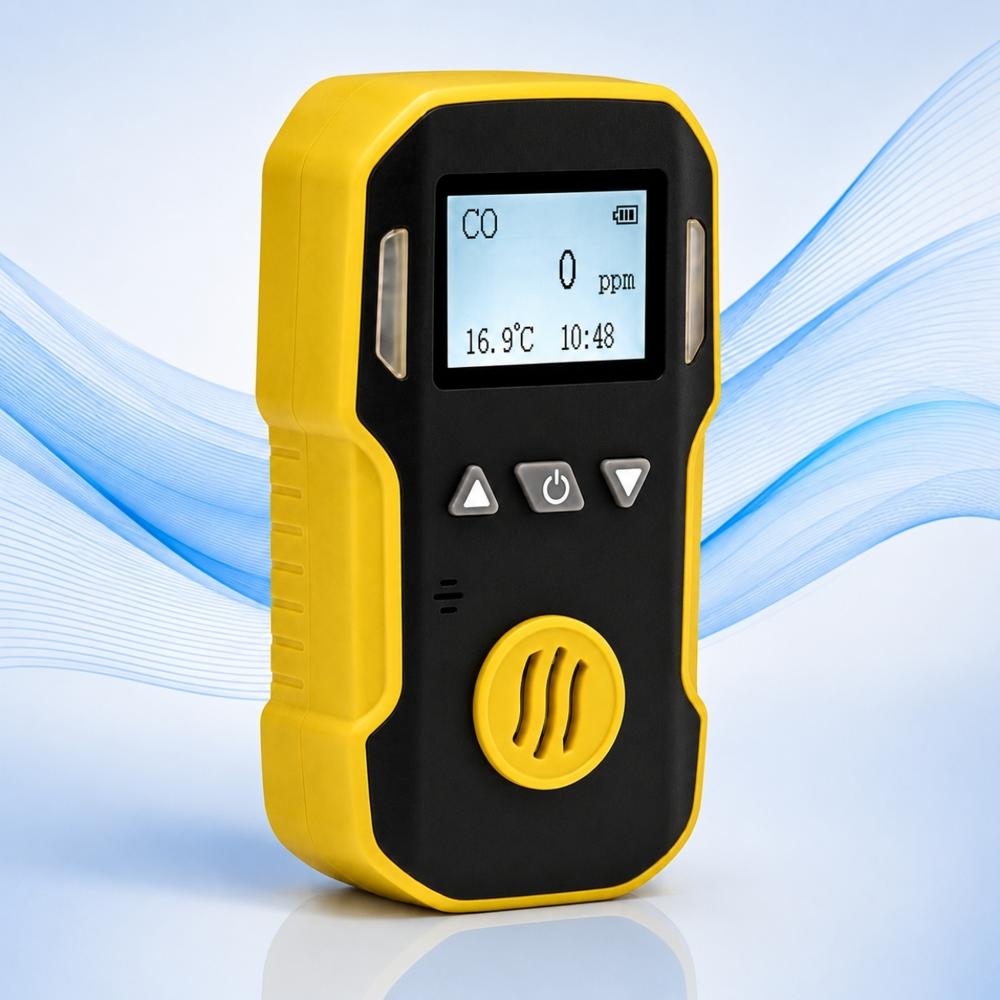
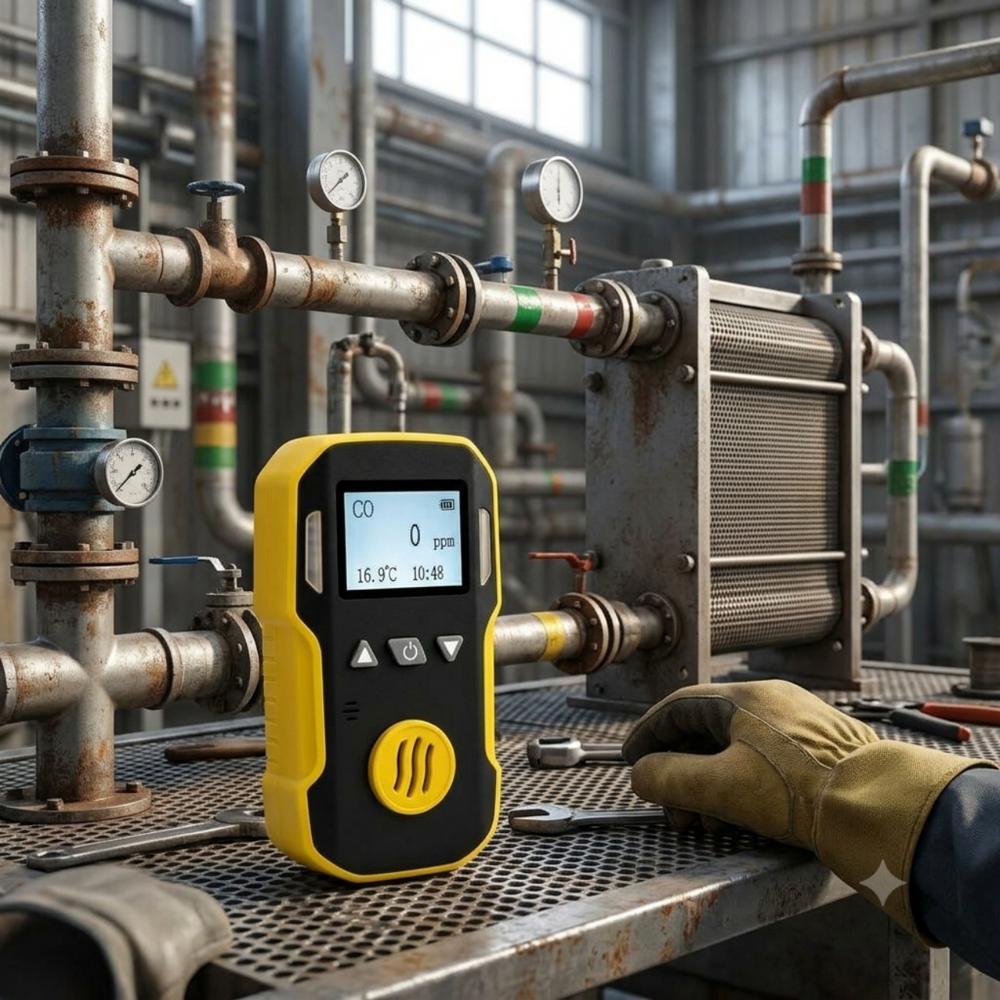
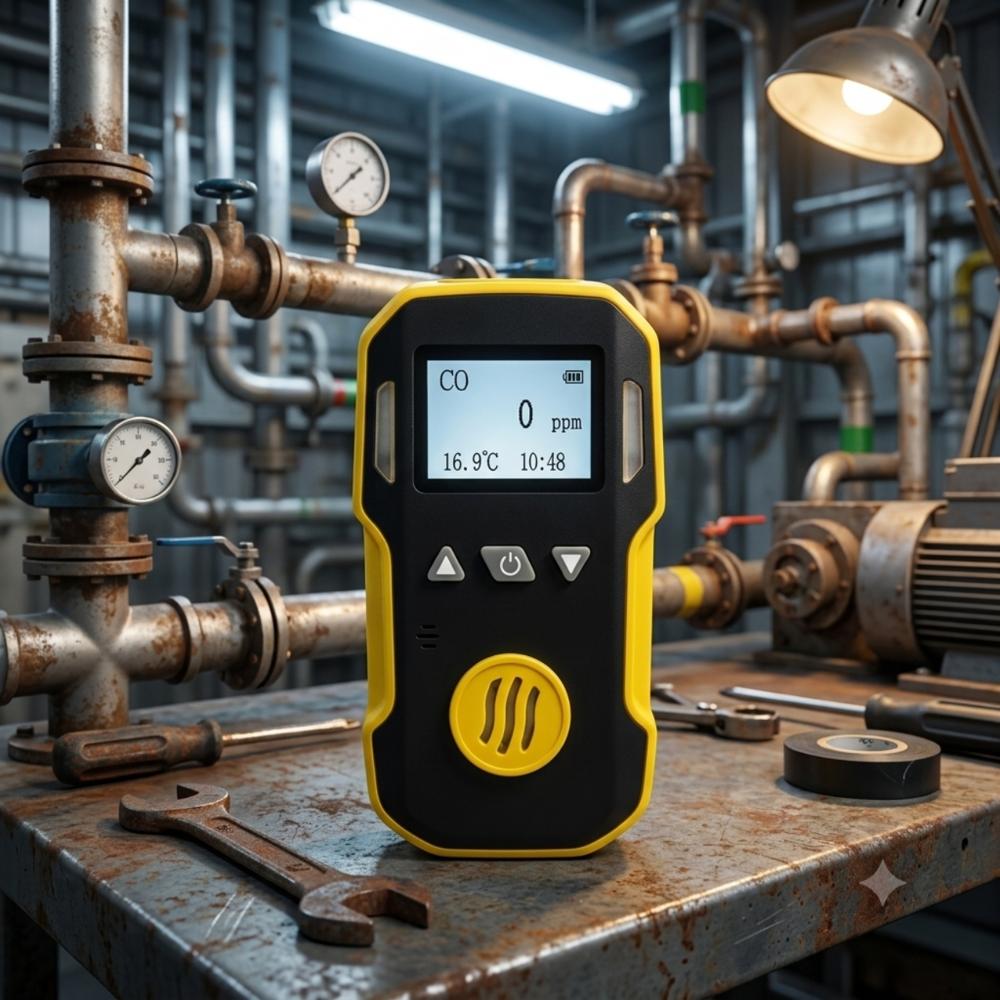
The Handheld Single Gas Detector is a compact, portable and easy-to-use gas detection instrument designed for the reliable monitoring of a specific gas in industrial and hazardous environments. The detector continuously monitors the selected gas and provides clear visual and audible alarms when the gas concentration reaches preset levels. Suitable for detecting oxygen, toxic, combustible and other hazardous gases, it is available in different gas configurations to meet application requirements. Its lightweight handheld design makes it suitable for personal safety, routine gas monitoring, leak detection and workplace safety across industries such as oil & gas, oil refineries, petrochemical, chemical, pharmaceutical, fertilizer, power plants, steel, mining, battery manufacturing and other industrial applications. The diffusion-type design enables convenient personal gas monitoring without requiring a sampling probe or external attachments.Rugged and Portable Design
Constructed with an IP65-rated ABS and rubberized body, the detector offers robust resistance to harsh environments while remaining lightweight (approx. 150g) and handheld. Its compact size and portable mounting facilitate easy transportation and use on-site for professionals across multiple industries.
Real-Time Monitoring and Instant Alarms
The instrument provides instantaneous readings for carbon monoxide, displaying concentrations up to 1000 ppm. With automated alarm indication, three alert types (audible, visual, vibration), and user-adjustable thresholds, safety is ensured at all times. Real-time temperature and battery status support continuous operational awareness.
Efficient Power Management
Powered by a rechargeable lithium-ion battery, the device allows for up to 12 hours of uninterrupted use. Charging is simple and fast via the Micro USB interface, completed within approximately 4 hours. A low battery indicator notifies users preemptively, minimizing downtime during critical applications.
FAQ's of Gas Detector Instrument:
Q: How does the electrochemical CO sensor detect gas leaks?
A: The electrochemical sensor identifies carbon monoxide by reacting with the gas, generating an electrical signal proportional to its concentration. This allows for instantaneous readings and reliable measurements within the test range of 0-1000 ppm.Q: What types of alarms are available on this gas detector instrument?
A: The device features audible, visual, and vibration alarms. These alert users promptly when gas levels exceed the user-set alarm thresholds, ensuring immediate response and enhancing onsite safety.Q: When should the battery be recharged and how long does it take?
A: The detector offers up to 12 hours of continuous operation. When the low battery indicator activates, simply recharge the lithium-ion battery using the Micro USB port. Full charging takes approximately 4 hours.Q: Where can this gas detector be used for optimal performance?
A: It is suitable for industrial, safety, and environmental monitoring applications. Designed for handheld use with IP65 enclosure, the detector performs reliably indoors and outdoors, in environments where atmospheric pressure and humidity range from 0-95% RH (non-condensing).Q: What process should be followed to set alarm thresholds?
A: Users can set desired alarm thresholds using the push button controls. This process allows customization of alert levels based on specific site requirements, ensuring early warnings for hazardous gas concentrations.Q: How is the data displayed and what information can users access?
A: The digital LCD displays real-time gas concentration, temperature, battery status, and time. This enables users to monitor changing environmental conditions efficiently and react to safety alerts instantaneously.Q: What are the key benefits of using this handheld gas detector?
A: Users benefit from rapid response times (30 seconds), user-settable alarms, real-time monitoring, portable design, robust enclosure, and comprehensive data display. These features combine to enhance safety, usability, and operational efficiency during gas leak detection.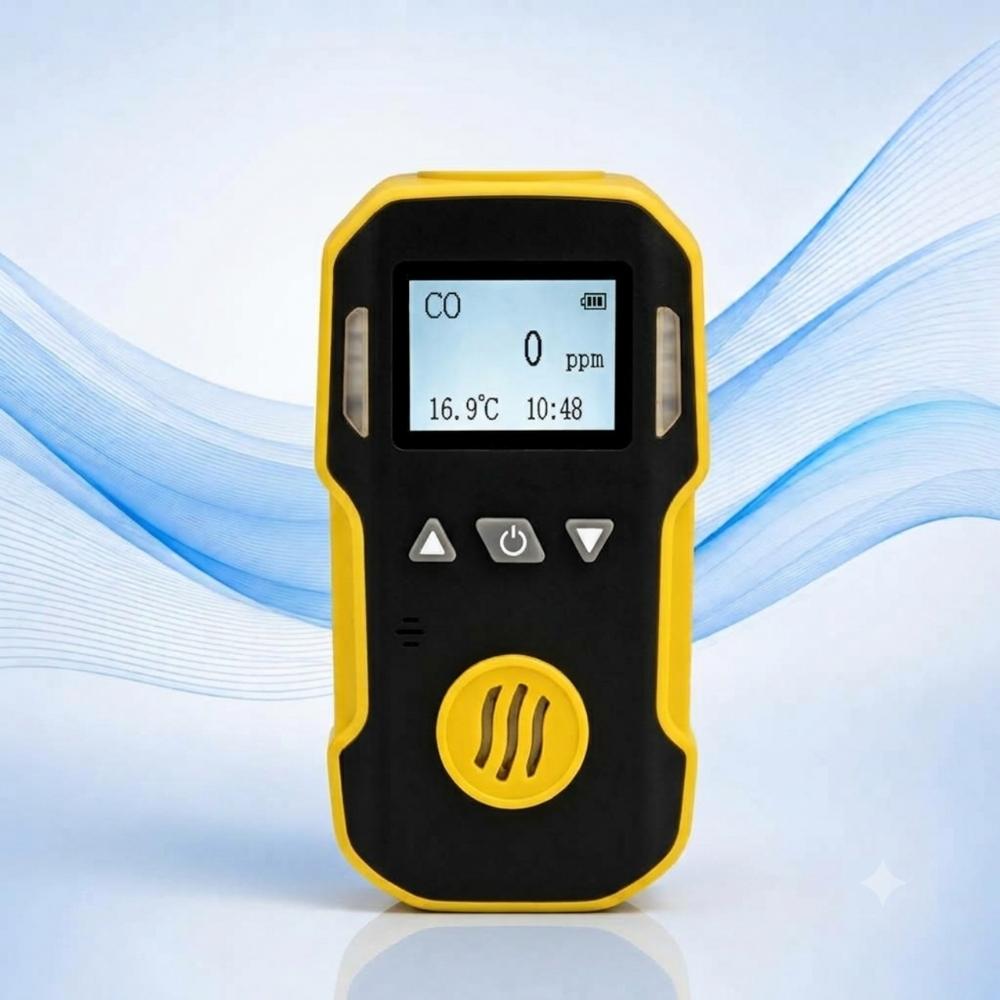

Price:
- 50
- 100
- 200
- 250
- 500
- 1000+

More Products in Gas Detector Category

Portable Gas Detector
Price 25000.0 INR / Number
Minimum Order Quantity : 1 Number
Machine Weight : 500 Gram (g)
Temperature : 15 Celsius (oC)
Power Supply : Electric
Usage : Industrial
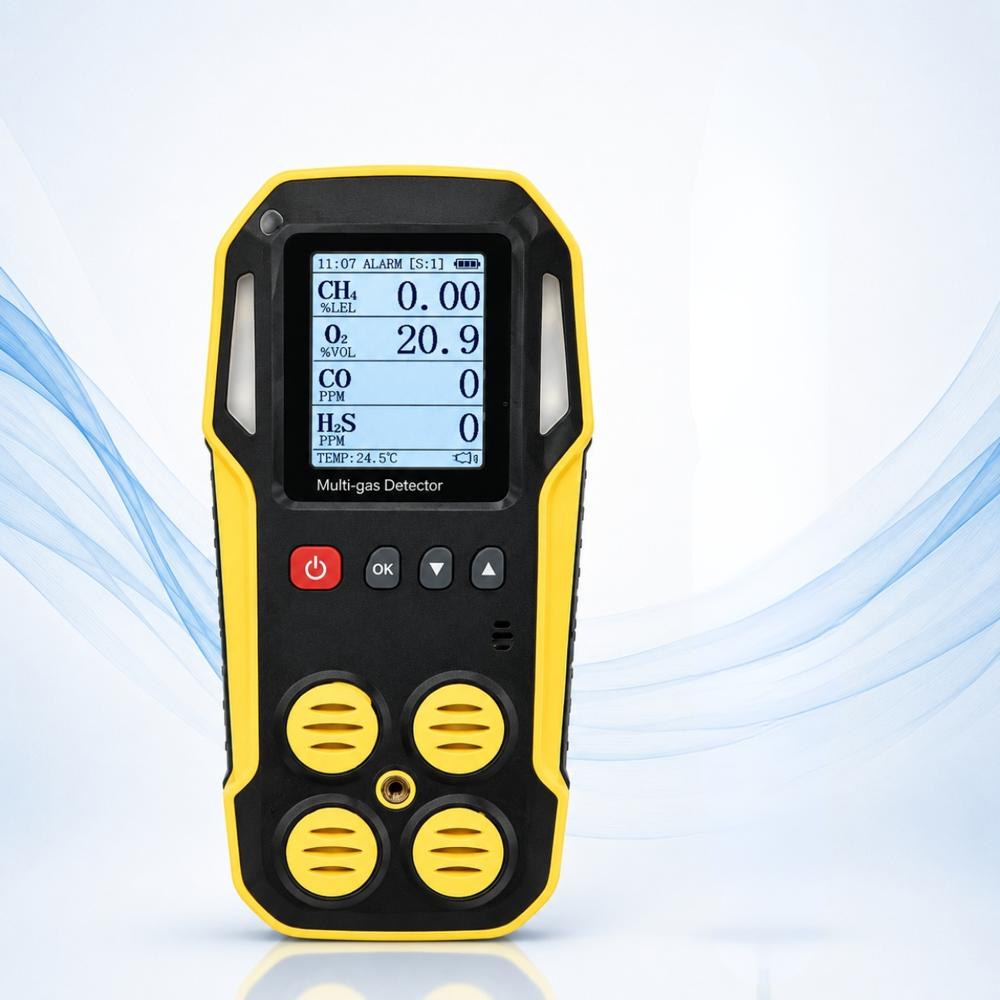
Multi Gas Detection Device
Price 49000.0 INR / Piece
Minimum Order Quantity : 1 Piece
Machine Weight : Approx. 250g
Temperature : 10C to 50C
Power Supply : Rechargeable Liion Battery
Usage : Gas Detection in Confined Spaces, Industrial Sites
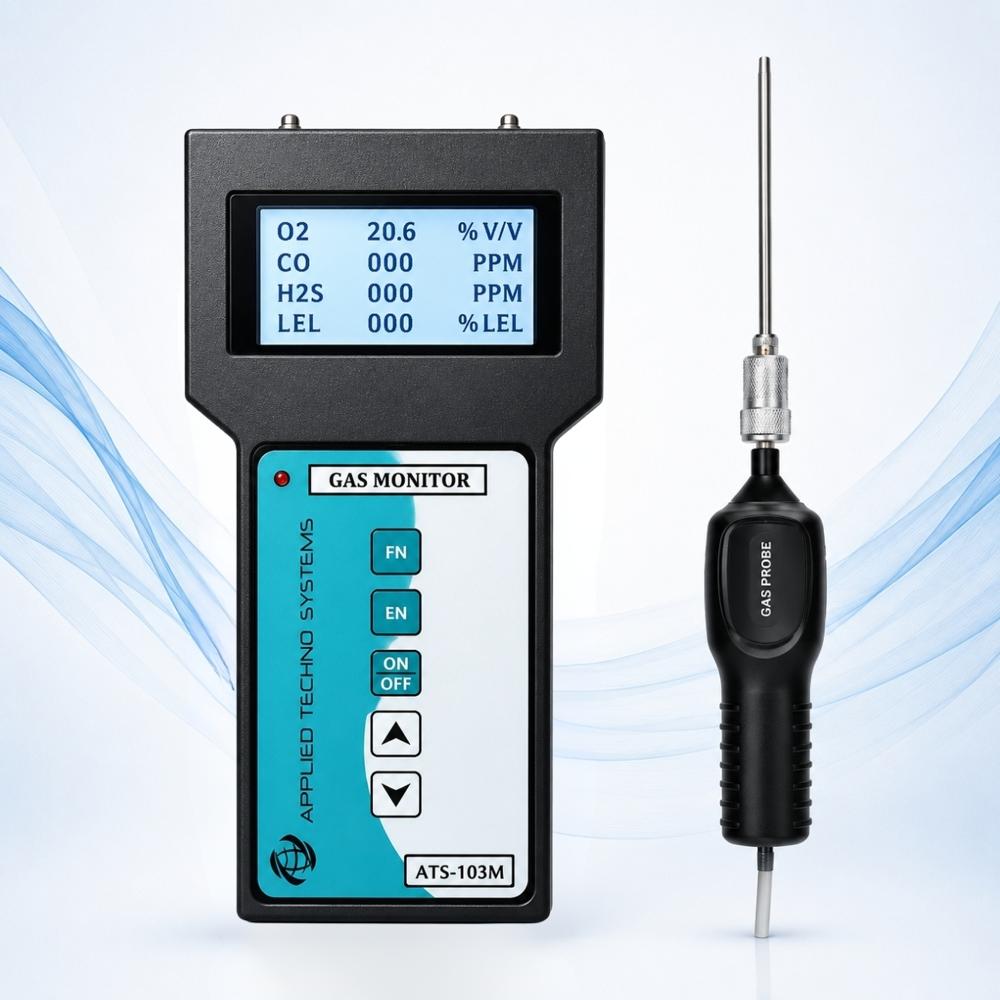
Portable Multi Gas Detector With Pump
Price 81000.0 INR / Piece
Minimum Order Quantity : 1 Piece
Machine Weight : Approx. 450g including battery
Temperature : 20C to 50C
Power Supply : Rechargeable Lithium Battery / USB Power Adapter
Usage : Portable OnSite Gas Detection

Sulphur Dioxide Gas Leak Monitor
Price 35000.0 INR / Number
Minimum Order Quantity : 1 Number
Machine Weight : 500 Gram (g)
Temperature : 5 to 55 Celsius (oC)
Power Supply : Electric
Usage : Industrial


- 104, Delta Industrial Estate, Building No 1, Gokhivare, Sativali Road, Vasai East, Dist-Palghar,Vasai - 401208, Maharashtra, India
- Phone : 08045814504
GST : 27AAVCA1127G1ZN

- Mr M L YADAV (Marketing Manager)
- Mobile : 08045814504
- Send Inquiry
 Send Inquiry

|


- Dew Point Meters
- Gas Analysers
- Portable Gas Detector
- Moisture And Dew Point Analyzer
- Dust/Opacity Monitor
- Gas Monitoring Systems
- Gas Leak Detectors
- Gas Transmitters
- VOC Leak Detector
- Air Quality Monitoring System
- Online Continuous Emission Monitoring System-OCEMS
- Dew Point Monitors
- Gas Detector
- Opacity Monitor
- Portable Flue Gas Analyzer
- Online SOX & NOX Gas Analyzer
- Methane Gas Leak Detector
- Hydrogen Purity Analyzer
- Gas Purity Analyzer
- Effluent Monitoring Systems
- Producer Gas Analyzer
- Gas Detector Calibration Service
- Portable Gas Monitors
- Gas Sensor Transmitter

Developed and Managed by Infocom Network Private Limited.


 English
 Spanish
 French
 German
 Italian
 Chinese (Simplified)
 Japanese
 Korean
 Arabic
 Portuguese
