 Chat with us

- Dew Point Meters
- Gas Analysers
- Portable Gas Detector
- Moisture And Dew Point Analyzer
- Dust/Opacity Monitor
- Gas Monitoring Systems
- Gas Leak Detectors
- Gas Transmitters
- VOC Leak Detector
- Air Quality Monitoring System
- Online Continuous Emission Monitoring System-OCEMS
- Dew Point Monitors
- Gas Detector
- Opacity Monitor
- Portable Flue Gas Analyzer
- Online SOX & NOX Gas Analyzer
- Methane Gas Leak Detector
- Hydrogen Purity Analyzer
- Gas Purity Analyzer
- Effluent Monitoring Systems
- Producer Gas Analyzer
- Gas Detector Calibration Service
- Portable Gas Monitors
- Gas Sensor Transmitter

 Send Inquiry
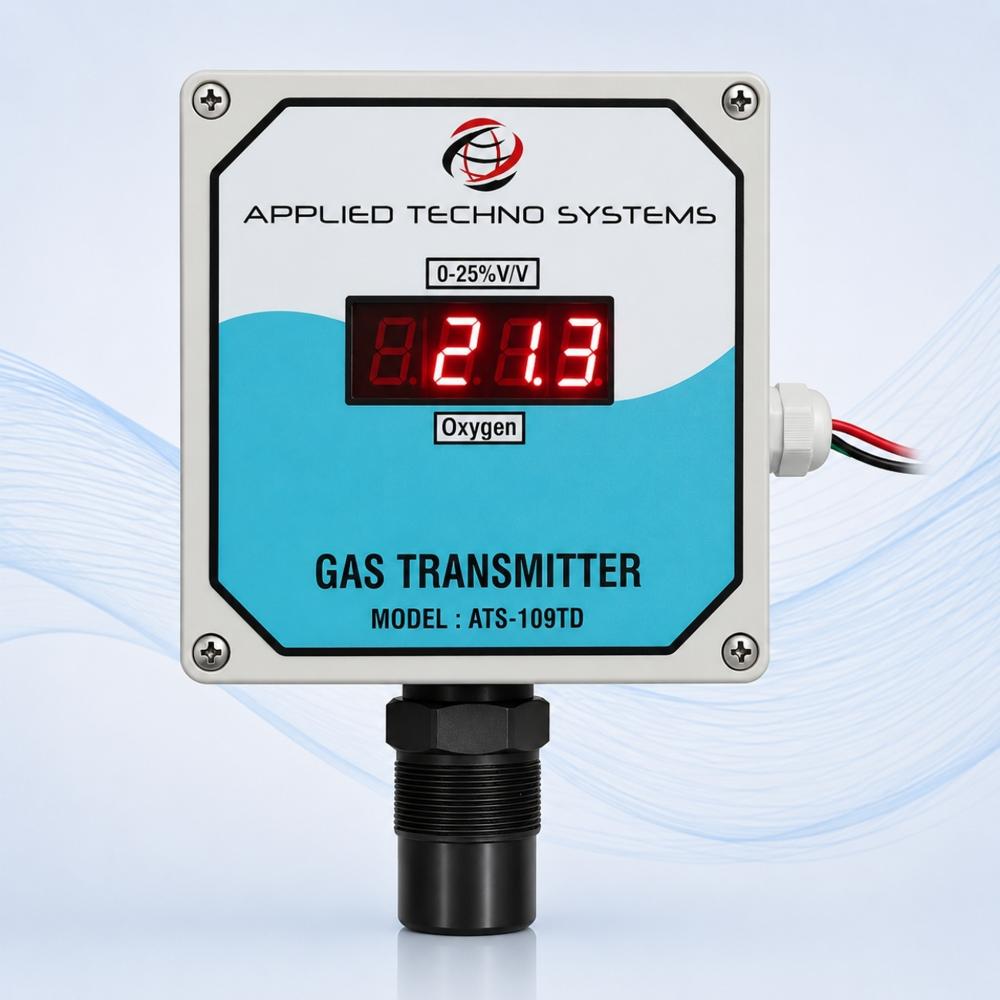
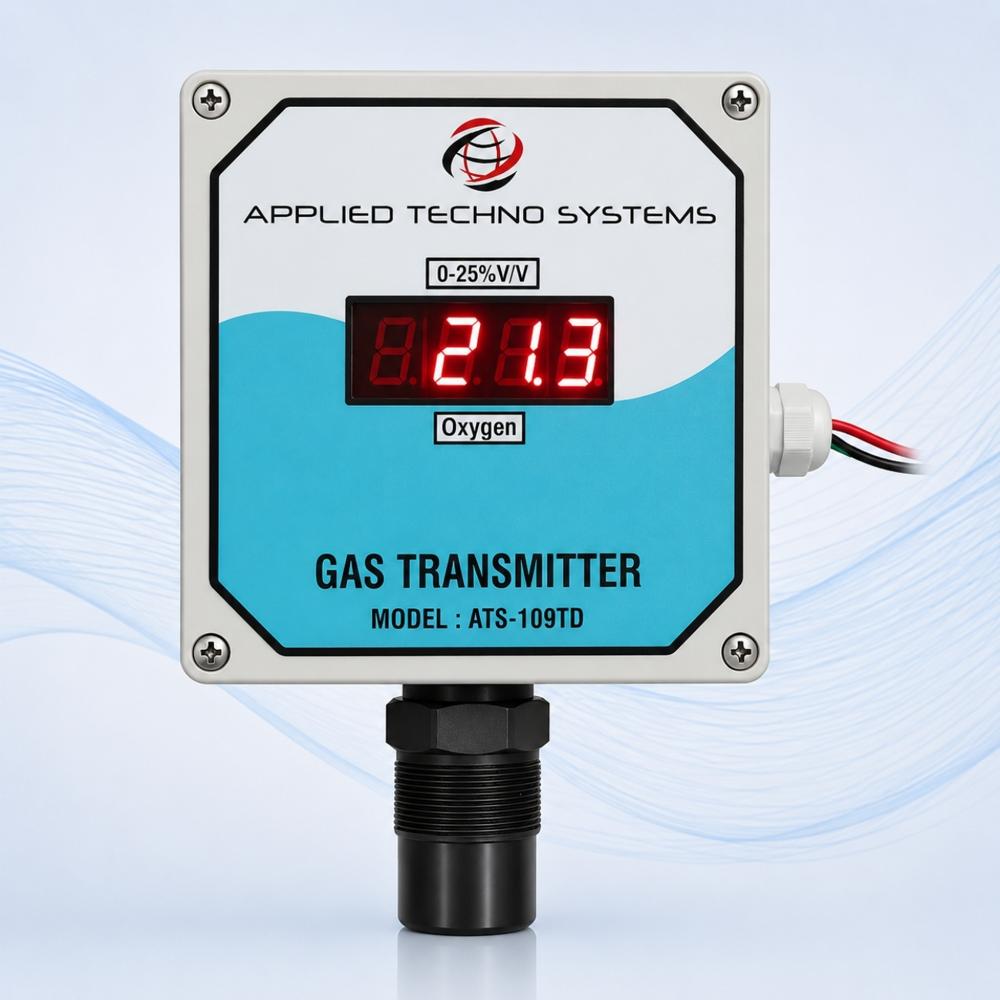
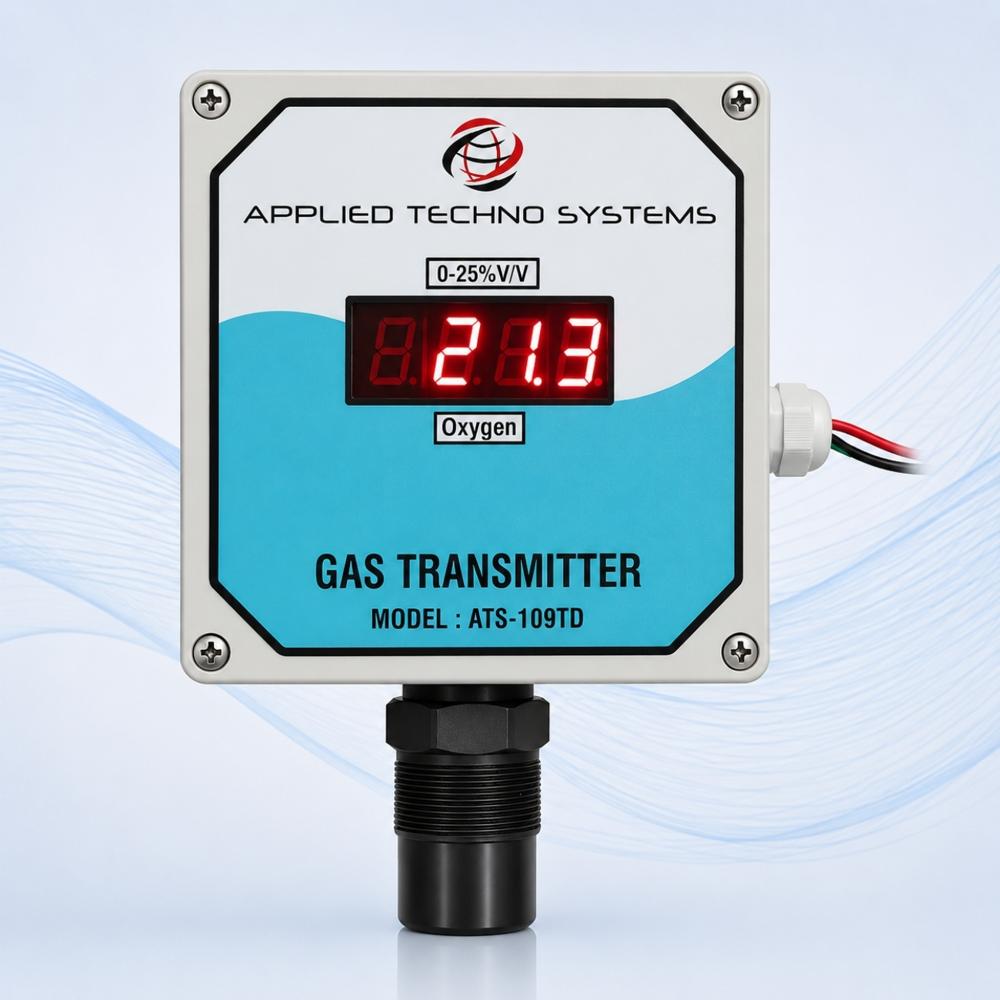
Gas Detector Transmitter
Price 27500.0 INR/ Piece
Gas Detector Transmitter Specification
- Wireless
- No
- Signal Type
- Analog 4-20mA or Digital RS485
- Operating Temperature
- -10C to +55C
- Mounting Type
- Wall/Surface Mountable
- Ingress Protection
- IP65
- Measurement Range
- 0-25% V/V Oxygen
- Housing Material
- ABS Plastic / Polycarbonate Enclosure
- Features
- Digital Display, High Accuracy, Robust Housing
- Sensor Type
- Electrochemical
- Power Consumption
- <2W
- IP Rating
- IP65
- Response Time
- <30 Seconds (T90)
- Spectral Range
- Not Applicable (Electrochemical)
- Application
- Industrial Safety, Laboratories, Oxygen Monitoring Systems
- Cable Length
- Customizable / As per order
- Mounting Thread
- M20x1.5
- Sensitivity
- High Sensitivity for Oxygen Gas
- Interface
- Terminal Block, Optional RS485 MODBUS
- Product Type
- Gas Detector Transmitter
- Material
- ABS / Engineering Plastics
- Input
- 24V DC (Typical)
- Output
- 4-20mA Analog Output / Optional RS485 Modbus
- Function
- Continuous Monitoring of Gas Concentration
- Usage
- Oxygen Monitoring
- Accuracy
- 2% FS
- Resolution
- 0.1% V/V
- Voltage
- 24V DC
- Weight
- Approx. 250g
- Gas Detected
- Oxygen (O2)
- Response Indicator
- Red LED
- Model
- ATS-109TD
- Display Type
- Digital 7-Segment LED Display
- Indication
- Visual LED Display
- Enclosure Dimensions
- 120mm x 120mm x 65mm
- Alarm Output
- Relay Output (Optional)
- Zero Drift
- <2% FS/year
- Humidity Range
- 0-95% RH (Non-condensing)
- Warm-up Time
- <3 minutes
About Gas Detector Transmitter
The Gas Sensor Transmitter WP (Weatherproof) is a reliable industrial gas detection and monitoring device designed for the continuous measurement of hazardous, toxic, combustible, and flammable gases in indoor and outdoor environments. The transmitter can be configured with suitable gas sensors for detecting gases such as Oxygen (O), Hydrogen Sulfide (HS), Carbon Monoxide (CO), Sulfur Dioxide (SO), Hydrogen (H), Methane (CH), combustible gases, VOCs, and other toxic or flammable gases, depending on the application requirement. Its rugged weatherproof construction makes it suitable for demanding industrial conditions and outdoor gas monitoring applications. The transmitter provides reliable gas concentration measurement with 420 mA output, alarm/relay options, self-diagnostics, and continuous monitoring capabilities, and can be integrated with fixed gas detection and multi-point gas monitoring systems. It is suitable for gas leak detection, plant safety, process monitoring, storage area monitoring, workplace safety, and continuous gas monitoring in Oil Refineries, Petrochemical, Chemical, Oil & Gas, Natural Gas, LNG/LPG, Fertilizer, Coal Mining, Power Plants, Iron & Steel, Foundries, Pharmaceutical, Battery Manufacturing, and other industrial environments.Advanced Digital Display
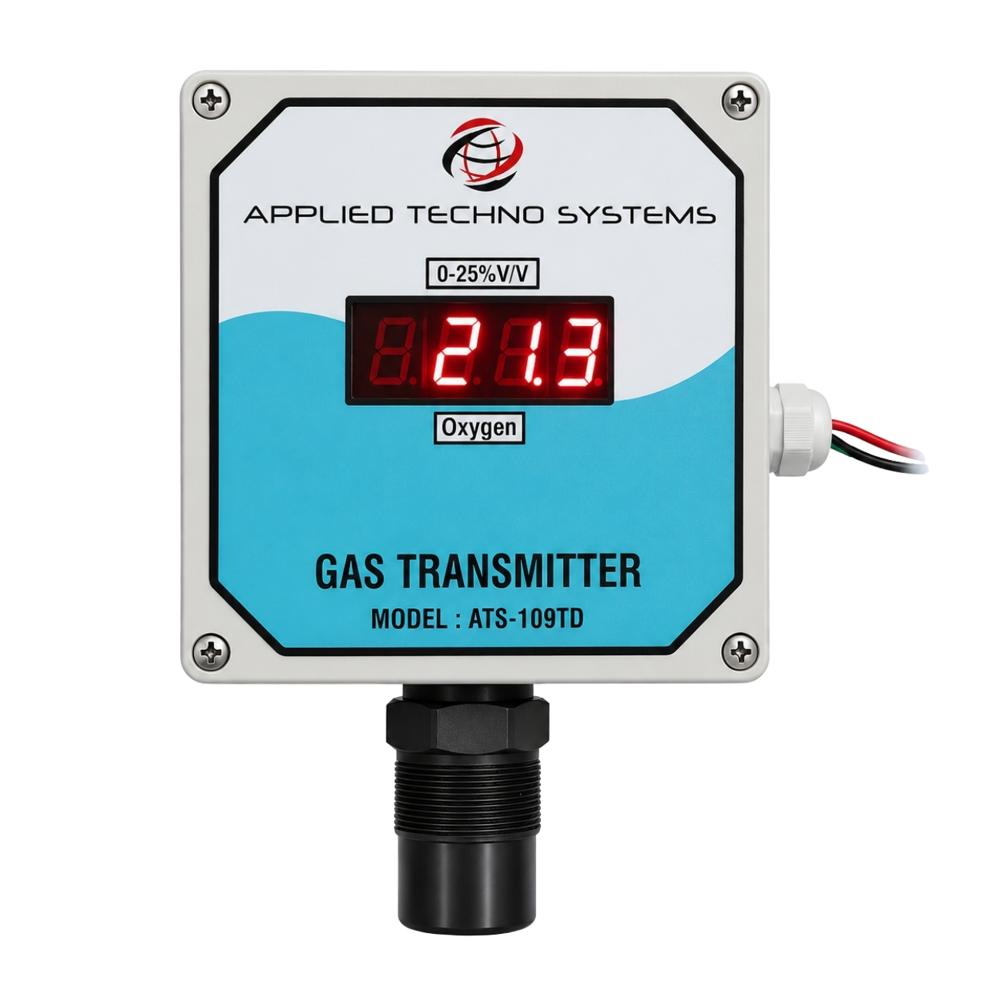
The ATS-109TD is equipped with a bright, 7-segment digital LED display that provides clear and precise oxygen readings at a glance. Visual indicators highlight alarm and response status, enhancing user awareness in critical environments. Its intuitive design ensures easy broadcast of real-time data, supporting prompt decision-making.
Reliable and Durable Construction
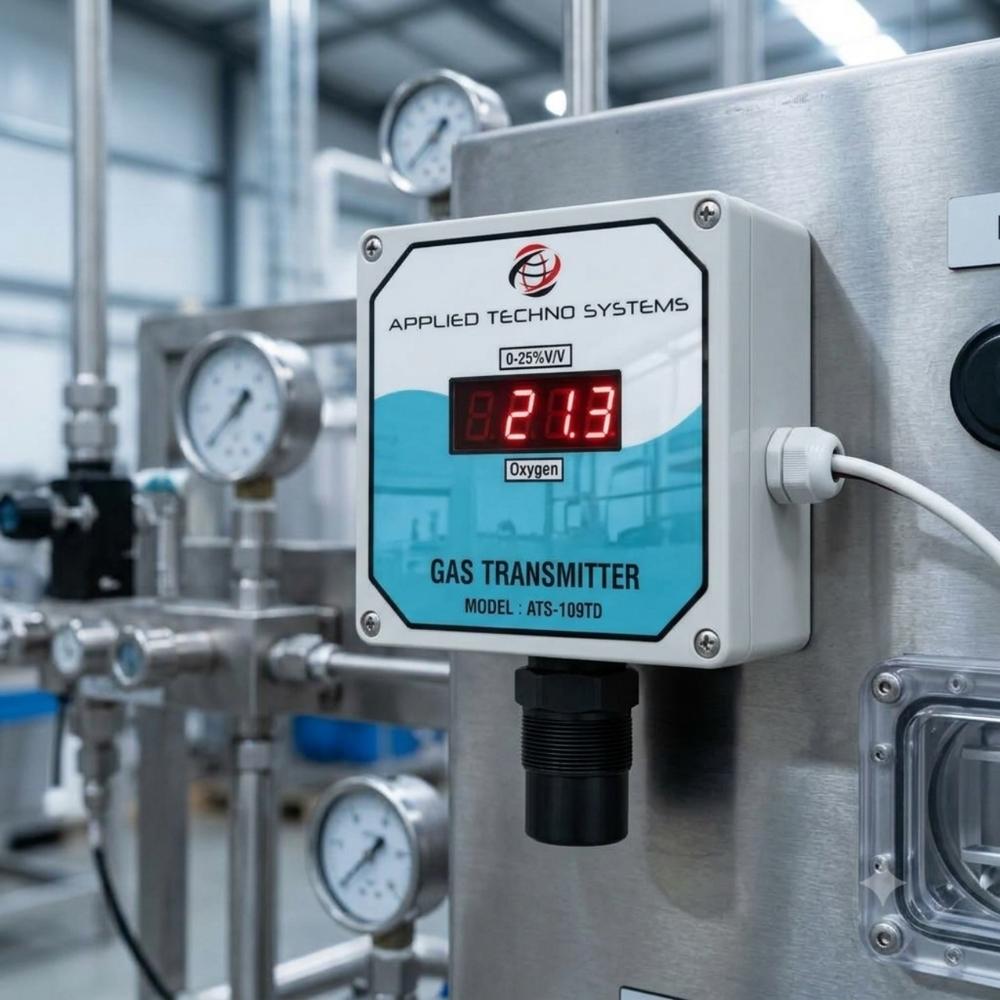
Engineered with tough ABS/Polycarbonate housing, the transmitter boasts IP65 ingress protection, safeguarding it from dust and moisture. Customizable cable lengths and versatile mounting options (wall or surface) allow easy installation in diverse settings. The unit remains stable in high humidity (up to 95% RH) and temperature extremes (-10C to +55C).
High Accuracy and Responsiveness
With cutting-edge electrochemical sensors, the ATS-109TD guarantees high sensitivity and quick response times-T90 achieved in under 30 seconds. The device maintains accuracy at 2% of full scale, and exhibits negligible zero drift (<2% FS/year), making it a dependable solution for critical oxygen monitoring tasks.
FAQ's of Gas Detector Transmitter:
Q: How does the ATS-109TD oxygen gas detector transmitter operate?
A: The ATS-109TD employs an advanced electrochemical sensor to continuously monitor ambient oxygen levels, displaying real-time values on its digital LED display. The device outputs data via standard 4-20mA analog or optional RS485 Modbus digital signals, ensuring seamless integration with control systems.Q: What environments are ideal for installing this detector?
A: This transmitter is suitable for industrial safety, laboratory settings, and oxygen monitoring systems. Its IP65 rating and robust ABS/polycarbonate enclosure protect it from dust and water exposure, making it reliable in challenging indoor conditions.Q: When should I initiate maintenance or calibration?
A: Although the ATS-109TD offers long-term stability with a minimal zero drift of less than 2% FS/year, routine calibration is recommended annually, or as specified by site safety protocols, to ensure optimal performance and ongoing accuracy.Q: Where can the ATS-109TD be mounted for optimal performance?
A: The unit is designed for wall or surface mounting using the M20x1.5 mounting thread. Its compact size (120mm x 120mm x 65mm) allows for flexible placement in workspaces needing continuous oxygen surveillance.Q: What benefits does the visual LED display and alarm system offer?
A: The bright 7-segment LED panel provides clear oxygen concentration readings, while visual alarms and a red response indicator ensure quick detection of abnormal conditions. Optional relay outputs enable direct activation of external alarms or ventilation systems, improving safety response times.Q: How is the signal transmitted from the device to monitoring or control systems?
A: Oxygen concentration data can be sent via a standard 4-20mA analog signal, with the option for a digital RS485 Modbus output. This flexibility facilitates integration with various monitoring, automation, and safety management systems.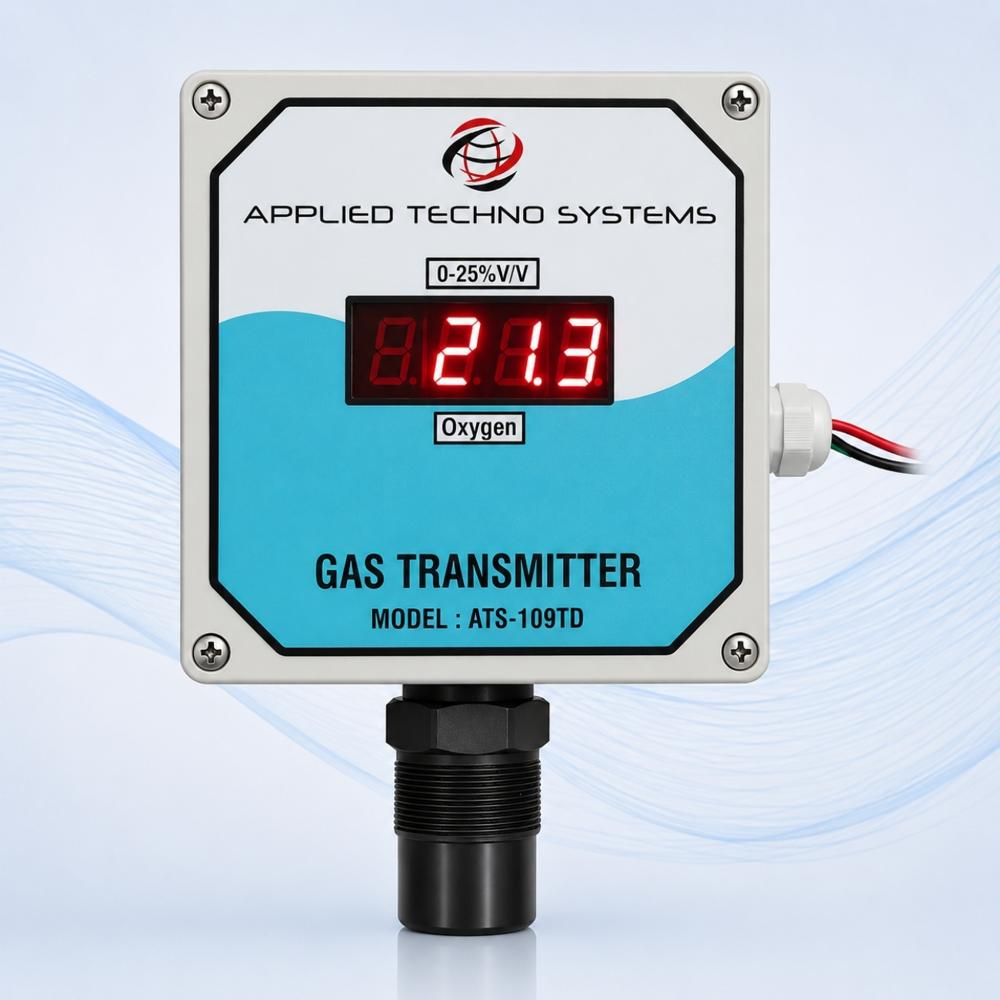

Price:
- 50
- 100
- 200
- 250
- 500
- 1000+

More Products in Gas Transmitters Category
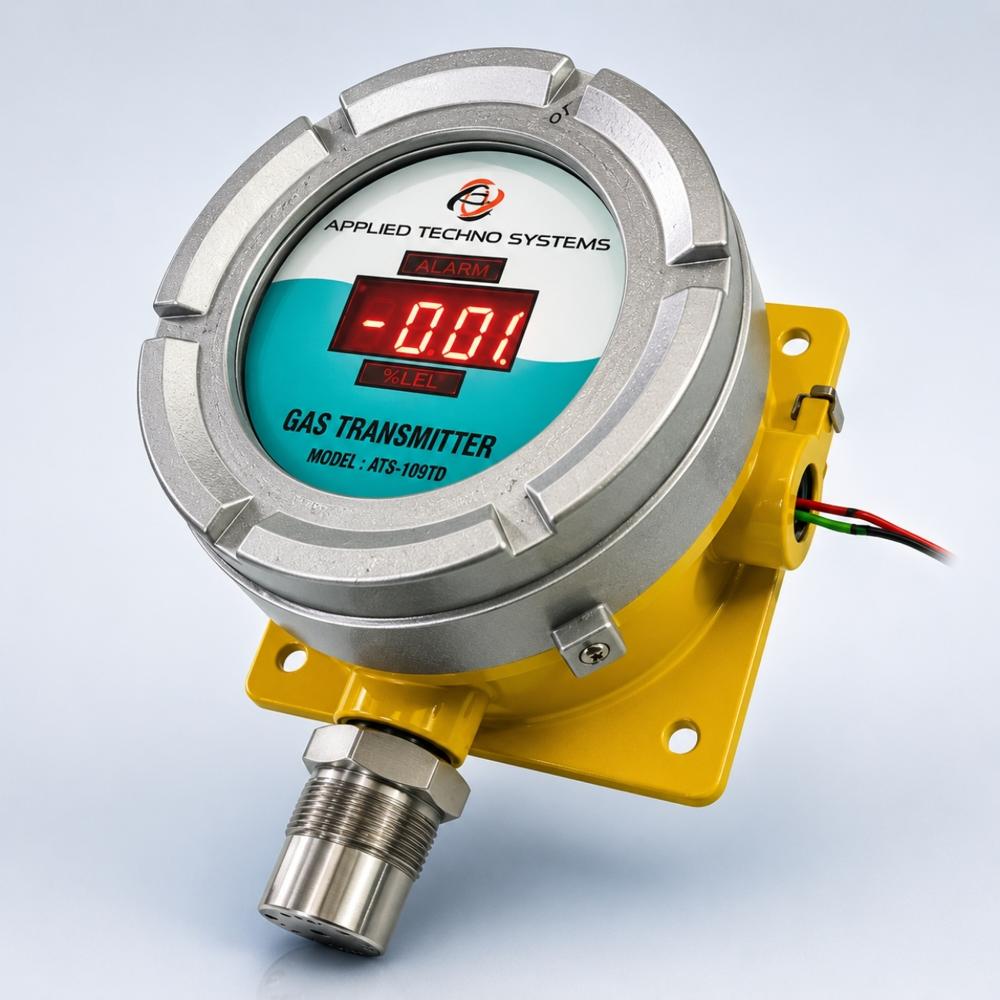
Hazardous Area Gas Transmitter
Price 22500.0 INR / Piece
Minimum Order Quantity : 1 Piece
Accuracy : 2% F.S.
Sensor Type : Catalytic / Semiconductor (as per gas type)
Input : 24V DC
Usage : Industrial Safety Monitoring
Outdoor Gas Sensor Transmitter
Price 22500.0 INR / Piece
Minimum Order Quantity : 1 Piece
Accuracy : 2% FS
Sensor Type : Electrochemical
Input : Oxygen Gas (O2), 025% V/V
Usage : Ambient Outdoor Gas Level Monitoring
Outdoor Gas Detector
Price 32500.0 INR / Piece
Minimum Order Quantity : 1 Piece
Accuracy : 2% of reading (typical, depends on sensor type)
Sensor Type : Electrochemical (Oxygen) Sensor
Input : 24V DC
Usage : Industrial Safety, Environmental Monitoring, Area Gas Detection
Gas Sensor Transmitter
Price 28500.0 INR / Piece
Minimum Order Quantity : 1 Piece
Accuracy : 2% of Full Scale (typical for Oxygen transmitter)
Sensor Type : Electrochemical (for Oxygen)
Input : 025% V/V (as per Oxygen range specified)
Usage : Industrial safety, process control, confined space monitoring


- 104, Delta Industrial Estate, Building No 1, Gokhivare, Sativali Road, Vasai East, Dist-Palghar,Vasai - 401208, Maharashtra, India
- Phone : 08045814504
GST : 27AAVCA1127G1ZN

- Mr M L YADAV (Marketing Manager)
- Mobile : 08045814504
- Send Inquiry
 Send Inquiry

|


- Dew Point Meters
- Gas Analysers
- Portable Gas Detector
- Moisture And Dew Point Analyzer
- Dust/Opacity Monitor
- Gas Monitoring Systems
- Gas Leak Detectors
- Gas Transmitters
- VOC Leak Detector
- Air Quality Monitoring System
- Online Continuous Emission Monitoring System-OCEMS
- Dew Point Monitors
- Gas Detector
- Opacity Monitor
- Portable Flue Gas Analyzer
- Online SOX & NOX Gas Analyzer
- Methane Gas Leak Detector
- Hydrogen Purity Analyzer
- Gas Purity Analyzer
- Effluent Monitoring Systems
- Producer Gas Analyzer
- Gas Detector Calibration Service
- Portable Gas Monitors
- Gas Sensor Transmitter

Developed and Managed by Infocom Network Private Limited.


 English
 Spanish
 French
 German
 Italian
 Chinese (Simplified)
 Japanese
 Korean
 Arabic
 Portuguese
