 Chat with us

- Dew Point Meters
- Gas Analysers
- Portable Gas Detector
- Moisture And Dew Point Analyzer
- Dust/Opacity Monitor
- Gas Monitoring Systems
- Gas Leak Detectors
- Gas Transmitters
- VOC Leak Detector
- Air Quality Monitoring System
- Online Continuous Emission Monitoring System-OCEMS
- Dew Point Monitors
- Gas Detector
- Opacity Monitor
- Portable Flue Gas Analyzer
- Online SOX & NOX Gas Analyzer
- Methane Gas Leak Detector
- Hydrogen Purity Analyzer
- Gas Purity Analyzer
- Effluent Monitoring Systems
- Producer Gas Analyzer
- Gas Detector Calibration Service
- Portable Gas Monitors
- Gas Sensor Transmitter

 Send Inquiry
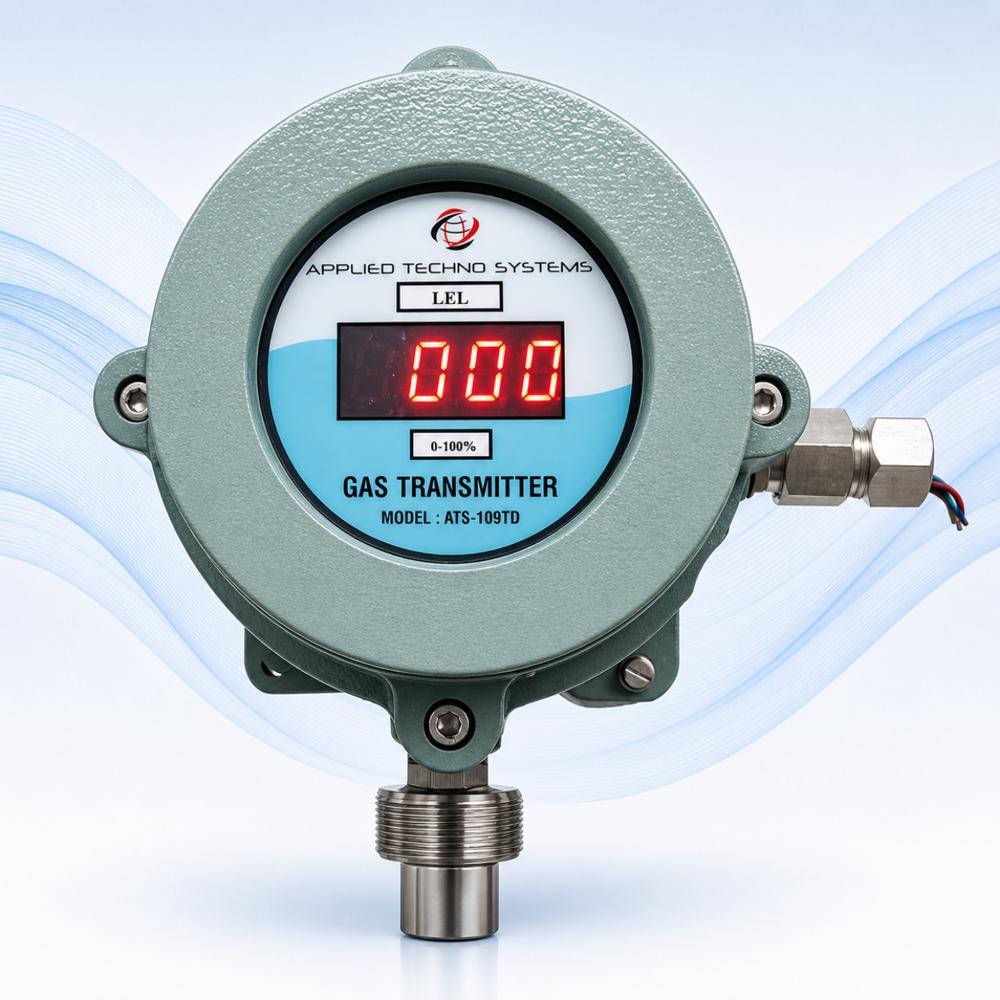
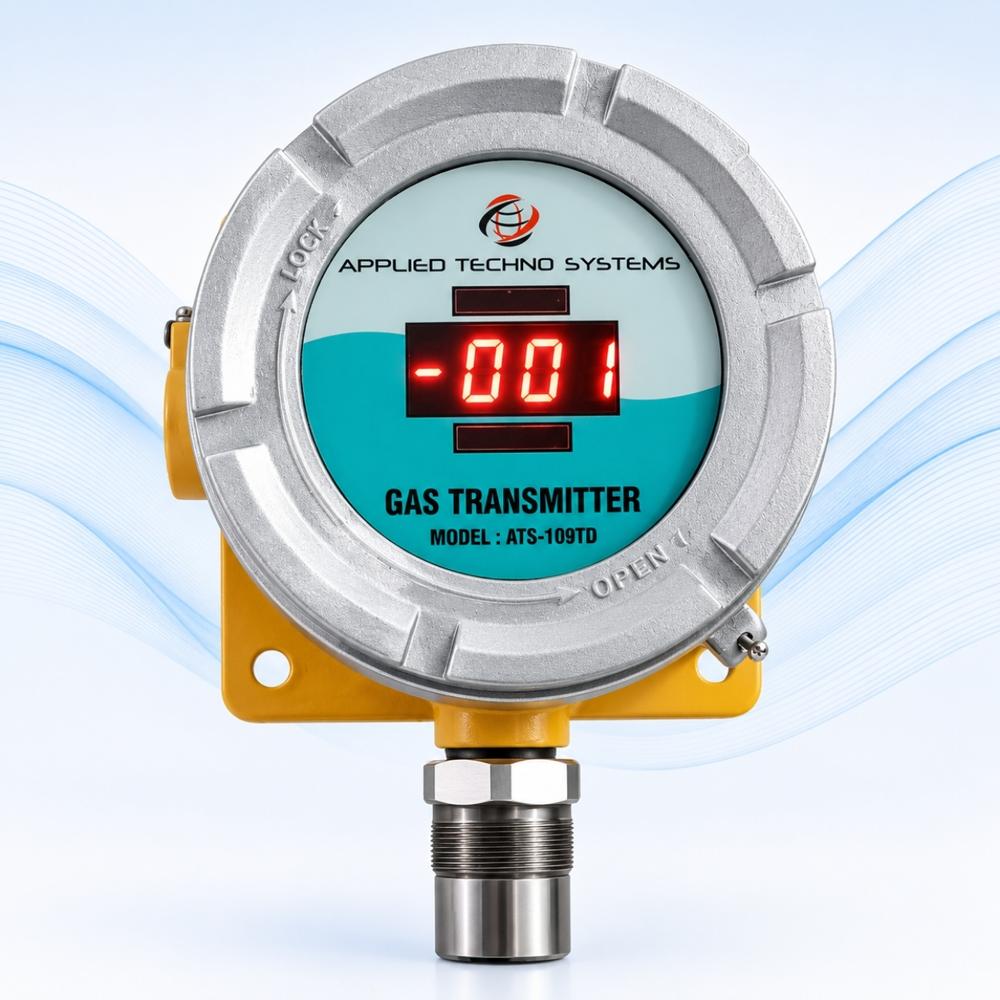
Gas Leak Detection Transmitter
Price 41500.0 INR/ Piece
Gas Leak Detection Transmitter Specification
- Wireless
- No
- Response Time
- T90 < 30 seconds
- IP Rating
- IP65
- Application
- Petrochemical, chemical plants, oil & gas facilities, industrial workplaces
- Cable Length
- Customizable, typical 1.5 meters
- Operating Temperature
- -20C to +55C
- Signal Type
- Analog 4-20 mA
- Sensor Type
- Catalytic or Semiconductor (depending on model and gas type)
- Measurement Range
- 0-100% LEL
- Housing Material
- Aluminum Alloy
- Features
- Digital display, rugged design, explosion proof, high visibility alert
- Mounting Thread
- 3/4 NPT
- Mounting Type
- Wall or surface mount with screws
- Interface
- Wired, 3-wire connection
- Ingress Protection
- IP65
- Spectral Range
- Specific to gas sensor type (typically 0-100% LEL for combustible gases)
- Power Consumption
- < 3W
- Sensitivity
- Detects up to 0.1% LEL increments
- Product Type
- Gas Leak Detection Transmitter
- Material
- Corrosion resistant metal body
- Input
- 24V DC
- Output
- 4-20 mA analog signal
- Function
- Continuous gas leak monitoring and alarm
- Usage
- Industrial gas detection, safety monitoring
- Accuracy
- 2% of full scale
- Resolution
- 0.1% LEL
- Voltage
- 24V DC
- Weight
- Approx. 1.8 kg
- Calibration
- Manual or automatic, depending on use
- Explosion Proof Grade
- Ex d IIC T6
- Alarm Indication
- LED display with alarm status
- Model Number
- ATS-109TD
- Storage Conditions
- -20C to +60C, non-condensing humidity
- Display Type
- 7-segment LED digital display
About Gas Leak Detection Transmitter
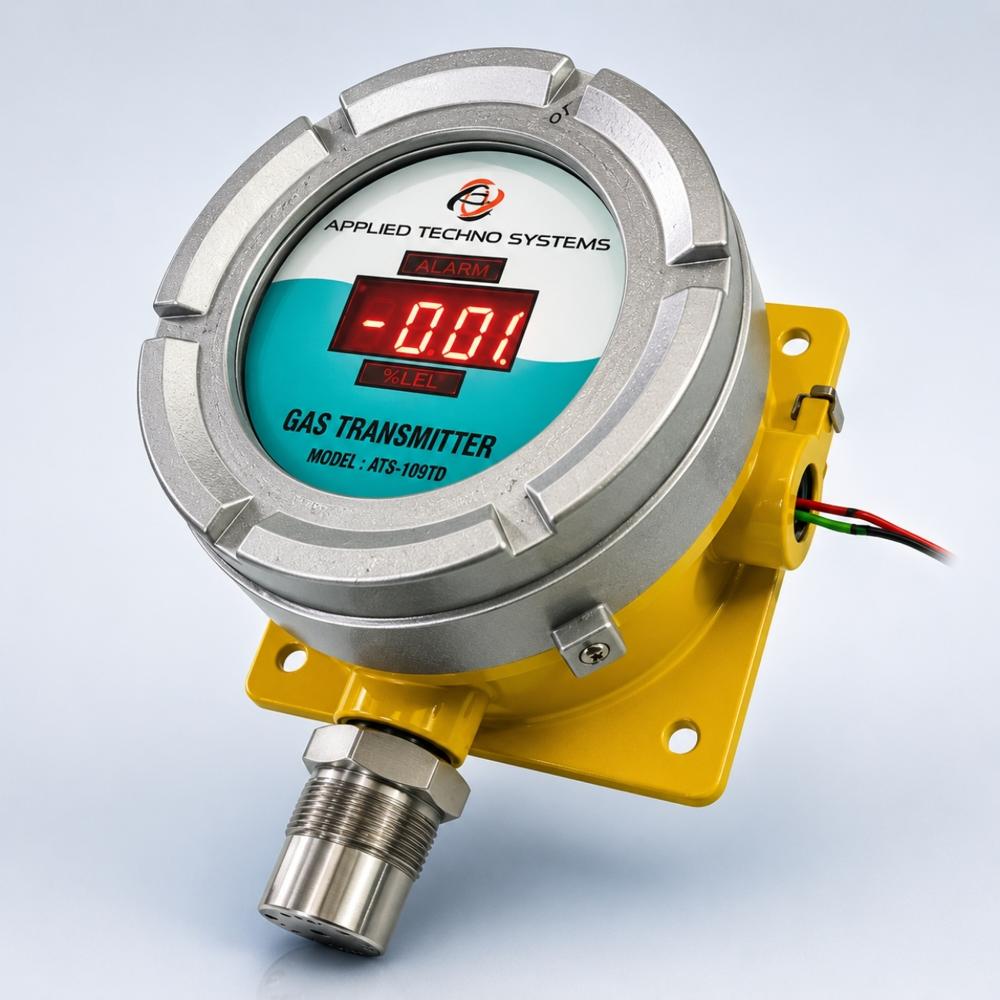
The Gas Sensor Transmitter EX-Proof is an industrial gas detection and monitoring device designed for the continuous measurement of hazardous, toxic, combustible, and flammable gases in potentially hazardous environments. The transmitter can be configured with suitable gas sensors for detecting gases such as Oxygen (O), Hydrogen Sulfide (HS), Carbon Monoxide (CO), Sulfur Dioxide (SO), Hydrogen (H), Methane (CH), combustible gases, VOCs, and other toxic or flammable gases, depending on the application requirement. Designed for use in demanding industrial conditions, the Explosion-Proof Gas Sensor Transmitter provides reliable gas concentration measurement with 420 mA output, alarm/relay options, self-diagnostics, and continuous monitoring capabilities. It can be integrated with fixed gas detection and multi-point gas monitoring systems for real-time monitoring and early detection of hazardous gas leaks. The transmitter is suitable for applications in Oil Refineries, Petrochemical, Chemical, Oil & Gas, Natural Gas, LNG/LPG, Fertilizer, Coal Mining, Power Plants, Iron & Steel, Foundries, Pharmaceutical, Battery Manufacturing, and other hazardous industrial environments, providing dependable gas monitoring for plant safety, process safety, leak detection, and workplace protection.Advanced Detection and Alarm System
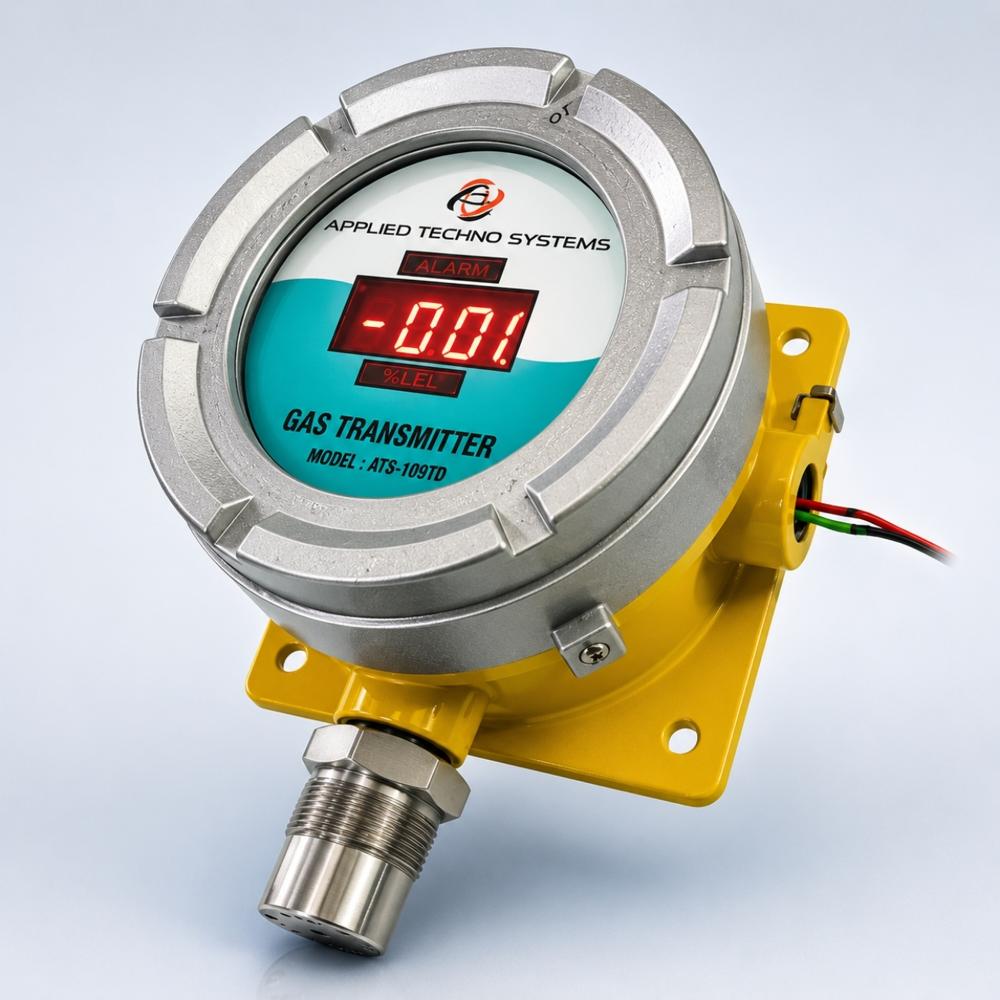
The ATS-109TD Gas Leak Detection Transmitter utilizes a catalytic or semiconductor sensor to monitor combustible gases with a high degree of accuracy (2% of full scale). Its digital LED display provides real-time readings, and the alarm system features bright LED indicators for quick, unmistakable alerts during leak events, ensuring maximum workplace safety.
Robust and Resilient Construction
Built with an explosion-proof aluminum alloy housing and rated IP65, the ATS-109TD is engineered to withstand harsh environments. Its corrosion-resistant metal body allows for reliable operation in petrochemical, chemical plants, and other industrial facilities, protecting both personnel and assets effectively.
Flexible Installation and Operation
Designed for wall or surface mounting, the transmitter uses a 3/4 NPT thread and a wired three-wire connection for stable power and signal transmission. With customizable cable lengths and compatibility with a 24V DC input, integration into existing safety systems is streamlined and efficient.
FAQ's of Gas Leak Detection Transmitter:
Q: How does the ATS-109TD Gas Leak Detection Transmitter indicate a gas leak?
A: When a gas leak is detected, the transmitter activates its LED alarm indicators and displays the alarm status on its high-visibility 7-segment digital LED display, ensuring that the presence of a hazard is quickly and clearly communicated.Q: What types of environments is the ATS-109TD suitable for?
A: This transmitter is designed for industrial settings including petrochemical plants, chemical manufacturing, oil & gas facilities, and other industrial workplaces where continuous and reliable gas leak detection is critical.Q: When should the sensor be calibrated, and how is calibration performed?
A: Calibration can be performed manually or automatically depending on usage requirements. For optimal accuracy, periodic calibration (typically once every 6-12 months) is recommended, and the process involves exposing the transmitter to a known gas concentration and adjusting readings accordingly.Q: Where should the ATS-109TD be installed for best performance?
A: For optimal detection, install the unit on walls or suitable flat surfaces near potential gas leak sources following industry guidelines. The mounting thread (3/4 NPT) allows secure attachment for stability in demanding environments.Q: How does the device integrate with existing safety monitoring systems?
A: The ATS-109TD provides a standard 4-20 mA analog output, making it compatible with widely used industrial control panels and monitoring systems for real-time gas concentration readings and automated safety responses.Q: What are the main benefits of using the ATS-109TD for gas leak detection?
A: Key benefits include accurate, rapid detection of combustible gases, durable explosion-proof construction, customizable installation, low power usage (<3W), and reliable operation across a broad ambient temperature range, significantly enhancing workplace safety.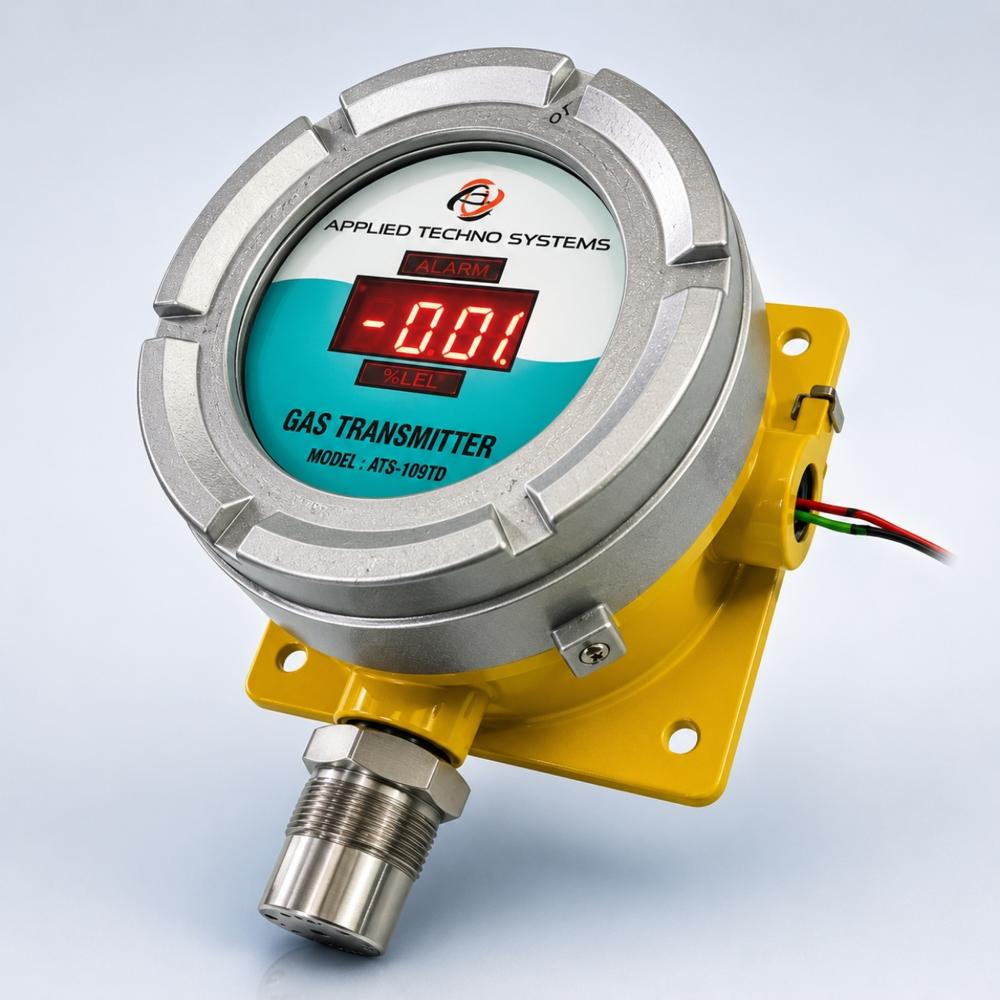

Price:
- 50
- 100
- 200
- 250
- 500
- 1000+

More Products in Gas Transmitters Category
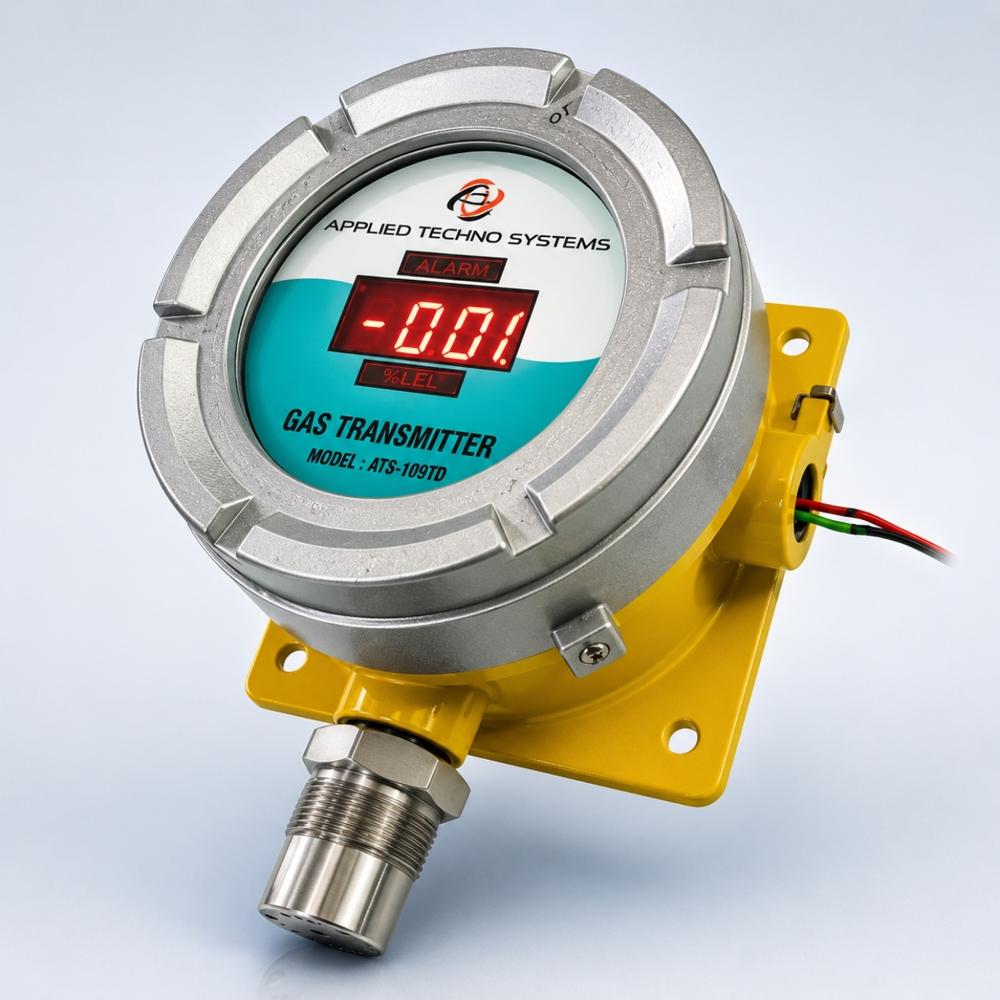
Flameproof Gas Sensor Transmitter
Price 32500.0 INR / Piece
Minimum Order Quantity : 1 Piece
Weight : Approx. 1.5 kg
Input : 24V DC
Interface : RS485, 420mA, Relay contacts
Product Type : Gas Sensor Transmitter
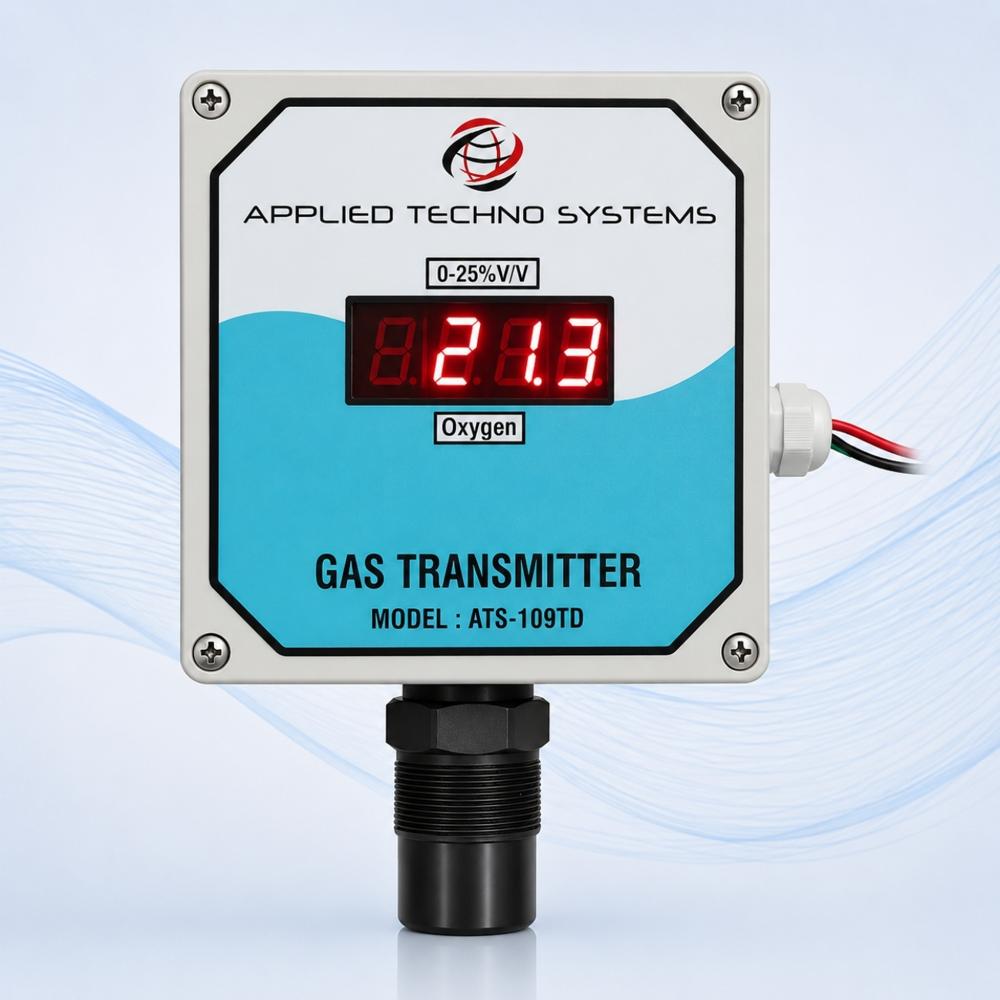
Outdoor Gas Monitoring System
Price 41500.0 INR / Piece
Minimum Order Quantity : 1 Piece
Weight : Approx. 500g
Input : 24V DC Power Supply
Interface : Wired (Standard), Wireless (Optional)
Product Type : Outdoor Gas Monitoring System
Industrial Gas Detection Transmitter
Price 37500.0 INR / Piece
Minimum Order Quantity : 1 Piece
Weight : Approx. 2.5 kg
Input : 24V DC supply
Interface : Digital RS485 (optional), 420mA (standard)
Product Type : Industrial Gas Detection Transmitter
Gas Monitoring Transmitter
Price 39500.0 INR / Piece
Minimum Order Quantity : 1 Piece
Weight : Approx. 1.5 kg
Input : Power Supply 24V DC
Interface : Wired, 3wire connection
Product Type : Gas Monitoring Transmitter


- 104, Delta Industrial Estate, Building No 1, Gokhivare, Sativali Road, Vasai East, Dist-Palghar,Vasai - 401208, Maharashtra, India
- Phone : 08045814504
GST : 27AAVCA1127G1ZN

- Mr M L YADAV (Marketing Manager)
- Mobile : 08045814504
- Send Inquiry
 Send Inquiry

|


- Dew Point Meters
- Gas Analysers
- Portable Gas Detector
- Moisture And Dew Point Analyzer
- Dust/Opacity Monitor
- Gas Monitoring Systems
- Gas Leak Detectors
- Gas Transmitters
- VOC Leak Detector
- Air Quality Monitoring System
- Online Continuous Emission Monitoring System-OCEMS
- Dew Point Monitors
- Gas Detector
- Opacity Monitor
- Portable Flue Gas Analyzer
- Online SOX & NOX Gas Analyzer
- Methane Gas Leak Detector
- Hydrogen Purity Analyzer
- Gas Purity Analyzer
- Effluent Monitoring Systems
- Producer Gas Analyzer
- Gas Detector Calibration Service
- Portable Gas Monitors
- Gas Sensor Transmitter

Developed and Managed by Infocom Network Private Limited.


 English
 Spanish
 French
 German
 Italian
 Chinese (Simplified)
 Japanese
 Korean
 Arabic
 Portuguese
