 Chat with us

- Dew Point Meters
- Gas Analysers
- Portable Gas Detector
- Moisture And Dew Point Analyzer
- Dust/Opacity Monitor
- Gas Monitoring Systems
- Gas Leak Detectors
- Gas Transmitters
- VOC Leak Detector
- Air Quality Monitoring System
- Online Continuous Emission Monitoring System-OCEMS
- Dew Point Monitors
- Gas Detector
- Opacity Monitor
- Portable Flue Gas Analyzer
- Online SOX & NOX Gas Analyzer
- Methane Gas Leak Detector
- Hydrogen Purity Analyzer
- Gas Purity Analyzer
- Effluent Monitoring Systems
- Producer Gas Analyzer
- Gas Detector Calibration Service
- Portable Gas Monitors
- Gas Sensor Transmitter

 Send Inquiry
Gas Monitoring Control System
Price 220500.0 INR/ Piece
Gas Monitoring Control System Specification
- Standard
- Compliance with industrial safety and quality standards (e.g., IEC, IS, CE as available per model)
- Size
- Approx. 3U rack size
- Channel Spacing
- 4 Channels (expandable models available)
- Operating Mode
- Continuous automatic real-time gas monitoring
- Connectivity Type
- Hardwired connections, optional RS-485 Modbus interface
- Interface
- User programmable front panel keys, digital interface
- Mounting Type
- Rack-mounted (19-inch standard) or wall mounting
- License Free
- Yes
- Technology
- Microprocessor based gas monitoring system
- Special Features
- Real-time display, Multi-channel monitoring, Programmable alarm levels, Data logging, Fault detection indications
- Remote Control
- Supported via external relay contacts and optional communication module
- Application
- Continuous monitoring of H2S and other toxic/combustible gases in industrial plants, refineries, laboratories
- Screen Resolution
- 3-digit LED digital display for each channel
- Power Supply
- 220 VAC / 24 VDC
- Output Formats
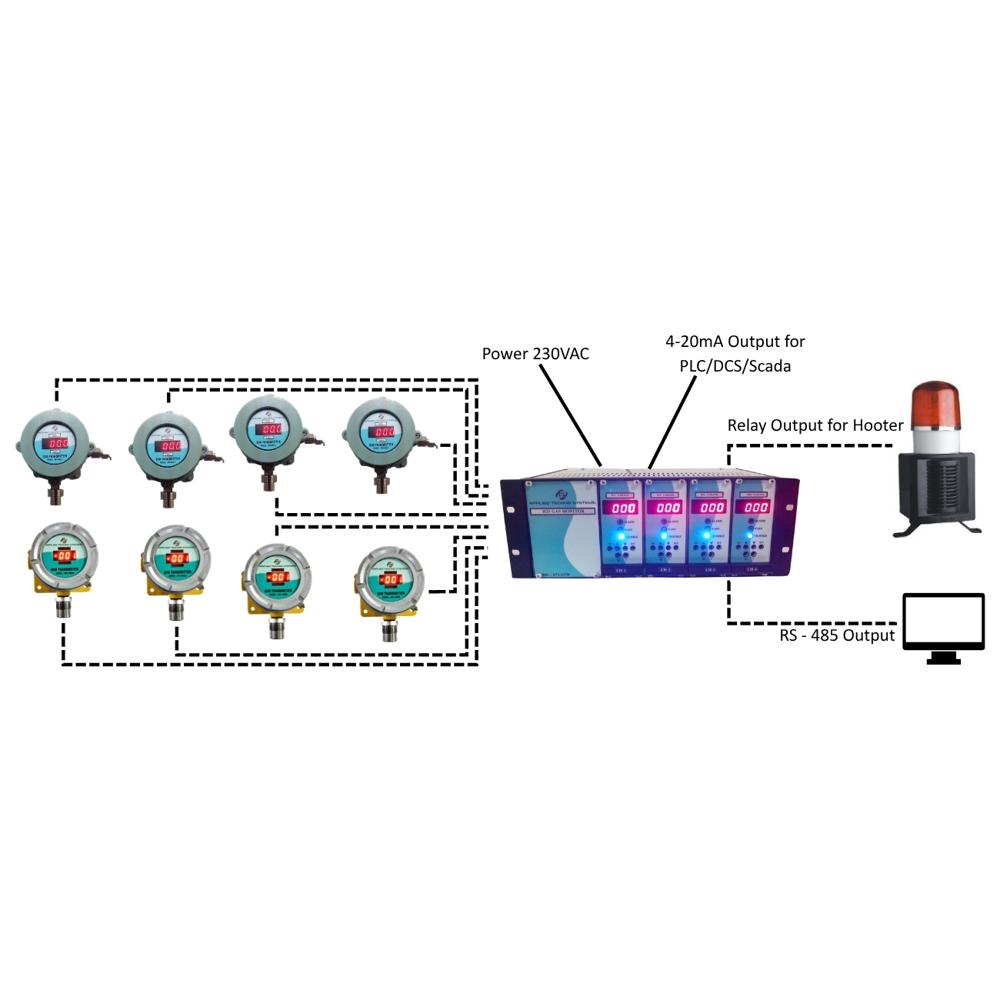
- 4-20mA analog output, Relay contacts, Digital and Buzzer output
- Detectable Gas Types
- H2S (Hydrogen Sulfide), other models available for O2, CO, and combustible gases
- Alarm Levels
- 3-levels (Alarm, Warn, Trouble); user-programmable thresholds
- Channels
- 4 independent sensor inputs (can be expanded on request)
- Enclosure Material
- Industrial grade MS powder coated cabinet
- Communication Protocol
- Optional Modbus RTU supported via RS-485 interface
- Operating Temperature
- -10C to +60C
- Weight
- Approx. 6 kg
- Alarm Indications
- Visual (LED), Audible (Buzzer)
- Display
- Individual digital LED display per channel
- Data Logging
- Optional with external data logger module
- Sensor Compatibility
- Compatible with a wide range of industrial gas sensors (electrochemical, catalytic, IR, etc.)
- Relay Outputs
- 3 per channel (Alarm, Warn, Trouble)
- Dimensions
- Approx. 480 mm x 130 mm x 300 mm (W x H x D)
About Gas Monitoring Control System
The Multi Channel Gas Monitoring System is an industrial gas detection and monitoring solution designed for the continuous and simultaneous monitoring of multiple gas detection points across industrial plants and hazardous areas. The system can be configured with multiple gas sensor transmitters to detect gases such as Oxygen (O), Hydrogen Sulfide (HS), Carbon Monoxide (CO), Sulfur Dioxide (SO), Hydrogen (H), Methane (CH), combustible gases, VOCs, and other toxic or flammable gases, depending on the application and sensor configuration. It provides centralized real-time monitoring of multiple channels with digital gas concentration display, high and low alarm indication, audible and visual alarms, relay outputs, and 420 mA signal integration, depending on system configuration. The multi channel gas monitoring system is suitable for continuous gas monitoring, gas leak detection, process safety, plant safety, storage area monitoring, confined-space monitoring, and emergency alarm applications. It can be used across Oil Refineries, Petrochemical, Chemical, Oil & Gas, Natural Gas, LNG/LPG, Fertilizer, Coal Mining, Power Plants, Iron & Steel, Foundries, Pharmaceutical, Battery Manufacturing, and other industrial environments, providing centralized and reliable monitoring of hazardous gases for improved workplace and process safety.Comprehensive Safety Monitoring
Our Gas Monitoring Control System delivers robust detection for multiple toxic and combustible gases. With its advanced microprocessor technology, the system ensures reliable, real-time monitoring, prompt alarm notifications, and seamless integration with industrial automation frameworks. The expandable channel capacity and broad sensor compatibility make it adaptable for both small and large-scale operations.
User-Friendly Operation
Featuring individual digital LED displays for each sensor input, the user interface is intuitive with user-programmable front panel keys. Alarm thresholds can be easily set for each channel, allowing for customizable protection that aligns with site-specific safety requirements. Mounting flexibility (rack or wall) and options for data logging further enhance usability.
Reliable Industrial Performance
Housed in a rugged, powder-coated mild steel enclosure, the system operates between -10C to +60C and meets international safety and quality standards. Designed for continuous real-time operation, it is equipped to withstand the demanding environments of refineries, plants, and laboratories, ensuring ongoing compliance and workplace safety.
FAQ's of Gas Monitoring Control System:
Q: How does the Gas Monitoring Control System detect different types of gases?
A: The system is compatible with a wide range of industrial-grade sensors-including electrochemical, catalytic, and IR types-to detect gases such as H2S, O2, CO, and combustible gases. Each sensor input operates independently, providing targeted monitoring according to the installed sensor type.Q: What alarm features are included, and are their thresholds adjustable?
A: Each channel offers three alarm levels: Alarm, Warn, and Trouble, indicated both visually (LED) and audibly (buzzer). Users can program threshold values for each alarm level using the front panel keys, allowing customized alert settings for different applications.Q: When should I consider expanding the number of sensor input channels?
A: If your facility requires monitoring in additional locations or for more types of gases than the standard 4 channels, you can request expanded models. Expanded versions accommodate more inputs and support larger and more complex monitoring networks.Q: Where can the system be installed, and what mounting options are available?
A: The unit is suitable for installation in refineries, industrial plants, or laboratories and can be mounted on a standard 19-inch rack (approx. 3U size) or directly on a wall, adapting to site-specific requirements.Q: What is the process for retrieving or logging gas detection data?
A: Data logging is available with an optional external data logger module. For remote access and integration with automation systems, the system supports Modbus RTU via RS-485-available as an optional feature-facilitating digital data retrieval and process management.Q: How does the system enhance safety and operational efficiency?
A: By providing continuous, real-time monitoring and immediate multi-level alarms, the system helps prevent hazardous exposure incidents. Its programmable alarms, robust design, and compliance with industrial standards ensure enhanced safety and reliability in demanding environments.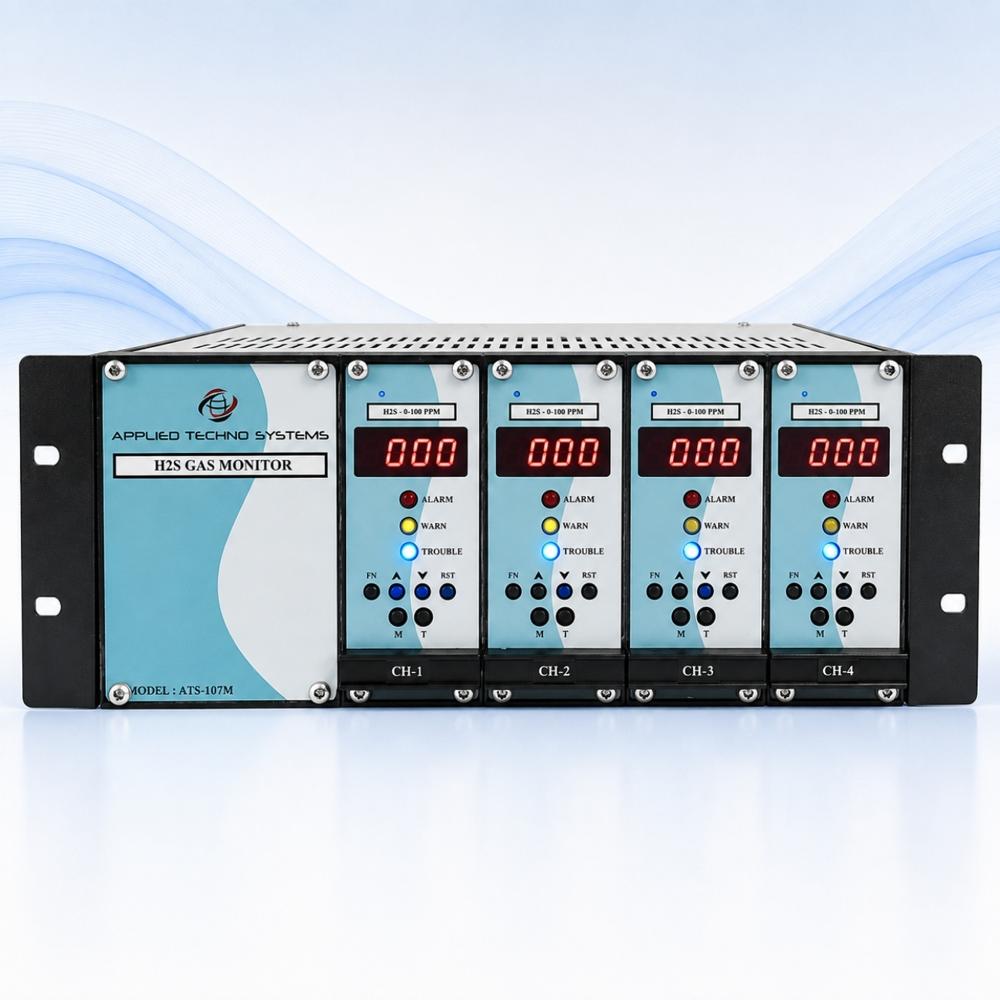

Price:
- 50
- 100
- 200
- 250
- 500
- 1000+

More Products in Gas Monitoring Systems Category
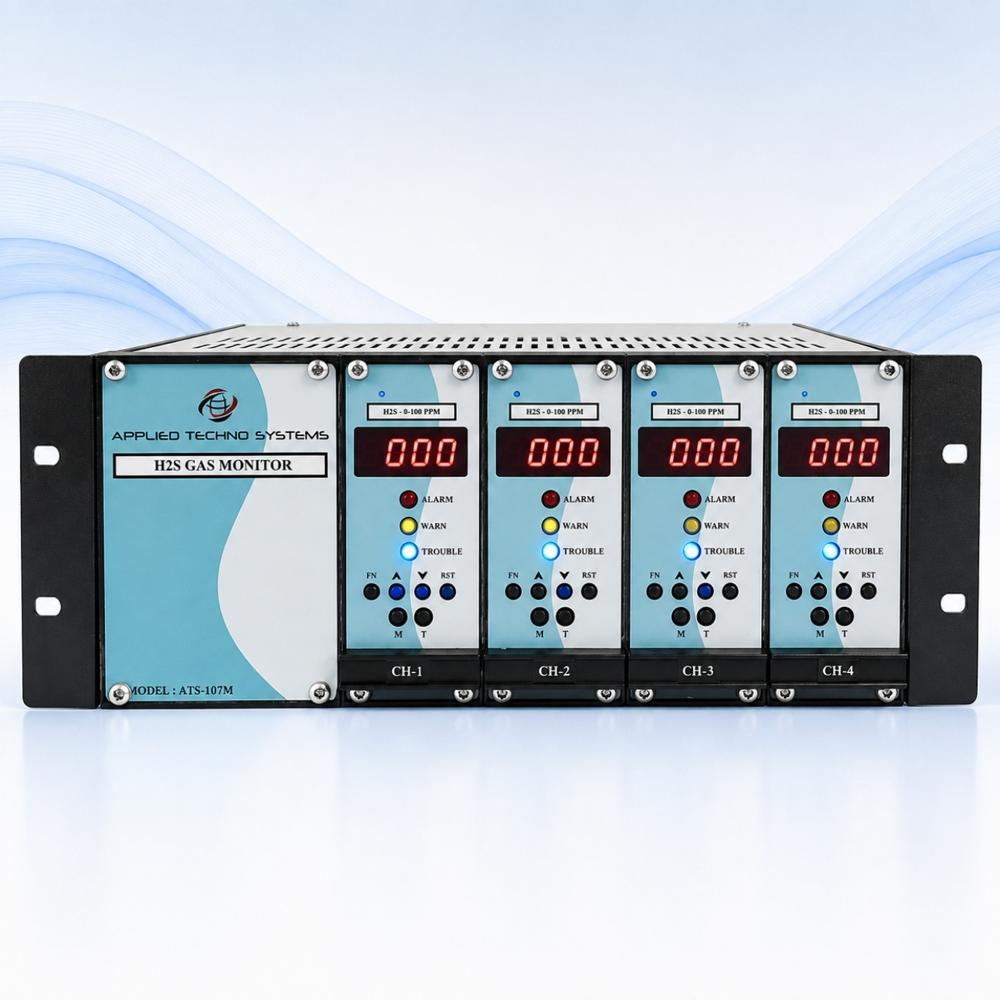
Industrial Multi Point Gas Monitoring System
Price 200500.0 INR / Piece
Minimum Order Quantity : 1 Piece
Operating Mode : Continuous Monitoring
Special Features : Multi Channel Monitoring, Digital Display, Fault and Alarm Indicators, Individual Channel Status LEDs
Output Formats : 420mA Analog, RS485, Relay Output
Size : 19 Standard Rack (Height and Depth based on channel count)
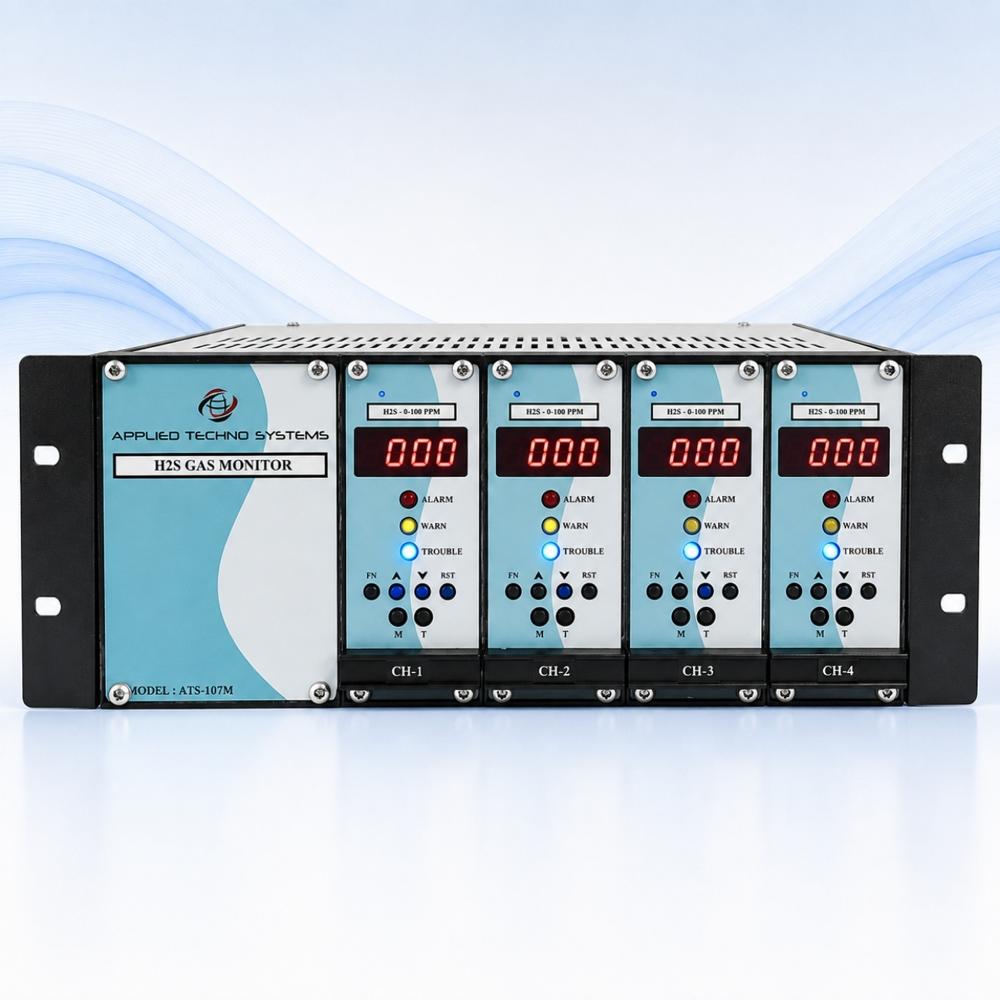
Multi Gas Monitoring System
Price 110500.0 INR / Piece
Minimum Order Quantity : 1 Piece
Operating Mode : Continuous Monitoring
Special Features : Realtime gas monitoring, Multichannel input, Alarm indication (Audio & Visual), Fault display, Reset option
Output Formats : Relay output, 420mA, Modbus
Size : Standard 19inch rack unit
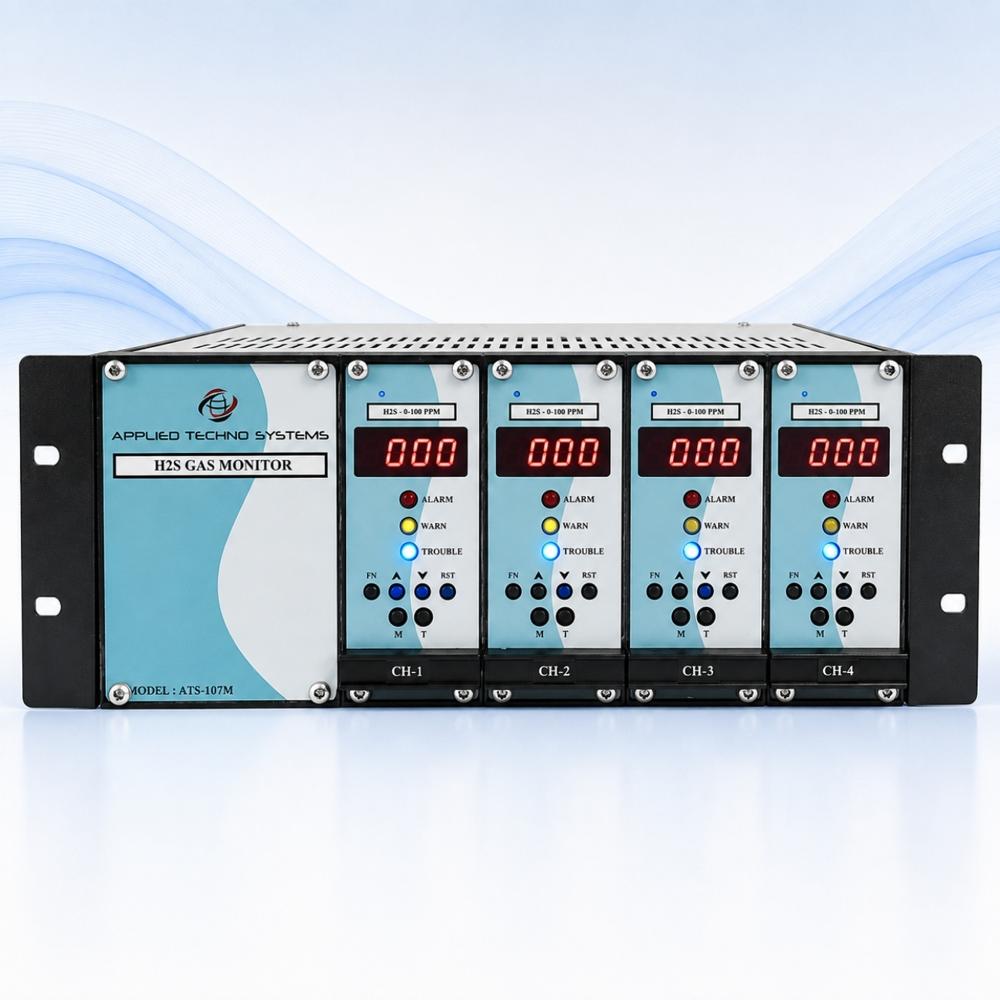
Multi Channel Gas Monitoring Equipment
Price 160500.0 INR / Piece
Minimum Order Quantity : 1 Piece
Operating Mode : Continuous realtime monitoring
Special Features : Multichannel gas detection (supports up to 4 channels), digital LCD display, builtin alarm indicators for each channel, system trouble indicator, modular control panel, realtime monitoring
Output Formats : 420mA analog output, relay outputs for alarms
Size : Standard 19inch rack
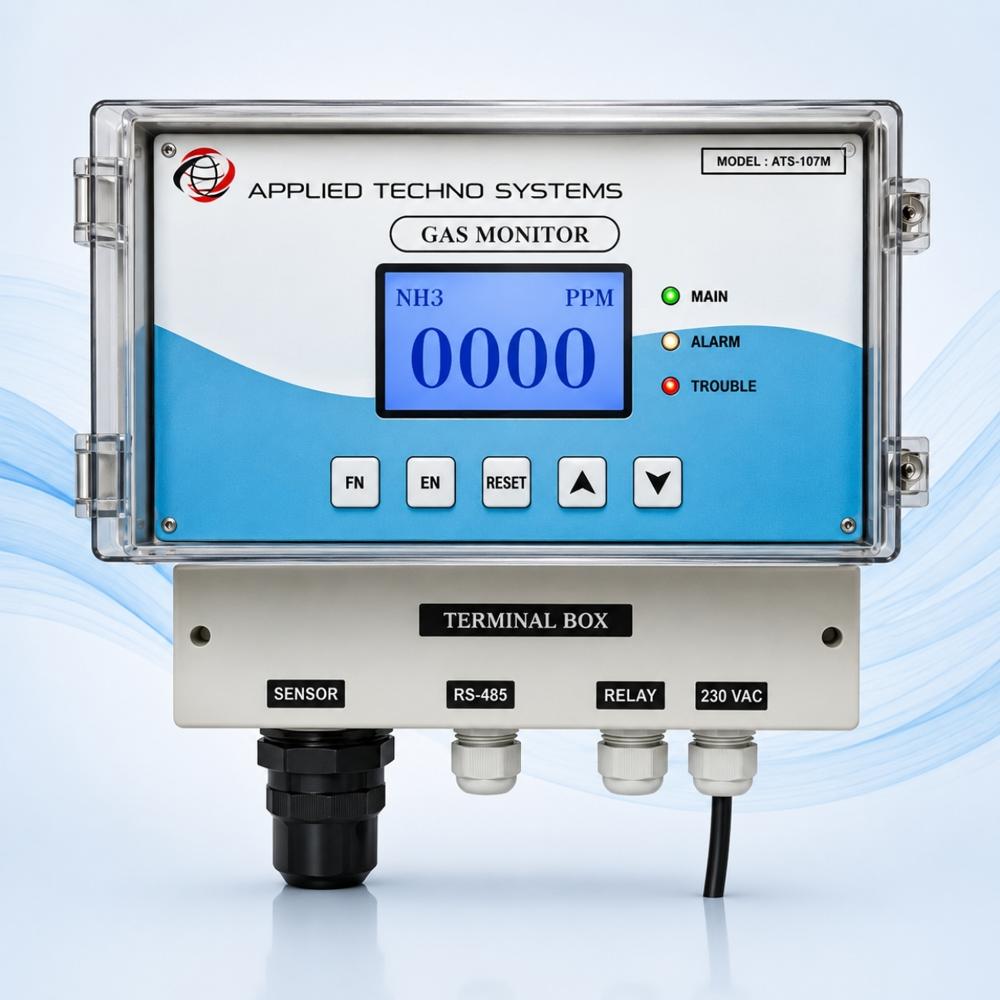
Centralized Gas Monitoring System
Price 73500.0 INR / Piece
Minimum Order Quantity : 1 Piece
Operating Mode : Continuous Monitoring
Special Features : Multiple gas detection, digital display, audible/visual alarm, trouble and alarm indicators
Output Formats : Relay, RS485 digital output
Size : Approx. 260 x 200 x 130 mm (including enclosure)


- 104, Delta Industrial Estate, Building No 1, Gokhivare, Sativali Road, Vasai East, Dist-Palghar,Vasai - 401208, Maharashtra, India
- Phone : 08045814504
GST : 27AAVCA1127G1ZN

- Mr M L YADAV (Marketing Manager)
- Mobile : 08045814504
- Send Inquiry
 Send Inquiry

|


- Dew Point Meters
- Gas Analysers
- Portable Gas Detector
- Moisture And Dew Point Analyzer
- Dust/Opacity Monitor
- Gas Monitoring Systems
- Gas Leak Detectors
- Gas Transmitters
- VOC Leak Detector
- Air Quality Monitoring System
- Online Continuous Emission Monitoring System-OCEMS
- Dew Point Monitors
- Gas Detector
- Opacity Monitor
- Portable Flue Gas Analyzer
- Online SOX & NOX Gas Analyzer
- Methane Gas Leak Detector
- Hydrogen Purity Analyzer
- Gas Purity Analyzer
- Effluent Monitoring Systems
- Producer Gas Analyzer
- Gas Detector Calibration Service
- Portable Gas Monitors
- Gas Sensor Transmitter

Developed and Managed by Infocom Network Private Limited.


 English
 Spanish
 French
 German
 Italian
 Chinese (Simplified)
 Japanese
 Korean
 Arabic
 Portuguese
