 Chat with us

- Dew Point Meters
- Gas Analysers
- Portable Gas Detector
- Moisture And Dew Point Analyzer
- Dust/Opacity Monitor
- Gas Monitoring Systems
- Gas Leak Detectors
- Gas Transmitters
- VOC Leak Detector
- Air Quality Monitoring System
- Online Continuous Emission Monitoring System-OCEMS
- Dew Point Monitors
- Gas Detector
- Opacity Monitor
- Portable Flue Gas Analyzer
- Online SOX & NOX Gas Analyzer
- Methane Gas Leak Detector
- Hydrogen Purity Analyzer
- Gas Purity Analyzer
- Effluent Monitoring Systems
- Producer Gas Analyzer
- Gas Detector Calibration Service
- Portable Gas Monitors
- Gas Sensor Transmitter

 Send Inquiry
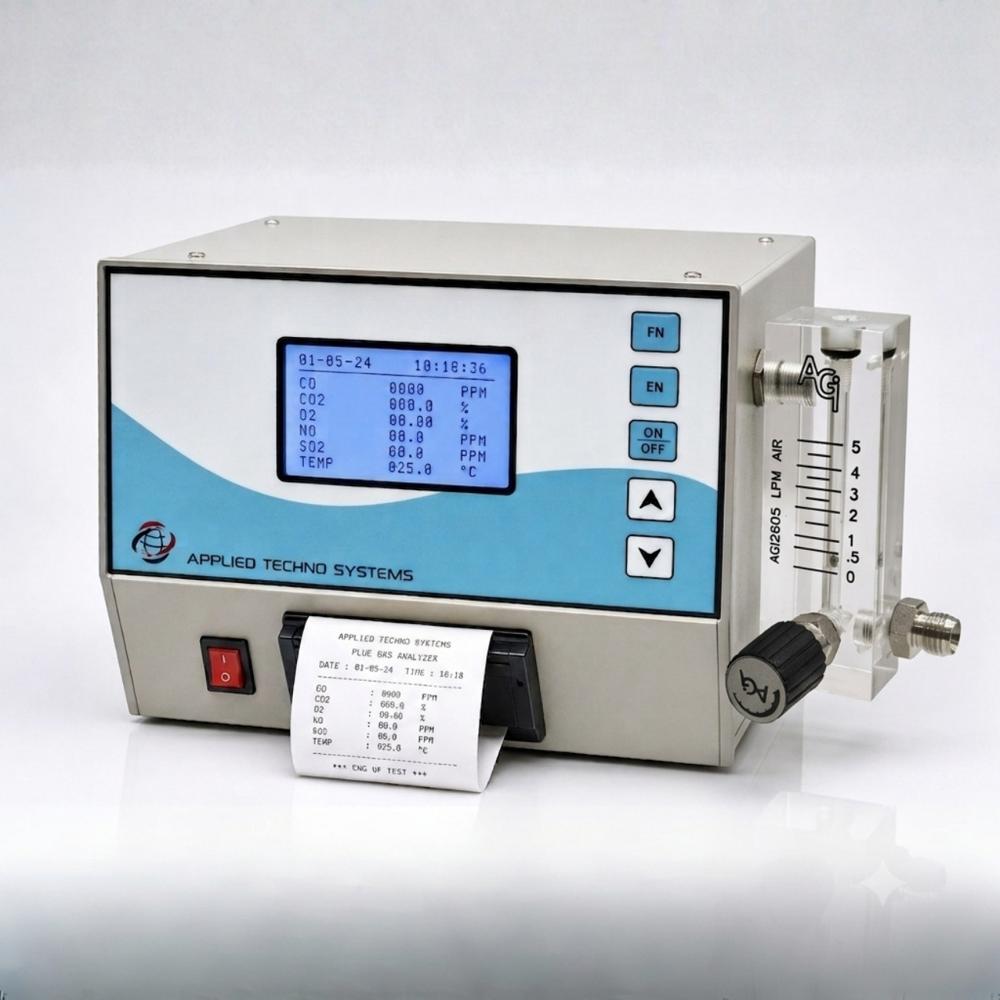
Gas Purity Testing Instrument
Price 115500.0 INR/ Unit
Gas Purity Testing Instrument Specification
- Interface Type
- Serial/RS232, USB (optional)
- Resolution
- 1 PPM or 0.01% (depending on parameter)
- Operating Voltage
- 230V AC
- Mounting Type
- Bench-top
- Measuring Range
- CO: 0-1000 PPM, CO2: 0-25%, O2: 0-30%, NO: 0-1000 PPM, SO2: 0-1000 PPM
- Specimen Size
- NA (Gas sample inlet)
- Response Time
- <15 seconds
- Power Supply
- 230V AC, 50 Hz
- Accuracy
- 2% of full scale
- Number of Specimens
- Single sample at a time
- Automation Grade
- Automatic
- Application
- Monitoring and testing purity of various gases
- Test Range
- CO/CO2/O2/NO/SO2, configurable with PPM or %
- Frequency
- 50 Hz
- Max Height
- 165 mm
- Gas Pressure
- 0.5-5 bar
- Equipment Type
- Gas Purity Testing Instrument
- Features
- Inbuilt Printer, Real-time Data Display, User-selectable gas channels, Data logging
- Display Type
- Large Blue Backlit LCD
- Port Size
- 1/8 NPT
- Humidity
- 0-95% RH (non-condensing)
- Temperature
- 0 to 50C
- Usage
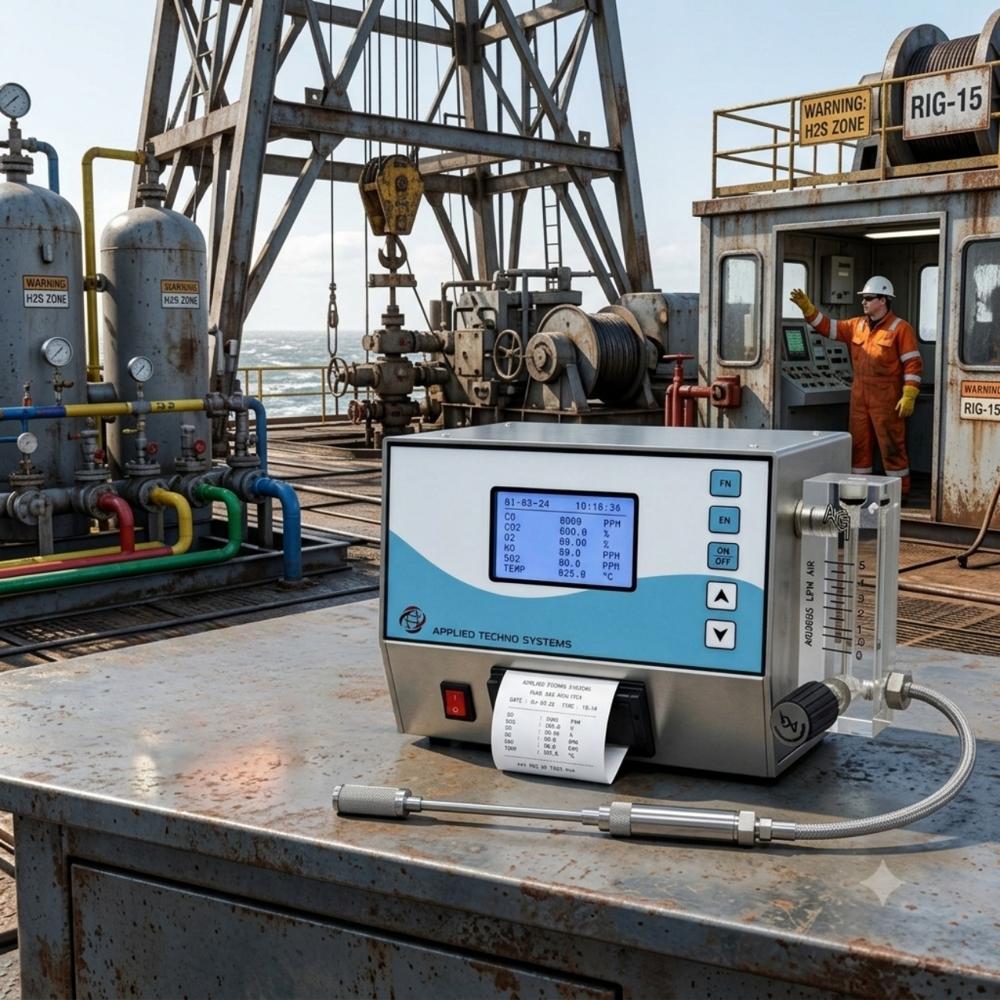
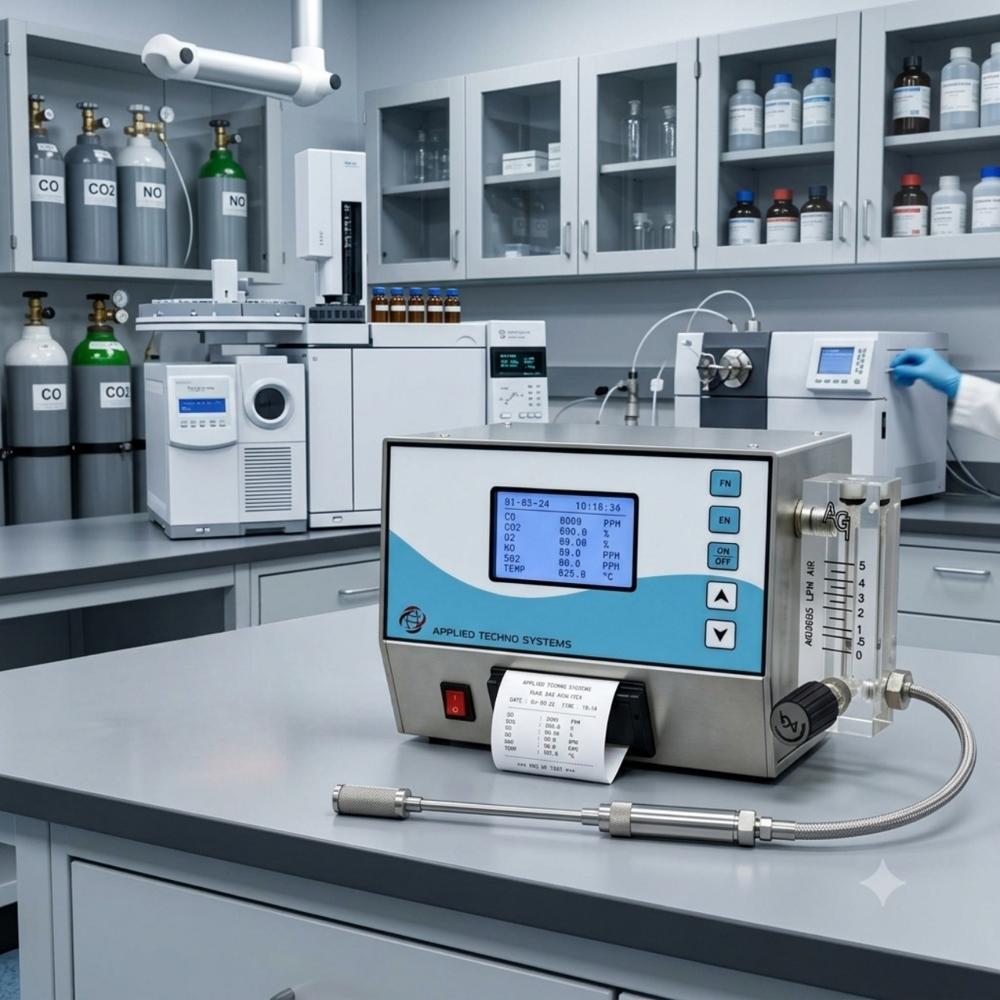
- Industrial, Laboratory, Research Facilities
- Capacity
- Dependent on measuring cell, single channel
- Machine Weight
- 4.5 kg
- Test Speed
- User selectable
- Test Width
- Standard gas inlet
- Test Stroke
- Continuous measurement
- Control Mode
- Microprocessor-based digital control
- Enclosure Material
- Powder coated MS cabinet
- Alarm
- Visual and audible alarms for out-of-range values
- Printer Type
- Thermal dot matrix
- Language Support
- English (default), selectable languages on request
- Calibration
- Auto/Manual with calibration gas
- Sampling Method
- Continuous/Manual sampling
- Battery Backup
- UPS connectivity (optional)
- Gas Flow Rate
- 1.0 - 5.0 LPM
- Data Storage
- Internal memory for up to 250 readings
About Gas Purity Testing Instrument
The Portable Gas Purity Analyser is a compact and reliable gas analysis instrument designed for measuring gas concentration, purity, and composition in industrial and commercial applications. Depending on the sensor and configuration, the analyser can be used for measuring gases such as Oxygen (O), Hydrogen (H), Nitrogen (N), Methane (CH), Carbon Dioxide (CO), Carbon Monoxide (CO), Hydrogen Sulfide (HS), and other process or specialty gases. Its portable design enables convenient on-site testing, routine inspection, gas quality verification, troubleshooting, and process monitoring at different sampling points. The analyser is suitable for gas purity measurement, gas composition analysis, process gas monitoring, leak investigation, gas quality control, equipment maintenance, and operational safety. It can be used for applications including power generation, hydrogen systems, biogas plants, gasification, natural gas, oil and gas, petrochemical, chemical processing, steel plants, industrial gas systems, laboratories, and other industries requiring reliable gas purity and composition analysis. The Portable Gas Purity Analyser provides a practical solution for field-based gas measurement and quality monitoring across a wide range of industrial processes.Precision Gas Analysis for Critical Applications
This instrument delivers high-accuracy measurements of key gases including CO, CO2, O2, NO, and SO2, ideal for rigorous quality monitoring. Its fast response time and user-selectable test speeds make it an excellent choice for industries prioritizing safety and process control.
Comprehensive Data Management and Connectivity
Benefit from integrated data logging, internal storage for 250 readings, and an inbuilt printer for real-time report generation. Serial/RS232 and optional USB interfaces ensure seamless data transfer and connectivity for both legacy and modern systems.
Robust Build and Flexible Sampling Methods
Constructed from a powder coated mild steel cabinet, the device is designed for durability and reliability. Continuous or manual gas sampling modes provide flexibility for various operational needs, while bench-top mounting allows easy installation in diverse settings.
FAQ's of Gas Purity Testing Instrument:
Q: How does the Gas Purity Testing Instrument ensure accurate measurements?
A: The instrument utilizes microprocessor-based digital control combined with auto or manual calibration using certified calibration gas. This ensures consistent, high-precision readings across a range of gas types, with a resolution of 1 PPM or 0.01% and accuracy of 2% of full scale.Q: What gases can this instrument measure and in what concentration ranges?
A: It is configured to measure carbon monoxide (CO) from 0-1000 PPM, carbon dioxide (CO2) from 0-25%, oxygen (O2) from 0-30%, nitric oxide (NO) from 0-1000 PPM, and sulfur dioxide (SO2) from 0-1000 PPM, with configurable display in PPM or percent as per user requirements.Q: When should calibration be performed on the device?
A: Calibration should be conducted routinely according to your facility's protocols or when prompted by quality requirements. The instrument supports both manual and automatic calibration modes using calibration gas to maintain measurement integrity.Q: Where can this instrument be installed for optimal usage?
A: Designed for bench-top mounting, the instrument is suitable for use in various environments including industrial plants, laboratories, and research facilities. It should be placed in areas where temperature remains between 0 to 50C and humidity does not exceed 95% RH (non-condensing).Q: What is the typical process for testing gas purity with this instrument?
A: Connect the gas sample to the standard gas inlet, select the desired gas channel and sampling mode (continuous or manual), set test parameters via the LCD interface, and initiate the measurement. Results are displayed in real-time, stored internally, and can be printed or exported as needed.Q: How does the alarm system enhance operator safety?
A: The instrument features visual and audible alarms that activate instantly if gas concentrations exceed preset safety limits, ensuring immediate operator awareness and rapid response to potentially hazardous conditions.Q: What are the key benefits of using this instrument for gas purity analysis?
A: Key advantages include reliable, fast, and precise measurements, robust data management, ease of operation with digital controls, and comprehensive alarm features, all in a durable enclosure suitable for demanding environments.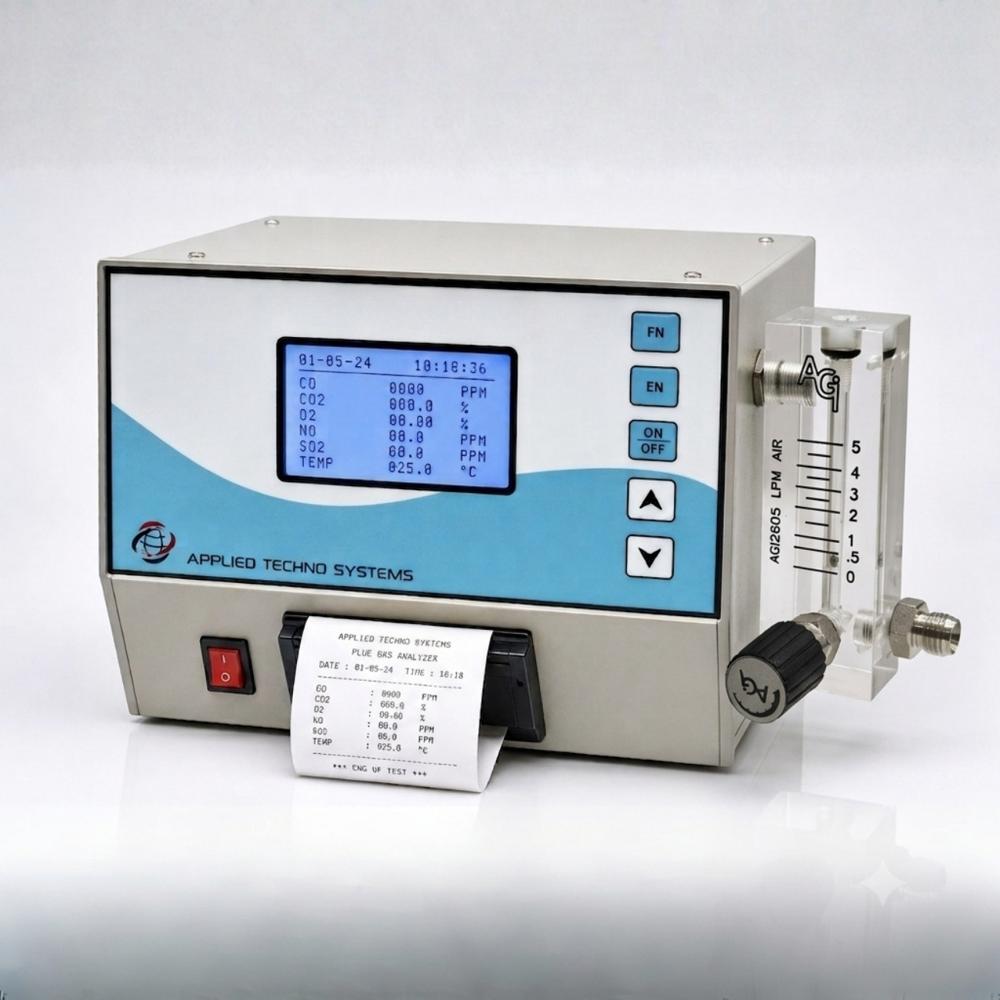

Price:
- 50
- 100
- 200
- 250
- 500
- 1000+

More Products in Gas Purity Analyzer Category
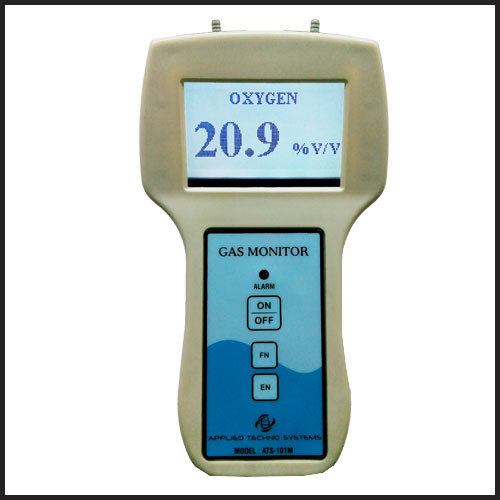
Medical Oxygen Purity Analyzer
Price 38500.0 INR / Number
Minimum Order Quantity : 1 Number
Mounting Type : Handheld or tripod
Automation Grade : Semiautomatic
Power Supply : Lithium Rechargeable Battery
Usage : Medical Oxygen Purity Checking
Portable Gas Testing Equipment
Price 150500.0 INR / Unit
Minimum Order Quantity : 1 Unit
Mounting Type : Portable/Bench
Automation Grade : Automatic
Power Supply : 230V AC, 50Hz or Battery Operated
Usage : Gas Detection, Air Quality Analysis, Stack Emissions Testing
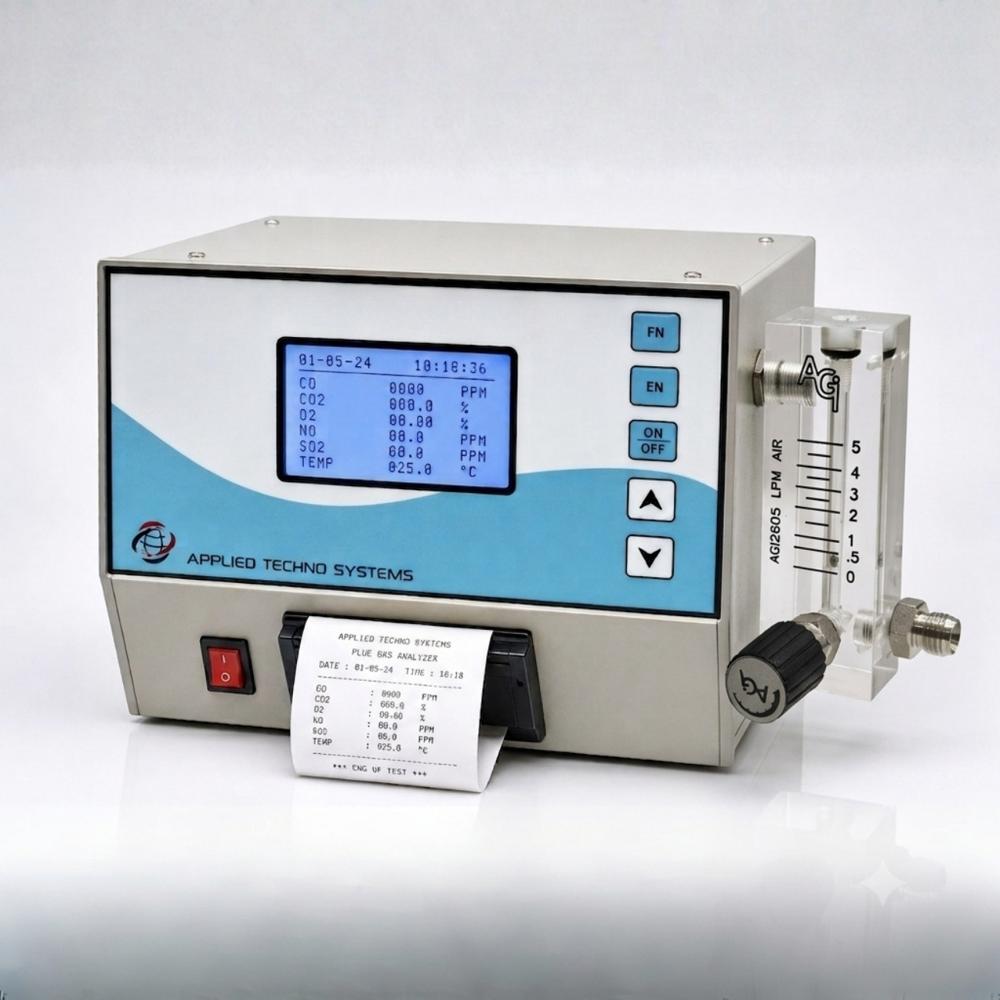
Gas Purity Analyzer
Price 145500.0 INR / Piece
Minimum Order Quantity : 1 Piece
Mounting Type : Benchtop
Automation Grade : Automatic
Power Supply : 230V AC, 50Hz
Usage : Online/portable gas analysis
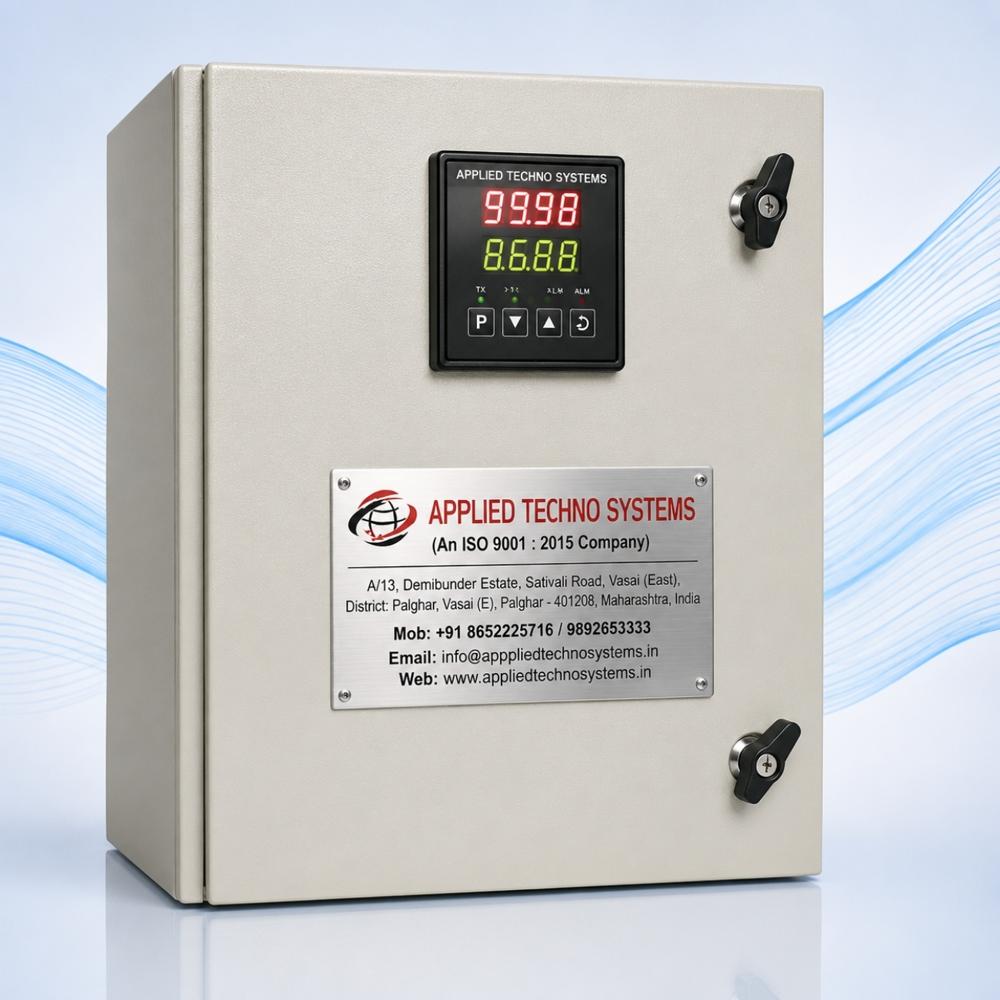
Online Oxygen Analysis System
Price 140500.0 INR / Piece
Minimum Order Quantity : 1 Piece
Mounting Type : Wall Mounted
Automation Grade : Automatic
Power Supply : 230VAC, 50Hz
Usage : Industrial Gas Analysis


- 104, Delta Industrial Estate, Building No 1, Gokhivare, Sativali Road, Vasai East, Dist-Palghar,Vasai - 401208, Maharashtra, India
- Phone : 08045814504
GST : 27AAVCA1127G1ZN

- Mr M L YADAV (Marketing Manager)
- Mobile : 08045814504
- Send Inquiry
 Send Inquiry

|


- Dew Point Meters
- Gas Analysers
- Portable Gas Detector
- Moisture And Dew Point Analyzer
- Dust/Opacity Monitor
- Gas Monitoring Systems
- Gas Leak Detectors
- Gas Transmitters
- VOC Leak Detector
- Air Quality Monitoring System
- Online Continuous Emission Monitoring System-OCEMS
- Dew Point Monitors
- Gas Detector
- Opacity Monitor
- Portable Flue Gas Analyzer
- Online SOX & NOX Gas Analyzer
- Methane Gas Leak Detector
- Hydrogen Purity Analyzer
- Gas Purity Analyzer
- Effluent Monitoring Systems
- Producer Gas Analyzer
- Gas Detector Calibration Service
- Portable Gas Monitors
- Gas Sensor Transmitter

Developed and Managed by Infocom Network Private Limited.


 English
 Spanish
 French
 German
 Italian
 Chinese (Simplified)
 Japanese
 Korean
 Arabic
 Portuguese
