 Chat with us

- Dew Point Meters
- Gas Analysers
- Portable Gas Detector
- Moisture And Dew Point Analyzer
- Dust/Opacity Monitor
- Gas Monitoring Systems
- Gas Leak Detectors
- Gas Transmitters
- VOC Leak Detector
- Air Quality Monitoring System
- Online Continuous Emission Monitoring System-OCEMS
- Dew Point Monitors
- Gas Detector
- Opacity Monitor
- Portable Flue Gas Analyzer
- Online SOX & NOX Gas Analyzer
- Methane Gas Leak Detector
- Hydrogen Purity Analyzer
- Gas Purity Analyzer
- Effluent Monitoring Systems
- Producer Gas Analyzer
- Gas Detector Calibration Service
- Portable Gas Monitors
- Gas Sensor Transmitter

 Send Inquiry
Industrial Gas Leak Detection System
Price 70500.0 INR/ Piece
Industrial Gas Leak Detection System Specification
- Standard
- Complies with industrial safety standards; model ATS-107M
- Operating Mode
- Continuous monitoring
- Mounting Type
- Wall Mount
- License Free
- Yes
- Connectivity Type
- Wired (RS-485), Relay contacts
- Size
- Compact enclosure (approx. 25 x 18 x 10 cm)
- Interface
- RS-485 Serial Interface, Digital Inputs
- Technology
- Microcontroller Based Gas Monitoring System
- Special Features
- Digital display, alarm indication (Main/Alarm/Trouble), Reset & Function Keys, Durable enclosure
- Application
- Industrial gas detection for NH3 (Ammonia) and other toxic gases in manufacturing, chemical plants, cold storages
- Screen Resolution
- Backlit LCD display with 4-digit easy-to-read output
- Power Supply
- 230 VAC
- Output Formats
- RS-485 MODBUS, Relay output
- Calibration
- Auto/Manual Calibration supported
- Working Humidity
- Up to 95% RH (Non-condensing)
- Display Type
- Large LCD with status LEDs
- System Status Indication
- LED indication for Main, Alarm, Trouble
- Sensor Compatibility
- Electrochemical, Semiconductor and Catalytic Sensors
- Detection Range
- Configurable, typical 0-1000 PPM for NH3
- Enclosure
- IP65 Weatherproof Polycarbonate Case
- Power Consumption
- <5W
- Operating Temperature
- -10C to 50C
- Sensor Input
- Dedicated sensor terminal
- Response Time
- T90 < 30 sec (typical NH3)
- Data Logging
- Optional, via RS-485 MODBUS
- Alarm Output
- 2 Relay Alarms (user-programmable thresholds)
About Industrial Gas Leak Detection System
The Fixed / Continuous Gas Monitoring System is an industrial gas detection and monitoring solution designed for the continuous measurement of hazardous, toxic, combustible, and flammable gases in industrial and commercial environments. The system can be configured with multiple gas sensor transmitters and control units to continuously monitor gases such as Oxygen (O), Hydrogen Sulfide (HS), Carbon Monoxide (CO), Sulfur Dioxide (SO), Hydrogen (H), Methane (CH), combustible gases, VOCs, and other toxic or flammable gases, depending on the application and sensor requirement. It provides real-time gas concentration monitoring with visual, audible, and relay alarm outputs, helping users identify gas leaks and hazardous conditions at an early stage. The system is suitable for continuous gas monitoring, leak detection, process safety, plant safety, confined-area monitoring, and emergency alarm applications and can be configured for single-point or multi-point monitoring. Suitable for applications in Oil Refineries, Petrochemical, Chemical, Oil & Gas, Natural Gas, LNG/LPG, Fertilizer, Coal Mining, Power Plants, Iron & Steel, Foundries, Pharmaceutical, Battery Manufacturing, and other industrial environments, the fixed gas monitoring system provides reliable long-term monitoring and supports safer industrial operations.Versatile Sensor Compatibility
This system accommodates electrochemical, semiconductor, and catalytic gas sensors, enabling broad applicability across different toxic gases. The dedicated sensor terminal ensures reliable connections for stable monitoring, allowing users to tailor the detector for specific gas types, such as ammonia. Flexible sensor input promotes ease of maintenance and system upgrades.
User-Friendly Display and Operation
The large, backlit LCD display with four-digit, easy-to-read output enhances visibility in challenging industrial settings. Intuitive status LEDs provide instant feedback on main, alarm, and trouble conditions, while reset and function keys streamline system interaction. This user-friendly interface helps reduce training time and supports efficient gas monitoring.
Durable, Weatherproof Design
Encased in a compact, IP65-rated polycarbonate enclosure, the gas detection system is engineered to withstand challenging industrial environments. The weatherproof housing facilitates wall mounting both indoors and outdoors, making it suitable for manufacturing plants, chemical facilities, and cold storage units, while maintaining reliable performance in high humidity and temperature extremes.
FAQ's of Industrial Gas Leak Detection System:
Q: How does the Industrial Gas Leak Detection System identify and report gas leaks?
A: The system continuously monitors the atmosphere using compatible sensors (electrochemical, semiconductor, catalytic) and displays real-time readings on a large LCD. Visual status LEDs and two user-programmable relay alarms alert operators to gas leaks or abnormal conditions, enabling prompt action to mitigate risks.Q: What gases can be detected with this system, and how is detection range configured?
A: Primarily designed for NH3 (ammonia), the detector also supports other toxic gases, depending on the installed sensor type. The detection range is user-configurable, with a typical range of 0-1000 PPM for NH3, allowing adaptation to various industrial safety requirements.Q: Where should this gas leak detection system be installed for optimal results?
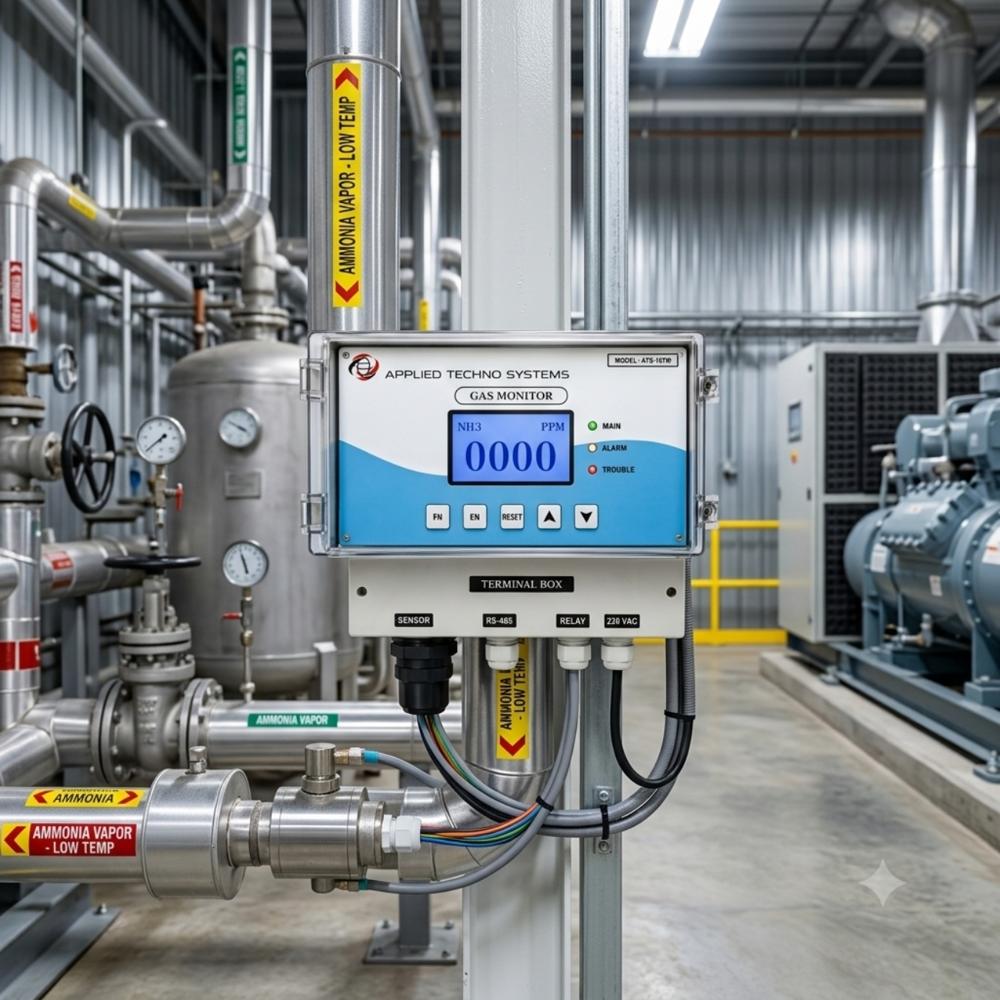
A: The system is ideal for industrial sites such as manufacturing plants, chemical processing facilities, and cold storage areas. Wall-mounted installation near potential leak sources or in high-risk zones ensures fast detection and response, utilizing the unit's compact, weatherproof IP65 enclosure.Q: What is the calibration process, and how often should it be performed?
A: The system supports both automatic and manual calibration, accessible via function keys for precision adjustment. Calibration frequency depends on factory protocols and sensor type, but standard practice recommends at least semi-annual calibration for reliable operation.Q: How does the system indicate main, alarm, and trouble status to operators?
A: Dedicated LEDs on the front panel display the system's real-time status: main (normal operation), alarm (gas level above set threshold), and trouble (system or sensor fault). These indicators, combined with the digital LCD, help users identify and address issues promptly.Q: What additional benefits does RS-485 MODBUS connectivity provide?
A: RS-485 MODBUS connectivity allows integration with centralized control and monitoring systems. This enables remote data logging, real-time notification, and streamlined incident management, enhancing overall site safety and compliance with industrial standards.Q: What power supply and installation options are available for this model?
A: The detector operates on 230 VAC and features a wired interface for secure power and data connectivity. Its design supports wall mounting with a compact enclosure, delivering easy installation and flexible integration into existing safety infrastructure.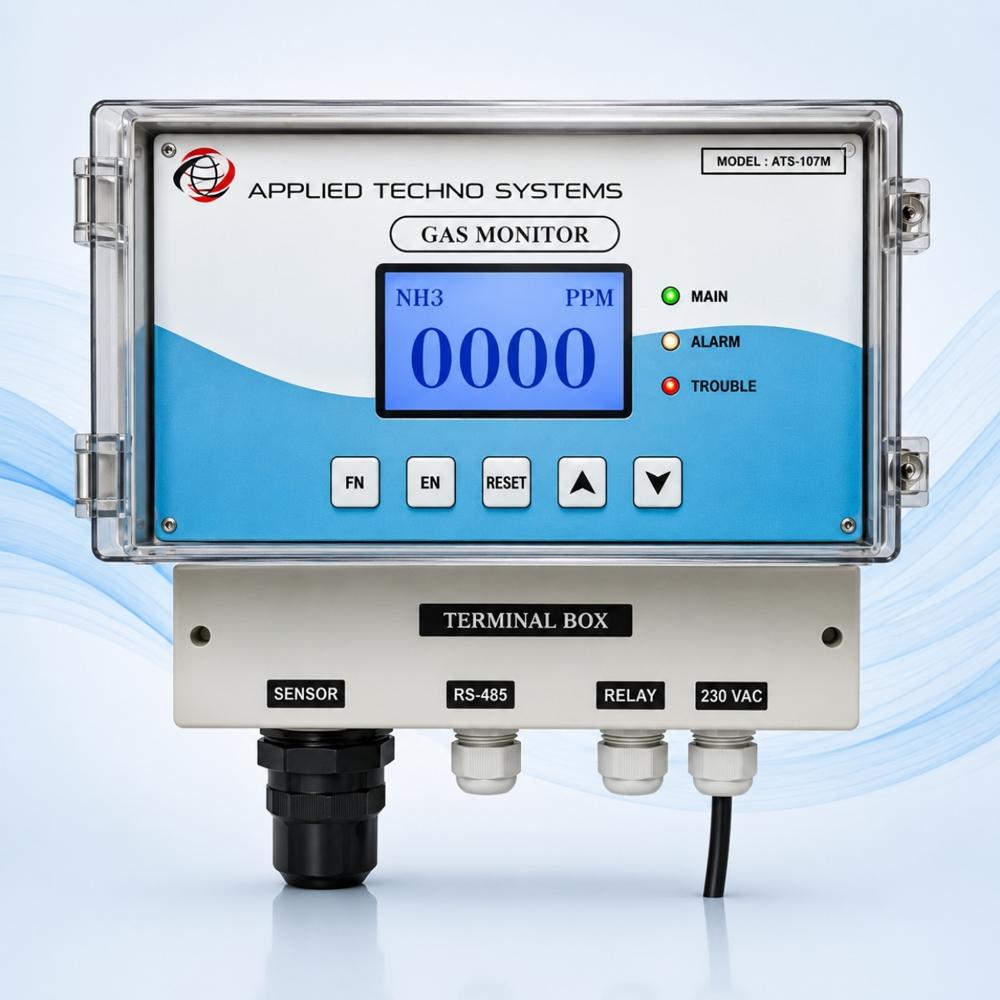

Price:
- 50
- 100
- 200
- 250
- 500
- 1000+

More Products in Gas Monitoring Systems Category
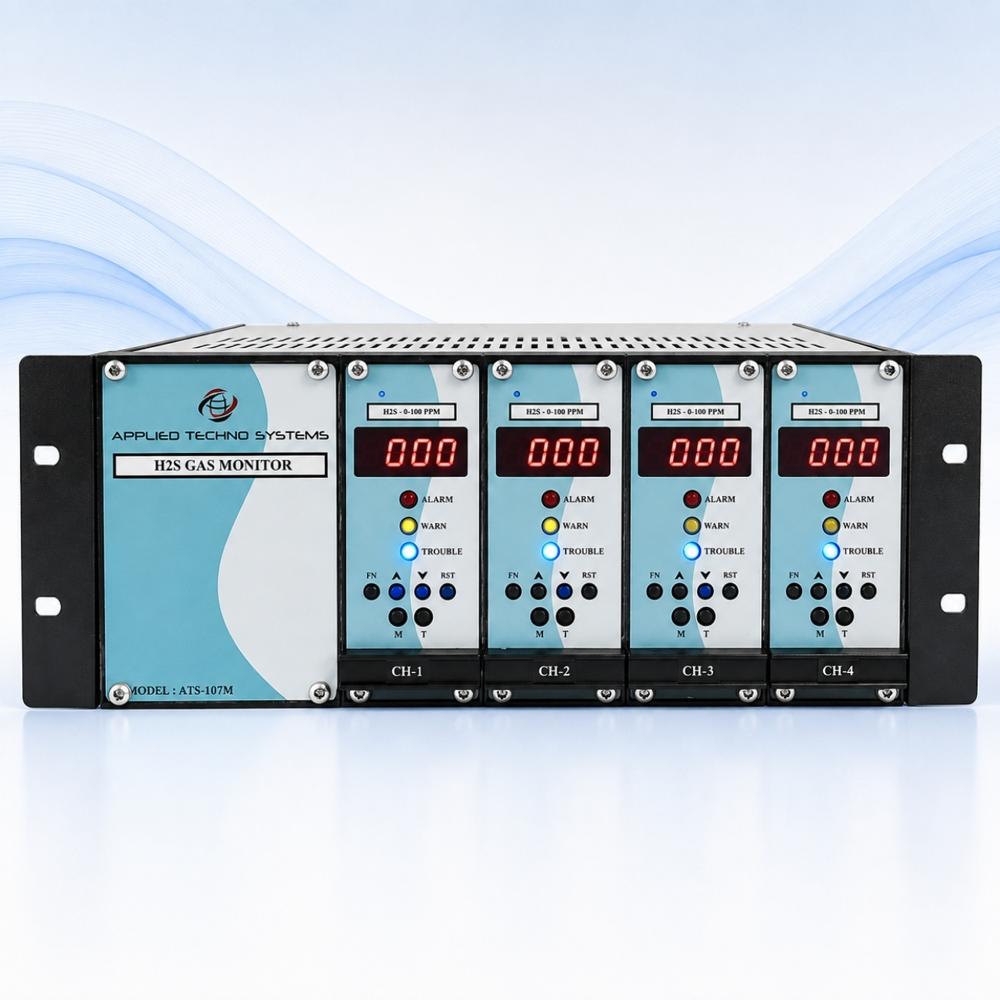
Online Gas Monitoring System
Price 160500.0 INR / Piece
Minimum Order Quantity : 1 Piece
Output Formats : Analog 420mA, Relay Output
Special Features : MultiChannel Display, AudioVisual Alarms, Modular Design
Technology : Advanced MicroprocessorBased Gas Monitoring
Power Supply : 230V AC, 50Hz
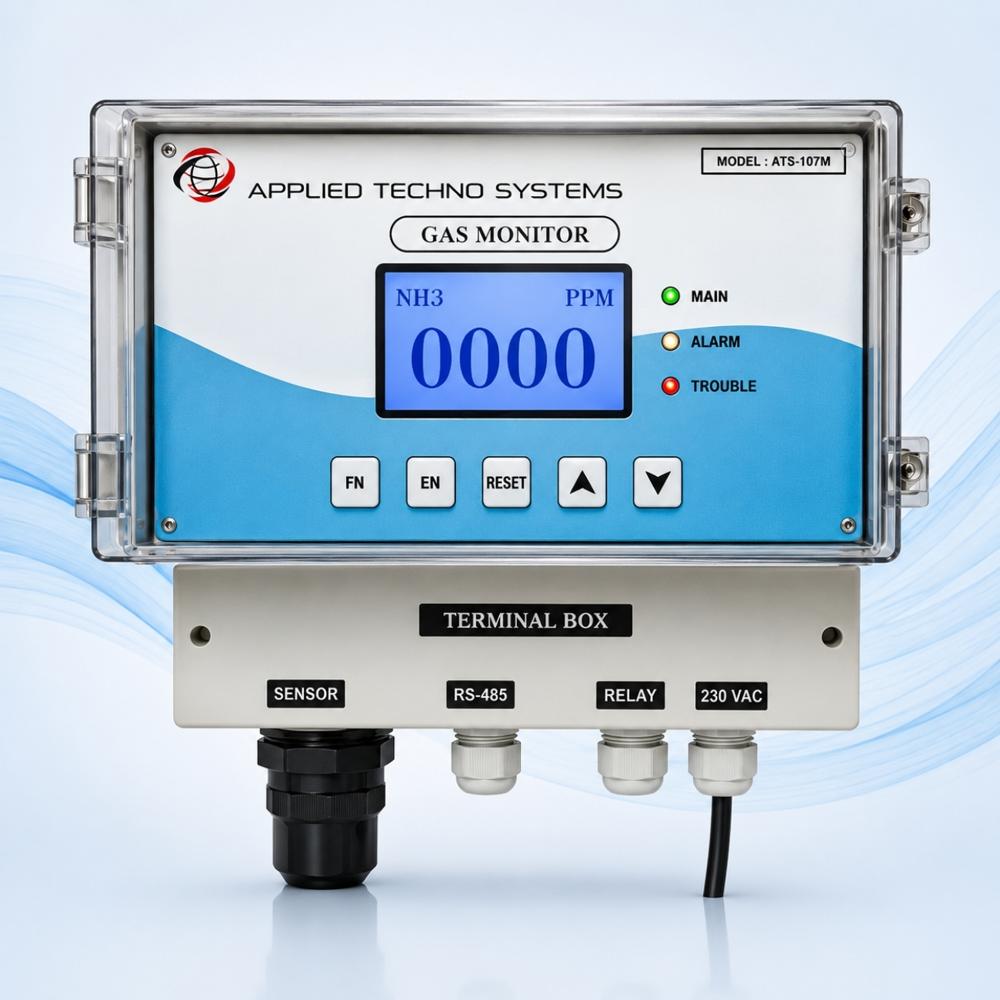
Online Gas Detection System
Price 60500.0 INR / Piece
Minimum Order Quantity : 1 Piece
Output Formats : RS485 Modbus
Special Features : Realtime monitoring, Multigas detection, Audible and visual alarms, LCD digital display
Technology : Electrochemical Sensor Technology
Power Supply : 230 VAC
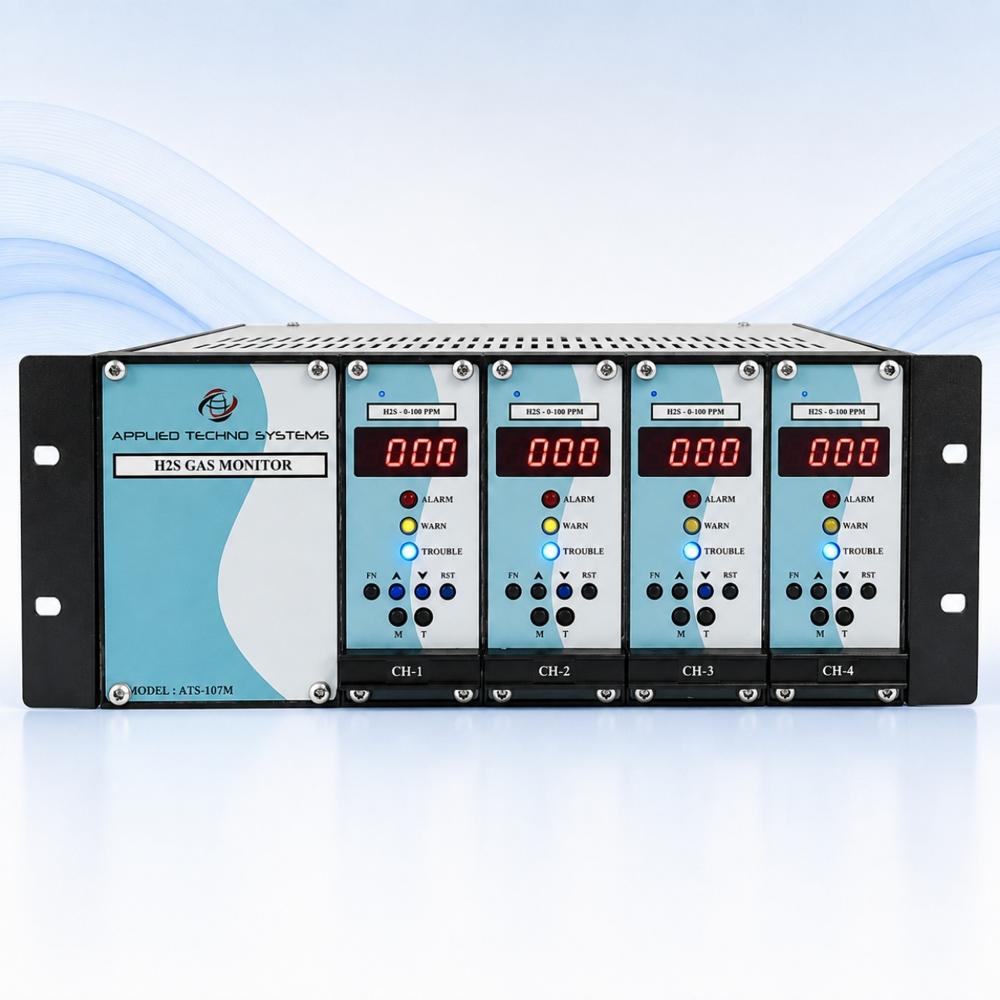
Industrial Multi Channel Gas Detector
Price 190500.0 INR / Piece
Minimum Order Quantity : 1 Piece
Output Formats : Relay Output, 420mA Analog Output, RS485 (Optional)
Special Features : Multi Channel Monitoring, LCD Digital Display, Visual & Audible Alarms, Modular Design
Technology : Microprocessor Based / Digital Processing
Power Supply : 220V AC, 50Hz
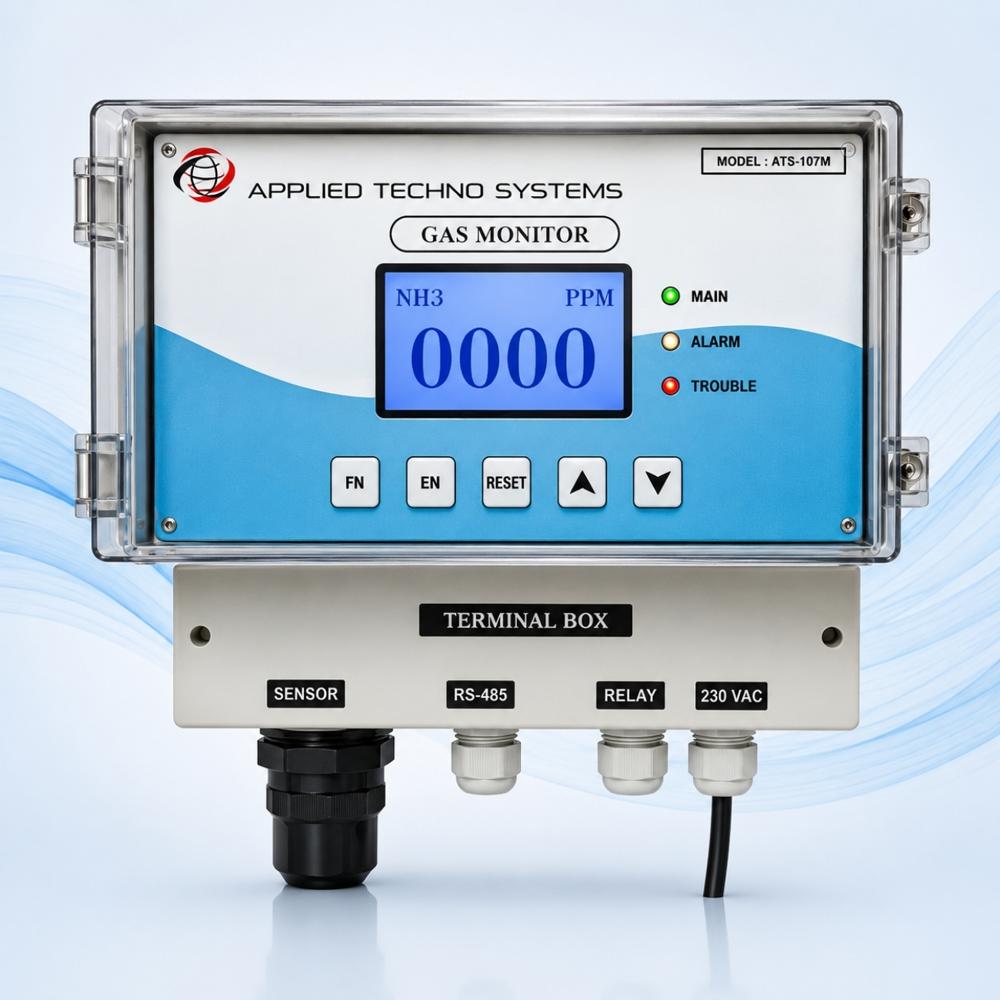
Gas Monitoring System
Price 62000.0 INR / Piece
Minimum Order Quantity : 1 Piece
Output Formats : RS485, Relay Contacts
Special Features : Alarm Indication, Trouble Indication, Digital Display, Relay Output, RS485 Communication
Technology : Microcontroller Based
Power Supply : 230 VAC


- 104, Delta Industrial Estate, Building No 1, Gokhivare, Sativali Road, Vasai East, Dist-Palghar,Vasai - 401208, Maharashtra, India
- Phone : 08045814504
GST : 27AAVCA1127G1ZN

- Mr M L YADAV (Marketing Manager)
- Mobile : 08045814504
- Send Inquiry
 Send Inquiry

|


- Dew Point Meters
- Gas Analysers
- Portable Gas Detector
- Moisture And Dew Point Analyzer
- Dust/Opacity Monitor
- Gas Monitoring Systems
- Gas Leak Detectors
- Gas Transmitters
- VOC Leak Detector
- Air Quality Monitoring System
- Online Continuous Emission Monitoring System-OCEMS
- Dew Point Monitors
- Gas Detector
- Opacity Monitor
- Portable Flue Gas Analyzer
- Online SOX & NOX Gas Analyzer
- Methane Gas Leak Detector
- Hydrogen Purity Analyzer
- Gas Purity Analyzer
- Effluent Monitoring Systems
- Producer Gas Analyzer
- Gas Detector Calibration Service
- Portable Gas Monitors
- Gas Sensor Transmitter

Developed and Managed by Infocom Network Private Limited.


 English
 Spanish
 French
 German
 Italian
 Chinese (Simplified)
 Japanese
 Korean
 Arabic
 Portuguese
