 Chat with us

- Dew Point Meters
- Gas Analysers
- Portable Gas Detector
- Moisture And Dew Point Analyzer
- Dust/Opacity Monitor
- Gas Monitoring Systems
- Gas Leak Detectors
- Gas Transmitters
- VOC Leak Detector
- Air Quality Monitoring System
- Online Continuous Emission Monitoring System-OCEMS
- Dew Point Monitors
- Gas Detector
- Opacity Monitor
- Portable Flue Gas Analyzer
- Online SOX & NOX Gas Analyzer
- Methane Gas Leak Detector
- Hydrogen Purity Analyzer
- Gas Purity Analyzer
- Effluent Monitoring Systems
- Producer Gas Analyzer
- Gas Detector Calibration Service
- Portable Gas Monitors
- Gas Sensor Transmitter

 Send Inquiry
Portable Biogas Monitoring Equipment
Price 275500.0 INR/ Piece
Portable Biogas Monitoring Equipment Specification
- Sensor Type
- Electrochemical and NDIR Sensors
- Temperature
- Operating Range 0C to 50C
- Display Type
- Backlit Digital LCD Display
- Orientation
- Horizontal
- Efficiency
- High Sensitivity and Accuracy
- Scrubber Type
- Integrated Filtration System
- Usage & Applications
- Biogas Plants, Research Laboratories, Field Gas Analysis
- Instruments Type
- Gas Analyser
- Power Source
- AC Main Power
- Measurement
- O2, N2, CH4, CO2 (in % Vol), H2S (in PPM)
- Automation Grade
- Semi-automatic
- Air Flow
- Automated Sample Pump Control
- Product Type
- Portable Biogas Monitor/Analyser
- Material
- Stainless Steel and ABS Front Panel
- Noise Level
- Silent Operation
- Processing Time
- Real-time Measurement
- Capacity
- Handles Multiple Gas Samples
- Voltage
- 230V AC, 50Hz
- Weight
- Approximately 6 kg
- Dimension (L*W*H)
- 360 x 180 x 250 mm
- Surface
- Powder Coated
- Printer Type
- Inbuilt Thermal Printer
- Operating Humidity
- Up to 95% RH
- Power Consumption
- Less than 20W
- Sampling Method
- Manual and Automatic Modes
- Calibration
- Auto/Manual Calibration Supported
- Data Storage
- Built-in Memory and Printout Facility
- Interface
- RS232/USB For Data Transfer
- Enclosure
- Rugged Portable Case with Handles
- Alarm System
- Audio/Visual Alarm for High Gas Levels
About Portable Biogas Monitoring Equipment
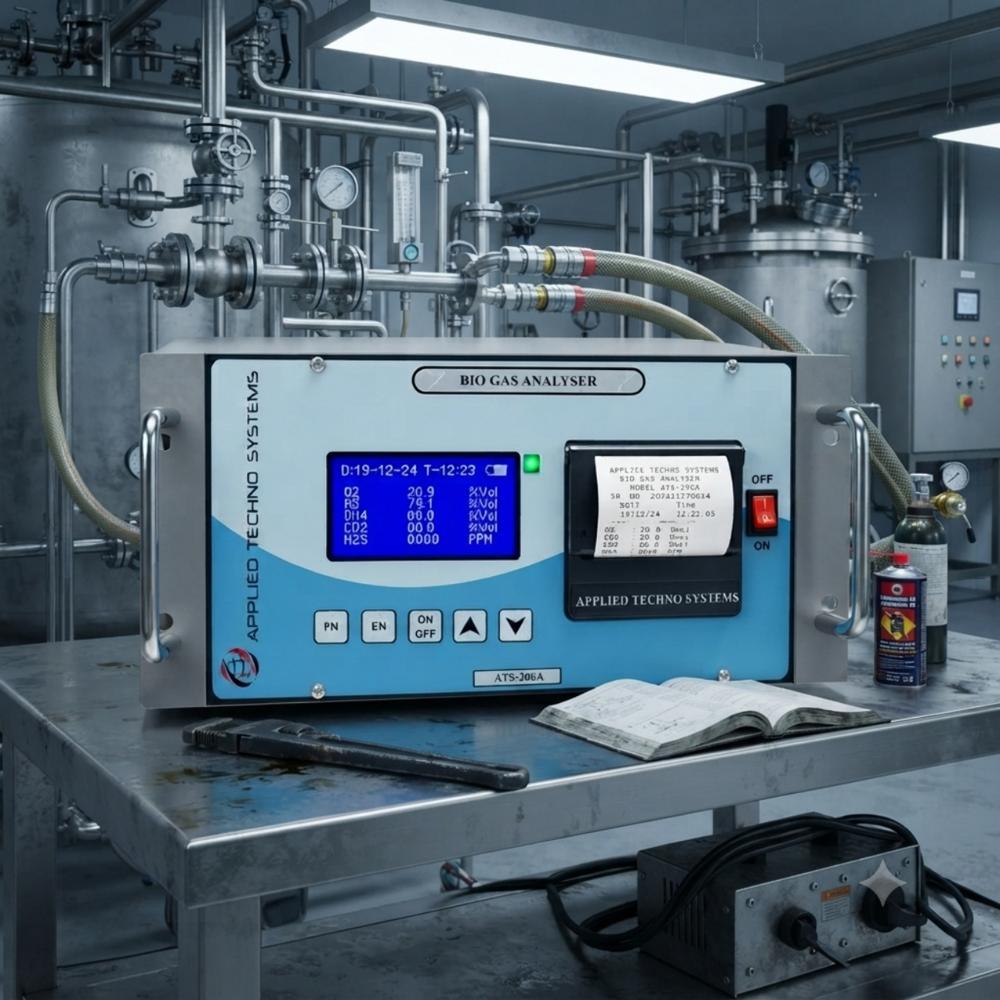
The Portable Biogas Analyser is a compact and reliable gas analysis instrument designed for the measurement and monitoring of biogas composition in industrial, commercial, and environmental applications. Depending on the configuration, the analyser can measure key biogas components such as Methane (CH), Carbon Dioxide (CO), Oxygen (O), Hydrogen Sulfide (HS), Hydrogen (H), and other gases, providing accurate gas concentration measurement for process monitoring and gas quality assessment. Its portable design enables convenient field testing, routine inspection, troubleshooting, and performance monitoring at different sampling points. The analyser is suitable for biogas plants, anaerobic digesters, sewage treatment plants, wastewater treatment facilities, landfills, biomass plants, renewable energy systems, gasification processes, and other applications involving biogas and process gases. It can be used for biogas quality monitoring, methane concentration measurement, CO monitoring, HS monitoring, digester performance analysis, gas purification assessment, process optimization, and operational safety, making it suitable for a wide range of industrial and environmental gas analysis requirements.Comprehensive Gas Analysis Made Easy
This portable biogas analyzer combines real-time measurement of multiple gases, including oxygen, nitrogen, methane, carbon dioxide, and hydrogen sulfide. Its high sensitivity and accuracy ensure reliable results across various environments, from biogas plants to research laboratories.
Durable and User-Friendly Design
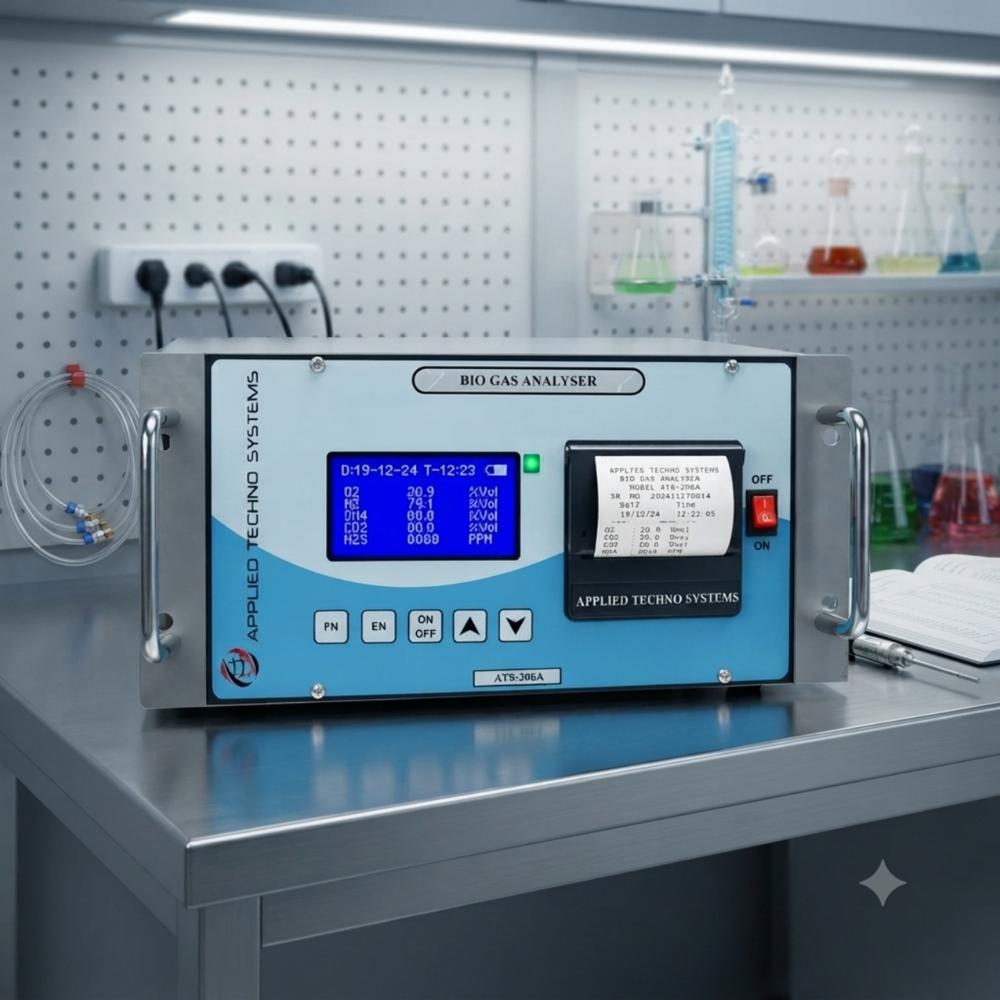
Engineered for field and laboratory use, the device features a tough portable case, ergonomic handles, and a powder-coated, easy-to-clean surface. The backlit digital LCD display allows for clear data readings even in low-light settings, while silent operation maintains a comfortable work environment.
Efficient Data Management and Safety
Equipped with an inbuilt thermal printer and large memory, the analyzer preserves data for reporting and compliance. RS232/USB interfaces simplify transferring data to computers. Advanced alarms, automated pump control, and a filtration system enhance operational safety and ease of use.
FAQ's of Portable Biogas Monitoring Equipment:
Q: How does the portable biogas monitoring equipment store and print measurement data?
A: The equipment features built-in memory to store measurement data, and it includes an inbuilt thermal printer for instant printouts of results. You can easily export stored data using RS232 or USB interfaces, simplifying record-keeping and reporting.Q: What gases can this analyzer detect, and in what applications is it most useful?
A: This analyzer measures O2, N2, CH4, CO2 (in % Vol), and H2S (in PPM), making it ideal for biogas plants, research laboratories, and field gas analysis. Its versatility serves both routine monitoring and research-grade applications.Q: When should I calibrate the instrument, and what calibration options are available?
A: Calibration is recommended before initial use and periodically according to operating conditions. The analyzer supports both auto and manual calibration, allowing users to maintain measurement accuracy with minimal effort.Q: Where can the biogas analyzer be operated, considering environmental conditions?
A: The device is designed for use in diverse conditions, operating efficiently at temperatures from 0C to 50C and up to 95% relative humidity. Its rugged enclosure makes it suitable for both indoor and outdoor applications.Q: What is the process for gas sampling, and how does automation enhance operation?
A: The equipment supports both manual and automatic sampling modes. Its automated sample pump control ensures consistent gas flow and efficient collection, while the integrated scrubber system provides onsite filtration, safeguarding sensors for longer life.Q: How does the audio/visual alarm system benefit users during high gas detection?
A: The dual alarm system immediately alerts users to potentially dangerous gas levels with audible and visual signals, allowing for prompt action. This enhances workplace safety, especially when monitoring volatile gases.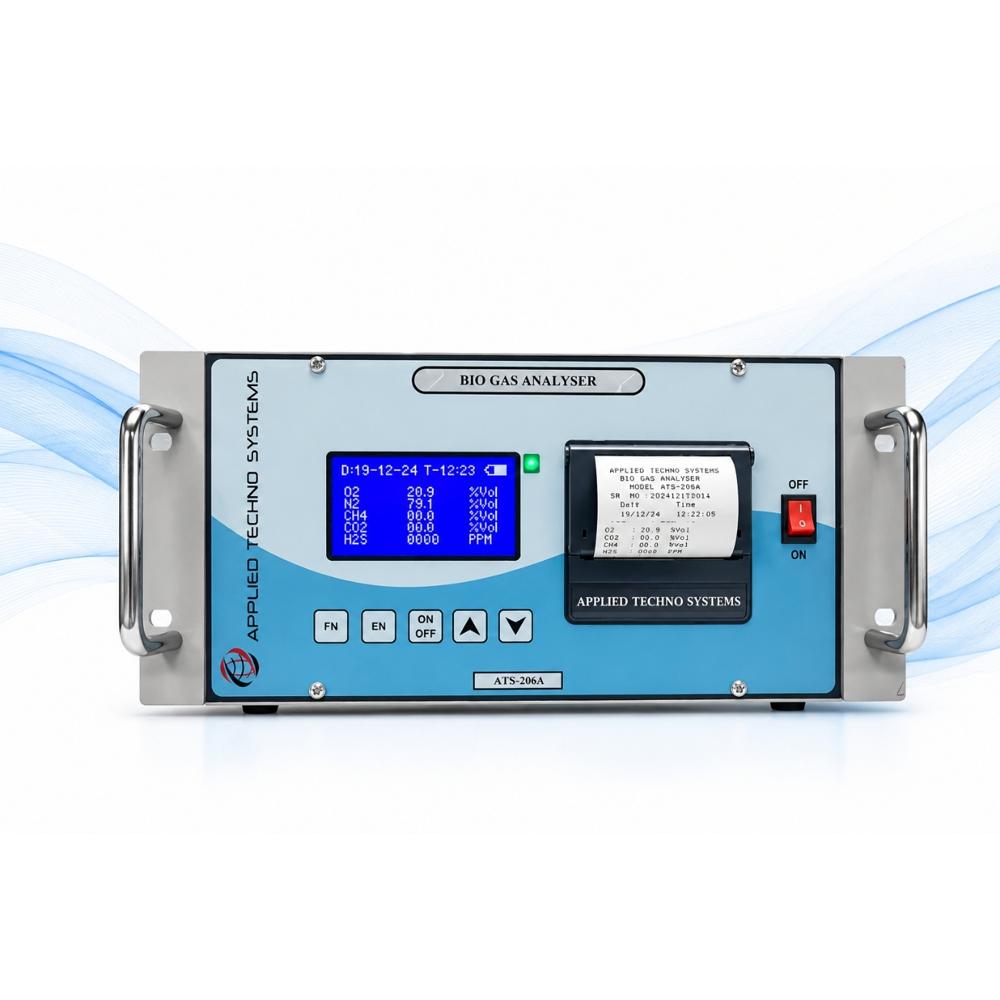

Price:
- 50
- 100
- 200
- 250
- 500
- 1000+

More Products in Portable Gas Monitors Category
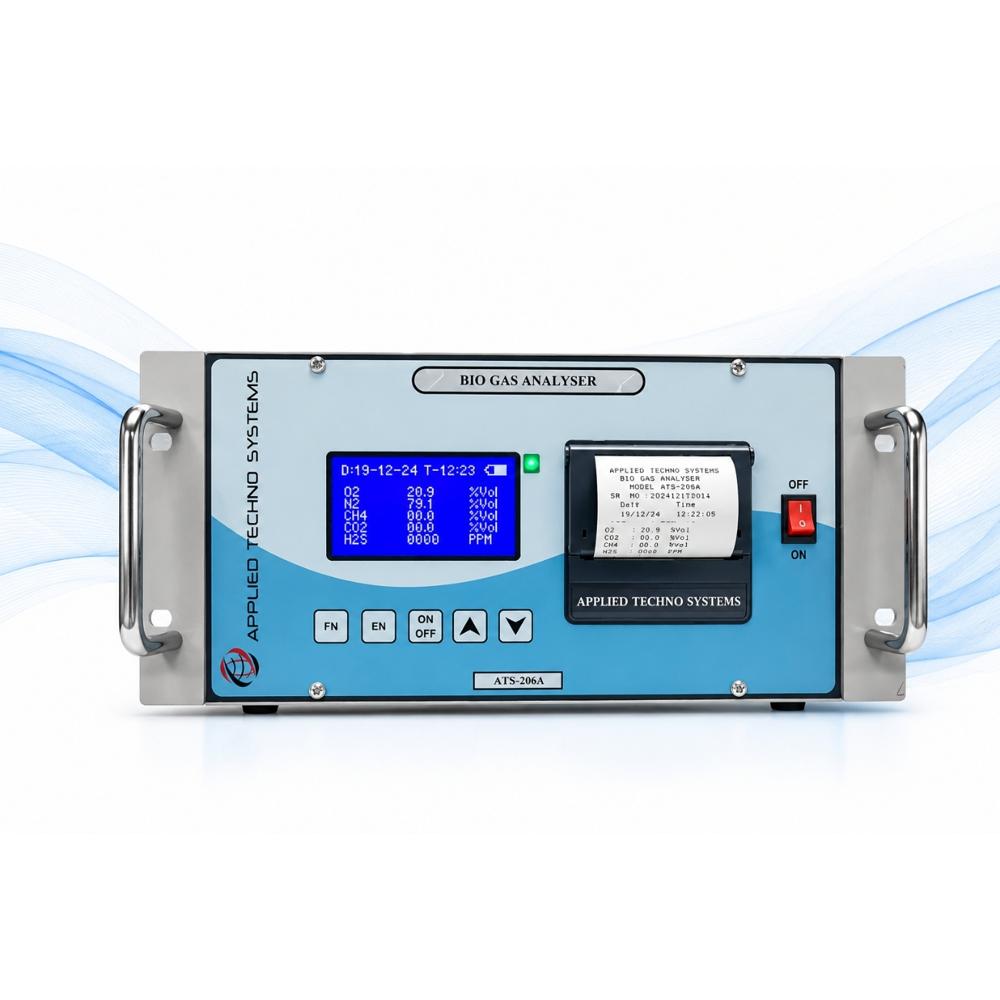
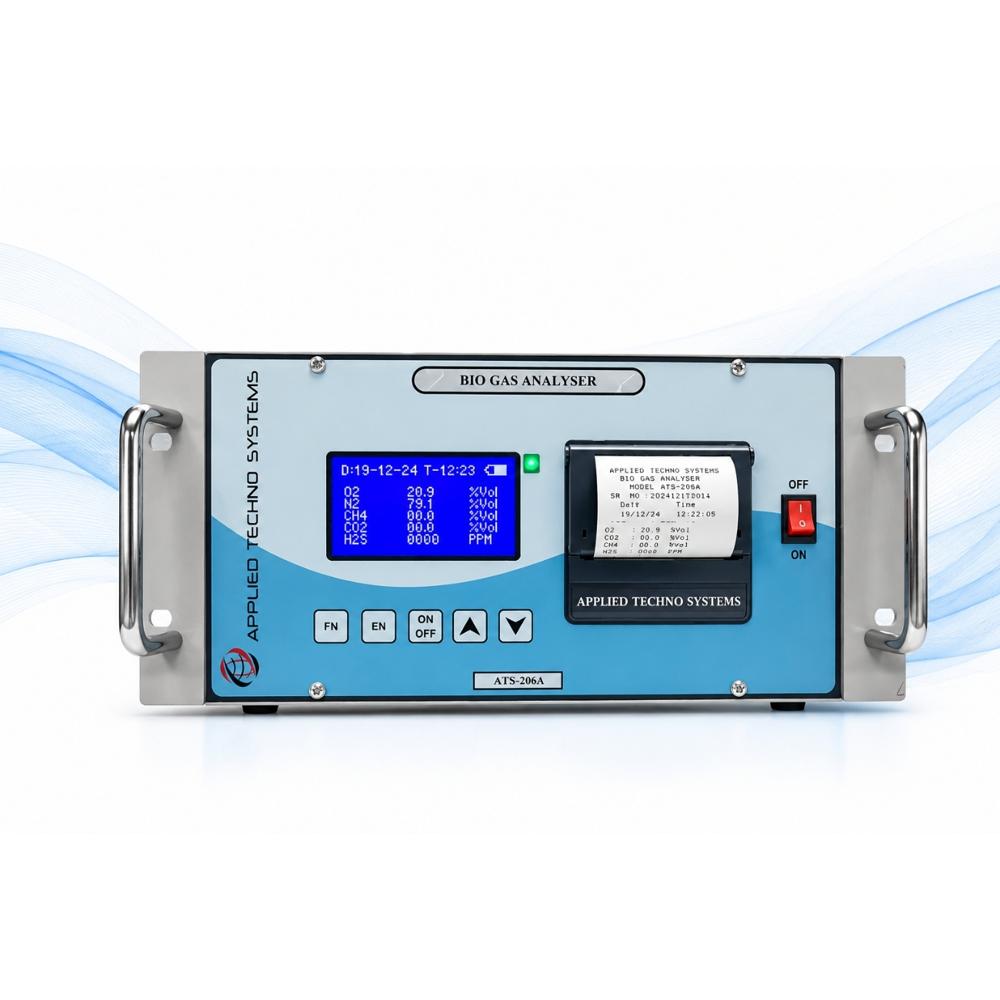
Portable Biogas Analysis System
Price 275500.0 INR / Piece
Minimum Order Quantity : 1 Piece
Sensor Type : Electrochemical, NDIR, TCD (Depend on Parameter)
Dimension (L*W*H) : 410 mm x 320 mm x 180 mm
Material : Stainless Steel / Industrialgrade housing
Display Type : Backlit LCD Digital Display
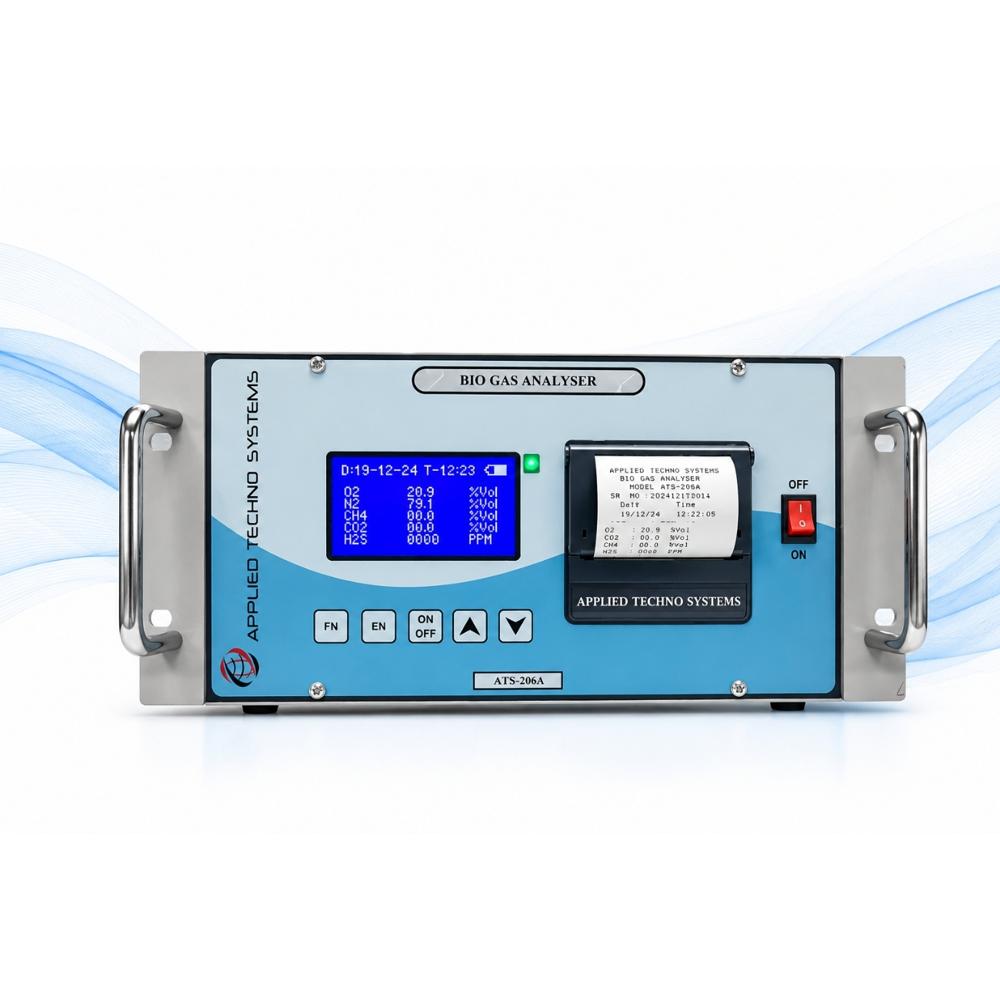
Portable Biogas Monitoring Instrument
Price 275500.0 INR / Piece
Minimum Order Quantity : 1 Piece
Sensor Type : Electrochemical/Oxygen/Zirconia/Semiconductor Sensors
Dimension (L*W*H) : 380 mm x 250 mm x 175 mm
Material : Mild Steel Body with Powder Coated Finish
Display Type : Digital LCD Display
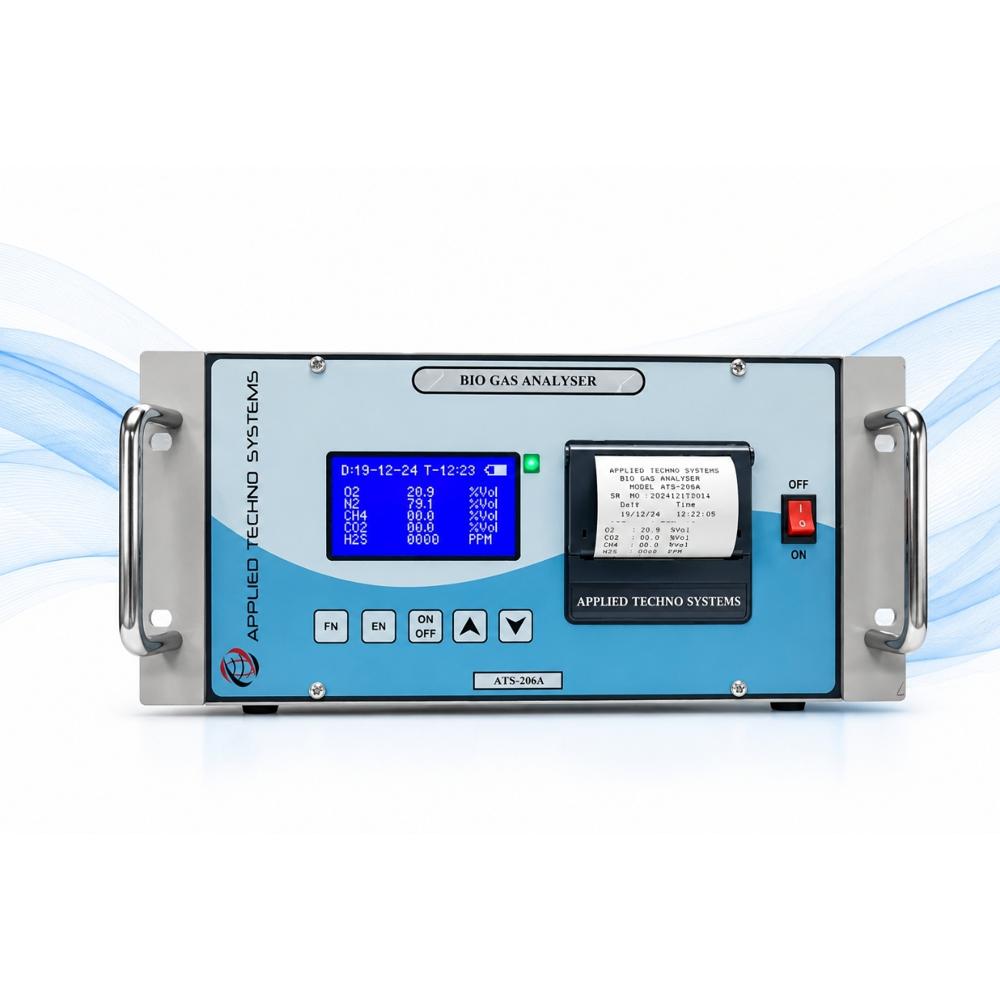
Portable Biogas Gas Monitor
Price 275500.0 INR / Piece
Minimum Order Quantity : 1 Piece
Sensor Type : NDIR, Electrochemical Sensors
Dimension (L*W*H) : 44 x 22 x 17 cm
Material : Metal body with powder coated finish
Display Type : Digital LCD display
Portable Biogas Monitoring System
Price 275500.0 INR / Piece
Minimum Order Quantity : 1 Piece
Sensor Type : Electrochemical & NDIR Sensors
Dimension (L*W*H) : Approx. 340mm x 160mm x 210mm
Material : Stainless Steel and ABS Composite
Display Type : Large Backlit LCD


- 104, Delta Industrial Estate, Building No 1, Gokhivare, Sativali Road, Vasai East, Dist-Palghar,Vasai - 401208, Maharashtra, India
- Phone : 08045814504
GST : 27AAVCA1127G1ZN

- Mr M L YADAV (Marketing Manager)
- Mobile : 08045814504
- Send Inquiry
 Send Inquiry

|


- Dew Point Meters
- Gas Analysers
- Portable Gas Detector
- Moisture And Dew Point Analyzer
- Dust/Opacity Monitor
- Gas Monitoring Systems
- Gas Leak Detectors
- Gas Transmitters
- VOC Leak Detector
- Air Quality Monitoring System
- Online Continuous Emission Monitoring System-OCEMS
- Dew Point Monitors
- Gas Detector
- Opacity Monitor
- Portable Flue Gas Analyzer
- Online SOX & NOX Gas Analyzer
- Methane Gas Leak Detector
- Hydrogen Purity Analyzer
- Gas Purity Analyzer
- Effluent Monitoring Systems
- Producer Gas Analyzer
- Gas Detector Calibration Service
- Portable Gas Monitors
- Gas Sensor Transmitter

Developed and Managed by Infocom Network Private Limited.


 English
 Spanish
 French
 German
 Italian
 Chinese (Simplified)
 Japanese
 Korean
 Arabic
 Portuguese
