 Chat with us

- Dew Point Meters
- Gas Analysers
- Portable Gas Detector
- Moisture And Dew Point Analyzer
- Dust/Opacity Monitor
- Gas Monitoring Systems
- Gas Leak Detectors
- Gas Transmitters
- VOC Leak Detector
- Air Quality Monitoring System
- Online Continuous Emission Monitoring System-OCEMS
- Dew Point Monitors
- Gas Detector
- Opacity Monitor
- Portable Flue Gas Analyzer
- Online SOX & NOX Gas Analyzer
- Methane Gas Leak Detector
- Hydrogen Purity Analyzer
- Gas Purity Analyzer
- Effluent Monitoring Systems
- Producer Gas Analyzer
- Gas Detector Calibration Service
- Portable Gas Monitors
- Gas Sensor Transmitter

 Send Inquiry
Portable Oxygen Monitoring System
Price 355500.0 INR/ Piece
Portable Oxygen Monitoring System Specification
- Features
- Portable, Digital display, Trace Oxygen measurement, On/Off function, FN/EN button controls
- Frequency
- 50/60 Hz
- Power Supply
- 110-240V AC
- Automation Grade
- Semi-Automatic
- Mounting Type
- Desk/Portable
- Resolution
- 1 ppm
- Accuracy
- 2% of reading
- Temperature
- 0C - 50C
- Equipment Type
- Portable Oxygen Monitoring System
- Application
- Oxygen level measurement in industrial and laboratory gases
- Operating Voltage
- 110-240V AC
- Display Type
- Digital LCD
- Gas Pressure
- 0-10 bar
- Test Range
- 0 - 1000 ppm
- Response Time
- <10 seconds
- Measuring Range
- 0 - 1000 ppm
- Interface Type
- Panel buttons
- Humidity
- 10% - 90% RH
- Port Size
- 1/8 inch NPT
- Usage
- Gas/air oxygen level monitoring
- Machine Weight
- 2.5 kg
- Control Mode
- Digital/Manual
- Data Logging
- Available
- Storage Temperature
- -20C to +60C
- Operating Principle
- Trace oxygen electrochemical analysis
- Power Consumption
- <10W
- Alarm Output
- Configurable
- Dimensions
- 190mm x 170mm x 95mm
- Calibration
- Auto/Manual
- Model Number
- ATS-208A
- Sampling Method
- Continuous
- Compliance
- CE certified
- Enclosure Material
- Metal
- Sensor Type
- Electrochemical
About Portable Oxygen Monitoring System
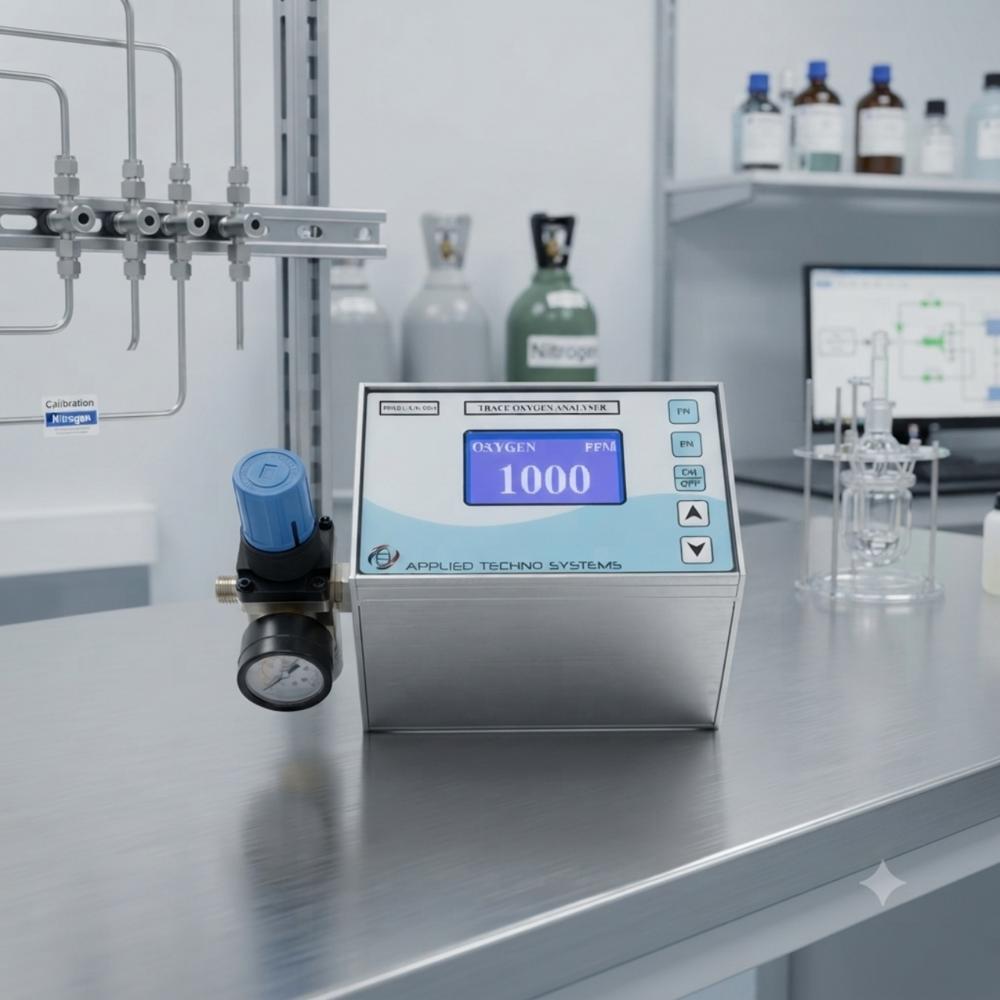
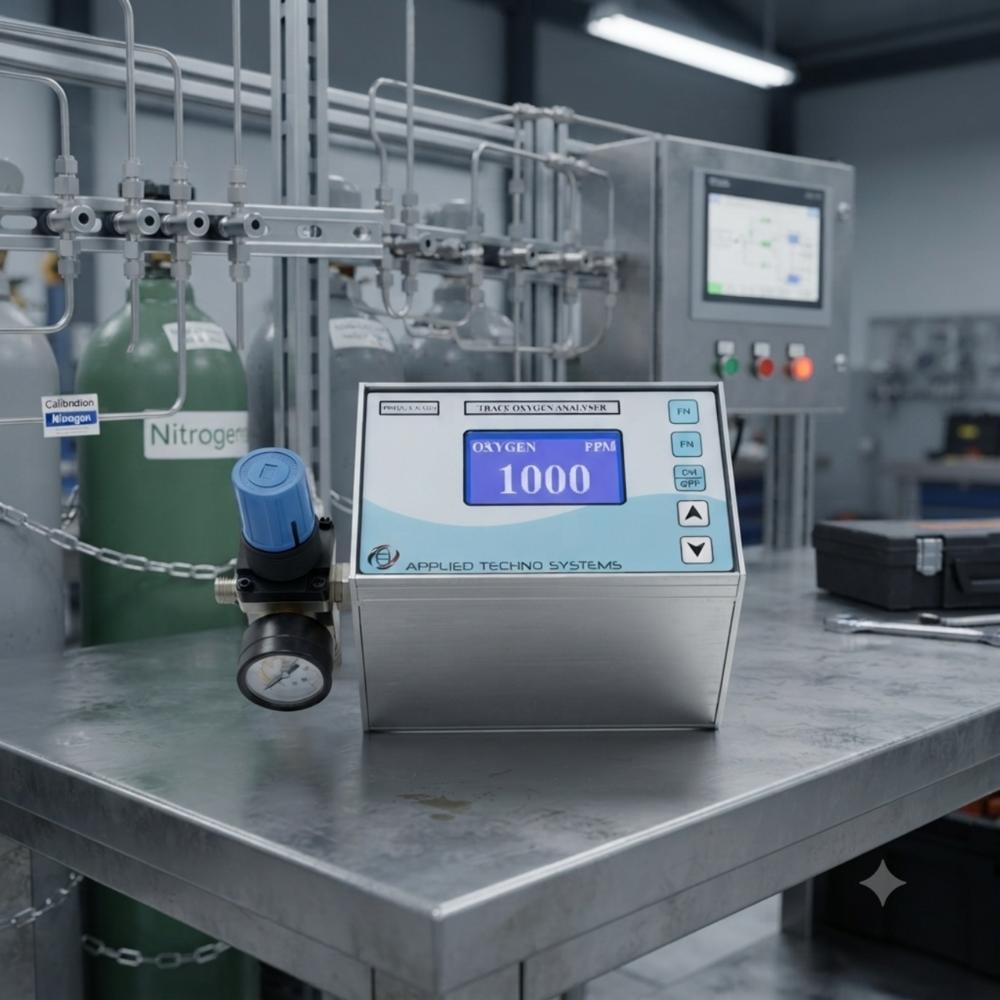
The Portable Trace Oxygen Analyser is a compact and reliable gas analysis instrument designed for accurate measurement of very low concentrations of Oxygen (O) in industrial, process, and specialty gas applications. It is suitable for trace oxygen measurement where precise monitoring of oxygen levels is important for gas purity control, process monitoring, quality assurance, inerting, purging, leak detection, and operational safety. Depending on the configuration, the analyser can provide measurement across trace oxygen ranges from PPM levels to higher oxygen concentrations, making it suitable for a wide range of gas analysis requirements. Its portable design enables convenient on-site testing, routine inspection, commissioning, maintenance, troubleshooting, and verification at different sampling points. The Portable Trace Oxygen Analyser is suitable for applications involving Nitrogen (N), Hydrogen (H), Argon (Ar), Helium (He), industrial gases, specialty gases, gas cylinders, gas pipelines, laboratories, chemical processing, petrochemical plants, power generation, metal processing, and other industries requiring accurate trace oxygen monitoring. It provides a practical solution for field-based oxygen purity and low-level oxygen concentration measurement.Advanced Trace Oxygen Measurement
The ATS-208A utilizes state-of-the-art electrochemical sensors to deliver fast and reliable trace oxygen measurement in a wide range of industrial and laboratory applications. With a measuring range of 0-1000 ppm and a high resolution of 1 ppm, it ensures precise monitoring even at low concentrations.
User-Friendly Operation with Digital Controls
Featuring a bright digital LCD display and intuitive panel button interface, the ATS-208A offers effortless control over all functions. Users can switch between manual and digital modes, configure alarms, and initiate calibration with ease, ensuring operational convenience and flexibility.
Rugged and Portable Design
Constructed with a robust metal enclosure and weighing only 2.5 kg, the ATS-208A is both durable and easily transportable. Its flexible mounting options-desk or portable-further extend its adaptability for diverse monitoring requirements across locations.
FAQ's of Portable Oxygen Monitoring System:
Q: How does the ATS-208A Portable Oxygen Monitoring System measure oxygen levels?
A: The ATS-208A uses a trace oxygen electrochemical sensor to continuously monitor and measure oxygen levels in industrial and laboratory gases. This ensures quick and accurate readings down to 1 ppm resolution.Q: What are the main benefits of using the ATS-208A in a laboratory or industrial setting?
A: The key benefits include high measurement accuracy (2% of reading), rapid response time (<10 seconds), configurable alarm outputs, convenient portability, robust metal construction, and advanced data logging for effective monitoring and compliance.Q: Where can this oxygen monitoring system be used?
A: This system is ideal for use in industrial gas plants, laboratories, quality control facilities, and research settings where precise oxygen level monitoring is critical for safety and process control.Q: What calibration options does the ATS-208A offer?
A: The system supports both auto and manual calibration modes, allowing users to easily maintain accuracy and reliability according to their operational preferences.Q: How is the ATS-208A powered and what are its power requirements?
A: The ATS-208A operates on 110-240V AC power with a frequency of 50/60 Hz and consumes less than 10W, making it energy-efficient and suitable for global deployment.Q: What is the process for retrieving logged data from the device?
A: Data logging is built-in, enabling users to record and retrieve oxygen measurement data for analysis or compliance documentation. The interface and instructions allow for straightforward data management.Q: What makes the ATS-208A suitable for continuous monitoring applications?
A: Its continuous sampling method, robust construction, and configurable alarm output make it well-suited for real-time, long-term monitoring of oxygen levels in dynamic environments.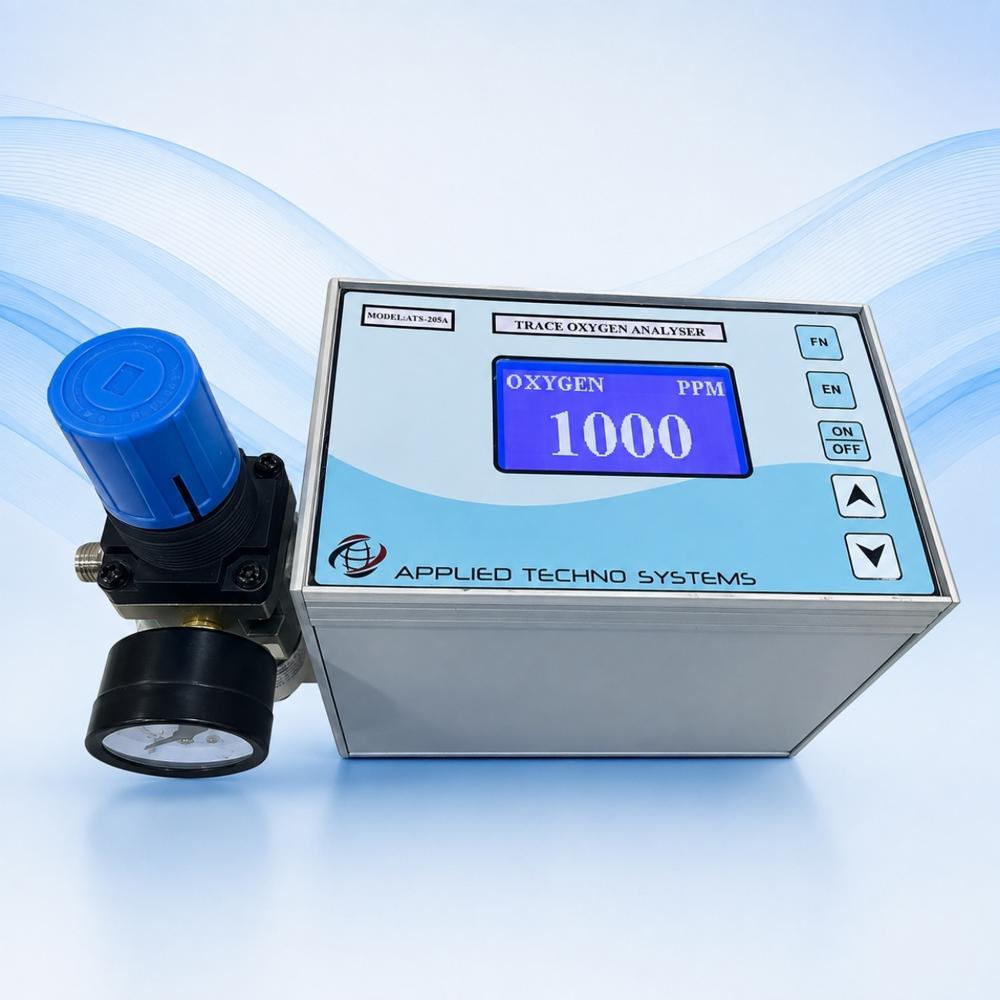

Price:
- 50
- 100
- 200
- 250
- 500
- 1000+

More Products in Gas Analysers Category
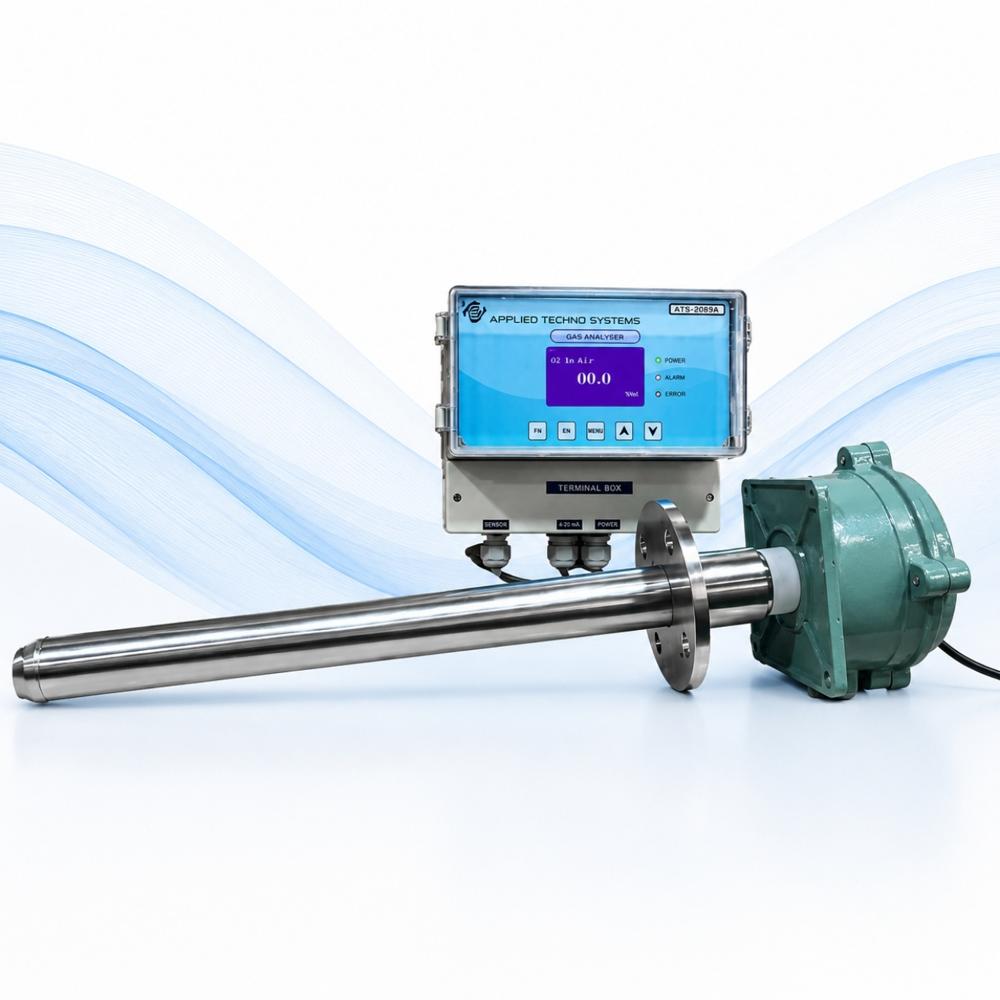
Industrial Oxygen Analyzer
Price 320500.0 INR / Piece
Minimum Order Quantity : 1 Piece
Machine Weight : Approx. 710 kg (including probe and display unit)
Application : Continuous Oxygen monitoring in flue gas, stack, boiler, furnace, incinerators, and other process industries
Display Type : Digital LCD or LED display
Control Mode : Automatic/Manual operation via control interface
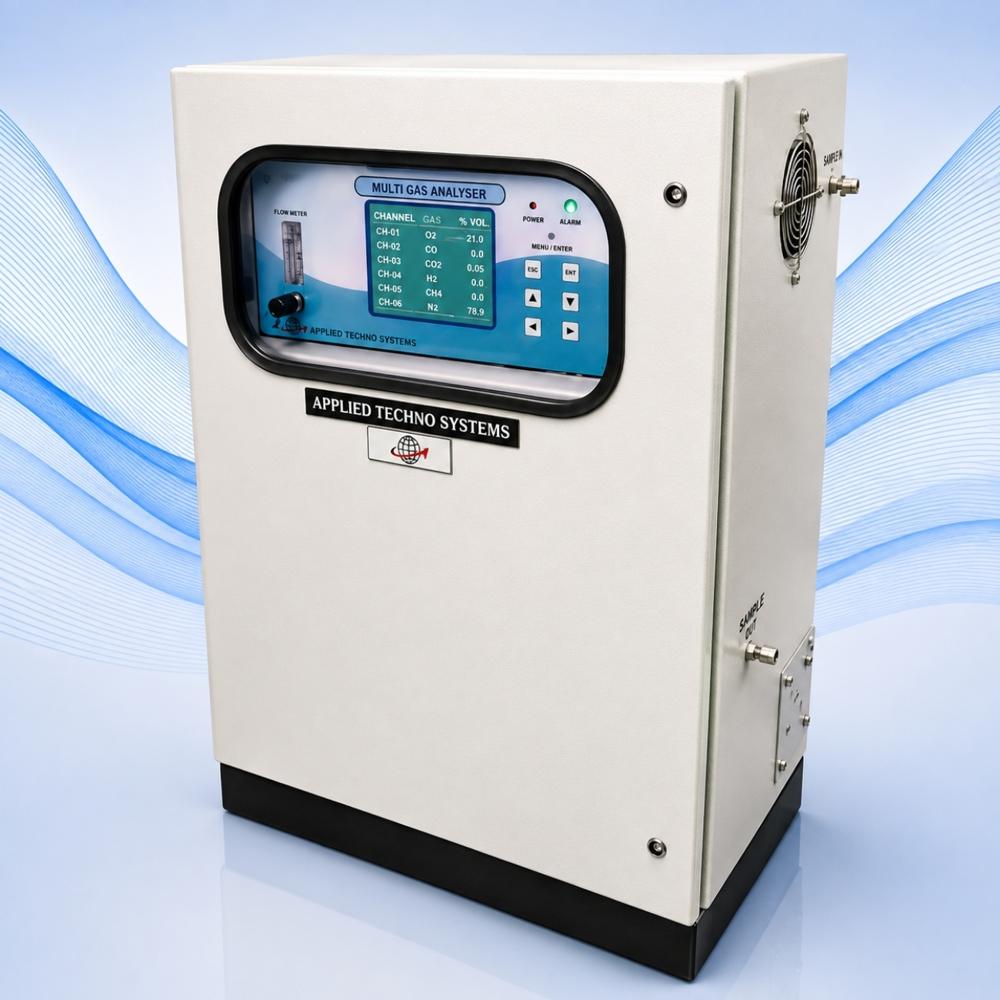
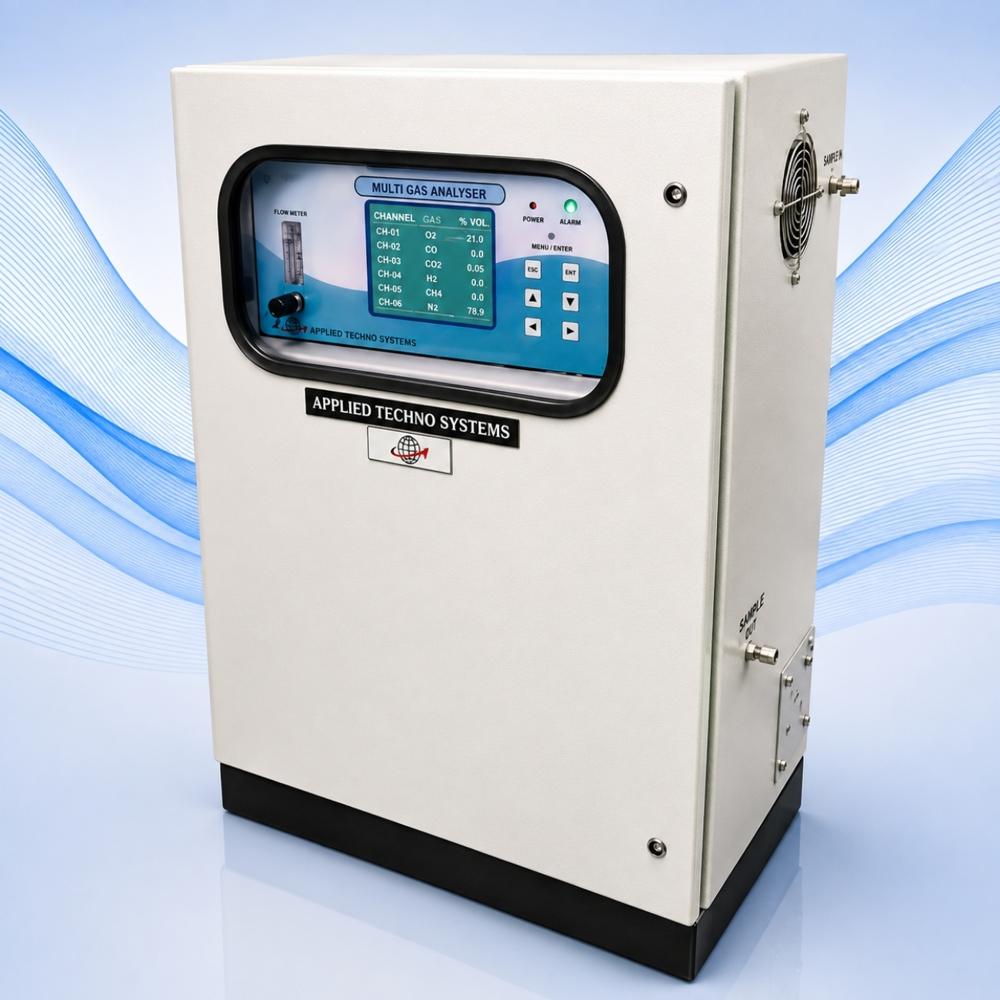
Continuous Biogas Monitoring System
Price 850500.0 INR / Piece
Minimum Order Quantity : 1 Piece
Machine Weight : Approx. 20 kg
Application : Realtime biogas composition and purity monitoring
Display Type : Digital LCD Display
Control Mode : Microprocessor Based
Trace Oxygen Analyser
Price 450500.0 INR / Piece
Minimum Order Quantity : 1 Piece
Machine Weight : Approx. 1015 kg
Application : Industrial gas analysis, environmental monitoring, laboratory use, process control
Display Type : Digital LCD display
Control Mode : Automatic / Digital
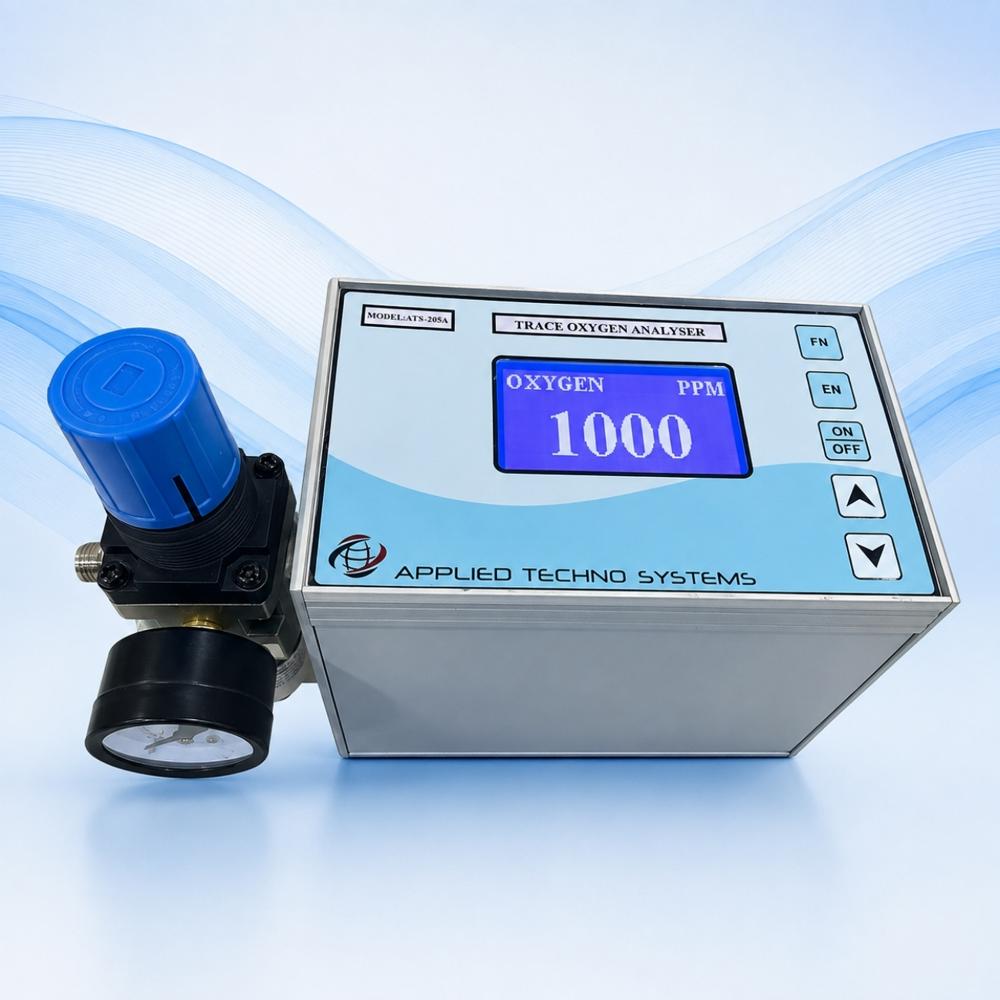
Portable Trace Oxygen Analysis Instrument
Price 355500.0 INR / Piece
Minimum Order Quantity : 1 Piece
Machine Weight : 2.5 kg (approx)
Application : Oxygen measurement in industrial gases, inert gases, and process gas monitoring
Display Type : Large Backlit Digital LCD Display
Control Mode : Microprocessor Based Control


- 104, Delta Industrial Estate, Building No 1, Gokhivare, Sativali Road, Vasai East, Dist-Palghar,Vasai - 401208, Maharashtra, India
- Phone : 08045814504
GST : 27AAVCA1127G1ZN

- Mr M L YADAV (Marketing Manager)
- Mobile : 08045814504
- Send Inquiry
 Send Inquiry

|


- Dew Point Meters
- Gas Analysers
- Portable Gas Detector
- Moisture And Dew Point Analyzer
- Dust/Opacity Monitor
- Gas Monitoring Systems
- Gas Leak Detectors
- Gas Transmitters
- VOC Leak Detector
- Air Quality Monitoring System
- Online Continuous Emission Monitoring System-OCEMS
- Dew Point Monitors
- Gas Detector
- Opacity Monitor
- Portable Flue Gas Analyzer
- Online SOX & NOX Gas Analyzer
- Methane Gas Leak Detector
- Hydrogen Purity Analyzer
- Gas Purity Analyzer
- Effluent Monitoring Systems
- Producer Gas Analyzer
- Gas Detector Calibration Service
- Portable Gas Monitors
- Gas Sensor Transmitter

Developed and Managed by Infocom Network Private Limited.


 English
 Spanish
 French
 German
 Italian
 Chinese (Simplified)
 Japanese
 Korean
 Arabic
 Portuguese
