 Chat with us

- Dew Point Meters
- Gas Analysers
- Portable Gas Detector
- Moisture And Dew Point Analyzer
- Dust/Opacity Monitor
- Gas Monitoring Systems
- Gas Leak Detectors
- Gas Transmitters
- VOC Leak Detector
- Air Quality Monitoring System
- Online Continuous Emission Monitoring System-OCEMS
- Dew Point Monitors
- Gas Detector
- Opacity Monitor
- Portable Flue Gas Analyzer
- Online SOX & NOX Gas Analyzer
- Methane Gas Leak Detector
- Hydrogen Purity Analyzer
- Gas Purity Analyzer
- Effluent Monitoring Systems
- Producer Gas Analyzer
- Gas Detector Calibration Service
- Portable Gas Monitors
- Gas Sensor Transmitter

 Send Inquiry
Portable Trace Oxygen Analysis System
Price 355500.0 INR/ Piece
Portable Trace Oxygen Analysis System Specification
- Frequency
- 50Hz
- Mounting Type
- Bench-top/portable
- Test Range
- 0-1000 ppm
- Interface Type
- RS-232/USB optional
- Port Size
- 1/4 inch
- Resolution
- 1 ppm
- Gas Pressure
- 0-7 bar
- Accuracy
- 2% of reading
- Operating Voltage
- 230V AC
- Features
- Portable, digital display, fast response, microcontroller based
- Display Type
- Digital LCD Display
- Application
- Trace Oxygen Measurement in Gases
- Automation Grade
- Automatic
- Measuring Range
- 0-1000 ppm - ppm level detection
- Humidity
- < 80% RH
- Power Supply
- 230V AC, 50Hz
- Temperature
- 0C to 50C
- Response Time
- < 10 seconds
- Usage
- Industrial/OEM/Research
- Machine Weight
- Approx. 1.5 kg
- Control Mode
- Microcontroller based control
- Data Logging
- Optional
- Equipment Type
- Portable Trace Oxygen Analysis System
- Warm Up Time
- < 30 seconds
- Gas Compatibility
- CO2, N2, Argon, Hydrogen, many inert and process gases
- Alarm
- Adjustable threshold alarm
- Operating Principle
- Trace oxygen analysis using dedicated sensor
- Supplier
- APPLIED TECHNO SYSTEMS
- Enclosure Material
- Powder coated aluminum
- Dimensions
- 200 mm x 120 mm x 180 mm (approx)
- Output
- Digital
- Calibration
- Auto/Manual
- Safety Protection
- Fuse protected
- Sensor Type
- Electrochemical
About Portable Trace Oxygen Analysis System
The Portable Trace Oxygen Analyser is a compact and reliable gas analysis instrument designed for accurate measurement of very low concentrations of Oxygen (O) in industrial, process, and specialty gas applications. It is suitable for trace oxygen measurement where precise monitoring of oxygen levels is important for gas purity control, process monitoring, quality assurance, inerting, purging, leak detection, and operational safety. Depending on the configuration, the analyser can provide measurement across trace oxygen ranges from PPM levels to higher oxygen concentrations, making it suitable for a wide range of gas analysis requirements. Its portable design enables convenient on-site testing, routine inspection, commissioning, maintenance, troubleshooting, and verification at different sampling points. The Portable Trace Oxygen Analyser is suitable for applications involving Nitrogen (N), Hydrogen (H), Argon (Ar), Helium (He), industrial gases, specialty gases, gas cylinders, gas pipelines, laboratories, chemical processing, petrochemical plants, power generation, metal processing, and other industries requiring accurate trace oxygen monitoring. It provides a practical solution for field-based oxygen purity and low-level oxygen concentration measurement.Reliable Trace Oxygen Measurement
This system allows users to accurately measure oxygen levels down to 1 ppm within a broad range of gases and industrial environments. Its sensitive electrochemical sensor, combined with microcontroller-based automatic operation, streamlines testing and ensures consistently reliable results. Applications span industrial processes, OEM integration, and research, providing confidence in oxygen monitoring and quality control.
Fast and Efficient Operation
With a warm-up time of less than 30 seconds and response time under 10 seconds, the Portable Trace Oxygen Analysis System delivers rapid results. The intuitive digital LCD display and automatic calibration features facilitate easy operation, while adjustable alarms and optional data logging enhance adaptability for different use cases. Its portable design and bench-top mounting caters to dynamic workspace requirements.
FAQ's of Portable Trace Oxygen Analysis System:
Q: How does the Portable Trace Oxygen Analysis System detect trace oxygen in gases?
A: The system utilizes a dedicated electrochemical sensor to detect oxygen at ppm levels in gases such as CO2, N2, Argon, Hydrogen, and other inert and process gases. It operates on a microcontroller-based platform, ensuring fast, accurate, and automated measurements.Q: What benefits does the adjustable threshold alarm provide?
A: The adjustable threshold alarm enables users to set specific oxygen concentration limits. When the detected oxygen exceeds this threshold, an alert is triggered, improving safety and process control by preventing unwanted oxygen exposure.Q: When should the device be calibrated, and what options are available?
A: Calibration can be performed either automatically or manually, depending on user preference and operational requirements. It is recommended to calibrate before critical use, periodically as per guidelines, or after changes in the gas stream to ensure measurement accuracy.Q: Where is the Portable Trace Oxygen Analysis System commonly used?
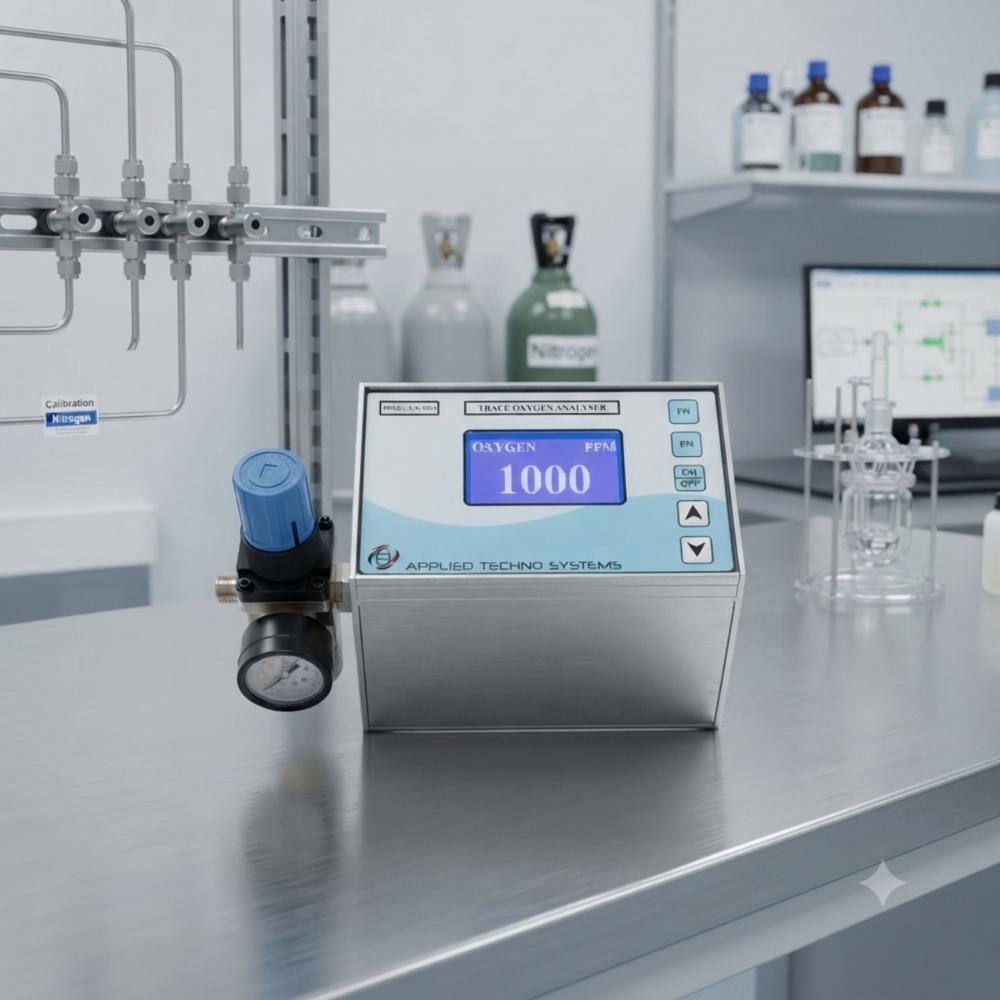
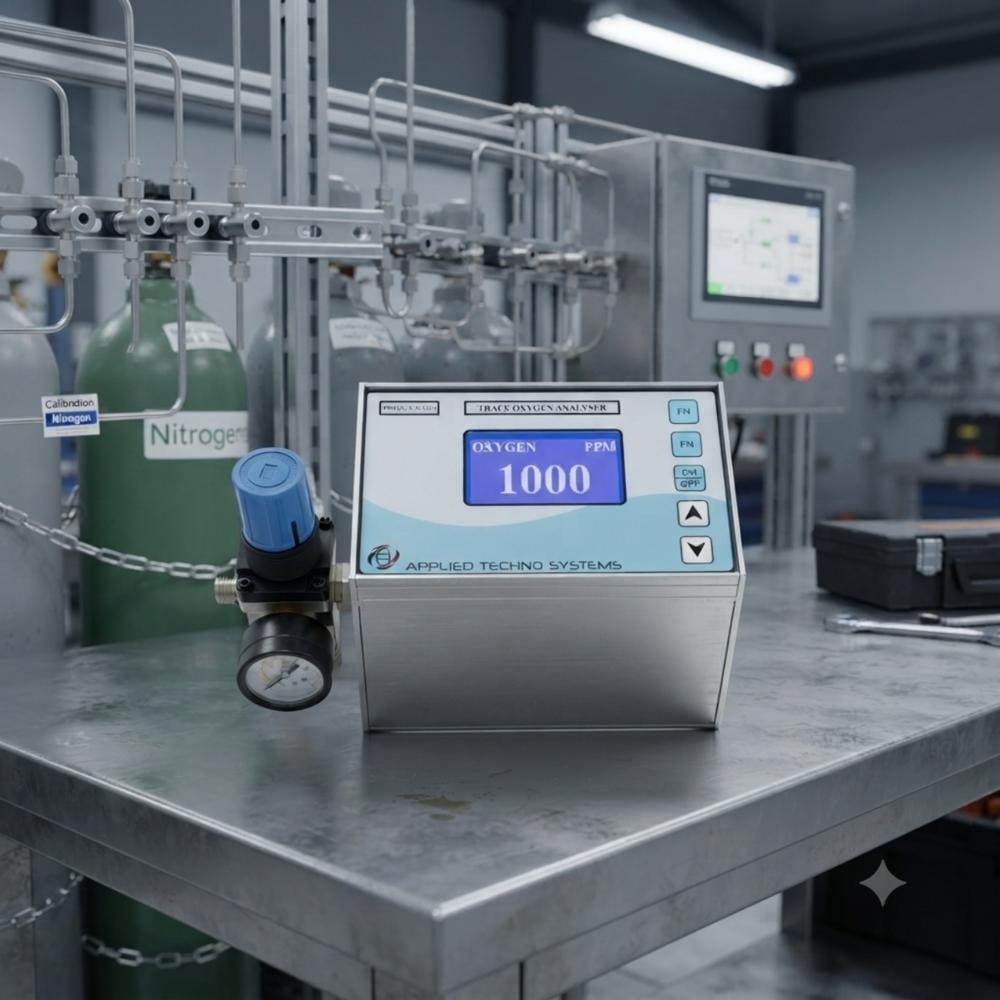
A: This system is typically used in industrial facilities, OEM integrations, and research laboratories. Its portability and bench-top mounting make it suitable for various environments requiring trace oxygen measurement in gas applications.Q: What is the process for operating the device and recording measurements?
A: Operation involves connecting the gas sample to the 1/4 inch port, powering up the device (230V AC, 50Hz), and using the digital LCD interface to view readings. Optional data logging can be enabled for automatic recording. The system's interface supports RS-232/USB for data transfer if required.Q: How does the system's portability enhance its usage?
A: Weighing approximately 1.5 kg and featuring a compact, powder-coated aluminum enclosure, the device can be easily moved between workstations or transported for field measurements. This flexibility helps users efficiently monitor oxygen levels wherever required.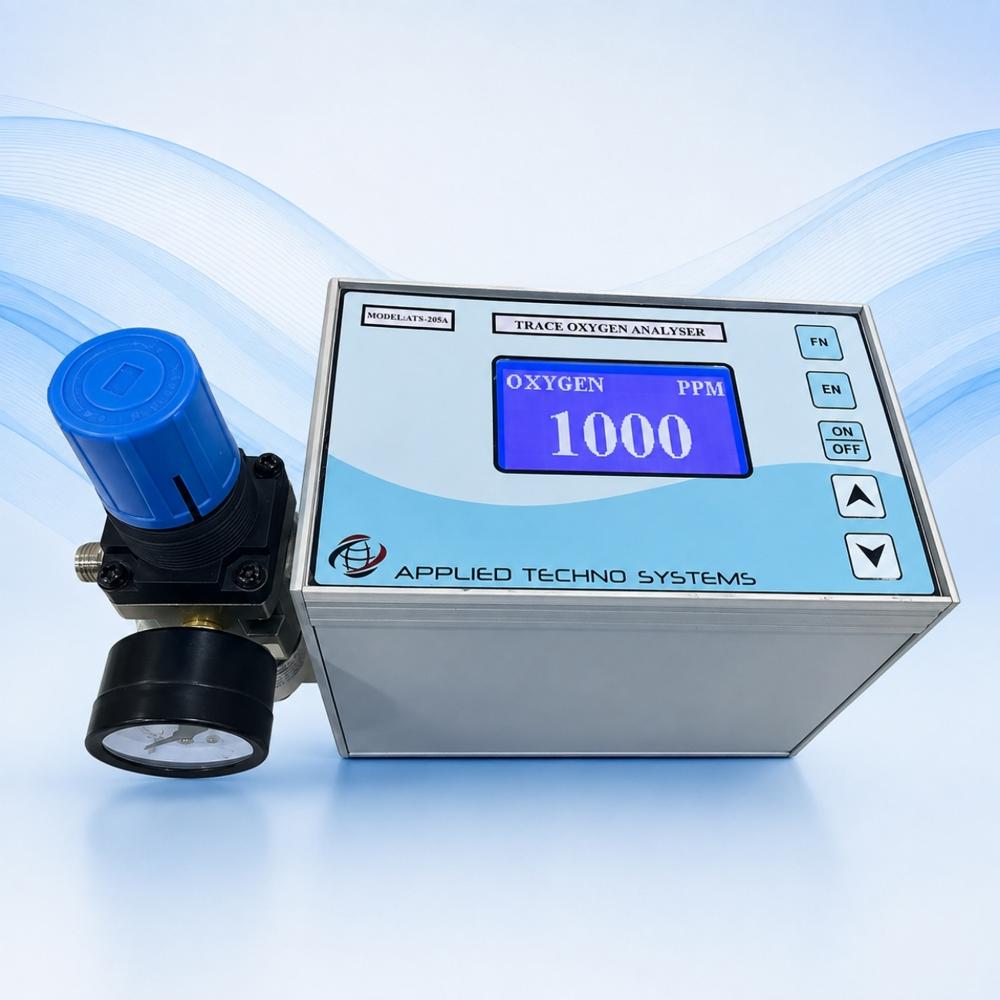

Price:
- 50
- 100
- 200
- 250
- 500
- 1000+

More Products in Gas Analysers Category
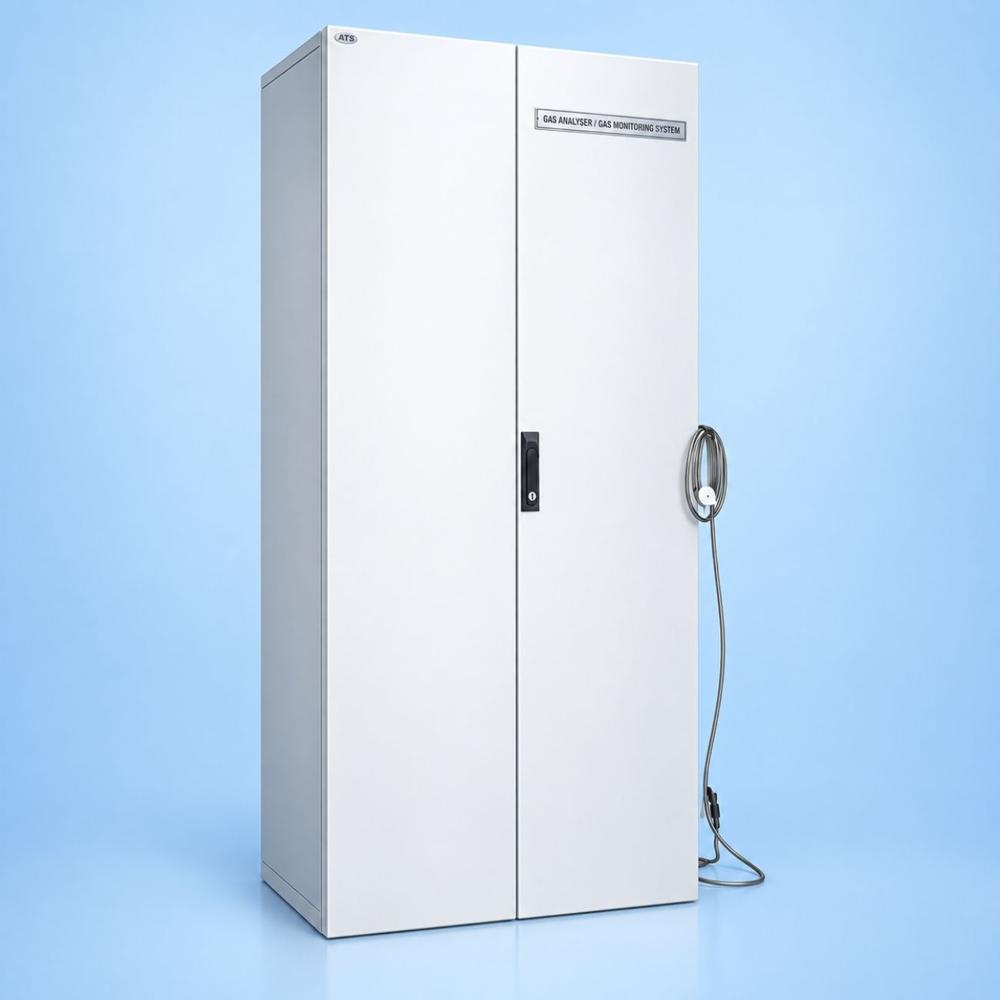
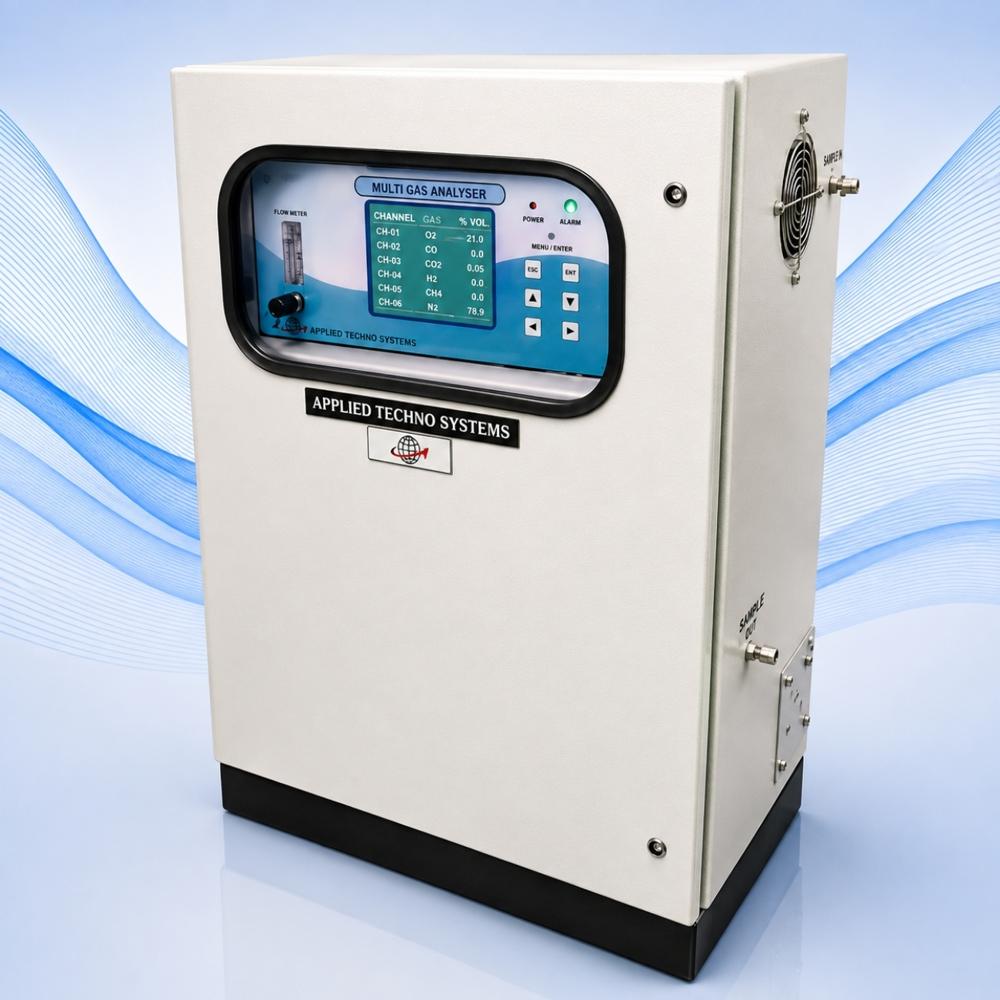
Online Tri Gas Analyser
Price 1650500.0 INR / Piece
Minimum Order Quantity : 1 Piece
Control Mode : Microprocessor based control
Machine Weight : Approx. 120 kg
Accuracy : 1% of FS
Resolution : 0.01% or 1 ppm
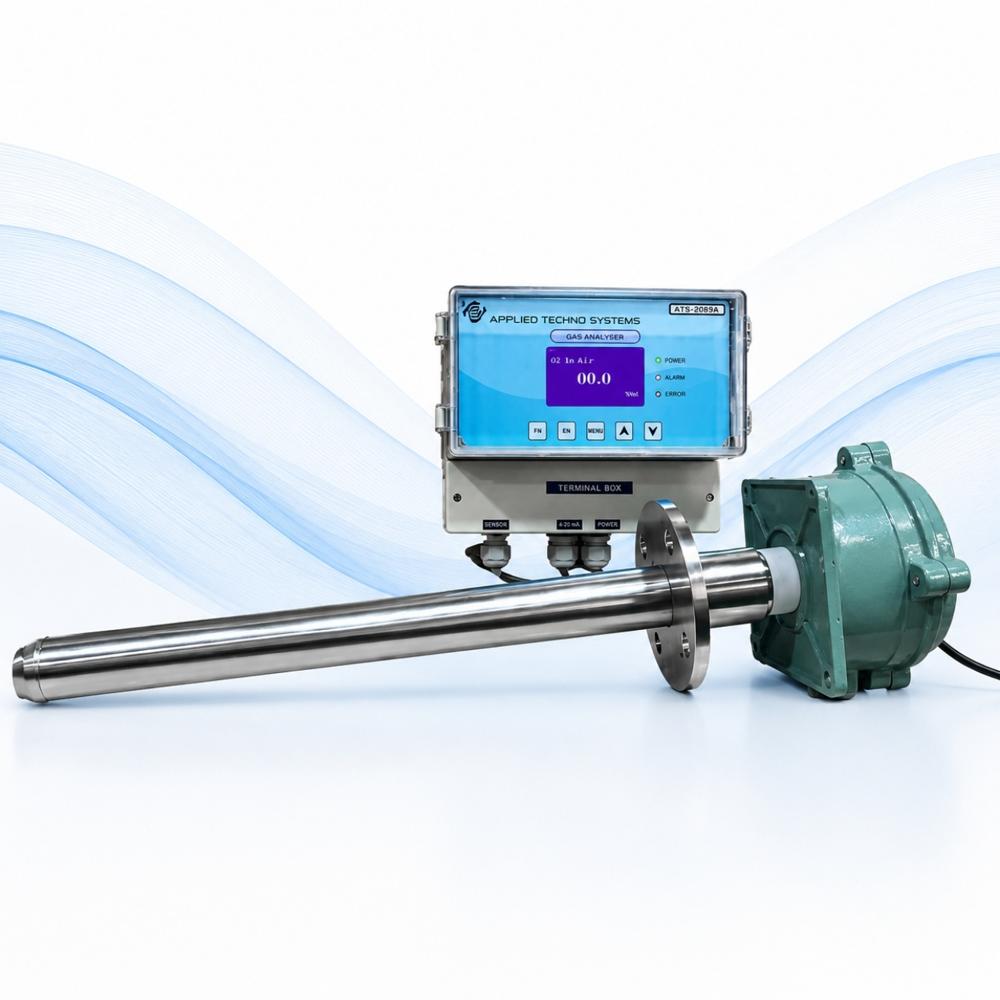
Trace Oxygen Analyzer
Price 450500.0 INR / Piece
Minimum Order Quantity : 1 Piece
Control Mode : Microprocessor/PLC Based
Machine Weight : Approx. 12 kg
Accuracy : 2% of reading or 0.05 ppm (whichever is greater)
Resolution : 0.01 ppm
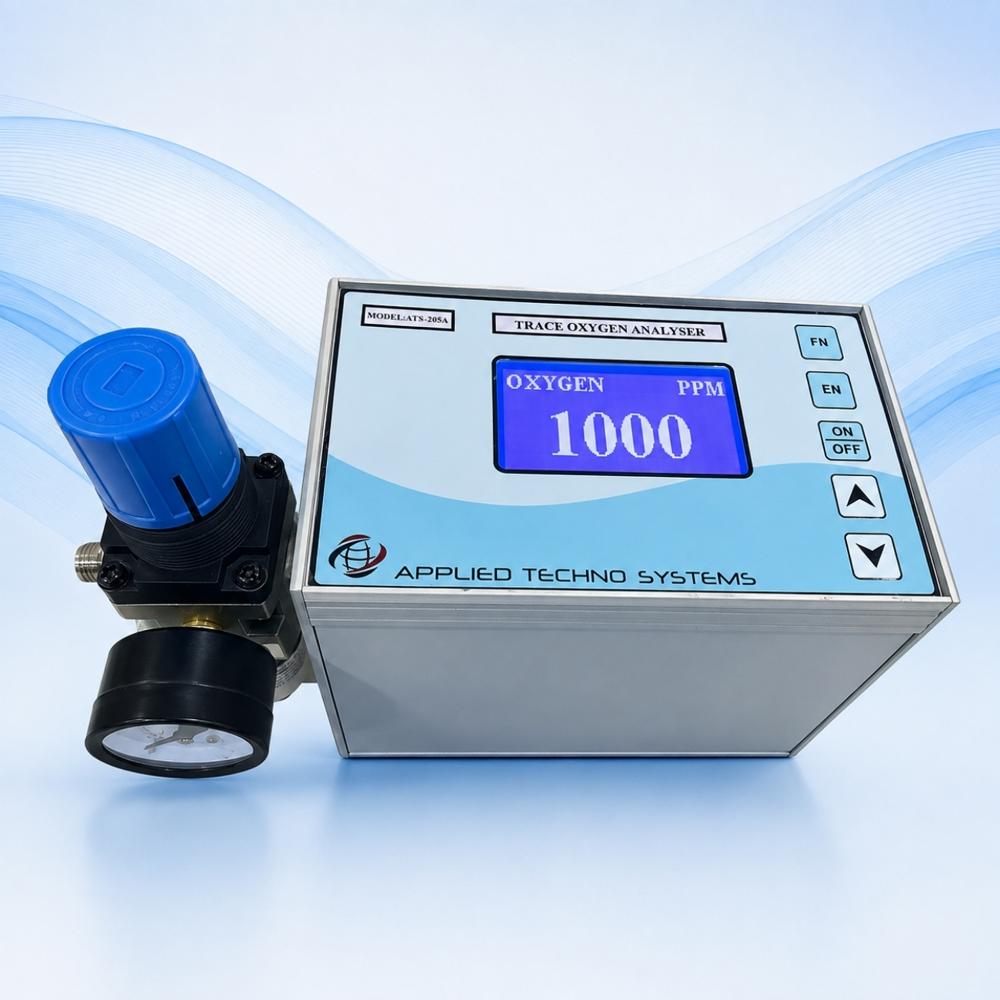
Oxygen Analysis Instrument
Price 330500.0 INR / Piece
Minimum Order Quantity : 1 Piece
Control Mode : Automatic microprocessorbased
Machine Weight : Approx. 812 kg (depending on probe length)
Accuracy : 1% of full scale
Resolution : 0.01% O2
Portable Oxygen Analysis Equipment
Price 345500.0 INR / Piece
Minimum Order Quantity : 1 Piece
Control Mode : Microprocessorbased control
Machine Weight : Approx. 2.5 kg
Accuracy : 2% of reading
Resolution : 0.1 ppm


- 104, Delta Industrial Estate, Building No 1, Gokhivare, Sativali Road, Vasai East, Dist-Palghar,Vasai - 401208, Maharashtra, India
- Phone : 08045814504
GST : 27AAVCA1127G1ZN

- Mr M L YADAV (Marketing Manager)
- Mobile : 08045814504
- Send Inquiry
 Send Inquiry

|


- Dew Point Meters
- Gas Analysers
- Portable Gas Detector
- Moisture And Dew Point Analyzer
- Dust/Opacity Monitor
- Gas Monitoring Systems
- Gas Leak Detectors
- Gas Transmitters
- VOC Leak Detector
- Air Quality Monitoring System
- Online Continuous Emission Monitoring System-OCEMS
- Dew Point Monitors
- Gas Detector
- Opacity Monitor
- Portable Flue Gas Analyzer
- Online SOX & NOX Gas Analyzer
- Methane Gas Leak Detector
- Hydrogen Purity Analyzer
- Gas Purity Analyzer
- Effluent Monitoring Systems
- Producer Gas Analyzer
- Gas Detector Calibration Service
- Portable Gas Monitors
- Gas Sensor Transmitter

Developed and Managed by Infocom Network Private Limited.


 English
 Spanish
 French
 German
 Italian
 Chinese (Simplified)
 Japanese
 Korean
 Arabic
 Portuguese
