 Chat with us

- Dew Point Meters
- Gas Analysers
- Portable Gas Detector
- Moisture And Dew Point Analyzer
- Dust/Opacity Monitor
- Gas Monitoring Systems
- Gas Leak Detectors
- Gas Transmitters
- VOC Leak Detector
- Air Quality Monitoring System
- Online Continuous Emission Monitoring System-OCEMS
- Dew Point Monitors
- Gas Detector
- Opacity Monitor
- Portable Flue Gas Analyzer
- Online SOX & NOX Gas Analyzer
- Methane Gas Leak Detector
- Hydrogen Purity Analyzer
- Gas Purity Analyzer
- Effluent Monitoring Systems
- Producer Gas Analyzer
- Gas Detector Calibration Service
- Portable Gas Monitors
- Gas Sensor Transmitter

 Send Inquiry
Ammonia Gas Sensor Transmitter without Display
Price 32500.0 INR/ Unit
Ammonia Gas Sensor Transmitter without Display Specification
- Features
- Good Quality
- Sensor Type
- Ec
- Application
- Industrial
- Response Time
- 10 Seconds
- Product Type
- Ammonia Gas Sensor
- Output
- 4-20 mA
- Usage
- industrial
- Accuracy
- +/-2 %
- Resolution
- 1 PPM
- Voltage
- 110-215 Volt (v)
- Usage & Applications
- Gas Monitor
- Warranty
- 1 year
- Display Type
- Digital
- Material
- MS
Ammonia Gas Sensor Transmitter without Display Trade Information
- Minimum Order Quantity
- 1 Unit
- Supply Ability
- 100 Units Per Month
- Delivery Time
- 7 Days
About Ammonia Gas Sensor Transmitter without Display
Engineered for Industrial Demands
Our ammonia gas sensor transmitter is crafted using high-quality mild steel and boasts an IP65 rating, ensuring optimum durability in demanding industrial environments. Its weather-resistant design means it stands up to outdoor conditions, delivering dependable gas monitoring wherever its needed.
Flexible Voltage Compatibility
The transmitter accommodates a voltage range of 110-215V, providing seamless integration with various industrial setups. This adaptability makes it suitable for both new installations and retrofit projects within any industrial facility.
Trusted by Industry Leaders
As an exporter, importer, manufacturer, service provider, and supplier based in India, we deliver solutions that meet strict industry standards. Our commitment to quality and comprehensive aftersales support provides peace of mind to clients across multiple sectors.
FAQs of Ammonia Gas Sensor Transmitter without Display:
Q: How does the ammonia gas sensor transmitter operate in industrial environments?
A: The sensor is designed to detect ammonia gas continuously in industrial settings. It utilizes robust MS housing and an IP65 rating to withstand dust, water, and other challenging conditions, ensuring long-term reliability and safety.Q: What is the voltage requirement for installing this gas sensor transmitter?
A: The transmitter operates on a voltage range of 110 to 215 volts, making it adaptable to most industrial power supplies without the need for additional voltage converters.Q: When should industrial facilities install an ammonia gas sensor transmitter?
A: It is recommended to install the transmitter in locations where ammonia gas is used, stored, or produced, especially in areas requiring constant monitoring to maintain safety standards and prevent hazardous situations.Q: Where can this ammonia gas sensor transmitter be used effectively?
A: Given its IP65 outdoor rating, the sensor can be deployed both indoors and outdoors. Its suitable for chemical plants, refrigeration facilities, and any industrial environment where ammonia presence must be monitored.Q: What is the process for installing and maintaining the device?
A: Installation involves mounting the sensor in the required location and connecting it to a compatible power source within the specified voltage range. Routine maintenance is minimal but should include periodic checks for sensor calibration and housing integrity to ensure ongoing accuracy.Q: What are the primary benefits of using this ammonia gas sensor transmitter?
A: The primary benefits include enhanced plant safety, compliance with industry regulations, and prevention of ammonia exposure risks to personnel. Its robust design ensures continuous performance even in harsh conditions.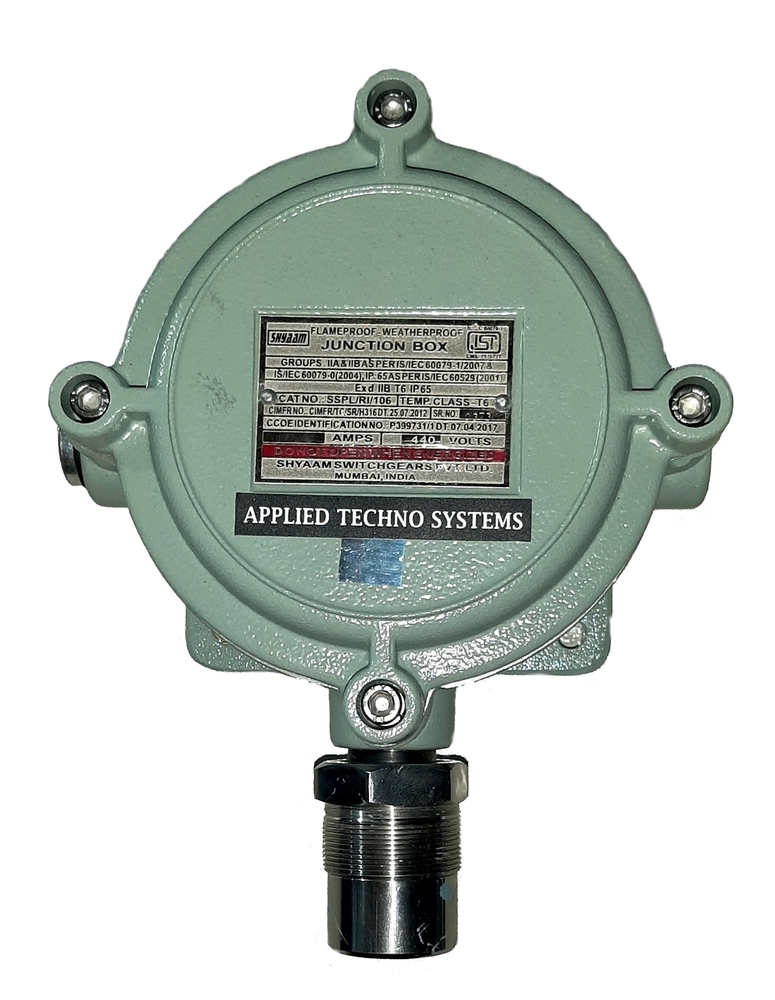

Price:
- 50
- 100
- 200
- 250
- 500
- 1000+

More Products in Gas Sensor Transmitter Category
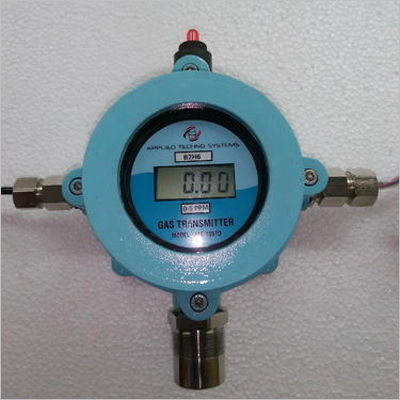
Methane Gas Sensor Transmitter
Price 18750.0 INR / Unit
Minimum Order Quantity : 1 Unit
Response Time : 10 seconds Seconds
Usage : Methane gas level monitoring and safety systems
Application : Methane gas detection in industrial setups
Sensor Type : Catalytic combustion sensor
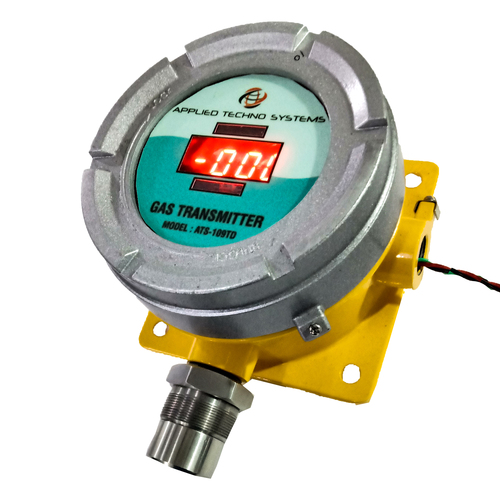
High Accuracy LEL Gas Sensor Transmitter
Price 35000.0 INR / Number
Minimum Order Quantity : 1 Number
Response Time : 10 Seconds
Usage : Gas Detection
Application : Industrial
Sensor Type : EC
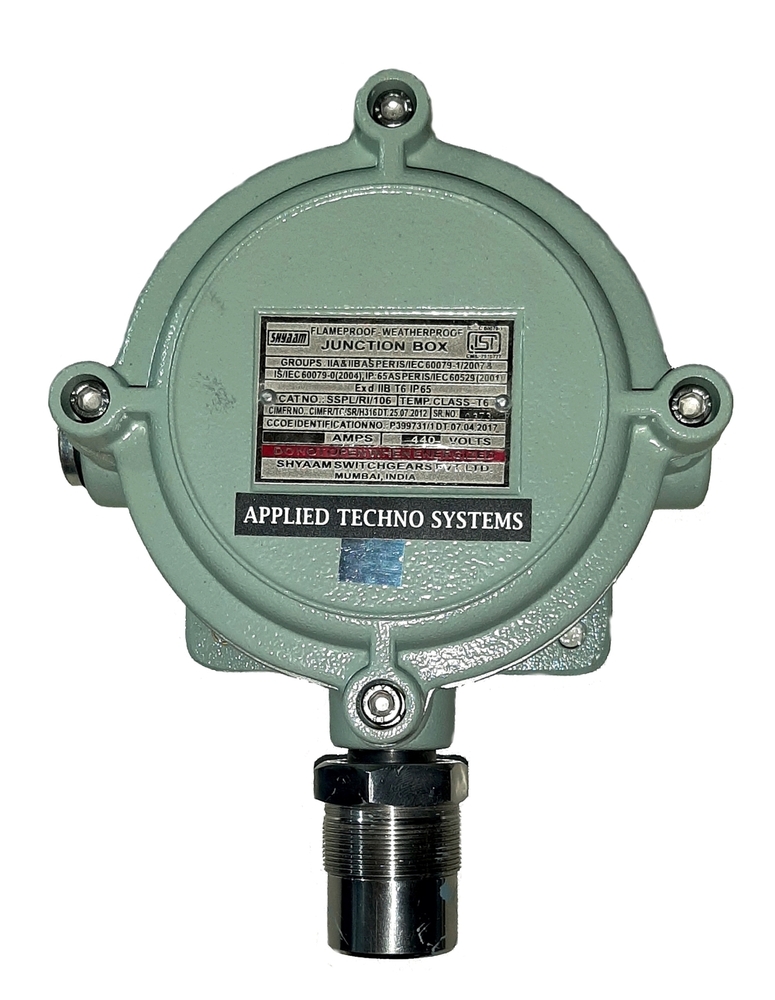
ATS 109T Combustible Gas Sensor Transmitter
Price 32500.0 INR / Unit
Minimum Order Quantity : 1 Unit
Response Time : 10 Seconds
Usage : Industrial
Application : Industrial
Sensor Type : Ec
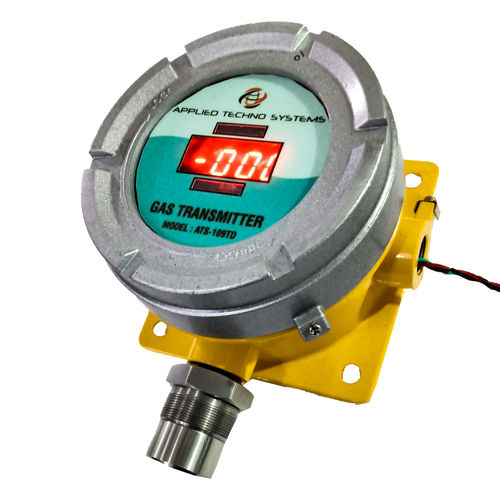
Sulfur Dioxide Gas sensor Transmitter
Price 35000.0 INR / Number
Minimum Order Quantity : 1 Number
Response Time : 10 Seconds
Usage : Industrial
Application : Industrial
Sensor Type : Ec


- 104, Delta Industrial Estate, Building No 1, Gokhivare, Sativali Road, Vasai East, Dist-Palghar,Vasai - 401208, Maharashtra, India
- Phone : 08045814504
GST : 27AAVCA1127G1ZN

- Mr M L YADAV (Marketing Manager)
- Mobile : 08045814504
- Send Inquiry
 Send Inquiry
|


- Dew Point Meters
- Gas Analysers
- Portable Gas Detector
- Moisture And Dew Point Analyzer
- Dust/Opacity Monitor
- Gas Monitoring Systems
- Gas Leak Detectors
- Gas Transmitters
- VOC Leak Detector
- Air Quality Monitoring System
- Online Continuous Emission Monitoring System-OCEMS
- Dew Point Monitors
- Gas Detector
- Opacity Monitor
- Portable Flue Gas Analyzer
- Online SOX & NOX Gas Analyzer
- Methane Gas Leak Detector
- Hydrogen Purity Analyzer
- Gas Purity Analyzer
- Effluent Monitoring Systems
- Producer Gas Analyzer
- Gas Detector Calibration Service
- Portable Gas Monitors
- Gas Sensor Transmitter

Developed and Managed by Infocom Network Private Limited.


 English
 Spanish
 French
 German
 Italian
 Chinese (Simplified)
 Japanese
 Korean
 Arabic
 Portuguese