 Chat with us

- Dew Point Meters
- Gas Analysers
- Portable Gas Detector
- Moisture And Dew Point Analyzer
- Dust/Opacity Monitor
- Gas Monitoring Systems
- Gas Leak Detectors
- Gas Transmitters
- VOC Leak Detector
- Air Quality Monitoring System
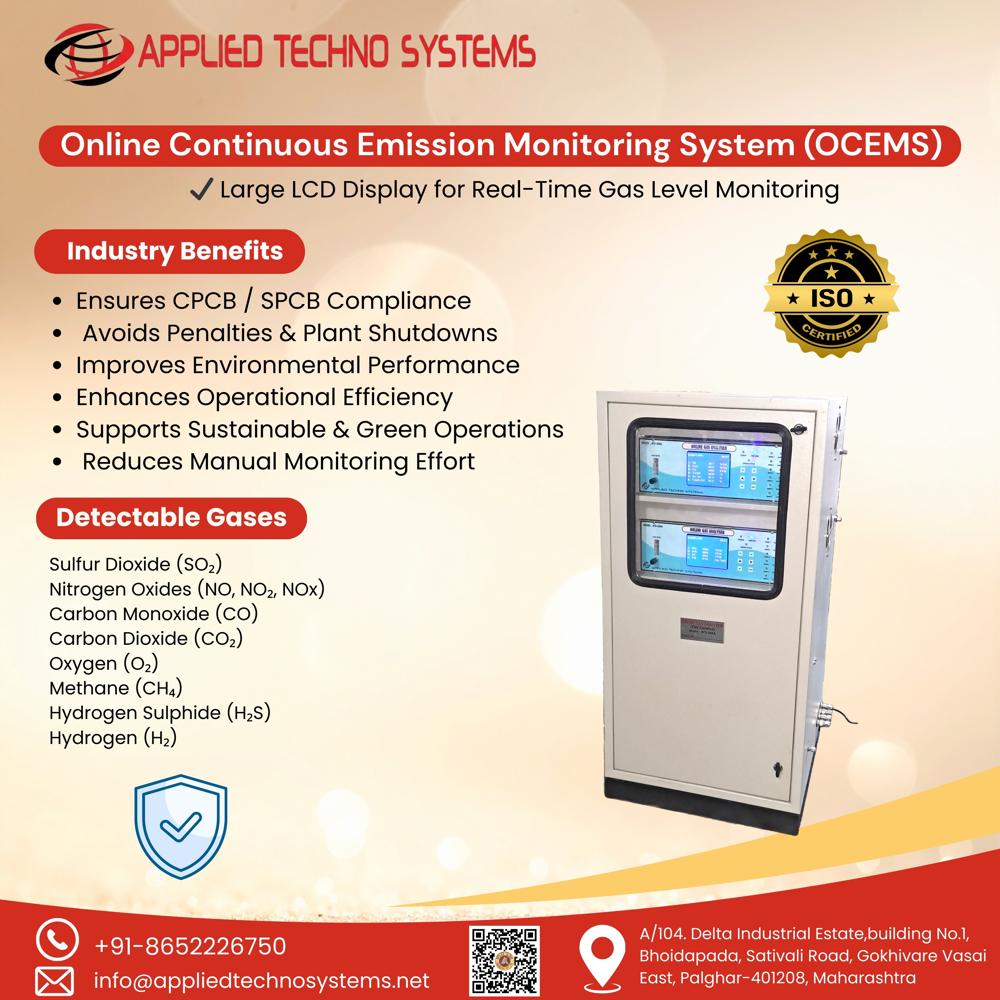
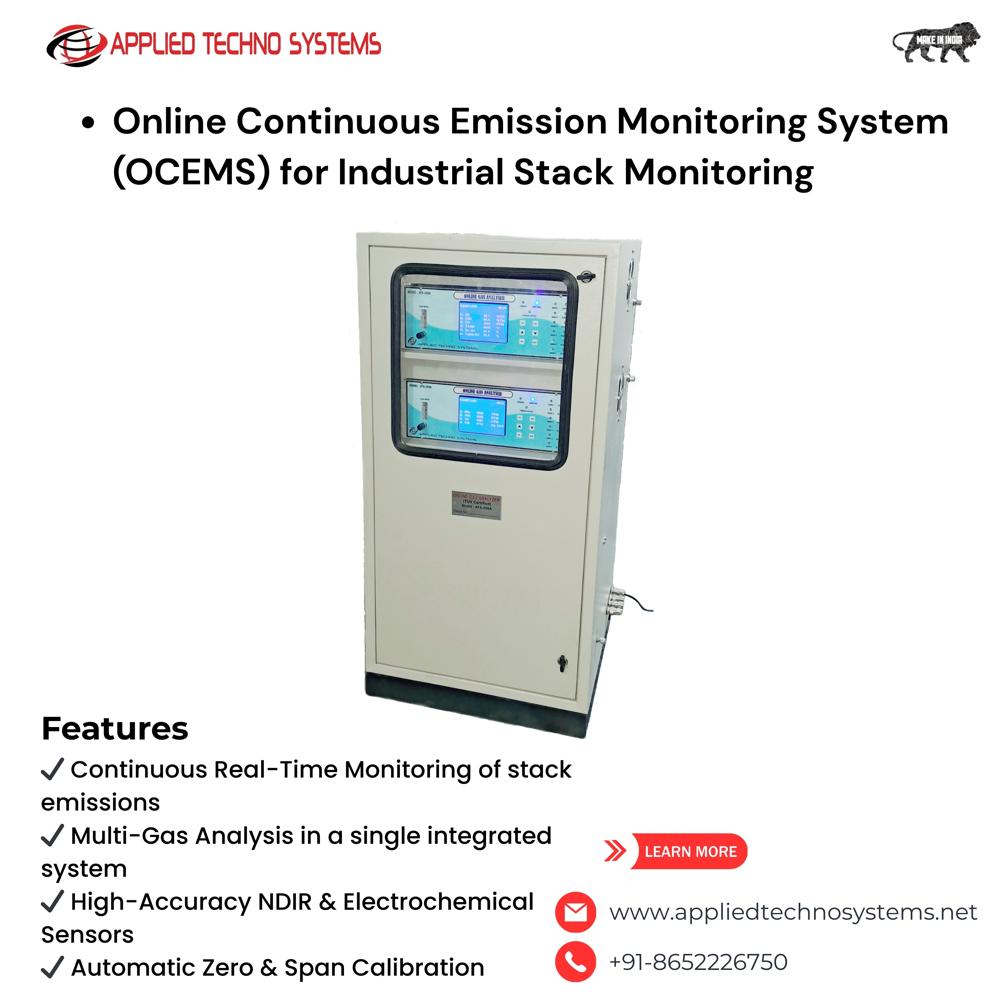
- Online Continuous Emission Monitoring System-OCEMS
- Dew Point Monitors
- Gas Detector
- Opacity Monitor
- Portable Flue Gas Analyzer
- Online SOX & NOX Gas Analyzer
- Methane Gas Leak Detector
- Hydrogen Purity Analyzer
- Gas Purity Analyzer
- Effluent Monitoring Systems
- Producer Gas Analyzer
- Gas Detector Calibration Service
- Portable Gas Monitors
- Gas Sensor Transmitter

 Send Inquiry
Combustion Analyzers
Price 158000.0 INR/ Number
Combustion Analyzers Specification
- Color
- Grey
- Material
- Aluminium
- Humidity
- 85%RH
- Product Type
- Combustion Analyzers
- Temperature
- -20 to 50 Celsius (oC)
- Dimension (L*W*H)
- 200 X 120 X 185 Millimeter (mm)
- Power Supply
- Electric
- Application
- Analyzer
- Resolution
- 1ppm
- Usage
- Industrial
- Display Type
- Graphic
- Weight
- 1.5 Kilograms (kg)
- Classification
- Ip 65
- Voltage
- 230 Volt (v)
- Control Mode
- Manual
Combustion Analyzers Trade Information
- Minimum Order Quantity
- 1 Piece
- Delivery Time
- 1 Week
About Combustion Analyzers
Measurement Parameters
- Gas Components: Oxygen (O2), Carbon Dioxide (CO2), Carbon Monoxide (CO), Nitrogen Oxides (NOx), Sulfur Dioxide (SO2), and Hydrocarbons.
- Combustion Efficiency: Percentage of fuel converted to energy.
Measurement Range
- Specific concentration ranges for each gas (e.g., 0-21% for O2, 0-100% for CO2).
Accuracy and Precision
- Percent error for each measurement (e.g., 0.1% for O2, 1 ppm for CO).
- Calibration intervals.
Response Time
- Time taken for the analyzer to provide stable readings (e.g., seconds).
Operating Conditions
- Temperature range (e.g., -20C to 50C).
- Pressure range (e.g., atmospheric pressure).
- Humidity tolerance.
Sensor Technology
- Types of sensors used (e.g., electrochemical, infrared, paramagnetic).
Data Output
- Digital and/or analog outputs (e.g., 4-20 mA, RS-232, USB).
- Data logging capabilities for historical analysis.
Power Requirements
- Voltage and current specifications.
- Power consumption details.
User Interface
- Display type (e.g., LCD, touchscreen).
- Software features for data visualization and reporting.
Calibration and Maintenance
- Calibration procedure and frequency.
- Maintenance requirements (e.g., routine checks, cleaning).
Compliance Standards
- Adherence to industry standards (e.g., EPA, ISO).
- Certification (e.g., CE, UL).
Portability
- Weight and dimensions for portable models.
- Battery life and charging options if applicable.
- Initial purchase price.
- Operating and maintenance costs over time.
These specifications can help you choose a combustion analysis system tailored to your specific needs and applications. If you have a particular context in mind, I can refine this further!
Technical Details
Engineered Reliability for Industrial Applications
Manufactured from high-quality aluminium, our combustion analyzers are robust and corrosion-resistant. Their reliable performance, even under harsh conditions, ensures long-term use in a wide range of industrial settings. The temperature operating window from -20 to 50C makes them adaptable to variable climates across India and beyond.
Comprehensive Export, Import, and Service Solutions
We not only manufacture combustion analyzers but also manage export and import requirements, ensuring seamless procurement for clients globally. Our experienced team provides technical support, installation, and after-sales service, helping customers make the most of their analyzers.
FAQs of Combustion Analyzers:
Q: How is a combustion analyzer used in industrial settings?
A: A combustion analyzer is used to measure and analyze the combustion efficiency of industrial burners, furnaces, and boilers. By providing accurate data on oxygen, carbon monoxide, and other gases, it helps maintain optimal fuel efficiency and safety.Q: What benefits do aluminium-bodied combustion analyzers offer?
A: Aluminium construction makes these analyzers lightweight, corrosion-resistant, and durable, ensuring a longer service life even in challenging industrial environments. This translates to lower maintenance costs and consistent performance.Q: When should an industrial facility use a combustion analyzer?
A: Combustion analyzers should be used during routine maintenance, system troubleshooting, and regulatory compliance checks to ensure efficient and safe operation of combustion systems.Q: Where can these combustion analyzers be installed?
A: They can be installed in industrial settings such as power plants, manufacturing units, processing facilities, and any area where fuel-burning equipment is operated within the supported temperature range.Q: What is the process to procure these analyzers from your company in India?
A: Clients can contact us directly as we serve as exporter, importer, manufacturer, supplier, and service provider. We handle end-to-end solutions from consultation and purchase to installation and after-sales service.Q: How does the analyzers temperature range benefit industrial users?
A: The analyzers -20 to 50C operating range ensures functionality in both cold and hot environments, making it suitable for facilities across diverse climatic regions.Q: What advantages does an electric-powered analyzer operating on 230 volts provide?
A: An electric supply (230V) ensures stable power for precise measurements, while compatibility with standard voltage in India simplifies installation and operation in industrial facilities.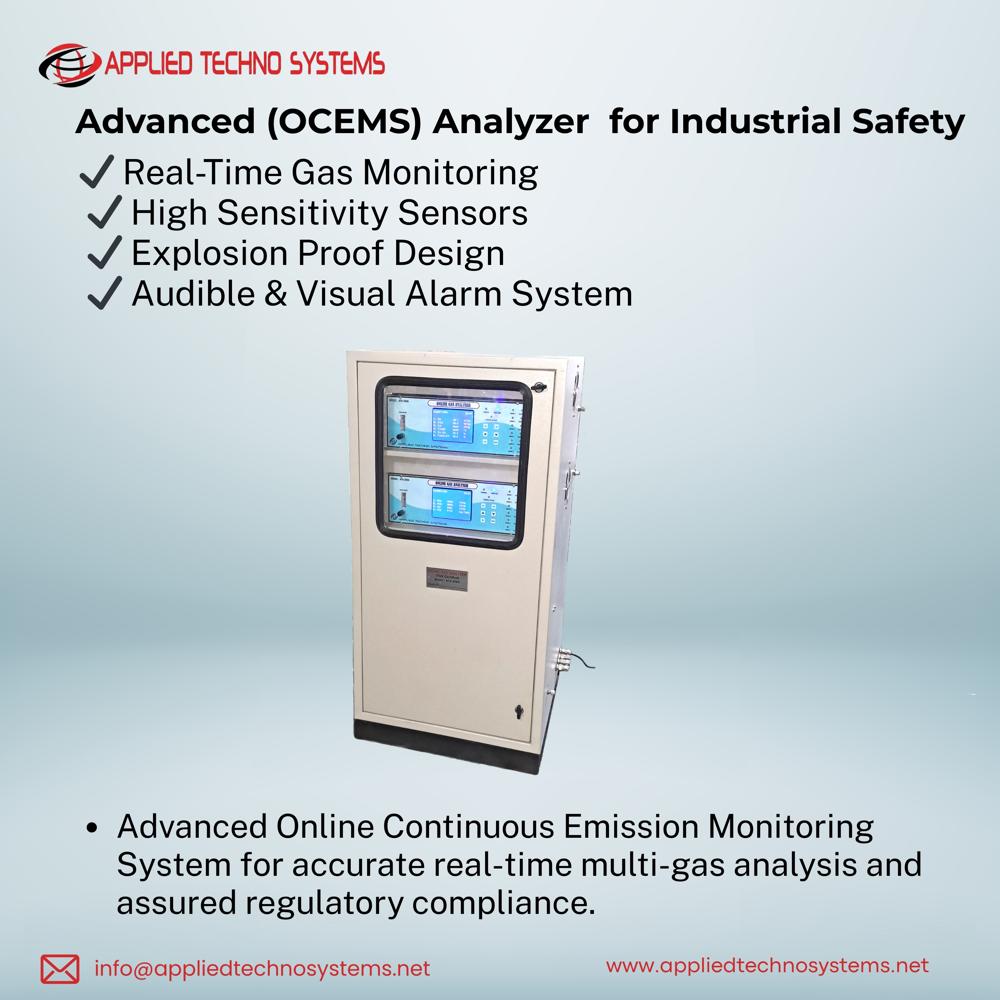
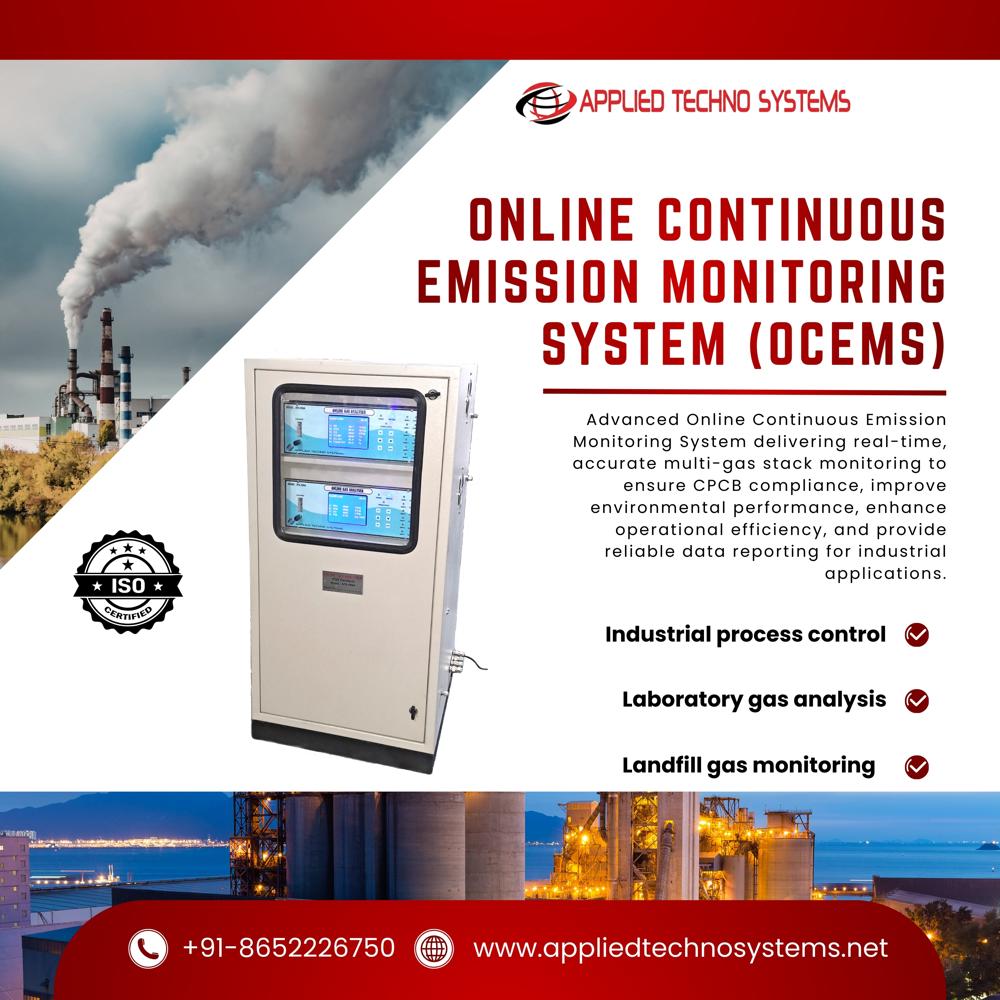
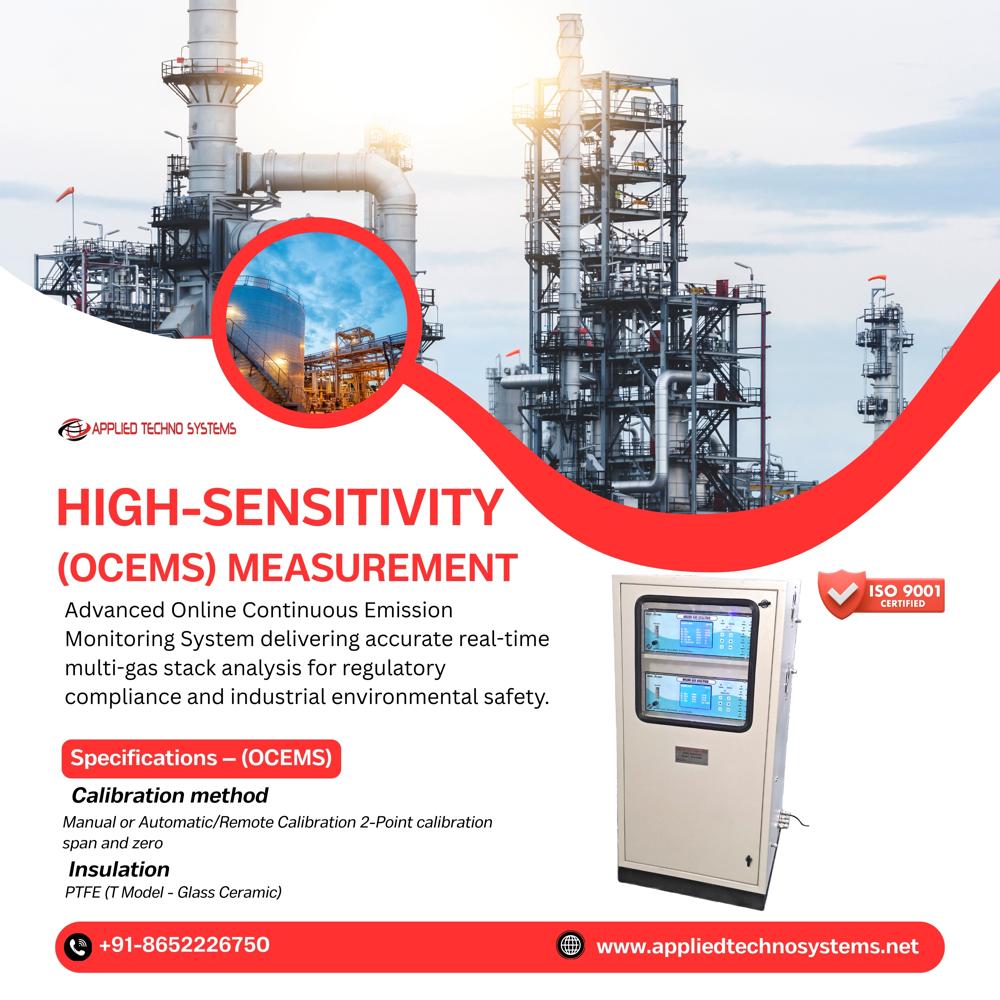
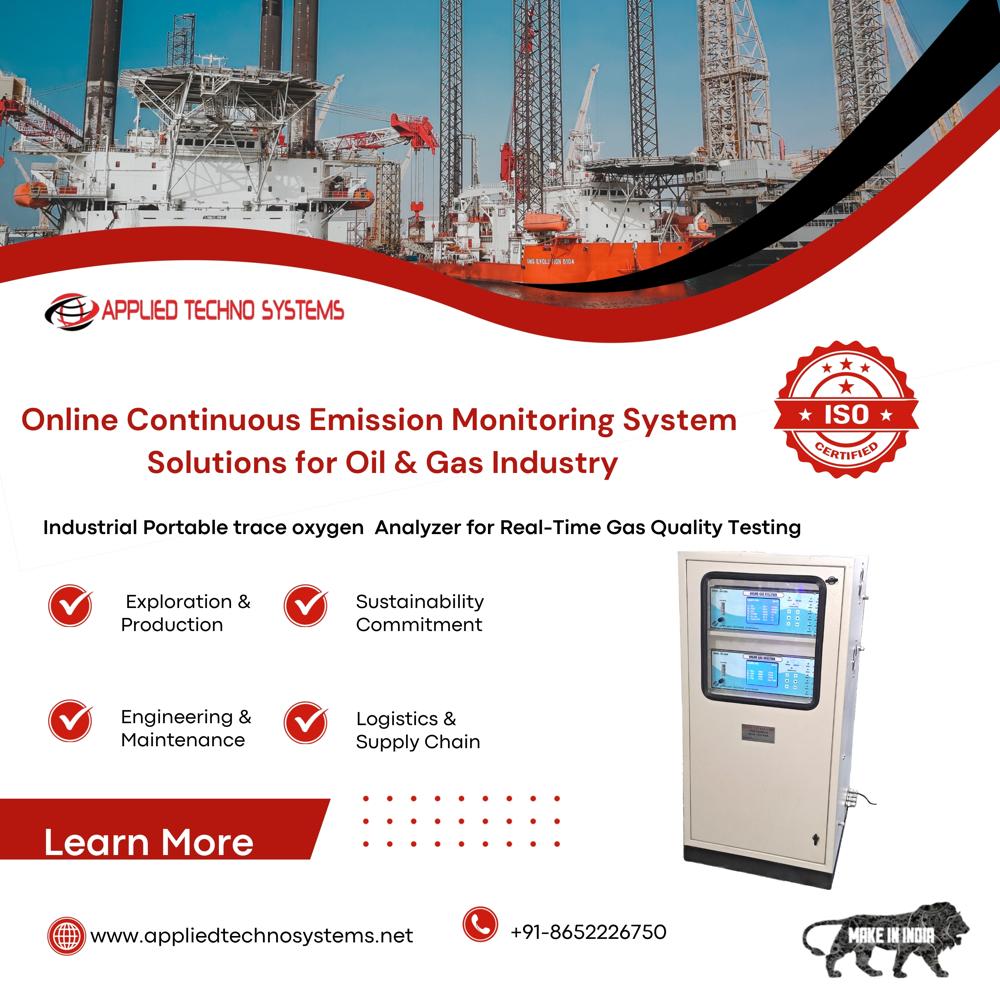

Price:
- 50
- 100
- 200
- 250
- 500
- 1000+

More Products in Gas Analysers Category
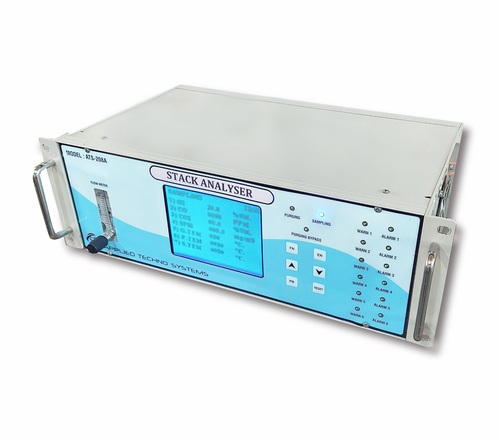
Emissions Gas Analyzer
Price 750000.0 INR / Number
Minimum Order Quantity : 1 Number
Material : Aluminium
Classification : Ip 65
Display Type : Graphic
Product Type : Gas Analyzer
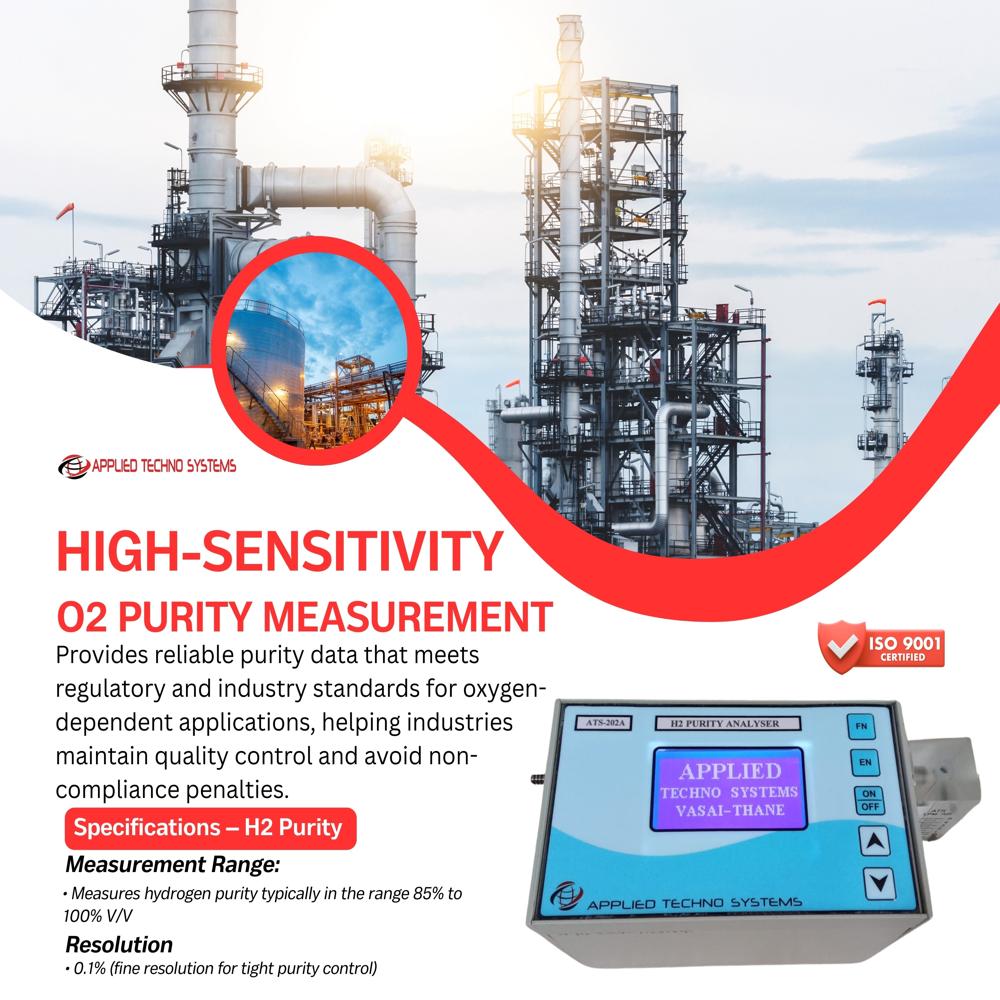
Handheld Oxyzen purity analyser
Price 235000.0 INR / Number
Minimum Order Quantity : 1 Number
Material : ABS Plastic
Classification : IP 65
Display Type : Digital
Product Type : Gas analysis
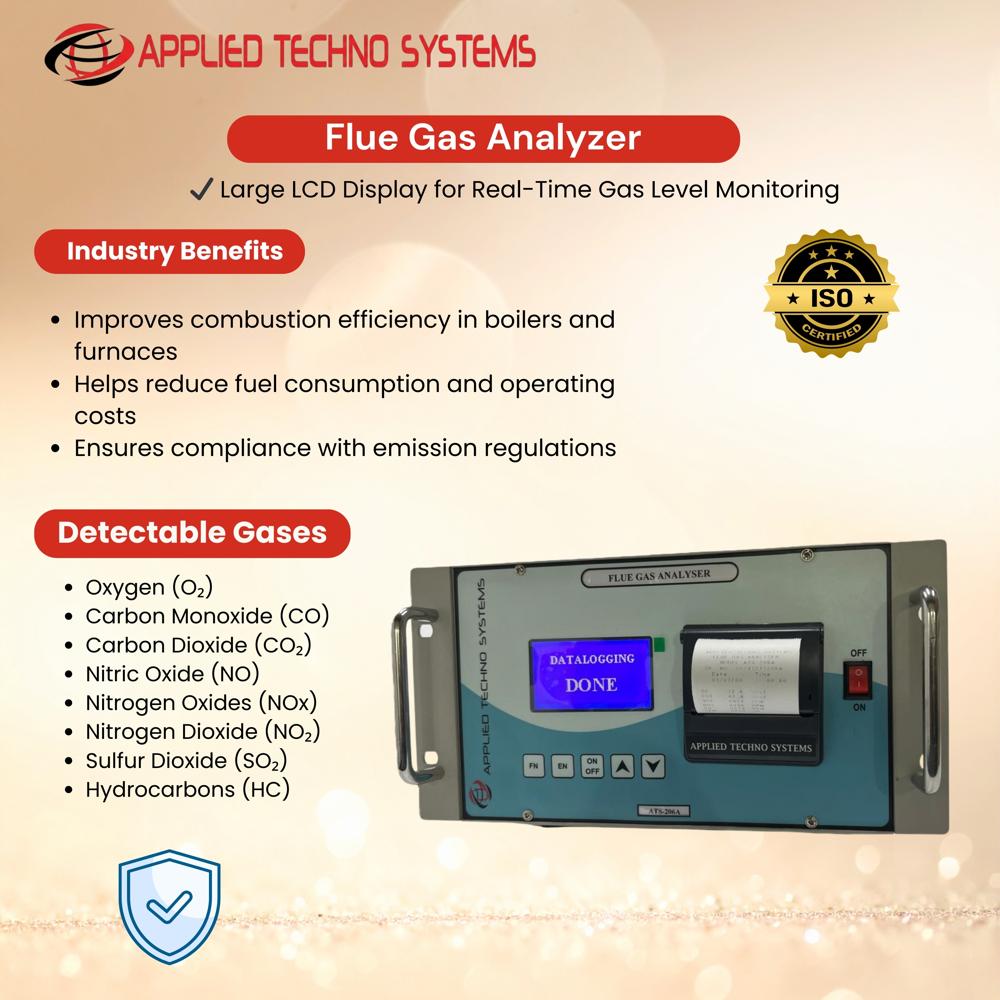
Portable Gas analyzer
Price 250000.0 INR / Piece
Minimum Order Quantity : 1 Number
Material : ABS Plastic
Classification : IP 65
Display Type : Digital
Product Type : Gas analyzer
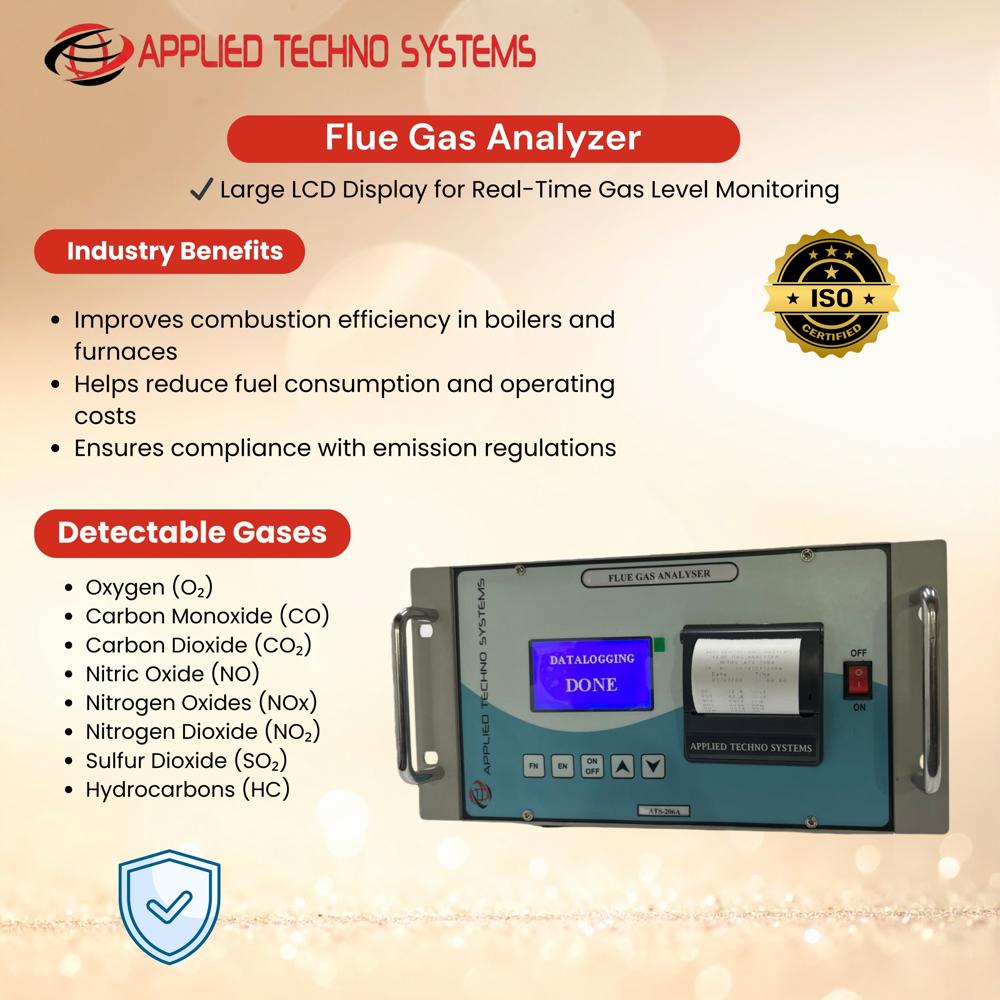
Flue Efficiency Gas Analyzer
Price 620000.0 INR / Kilovolt
Minimum Order Quantity : 1 Piece
Material : ABS Plastic
Classification : IP 65
Display Type : Digital
Product Type : Gas analysis


- 104, Delta Industrial Estate, Building No 1, Gokhivare, Sativali Road, Vasai East, Dist-Palghar,Vasai - 401208, Maharashtra, India
- Phone : 08045814504
GST : 27AAVCA1127G1ZN

- Mr M L YADAV (Marketing Manager)
- Mobile : 08045814504
- Send Inquiry
 Send Inquiry
|


- Dew Point Meters
- Gas Analysers
- Portable Gas Detector
- Moisture And Dew Point Analyzer
- Dust/Opacity Monitor
- Gas Monitoring Systems
- Gas Leak Detectors
- Gas Transmitters
- VOC Leak Detector
- Air Quality Monitoring System
- Online Continuous Emission Monitoring System-OCEMS
- Dew Point Monitors
- Gas Detector
- Opacity Monitor
- Portable Flue Gas Analyzer
- Online SOX & NOX Gas Analyzer
- Methane Gas Leak Detector
- Hydrogen Purity Analyzer
- Gas Purity Analyzer
- Effluent Monitoring Systems
- Producer Gas Analyzer
- Gas Detector Calibration Service
- Portable Gas Monitors
- Gas Sensor Transmitter

Developed and Managed by Infocom Network Private Limited.


 English
 Spanish
 French
 German
 Italian
 Chinese (Simplified)
 Japanese
 Korean
 Arabic
 Portuguese