 Chat with us

- Dew Point Meters
- Gas Analysers
- Portable Gas Detector
- Moisture And Dew Point Analyzer
- Dust/Opacity Monitor
- Gas Monitoring Systems
- Gas Leak Detectors
- Gas Transmitters
- VOC Leak Detector
- Air Quality Monitoring System
- Online Continuous Emission Monitoring System-OCEMS
- Dew Point Monitors
- Gas Detector
- Opacity Monitor
- Portable Flue Gas Analyzer
- Online SOX & NOX Gas Analyzer
- Methane Gas Leak Detector
- Hydrogen Purity Analyzer
- Gas Purity Analyzer
- Effluent Monitoring Systems
- Producer Gas Analyzer
- Gas Detector Calibration Service
- Portable Gas Monitors
- Gas Sensor Transmitter

 Send Inquiry
Continuous Gas Leak Monitoring System
Price 69500.0 INR/ Piece
Continuous Gas Leak Monitoring System Specification
- License Free
- Yes
- Connectivity Type
- Wired - Sensor, RS-485, Relay
- Mounting Type
- Wall-mounted with bracket
- Interface
- Front panel buttons (FN, EN, RESET, navigation arrows), RS-485 terminal
- Standard
- Complies with industrial safety and gas detection standards
- Operating Mode
- Continuous monitoring, alarm and trouble mode
- Size
- Approx. 250 mm x 180 mm x 90 mm (unit only)
- Technology
- Electrochemical / Semiconductor / Catalytic sensor technology
- Special Features
- Continuous monitoring, real-time digital display, multi-gas detection, self-diagnostics, visual and audible alarm indications, trouble indicators, programmable set points, reset and function buttons
- Remote Control
- Optional via RS-485 interface or relay outputs
- Application
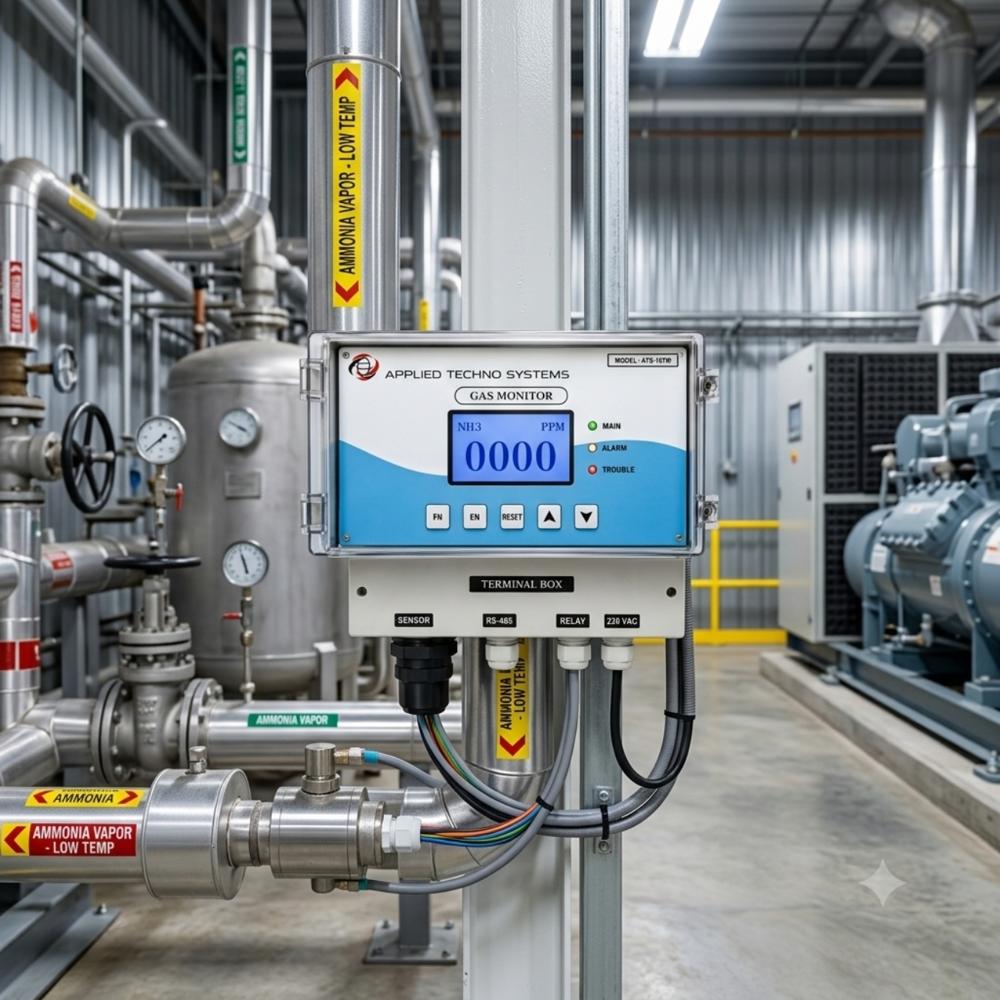
- Industrial plants, laboratories, manufacturing facilities, warehouses, storage areas, confined spaces, ammonia refrigeration systems
- Screen Resolution
- Backlit digital LCD display with clear numeric output
- Power Supply
- 230 VAC
- Output Formats
- Relay output, RS-485 digital communication
- Sensor Input
- Dedicated sensor port for specific gas type (e.g., NH3 Ammonia)
- Display Range
- 0-9999 PPM (Parts Per Million)
- Humidity Range
- Up to 95% RH non-condensing
- Operating Temperature
- -10C to +55C
- Communication Protocol
- Modbus RTU via RS-485
- Calibration
- Manual or auto-calibration possible
- Alarm Indication
- Tri-color LED (green: main, yellow: alarm, red: trouble)
- Enclosure
- Transparent polycarbonate, dust and waterproof (IP65 rating)
- Response Time
- <30 seconds (typical, depends on gas)
About Continuous Gas Leak Monitoring System
The Fixed / Continuous Gas Monitoring System is an industrial gas detection and monitoring solution designed for the continuous measurement of hazardous, toxic, combustible, and flammable gases in industrial and commercial environments. The system can be configured with multiple gas sensor transmitters and control units to continuously monitor gases such as Oxygen (O), Hydrogen Sulfide (HS), Carbon Monoxide (CO), Sulfur Dioxide (SO), Hydrogen (H), Methane (CH), combustible gases, VOCs, and other toxic or flammable gases, depending on the application and sensor requirement. It provides real-time gas concentration monitoring with visual, audible, and relay alarm outputs, helping users identify gas leaks and hazardous conditions at an early stage. The system is suitable for continuous gas monitoring, leak detection, process safety, plant safety, confined-area monitoring, and emergency alarm applications and can be configured for single-point or multi-point monitoring. Suitable for applications in Oil Refineries, Petrochemical, Chemical, Oil & Gas, Natural Gas, LNG/LPG, Fertilizer, Coal Mining, Power Plants, Iron & Steel, Foundries, Pharmaceutical, Battery Manufacturing, and other industrial environments, the fixed gas monitoring system provides reliable long-term monitoring and supports safer industrial operations.Advanced Gas Detection Technology
Utilizing electrochemical, semiconductor, or catalytic sensor technologies, this system ensures precise gas monitoring for various hazardous gases. Optional auto-calibration and programmable alarm set points enhance its adaptability for diverse industrial applications. The dedicated sensor port streamlines maintenance and sensor replacement for specific gas detection needs.
Reliable Alarm Indication and Safety
The tri-color LED provides immediate visual feedback: green for normal operation, yellow for alarm, and red for trouble. Audible alarms supplement the visual alerts, ensuring prompt response to gas leaks or faults. Self-diagnostics identify any operational issues, contributing to enhanced safety in high-risk environments.
User-Friendly Interface and Connectivity
A backlit digital LCD display allows clear, real-time reading of gas concentrations. The system integrates seamlessly into existing infrastructure with RS-485 Modbus RTU communication, relay outputs, and accessible front-panel controls. Optional remote control capability further simplifies monitoring and management from a distance.
FAQ's of Continuous Gas Leak Monitoring System:
Q: How does the Continuous Gas Leak Monitoring System operate in industrial environments?
A: The system continuously samples air through a dedicated sensor port for a specific gas type, instantly displaying concentrations on a backlit LCD. Tri-color LEDs and audible alarms alert personnel to normal, alarm, or trouble conditions, ensuring rapid response in plants, warehouses, and laboratories.Q: What gases can be detected by this monitoring system, and how are the sensors configured?
A: This system is compatible with sensors for multiple gas types, such as NH3 (ammonia). Sensors are connected via a dedicated port and can utilize different detection technologies, including electrochemical, semiconductor, or catalytic, based on application needs.Q: When should calibration be performed, and what options does the system offer?
A: Calibration should be conducted during installation, routine maintenance, or whenever sensor drift is suspected. The system supports both manual and auto-calibration, optimizing measurement accuracy and reducing downtime.Q: Where should the system be installed for optimal performance?
A: It should be wall-mounted in areas prone to gas leaks, such as industrial plants, laboratories, confined spaces, refrigeration areas, or storage rooms. Its IP65-rated enclosure is dust and waterproof, ideal for challenging and varied environmental conditions.Q: What is the process for connecting and integrating the system with existing infrastructure?
A: Simply mount the system using the provided bracket, connect the sensor, and use RS-485 terminals for digital communication or relay outputs for alarm integration. The Modbus RTU protocol ensures smooth compatibility with building management systems.Q: How can users benefit from the system's real-time display and remote control capabilities?
A: The backlit LCD immediately shows gas levels for quick assessment, while remote control via RS-485 or relay outputs allows operators to monitor and respond to gas leaks from a central location, enhancing safety and workflow.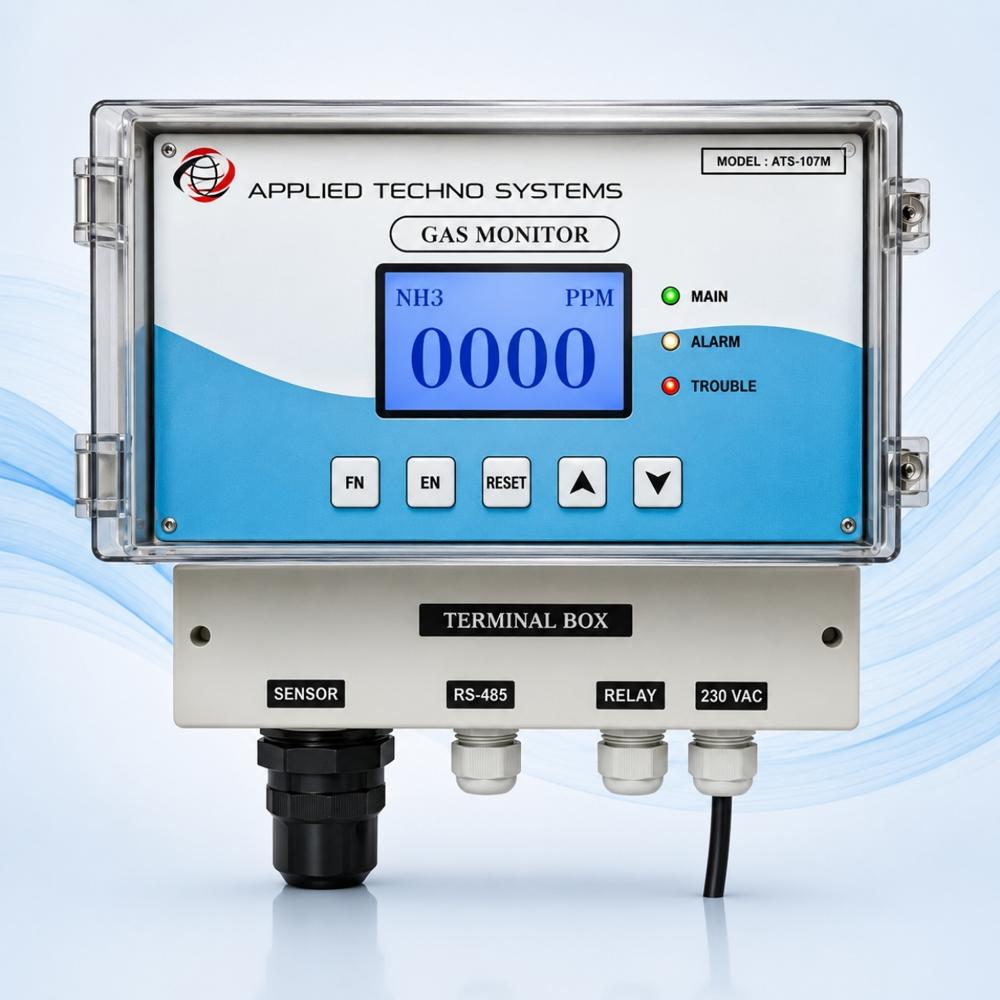

Price:
- 50
- 100
- 200
- 250
- 500
- 1000+

More Products in Gas Monitoring Systems Category
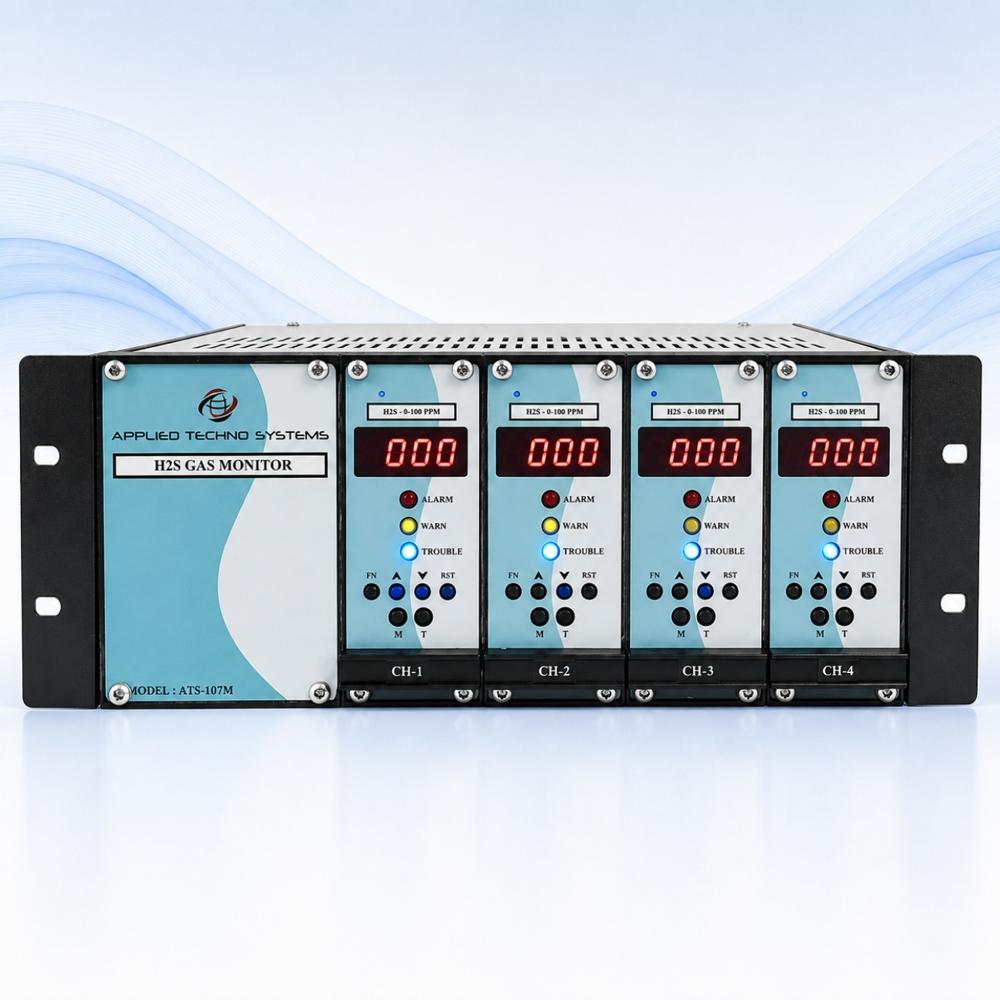
Centralized Gas Monitoring System
Price 140500.0 INR / Piece
Minimum Order Quantity : 1 Piece
Power Supply : 230V AC / 24V DC (as per model specification)
Special Features : Multichannel Monitoring, Digital Display, Visual and Audible Alarms
Application : Industrial Gas Detection, Central Gas Monitoring for Safety and Compliance
Operating Mode : Continuous Monitoring
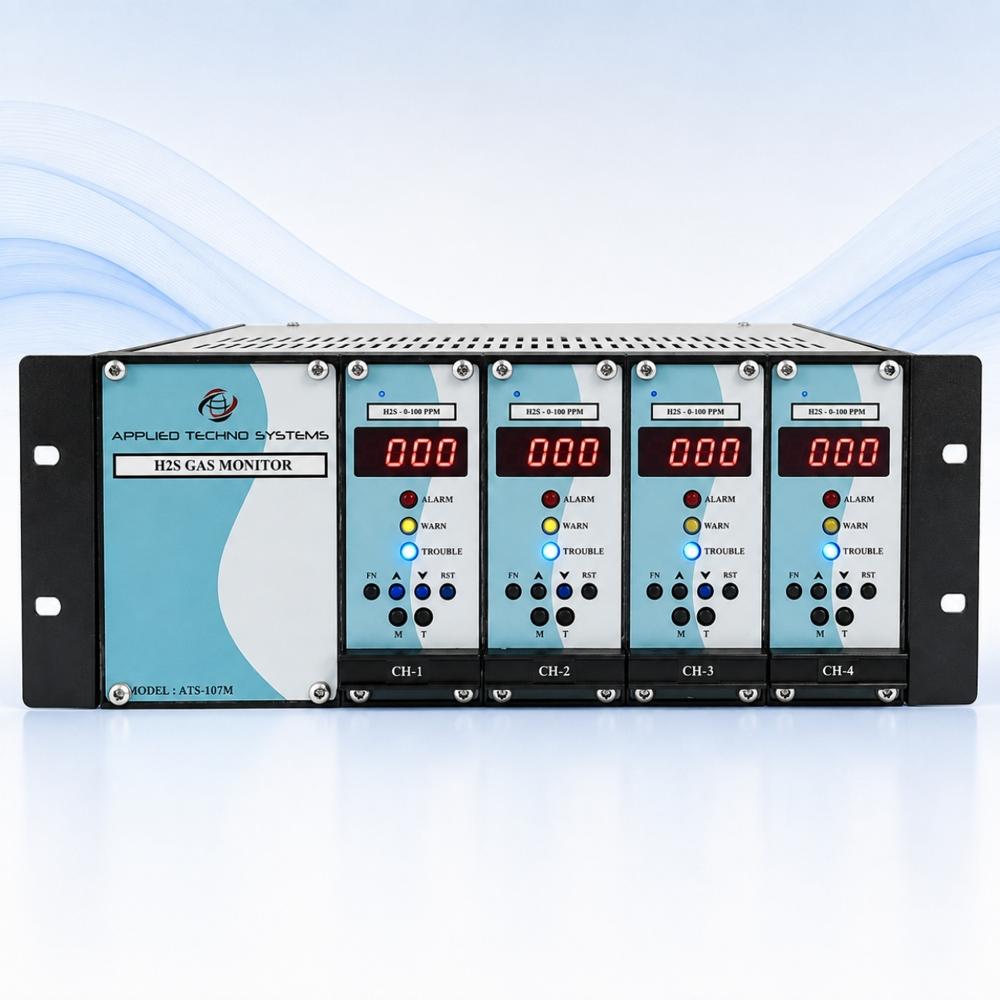
Online Gas Detection System
Price 170500.0 INR / Piece
Minimum Order Quantity : 1 Piece
Power Supply : 230V AC, 50Hz (Standard); option for 24V DC
Special Features : Four channel monitoring, digital display, alarm, warn, and trouble indications, programmable settings
Application : Continuous gas detection in industrial environments, typically for H2S and other toxic gases
Operating Mode : Continuous Monitoring
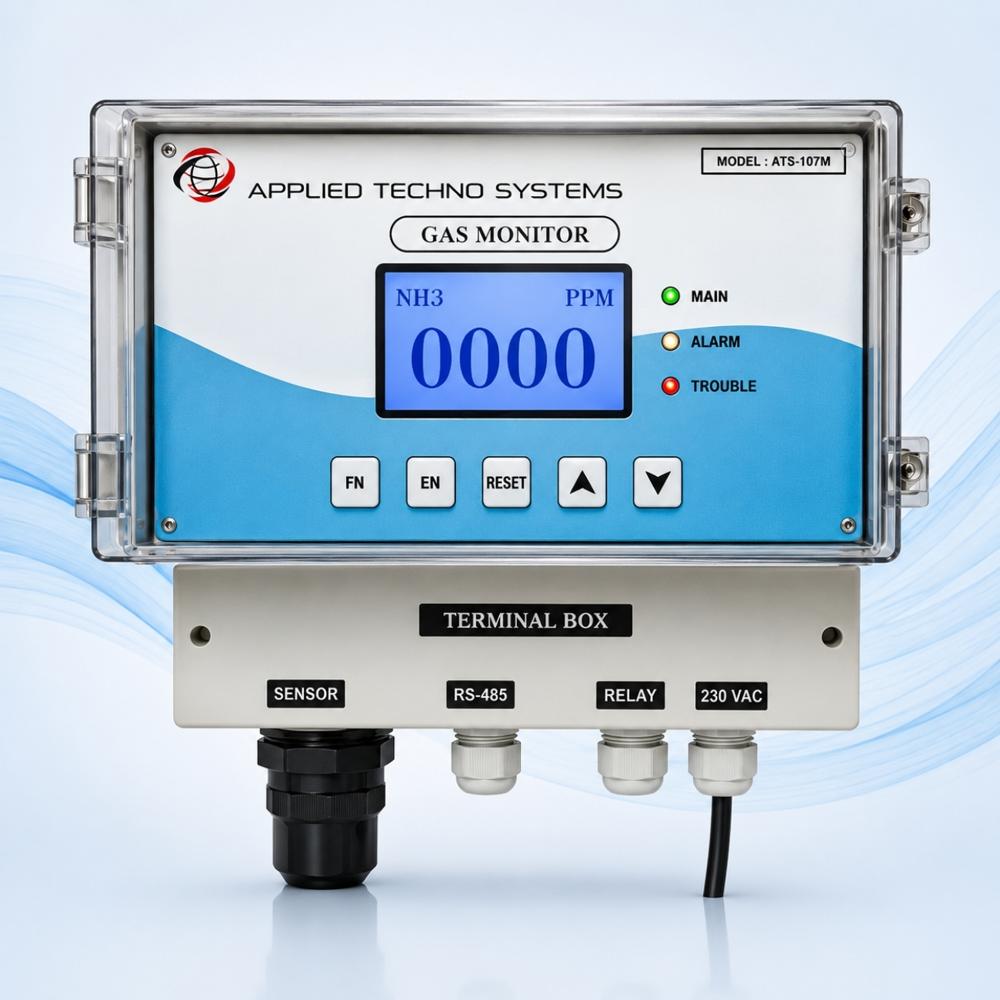
Online Gas Detection System
Price 60500.0 INR / Piece
Minimum Order Quantity : 1 Piece
Power Supply : 230 VAC
Special Features : Realtime monitoring, Multigas detection, Audible and visual alarms, LCD digital display
Application : Industrial safety, Gas leak detection, Environmental monitoring
Operating Mode : Continuous Monitoring
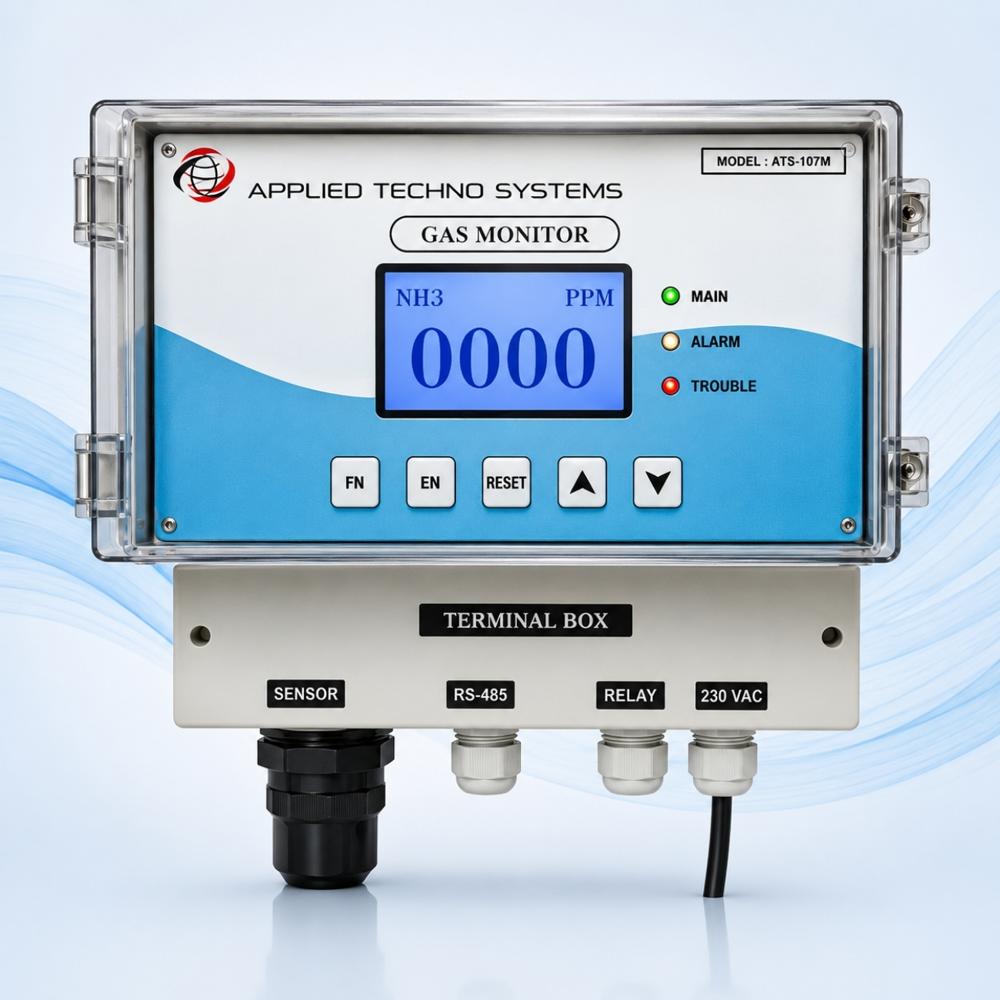
Fixed Gas Detection Equipment
Price 62500.0 INR / Unit
Minimum Order Quantity : 1 Unit
Power Supply : 230 VAC
Special Features : LCD display, alarm indicators, trouble indication, parameter setting buttons
Application : Industrial Gas Monitoring, Safety in hazardous environments
Operating Mode : Continuous Monitoring


- 104, Delta Industrial Estate, Building No 1, Gokhivare, Sativali Road, Vasai East, Dist-Palghar,Vasai - 401208, Maharashtra, India
- Phone : 08045814504
GST : 27AAVCA1127G1ZN

- Mr M L YADAV (Marketing Manager)
- Mobile : 08045814504
- Send Inquiry
 Send Inquiry

|


- Dew Point Meters
- Gas Analysers
- Portable Gas Detector
- Moisture And Dew Point Analyzer
- Dust/Opacity Monitor
- Gas Monitoring Systems
- Gas Leak Detectors
- Gas Transmitters
- VOC Leak Detector
- Air Quality Monitoring System
- Online Continuous Emission Monitoring System-OCEMS
- Dew Point Monitors
- Gas Detector
- Opacity Monitor
- Portable Flue Gas Analyzer
- Online SOX & NOX Gas Analyzer
- Methane Gas Leak Detector
- Hydrogen Purity Analyzer
- Gas Purity Analyzer
- Effluent Monitoring Systems
- Producer Gas Analyzer
- Gas Detector Calibration Service
- Portable Gas Monitors
- Gas Sensor Transmitter

Developed and Managed by Infocom Network Private Limited.


 English
 Spanish
 French
 German
 Italian
 Chinese (Simplified)
 Japanese
 Korean
 Arabic
 Portuguese
