 Chat with us

- Dew Point Meters
- Gas Analysers
- Portable Gas Detector
- Moisture And Dew Point Analyzer
- Dust/Opacity Monitor
- Gas Monitoring Systems
- Gas Leak Detectors
- Gas Transmitters
- VOC Leak Detector
- Air Quality Monitoring System
- Online Continuous Emission Monitoring System-OCEMS
- Dew Point Monitors
- Gas Detector
- Opacity Monitor
- Portable Flue Gas Analyzer
- Online SOX & NOX Gas Analyzer
- Methane Gas Leak Detector
- Hydrogen Purity Analyzer
- Gas Purity Analyzer
- Effluent Monitoring Systems
- Producer Gas Analyzer
- Gas Detector Calibration Service
- Portable Gas Monitors
- Gas Sensor Transmitter

 Send Inquiry
Fixed Gas Monitoring System
Price 68500.0 INR/ Piece
Fixed Gas Monitoring System Specification
- Interface
- RS-485 MODBUS, Relay Output, Sensor Input, Keypad buttons
- Standard
- Industry/commercial safety compliance for fixed gas monitoring
- License Free
- Yes
- Operating Mode
- Continuous monitoring
- Connectivity Type
- Wired (RS-485, relay output)
- Size
- Standard enclosure, Approx. 250mm x 200mm x 100mm (estimate)
- Mounting Type
- Wall mount
- Technology
- Microcontroller based gas monitoring system
- Special Features
- Large digital LCD display, multi-color status indicators (Main, Alarm, Trouble), user settable alarm points, real-time gas detection, relay output
- Remote Control
- Optional remote programming via RS-485 interface
- Application
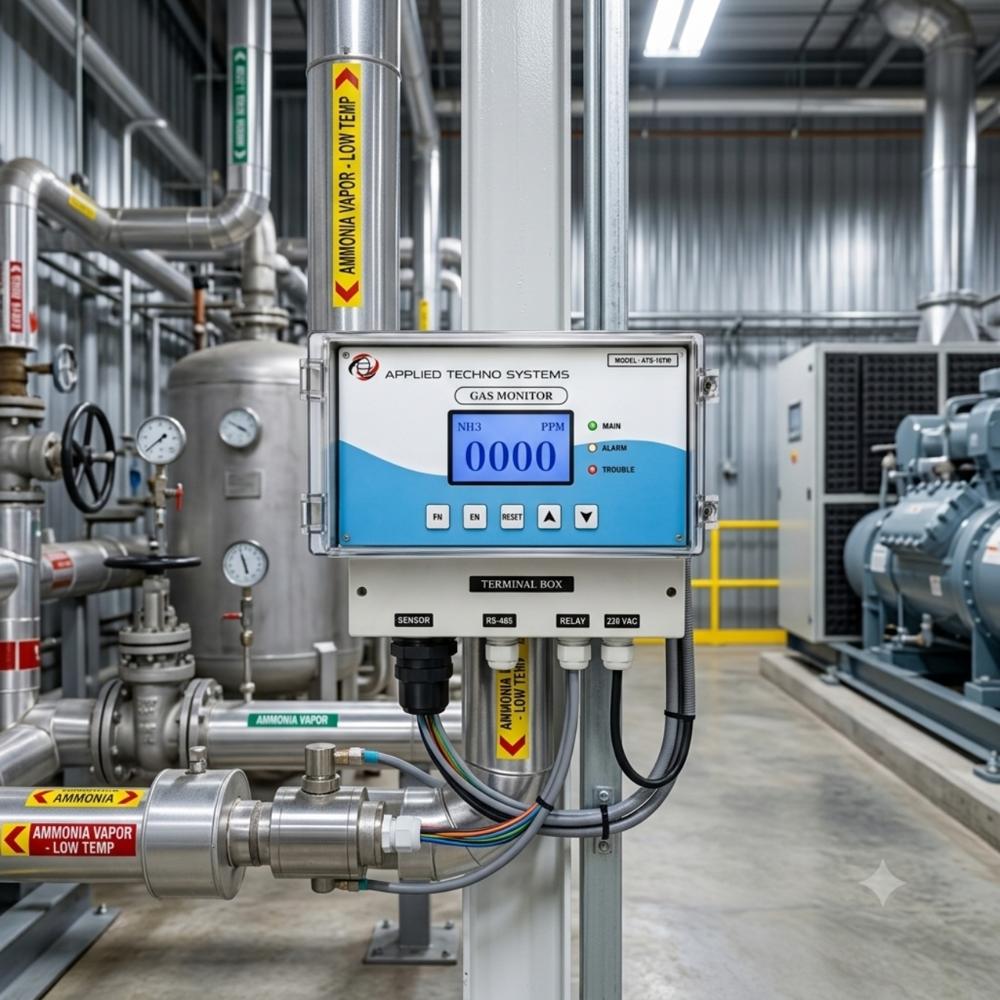
- Industrial gas monitoring, ammonia (NH3) detection, safety compliance in hazardous environments
- Screen Resolution
- Backlit LCD numeric display with indicator labels (NH3 PPM)
- Power Supply
- 230 VAC
- Output Formats
- Relay contacts, RS-485 digital interface
- Data Communication
- RS-485 MODBUS protocol
- Model
- ATS-107M
- Operating Voltage
- 230 VAC, 50 Hz
- Display Type
- Large blue backlit LCD
- Calibration
- User calibratable via front keypad
- Operating Temperature Range
- -10C to +55C
- Compliance
- Industrial safety and EMC regulations
- Enclosure Type
- Industrial rugged polycarbonate, transparent front cover
- Keypad
- FN, EN, RESET, UP, DOWN buttons for configuration
- Ingress Protection
- IP65 (weatherproof for industrial environments)
- Power Consumption
- <10W
- Sensor Connection
- Plug-in terminal (for Sensor)
- Number of Relay Outputs
- 1 (additional on request)
- Sensor Type
- Electrochemical / Semiconductor / Catalytic Bead / Infrared (configurable for NH3 and other gases)
- Relay Contacts
- Configurable, potential free NO/NC
- Alarm Indications
- Visual (LEDs for Main, Alarm, Trouble)
- Response Time
- <30 seconds
- Mounting Options
- Wall mounted, screw fastening
About Fixed Gas Monitoring System
The Fixed / Continuous Gas Monitoring System is an industrial gas detection and monitoring solution designed for the continuous measurement of hazardous, toxic, combustible, and flammable gases in industrial and commercial environments. The system can be configured with multiple gas sensor transmitters and control units to continuously monitor gases such as Oxygen (O), Hydrogen Sulfide (HS), Carbon Monoxide (CO), Sulfur Dioxide (SO), Hydrogen (H), Methane (CH), combustible gases, VOCs, and other toxic or flammable gases, depending on the application and sensor requirement. It provides real-time gas concentration monitoring with visual, audible, and relay alarm outputs, helping users identify gas leaks and hazardous conditions at an early stage. The system is suitable for continuous gas monitoring, leak detection, process safety, plant safety, confined-area monitoring, and emergency alarm applications and can be configured for single-point or multi-point monitoring. Suitable for applications in Oil Refineries, Petrochemical, Chemical, Oil & Gas, Natural Gas, LNG/LPG, Fertilizer, Coal Mining, Power Plants, Iron & Steel, Foundries, Pharmaceutical, Battery Manufacturing, and other industrial environments, the fixed gas monitoring system provides reliable long-term monitoring and supports safer industrial operations.Real-Time Gas Monitoring for Enhanced Safety
ATS-107M delivers continuous monitoring of ammonia and other hazardous gases, ensuring prompt alerts through clear visual and audible indications. Its advanced microcontroller-based system assures a fast response time and reliable detection needed for industrial sites.
Flexible Integration and User-Centric Operation
With configurable relay contacts, plug-in sensor terminals, and RS-485 MODBUS communication, the ATS-107M adapts effortlessly into various industrial setups. Front-panel keypads and user-friendly calibration make on-site adjustments quick and straightforward.
Durable, Weatherproof Design
Housed in an IP65-rated industrial polycarbonate enclosure, the ATS-107M withstands harsh environments. The transparent front cover permits easy status checks, while rugged construction ensures dependable performance in demanding locations.
FAQ's of Fixed Gas Monitoring System:
Q: How can the ATS-107M Fixed Gas Monitoring System be calibrated?
A: Calibration of the ATS-107M can be performed directly via the front keypad interface. Simply follow the user manual to enter calibration mode, then use the UP, DOWN, and RESET buttons to adjust the readings and set accurate gas detection points.Q: What types of gases can the ATS-107M detect, and which sensors are available?
A: The system supports electrochemical, semiconductor, catalytic bead, and infrared sensor types, making it suitable for detecting ammonia (NH3) and a variety of other hazardous gases as required by your application.Q: Where is it recommended to install the ATS-107M for optimal performance?
A: The ATS-107M is designed for wall mounting using screw fastenings. It should be installed in well-ventilated industrial spaces where hazardous gas leaks are most likely to occur, ensuring clear visibility of the display and status LEDs.Q: What are the main benefits of using the ATS-107M in industrial environments?
A: Key benefits include real-time gas detection, configurable alarms and relay outputs, user-friendly operation, quick response time, and compliance with industry safety standards, all contained within a rugged, weatherproof enclosure.Q: How does the alarm system of the ATS-107M indicate gas hazards?
A: The ATS-107M provides visual alerts through multi-color LEDs for Main, Alarm, and Trouble statuses. These indications ensure that safety personnel are promptly notified of any hazardous gas levels or system issues.Q: What communication interfaces are available for connecting the ATS-107M to remote systems?
A: This model offers an RS-485 MODBUS interface for integration with central monitoring systems or SCADA, along with relay contact outputs for alarm-driven device actuation.Q: Can the system be remotely configured, and what is required for this process?
A: Optional remote programming is available via the RS-485 interface, allowing configuration and monitoring from a control room or central management software that supports the MODBUS protocol.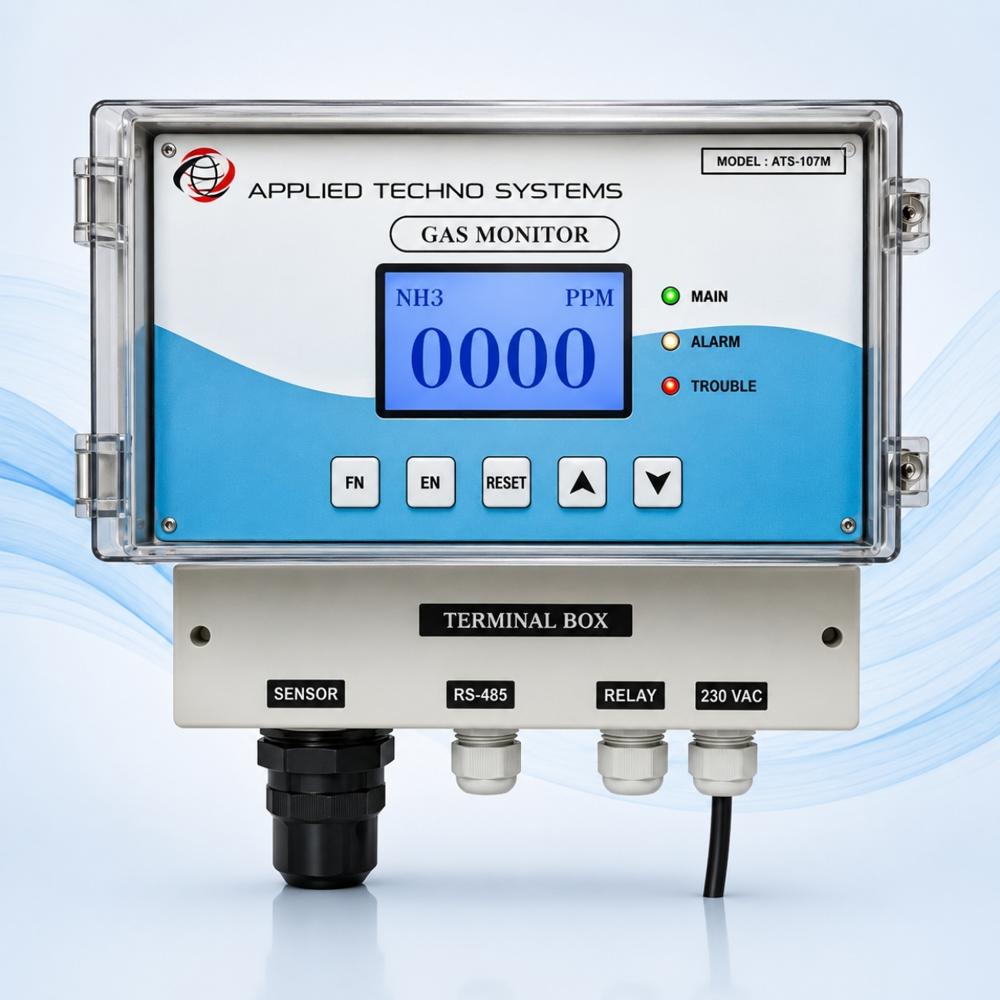

Price:
- 50
- 100
- 200
- 250
- 500
- 1000+

More Products in Gas Monitoring Systems Category
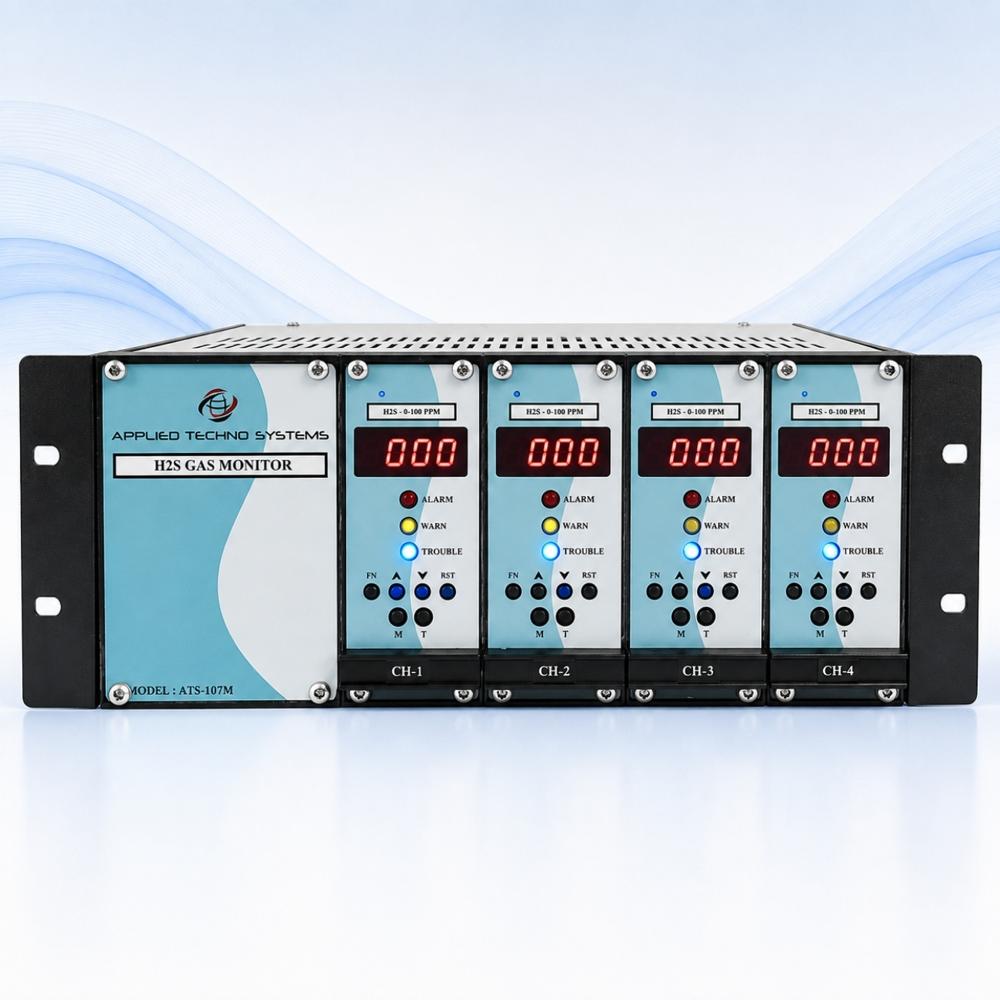
Multi Channel Gas Detection System
Price 180500.0 INR / Piece
Minimum Order Quantity : 1 Piece
Power Supply : 230V AC / 24V DC
Technology : Microprocessor Based Detection System
Connectivity Type : Wired (RS485, Relays, 420mA)
Size : Standard 19 inch Rack
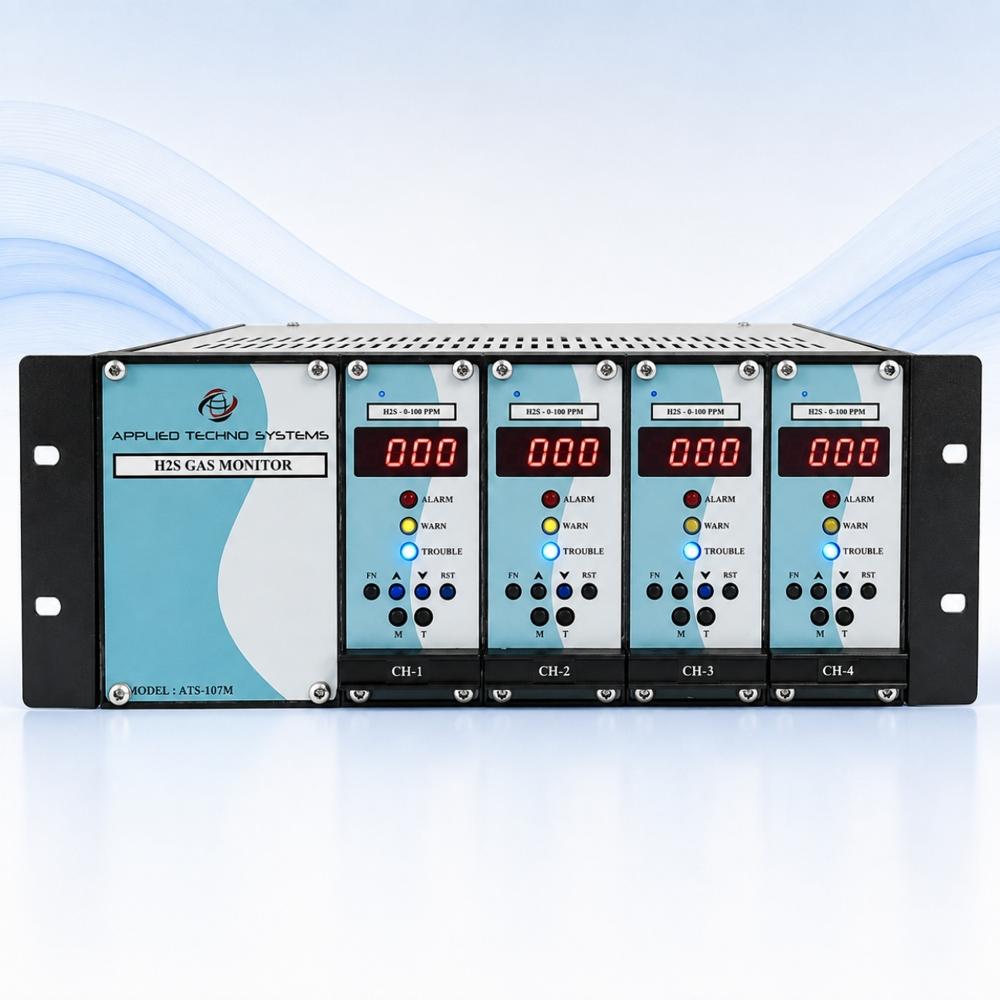
Online Gas Detection System
Price 170500.0 INR / Piece
Minimum Order Quantity : 1 Piece
Power Supply : 230V AC, 50Hz (Standard); option for 24V DC
Technology : Microprocessor based detection and control system
Connectivity Type : Wired connections for sensors and outputs
Size : Approx. 19inch (rack mount), standard modular height
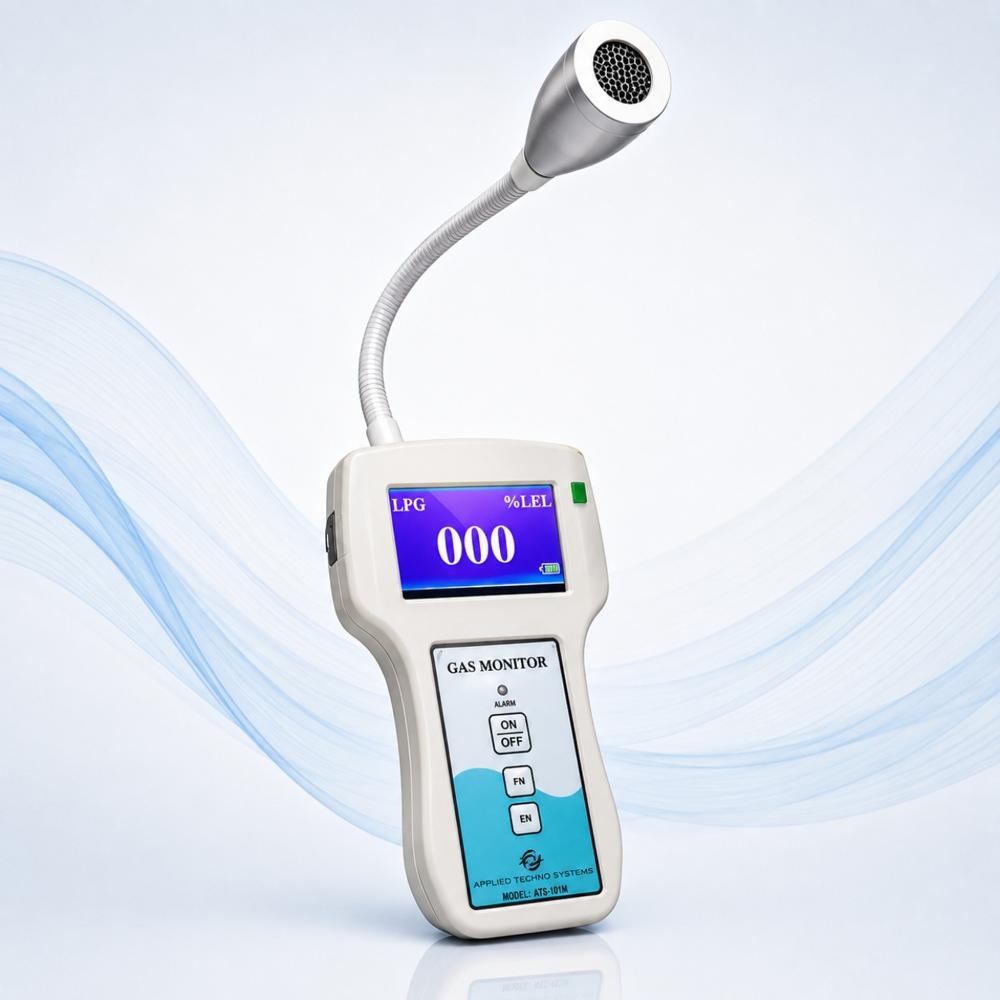
Portable Gas Detection Equipment
Price 29500.0 INR / Unit
Minimum Order Quantity : 1 Unit
Power Supply : Rechargeable battery or replaceable batteries (AA/AAA type)
Technology : Electrochemical Sensor Technology
Connectivity Type : Standalone (No external connectivity)
Size : Compact handheld device (approx. 200 mm length, 80 mm width)
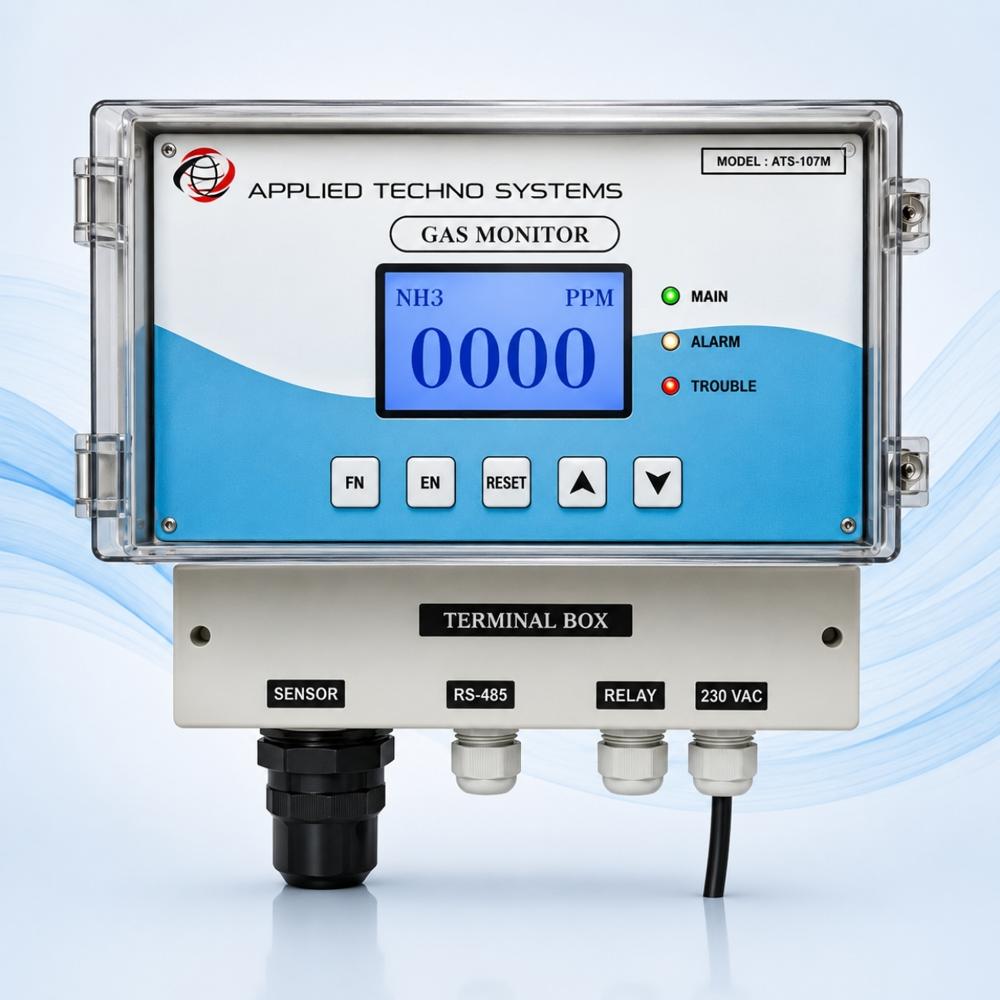
Industrial Gas Monitoring System
Price 64500.0 INR / Piece
Minimum Order Quantity : 1 Piece
Power Supply : 230 VAC
Technology : Electrochemical Sensing with Digital Display
Connectivity Type : RS485, Relay Contacts
Size : Compact Terminal Box and Main Module


- 104, Delta Industrial Estate, Building No 1, Gokhivare, Sativali Road, Vasai East, Dist-Palghar,Vasai - 401208, Maharashtra, India
- Phone : 08045814504
GST : 27AAVCA1127G1ZN

- Mr M L YADAV (Marketing Manager)
- Mobile : 08045814504
- Send Inquiry
 Send Inquiry

|


- Dew Point Meters
- Gas Analysers
- Portable Gas Detector
- Moisture And Dew Point Analyzer
- Dust/Opacity Monitor
- Gas Monitoring Systems
- Gas Leak Detectors
- Gas Transmitters
- VOC Leak Detector
- Air Quality Monitoring System
- Online Continuous Emission Monitoring System-OCEMS
- Dew Point Monitors
- Gas Detector
- Opacity Monitor
- Portable Flue Gas Analyzer
- Online SOX & NOX Gas Analyzer
- Methane Gas Leak Detector
- Hydrogen Purity Analyzer
- Gas Purity Analyzer
- Effluent Monitoring Systems
- Producer Gas Analyzer
- Gas Detector Calibration Service
- Portable Gas Monitors
- Gas Sensor Transmitter

Developed and Managed by Infocom Network Private Limited.


 English
 Spanish
 French
 German
 Italian
 Chinese (Simplified)
 Japanese
 Korean
 Arabic
 Portuguese
