 Chat with us

- Dew Point Meters
- Gas Analysers
- Portable Gas Detector
- Moisture And Dew Point Analyzer
- Dust/Opacity Monitor
- Gas Monitoring Systems
- Gas Leak Detectors
- Gas Transmitters
- VOC Leak Detector
- Air Quality Monitoring System
- Online Continuous Emission Monitoring System-OCEMS
- Dew Point Monitors
- Gas Detector
- Opacity Monitor
- Portable Flue Gas Analyzer
- Online SOX & NOX Gas Analyzer
- Methane Gas Leak Detector
- Hydrogen Purity Analyzer
- Gas Purity Analyzer
- Effluent Monitoring Systems
- Producer Gas Analyzer
- Gas Detector Calibration Service
- Portable Gas Monitors
- Gas Sensor Transmitter

 Send Inquiry
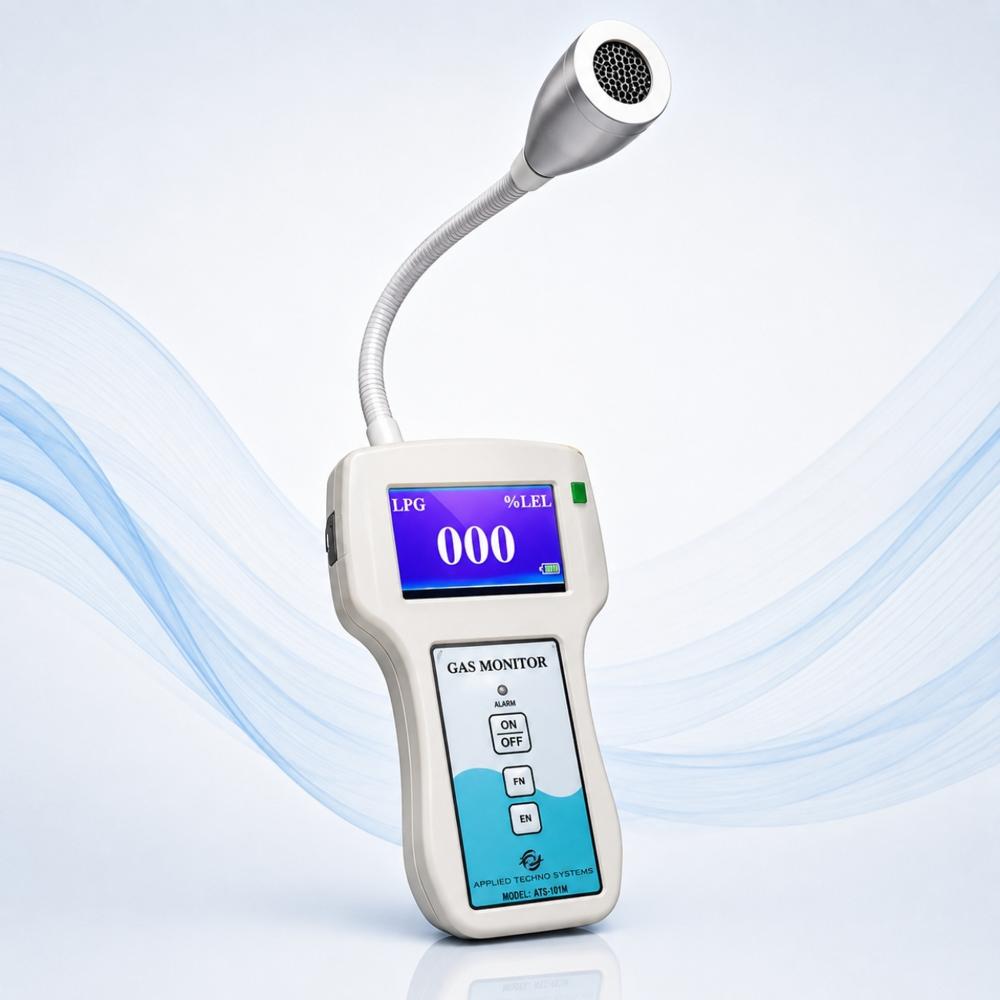
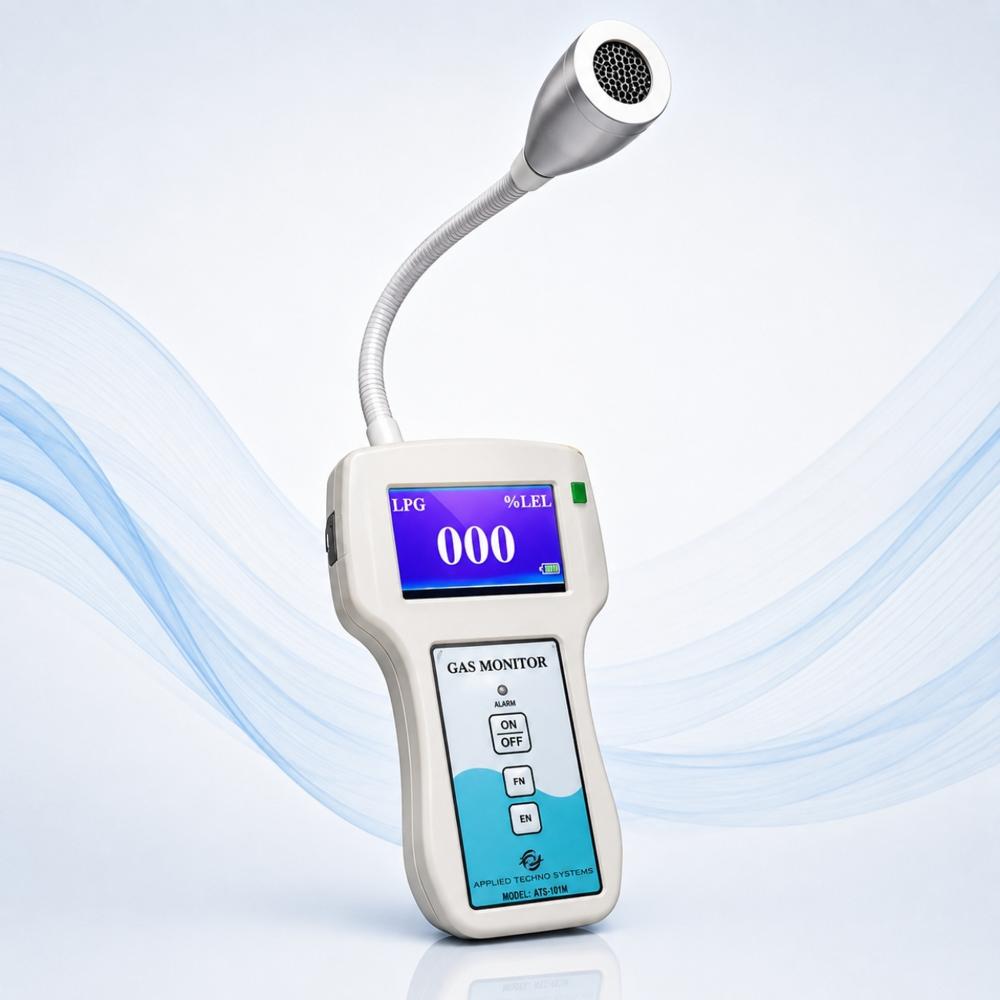
Gas Leak Monitoring Device
Price 28500.0 INR/ Unit
Gas Leak Monitoring Device Specification
- Accuracy
- 5% Full Scale
- Humidity
- 95% RH (non-condensing)
- Power Supply
- 9V battery or rechargeable battery
- Number of Specimens
- Single specimen monitoring
- Temperature
- -10C to 50C
- Response Time
- 2 seconds
- Sensor
- High Sensitivity Semiconductor Sensor
- Gas Pressure
- Atmospheric
- Test Material
- LPG, Methane, Combustible Gases
- Specimen Size
- Flexible Probe (approx. 30cm length)
- Test Range
- 0~100% LEL
- Display
- LCD Digital Display
- Operating Temperature
- -10C to 50C
- Type
- Digital Gas Leak Monitor
- Use
- Gas Leak Detection
- Test Medium
- Air, LPG, Combustible Gases
- Operating Voltage
- DC 9V (Battery operated)
- Shell Material
- ABS Plastic
- Net Weight
- Approx. 250 g
- Port Size
- Standard flex probe
- Operating Mode
- Portable / Handheld
- Alarm Signal
- Audible & Visual Alarm
- Dimensions
- 180 mm 80 mm 40 mm (without probe)
- Data Logging
- Not available in this model
- Warm-up Time
- < 60 seconds
- Operating Altitude
- Up to 2000m
- Ingress Protection
- IP30
- Probe Material
- Flexible Stainless Steel
- Battery Life
- Up to 8 hours continuous
- Indication
- %LEL on LCD
- Model
- ATS-101M
- Calibration
- Factory pre-calibrated and field recalibration possible
- Operating Principle
- Diffusion type measurement
About Gas Leak Monitoring Device
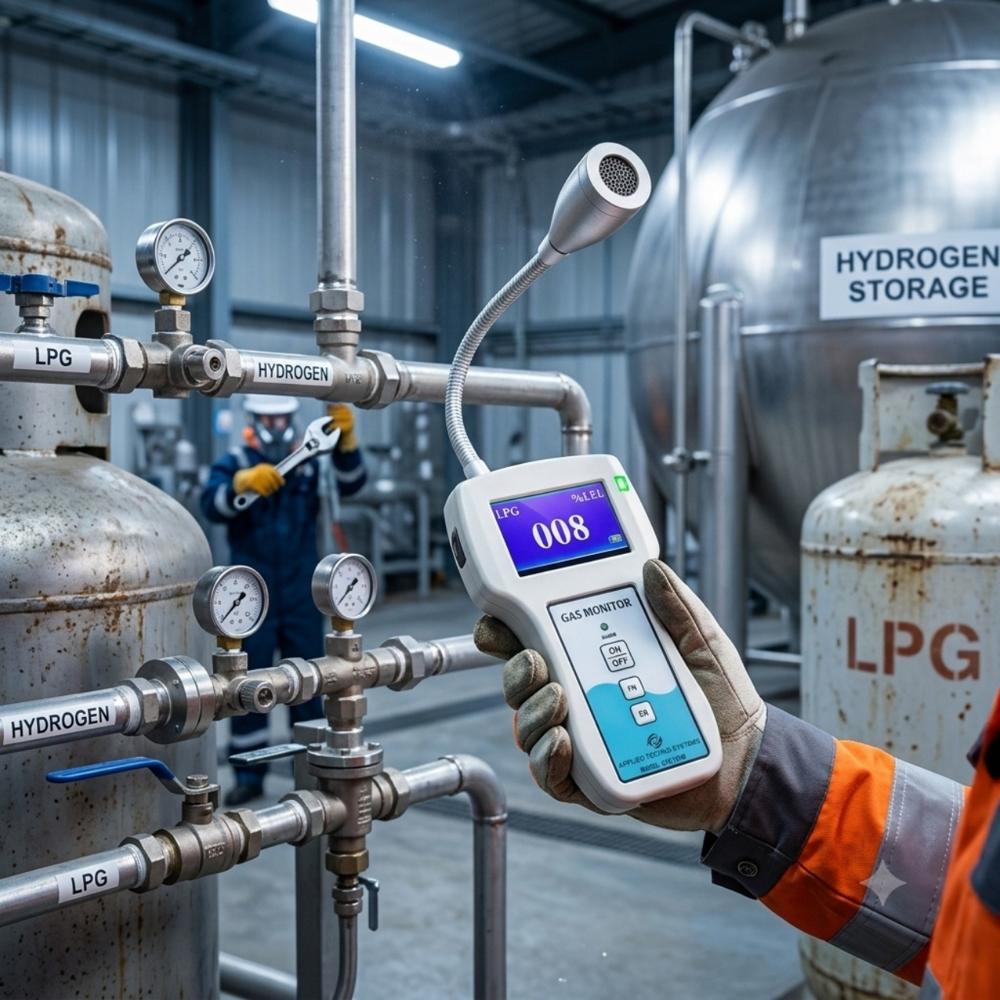
The Portable Gas Leak Detector is a compact and reliable gas detection instrument designed for the quick detection and monitoring of hazardous, toxic, combustible, and flammable gases in industrial and commercial environments. It is suitable for detecting gases such as Oxygen (O), Hydrogen Sulfide (HS), Carbon Monoxide (CO), Sulfur Dioxide (SO), Hydrogen (H), VOCs, and other gases, depending on the selected sensor configuration. The detector provides fast and accurate gas concentration measurement with clear display, audible/visual alarms, and a portable design for convenient field operation. It can be used for gas leak detection, personal safety, confined-space monitoring, process safety, plant inspection, maintenance, and emergency response. Suitable for applications across Oil Refineries, Petrochemical, Chemical, Oil & Gas, Natural Gas, LNG/LPG, Fertilizer, Coal Mining, Power Plants, Iron & Steel, Foundries, Pharmaceutical, Battery Manufacturing, and other industrial environments, the portable gas leak detector helps identify hazardous gas presence and supports safer workplace operations.Instant Gas Leak Detection
The ATS-101M provides fast and reliable monitoring for combustible gases such as LPG and methane. With a response time of just 2 seconds and a flexible 30cm probe, users can detect leaks even in hard-to-reach locations.
User-Friendly Portable Design
Compact and lightweight at approximately 250g, this handheld device is designed for effortless transport and operation. The robust ABS plastic housing and ergonomic design ensure comfortable, long-term use in a range of environments.
Clear Readings and Alarm Signals
Equipped with an LCD display showing %LEL and both audible and visual alarm signals, users receive immediate notifications for quick action, enhancing safety in potentially hazardous settings.
FAQ's of Gas Leak Monitoring Device:
Q: How can I use the ATS-101M Gas Leak Monitoring Device for detecting gas leaks?
A: To use the ATS-101M, power the device using a 9V battery, ensure the flexible probe is attached, and allow it to warm up for less than 60 seconds. Then, move the probe near suspected leak points, and observe the %LEL readings on the LCD display. Audible and visual alarms will notify you if combustible gas is detected.Q: What types of gases can the ATS-101M detect, and where can it be used?
A: The device can detect LPG, methane, and other combustible gases in the air. It's suitable for use in commercial, industrial, or service environments requiring atmospheric gas leak monitoring, both indoors and in areas with up to 95% relative humidity (non-condensing).Q: When should I recalibrate the device, and what is the calibration process?
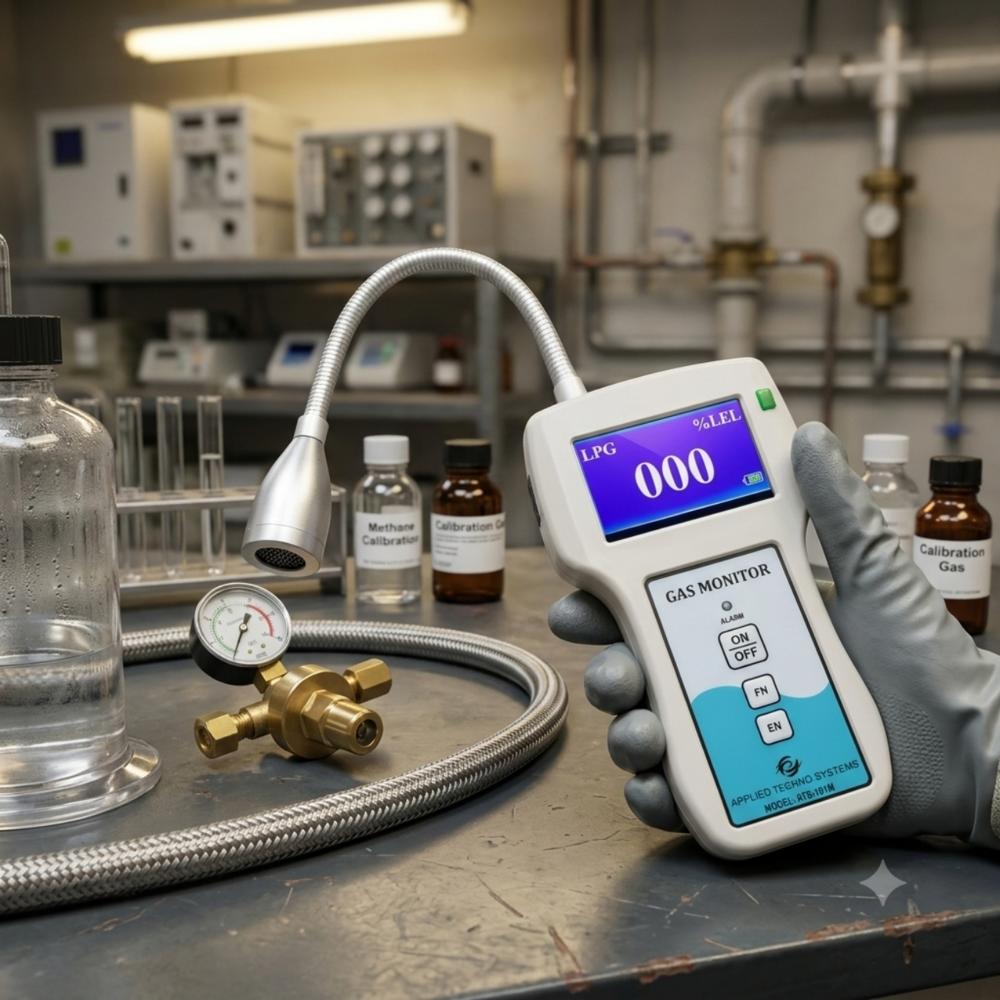
A: The ATS-101M is factory pre-calibrated, but it should be recalibrated periodically based on usage and operating conditions-typically once a year. Field recalibration can be done using standard calibration gases and by following the manufacturer's instructions for adjusting sensor readings.Q: Where should the gas leak monitor be stored when not in use?
A: When the device is not in use, store it in a clean, dry environment at room temperature, away from corrosive gases or direct sunlight. Avoid damp or high-humidity locations to preserve the integrity of sensors and electronics.Q: What are the benefits of the built-in audible and visual alarms in the ATS-101M?
A: The dual alarm system ensures you receive prompt warnings both visually and audibly, reducing the chances of missing critical leak detections and helping ensure a quick response to hazardous situations.Q: How long does the battery last during continuous operation, and what type of power supply does it use?
A: The device operates continuously for up to 8 hours on a single 9V battery. You can use a standard 9V or compatible rechargeable battery for power, ensuring flexibility during extended inspection routines.Q: What maintenance does the ATS-101M require to maintain its performance and accuracy?
A: Regularly check the device for dust and contamination, clean the probe as needed, and replace the battery as needed. Periodic calibration and sensor inspection will keep the readings accurate and reliable.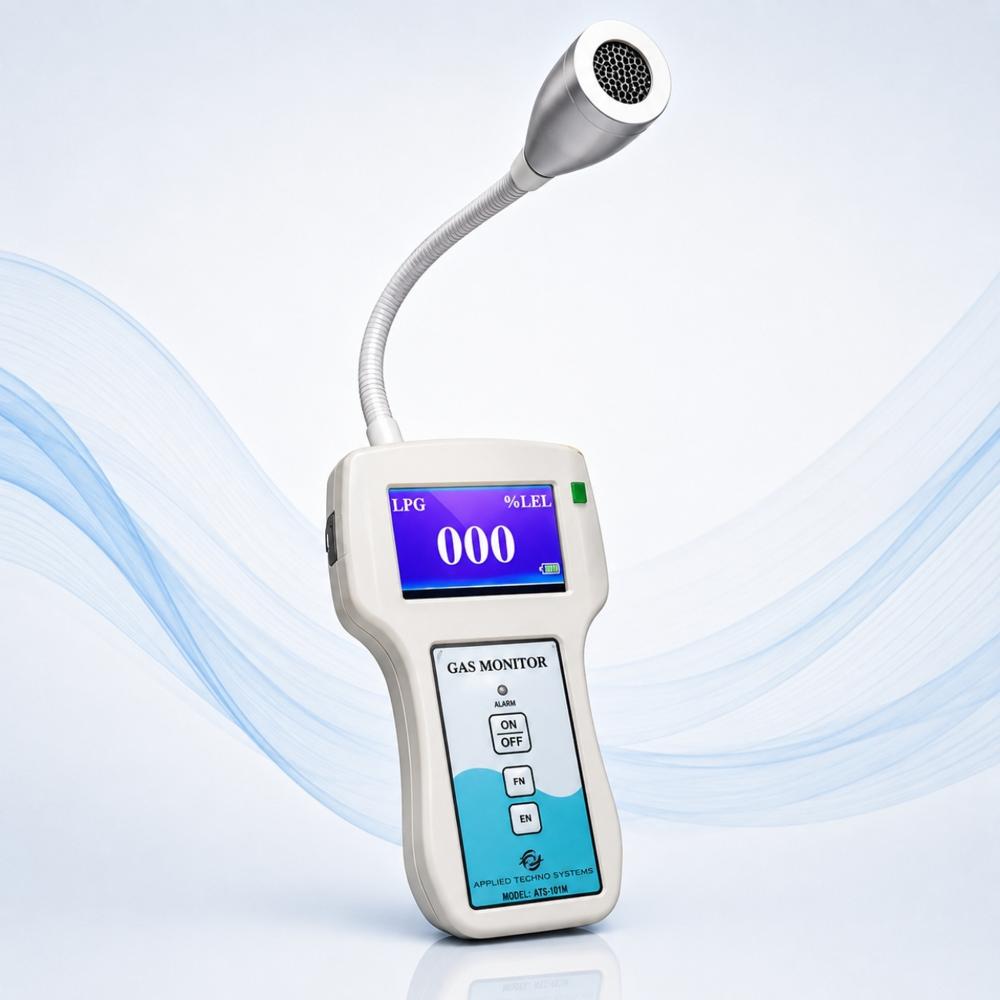

Price:
- 50
- 100
- 200
- 250
- 500
- 1000+

More Products in Gas Leak Detectors Category
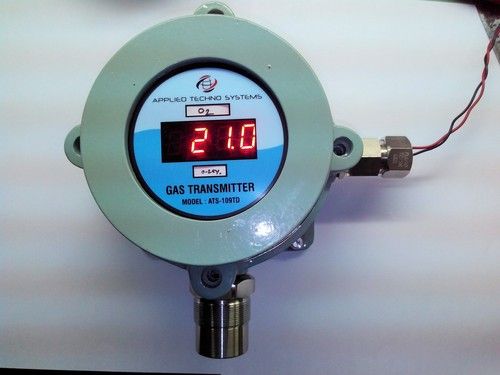
Hydrogen Sensor Transmitter
Price 18500.0 INR / Pack
Minimum Order Quantity : 1 Pack
Sensor : Ec
Temperature : 055 Celsius (oC)
Response Time : 10 Seconds
Power Supply : Built in Lithium Rechargeable battery
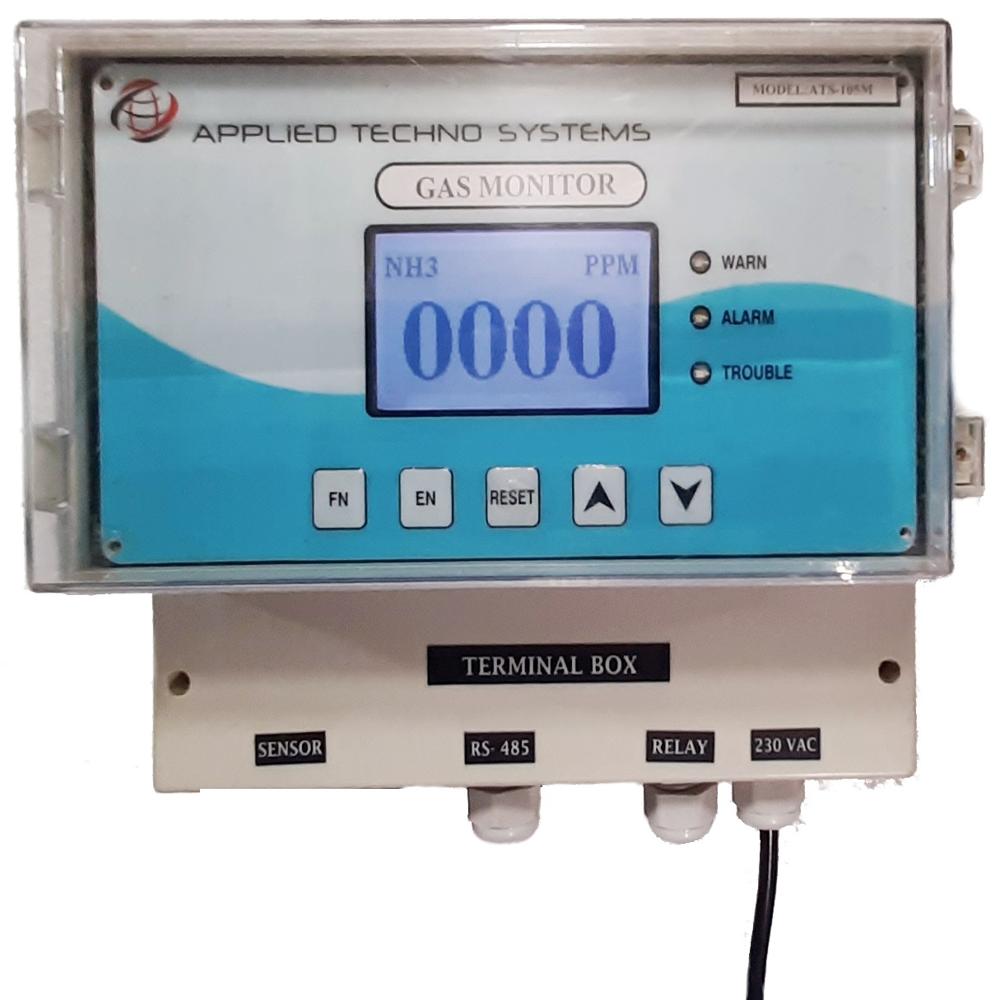
Fixed LPG Gas Leak Detector
Price 25500.0 INR / Pack
Minimum Order Quantity : 1 Pack
Sensor : Ec
Temperature : 15 Celsius (oC)
Response Time : 10 Seconds
Power Supply : Electric
Gas Leak Testing Instrument
Price 38500.0 INR / Piece
Minimum Order Quantity : 1 Piece
Sensor : High Sensitivity Semiconductor/MEMS Sensor
Temperature : 10C to 50C
Response Time : < 2 seconds
Power Supply : Battery powered (2 x AA)
Portable Gas Monitoring Instrument
Price 36500.0 INR / Piece
Minimum Order Quantity : 1 Piece
Sensor : Semiconductor or electrochemical gas sensor
Temperature : Ambient; sensor stable from 10C to +55C
Response Time : 10 seconds
Power Supply : Rechargeable lithiumion battery or USB charging


- 104, Delta Industrial Estate, Building No 1, Gokhivare, Sativali Road, Vasai East, Dist-Palghar,Vasai - 401208, Maharashtra, India
- Phone : 08045814504
GST : 27AAVCA1127G1ZN

- Mr M L YADAV (Marketing Manager)
- Mobile : 08045814504
- Send Inquiry
 Send Inquiry

|


- Dew Point Meters
- Gas Analysers
- Portable Gas Detector
- Moisture And Dew Point Analyzer
- Dust/Opacity Monitor
- Gas Monitoring Systems
- Gas Leak Detectors
- Gas Transmitters
- VOC Leak Detector
- Air Quality Monitoring System
- Online Continuous Emission Monitoring System-OCEMS
- Dew Point Monitors
- Gas Detector
- Opacity Monitor
- Portable Flue Gas Analyzer
- Online SOX & NOX Gas Analyzer
- Methane Gas Leak Detector
- Hydrogen Purity Analyzer
- Gas Purity Analyzer
- Effluent Monitoring Systems
- Producer Gas Analyzer
- Gas Detector Calibration Service
- Portable Gas Monitors
- Gas Sensor Transmitter

Developed and Managed by Infocom Network Private Limited.


 English
 Spanish
 French
 German
 Italian
 Chinese (Simplified)
 Japanese
 Korean
 Arabic
 Portuguese
