 Chat with us

- Dew Point Meters
- Gas Analysers
- Portable Gas Detector
- Moisture And Dew Point Analyzer
- Dust/Opacity Monitor
- Gas Monitoring Systems
- Gas Leak Detectors
- Gas Transmitters
- VOC Leak Detector
- Air Quality Monitoring System
- Online Continuous Emission Monitoring System-OCEMS
- Dew Point Monitors
- Gas Detector
- Opacity Monitor
- Portable Flue Gas Analyzer
- Online SOX & NOX Gas Analyzer
- Methane Gas Leak Detector
- Hydrogen Purity Analyzer
- Gas Purity Analyzer
- Effluent Monitoring Systems
- Producer Gas Analyzer
- Gas Detector Calibration Service
- Portable Gas Monitors
- Gas Sensor Transmitter

 Send Inquiry
Gas Transmiiter & Monitor
Price 15500.0 INR/ Piece
Gas Transmiiter & Monitor Specification
- Classification
- Ip 65
- Humidity
- 85%RH
- Power Supply
- Electric
- Application
- Industrial
- Usage
- Industrial
- Voltage
- 230 Volt (v)
- Accuracy
- +2 %
- Response Time
- 10 Seconds
- Resolution
- 0.01%
- Color
- Grey
- Material
- Aluminium
- Display Type
- Graphic
- Machine Weight
- 3 Kilograms (kg)
- Control Mode
- Manual
Gas Transmiiter & Monitor Trade Information
- Minimum Order Quantity
- 1 Piece
- Supply Ability
- 50 Pieces Per Week
- Delivery Time
- 1 Week
- Main Export Market(s)
- Africa, Central America, North America, South America, Eastern Europe, Western Europe, Middle East, Asia, Australia
- Main Domestic Market
- All India
About Gas Transmiiter & Monitor
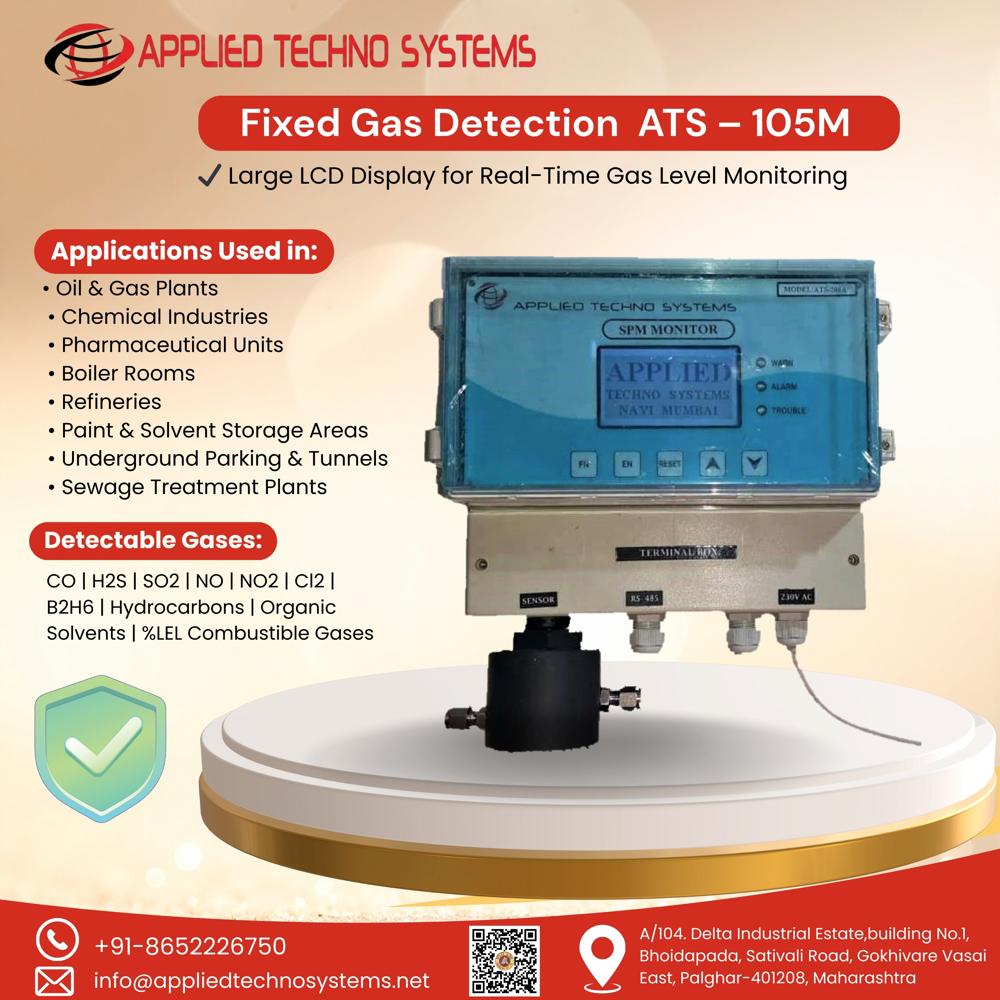
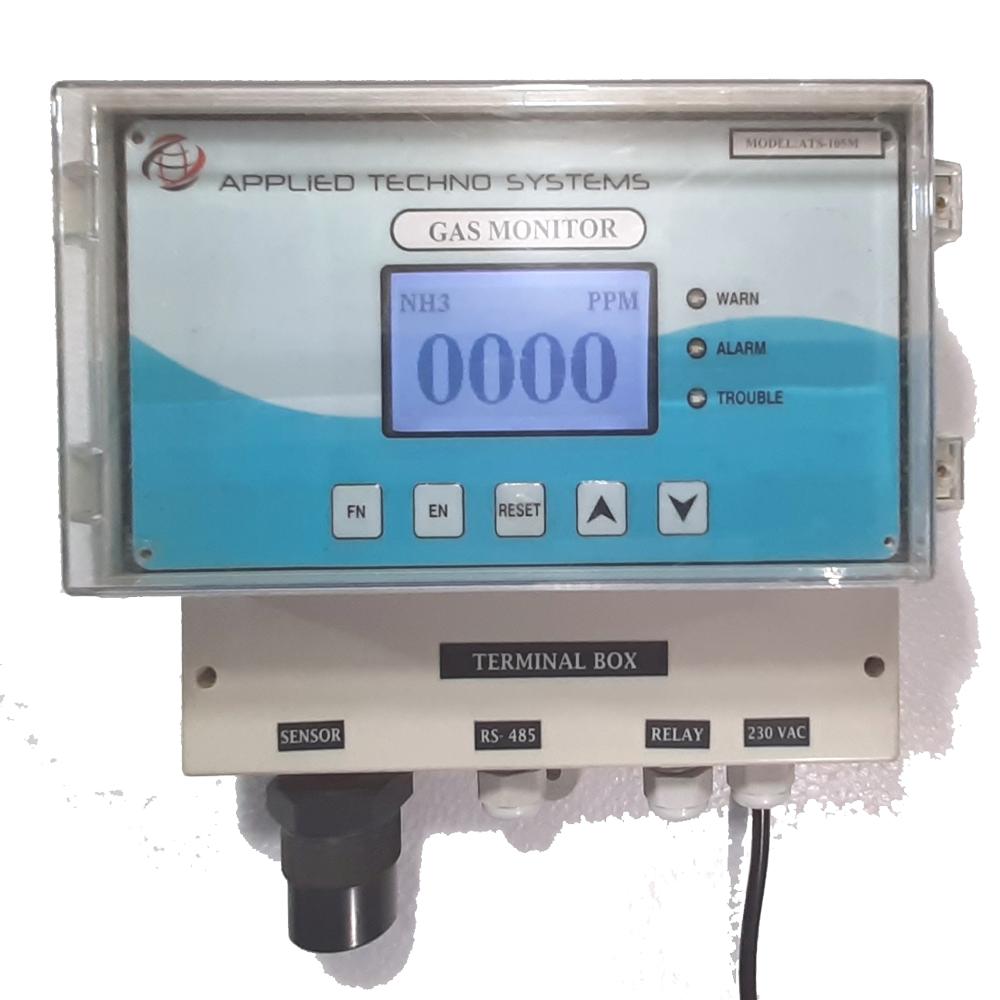
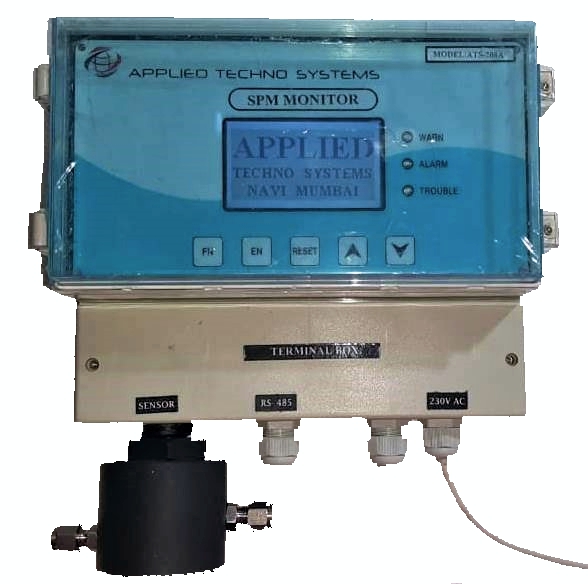
O2 & CO2 Gas Analyzer Model ATS-105MWe are a manufacturer of O2 & CO2 gas transmitter and monitor with ranges for O2: 0-25% V/V, For CO2: 0-5000 PPM (Other ranges also available).
The rugged NEMA 4X or 7X assembly is suitable for a variety of industrial, commercial and general purpose applications to monitor HAZARDOUS, Toxic gases or Oxygen in Process Flue Gas or Ambient Air.
Advanced Detection and Monitoring
Our Gas Transmitter & Monitor combines precision detection with durable engineering, making it highly effective in complex industrial environments. The system continuously senses gas concentrations, providing accurate real-time feedback and enabling rapid response to hazardous situations.
Reliable and Efficient Industrial Solution
Designed for seamless electrical operation at 230 Volts, this monitor provides consistent performance, even under high humidity conditions. Its aluminum construction ensures longevity, while the easy-to-read interface enhances safety management across various industrial processes.
FAQs of Gas Transmiiter & Monitor:
Q: How does the gas transmitter & monitor function in industrial environments?
A: The gas transmitter & monitor operates by sensing gas concentrations and converting them into electrical signals, providing real-time alerts to ensure a safe workspace in industrial settings.Q: What materials and specifications make this gas monitor suitable for industrial use?
A: The monitor is constructed from robust aluminium and operates at 230 Volts with an accuracy of 2%, and can withstand humidity levels of up to 85%RH, making it well-suited for demanding industrial environments.Q: When should the gas transmitter be calibrated or maintained?
A: Regular calibration and maintenance, typically every 6 to 12 months or as recommended by industry standards, help maintain accuracy and extend the monitors operational lifespan.Q: Where can this gas transmitter & monitor be installed?
A: It can be installed in various industrial facilities, such as manufacturing plants, chemical process areas, warehouses, and other locations requiring continuous gas monitoring for safety.Q: What is the process for installing the gas transmitter & monitor?
A: Installation involves securely mounting the unit in the designated area, connecting it to a 230 Volt electric supply, and configuring the calibration settings according to the manufacturers guidelines.Q: How is the device powered, and what are its usage benefits?
A: The monitor uses an electric power supply (230 Volt), making it reliable for continuous operation. Its high accuracy and durable design offer significant benefits in ensuring workplace safety and regulatory compliance.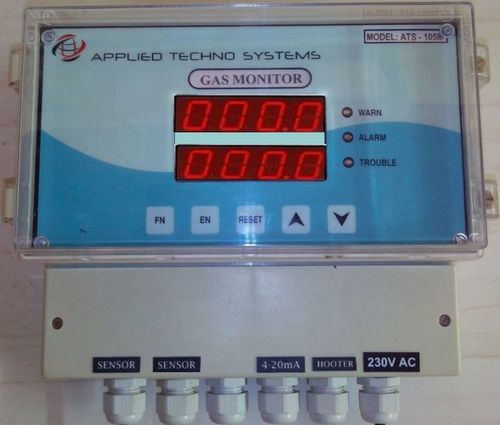



Price:
- 50
- 100
- 200
- 250
- 500
- 1000+

More Products in Gas Analysers Category

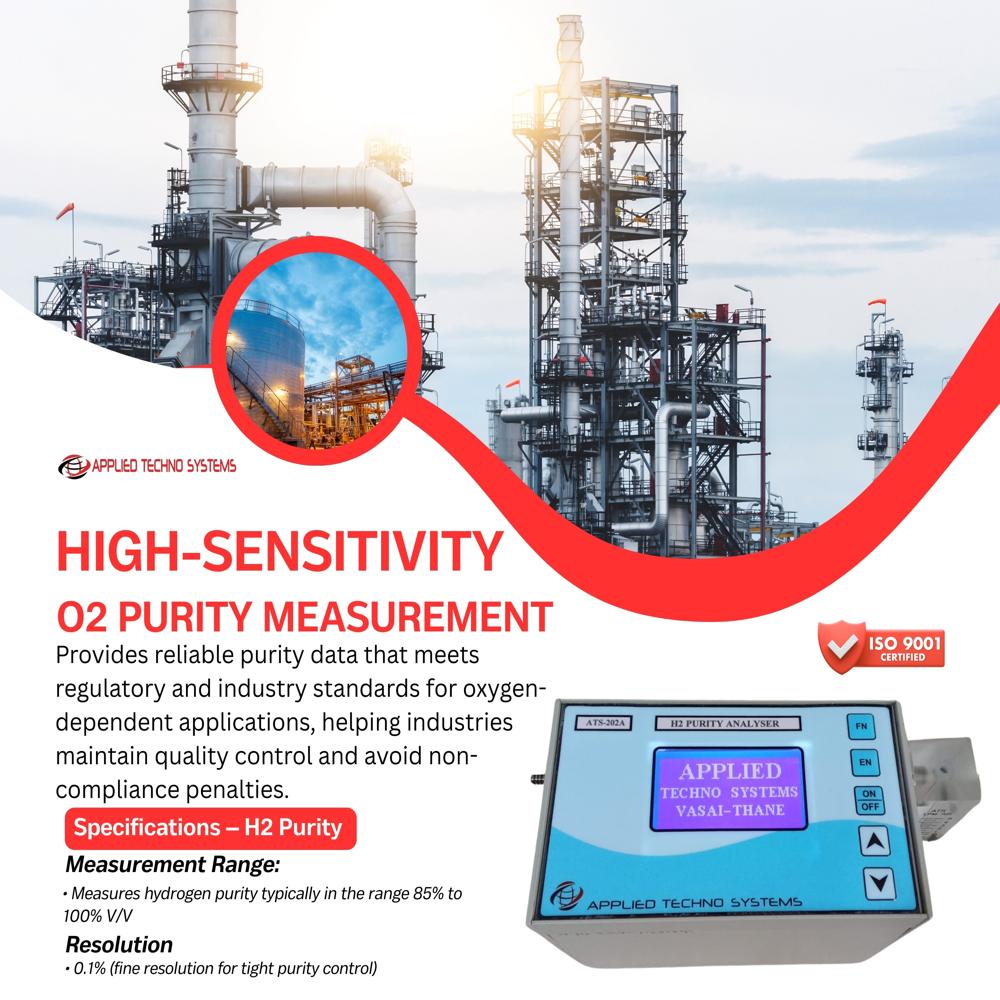
Online gas purity analyzer
Price 35000.0 INR / Number
Minimum Order Quantity : 1 Number
Classification : Ip 65
Machine Weight : 1 Kilograms (kg)
Resolution : 1ppm
Response Time : 10 Seconds
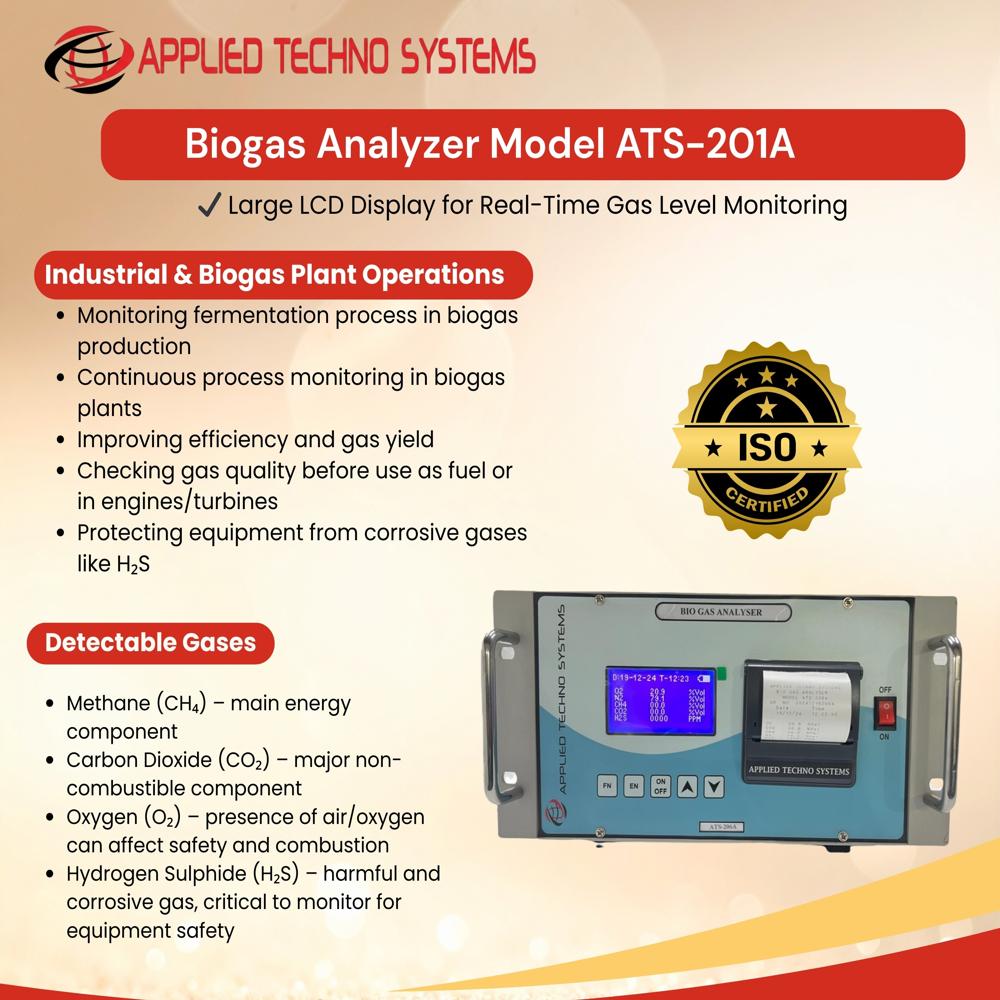
Gas purity analyzer
Price 240000.0 INR / Number
Minimum Order Quantity : 1 Number
Classification : ip 65
Machine Weight : 5 Kilograms (kg)
Resolution : 1 PPM
Response Time : 10 Seconds
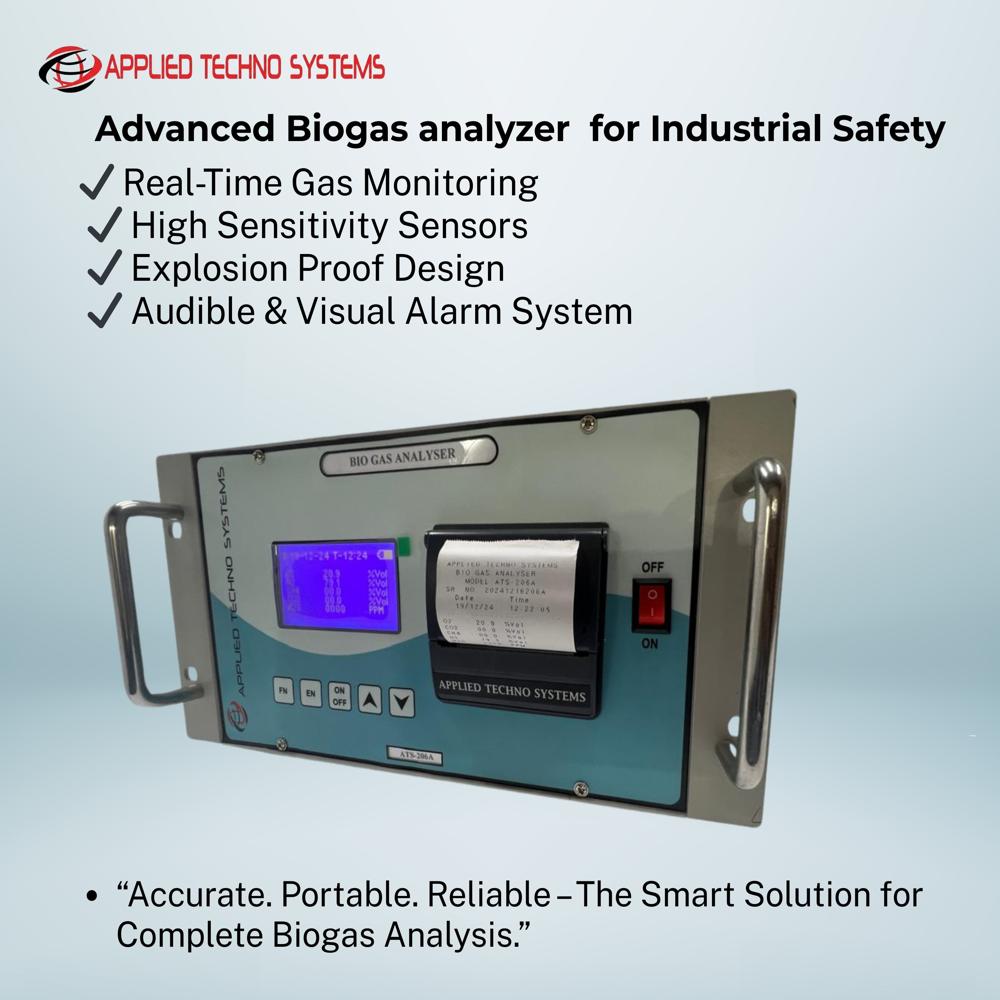
Biogas Calorimeter - Applied Techno Engineers
Price 250000.0 INR / Number
Minimum Order Quantity : 1 Number
Classification : IP 65
Machine Weight : 20 Kilograms (kg)
Resolution : 1 ppm
Response Time : 10 Seconds
Fixed carbon dioxide Gas Analyser
Price 455000.0 INR / Set
Minimum Order Quantity : 1 Set
Classification : IP 65
Machine Weight : 10 Kilograms (kg)
Resolution : 1 PPM
Response Time : 10 Seconds


- 104, Delta Industrial Estate, Building No 1, Gokhivare, Sativali Road, Vasai East, Dist-Palghar,Vasai - 401208, Maharashtra, India
- Phone : 08045814504
GST : 27AAVCA1127G1ZN

- Mr M L YADAV (Marketing Manager)
- Mobile : 08045814504
- Send Inquiry
 Send Inquiry
|


- Dew Point Meters
- Gas Analysers
- Portable Gas Detector
- Moisture And Dew Point Analyzer
- Dust/Opacity Monitor
- Gas Monitoring Systems
- Gas Leak Detectors
- Gas Transmitters
- VOC Leak Detector
- Air Quality Monitoring System
- Online Continuous Emission Monitoring System-OCEMS
- Dew Point Monitors
- Gas Detector
- Opacity Monitor
- Portable Flue Gas Analyzer
- Online SOX & NOX Gas Analyzer
- Methane Gas Leak Detector
- Hydrogen Purity Analyzer
- Gas Purity Analyzer
- Effluent Monitoring Systems
- Producer Gas Analyzer
- Gas Detector Calibration Service
- Portable Gas Monitors
- Gas Sensor Transmitter

Developed and Managed by Infocom Network Private Limited.


 English
 Spanish
 French
 German
 Italian
 Chinese (Simplified)
 Japanese
 Korean
 Arabic
 Portuguese