 Chat with us

- Dew Point Meters
- Gas Analysers
- Portable Gas Detector
- Moisture And Dew Point Analyzer
- Dust/Opacity Monitor
- Gas Monitoring Systems
- Gas Leak Detectors
- Gas Transmitters
- VOC Leak Detector
- Air Quality Monitoring System
- Online Continuous Emission Monitoring System-OCEMS
- Dew Point Monitors
- Gas Detector
- Opacity Monitor
- Portable Flue Gas Analyzer
- Online SOX & NOX Gas Analyzer
- Methane Gas Leak Detector
- Hydrogen Purity Analyzer
- Gas Purity Analyzer
- Effluent Monitoring Systems
- Producer Gas Analyzer
- Gas Detector Calibration Service
- Portable Gas Monitors
- Gas Sensor Transmitter

 Send Inquiry
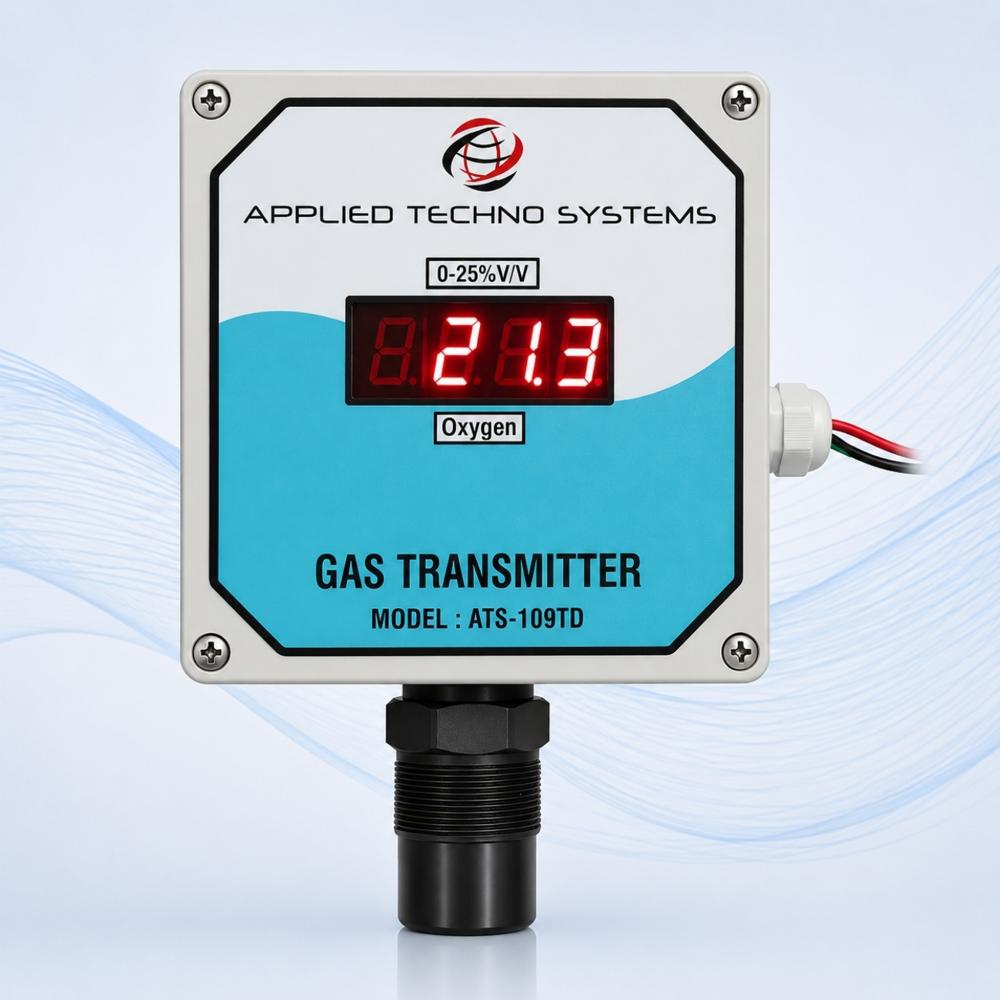
Industrial Gas Detector
Price 43500.0 INR/ Piece
Industrial Gas Detector Specification
- Housing Material
- ABS Plastic / Polycarbonate Enclosure
- Mounting Thread
- 3/4 inch NPT
- Power Consumption
- < 2.5 W
- IP Rating
- IP65
- Measurement Range
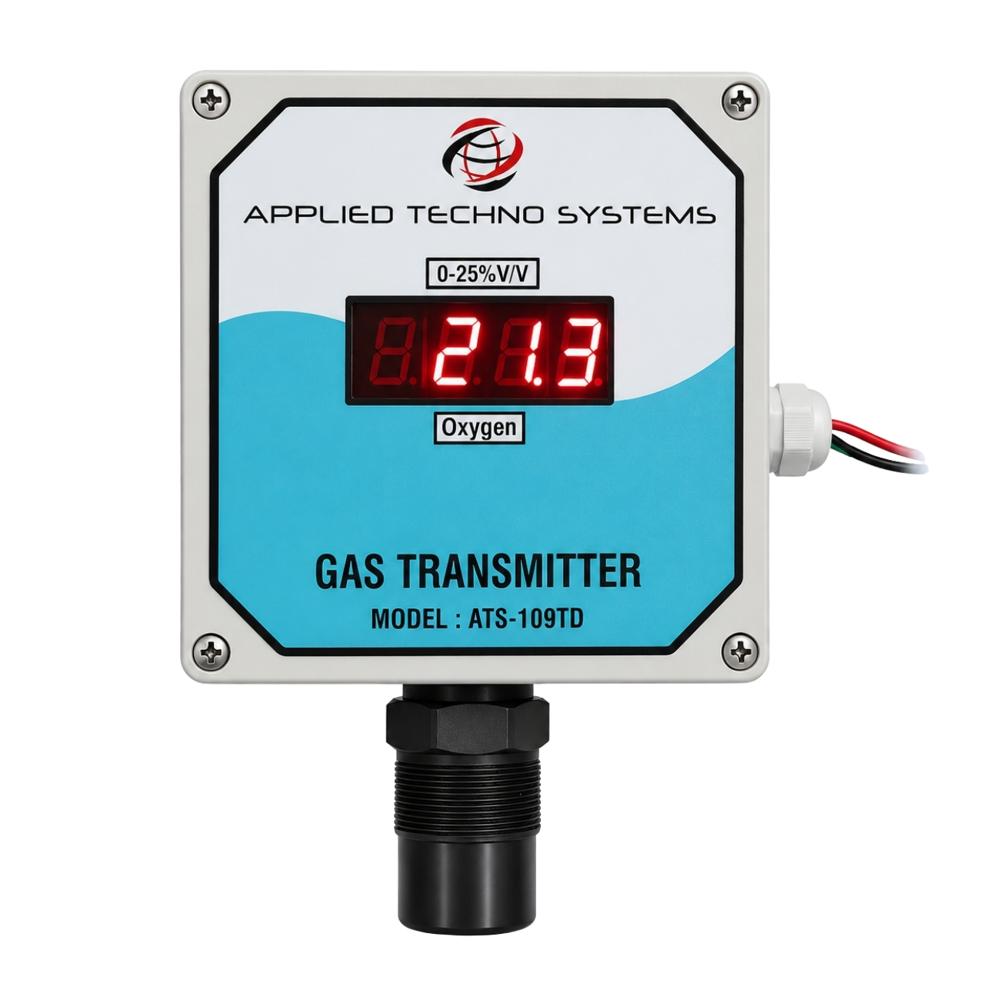
- O2: 0-25% Vol (as depicted on device)
- Operating Temperature
- -10C to +50C
- Wireless
- No
- Interface
- Digital Display, 4-20 mA/RS485 output
- Sensitivity
- 2% F.S.
- Signal Type
- Analog 4-20 mA, Digital RS485
- Sensor Type
- Electrochemical
- Features
- Digital LED Display, Rugged Construction, Stable Sensor, Easy Installation
- Spectral Range
- N/A for Electrochemical Sensor
- Cable Length
- Standard 1.5 Meter, extendable
- Response Time
- T90 < 30 seconds
- Application
- Industrial Safety, Confined Space Monitoring, Process Industry
- Mounting Type
- Wall / Surface / Threaded Mount
- Ingress Protection
- IP65
- Product Type
- Industrial Gas Detector / Gas Transmitter
- Material
- ABS/Polycarbonate Housing with Electronic Components
- Input
- 24 V DC
- Output
- 4-20 mA, RS485 Modbus, Relay (Optional)
- Function
- Continuous Monitoring and Transmitting Gas Concentrations
- Usage
- Industrial Gas Detection (Oxygen as pictured), Safety Monitoring
- Accuracy
- 2% F.S.
- Resolution
- 0.1%
- Voltage
- 24 V DC (Standard)
- Weight
- Approx. 400 g
- Model
- ATS-109TD
- Alarm
- High/Low Alarm Relays (Optional)
- Display Type
- 4-Digit Bright Red LED Display
- Gas Detected
- Oxygen (O2) - other gases optional on request
- Calibration
- Manual / Automatic Calibration Supported
- Storage Temperature
- -20C to +60C
- Humidity Range
- 0-95% RH (Non-condensing)
About Industrial Gas Detector
The Gas Sensor Transmitter WP (Weatherproof) is a reliable industrial gas detection and monitoring device designed for the continuous measurement of hazardous, toxic, combustible, and flammable gases in indoor and outdoor environments. The transmitter can be configured with suitable gas sensors for detecting gases such as Oxygen (O), Hydrogen Sulfide (HS), Carbon Monoxide (CO), Sulfur Dioxide (SO), Hydrogen (H), Methane (CH), combustible gases, VOCs, and other toxic or flammable gases, depending on the application requirement. Its rugged weatherproof construction makes it suitable for demanding industrial conditions and outdoor gas monitoring applications. The transmitter provides reliable gas concentration measurement with 420 mA output, alarm/relay options, self-diagnostics, and continuous monitoring capabilities, and can be integrated with fixed gas detection and multi-point gas monitoring systems. It is suitable for gas leak detection, plant safety, process monitoring, storage area monitoring, workplace safety, and continuous gas monitoring in Oil Refineries, Petrochemical, Chemical, Oil & Gas, Natural Gas, LNG/LPG, Fertilizer, Coal Mining, Power Plants, Iron & Steel, Foundries, Pharmaceutical, Battery Manufacturing, and other industrial environments.Reliable Continuous Gas Monitoring
The ATS-109TD provides uninterrupted detection of oxygen, making it ideal for ensuring safety in industrial, confined space, and process industry applications. Its electrochemical sensor offers a fast T90 response time under 30 seconds, delivering prompt alerts and enabling quick action in hazardous environments.
User-Friendly Digital LED Display
A large, four-digit bright red LED display ensures clear visibility of gas concentrations even from a distance. The intuitive digital interface shows real-time measurements, ensuring workers remain informed about air quality at all times for peace of mind and operational efficiency.
Versatile Installation and Robust Construction
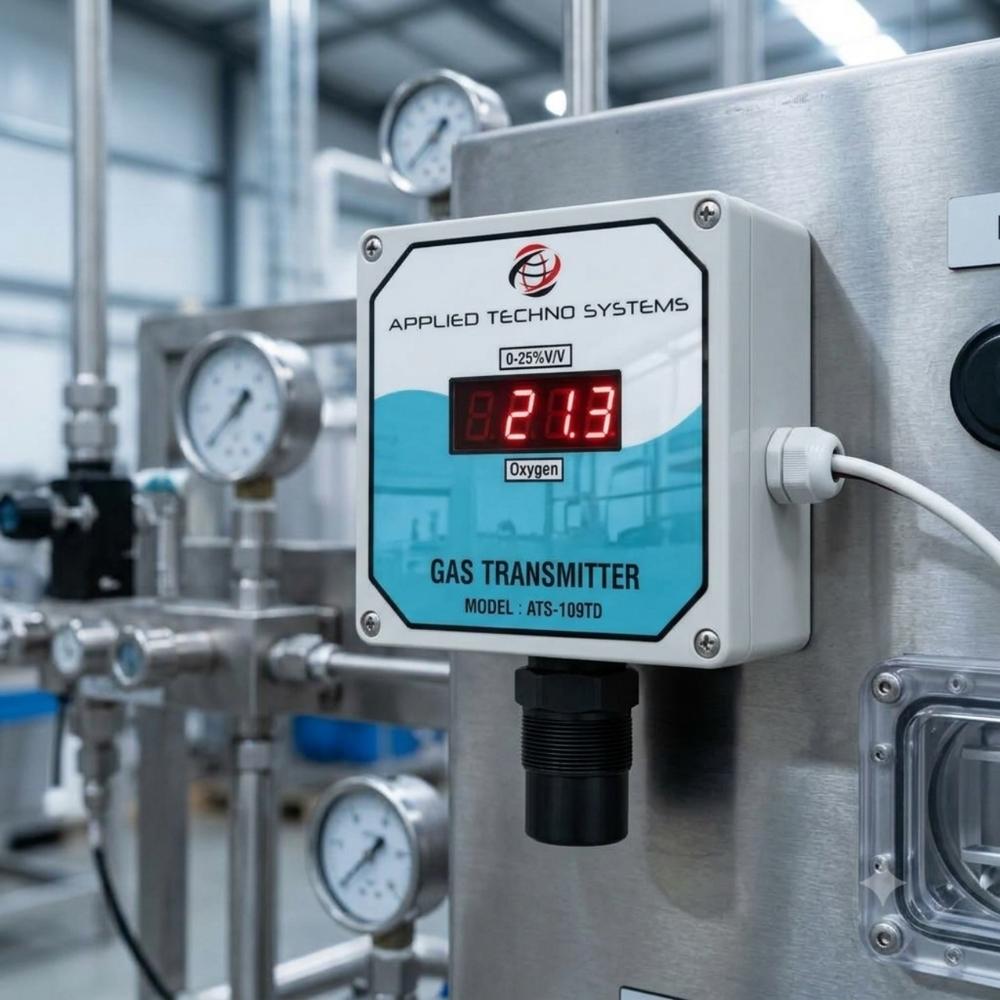
Designed for adaptability, this detector can be wall-mounted, surface-mounted, or installed using standard 3/4 inch NPT threaded connections. The IP65-rated ABS/polycarbonate housing guarantees resilience to dust and water, making it suitable for harsh industrial settings with high humidity and temperature fluctuations.
FAQ's of Industrial Gas Detector:
Q: How is the ATS-109TD Industrial Gas Detector calibrated?
A: The detector supports both manual and automatic calibration processes, allowing users to select the method that suits their requirements. Clear guidance on the device interface and in the user manual streamlines the calibration for accurate ongoing measurements.Q: What environments are suitable for installing this gas detector?
A: It is suitable for industrial environments requiring continuous oxygen monitoring, such as factories, confined spaces, and process industries. The robust IP65 enclosure and wide operating temperature and humidity ranges make it ideal for demanding industrial settings.Q: When should the detector be used for optimal safety?
A: The device should be used continuously in any area where oxygen levels must be maintained for worker safety, process control, or hazard prevention. Ongoing use ensures immediate detection of potentially dangerous gas concentration changes.Q: Where can the ATS-109TD be mounted?
A: The detector can be mounted on walls, surfaces, or via a threaded 3/4 inch NPT mount. Its compact and sturdy design provides installation flexibility in various industrial locations.Q: What are the main process connections and outputs available?
A: The detector offers versatile output options, including 4-20 mA analog, RS485 Modbus digital, and optional high/low alarm relay outputs, enabling seamless integration with existing industrial monitoring and control systems.Q: How does the device benefit industrial safety monitoring?
A: Continuous real-time monitoring and fast response to oxygen concentration changes enhance workplace safety by providing early warnings and activating alarms to alert personnel to potential hazards, supporting compliance and minimizing risks.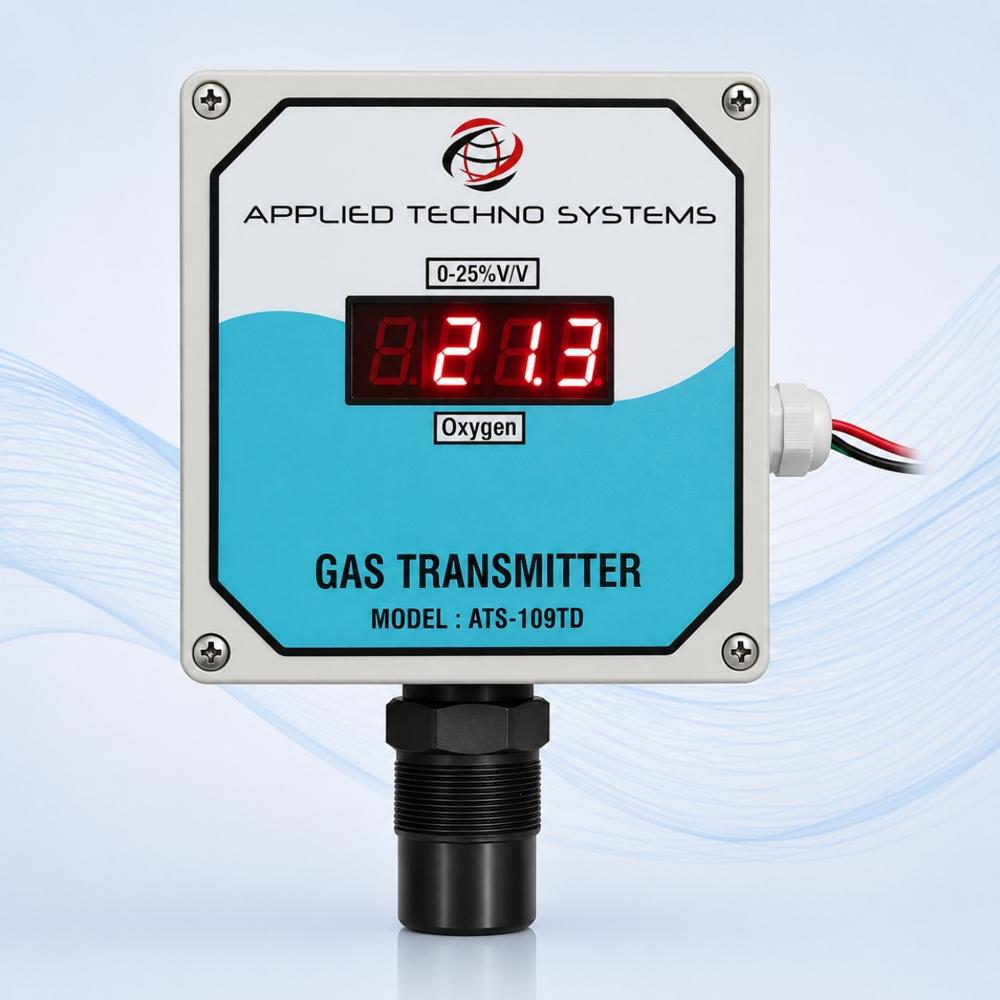

Price:
- 50
- 100
- 200
- 250
- 500
- 1000+

More Products in Gas Transmitters Category
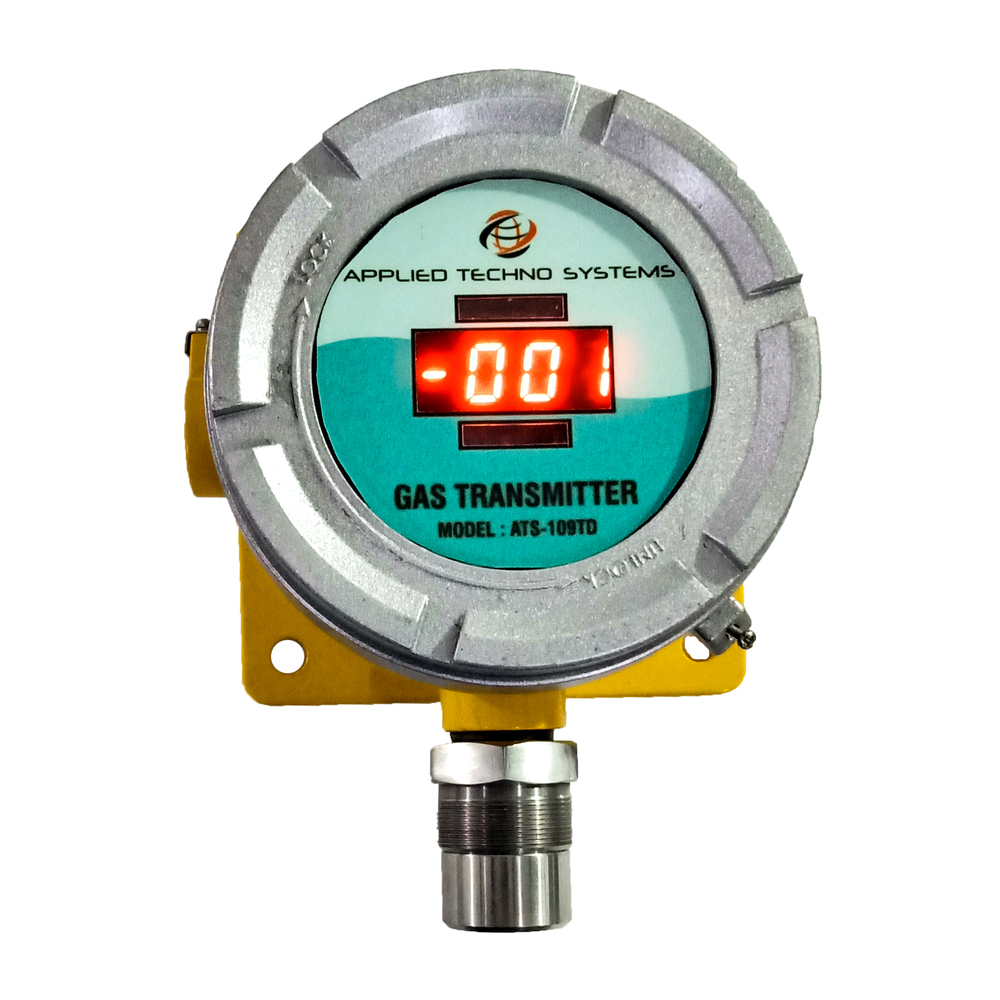
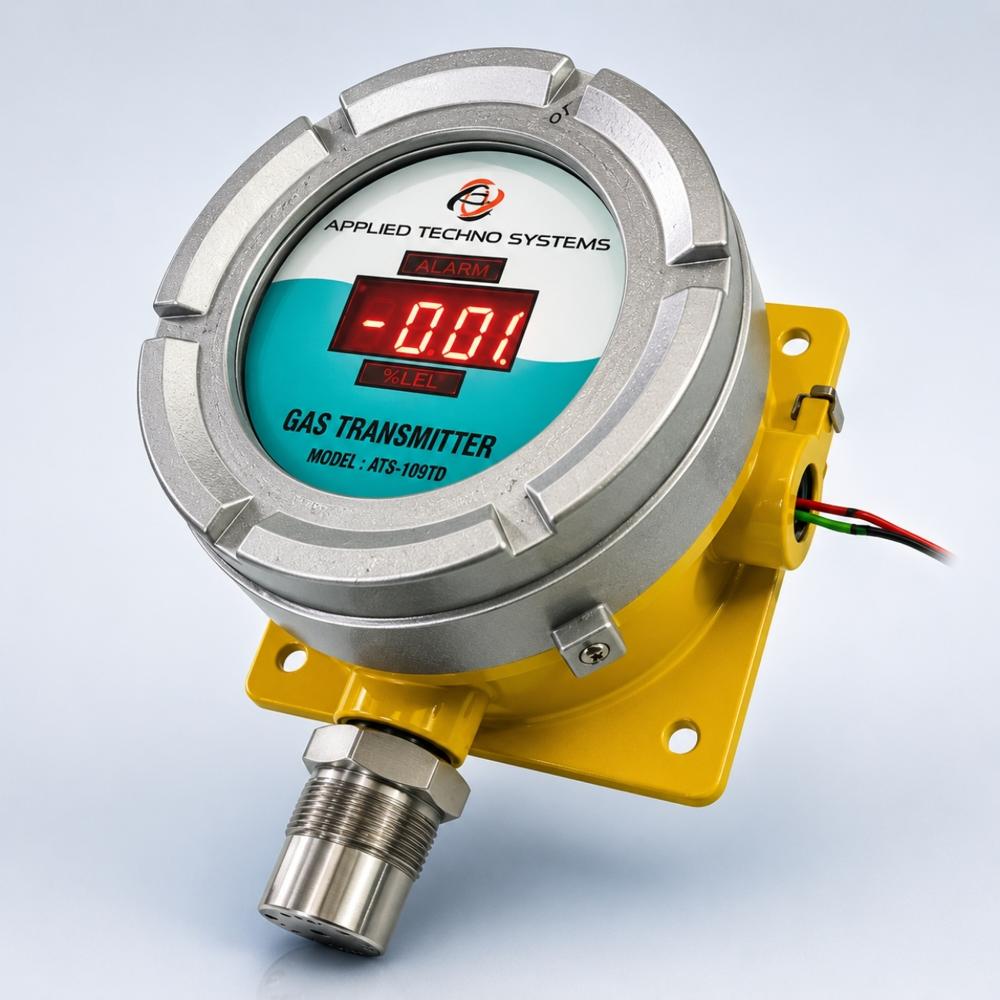
Flame Proof Oxygen Gas Sensor Transmitter
Price 28500.0 INR / Unit
Minimum Order Quantity : 1 Unit
Sensor Type : Electrochemical Oxygen Sensor
Material : ABS Plastic
Application : Hazardous Areas, Oil & Gas, Chemical Plants, Refineries, Pharmaceutical Industries
Product Type : Flame Proof Oxygen Gas Sensor Transmitter
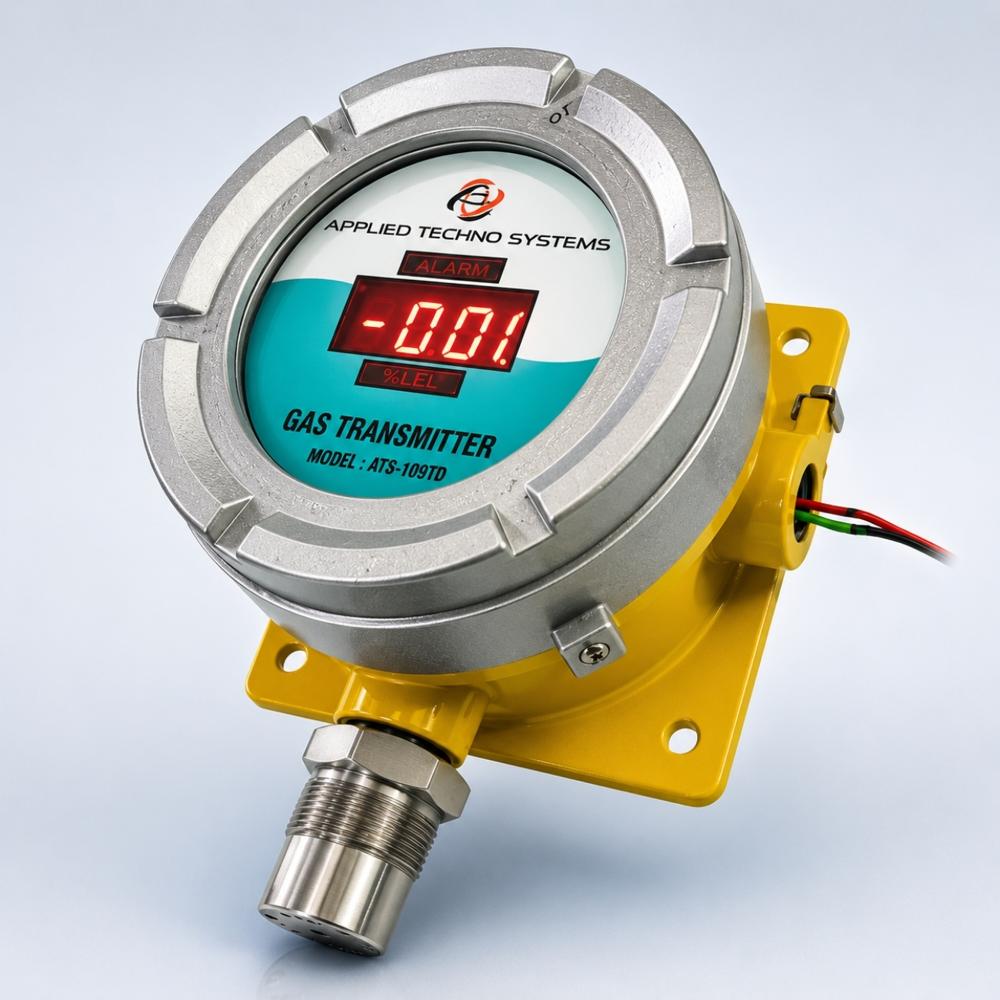
Ex-Proof Gas Detection System
Price 36500.0 INR / Piece
Minimum Order Quantity : 1 Piece
Sensor Type : Catalytic/NDIR/Electrochemical (Configurable)
Material : Stainless Steel & Flameproof Aluminum
Application : Industrial, Oil & Gas, Chemical Plants, Refineries
Product Type : ExProof Gas Detection System
Outdoor Gas Detection System
Price 32500.0 INR / Piece
Minimum Order Quantity : 1 Piece
Sensor Type : Electrochemical
Material : UV Resistant Plastic & Stainless Steel Sensor
Application : Oxygen and Toxic Gas Monitoring
Product Type : Outdoor Gas Detection System
Hazardous Area Gas Detector
Price 31500.0 INR / Piece
Minimum Order Quantity : 1 Piece
Sensor Type : Catalytic / Electrochemical / Semiconductor
Material : Diecast Aluminum with Powder Coating
Application : Oil & Gas, Chemical, Pharmaceutical, Petrochemical Plants
Product Type : Hazardous Area Gas Detector


- 104, Delta Industrial Estate, Building No 1, Gokhivare, Sativali Road, Vasai East, Dist-Palghar,Vasai - 401208, Maharashtra, India
- Phone : 08045814504
GST : 27AAVCA1127G1ZN

- Mr M L YADAV (Marketing Manager)
- Mobile : 08045814504
- Send Inquiry
 Send Inquiry

|


- Dew Point Meters
- Gas Analysers
- Portable Gas Detector
- Moisture And Dew Point Analyzer
- Dust/Opacity Monitor
- Gas Monitoring Systems
- Gas Leak Detectors
- Gas Transmitters
- VOC Leak Detector
- Air Quality Monitoring System
- Online Continuous Emission Monitoring System-OCEMS
- Dew Point Monitors
- Gas Detector
- Opacity Monitor
- Portable Flue Gas Analyzer
- Online SOX & NOX Gas Analyzer
- Methane Gas Leak Detector
- Hydrogen Purity Analyzer
- Gas Purity Analyzer
- Effluent Monitoring Systems
- Producer Gas Analyzer
- Gas Detector Calibration Service
- Portable Gas Monitors
- Gas Sensor Transmitter

Developed and Managed by Infocom Network Private Limited.


 English
 Spanish
 French
 German
 Italian
 Chinese (Simplified)
 Japanese
 Korean
 Arabic
 Portuguese
