 Chat with us

- Dew Point Meters
- Gas Analysers
- Portable Gas Detector
- Moisture And Dew Point Analyzer
- Dust/Opacity Monitor
- Gas Monitoring Systems
- Gas Leak Detectors
- Gas Transmitters
- VOC Leak Detector
- Air Quality Monitoring System
- Online Continuous Emission Monitoring System-OCEMS
- Dew Point Monitors
- Gas Detector
- Opacity Monitor
- Portable Flue Gas Analyzer
- Online SOX & NOX Gas Analyzer
- Methane Gas Leak Detector
- Hydrogen Purity Analyzer
- Gas Purity Analyzer
- Effluent Monitoring Systems
- Producer Gas Analyzer
- Gas Detector Calibration Service
- Portable Gas Monitors
- Gas Sensor Transmitter

 Send Inquiry
Multi Channel Gas Detector
Price 170500.0 INR/ Piece
Multi Channel Gas Detector Specification
- Channel Spacing
- Four independent channels
- Size
- Approx. 19 rack, modular panel (1U/2U height)
- Operating Mode
- Continuous monitoring
- Interface
- Push button for reset and configuration
- Connectivity Type
- Wired connection for sensors, terminal block outputs
- Standard
- Industrial standard, IEC compliant
- Mounting Type
- Rack mount / panel mount
- License Free
- Yes
- Technology
- Microcontroller based multi-channel monitoring
- Special Features
- Real-time digital display, individual channel monitoring, alarm, warning, and trouble indication
- Application
- Industrial gas detection, safety systems, process monitoring
- Screen Resolution
- Three-digit LED digital display per channel
- Power Supply
- AC 230V / 24V DC
- Output Formats
- Relay output for alarm/warning/trouble, analog signal (optional)
- Humidity
- <90% RH Non-condensing
- Weight
- ~6 kg
- Expansion Option
- Extension to more channels possible
- Status Indication
- LED for alarm, warning, trouble, channel selection
- Number of Channels
- 4 (Expandable)
- Dimensions
- Approx. 482mm x 133mm x 300mm
- Alarm Indication
- High visibility LED + Relay
- Sensor Compatibility
- Electrochemical, catalytic, IR sensors
- Calibration
- Manual & auto calibration options
- Alarm Sound
- Audible buzzer
- Reset Function
- Button for alarm reset
- Model
- ATS-107M
- Housing Material
- Powder coated metal
- Operating Temperature
- -10C to +50C
- Gas Detection Range
- 0-100 PPM (H2S)
- Response Time
- <30 seconds
- Display Type
- Digital 7-segment LED
About Multi Channel Gas Detector
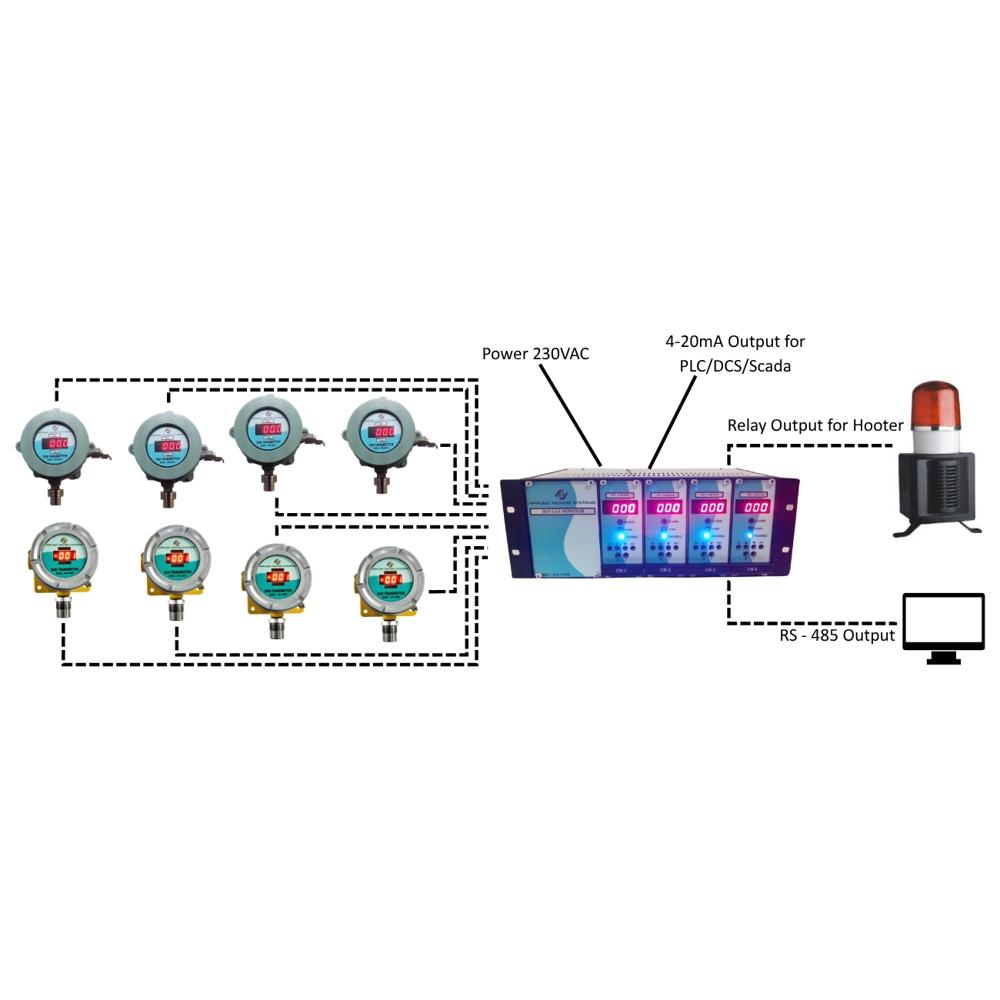
The Multi Channel Gas Monitoring System is an industrial gas detection and monitoring solution designed for the continuous and simultaneous monitoring of multiple gas detection points across industrial plants and hazardous areas. The system can be configured with multiple gas sensor transmitters to detect gases such as Oxygen (O), Hydrogen Sulfide (HS), Carbon Monoxide (CO), Sulfur Dioxide (SO), Hydrogen (H), Methane (CH), combustible gases, VOCs, and other toxic or flammable gases, depending on the application and sensor configuration. It provides centralized real-time monitoring of multiple channels with digital gas concentration display, high and low alarm indication, audible and visual alarms, relay outputs, and 420 mA signal integration, depending on system configuration. The multi channel gas monitoring system is suitable for continuous gas monitoring, gas leak detection, process safety, plant safety, storage area monitoring, confined-space monitoring, and emergency alarm applications. It can be used across Oil Refineries, Petrochemical, Chemical, Oil & Gas, Natural Gas, LNG/LPG, Fertilizer, Coal Mining, Power Plants, Iron & Steel, Foundries, Pharmaceutical, Battery Manufacturing, and other industrial environments, providing centralized and reliable monitoring of hazardous gases for improved workplace and process safety.Advanced Multi-Channel Gas Detection
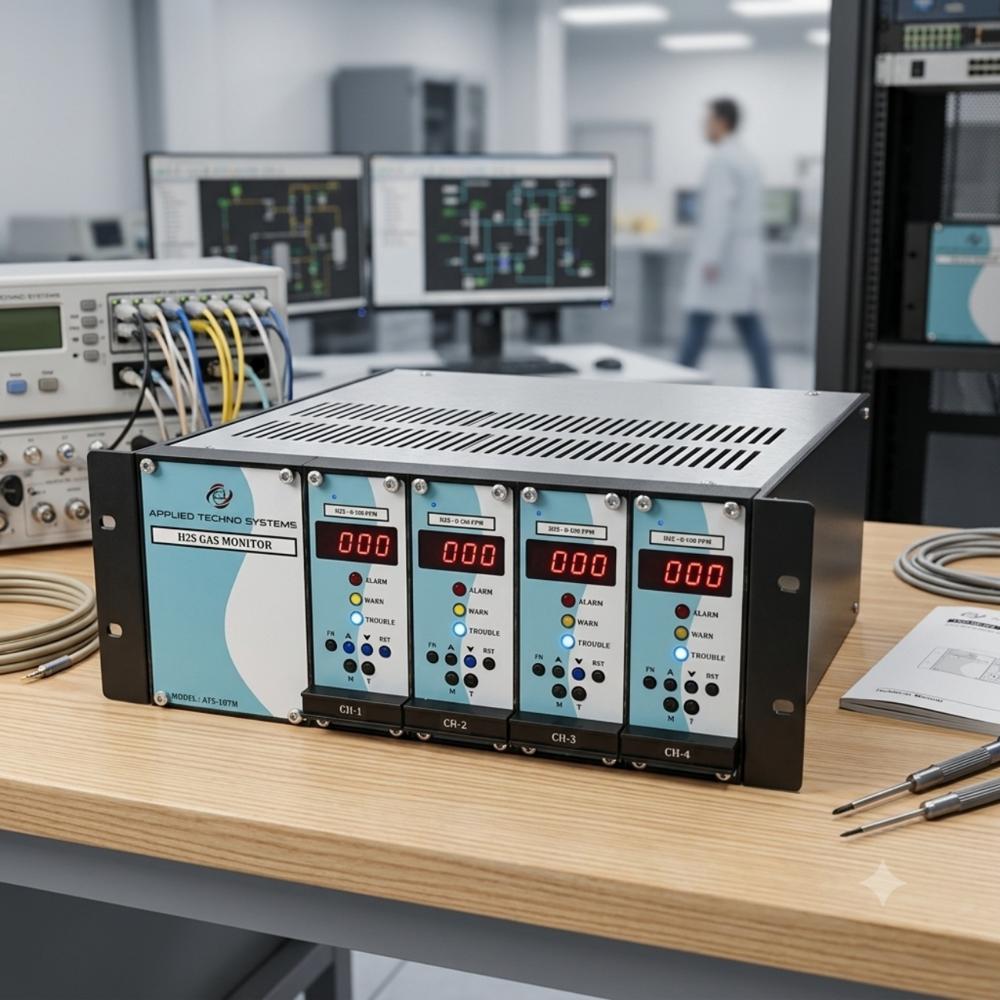
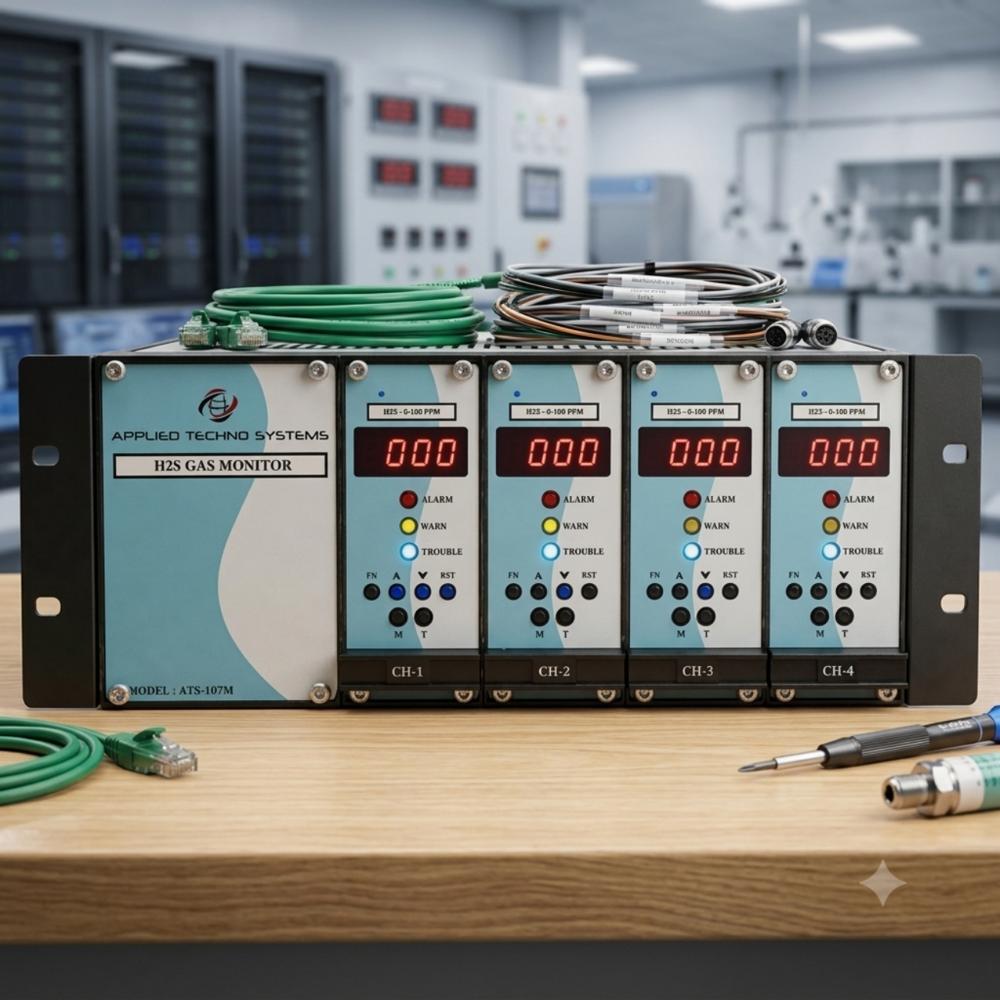
Equipped with four independent channels, the ATS-107M enables simultaneous monitoring of multiple gas sources, with the flexibility to expand channels as needed. Each channel features individual alarm, warning, and trouble indicators, ensuring rapid identification of hazardous conditions for improved workplace safety.
Reliable Performance in Industrial Environments
Housed in a robust powder-coated metal enclosure, the ATS-107M operates effectively in temperatures from -10C to +50C and can withstand humidity up to 90% RH (non-condensing). Its design meets industrial standards, making it suitable for a wide range of process industries and safety-critical applications.
User-Friendly Operation and Maintenance
Featuring a digital 7-segment LED display and intuitive push-button interface, this gas detector supports both manual and automatic calibration, facilitating straightforward setup and maintenance. Audible and visual alarms ensure immediate awareness, while extension and configuration options provide long-term adaptability.
FAQ's of Multi Channel Gas Detector:
Q: How does the ATS-107M Multi Channel Gas Detector indicate the presence of hazardous gas levels?
A: The ATS-107M notifies users of hazardous H2S concentrations through a combination of high-visibility LEDs, an audible buzzer, and relay outputs. Individual channel indicators show alarm, warning, and trouble statuses for real-time alerts and quick response.Q: What types of sensors are compatible with this gas detector?
A: The ATS-107M is compatible with electrochemical, catalytic, and IR sensors, offering flexibility in choosing the most suitable detection method for your specific application.Q: Where is the ATS-107M typically installed for optimal performance?
A: It is designed for rack or panel mounting, ideal for industrial environments such as factories or process plants where it continuously monitors gas levels to ensure safety and compliance.Q: What is the process for calibrating the ATS-107M?
A: Both manual and auto calibration options are available. Calibration can be initiated via the interface, ensuring accuracy and reliability of sensor readings. Regular calibration is recommended for maintaining validity of the data.Q: How can the number of monitored channels be expanded?
A: While standard with four channels, the ATS-107M supports channel extension. Additional channel modules can be integrated depending on monitoring requirements, enabling scalability for larger facilities.Q: What are the primary benefits of using this gas detector in industrial settings?
A: Key benefits include real-time digital displays per channel, rapid response (less than 30 seconds), robust construction, compliance with industrial safety standards, and the ability to monitor multiple gases simultaneously, enhancing overall workplace safety.Q: How is the gas detector powered and connected to sensors and alarms?
A: It operates on AC 230V or 24V DC and connects to sensors and output devices via wired connections and terminal blocks. It provides relay and optional analog signals for integration with other safety systems.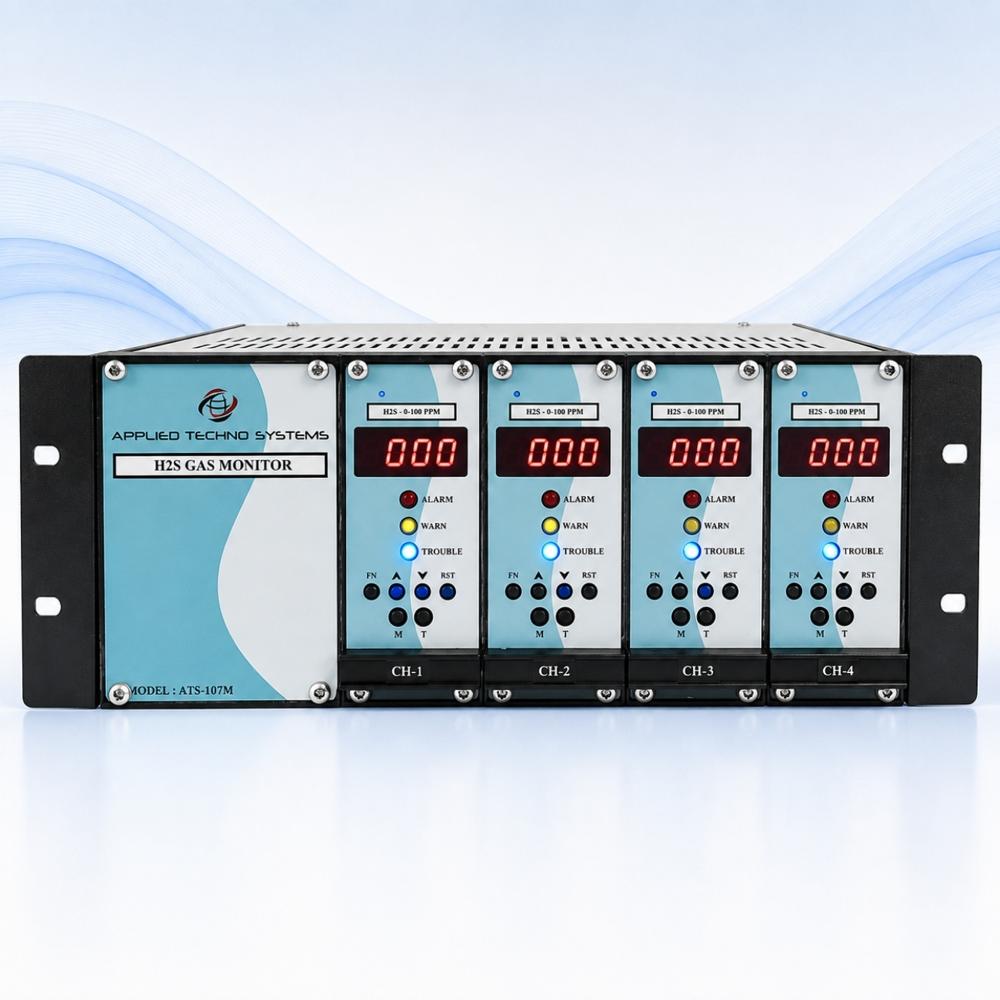

Price:
- 50
- 100
- 200
- 250
- 500
- 1000+

More Products in Gas Monitoring Systems Category
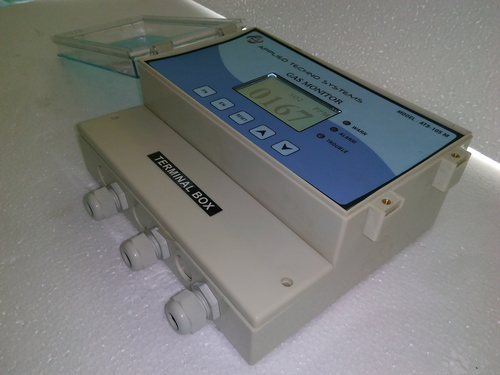
Multi Gas Monitor
Price 12500.0 INR / Number
Minimum Order Quantity : 1 Number
Application : Industrial
Screen Resolution : 0.01%
Operating Mode : Manual and automatic
Power Supply : Electric
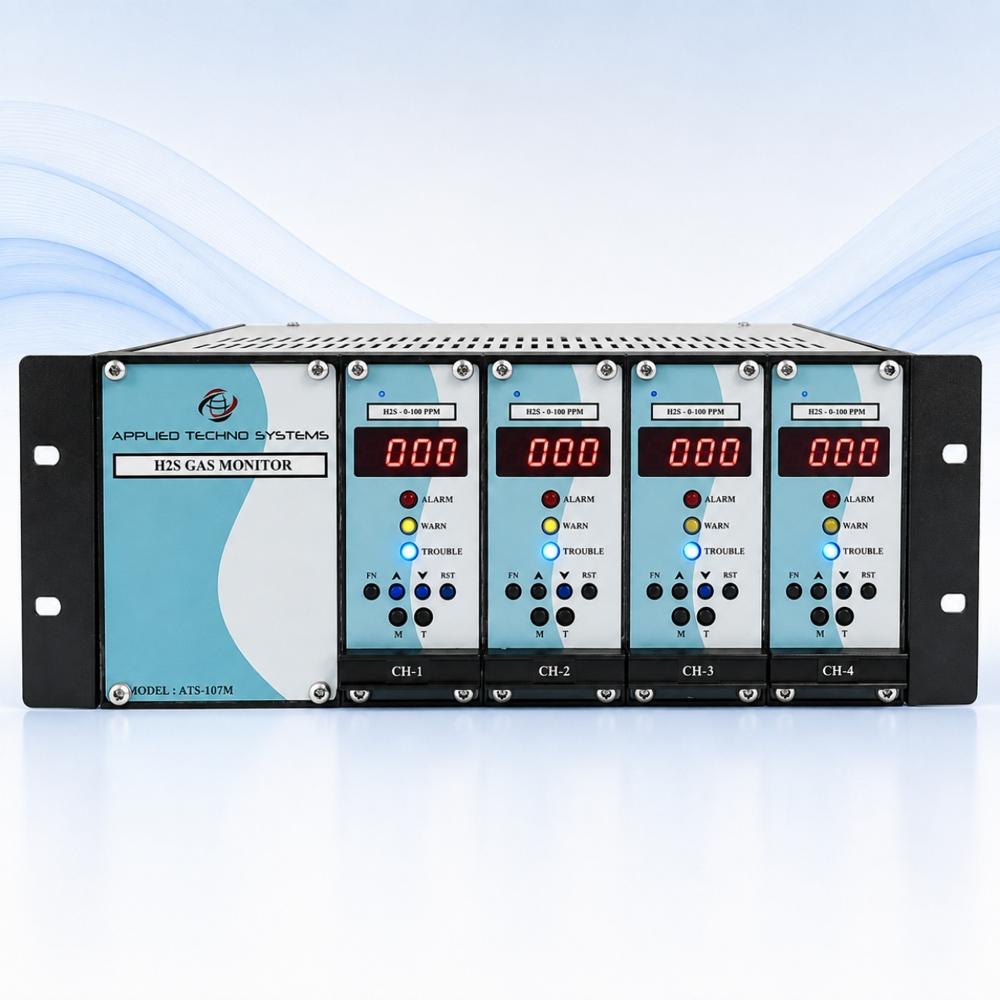
Multi Channel Gas Detection Equipment
Price 150500.0 INR / Piece
Minimum Order Quantity : 1 Piece
Application : Industrial Gas Detection, Safety Monitoring in Oil & Gas, Chemical Plants, Environmental Monitoring
Screen Resolution : LED numeric display
Operating Mode : Continuous Monitoring
Power Supply : 230VAC / 50Hz
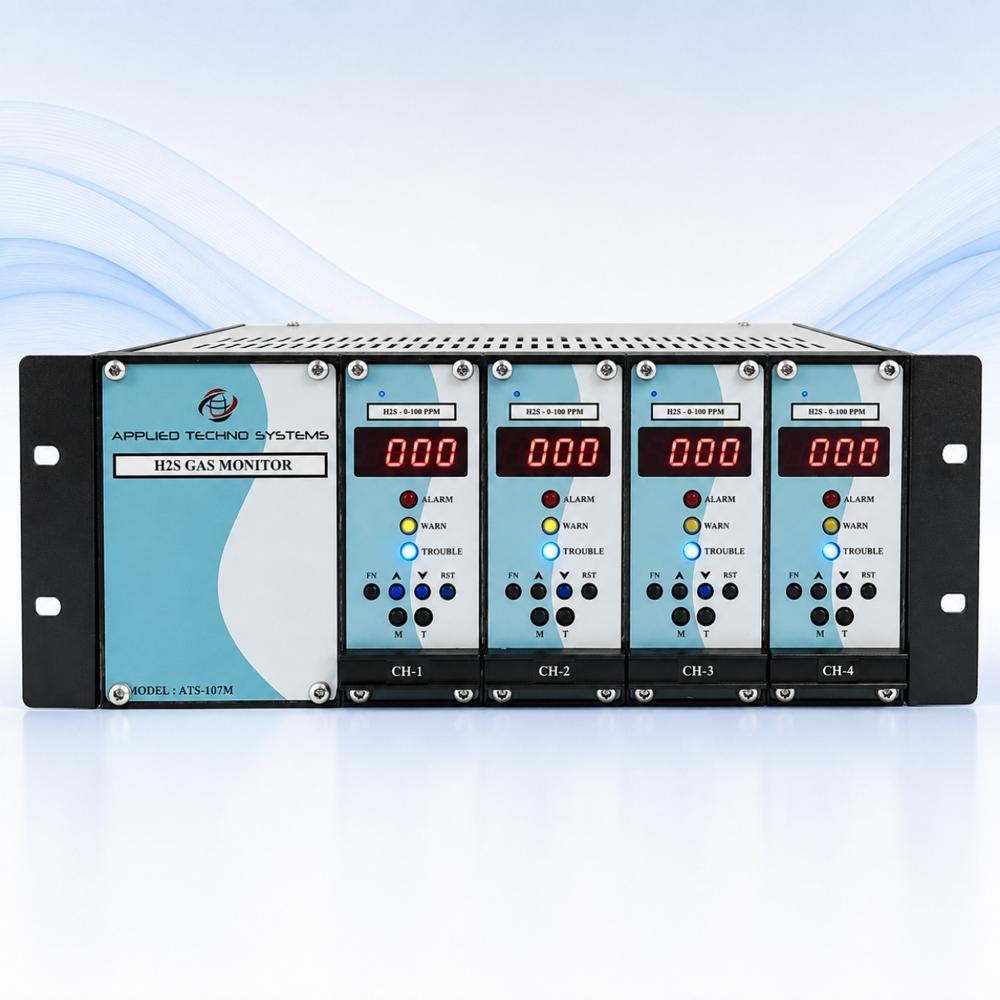
Continuous Gas Monitoring System
Price 85500.0 INR / Piece
Minimum Order Quantity : 1 Piece
Application : Industrial Safety, Petrochemical Plants, Oil & Gas facilities, Environmental Monitoring
Screen Resolution : Digital 3digit LED per channel
Operating Mode : Continuous Monitoring
Power Supply : 230V AC, 50Hz
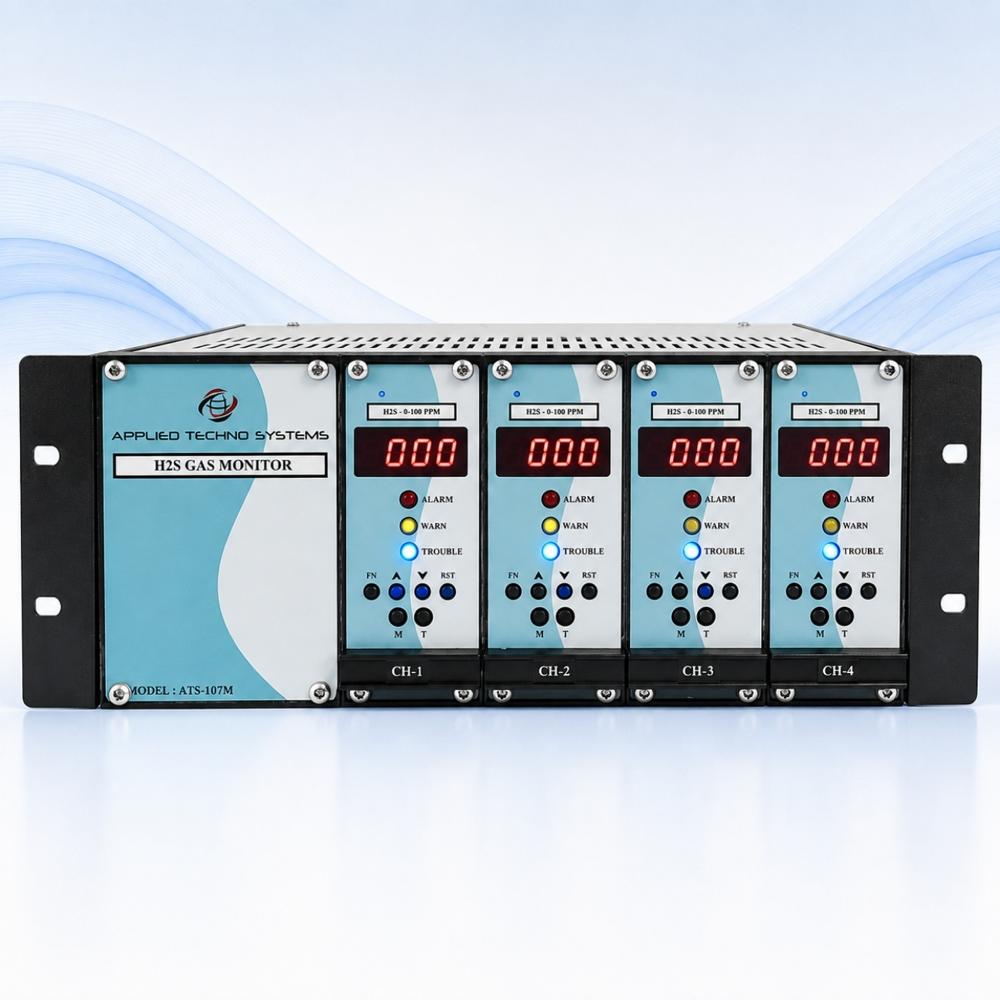
Automatic Gas Monitoring System
Price 210500.0 INR / Piece
Minimum Order Quantity : 1 Piece
Application : Industrial safety, Gas leak detection in plants, Oil & Gas facilities
Screen Resolution : Red LED segmented display
Operating Mode : Continuous monitoring
Power Supply : 220V AC


- 104, Delta Industrial Estate, Building No 1, Gokhivare, Sativali Road, Vasai East, Dist-Palghar,Vasai - 401208, Maharashtra, India
- Phone : 08045814504
GST : 27AAVCA1127G1ZN

- Mr M L YADAV (Marketing Manager)
- Mobile : 08045814504
- Send Inquiry
 Send Inquiry

|


- Dew Point Meters
- Gas Analysers
- Portable Gas Detector
- Moisture And Dew Point Analyzer
- Dust/Opacity Monitor
- Gas Monitoring Systems
- Gas Leak Detectors
- Gas Transmitters
- VOC Leak Detector
- Air Quality Monitoring System
- Online Continuous Emission Monitoring System-OCEMS
- Dew Point Monitors
- Gas Detector
- Opacity Monitor
- Portable Flue Gas Analyzer
- Online SOX & NOX Gas Analyzer
- Methane Gas Leak Detector
- Hydrogen Purity Analyzer
- Gas Purity Analyzer
- Effluent Monitoring Systems
- Producer Gas Analyzer
- Gas Detector Calibration Service
- Portable Gas Monitors
- Gas Sensor Transmitter

Developed and Managed by Infocom Network Private Limited.


 English
 Spanish
 French
 German
 Italian
 Chinese (Simplified)
 Japanese
 Korean
 Arabic
 Portuguese
