 Chat with us

- Dew Point Meters
- Gas Analysers
- Portable Gas Detector
- Moisture And Dew Point Analyzer
- Dust/Opacity Monitor
- Gas Monitoring Systems
- Gas Leak Detectors
- Gas Transmitters
- VOC Leak Detector
- Air Quality Monitoring System
- Online Continuous Emission Monitoring System-OCEMS
- Dew Point Monitors
- Gas Detector
- Opacity Monitor
- Portable Flue Gas Analyzer
- Online SOX & NOX Gas Analyzer
- Methane Gas Leak Detector
- Hydrogen Purity Analyzer
- Gas Purity Analyzer
- Effluent Monitoring Systems
- Producer Gas Analyzer
- Gas Detector Calibration Service
- Portable Gas Monitors
- Gas Sensor Transmitter

 Send Inquiry
Portable Gas Monitoring Equipment
Price 160500.0 INR/ Piece
Portable Gas Monitoring Equipment Specification
- Temperature
- -5C to +50C
- Port Size
- 1/4 inch inlet
- Operating Voltage
- 12V DC / 230V AC
- Gas Pressure
- 0-5 LPM Adjustable
- Response Time
- <15 seconds
- Measuring Range
- Multi-gas (CO, CO2, O2, NO, SO2)
- Number of Specimens
- Single Sample
- Features
- Data Logging, Built-in Printer, Real-time Monitoring, Auto Calibration
- Power Supply
- 230V AC / 12V DC Adapter
- Automation Grade
- Semi-Automatic
- Interface Type
- RS232 / USB
- Resolution
- CO: 1 PPM, CO2: 0.01%, O2: 0.01%, NO: 1 PPM, SO2: 1 PPM
- Test Range
- CO: 0-1000 PPM, CO2: 0-20%, O2: 0-25%, NO: 0-500 PPM, SO2: 0-500 PPM
- Frequency
- 50Hz
- Application
- Stack/Flue Gas Analysis, Ambient Air Monitoring, Industrial Gas Monitoring
- Mounting Type
- Desktop/Portable
- Humidity
- 0-95% RH
- Accuracy
- 2% FSD
- Display Type
- LCD Digital Display
- Usage
- Industrial, Laboratory, Environmental Monitoring
- Capacity
- Continuous Sampling
- Machine Weight
- Approx. 3.5 Kg
- Control Mode
- Microprocessor Control
- Sampling Method
- Continuous with Built-in Pump
- Language Support
- English
- Ingress Protection
- IP20
- Alarm
- Programmable Alarm for High/Low Gas Levels
- Printer Type
- Integrated Thermal Printer
- Calibration
- Automatic and Manual Calibration
- Enclosure
- Aluminum Casing
- Memory
- Internal Data Storage up to 1000 Measurements
- Equipment Type
- Portable Gas Monitoring Equipment
About Portable Gas Monitoring Equipment
The Portable Gas Purity Analyser is a compact and reliable gas analysis instrument designed for measuring gas concentration, purity, and composition in industrial and commercial applications. Depending on the sensor and configuration, the analyser can be used for measuring gases such as Oxygen (O), Hydrogen (H), Nitrogen (N), Methane (CH), Carbon Dioxide (CO), Carbon Monoxide (CO), Hydrogen Sulfide (HS), and other process or specialty gases. Its portable design enables convenient on-site testing, routine inspection, gas quality verification, troubleshooting, and process monitoring at different sampling points. The analyser is suitable for gas purity measurement, gas composition analysis, process gas monitoring, leak investigation, gas quality control, equipment maintenance, and operational safety. It can be used for applications including power generation, hydrogen systems, biogas plants, gasification, natural gas, oil and gas, petrochemical, chemical processing, steel plants, industrial gas systems, laboratories, and other industries requiring reliable gas purity and composition analysis. The Portable Gas Purity Analyser provides a practical solution for field-based gas measurement and quality monitoring across a wide range of industrial processes.Advanced Multi-Gas Detection
Engineered to measure a wide range of gases, including carbon monoxide, carbon dioxide, oxygen, nitric oxide, and sulfur dioxide, this portable monitor guarantees accurate readings for critical applications. Its high-resolution sensors and dynamic measuring ranges address the needs of both industry and environmental analysis alike.
Efficiency with Integrated Data Logging & Printing
Easily store up to 1000 measurement results thanks to the internal memory, and print clear records on-the-spot with the built-in thermal printer. RS232 / USB interfaces and seamless data logging capabilities simplify documentation and digital archiving of your sampling results.
User-Friendly Operation & Durable Design
Simplicity meets robustness-microprocessor controls, user-oriented LCD display, and programmable alarms make this equipment easy to operate, while the aluminum casing ensures durability. The desktop/portable form and wide operating conditions make it suitable for diverse monitoring scenarios.
FAQ's of Portable Gas Monitoring Equipment:
Q: How does the portable gas monitoring equipment ensure accurate gas detection?
A: The device uses high-precision sensors with a resolution of up to 1 PPM for select gases and automatic or manual calibration. This enables accurate measurements within a 2% FSD accuracy across a defined range for CO, CO2, O2, NO, and SO2.Q: What is the process for data logging and report generation?
A: Measurement data are automatically stored in the internal memory (up to 1000 records). Users can print results instantly using the built-in thermal printer and transfer data through RS232 or USB interfaces for digital reports and further analysis.Q: When should the calibration be performed on this equipment?
A: Calibration can be carried out either automatically or manually, depending on user preference or regulatory requirements. It is recommended to calibrate the equipment regularly, especially before critical measurements or after extended periods of storage.Q: Where can this portable gas monitor be used?
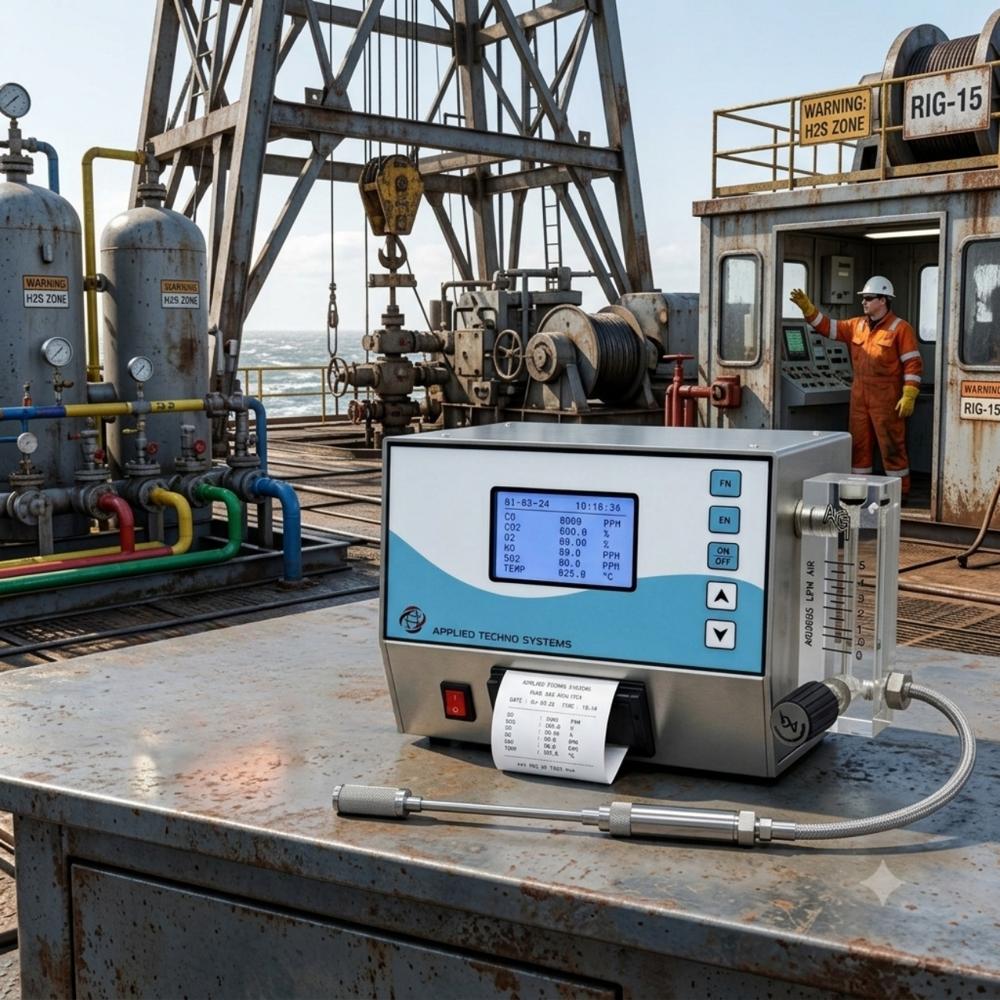
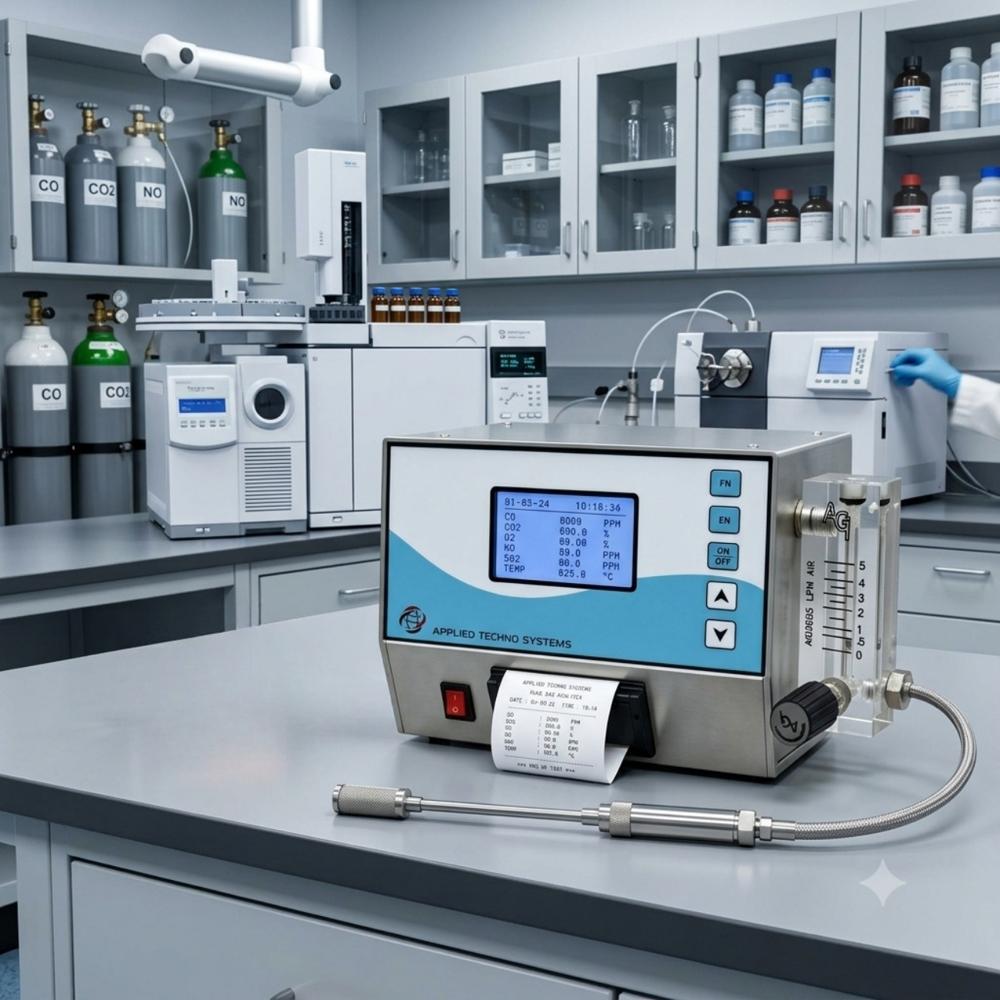
A: The monitor is ideal for use in industrial environments, laboratories, ambient air monitoring, and stack or flue gas analysis. Its portable and desktop capabilities provide flexibility for diverse applications.Q: How is real-time monitoring achieved with this device?
A: Real-time gas concentration is displayed on a digital LCD in less than 15 seconds after sample intake, with continuous sampling facilitated by the built-in pump. Programmable alarms alert the user instantly if gases exceed preset thresholds.Q: What is the benefit of the integrated thermal printer?
A: The integrated printer enables immediate on-site printing of measurement results, ensuring quick documentation processes, reducing manual transcription errors, and improving workflow efficiency during inspections or audits.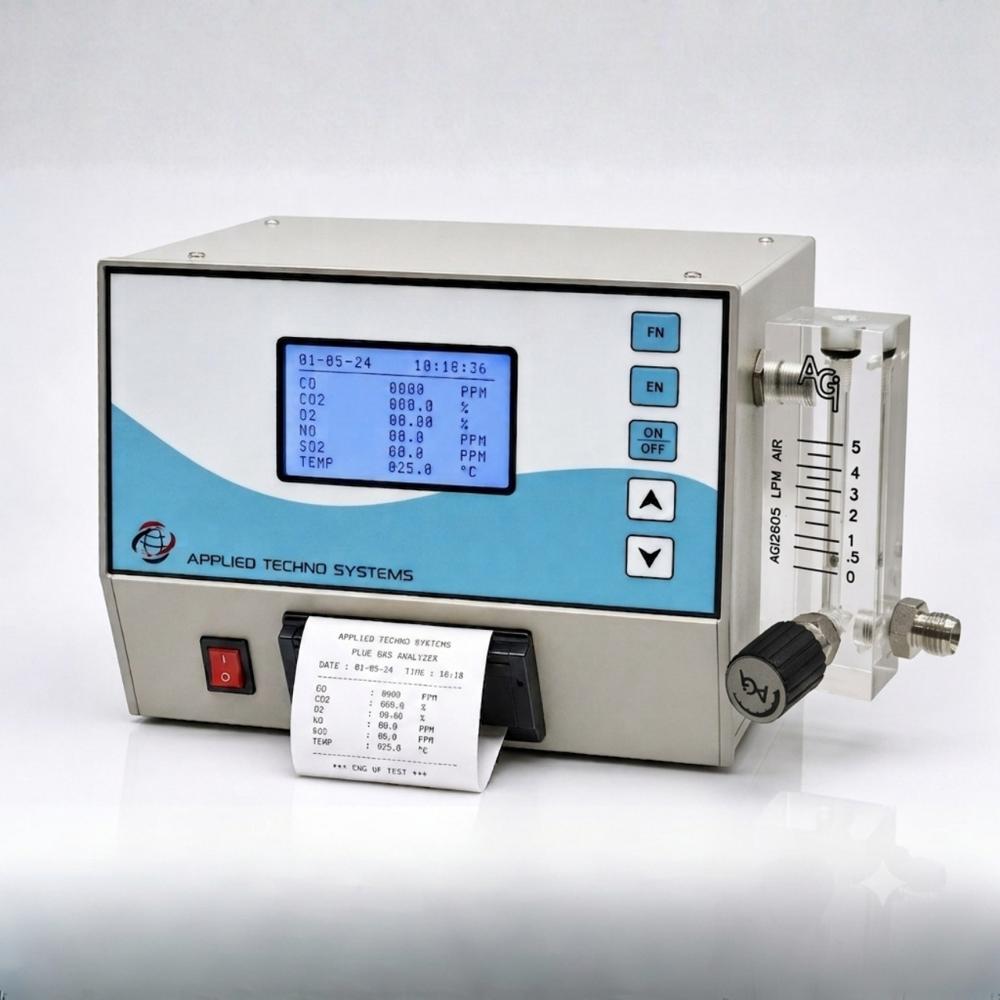

Price:
- 50
- 100
- 200
- 250
- 500
- 1000+

More Products in Gas Purity Analyzer Category
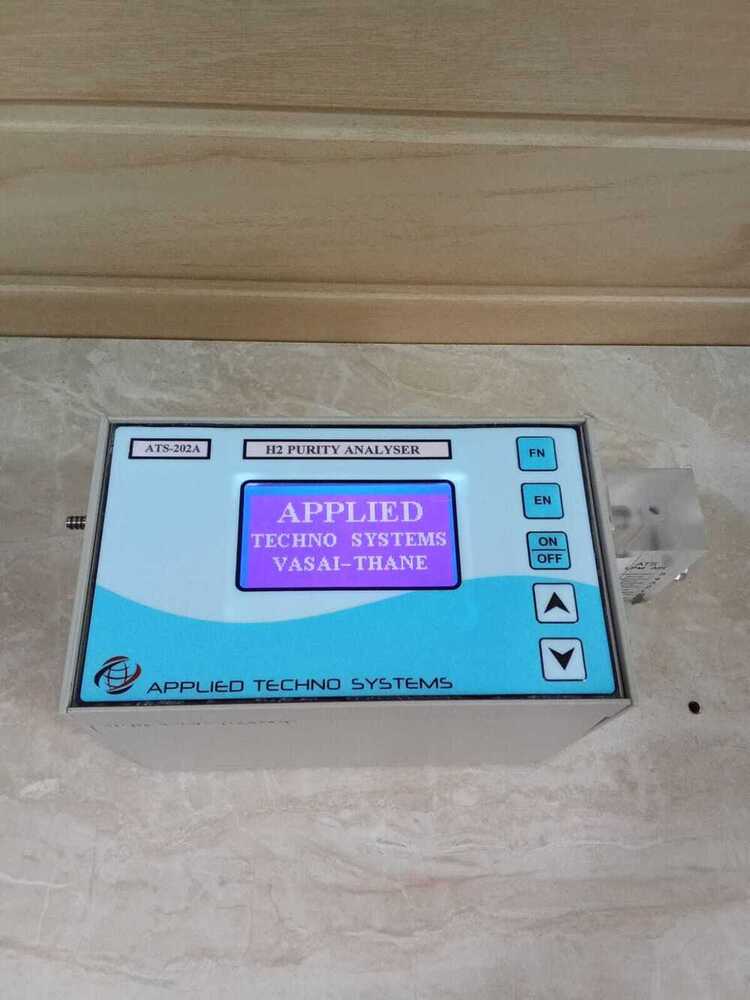
Portable Nitrogen Purity Analyser
Price 75000.0 INR / Unit
Minimum Order Quantity : 1 Piece
Display Type : Digital LCD
Accuracy : 0.3% %
Humidity : 099% RH
Application : Measurement of nitrogen purity in industrial gases
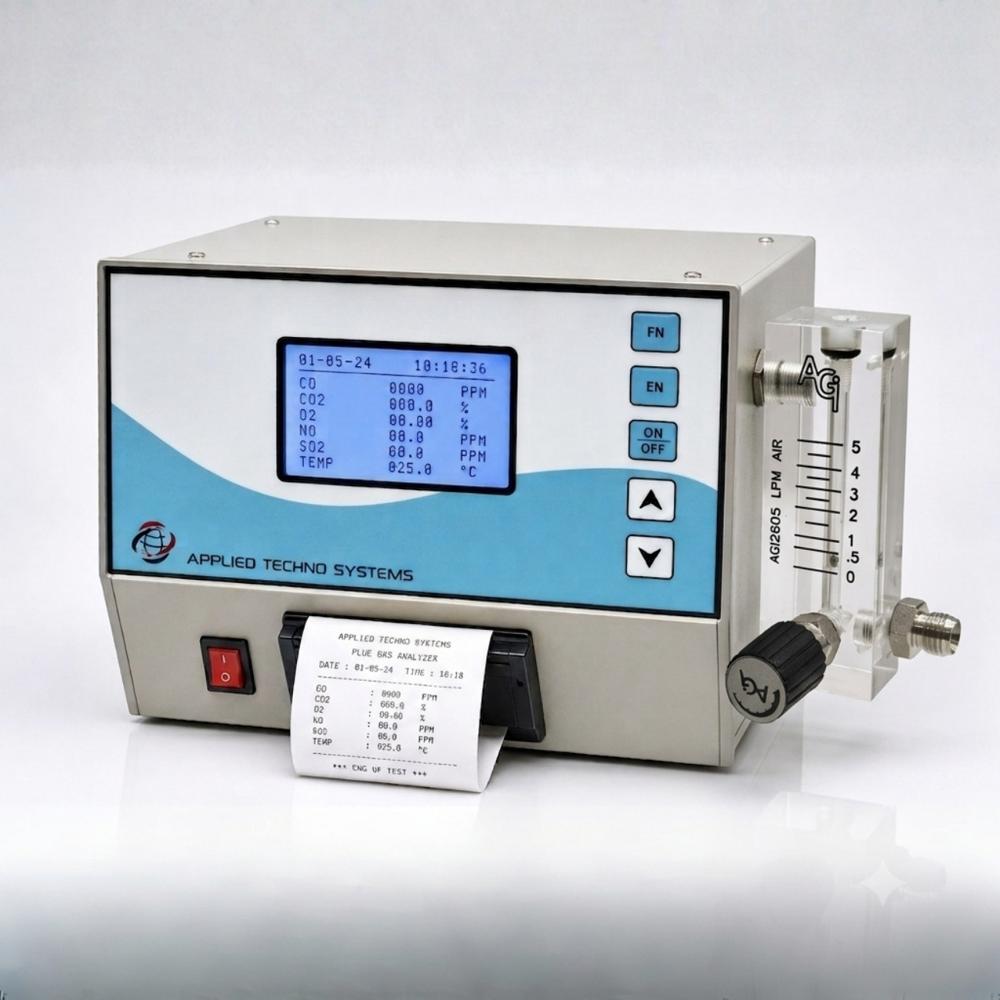
Portable Gas Testing Instrument
Price 145500.0 INR / Unit
Minimum Order Quantity : 1 Unit
Display Type : Backlit LCD display
Accuracy : 2% of full scale
Humidity : 095% RH (noncondensing)
Application : Stack, ambient and industrial gas analysis
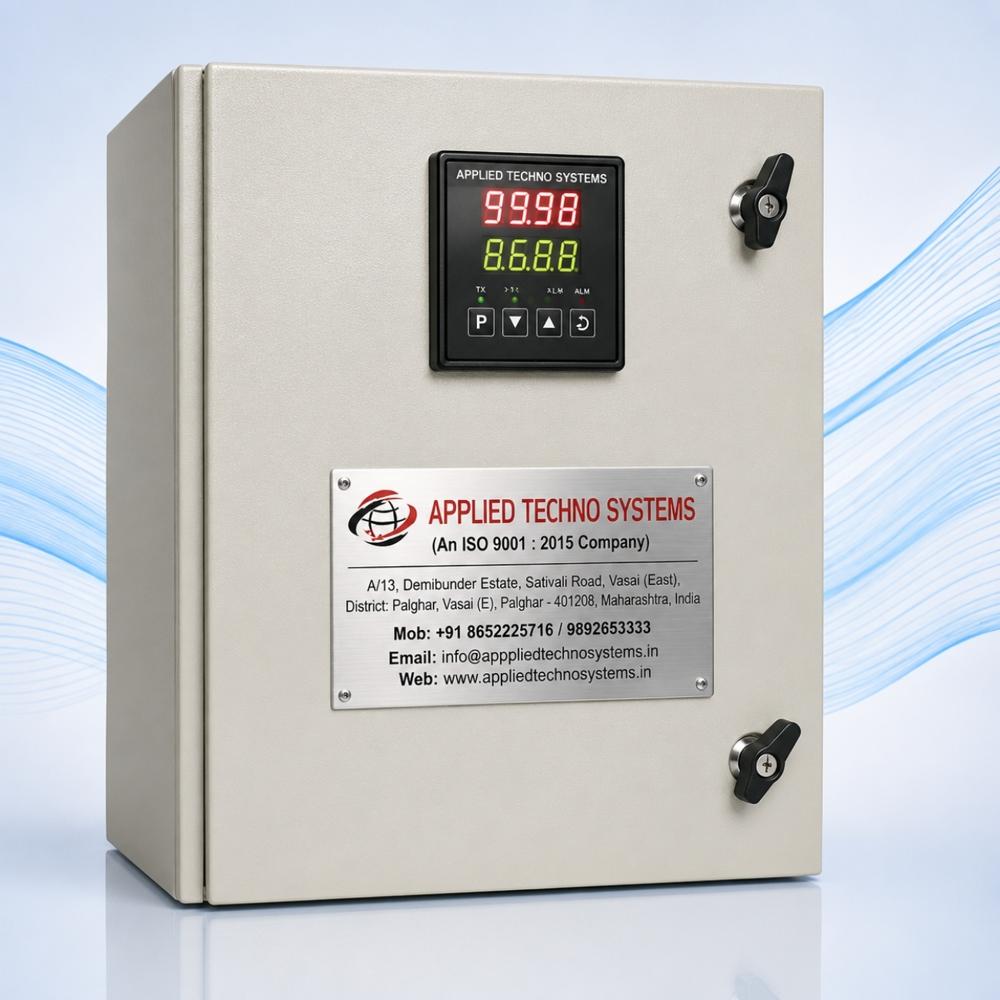
Online Oxygen Purity Monitoring System
Price 135500.0 INR / Piece
Minimum Order Quantity : 1 Piece
Display Type : Digital LED Display
Accuracy : 1% of Full Scale
Humidity : 095% RH (noncondensing)
Application : Continuous Oxygen Purity Measurement for Gas Generators, PSA Plants, Medical Gas Line, and Industrial Processes
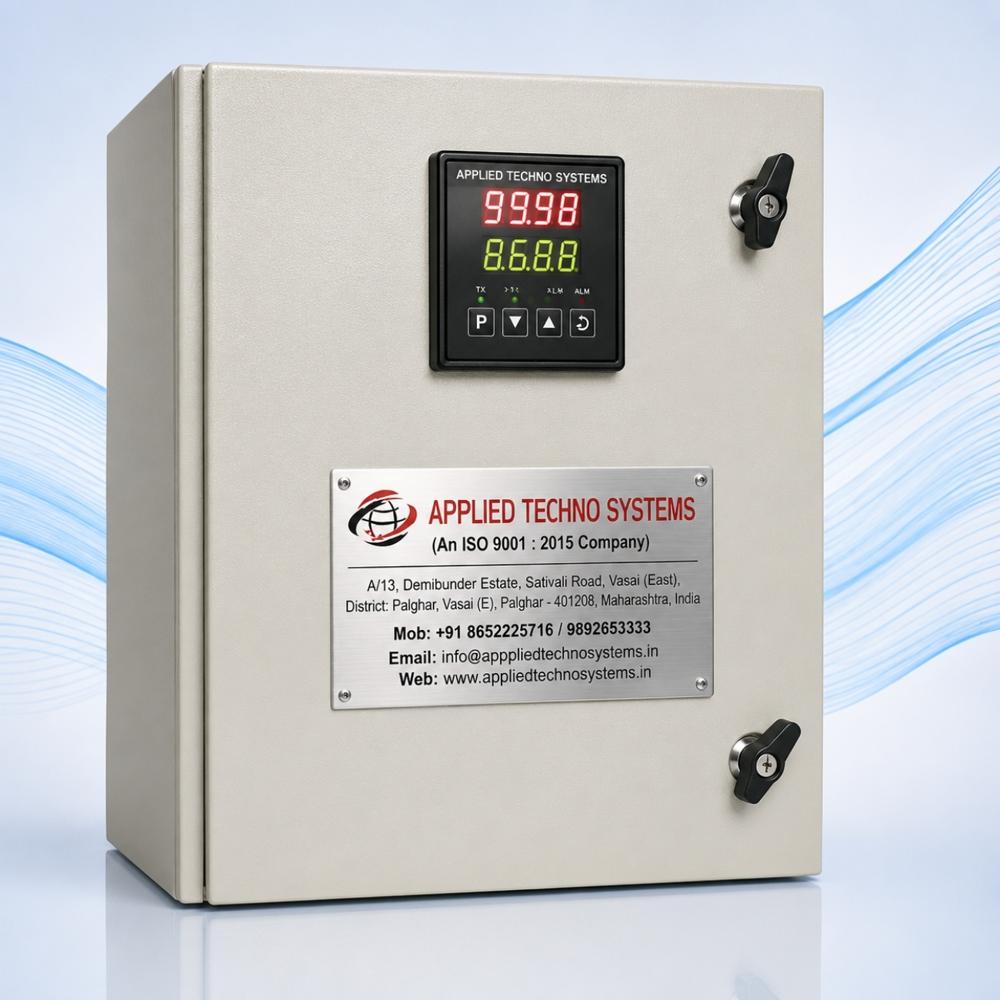
Online Gas Analyser
Price 130500.0 INR / Piece
Minimum Order Quantity : 1 Piece
Display Type : Digital LED
Accuracy : 2% F.S. (per gas)
Humidity : 095% RH, Noncondensing
Application : Industrial Gas Monitoring, Safety


- 104, Delta Industrial Estate, Building No 1, Gokhivare, Sativali Road, Vasai East, Dist-Palghar,Vasai - 401208, Maharashtra, India
- Phone : 08045814504
GST : 27AAVCA1127G1ZN

- Mr M L YADAV (Marketing Manager)
- Mobile : 08045814504
- Send Inquiry
 Send Inquiry

|


- Dew Point Meters
- Gas Analysers
- Portable Gas Detector
- Moisture And Dew Point Analyzer
- Dust/Opacity Monitor
- Gas Monitoring Systems
- Gas Leak Detectors
- Gas Transmitters
- VOC Leak Detector
- Air Quality Monitoring System
- Online Continuous Emission Monitoring System-OCEMS
- Dew Point Monitors
- Gas Detector
- Opacity Monitor
- Portable Flue Gas Analyzer
- Online SOX & NOX Gas Analyzer
- Methane Gas Leak Detector
- Hydrogen Purity Analyzer
- Gas Purity Analyzer
- Effluent Monitoring Systems
- Producer Gas Analyzer
- Gas Detector Calibration Service
- Portable Gas Monitors
- Gas Sensor Transmitter

Developed and Managed by Infocom Network Private Limited.


 English
 Spanish
 French
 German
 Italian
 Chinese (Simplified)
 Japanese
 Korean
 Arabic
 Portuguese
