 Chat with us

- Dew Point Meters
- Gas Analysers
- Portable Gas Detector
- Moisture And Dew Point Analyzer
- Dust/Opacity Monitor
- Gas Monitoring Systems
- Gas Leak Detectors
- Gas Transmitters
- VOC Leak Detector
- Air Quality Monitoring System
- Online Continuous Emission Monitoring System-OCEMS
- Dew Point Monitors
- Gas Detector
- Opacity Monitor
- Portable Flue Gas Analyzer
- Online SOX & NOX Gas Analyzer
- Methane Gas Leak Detector
- Hydrogen Purity Analyzer
- Gas Purity Analyzer
- Effluent Monitoring Systems
- Producer Gas Analyzer
- Gas Detector Calibration Service
- Portable Gas Monitors
- Gas Sensor Transmitter

 Send Inquiry
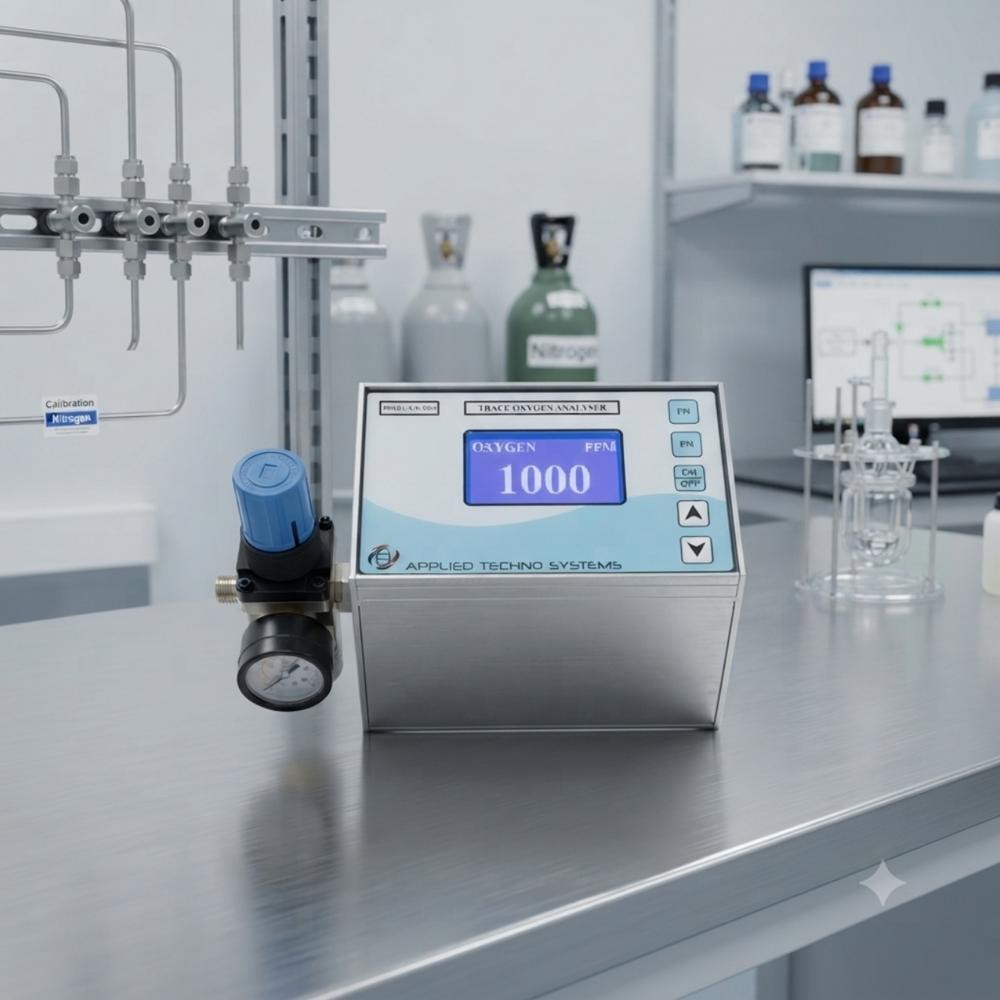
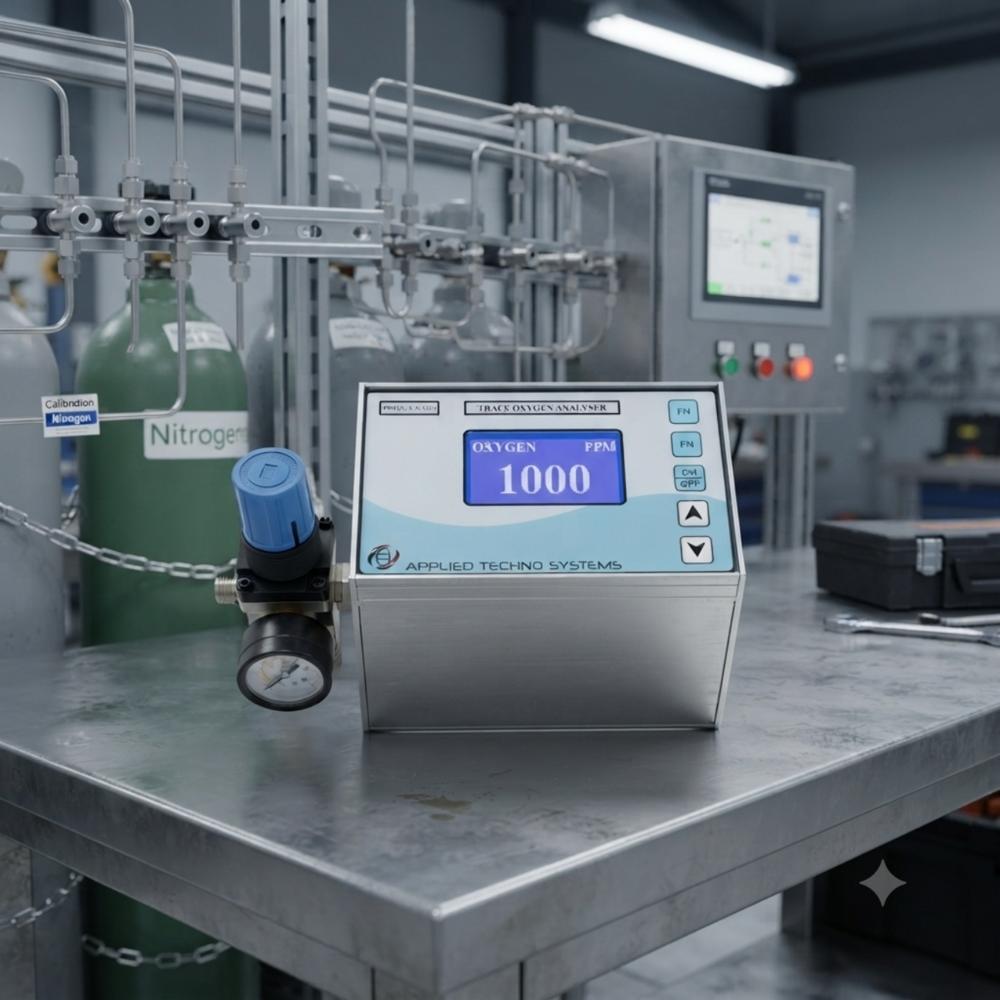
Portable Trace Oxygen Measurement System
Price 345500.0 INR/ Unit
Portable Trace Oxygen Measurement System Specification
- Test Range
- 0.01 ppm to 25% O2
- Display Type
- Digital LCD Display
- Power Supply
- 230 V AC, 50 Hz
- Frequency
- 50 Hz
- Response Time
- Within 10 seconds
- Accuracy
- 1% of reading
- Interface Type
- RS-232 / RS-485
- Resolution
- 0.01 ppm
- Automation Grade
- Automatic
- Number of Specimens
- Single Input
- Humidity
- 0-99% RH (non-condensing)
- Application
- Industrial Oxygen Analysis
- Equipment Type
- Portable Trace Oxygen Measurement System
- Mounting Type
- Tabletop
- Measuring Range
- 0.01 ppm to 25% O2
- Temperature
- 0C to 50C
- Port Size
- 1/8 inch NPT
- Features
- Portable, Fast Response, Digital Interface, Low Maintenance
- Gas Pressure
- 1-3 kg/cm2
- Operating Voltage
- 230 V AC
- Usage
- Trace Oxygen Monitoring in Gases
- Capacity
- Trace Oxygen Measurement
- Machine Weight
- Approx. 2 kg
- Control Mode
- Digital Control
- Dimensions
- Approx. 220 x 180 x 100 mm
- Protection Class
- IP54
- Calibration
- Manual and Auto Calibration Supported
- Sampling Method
- Direct Sample Inlet
- Operating Pressure
- Atmospheric to 3 kg/cm2
- Sensor Type
- Electrochemical Cell
- Enclosure Material
- Stainless Steel/Aluminum
- Data Logging
- Supported
- Alarm Output
- Audio/Visual Alarm
About Portable Trace Oxygen Measurement System
The Portable Trace Oxygen Analyser is a compact and reliable gas analysis instrument designed for accurate measurement of very low concentrations of Oxygen (O) in industrial, process, and specialty gas applications. It is suitable for trace oxygen measurement where precise monitoring of oxygen levels is important for gas purity control, process monitoring, quality assurance, inerting, purging, leak detection, and operational safety. Depending on the configuration, the analyser can provide measurement across trace oxygen ranges from PPM levels to higher oxygen concentrations, making it suitable for a wide range of gas analysis requirements. Its portable design enables convenient on-site testing, routine inspection, commissioning, maintenance, troubleshooting, and verification at different sampling points. The Portable Trace Oxygen Analyser is suitable for applications involving Nitrogen (N), Hydrogen (H), Argon (Ar), Helium (He), industrial gases, specialty gases, gas cylinders, gas pipelines, laboratories, chemical processing, petrochemical plants, power generation, metal processing, and other industries requiring accurate trace oxygen monitoring. It provides a practical solution for field-based oxygen purity and low-level oxygen concentration measurement.Advanced Oxygen Detection Technology
Utilizing an electrochemical sensor, this system ensures precise trace oxygen measurement from 0.01 ppm to 25%, with an accuracy of 1% of reading. The device is engineered for industrial oxygen analysis, where reliable, real-time monitoring is critical. Both manual and automatic calibration modes are supported, ensuring flexibility for a variety of operational requirements.
User-Friendly, Portable Design
Encased in a durable stainless steel or aluminum housing and protected to IP54 standard, this measurement system is built for longevity and mobile use. The compact size (220 x 180 x 100 mm) and lightweight design (2 kg) allow for easy transportation and tabletop installation, making it suitable for both field and laboratory settings.
Comprehensive Data Management
Equipped with advanced data logging, digital LCD display, and RS-232/RS-485 interfaces, this system streamlines data collection and transfer. Users benefit from real-time monitoring and rapid response times, improving operational efficiency and traceability. The audio/visual alarms further enhance safety by providing immediate feedback for critical readings.
FAQ's of Portable Trace Oxygen Measurement System:
Q: How does the Portable Trace Oxygen Measurement System operate and what is its measuring range?
A: This system operates using an electrochemical cell sensor and a direct sample inlet, measuring trace oxygen in gases from as low as 0.01 ppm up to 25%. With response times within 10 seconds, users can obtain fast evaluation of oxygen levels.Q: What calibration options are available, and how are they performed?
A: Both manual and automatic calibration modes are supported. Manual calibration requires following the on-screen prompts to adjust readings based on reference gases, while auto calibration automates the process for enhanced accuracy and user convenience.Q: When is it advisable to use the audio/visual alarm features?
A: The audio/visual alarms should be utilized whenever continuous monitoring is essential, and immediate notification of out-of-range oxygen levels is required. This feature ensures prompt action in environments where gas safety is critical.Q: Where can this measurement system be installed or used effectively?
A: The portable design and IP54 protection make the system suitable for industrial plants, laboratories, and field sites where trace oxygen monitoring in gases is needed. Its tabletop mounting supports stationary use as well.Q: What is the process of data logging and how does it benefit users?
A: Data logging is performed automatically, capturing measurement results over time for traceability and later analysis. This feature supports regulatory compliance, trend analysis, and data-driven decision-making.Q: How is the device powered and what are its electrical specifications?
A: The system operates on a 230 V AC, 50 Hz power supply, making it compatible with standard industrial electrical setups. Digital control ensures reliable, low-maintenance operation.Q: What are the main benefits of using this oxygen measurement system in industrial applications?
A: Key advantages include high measurement accuracy, fast response, easy calibration, robust portable housing, comprehensive alarm and data management features, and a user-friendly digital interface, all contributing to enhanced safety and operational efficiency.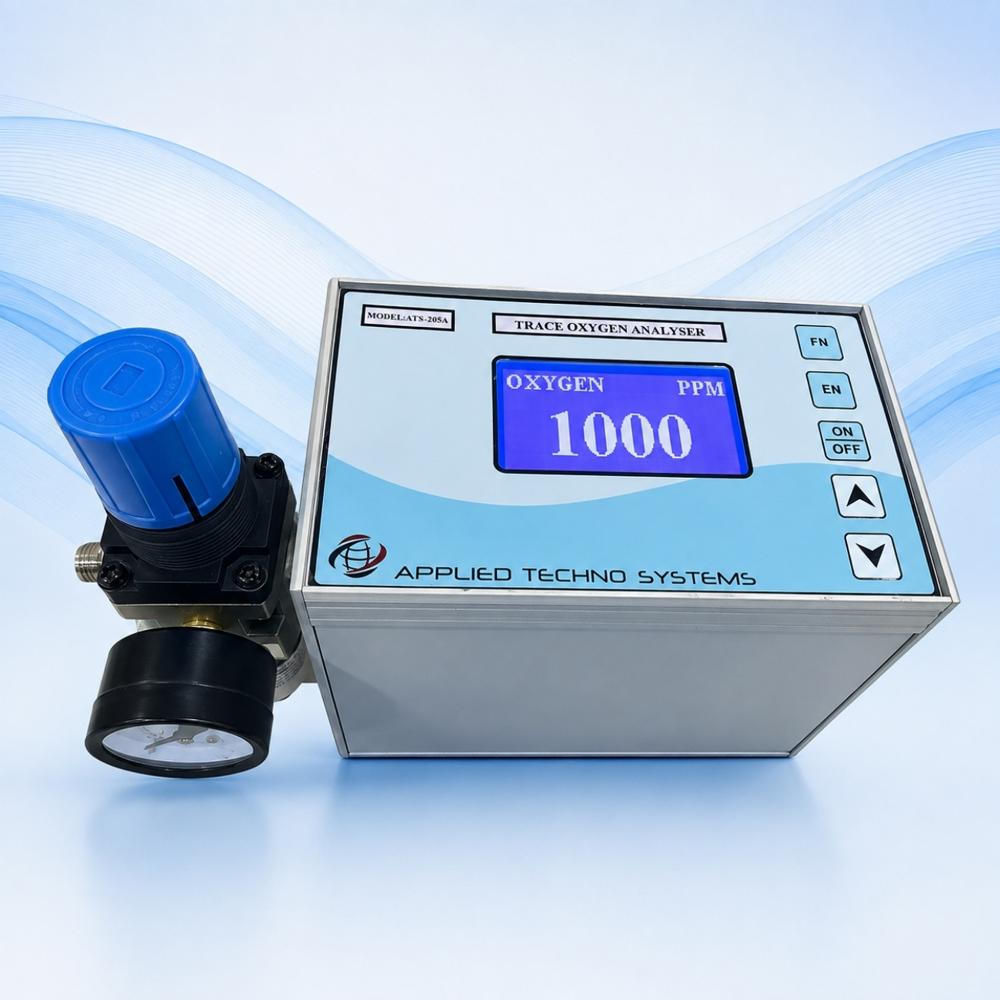

Price:
- 50
- 100
- 200
- 250
- 500
- 1000+

More Products in Gas Analysers Category
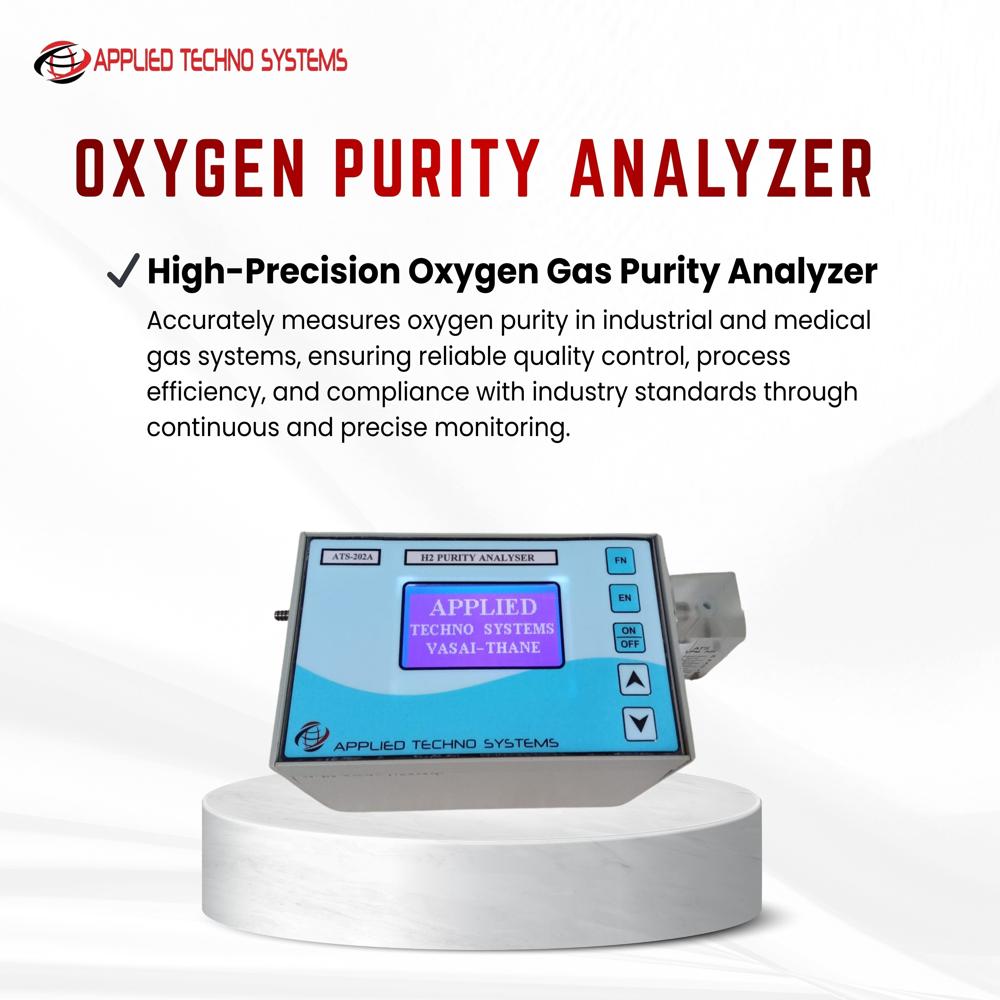
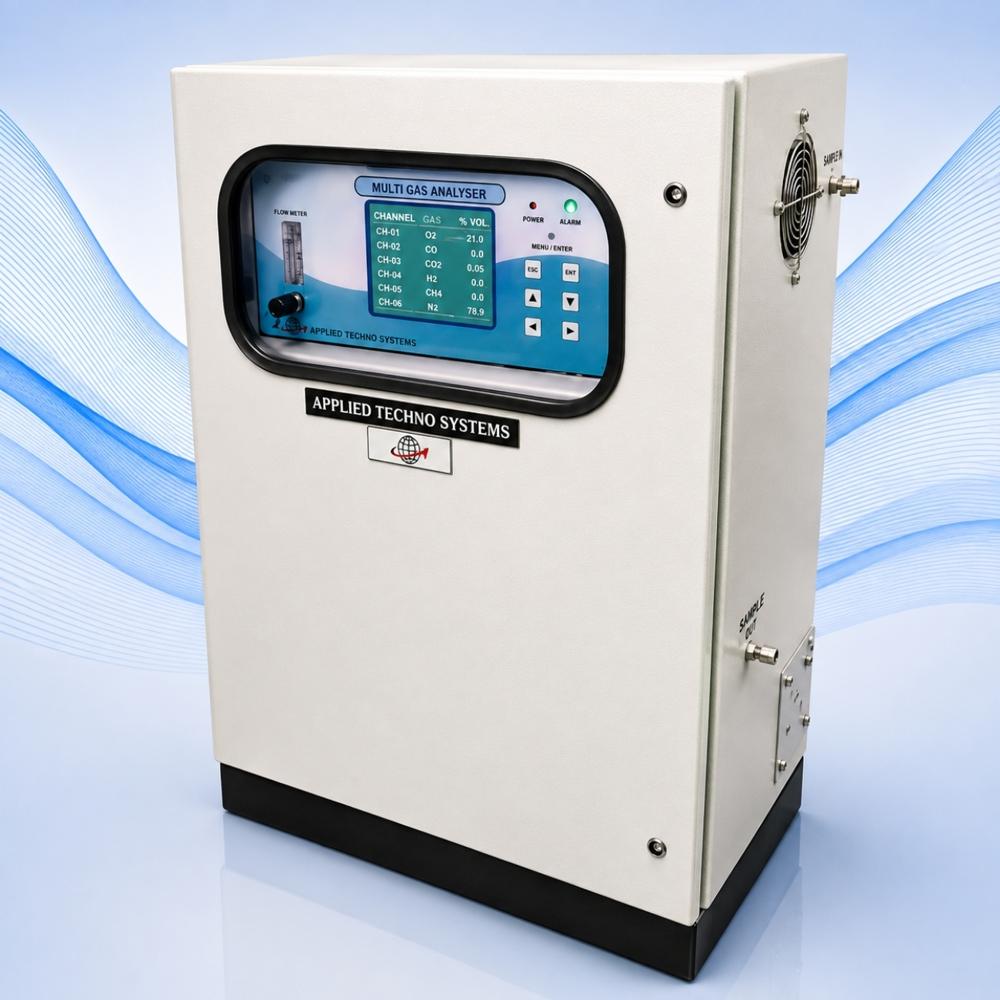
Portable gas purity analyzer
Price 240000.0 INR / Piece
Minimum Order Quantity : 1 Piece
Response Time : 10 seconds
Accuracy : 1% of full scale
Control Mode : Manual and automatic selectable
Resolution : 0.01%
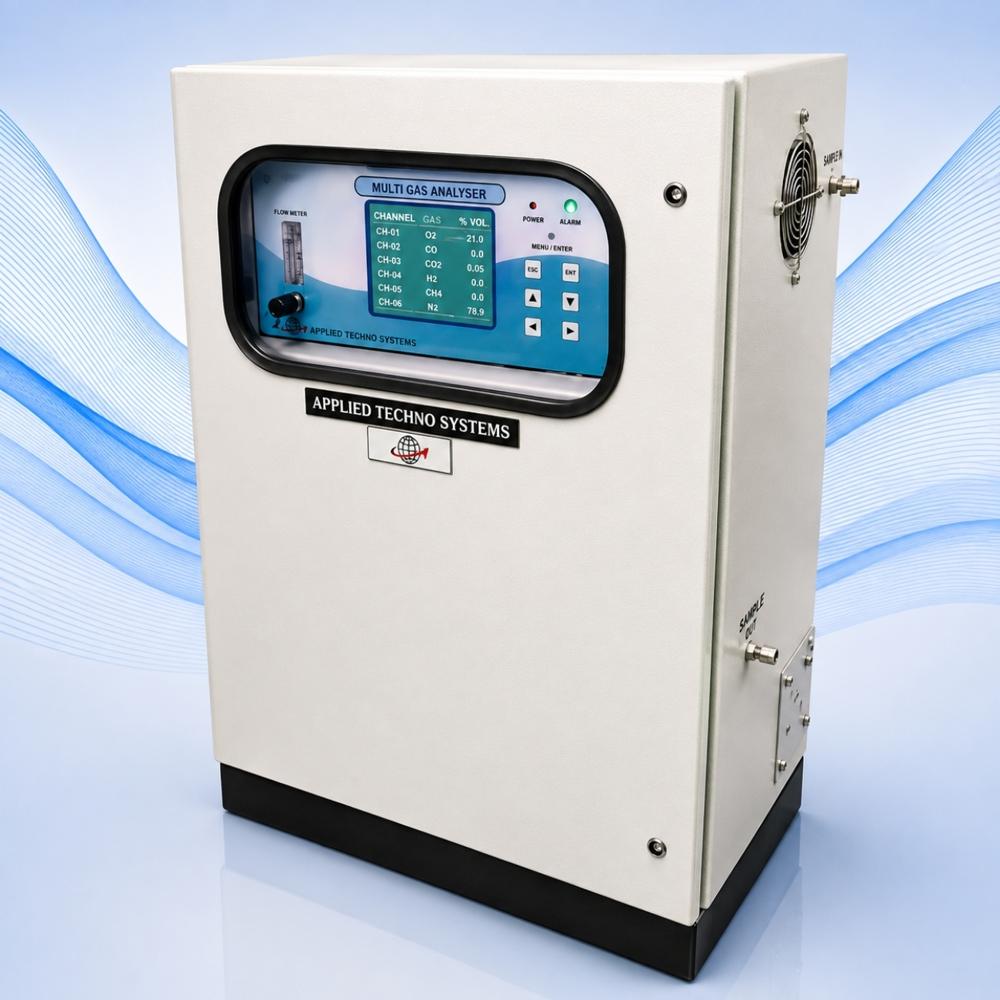
Trace Oxygen Monitoring Equipment
Price 455500.0 INR / Piece
Minimum Order Quantity : 1 Piece
Response Time : 15 seconds
Accuracy : 1% of Full Scale
Control Mode : Microprocessor Based
Resolution : 0.01 ppm
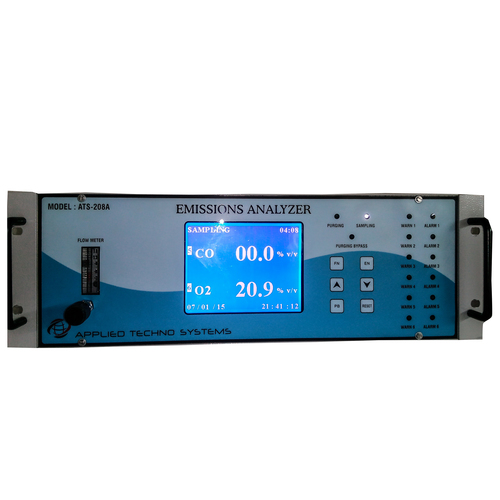
Industrial Producer Gas Analyzer
Price 1070500.0 INR / Piece
Minimum Order Quantity : 1 Piece
Response Time : 15 seconds
Accuracy : 1% of Full Scale
Control Mode : Automatic via Microprocessor Control
Resolution : 0.01%
Online SOX Gas Analyzer
Price 345800.0 INR / Number
Minimum Order Quantity : 1 Number
Response Time : 10 Seconds
Accuracy : +2 %
Control Mode : Manual
Resolution : 0.01%


- 104, Delta Industrial Estate, Building No 1, Gokhivare, Sativali Road, Vasai East, Dist-Palghar,Vasai - 401208, Maharashtra, India
- Phone : 08045814504
GST : 27AAVCA1127G1ZN

- Mr M L YADAV (Marketing Manager)
- Mobile : 08045814504
- Send Inquiry
 Send Inquiry

|


- Dew Point Meters
- Gas Analysers
- Portable Gas Detector
- Moisture And Dew Point Analyzer
- Dust/Opacity Monitor
- Gas Monitoring Systems
- Gas Leak Detectors
- Gas Transmitters
- VOC Leak Detector
- Air Quality Monitoring System
- Online Continuous Emission Monitoring System-OCEMS
- Dew Point Monitors
- Gas Detector
- Opacity Monitor
- Portable Flue Gas Analyzer
- Online SOX & NOX Gas Analyzer
- Methane Gas Leak Detector
- Hydrogen Purity Analyzer
- Gas Purity Analyzer
- Effluent Monitoring Systems
- Producer Gas Analyzer
- Gas Detector Calibration Service
- Portable Gas Monitors
- Gas Sensor Transmitter

Developed and Managed by Infocom Network Private Limited.


 English
 Spanish
 French
 German
 Italian
 Chinese (Simplified)
 Japanese
 Korean
 Arabic
 Portuguese
