 Chat with us

- Dew Point Meters
- Gas Analysers
- Portable Gas Detector
- Moisture And Dew Point Analyzer
- Dust/Opacity Monitor
- Gas Monitoring Systems
- Gas Leak Detectors
- Gas Transmitters
- VOC Leak Detector
- Air Quality Monitoring System
- Online Continuous Emission Monitoring System-OCEMS
- Dew Point Monitors
- Gas Detector
- Opacity Monitor
- Portable Flue Gas Analyzer
- Online SOX & NOX Gas Analyzer
- Methane Gas Leak Detector
- Hydrogen Purity Analyzer
- Gas Purity Analyzer
- Effluent Monitoring Systems
- Producer Gas Analyzer
- Gas Detector Calibration Service
- Portable Gas Monitors
- Gas Sensor Transmitter

 Send Inquiry
Portable Tri Gas Analyzer
Price 450500.0 INR/ Piece
Portable Tri Gas Analyzer Specification
- Port Size
- 1/4 inch
- Power Supply
- 230V AC, 50Hz
- Max Height
- 150 mm
- Equipment Type
- Portable Tri Gas Analyzer
- Temperature
- 0C to 50C
- Mounting Type
- Bench Top
- Resolution
- 0.1%
- Frequency
- 50 Hz
- Application
- Measurement of Oxygen, Carbon Dioxide, Nitrogen in Air and Gas Mixtures
- Gas Pressure
- 0.5 to 2.0 bar
- Automation Grade
- Semi-Automatic
- Response Time
- <10 seconds
- Humidity
- 0-95% RH (Non-condensing)
- Accuracy
- 1% of Reading
- Operating Voltage
- 230V AC
- Features
- Portable, Microprocessor Based, Easy Calibration
- Test Range
- O2: 0-100%, CO2: 0-100%, N2: 0-100%
- Interface Type
- RS232/USB
- Measuring Range
- O2: 0-100%, CO2: 0-100%, N2: 0-100%
- Display Type
- Digital LCD Display
- Usage
- Industrial and Laboratory Gas Analysis
- Capacity
- Continuous Measurement
- Machine Weight
- Approx. 6 kg
- Control Mode
- Microprocessor Based Control
- Sensor Type
- Electrochemical/Infrared
- Operation
- Continuous/Batch
- Enclosure Material
- Stainless Steel
- Alarm Function
- Programmable Alarm
- Calibration
- Manual/Automatic
- Data Logging
- Internal Storage/USB
- Sampling Mode
- Manual Sampling/Inline Sampling
- Dimensions
- 350mm x 180mm x 200mm
- Sample Flow Rate
- 300-500 ml/min
- Model Number
- ATS-203A
About Portable Tri Gas Analyzer
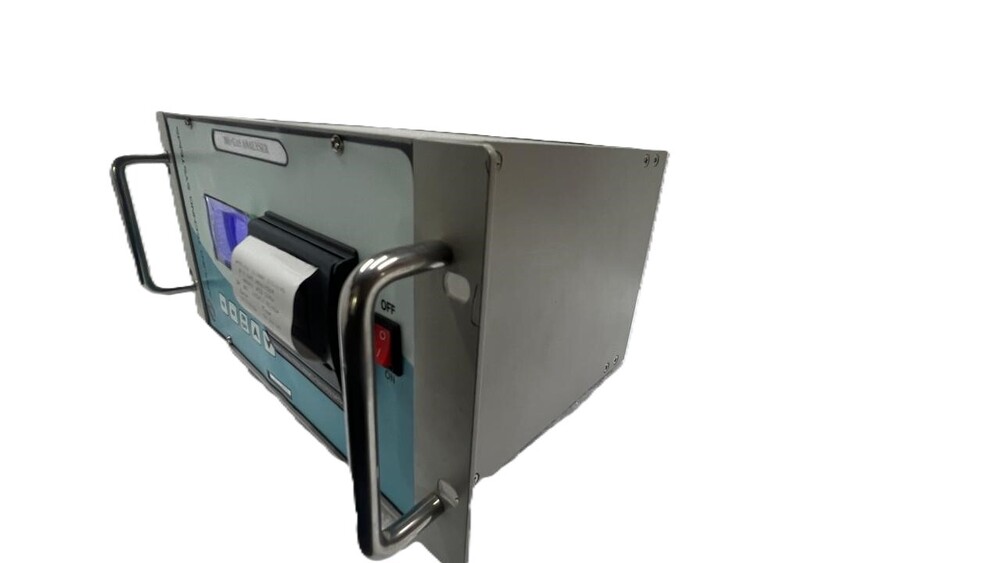
The Tri Gas Analyser is a portable and reliable gas analysis instrument designed for accurate measurement and monitoring of gas composition in power generation and other industrial applications. It is particularly suitable for measuring Hydrogen (H), Air, and Carbon Dioxide (CO) during generator filling, purging, shutdown, startup, and normal operating conditions, helping users monitor gas purity and ensure safe and efficient operation. The analyser uses a reliable gas measurement system with temperature compensation for stable and accurate readings and can be configured with suitable sampling components for convenient field analysis. Its portable design makes it suitable for generator gas purity testing, hydrogen cooling system monitoring, gas replacement and purging operations, maintenance, commissioning, troubleshooting, and routine inspection. The Tri Gas Analyser can be used in power plants, electrical power generation facilities, turbine-generator systems, industrial plants, hydrogen-cooled generators, and other applications requiring reliable measurement of hydrogen, air, and carbon dioxide gas composition. It provides a practical solution for on-site gas analysis, helping operators verify gas purity, monitor generator conditions, and support safe and efficient plant operation.Advanced Gas Analysis Technology
The ATS-203A utilizes electrochemical and infrared sensors to provide precise, real-time measurements for oxygen, carbon dioxide, and nitrogen. With a wide measuring range (0-100% for each gas) and high resolution (0.1%), it supports critical quality control in industrial and laboratory applications.
Versatile Sampling and Control
Offering both manual and inline sampling modes, the analyzer adapts to varied operational requirements. Whether for continuous monitoring or periodic batch analysis, the microprocessor-based control ensures consistent performance and ease of use.
Convenient Data Management
Data logging is simplified with internal storage and USB connectivity, allowing effortless transfer and documentation of readings. This feature aids in compliance, traceability, and trend analysis for professional environments.
FAQ's of Portable Tri Gas Analyzer:
Q: How is the ATS-203A Portable Tri Gas Analyzer typically used?
A: The analyzer measures oxygen, carbon dioxide, and nitrogen concentrations in air or gas mixtures, making it suitable for quality monitoring and research in laboratories, industries, and process control settings.Q: What makes the ATS-203A suitable for both continuous and batch operations?
A: Its design supports manual or inline sampling, allowing users to perform continuous real-time monitoring or discrete batch tests as needed, which enhances versatility for different applications.Q: When should the ATS-203A be recalibrated and how is this done?
A: Calibration can be performed either manually or automatically, depending on user preference and frequency of use. Regular calibration ensures accuracy and is recommended based on operational intensity or manufacturer's guidelines.Q: Where can the ATS-203A be installed or used?
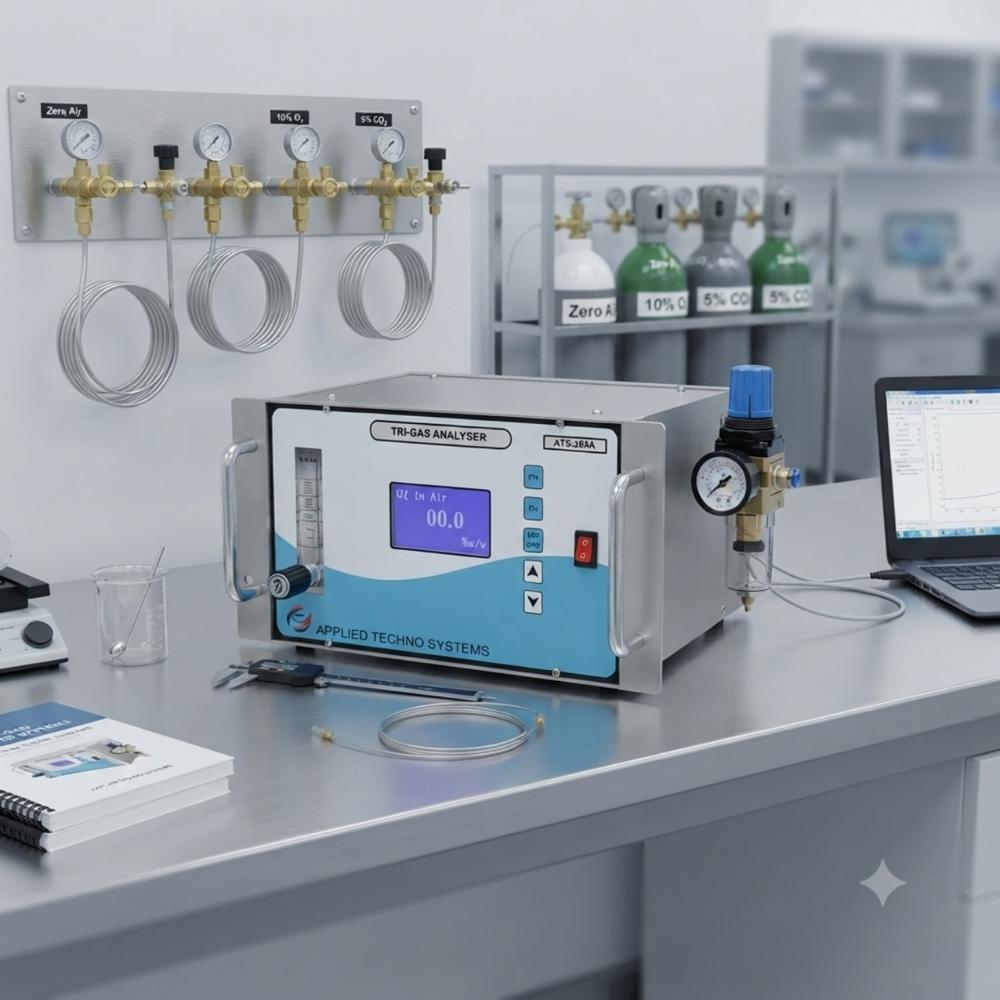
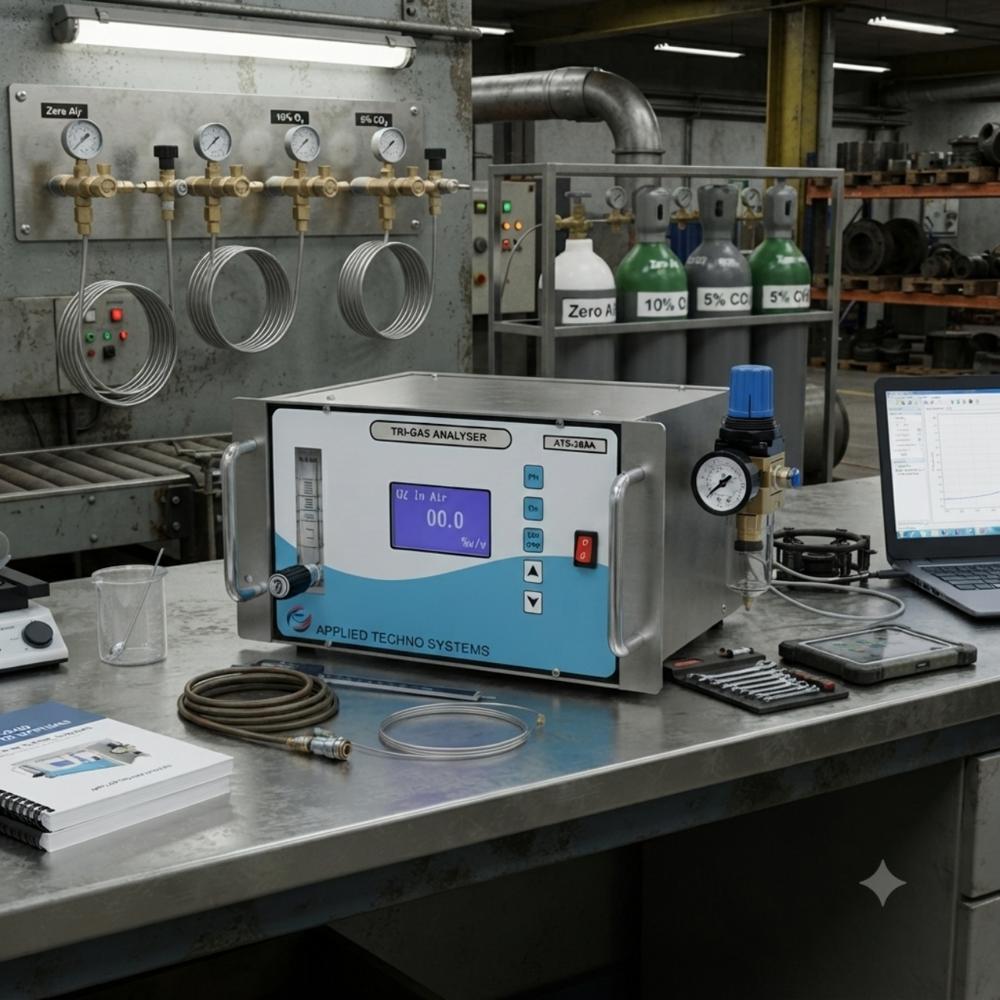
A: This bench-top portable analyzer is ideal for laboratory benches or industrial process areas with compatible power supply (230V AC) and environmental conditions (0C to 50C, up to 95% RH non-condensing).Q: What are the process steps for sampling gases with this analyzer?
A: Users can select manual sampling for individual samples or connect the system inline for continuous monitoring. After connecting the sampling line and selecting the operation mode, readings are captured and displayed digitally.Q: What are the main benefits of the ATS-203A for gas analysis?
A: Key benefits include portable design, high measurement accuracy, rapid response time, programmable alarms, data logging with USB export, and easy-to-use controls, all within a durable stainless steel enclosure.Q: How does the programmable alarm function enhance safety and efficiency?
A: The programmable alarm alerts users to gas concentration thresholds, enabling immediate response to potentially unsafe or undesirable conditions, which improves operational safety and process reliability.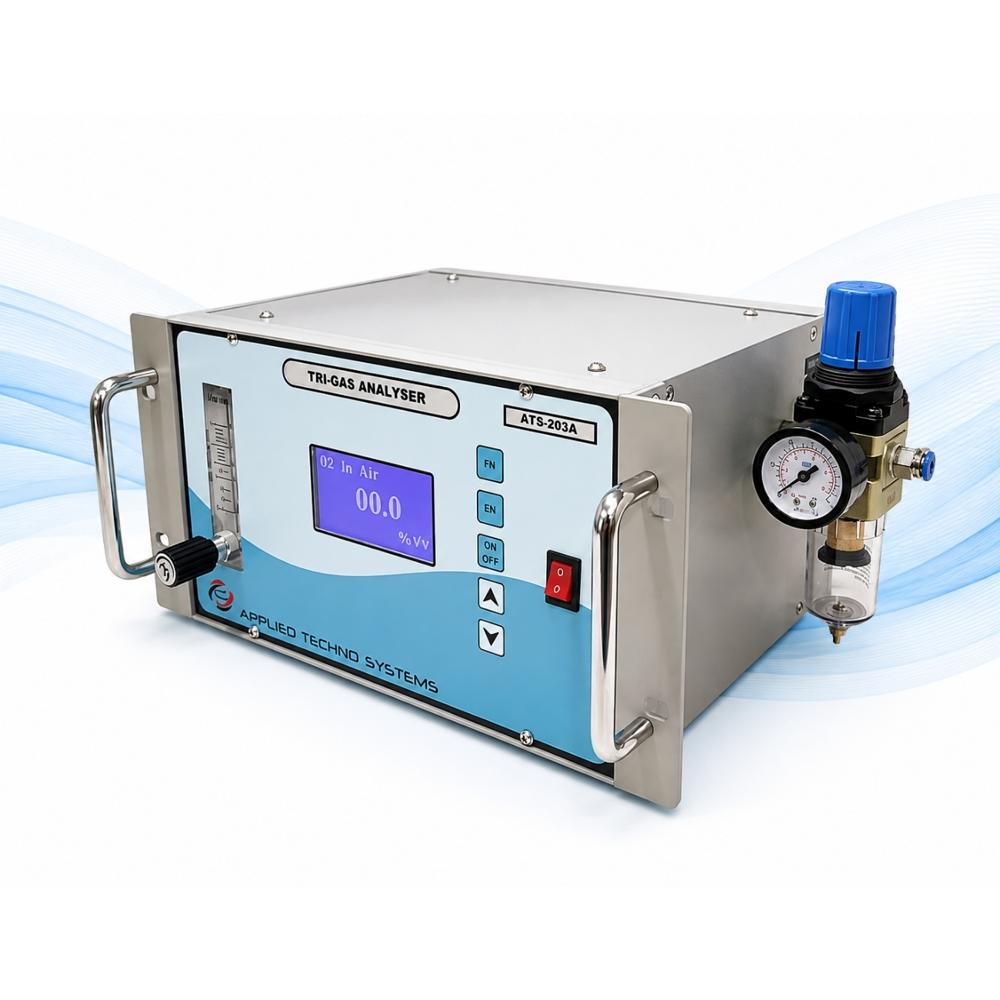

Price:
- 50
- 100
- 200
- 250
- 500
- 1000+

More Products in Gas Analysers Category
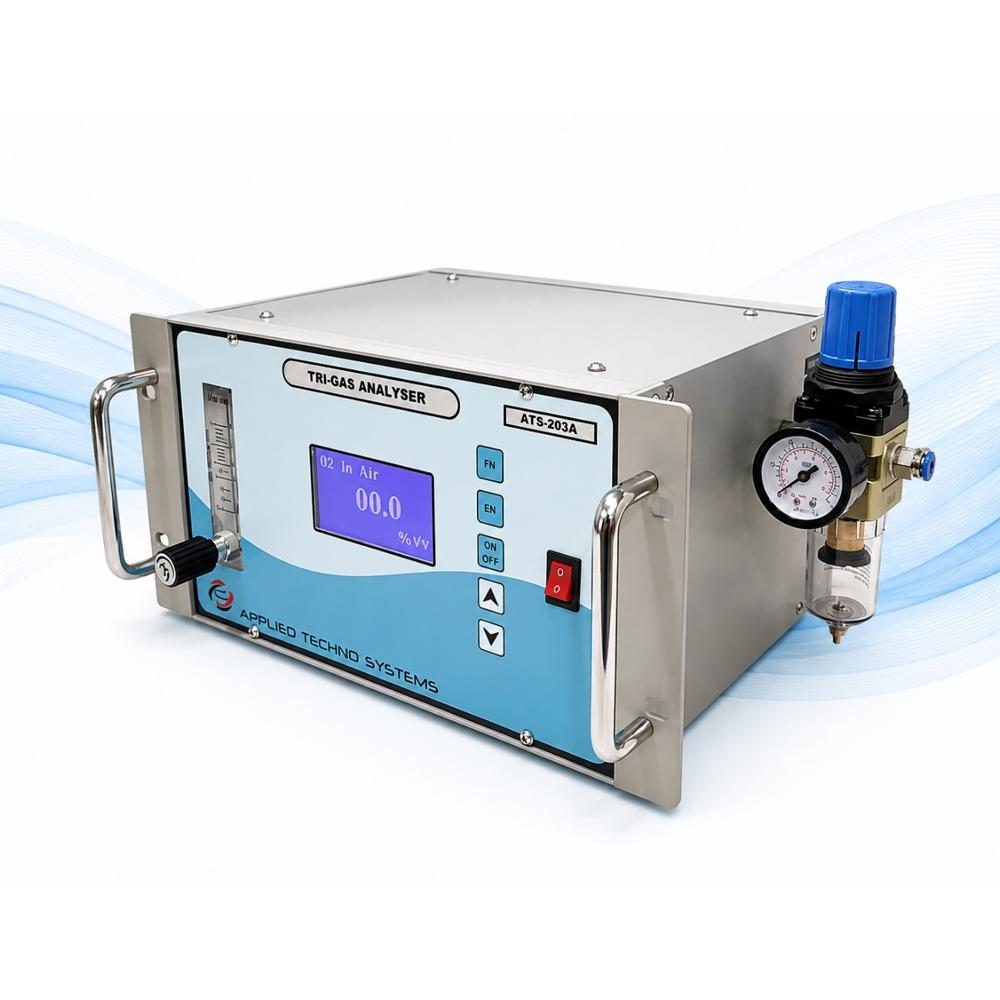
Gas Analysis Equipment
Price 450500.0 INR / Piece
Minimum Order Quantity : 1 Piece
Application : Industrial Gas Analysis, Environmental Monitoring, Laboratory use
Display Type : Digital LCD
Response Time : < 10 seconds
Resolution : 0.1% Vol
Ammonia Gas Analyser
Price 225000.0 INR / Number
Minimum Order Quantity : 1 Unit
Application : Industrial
Display Type : LED
Response Time : 10 Seconds
Resolution : 1ppm
Portable CH4 Gas analyzer
Price 275000.0 INR / Number
Minimum Order Quantity : 1 Number
Application : Industrial
Display Type : Digital
Response Time : 10 Seconds
Resolution : 1 PPM
Process gas analyzer
Price 450000.0 INR / Number
Minimum Order Quantity : 1 Number
Application : Industrial
Display Type : Digital
Response Time : 10 Seconds
Resolution : 1 PPM


- 104, Delta Industrial Estate, Building No 1, Gokhivare, Sativali Road, Vasai East, Dist-Palghar,Vasai - 401208, Maharashtra, India
- Phone : 08045814504
GST : 27AAVCA1127G1ZN

- Mr M L YADAV (Marketing Manager)
- Mobile : 08045814504
- Send Inquiry
 Send Inquiry

|


- Dew Point Meters
- Gas Analysers
- Portable Gas Detector
- Moisture And Dew Point Analyzer
- Dust/Opacity Monitor
- Gas Monitoring Systems
- Gas Leak Detectors
- Gas Transmitters
- VOC Leak Detector
- Air Quality Monitoring System
- Online Continuous Emission Monitoring System-OCEMS
- Dew Point Monitors
- Gas Detector
- Opacity Monitor
- Portable Flue Gas Analyzer
- Online SOX & NOX Gas Analyzer
- Methane Gas Leak Detector
- Hydrogen Purity Analyzer
- Gas Purity Analyzer
- Effluent Monitoring Systems
- Producer Gas Analyzer
- Gas Detector Calibration Service
- Portable Gas Monitors
- Gas Sensor Transmitter

Developed and Managed by Infocom Network Private Limited.


 English
 Spanish
 French
 German
 Italian
 Chinese (Simplified)
 Japanese
 Korean
 Arabic
 Portuguese
