 Chat with us

- Dew Point Meters
- Gas Analysers
- Portable Gas Detector
- Moisture And Dew Point Analyzer
- Dust/Opacity Monitor
- Gas Monitoring Systems
- Gas Leak Detectors
- Gas Transmitters
- VOC Leak Detector
- Air Quality Monitoring System
- Online Continuous Emission Monitoring System-OCEMS
- Dew Point Monitors
- Gas Detector
- Opacity Monitor
- Portable Flue Gas Analyzer
- Online SOX & NOX Gas Analyzer
- Methane Gas Leak Detector
- Hydrogen Purity Analyzer
- Gas Purity Analyzer
- Effluent Monitoring Systems
- Producer Gas Analyzer
- Gas Detector Calibration Service
- Portable Gas Monitors
- Gas Sensor Transmitter

 Send Inquiry
Single Gas Leak Detector With Pump
Price 43000.0 INR/ Unit
Single Gas Leak Detector With Pump Specification
- Max Height
- 175 mm
- Resolution
- 0.1% Vol
- Automation Grade
- Automatic
- Test Range
- 0-30% Vol (Oxygen Detector)
- Application
- Detection of Oxygen (O2) Gas Leak
- Gas Pressure
- Atmospheric
- Accuracy
- 2% F.S.
- Interface Type
- Simple Button Controls
- Measuring Range
- 0-30% Vol
- Response Time
- <5 Seconds
- Temperature
- -10C to 50C
- Features
- Portable, Pump Sampling, Digital Display, High Sensitivity, Audible and Visual Alarm
- Humidity
- 0-95% RH (non-condensing)
- Display Type
- Digital LCD Display
- Port Size
- Sampling Port 6 mm
- Power Supply
- Rechargeable Lithium-Ion Battery / DC Adapter
- Operating Voltage
- DC 3.7V / AC Adapter
- Mounting Type
- Handheld
- Usage
- Portable Oxygen Gas Monitoring
- Machine Weight
- Approx. 450 g
- Control Mode
- Push Button Operation
- Protection Class
- IP54
- Sampling Method
- Built-in Electric Pump
- Calibration
- Manual Calibration Function
- Color
- White / Blue Accent
- Equipment Type
- Single Gas Leak Detector With Pump
- Sensor Type
- Electrochemical Oxygen Sensor
- Alarm Indication
- Audible Buzzer & Visual LED
- Model Number
- ATS-101M
- Battery Life
- Up to 8 hours continuous use
About Single Gas Leak Detector With Pump
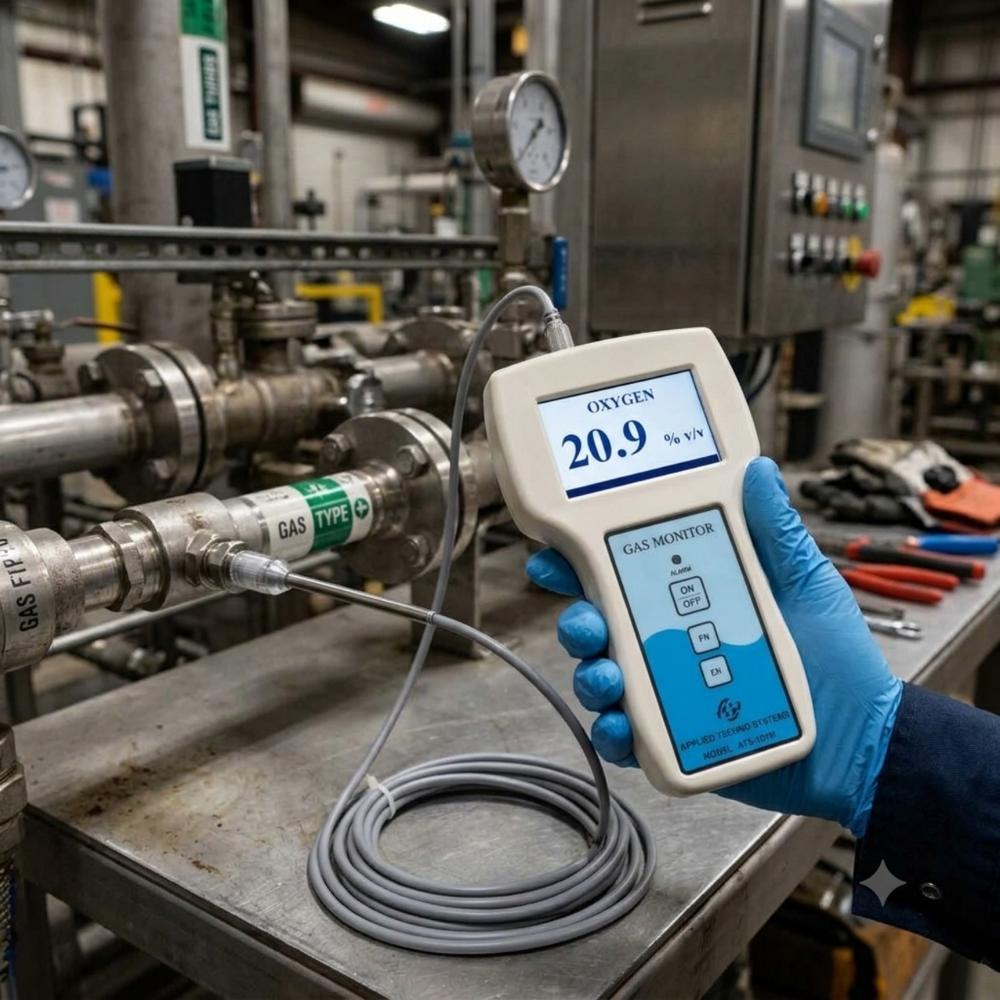
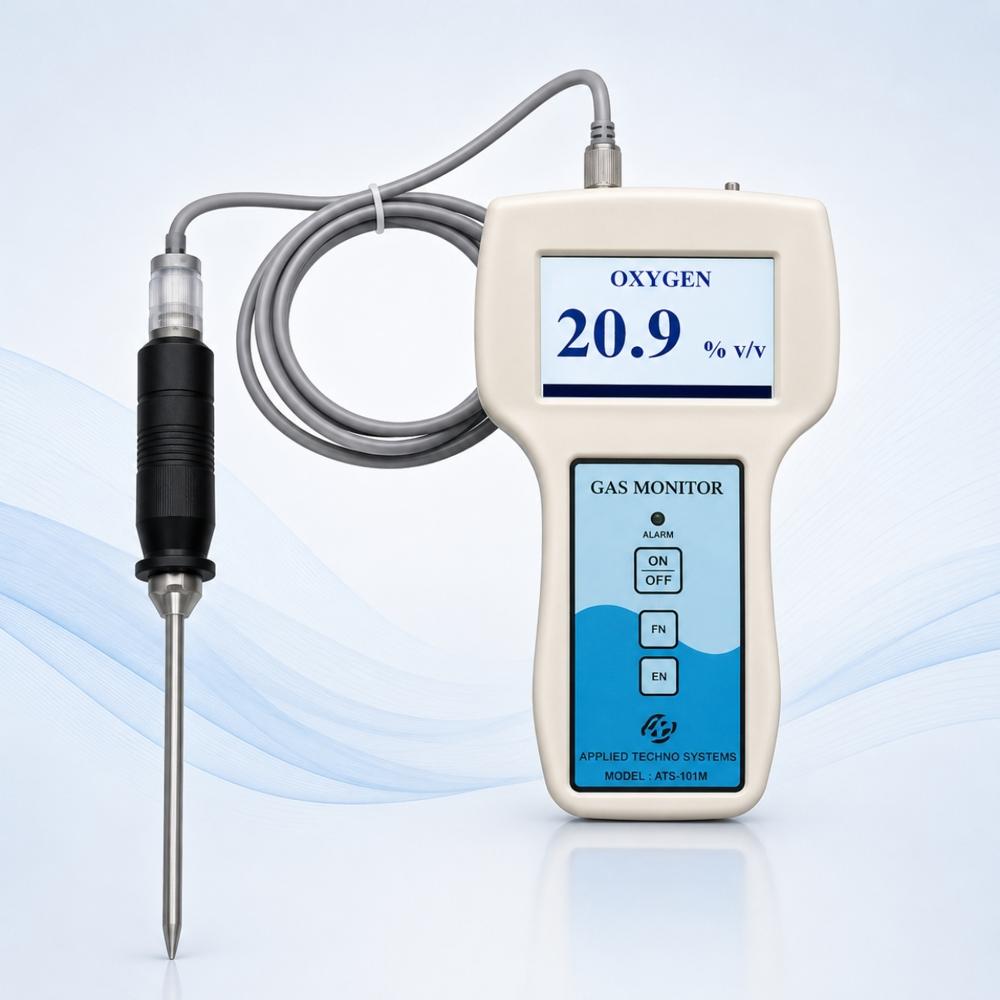
The Handheld Single Gas Detector With Pump is a compact and portable gas detection instrument designed for reliable monitoring of a specific gas in industrial, hazardous and confined-space environments. The integrated sampling pump enables active gas sampling from locations that are difficult to access, providing convenient and reliable detection of oxygen, toxic, combustible and other hazardous gases. Available in different gas configurations, the detector is suitable for personal safety, gas leak detection, confined-space entry, process monitoring and routine workplace gas monitoring. Its rugged handheld design makes it suitable for applications across oil & gas, oil refineries, petrochemical, chemical, pharmaceutical, fertilizer, power plants, steel, mining, battery manufacturing and other industrial sectors. The detector provides clear gas concentration readings along with visual and audible alarms when preset gas levels are reached, making it suitable for a wide range of industrial gas detection and safety applications.Advanced Oxygen Detection Made Simple
The ATS-101M leverages a high-sensitivity electrochemical sensor for swift and accurate oxygen gas leak detection. With a response time under 5 seconds and manual calibration capabilities, this device offers reliable performance for users who demand precision in monitoring oxygen levels for safety and compliance.
Portable and User-Friendly Design
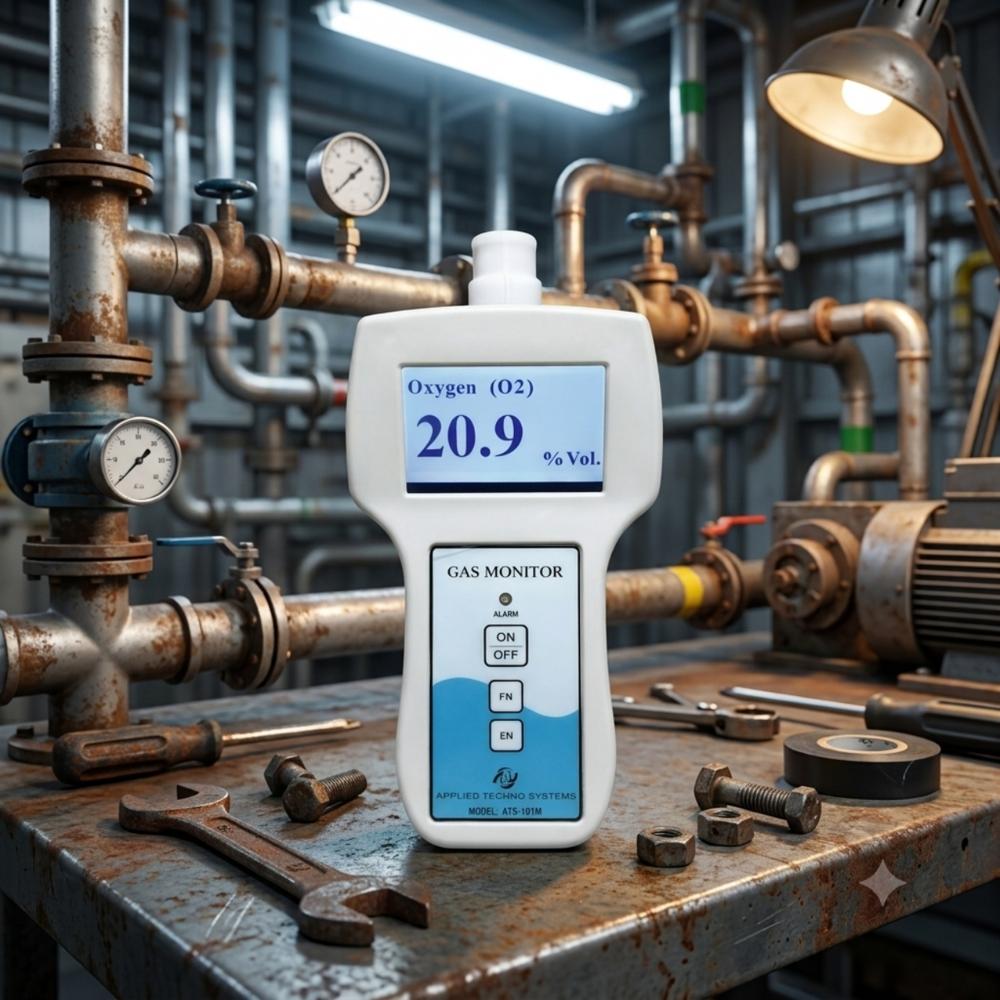
Designed with practicality in mind, the ATS-101M features a robust, lightweight build, measuring just 175 mm in height and weighing approximately 450 grams. Its handheld form, intuitive push-button controls, and digital LCD make it exceptionally easy to operate in diverse industrial settings.
FAQ's of Single Gas Leak Detector With Pump:
Q: How does the built-in electric pump in the ATS-101M improve gas leak detection?
A: The built-in electric pump actively draws air samples into the electrochemical oxygen sensor, ensuring faster and more accurate detection of oxygen gas leaks compared to passive diffusion-type detectors. This allows for real-time monitoring in areas where rapid response is essential.Q: What is the process for manually calibrating the ATS-101M detector?
A: Manual calibration involves exposing the detector to a known concentration of oxygen and following the push-button prompts as displayed on the digital LCD screen. This process ensures ongoing measurement accuracy and is recommended periodically or when sensor performance is in question.Q: When and where should the ATS-101M gas leak detector be used?
A: The ATS-101M is ideal for portable oxygen gas monitoring in settings such as factories, storage facilities, laboratories, and confined spaces. It should be used whenever there is a necessity to monitor oxygen levels for safety, especially during maintenance or leak testing operations.Q: What are the primary benefits of the ATS-101M for industrial users?
A: Key benefits include rapid response (<5 seconds), high accuracy (2% F.S.), clear audible and visual alarms, robust IP54 protection, portable design, and straightforward operation. These features support improved workplace safety and compliance with gas monitoring regulations.Q: How long does the battery last during continuous use, and what are the power supply options?
A: The rechargeable lithium-ion battery provides up to 8 hours of continuous operation. The detector can also be powered and charged via a DC adapter, offering flexible options to suit different work environments.Q: What maintenance is required to ensure optimal performance of the ATS-101M?
A: Routine checks, regular calibration, periodic cleaning of the sampling port, and timely charging of the battery are recommended. Proper maintenance upholds accuracy and extends the device's service life.Q: How accurate and precise is the ATS-101M detector in measuring oxygen levels?
A: The ATS-101M offers an accuracy of 2% full scale, with a measurement resolution of 0.1% Vol. Its digital LCD display provides clear readings, ensuring users can quickly assess oxygen levels for safety-critical decisions.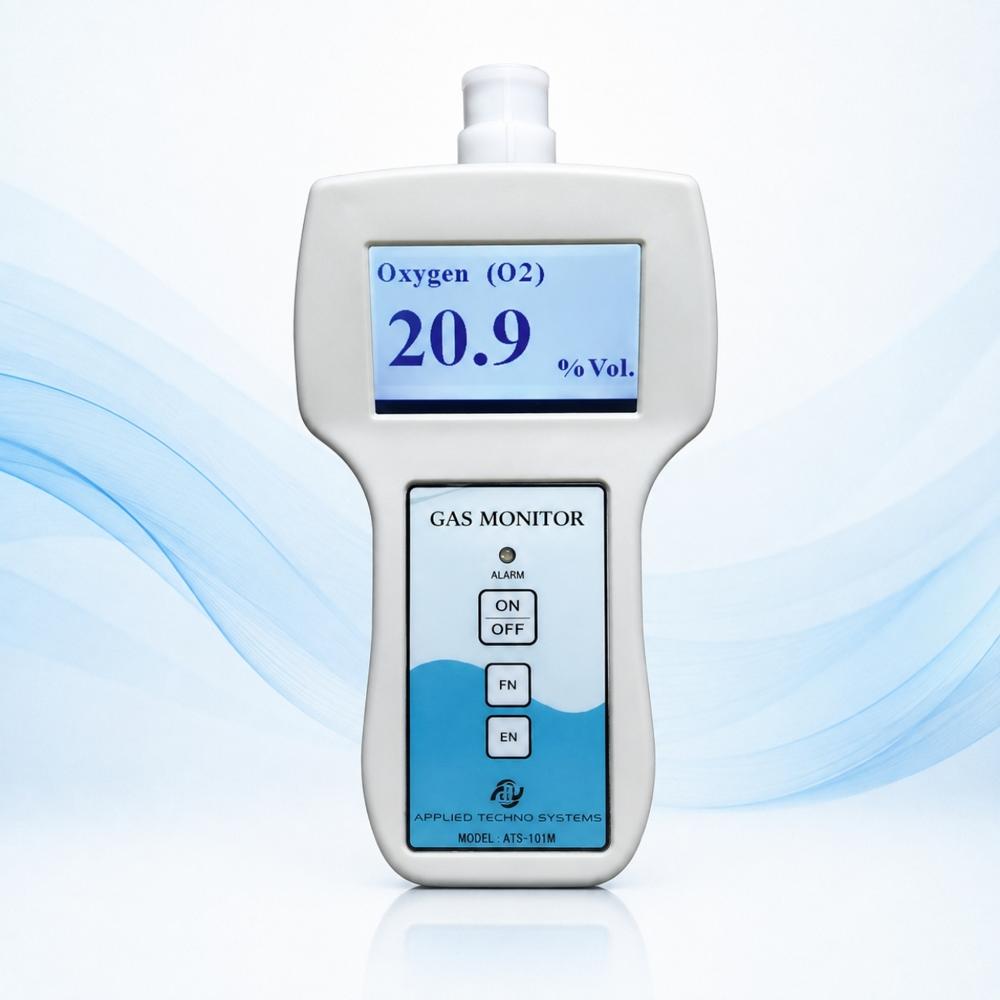

Price:
- 50
- 100
- 200
- 250
- 500
- 1000+

More Products in Gas Detector Category
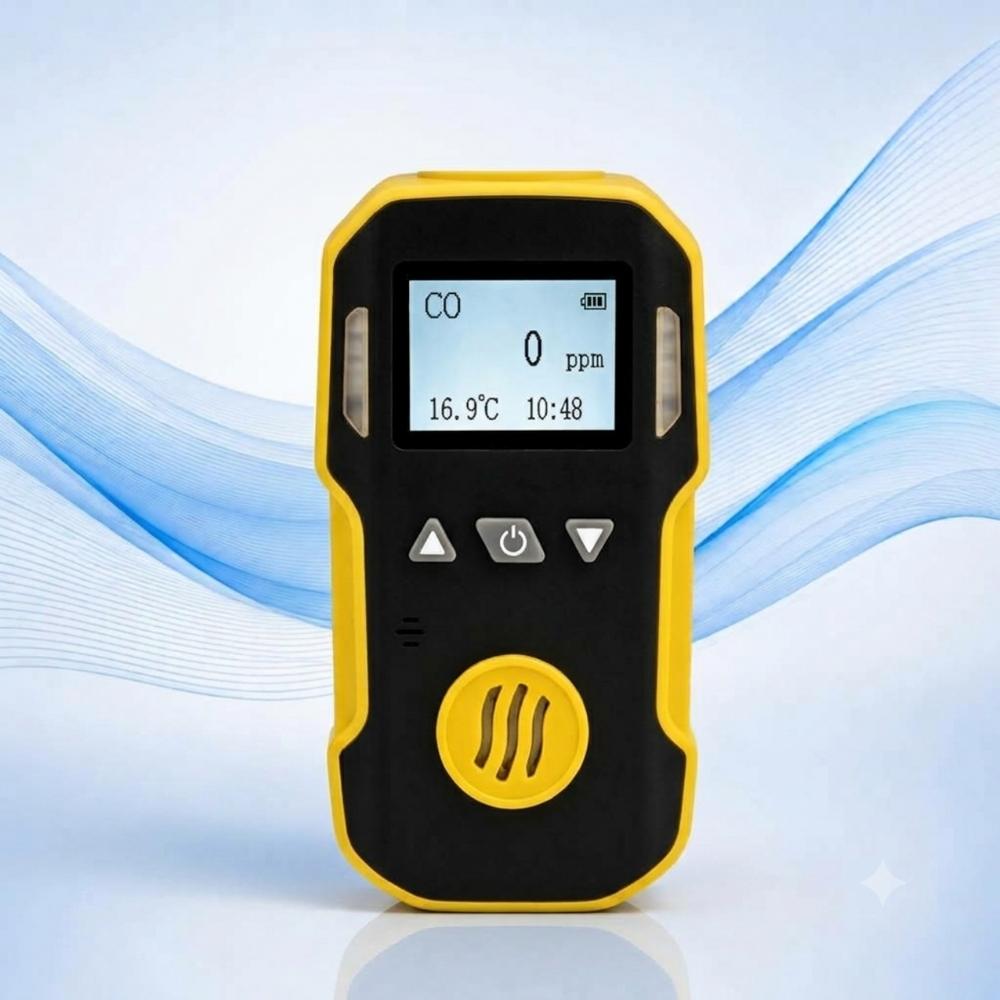
Industrial Gas Monitor
Price 25000.0 INR / Unit
Minimum Order Quantity : 1 Unit
Automation Grade : Manual
Usage : Gas concentration measurement
Application : CO detection in Industrial Safety, Confined Spaces, Gas Plants
Temperature : 20C to 55C
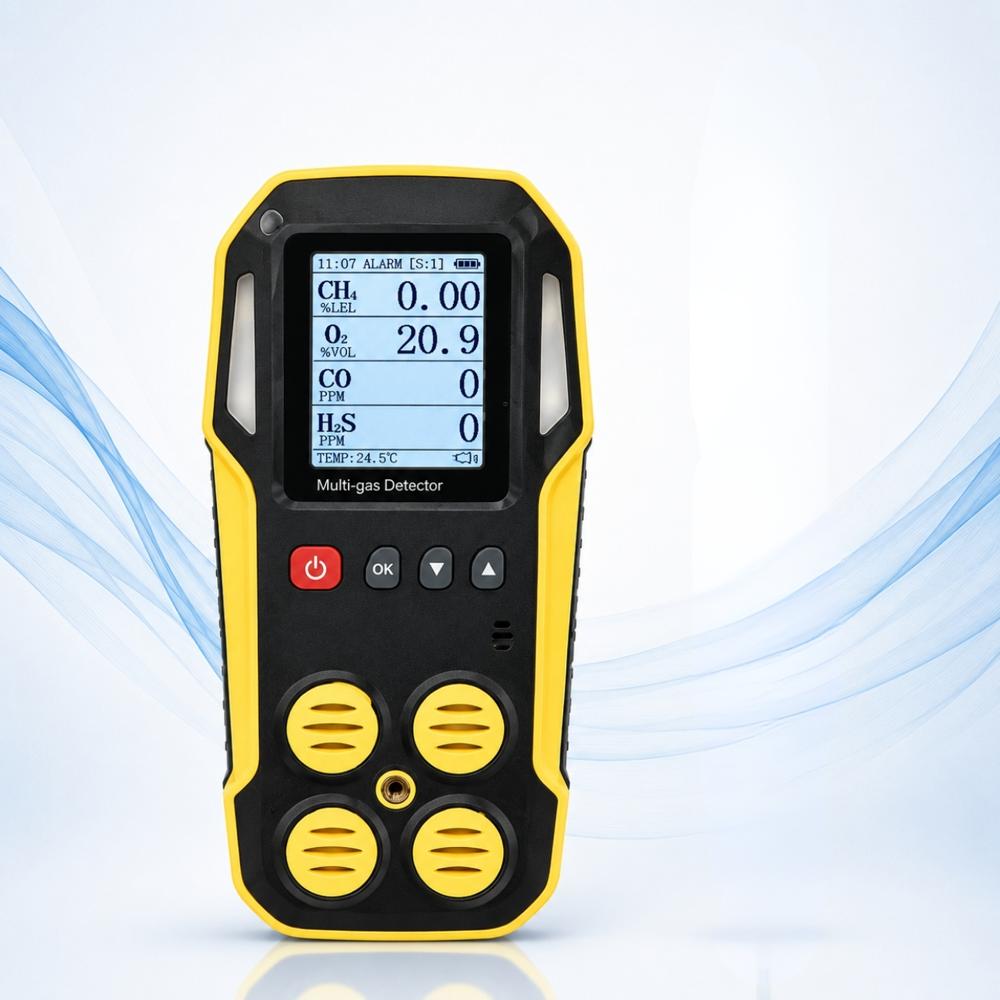
Industrial Multi Gas Detection System
Price 46000.0 INR / Piece
Minimum Order Quantity : 1 Piece
Automation Grade : Semiautomatic
Usage : Gas detection and monitoring
Application : Industrial safety, confined space, hazardous area monitoring
Temperature : Operating: 20C to 50C
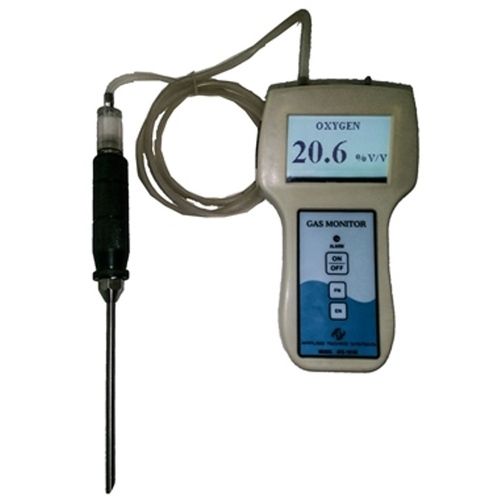
Confined Space Gas Monitor
Price 58000.0 INR / Number
Minimum Order Quantity : 1 Number
Automation Grade : Semiautomatic
Usage : Industrial
Application : industrial
Temperature : 15 Celsius (oC)
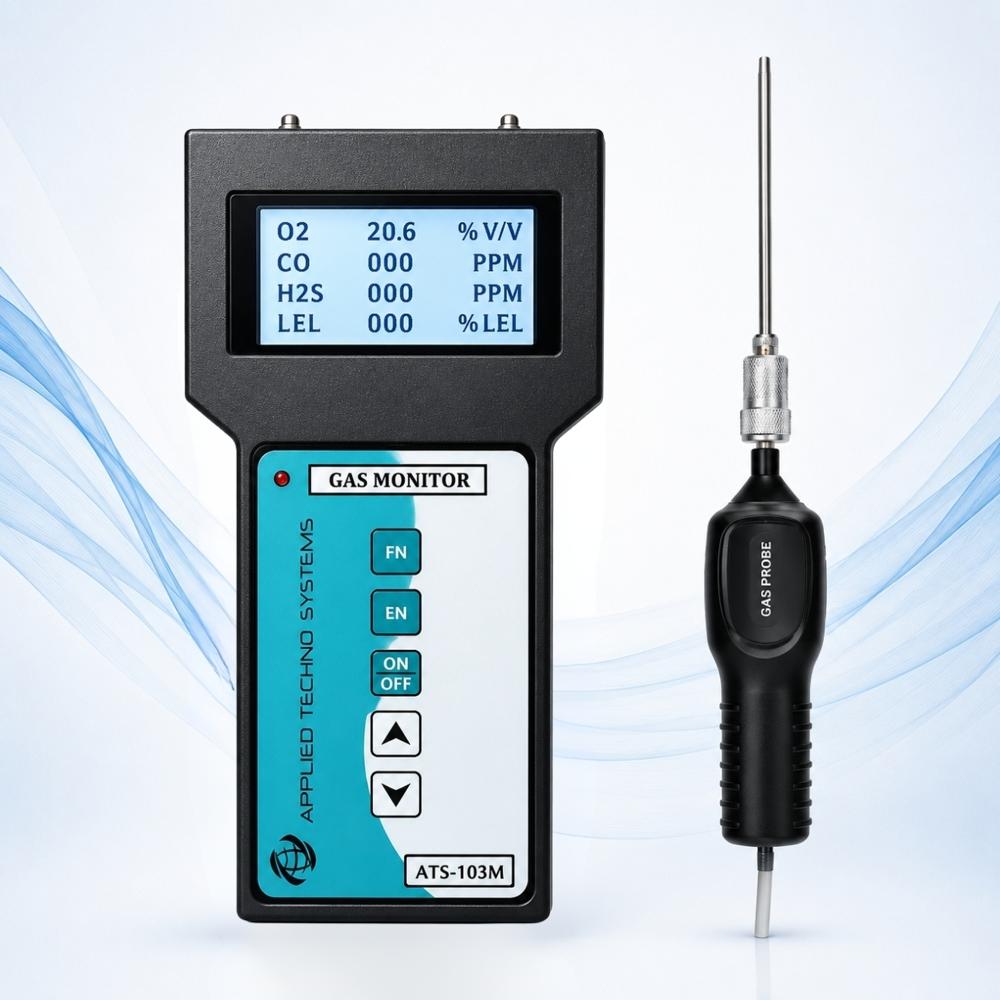
Multi Gas Monitor With Pump
Price 74000.0 INR / Unit
Minimum Order Quantity : 1 Unit
Automation Grade : Automatic
Usage : Portable for onsite gas detection
Application : Industrial safety, confined space monitoring, gas pipeline testing
Temperature : 10C to +50C


- 104, Delta Industrial Estate, Building No 1, Gokhivare, Sativali Road, Vasai East, Dist-Palghar,Vasai - 401208, Maharashtra, India
- Phone : 08045814504
GST : 27AAVCA1127G1ZN

- Mr M L YADAV (Marketing Manager)
- Mobile : 08045814504
- Send Inquiry
 Send Inquiry

|


- Dew Point Meters
- Gas Analysers
- Portable Gas Detector
- Moisture And Dew Point Analyzer
- Dust/Opacity Monitor
- Gas Monitoring Systems
- Gas Leak Detectors
- Gas Transmitters
- VOC Leak Detector
- Air Quality Monitoring System
- Online Continuous Emission Monitoring System-OCEMS
- Dew Point Monitors
- Gas Detector
- Opacity Monitor
- Portable Flue Gas Analyzer
- Online SOX & NOX Gas Analyzer
- Methane Gas Leak Detector
- Hydrogen Purity Analyzer
- Gas Purity Analyzer
- Effluent Monitoring Systems
- Producer Gas Analyzer
- Gas Detector Calibration Service
- Portable Gas Monitors
- Gas Sensor Transmitter

Developed and Managed by Infocom Network Private Limited.


 English
 Spanish
 French
 German
 Italian
 Chinese (Simplified)
 Japanese
 Korean
 Arabic
 Portuguese
