 Chat with us

- Dew Point Meters
- Gas Analysers
- Portable Gas Detector
- Moisture And Dew Point Analyzer
- Dust/Opacity Monitor
- Gas Monitoring Systems
- Gas Leak Detectors
- Gas Transmitters
- VOC Leak Detector
- Air Quality Monitoring System
- Online Continuous Emission Monitoring System-OCEMS
- Dew Point Monitors
- Gas Detector
- Opacity Monitor
- Portable Flue Gas Analyzer
- Online SOX & NOX Gas Analyzer
- Methane Gas Leak Detector
- Hydrogen Purity Analyzer
- Gas Purity Analyzer
- Effluent Monitoring Systems
- Producer Gas Analyzer
- Gas Detector Calibration Service
- Portable Gas Monitors
- Gas Sensor Transmitter

 Send Inquiry
Tri Gas Testing Instrument
Price 450.0 INR/ Piece
Tri Gas Testing Instrument Specification
- Resolution
- 0.01%
- Number of Specimens
- Single Channel
- Application
- Gas Analysis in Modified Atmosphere Packaging, Laboratories, Food Industries
- Gas Pressure
- 0-10 bar
- Automation Grade
- Semi-automatic
- Features
- Portable, Easy Operation, Digital Display, Inbuilt Printer Option
- Power Supply
- 230V AC, 50Hz
- Test Range
- O2: 0-100%, CO2: 0-100%, N2: 0-100%
- Interface Type
- RS232, USB
- Frequency
- 50Hz
- Operating Voltage
- 230V AC
- Humidity
- 0-95% RH
- Mounting Type
- Benchtop
- Display Type
- Digital LCD Display
- Measuring Range
- O2: 0-100%, CO2: 0-100%, N2: 0-100%
- Accuracy
- 1% of Full Scale
- Temperature
- Operating: 0-50C
- Port Size
- 6 mm
- Response Time
- <15 seconds
- Usage
- Gas composition testing
- Machine Weight
- Approx. 7-8 kg
- Control Mode
- Microprocessor-based Digital Control
- Dimensions
- 370 mm x 280 mm x 150 mm
- Sampling Method
- Manual syringe sampling
- Alarm
- Visual alarm for out-of-range
- Enclosure Material
- Stainless Steel
- Equipment Type
- Tri-Gas Testing Instrument
- Calibration
- Factory calibrated, User calibratable
- Printer Support
- Optional internal printer
- Gas Detection Capability
- Oxygen (O2), Carbon dioxide (CO2), Nitrogen (N2)
- Data Logging
- Internal memory, USB export
- Sensor Type
- Electrochemical and Infrared
About Tri Gas Testing Instrument
The Tri Gas Analyser is a portable and reliable gas analysis instrument designed for accurate measurement and monitoring of gas composition in power generation and other industrial applications. It is particularly suitable for measuring Hydrogen (H), Air, and Carbon Dioxide (CO) during generator filling, purging, shutdown, startup, and normal operating conditions, helping users monitor gas purity and ensure safe and efficient operation. The analyser uses a reliable gas measurement system with temperature compensation for stable and accurate readings and can be configured with suitable sampling components for convenient field analysis. Its portable design makes it suitable for generator gas purity testing, hydrogen cooling system monitoring, gas replacement and purging operations, maintenance, commissioning, troubleshooting, and routine inspection. The Tri Gas Analyser can be used in power plants, electrical power generation facilities, turbine-generator systems, industrial plants, hydrogen-cooled generators, and other applications requiring reliable measurement of hydrogen, air, and carbon dioxide gas composition. It provides a practical solution for on-site gas analysis, helping operators verify gas purity, monitor generator conditions, and support safe and efficient plant operation.Accurate, Versatile Gas Analysis
This Tri Gas Testing Instrument provides precise measurement for O2, CO2, and N2 concentrations, catering to industries that demand reliable results. Its advanced electrochemical and infrared sensors ensure accurate readings, while its microprocessor-based control enhances reliability. The desktop configuration and stainless steel construction support a broad range of professional uses, from food packaging to laboratory research.
User-Friendly Operation and Data Management
Designed for ease of use, the instrument features manual syringe sampling and a digital LCD display for real-time readings. It enables straightforward data logging with internal memory and supports data export via USB or RS232. For added convenience, an optional internal printer is available to provide immediate hardcopy documentation of test results, streamlining workflow for busy environments.
FAQ's of Tri Gas Testing Instrument:
Q: How does the Tri Gas Testing Instrument measure the concentrations of O2, CO2, and N2?
A: The instrument utilizes a combination of electrochemical and infrared sensors to accurately detect and measure the concentrations of oxygen, carbon dioxide, and nitrogen within a sample gas, providing high-precision results.Q: What is the process for sampling and measuring gases with this instrument?
A: Sampling is performed manually using a syringe, which introduces the sample into the instrument. The microprocessor-based digital control manages the measurement and analysis, displaying results on the LCD screen in less than 15 seconds.Q: Where can this Tri Gas Testing Instrument be used?
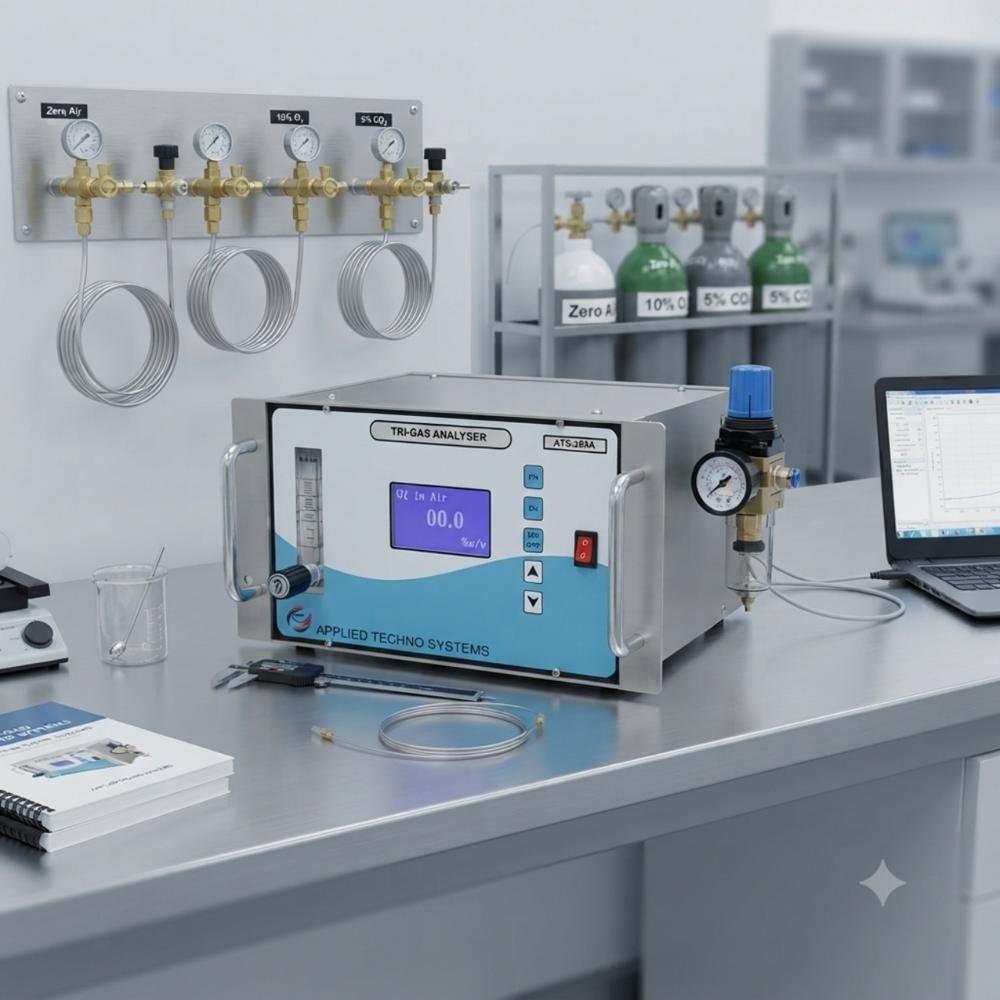
A: It is designed for benchtop use in laboratories, food industries, and environments requiring gas analysis for modified atmosphere packaging. Its sturdy construction and portability also make it suitable for service providers and quality control setups.Q: When should the instrument be calibrated, and how is calibration performed?
A: The instrument comes factory calibrated for immediate use. For ongoing accuracy, users can recalibrate the device as needed using its user calibratable feature, following the provided instructions for straightforward process.Q: What benefits does the internal memory and USB export feature offer?
A: Internal data logging saves up to several measurements, ensuring secure and organized record keeping. The USB export function enables users to quickly transfer data to a computer for further analysis, archival, or regulatory documentation.Q: How does the visual alarm system enhance user safety during operation?
A: The built-in visual alarm notifies users instantly if gas concentrations fall outside preset safe ranges, helping to ensure operator safety and compliance with industry standards during testing.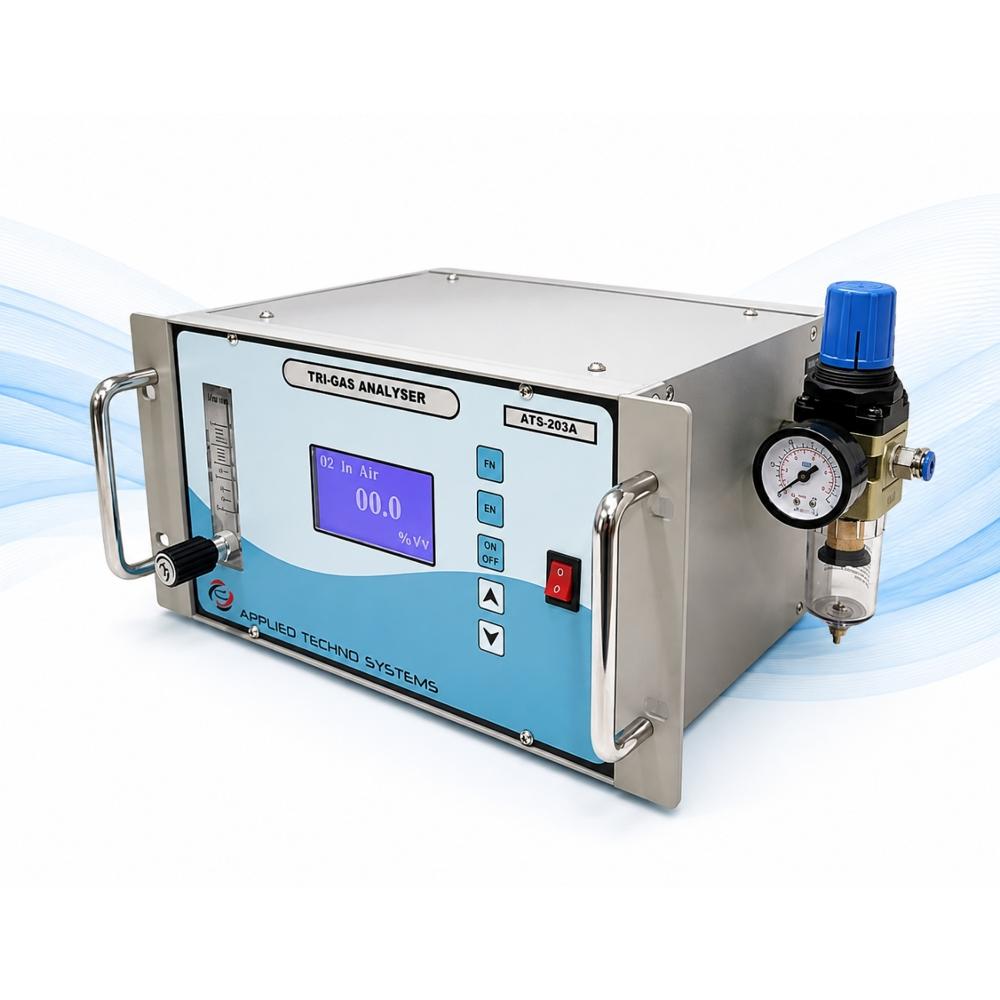

Price:
- 50
- 100
- 200
- 250
- 500
- 1000+

More Products in Gas Analysers Category
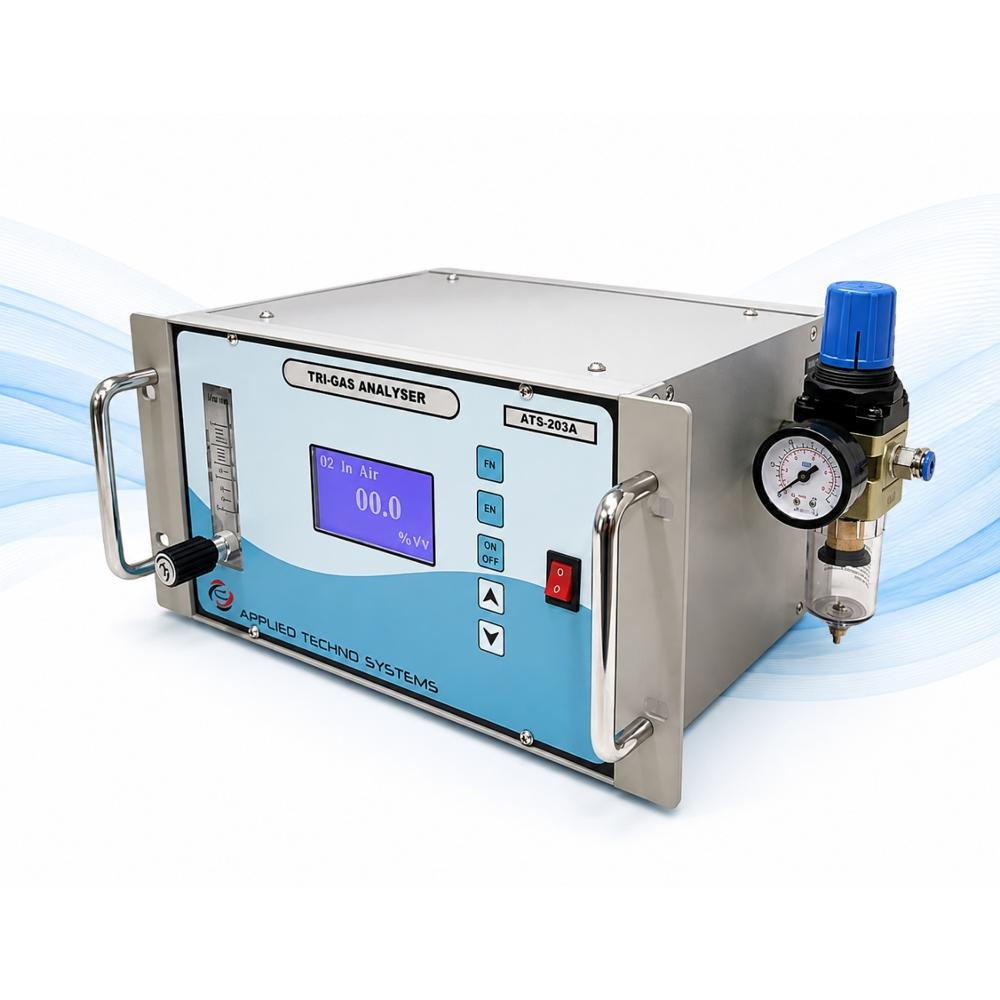
Portable Gas Analyser
Price 450500.0 INR / Piece
Minimum Order Quantity : 1 Piece
Resolution : 0.01%
Application : Industrial Gas Analysis, Air Quality Monitoring, Laboratory Use
Accuracy : 1% of full scale
Display Type : Large LCD Backlit Digital Display
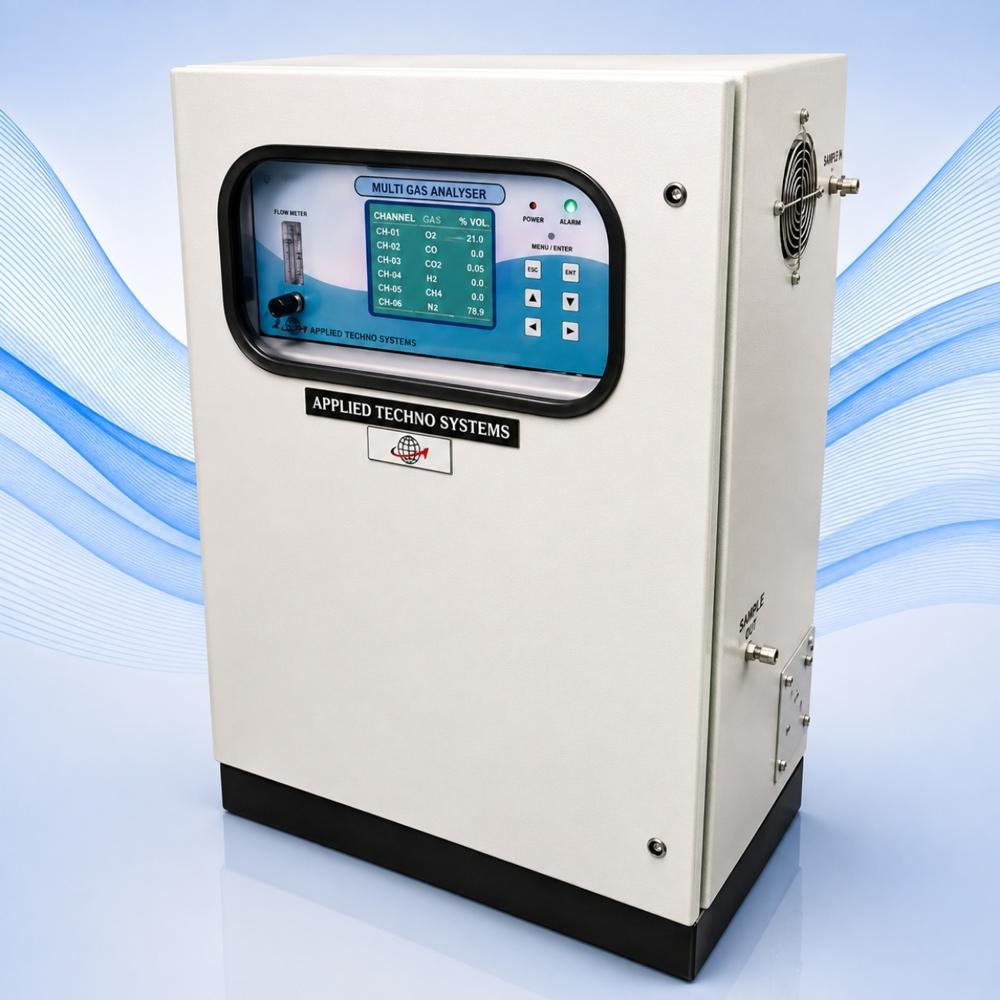
Continuous Gas Analyzer
Price 845500.0 INR / Piece
Minimum Order Quantity : 1 Piece
Resolution : 0.01% Vol
Application : Continuous monitoring of multiple gases
Accuracy : 1% of full scale
Display Type : Digital LCD touch panel

Online Stack Monitoring Systems
Price 345000.0 INR / Number
Minimum Order Quantity : 1 Piece
Resolution : 0.01%
Application : Industrial
Accuracy : +2 %
Display Type : Graphic
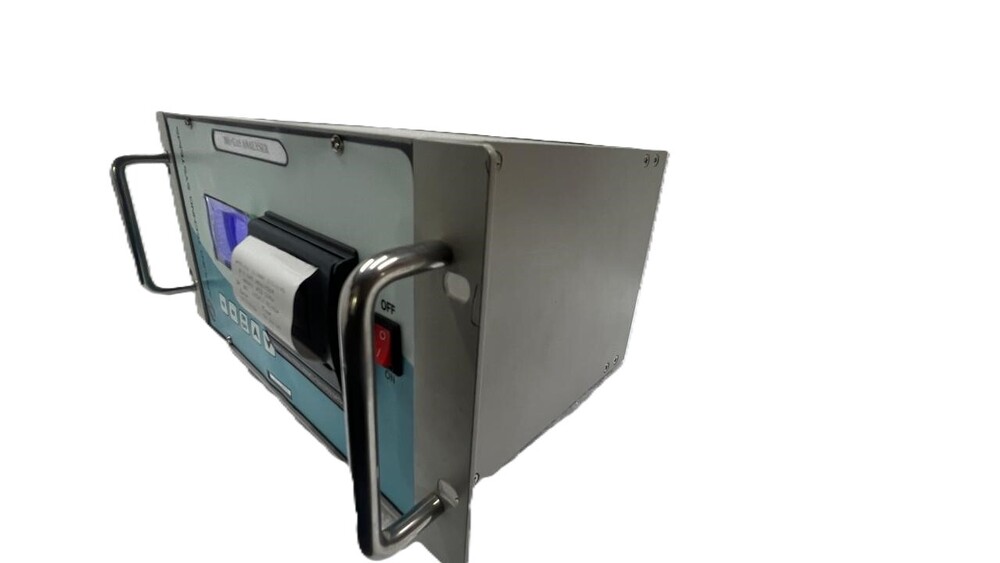
Portable Biogas Analyzer with Printer
Price 248500.0 INR / Unit
Minimum Order Quantity : 1 Unit
Resolution : 0.1%
Application : Analyzer
Accuracy : +/ 2 % %
Display Type : High quality 128 x 64 Graphics LCD


- 104, Delta Industrial Estate, Building No 1, Gokhivare, Sativali Road, Vasai East, Dist-Palghar,Vasai - 401208, Maharashtra, India
- Phone : 08045814504
GST : 27AAVCA1127G1ZN

- Mr M L YADAV (Marketing Manager)
- Mobile : 08045814504
- Send Inquiry
 Send Inquiry

|


- Dew Point Meters
- Gas Analysers
- Portable Gas Detector
- Moisture And Dew Point Analyzer
- Dust/Opacity Monitor
- Gas Monitoring Systems
- Gas Leak Detectors
- Gas Transmitters
- VOC Leak Detector
- Air Quality Monitoring System
- Online Continuous Emission Monitoring System-OCEMS
- Dew Point Monitors
- Gas Detector
- Opacity Monitor
- Portable Flue Gas Analyzer
- Online SOX & NOX Gas Analyzer
- Methane Gas Leak Detector
- Hydrogen Purity Analyzer
- Gas Purity Analyzer
- Effluent Monitoring Systems
- Producer Gas Analyzer
- Gas Detector Calibration Service
- Portable Gas Monitors
- Gas Sensor Transmitter

Developed and Managed by Infocom Network Private Limited.


 English
 Spanish
 French
 German
 Italian
 Chinese (Simplified)
 Japanese
 Korean
 Arabic
 Portuguese
