 Chat with us

- Dew Point Meters
- Gas Analysers
- Portable Gas Detector
- Moisture And Dew Point Analyzer
- Dust/Opacity Monitor
- Gas Monitoring Systems
- Gas Leak Detectors
- Gas Transmitters
- VOC Leak Detector
- Air Quality Monitoring System
- Online Continuous Emission Monitoring System-OCEMS
- Dew Point Monitors
- Gas Detector
- Opacity Monitor
- Portable Flue Gas Analyzer
- Online SOX & NOX Gas Analyzer
- Methane Gas Leak Detector
- Hydrogen Purity Analyzer
- Gas Purity Analyzer
- Effluent Monitoring Systems
- Producer Gas Analyzer
- Gas Detector Calibration Service
- Portable Gas Monitors
- Gas Sensor Transmitter

 Send Inquiry
CO Gas Transmitter
Price 26500.0 INR/ Unit
MOQ : 1 Unit
CO Gas Transmitter Specification
- Automation Grade
- Automatic
- Humidity
- 15% ~ 95% RH (non-condensing)
- Resolution
- 1 ppm
- Application
- Detection and monitoring of Carbon Monoxide (CO) gas in industrial and commercial environments
- Display Type
- LCD digital display
- Mounting Type
- Wall-mounted
- Features
- High sensitivity, Real-time monitoring, Long service life, Fault detection
- Temperature
- 10 Celsius (oC)
- Interface Type
- 4-20mA output, RS485 Modbus
- Power Supply
- 24V DC
- Product Type
- Gas Monitor
- Classification
- IP 65
- Port Size
- 1/4 NPT
- Material
- ABS Plastic
- Color
- Yellow
- Usage
- Gas
- Equipment Type
- CO Gas Transmitter
- Dimension (L*W*H)
- 115 X 180 X 60 Centimeter (cm)
- Control Mode
- Automatic/Manual
- Alarm Output
- Relay (Normally open or closed)
- Sensor Type
- Electrochemical sensor
- Material
- ABS plastic housing
- Status Indicators
- LED (Power, Alarm, Fault)
- Enclosure Rating
- IP65
- Dimensions
- 170 x 140 x 70 mm
- Calibration Interval
- 12 months recommended
CO Gas Transmitter Trade Information
- Minimum Order Quantity
- 1 Unit
- Delivery Time
- 7 Days
About CO Gas Transmitter
Applied Techno Systems manufactures a wide range of CO Gas Transmitter with The sensing and reference elements are self-compensating for temperature integrity.
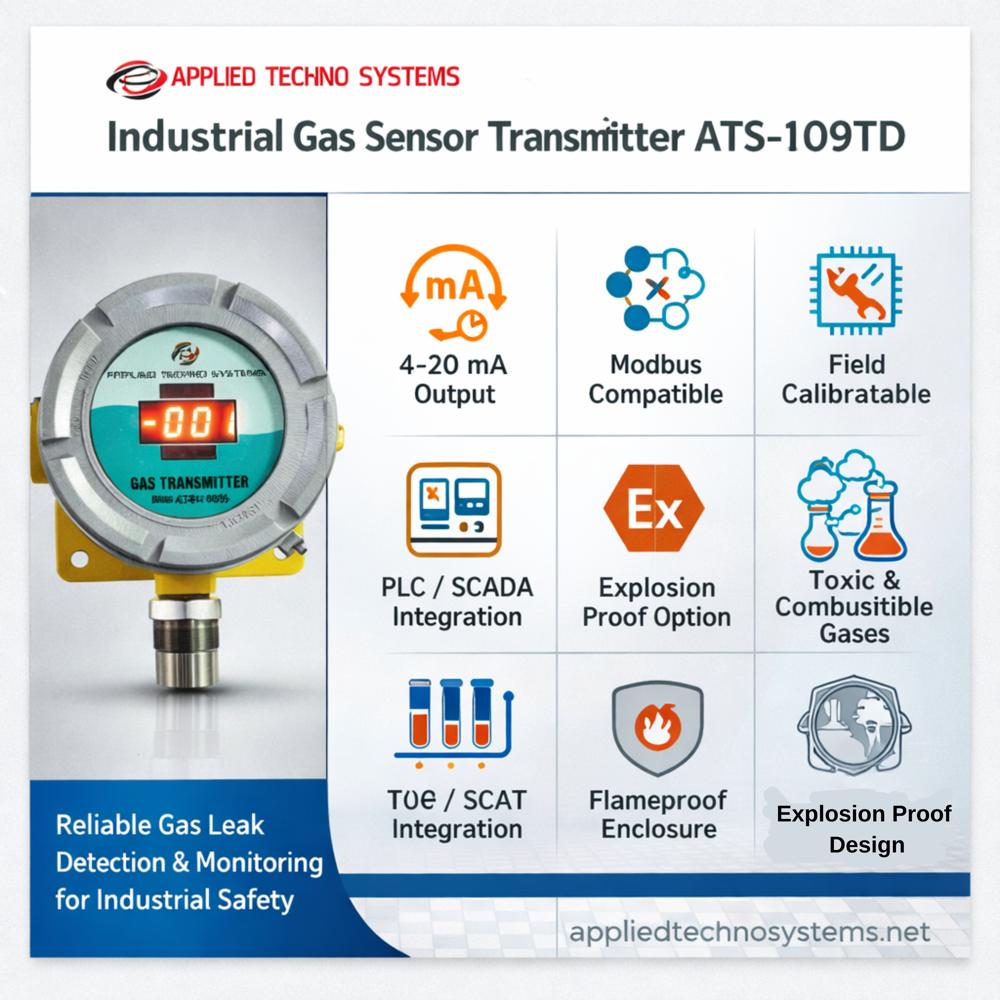
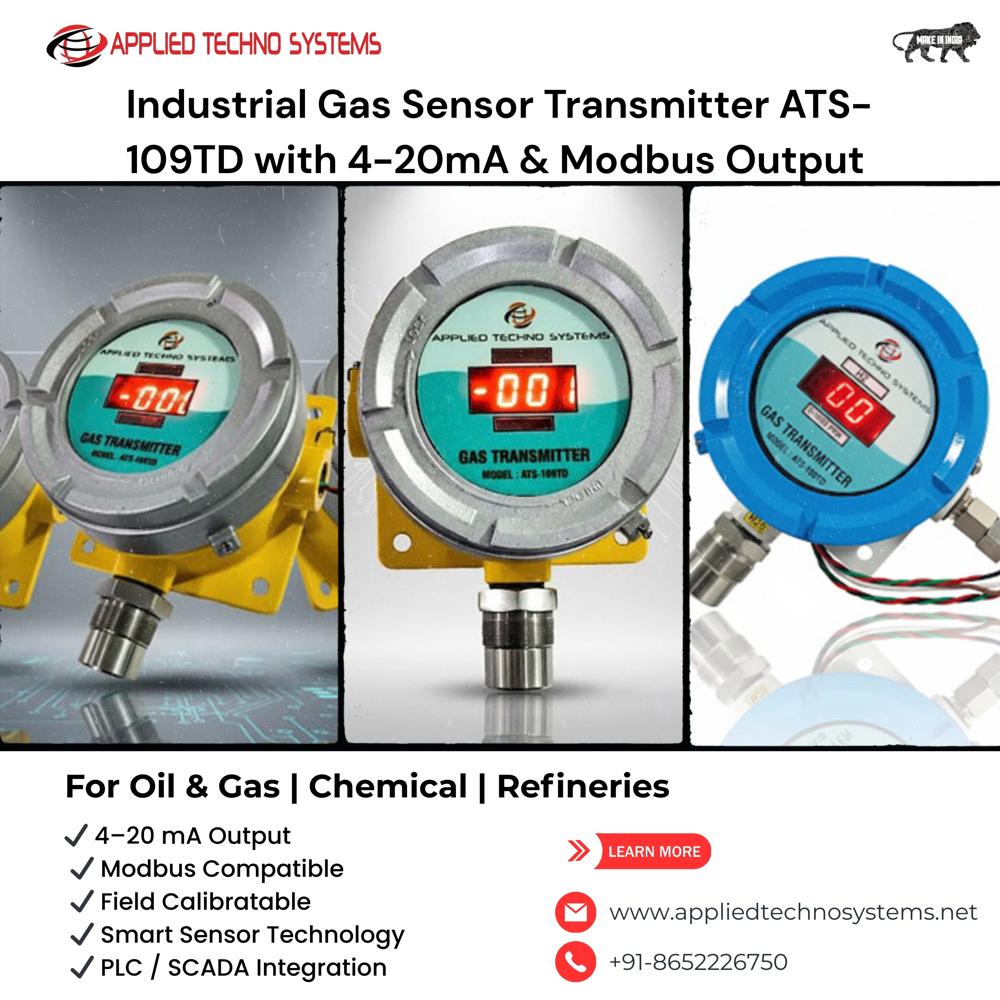
The industry standard 4 -20 mA analog output provides remote alarm, fault and calibration signals.
Applications:
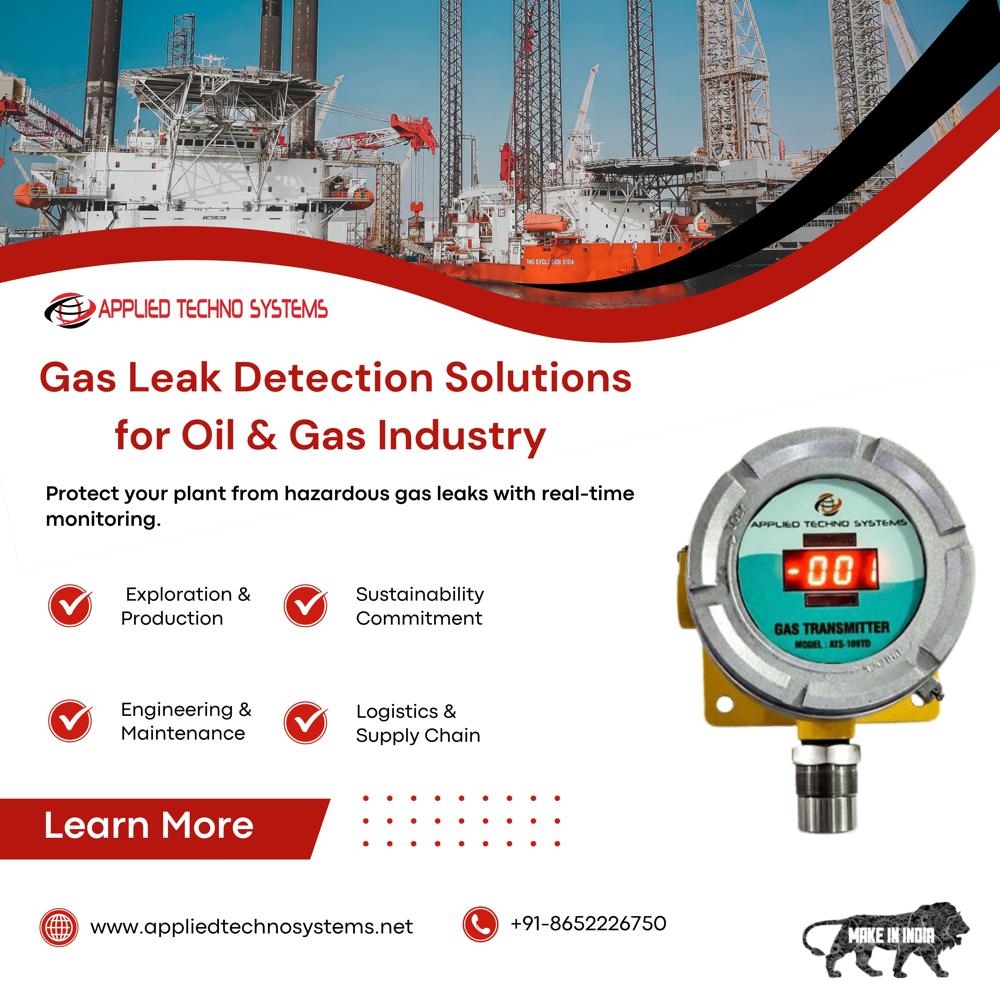
- Refineries
- Gas turbines
- Drilling and production platforms
- Chemical plants
- Fuel loading facilities
- Compressor stations
- Oil well logging
- Wastewater treatment facilities
- LNG/LPG processing and
- storage facilities
- Transportation facilities
Advanced Detection Technology
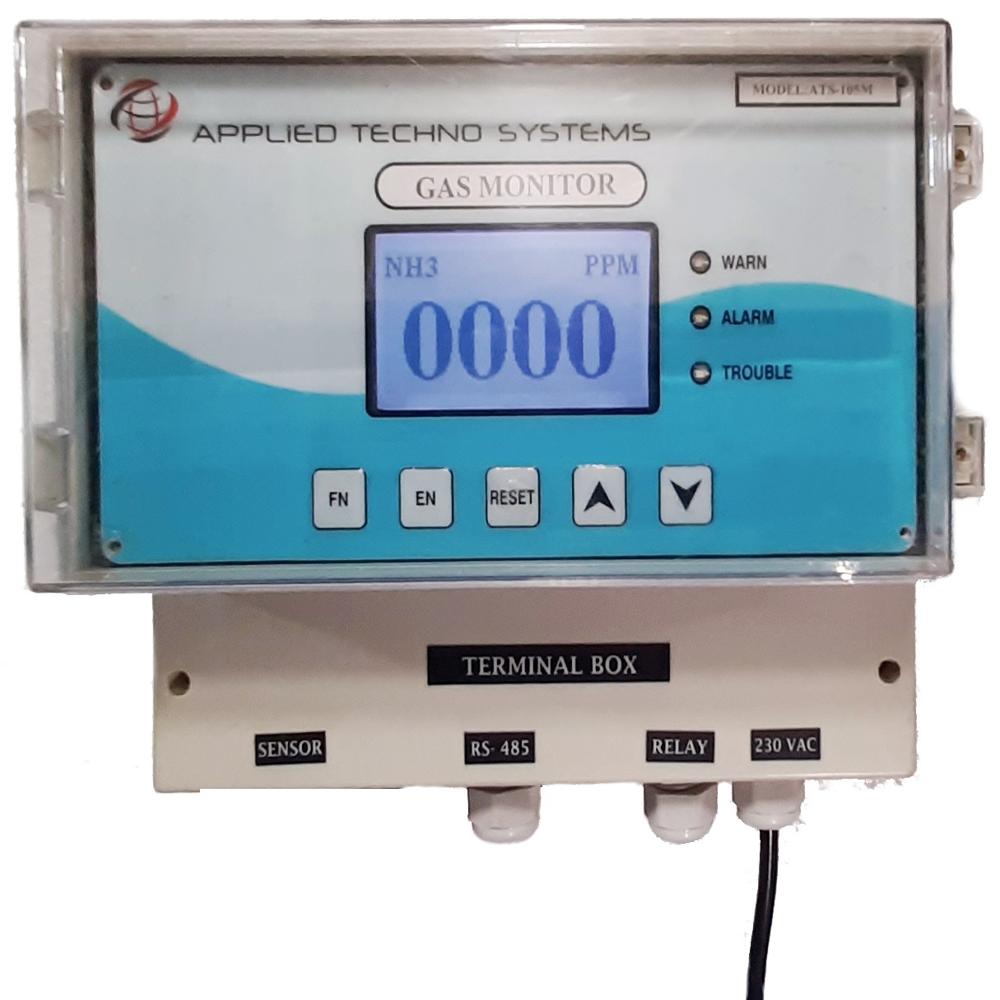
The transmitter utilizes an electrochemical sensor, renowned for its fast response (30 seconds) and high accuracy (3% F.S.), to ensure precise CO detection. Coupled with an LCD digital display and advanced fault diagnostics, the device allows for seamless and accurate real-time monitoring in demanding industries.
Robust Construction & Easy Installation
Encased in IP65-rated ABS plastic housing, the transmitter is well-equipped to handle dusty or moist conditions. Compact dimensions and a wall-mount design support straightforward installation in both industrial and commercial locations, ensuring versatile usage across different applications.
Versatile Control and Alarming
With both automatic and manual control modes, along with relay outputs (NO/NC), the transmitter integrates smoothly with existing safety systems for timely alerting of CO hazards. Visual status LEDs provide immediate feedback on system status, contributing to rapid and effective decision-making for personnel safety.
FAQ's of CO Gas Transmitter:
Q: How is the CO Gas Transmitter installed and where should it be mounted?
A: The CO Gas Transmitter is designed for easy wall-mounting using its compact ABS enclosure. Install the unit in areas where carbon monoxide accumulation is likely, such as industrial workspaces or commercial garages, ensuring it is placed at breathing zone height and away from direct exhaust sources.Q: What is the recommended process for calibrating the CO Gas Transmitter?
A: Calibration is recommended every 12 months to maintain accuracy. Use certified span and zero CO gases, and follow the manufacturer's calibration procedure. This process ensures the electrochemical sensor delivers reliable and precise readings throughout its service life.Q: What are the main benefits of using this CO Gas Transmitter for continuous CO monitoring?
A: Key benefits include high sensitivity and real-time monitoring of CO levels, enhanced safety through rapid response alarm relays, and intuitive status indicators. Its robust design ensures longevity, and multiple output interfaces (4-20mA, RS485 Modbus) enable smooth integration with control and alert systems.Q: How does the alarm output of the device operate during a CO gas detection event?
A: When the transmitter detects CO levels surpassing set thresholds, it activates the relay alarm output (normally open or closed). This can trigger external alarms, ventilation systems, or other safety protocols to mitigate CO exposure risks immediately.Q: What environmental conditions can this transmitter handle during usage?
A: Designed for reliability, the transmitter operates within -20C to +50C, at 15-95% RH (non-condensing), and standard atmospheric pressure. Its IP65 enclosure protects it from dust and water, making it suitable for harsh or humid industrial environments.Q: What interfaces are available for connecting the transmitter to control systems?
A: The CO Gas Transmitter provides both a 4-20mA analog output and RS485 Modbus digital interface, allowing flexible integration with modern building management, safety, or automation systems for remote monitoring and control.
Tell us about your requirement

Price:
Quantity
Select Unit
- 50
- 100
- 200
- 250
- 500
- 1000+
Additional detail
Mobile number
Email

More Products in Gas Detector Category
Multi Point Leak Detector
Price 15500.0 INR / Unit
Minimum Order Quantity : 1 Unit
Control Mode : Automatic
Material : MS
Product Type : Gas Monitor
Classification : IP 65
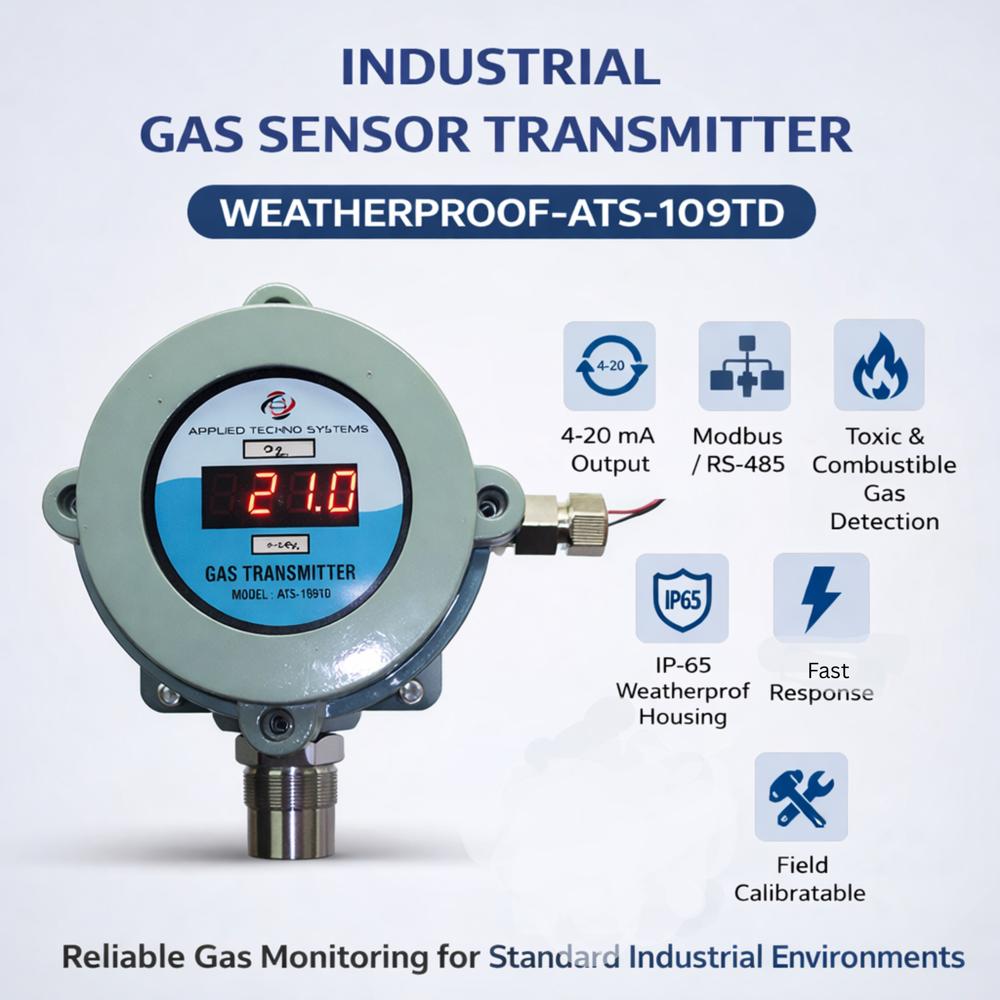
Head Mounted Gas Transmitter
Price 32000.0 INR / Unit
Minimum Order Quantity : 1 Unit
Control Mode : Manual
Material : ABS Plastic
Product Type : Gas Detector
Classification : IP 65

Contact Us

- 104, Delta Industrial Estate, Building No 1, Gokhivare, Sativali Road, Vasai East, Dist-Palghar,Vasai - 401208, Maharashtra, India
- Phone : 08045814504
APPLIED TECHNO ENGINEERS PRIVATE LIMITED
GST : 27AAVCA1127G1ZN

- Mr M L YADAV (Marketing Manager)
- Mobile : 08045814504
- Send Inquiry
 Send Inquiry
|


Our Products
- Dew Point Meters
- Gas Analysers
- Portable Gas Detector
- Moisture And Dew Point Analyzer
- Dust/Opacity Monitor
- Gas Monitoring Systems
- Gas Leak Detectors
- Gas Transmitters
- VOC Leak Detector
- Air Quality Monitoring System
- Online Continuous Emission Monitoring System-OCEMS
- Dew Point Monitors
- Gas Detector
- Opacity Monitor
- Portable Flue Gas Analyzer
- Online SOX & NOX Gas Analyzer
- Methane Gas Leak Detector
- Hydrogen Purity Analyzer
- Gas Purity Analyzer
- Effluent Monitoring Systems
- Producer Gas Analyzer
- Gas Detector Calibration Service
- Portable Gas Monitors
- Gas Sensor Transmitter

APPLIED TECHNO ENGINEERS PRIVATE LIMITED
All Rights Reserved.(Terms of Use)
Developed and Managed by Infocom Network Private Limited.
Developed and Managed by Infocom Network Private Limited.


 English
 Spanish
 French
 German
 Italian
 Chinese (Simplified)
 Japanese
 Korean
 Arabic
 Portuguese