 Chat with us

- Dew Point Meters
- Gas Analysers
- Portable Gas Detector
- Moisture And Dew Point Analyzer
- Dust/Opacity Monitor
- Gas Monitoring Systems
- Gas Leak Detectors
- Gas Transmitters
- VOC Leak Detector
- Air Quality Monitoring System
- Online Continuous Emission Monitoring System-OCEMS
- Dew Point Monitors
- Gas Detector
- Opacity Monitor
- Portable Flue Gas Analyzer
- Online SOX & NOX Gas Analyzer
- Methane Gas Leak Detector
- Hydrogen Purity Analyzer
- Gas Purity Analyzer
- Effluent Monitoring Systems
- Producer Gas Analyzer
- Gas Detector Calibration Service
- Portable Gas Monitors
- Gas Sensor Transmitter

 Send Inquiry
Dust Opacity Monitors
Price 358500 INR/ Unit
MOQ : 1 Unit
Dust Opacity Monitors Specification
- Operate Method
- Semi Automatic
- Features
- Good Quality
- Hardness
- Yes
- Material
- MS
- Mounting Type
- Handheld or tripod
- Operating Voltage
- 110-215 Volt (V)
- Automation Grade
- Semi-automatic
- Usage
- Industrial
Dust Opacity Monitors Trade Information
- Minimum Order Quantity
- 1 Unit
- Supply Ability
- 1000 Units Per Month
- Delivery Time
- 7 Days
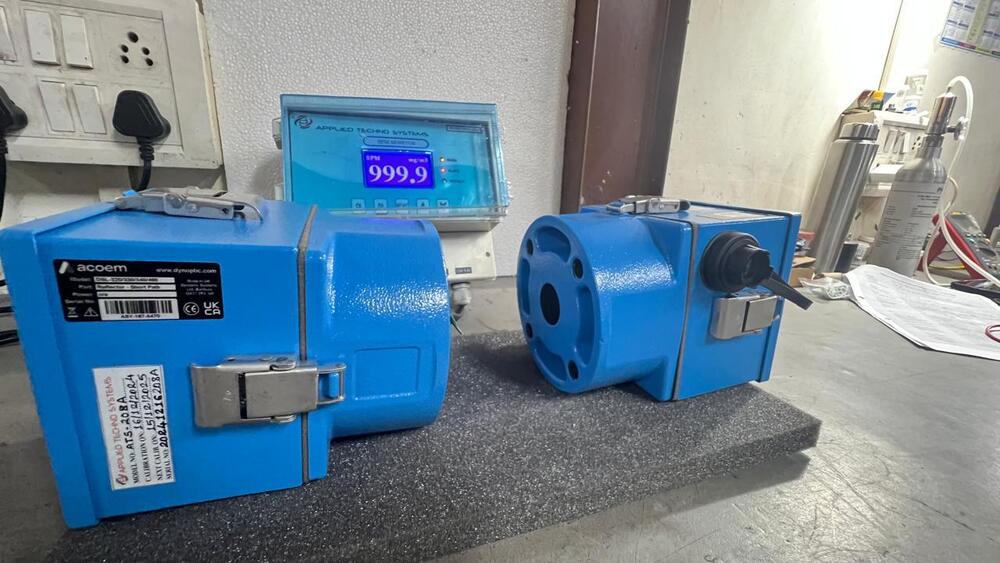
About Dust Opacity Monitors
| Parameter | Details |
|---|---|
| Measurement Principle | Optical Light Transmission / Opacity |
| Measurement Range | 0-100% opacity or 0-1000 mg/Nm3 (configurable) |
| Light Source | Green/Infrared LED or Laser (Class 1) |
| Path Length | 0.5 - 10 meters (adjustable) |
| Accuracy | -/+ 2% of full scale |
| Resolution | 0.1% opacity or 0.1 mg/Nm3 |
| Response Time | <10 seconds |
| Output Signal | 4-20 mA, RS485 Modbus, Relay outputs |
| Power Supply | 230 VAC / 24 VDC |
| Ambient Temperature | -20 deg C to +60 deg C |
| Enclosure Rating | IP65 / optional heated enclosure for outdoor use |
| Mounting Type | Cross-duct (Transceiver + Reflector) or Single-sided |
Our Dust Opacity Monitors provide dependable measurement of air quality in industrial settings. Designed with semi-automatic operation and high-quality MS material, they ensure consistent data for regulatory compliance and operational safety. The versatility in mountinghandheld or tripodmakes these monitors useful across diverse environments.
User-Friendly Operation and Versatile Applications
With semi-automatic controls and an operating voltage range of 110-215 Volt, these dust monitors balance ease of use with adaptability. Their robust design stands up to frequent use, while interface options suit both portable and stationary monitoring requirements in industrial facilities.
FAQs of Dust Opacity Monitors:
Q: How does the Dust Opacity Monitor operate in industrial environments?
A: The Dust Opacity Monitor works by measuring the concentration of dust particles in the air, using a semi-automatic system. It operates reliably within 110-215 Volt power supplies, making it suitable for various industrial settings. Users can choose between handheld or tripod mounting for flexibility during monitoring.Q: What benefits do these monitors provide for exporters, manufacturers, and suppliers?
A: These monitors help maintain regulatory compliance by supplying accurate dust data, optimize workplace safety, and improve operational efficiency. Their robust construction and reliable performance make them ideal choices for exporters, manufacturers, importers, and suppliers involved in industrial processes.Q: When should Dust Opacity Monitors be used in an industrial context?
A: They should be utilized whenever there is a need to assess air quality, especially during processes that generate particulate emissions, such as manufacturing or material handling. Regular monitoring helps identify maintenance needs and prevent emissions violations.Q: Where can the Dust Opacity Monitors be installed or used?
A: These monitors are designed for installation in a variety of industrial environments. They can be handheld for spot checks or set up on tripods for continuous monitoring, offering adaptability to different production areas or discharge points.Q: What is the process for operating the semi-automatic Dust Opacity Monitor?
A: To operate, connect the monitor to a suitable voltage source (110-215 V), position it either handheld or on a tripod at the monitoring location, and initiate the measurement cycle. The semi-automatic system guides the user through recording and analyzing dust levels effectively.Q: What materials are used in the construction of these monitors and why?
A: The Dust Opacity Monitors are constructed from mild steel (MS), offering excellent hardness and durability. This ensures longevity under industrial conditions and resistance to wear or environmental stresses.Q: How does the mounting type contribute to its industrial usage?
A: With options for handheld or tripod mounting, these monitors provide flexibility for both portable, on-the-spot assessments and fixed, continuous surveillance. This adaptability is essential for comprehensive dust monitoring in complex industrial spaces.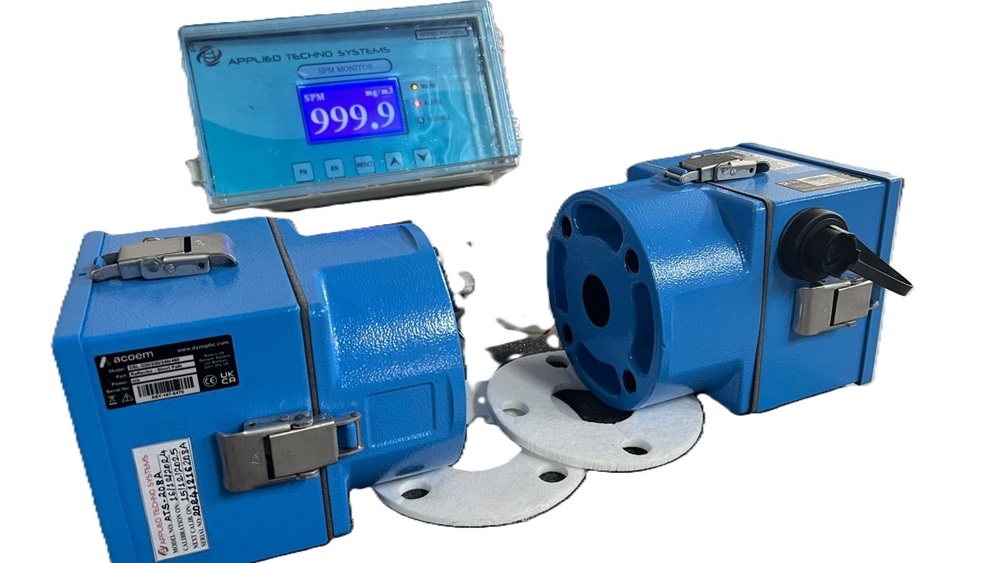
Tell us about your requirement

Price:
Quantity
Select Unit
- 50
- 100
- 200
- 250
- 500
- 1000+
Additional detail
Mobile number
Email

More Products in Dust/Opacity Monitor Category
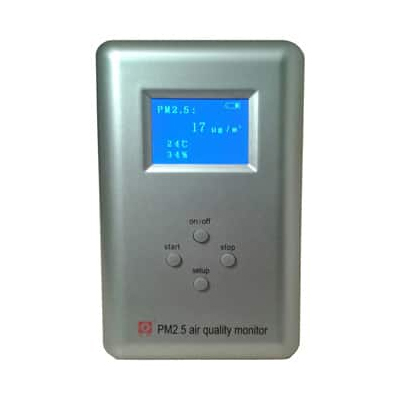
Dust Monitor
Price 128500.00 INR / Piece
Minimum Order Quantity : 1 Piece
Usage : Industrial
Material : Mild Steel
Accuracy : +2 %
Power Supply : Electric
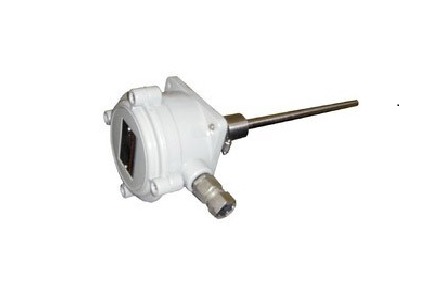
Broken Bag Detector
Price 58000 INR / Set
Minimum Order Quantity : 1 Set
Usage : Industrial
Accuracy : +2 %
Power Supply : Electric
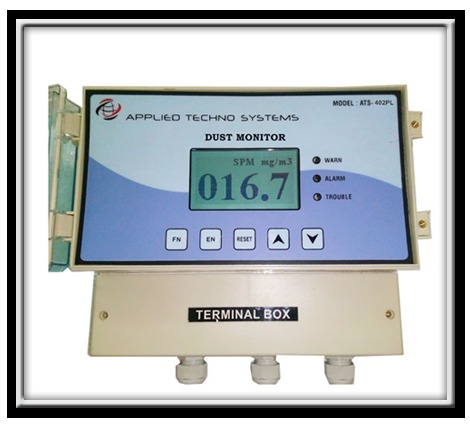
Dust Particulate Monitor
Price 90500 INR / Set
Minimum Order Quantity : 1 Set
Usage : Industrial
Material : Aluminium
Accuracy : +2 %
Power Supply : Electric
Dust Particulate Monitor DSL-340
Price 375500 INR / Unit
Minimum Order Quantity : 1 Unit
Usage : Industrial
Material : MS
Power Supply : Electric

Contact Us

- 104, Delta Industrial Estate, Building No 1, Gokhivare, Sativali Road, Vasai East, Dist-Palghar,Vasai - 401208, Maharashtra, India
- Phone : 08045814504
APPLIED TECHNO ENGINEERS PRIVATE LIMITED
GST : 27AAVCA1127G1ZN

- Mr M L YADAV (Marketing Manager)
- Mobile : 08045814504
- Send Inquiry
 Send Inquiry
|


Our Products
- Dew Point Meters
- Gas Analysers
- Portable Gas Detector
- Moisture And Dew Point Analyzer
- Dust/Opacity Monitor
- Gas Monitoring Systems
- Gas Leak Detectors
- Gas Transmitters
- VOC Leak Detector
- Air Quality Monitoring System
- Online Continuous Emission Monitoring System-OCEMS
- Dew Point Monitors
- Gas Detector
- Opacity Monitor
- Portable Flue Gas Analyzer
- Online SOX & NOX Gas Analyzer
- Methane Gas Leak Detector
- Hydrogen Purity Analyzer
- Gas Purity Analyzer
- Effluent Monitoring Systems
- Producer Gas Analyzer
- Gas Detector Calibration Service
- Portable Gas Monitors
- Gas Sensor Transmitter

APPLIED TECHNO ENGINEERS PRIVATE LIMITED
All Rights Reserved.(Terms of Use)
Developed and Managed by Infocom Network Private Limited.
Developed and Managed by Infocom Network Private Limited.


 English
 Spanish
 French
 German
 Italian
 Chinese (Simplified)
 Japanese
 Korean
 Arabic
 Portuguese