 Chat with us

- Dew Point Meters
- Gas Analysers
- Portable Gas Detector
- Moisture And Dew Point Analyzer
- Dust/Opacity Monitor
- Gas Monitoring Systems
- Gas Leak Detectors
- Gas Transmitters
- VOC Leak Detector
- Air Quality Monitoring System
- Online Continuous Emission Monitoring System-OCEMS
- Dew Point Monitors
- Gas Detector
- Opacity Monitor
- Portable Flue Gas Analyzer
- Online SOX & NOX Gas Analyzer
- Methane Gas Leak Detector
- Hydrogen Purity Analyzer
- Gas Purity Analyzer
- Effluent Monitoring Systems
- Producer Gas Analyzer
- Gas Detector Calibration Service
- Portable Gas Monitors
- Gas Sensor Transmitter

 Send Inquiry
Fixed Gas Detection System
Price 110500.0 INR/ Piece
Fixed Gas Detection System Specification
- Interface
- Push-button user interface, digital display
- Mounting Type
- Rack Mount/Panel Mountable
- Size
- Standard 19-inch rack mount cabinet
- Channel Spacing
- Independent channel operation, up to 4 channels
- License Free
- Yes
- Connectivity Type
- Wired, RS485 MODBUS (digital), Analog output
- Operating Mode
- Continuous, automatic monitoring
- Standard
- Complies with IS/IEC 60079, CE certified
- Technology
- Electrochemical Sensing & Microprocessor-Based Control
- Special Features
- Multi-channel monitoring, fault/tamper alarm, digital display, modular design
- Remote Control
- Optional through integrated system interface
- Application
- Industrial environments, hazardous area gas detection, manufacturing plants
- Screen Resolution
- 7-segment digital LED display (high visibility)
- Power Supply
- 230V AC (standard), 24V DC (optional)
- Output Formats
- 4-20mA analog, RS485 MODBUS digital output, relay contacts
- Calibration
- User-friendly push-button field calibration
- Display Range
- 0-100 PPM (H2S)
- Alarm Levels
- Programmable, with visual (LED) and audible alarms
- Data Logging
- Optional via MODBUS or external data logger
- Weight
- Approx. 8 kg
- Response Time
- <30 seconds (typical for H2S detection)
- Enclosure
- Powder coated mild steel, vented for airflow
- Relay Output
- Potential free relay contacts for alarm, fault, and warning conditions
- Humidity Range
- 0-95% RH non-condensing
- Maintenance
- Self-diagnostic, sensor fault indication
- Number of Channels
- 4 channels (simultaneous multi-point monitoring)
- Temperature Range
- -10C to +55C operating range
- Sensor Type
- Remote sensor input, electrochemical H2S sensor compatible
About Fixed Gas Detection System
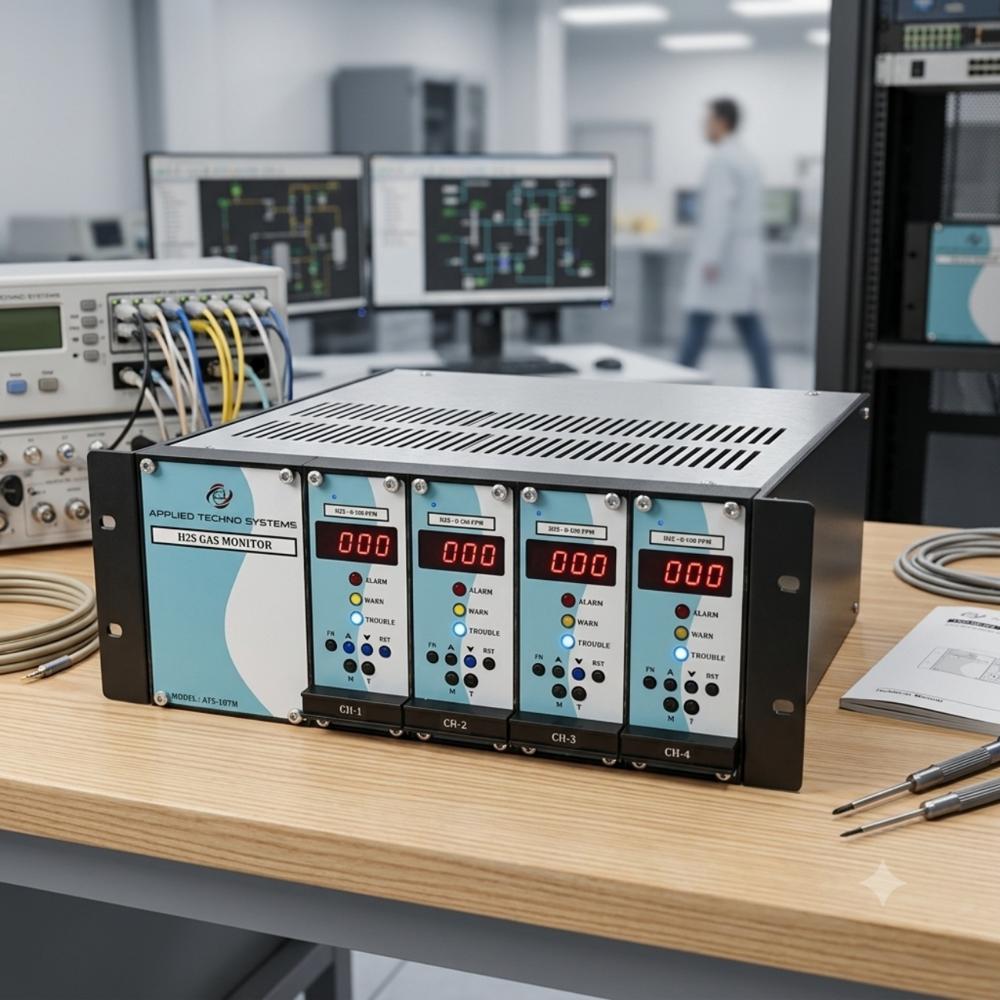
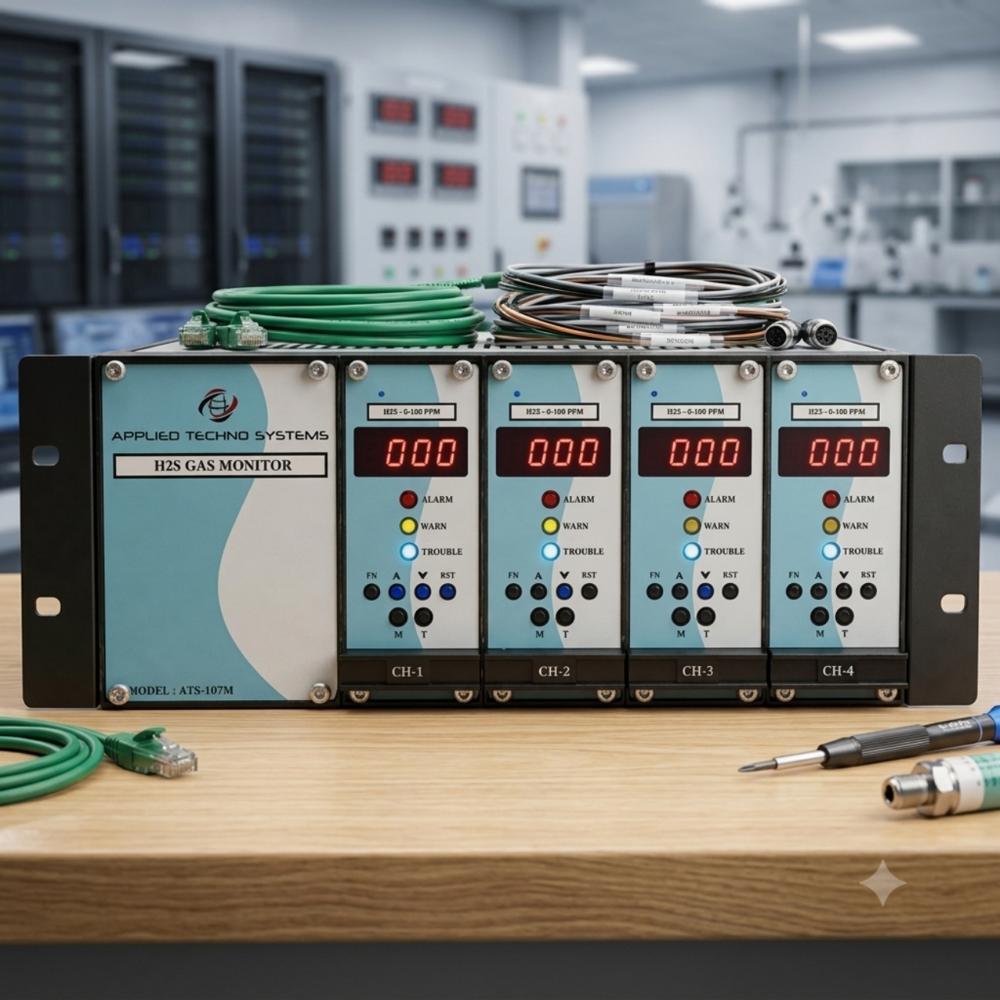
The Multi Channel Gas Monitoring System is an industrial gas detection and monitoring solution designed for the continuous and simultaneous monitoring of multiple gas detection points across industrial plants and hazardous areas. The system can be configured with multiple gas sensor transmitters to detect gases such as Oxygen (O), Hydrogen Sulfide (HS), Carbon Monoxide (CO), Sulfur Dioxide (SO), Hydrogen (H), Methane (CH), combustible gases, VOCs, and other toxic or flammable gases, depending on the application and sensor configuration. It provides centralized real-time monitoring of multiple channels with digital gas concentration display, high and low alarm indication, audible and visual alarms, relay outputs, and 420 mA signal integration, depending on system configuration. The multi channel gas monitoring system is suitable for continuous gas monitoring, gas leak detection, process safety, plant safety, storage area monitoring, confined-space monitoring, and emergency alarm applications. It can be used across Oil Refineries, Petrochemical, Chemical, Oil & Gas, Natural Gas, LNG/LPG, Fertilizer, Coal Mining, Power Plants, Iron & Steel, Foundries, Pharmaceutical, Battery Manufacturing, and other industrial environments, providing centralized and reliable monitoring of hazardous gases for improved workplace and process safety.Reliable H2S Detection and Safety Monitoring
This system ensures continuous and automatic detection of hydrogen sulfide (H2S), providing accurate, real-time monitoring to safeguard industrial operations. With a display range of 0-100 PPM and advanced alarm integration, it instantly notifies personnel of hazardous levels, reducing health and safety risks. Its programmable alarms and high-visibility LED display streamline on-site safety management.
User-Friendly Operation and Flexible Installation
Featuring a push-button interface, digital LED display, and modular, rack-mountable design, this unit is both intuitive and versatile. The system supports simultaneous, independent monitoring via four remote electrochemical sensor channels, offering both panel and rack mounting options to suit diverse plant layouts and operational requirements.
Versatile Outputs and Seamless Connectivity
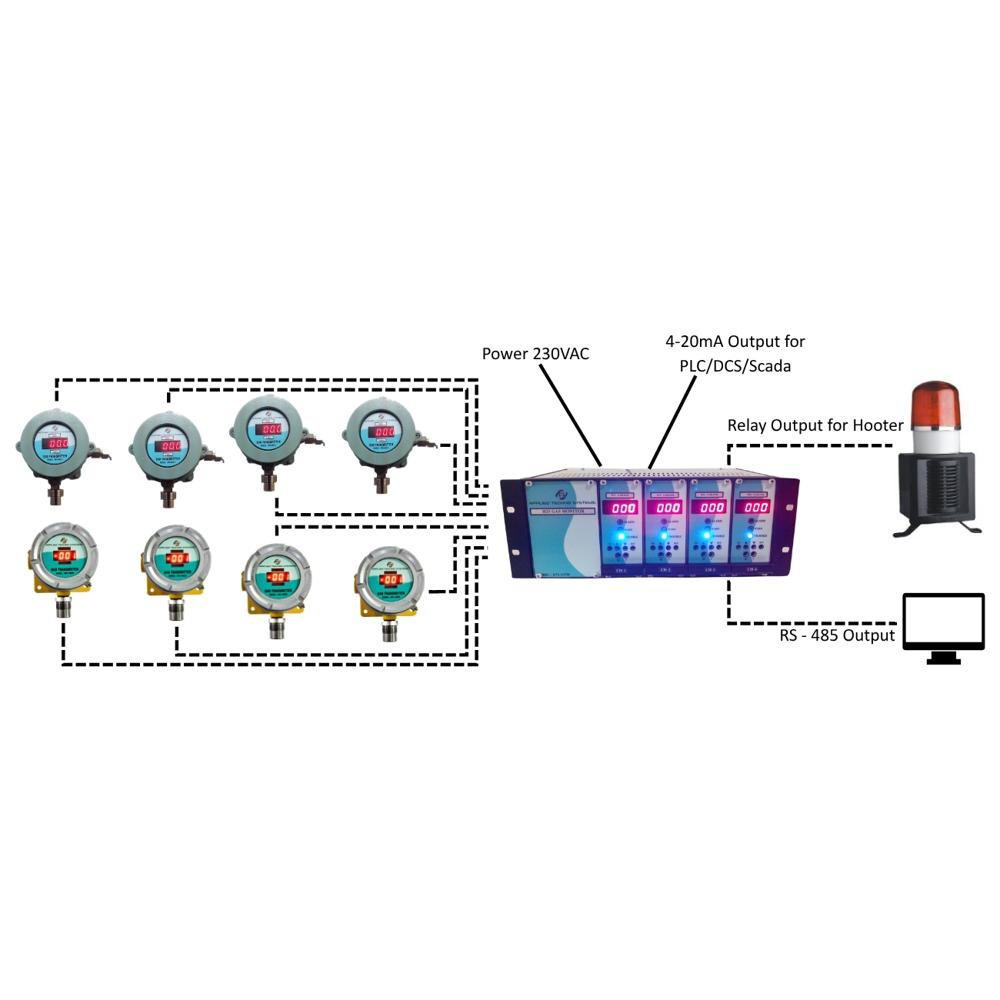
Connect your detection system seamlessly to control rooms and external devices with multiple output options, including 4-20mA analog, RS485 MODBUS, and relay contacts. Compatible with MODBUS data logging and optional external interfaces, the system integrates effortlessly into existing industrial monitoring networks.
FAQ's of Fixed Gas Detection System:
Q: How does the Fixed Gas Detection System alert users to hazardous H2S levels?
A: The system is equipped with programmable alarm levels that trigger both visual (LED) and audible alarms when H2S concentrations exceed set thresholds. Relay outputs activate external alarms or controls, ensuring timely notification and action.Q: What is the process for calibrating the system, and is it user-friendly?
A: Calibration is straightforward, using a push-button field calibration procedure accessible from the front panel. This design allows for efficient on-site calibration with minimal training, supporting regular accuracy checks.Q: Where can this gas detection system be installed, and what are its mounting options?
A: It is suitable for installation in industrial settings such as hazardous areas, manufacturing plants, or processing facilities. The system is designed for standard 19-inch rack mounting or panel mounting, fitting seamlessly into existing infrastructure.Q: What benefits does multi-channel monitoring provide in this system?
A: The system supports up to four independently monitored channels, allowing simultaneous detection of H2S at multiple locations. This multi-point capability enhances coverage, safety, and operational oversight within large or distributed environments.Q: When should the system be calibrated or maintained?
A: Regular calibration is recommended per manufacturer guidelines or regulatory requirements to ensure detection accuracy. The system also features self-diagnostic checks and sensor fault indications, prompting maintenance when issues are detected.Q: What types of connectivity are available for data and control integration?
A: Connectivity options include RS485 MODBUS for digital communication, 4-20mA analog outputs, and potential-free relay contacts for alarms, faults, and warnings. Optional remote control and data logging can further extend system functionality.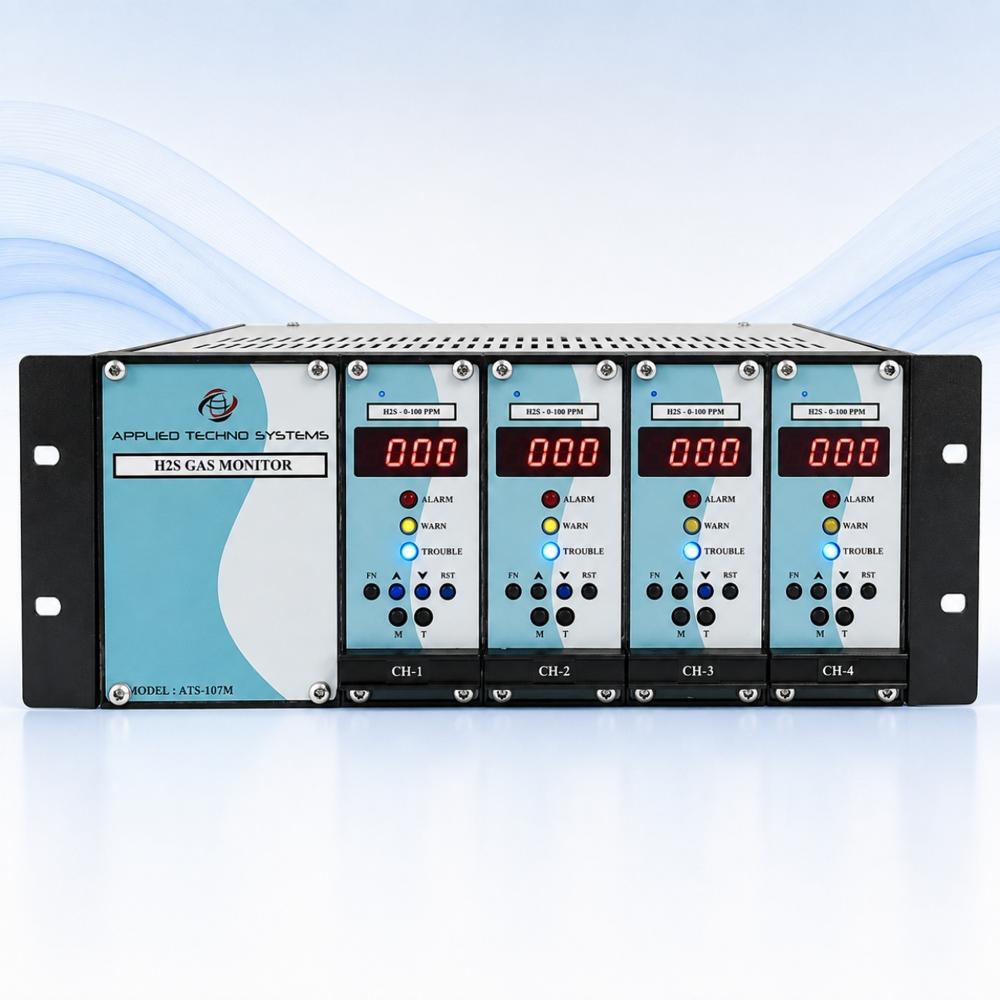

Price:
- 50
- 100
- 200
- 250
- 500
- 1000+

More Products in Gas Monitoring Systems Category
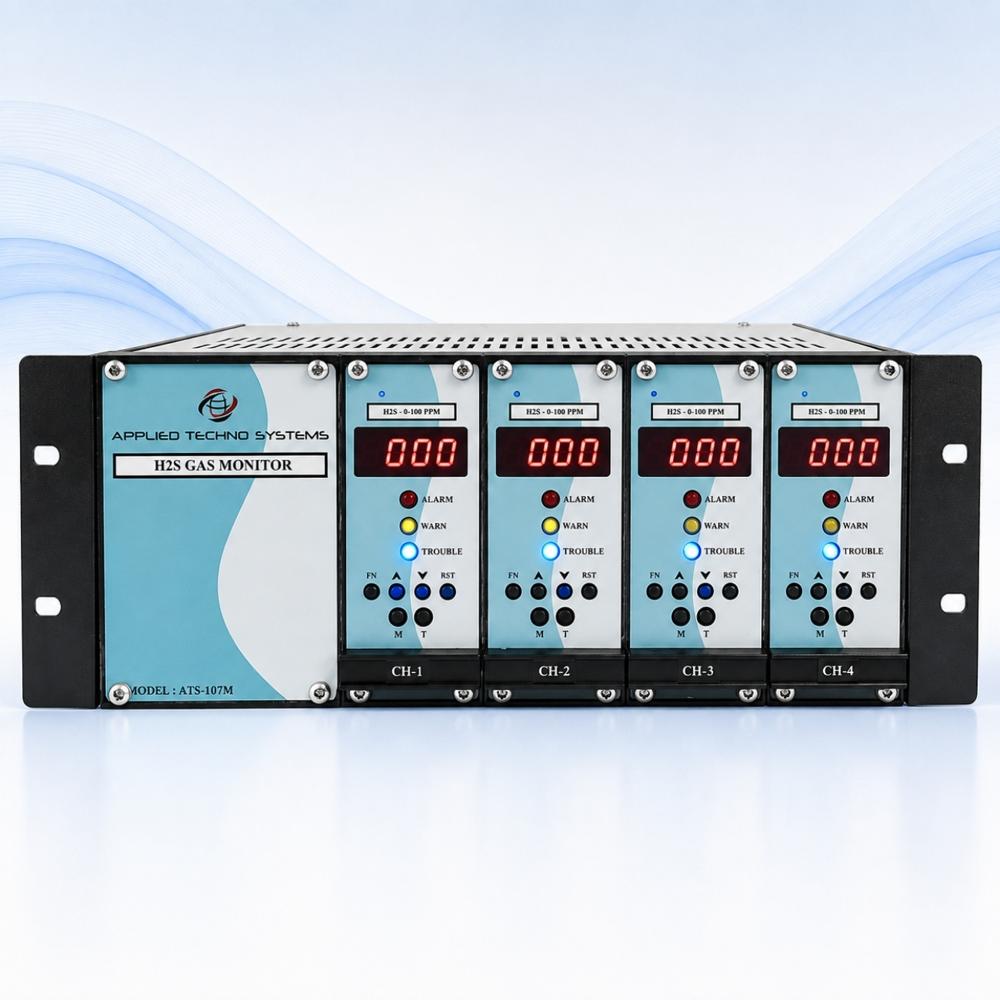
Multi Channel Gas Detection System
Price 180500.0 INR / Piece
Minimum Order Quantity : 1 Piece
Application : Industrial Gas Monitoring, Petrochemical Plants, Chemical Industries
Technology : Microprocessor Based Detection System
Special Features : Multi Channel Monitoring, Visual and Audible Alarms, LED Display, Trouble Indicator
Output Formats : Relay Outputs, Analog 420mA Output
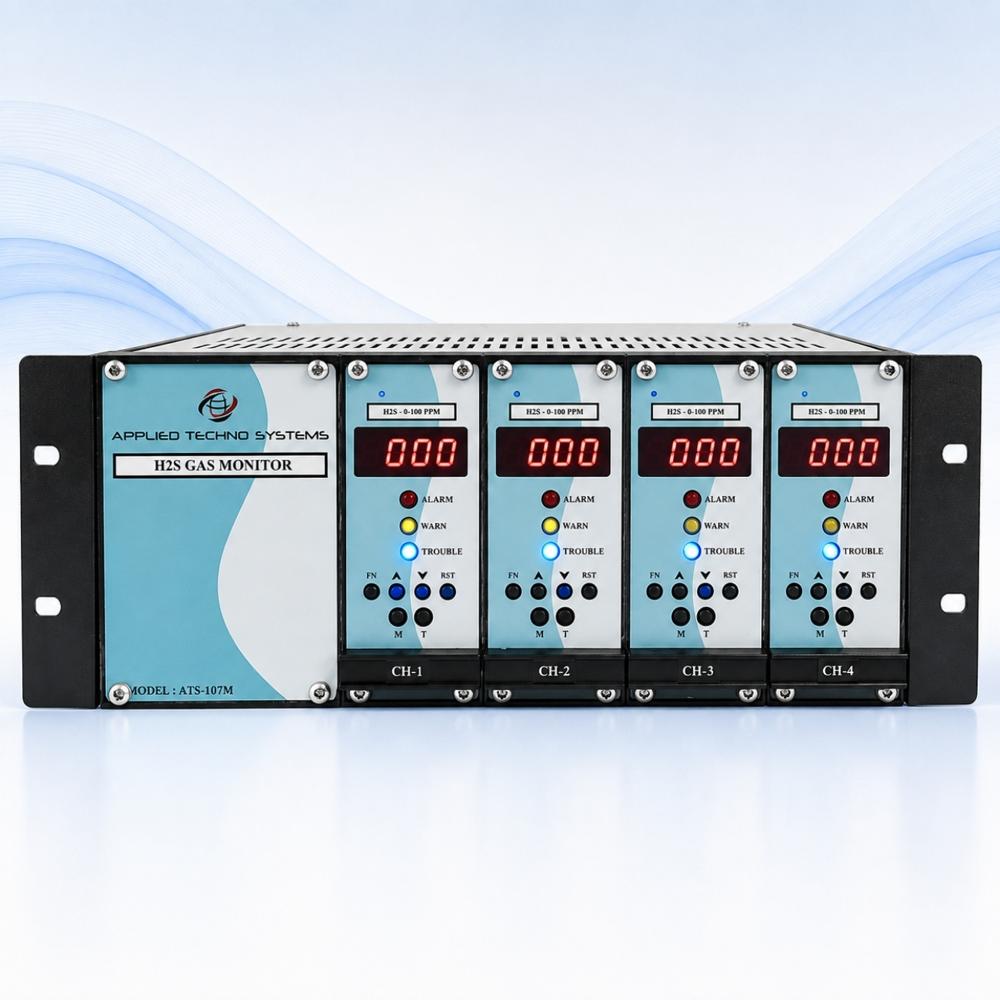
Centralized Gas Detection System
Price 150500.0 INR / Piece
Minimum Order Quantity : 1 Piece
Application : Industrial Plants, Chemical Industries, Oil & Gas Facilities, Petrochemical Plants, Refineries, Environmental Monitoring
Technology : Microcontroller Based System
Special Features : Multichannel capability, Digital Display for each channel, Alarm, Warning, and Trouble indicators, Alarm Buzzer, Fault indication, Easy pushbutton operation, Modular design, Wall or rack mountable, High accuracy & fast response
Output Formats : Relay Output, 420 mA Analog Output, Modbus RS485 (optional)
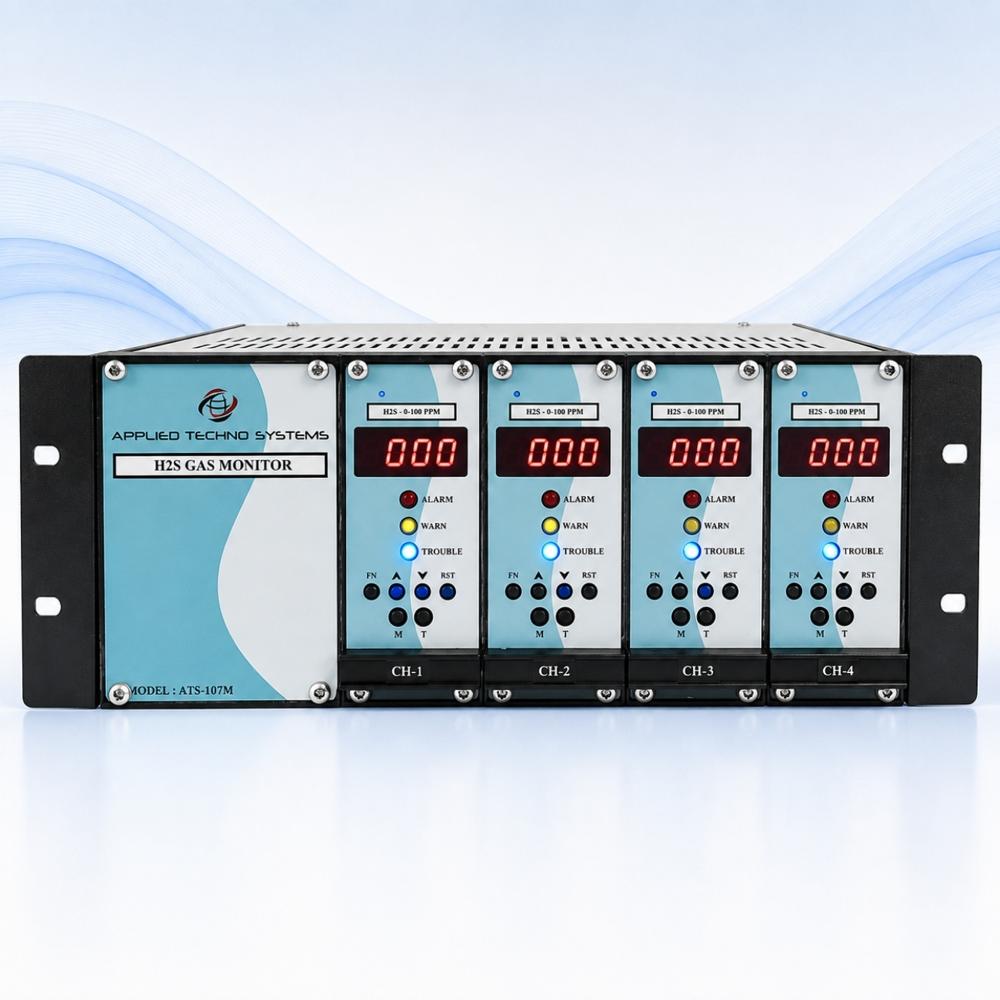
Multi Channel Gas Detector
Price 170500.0 INR / Piece
Minimum Order Quantity : 1 Piece
Application : Industrial gas detection, safety systems, process monitoring
Technology : Microcontroller based multichannel monitoring
Special Features : Realtime digital display, individual channel monitoring, alarm, warning, and trouble indication
Output Formats : Relay output for alarm/warning/trouble, analog signal (optional)
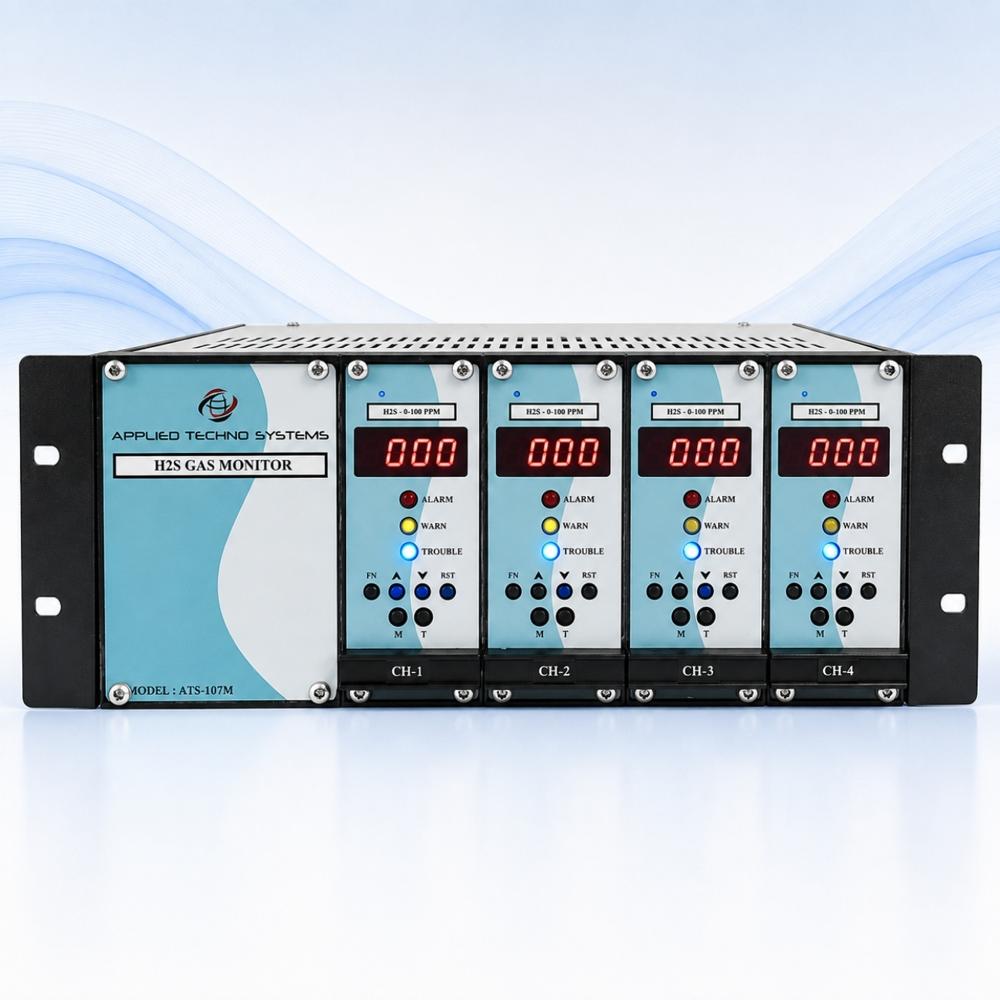
Gas Detection Control System
Price 230500.0 INR / Piece
Minimum Order Quantity : 1 Piece
Application : Industrial gas detection, H2S monitoring, safety monitoring in factories and plants
Technology : Microcontroller based digital system
Special Features : Multichannel monitoring, digital display, alarm indicators (Alarm, Warn, Trouble)
Output Formats : Relay outputs for alarms, analog 420mA output


- 104, Delta Industrial Estate, Building No 1, Gokhivare, Sativali Road, Vasai East, Dist-Palghar,Vasai - 401208, Maharashtra, India
- Phone : 08045814504
GST : 27AAVCA1127G1ZN

- Mr M L YADAV (Marketing Manager)
- Mobile : 08045814504
- Send Inquiry
 Send Inquiry

|


- Dew Point Meters
- Gas Analysers
- Portable Gas Detector
- Moisture And Dew Point Analyzer
- Dust/Opacity Monitor
- Gas Monitoring Systems
- Gas Leak Detectors
- Gas Transmitters
- VOC Leak Detector
- Air Quality Monitoring System
- Online Continuous Emission Monitoring System-OCEMS
- Dew Point Monitors
- Gas Detector
- Opacity Monitor
- Portable Flue Gas Analyzer
- Online SOX & NOX Gas Analyzer
- Methane Gas Leak Detector
- Hydrogen Purity Analyzer
- Gas Purity Analyzer
- Effluent Monitoring Systems
- Producer Gas Analyzer
- Gas Detector Calibration Service
- Portable Gas Monitors
- Gas Sensor Transmitter

Developed and Managed by Infocom Network Private Limited.


 English
 Spanish
 French
 German
 Italian
 Chinese (Simplified)
 Japanese
 Korean
 Arabic
 Portuguese
