 Chat with us

- Dew Point Meters
- Gas Analysers
- Portable Gas Detector
- Moisture And Dew Point Analyzer
- Dust/Opacity Monitor
- Gas Monitoring Systems
- Gas Leak Detectors
- Gas Transmitters
- VOC Leak Detector
- Air Quality Monitoring System
- Online Continuous Emission Monitoring System-OCEMS
- Dew Point Monitors
- Gas Detector
- Opacity Monitor
- Portable Flue Gas Analyzer
- Online SOX & NOX Gas Analyzer
- Methane Gas Leak Detector
- Hydrogen Purity Analyzer
- Gas Purity Analyzer
- Effluent Monitoring Systems
- Producer Gas Analyzer
- Gas Detector Calibration Service
- Portable Gas Monitors
- Gas Sensor Transmitter

 Send Inquiry
Hydrogen Leak Detector
Price 23700.0 INR/ Pack
Hydrogen Leak Detector Specification
- Gas Pressure
- 0.85 mpa
- Temperature
- 0-55 Celsius (oC)
- Power Supply
- 230V AC
- Display
- Graphic
- Humidity
- < 85%RH
- Usage
- Industrial
- Accuracy
- 0.5 %
- Sensor
- Ec
- Product Type
- Gas Monitor
- Response Time
- 10 Seconds
- Material
- ABS plastic
- Color
- White
- Classification
- Ip 65
- Type
- Electronic
Hydrogen Leak Detector Trade Information
- Minimum Order Quantity
- 1 Pack
- FOB Port
- Mumbai
- Supply Ability
- 50 Packs Per Week
- Delivery Time
- 1 Week
- Sample Policy
- Within a certain price range free samples are available
- Packaging Details
- Normal packing with thermocol
- Main Export Market(s)
- Asia, Australia, Central America, South America, Eastern Europe, North America, Western Europe, Middle East, Africa
- Main Domestic Market
- All India
Hydrogen Leak Detector About
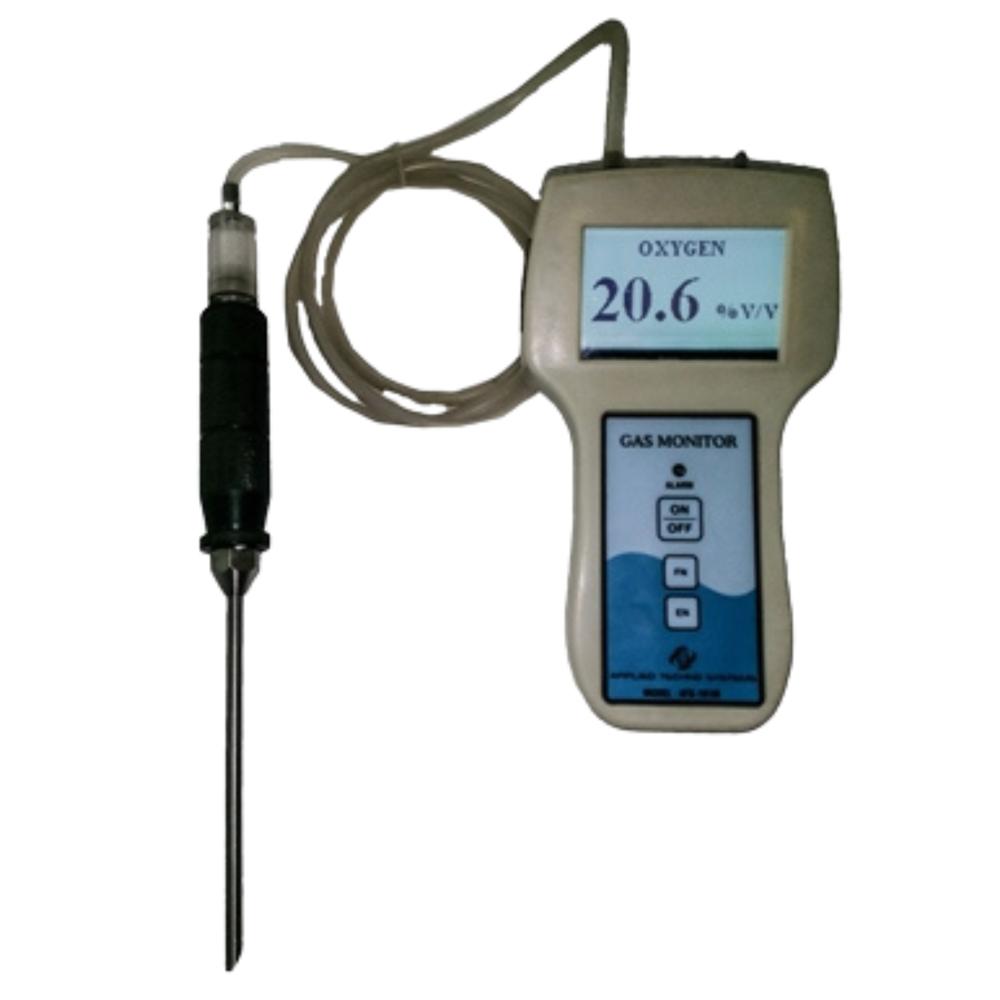
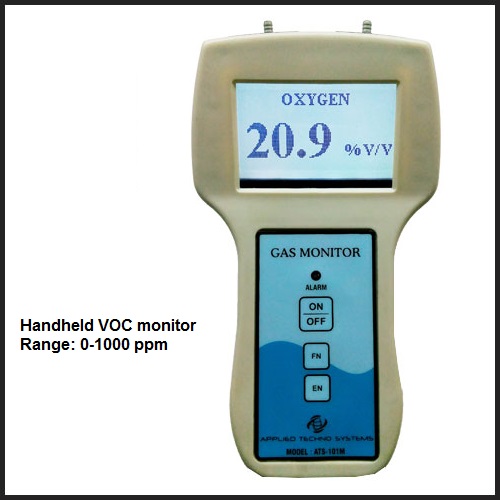
Portable Hydrogen Leak Detector Model ATS-101M
Being a quality certified firm, we are engrossed in manufacturing, exporting and supplying the best quality Hydrogen leak detector. Equipped with LED display, this detector is able to provide information about the leak detection process. Offered detector is extensively demanded for industrial use. Under the guidance of deft professionals, this detector is manufactured with precision using modern technology. Available in both battery as well as power operated mode, this Hydrogen leak detector can be purchased from us at market leading prices.
Key Points of Hydrogen Leak Detector:
- High performance
- Longer service life
- Easy to operate
- Robust design
FAQs of Hydrogen Leak Detector:
How would you recognize a hydrogen gas spill?
Hydrogen spilling from a framework ought to be distinguishable by at least one of the human detects (sight, smell, hearing, taste, and contact). A normal electronic recognition framework is involved a sensor, transducer, and a gadget like a ringer, signal or light.
How does a hydrogen spill locator work?
A hydrogen gas finder is made out of hardware and a H2 sensor. The H2 gas sensor changes the distinguished gas fixation over completely to an electronic sign for examination by the locally available chip. From that point, the processor yields the perusing to the presentation.
What is the scope of hydrogen identifier?
Scopes of 0-2,000 ppm Hydrogen and 0-10,000 ppm (25% LEL) Hydrogen.
Precise Gas Detection
The ATS-101M delivers accurate hydrogen leakage detection, leveraging advanced electronics for reliable performance in industrial settings. Its swift response time helps maintain a safe environment by immediately alerting personnel to potential hazards.
Durable and Lightweight Build
Designed with ABS plastic, the detector combines durability with a lightweight structure, weighing only 0.500 kg. Its compact and robust casing ensures longevity and resistance to harsh industrial conditions while remaining easy to mount and operate.
User-Friendly Operation
The hydrogen leak detector operates on a standard 230V AC supply and functions within a temperature range of 0 to 55C. Simple installation and intuitive monitoring make it suitable for both seasoned professionals and new operators.
FAQs of Hydrogen Leak Detector:
Q: How does the ATS-101M Hydrogen Leak Detector function?
A: The ATS-101M detects hydrogen gas by using advanced electronic sensors that monitor air quality in real time. Upon sensing hydrogen levels above safety thresholds, it triggers an alert to warn users of the potential leak.Q: What are the primary usage areas for this hydrogen leak detector?
A: This detector is primarily used in industrial settings where hydrogen gas is present or handled, such as manufacturing plants, laboratories, and power generation facilities, to ensure prompt detection of leaks and enhance workplace safety.Q: When should the detector be installed or replaced?
A: Install the detector during the initial setup of any hydrogen-utilizing industrial system or facility. It should be replaced or serviced according to manufacturer guidelines or if its performance declines, as identified through regular maintenance checks.Q: Where should the ATS-101M be located for optimal effectiveness?
A: Place the detector in areas prone to hydrogen gas accumulation, such as near gas pipelines, storage tanks, or processing equipment, ensuring it is within the specified environmental limits for temperature and humidity.Q: What is the process for installing the hydrogen leak detector?
A: Installation involves mounting the detector securely in the chosen area, connecting it to a 230V AC power supply, and verifying its operational status as outlined in the user manual. Professional installation is recommended for optimal safety and function.Q: How can this detector benefit industrial operations?
A: The hydrogen leak detector provides significant benefits by enabling early detection of hydrogen leaks, reducing the risk of fire, explosion, or health hazards, and supporting compliance with stringent industrial safety regulations.Q: What maintenance is required to ensure proper operation?
A: Routine maintenance includes periodic calibration, sensor checks, and cleaning the ABS plastic housing. Detailed maintenance schedules are provided by the manufacturer to ensure continued accuracy and reliability.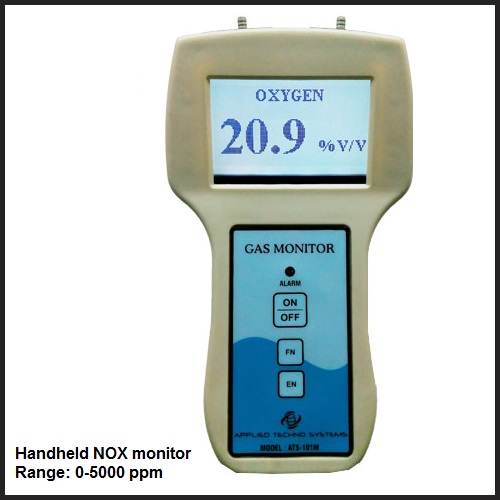


Price:
- 50
- 100
- 200
- 250
- 500
- 1000+

More Products in Gas Leak Detectors Category
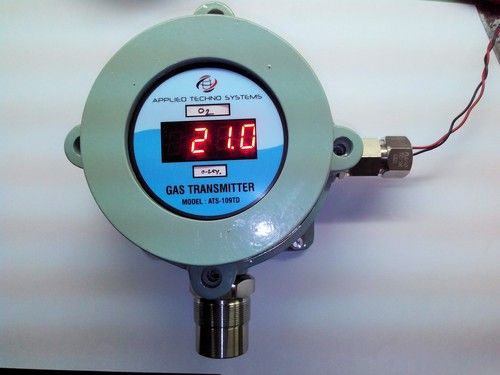
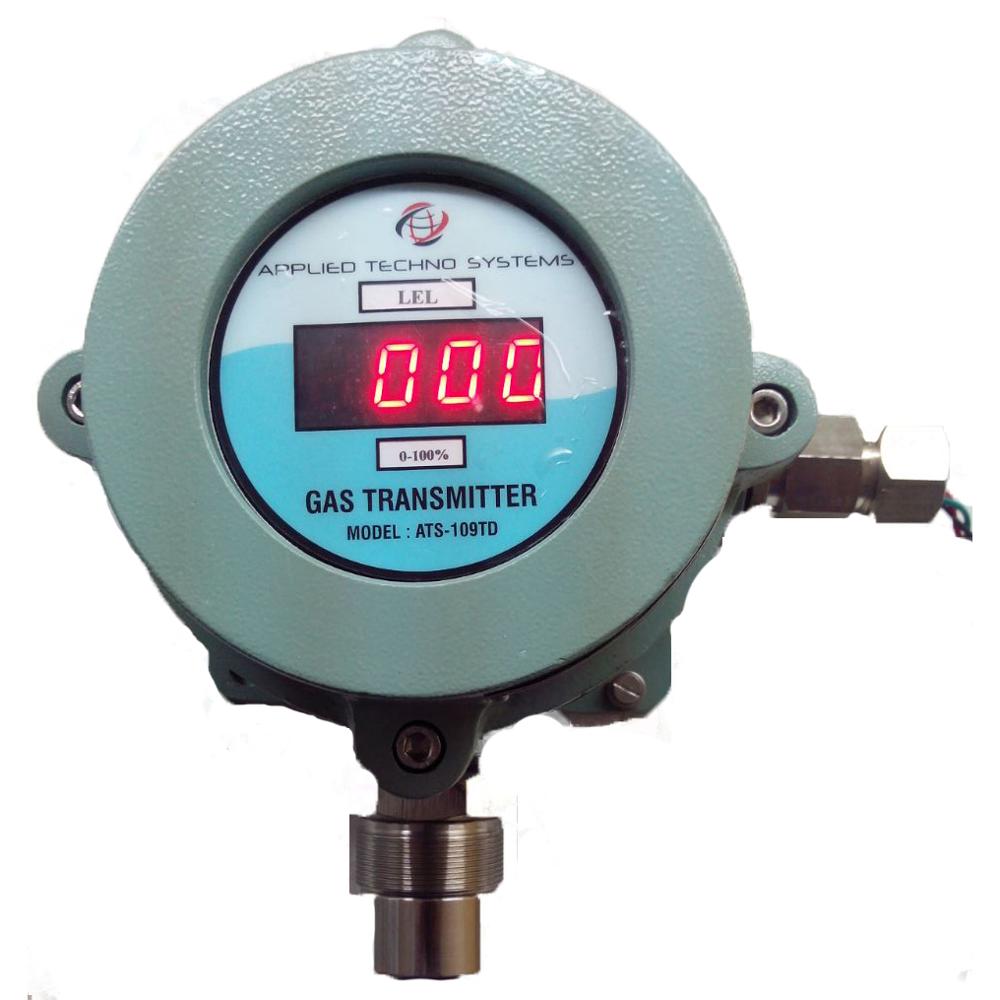
Hydrogen Sensor Transmitter
Price 18500.0 INR / Pack
Minimum Order Quantity : 1 Pack
Material : Aluminium cost Alloy
Usage : Industrial
Power Supply : Built in Lithium Rechargeable battery
Display : Graphic
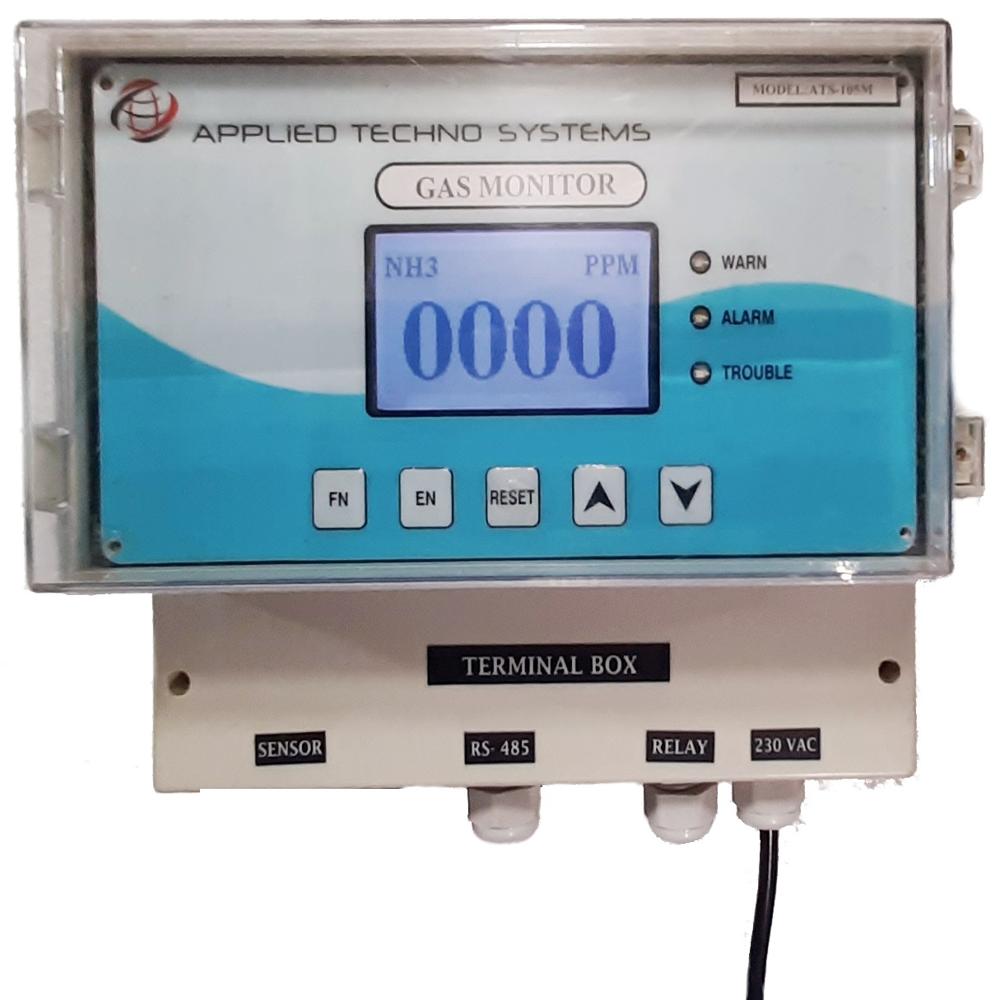
Gas Detection systems
Price 17500.0 INR / Set
Minimum Order Quantity : 1 Set
Material : Mild Steel
Usage : Industrial
Display : Graphic
Fixed Gas Detector
Price 24500.0 INR / Set
Minimum Order Quantity : 1 Set
Material : ABS Plastic
Usage : Industrial
Power Supply : 230V AC
Display : Graphic
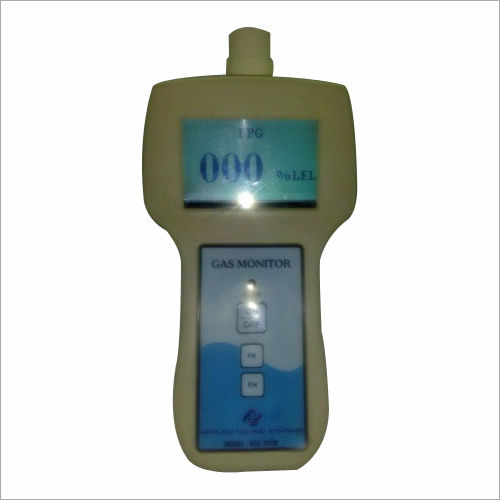
Extech LPG Gas Monitor
Price 2300.0 INR / Pack
Minimum Order Quantity : 1 Pack
Material : ABS Plastic
Usage : Industrial
Power Supply : Electric
Display : Graphic


- 104, Delta Industrial Estate, Building No 1, Gokhivare, Sativali Road, Vasai East, Dist-Palghar,Vasai - 401208, Maharashtra, India
- Phone : 08045814504
GST : 27AAVCA1127G1ZN

- Mr M L YADAV (Marketing Manager)
- Mobile : 08045814504
- Send Inquiry
 Send Inquiry
|


- Dew Point Meters
- Gas Analysers
- Portable Gas Detector
- Moisture And Dew Point Analyzer
- Dust/Opacity Monitor
- Gas Monitoring Systems
- Gas Leak Detectors
- Gas Transmitters
- VOC Leak Detector
- Air Quality Monitoring System
- Online Continuous Emission Monitoring System-OCEMS
- Dew Point Monitors
- Gas Detector
- Opacity Monitor
- Portable Flue Gas Analyzer
- Online SOX & NOX Gas Analyzer
- Methane Gas Leak Detector
- Hydrogen Purity Analyzer
- Gas Purity Analyzer
- Effluent Monitoring Systems
- Producer Gas Analyzer
- Gas Detector Calibration Service
- Portable Gas Monitors
- Gas Sensor Transmitter

Developed and Managed by Infocom Network Private Limited.


 English
 Spanish
 French
 German
 Italian
 Chinese (Simplified)
 Japanese
 Korean
 Arabic
 Portuguese