 Chat with us

- Dew Point Meters
- Gas Analysers
- Portable Gas Detector
- Moisture And Dew Point Analyzer
- Dust/Opacity Monitor
- Gas Monitoring Systems
- Gas Leak Detectors
- Gas Transmitters
- VOC Leak Detector
- Air Quality Monitoring System
- Online Continuous Emission Monitoring System-OCEMS
- Dew Point Monitors
- Gas Detector
- Opacity Monitor
- Portable Flue Gas Analyzer
- Online SOX & NOX Gas Analyzer
- Methane Gas Leak Detector
- Hydrogen Purity Analyzer
- Gas Purity Analyzer
- Effluent Monitoring Systems
- Producer Gas Analyzer
- Gas Detector Calibration Service
- Portable Gas Monitors
- Gas Sensor Transmitter

 Send Inquiry
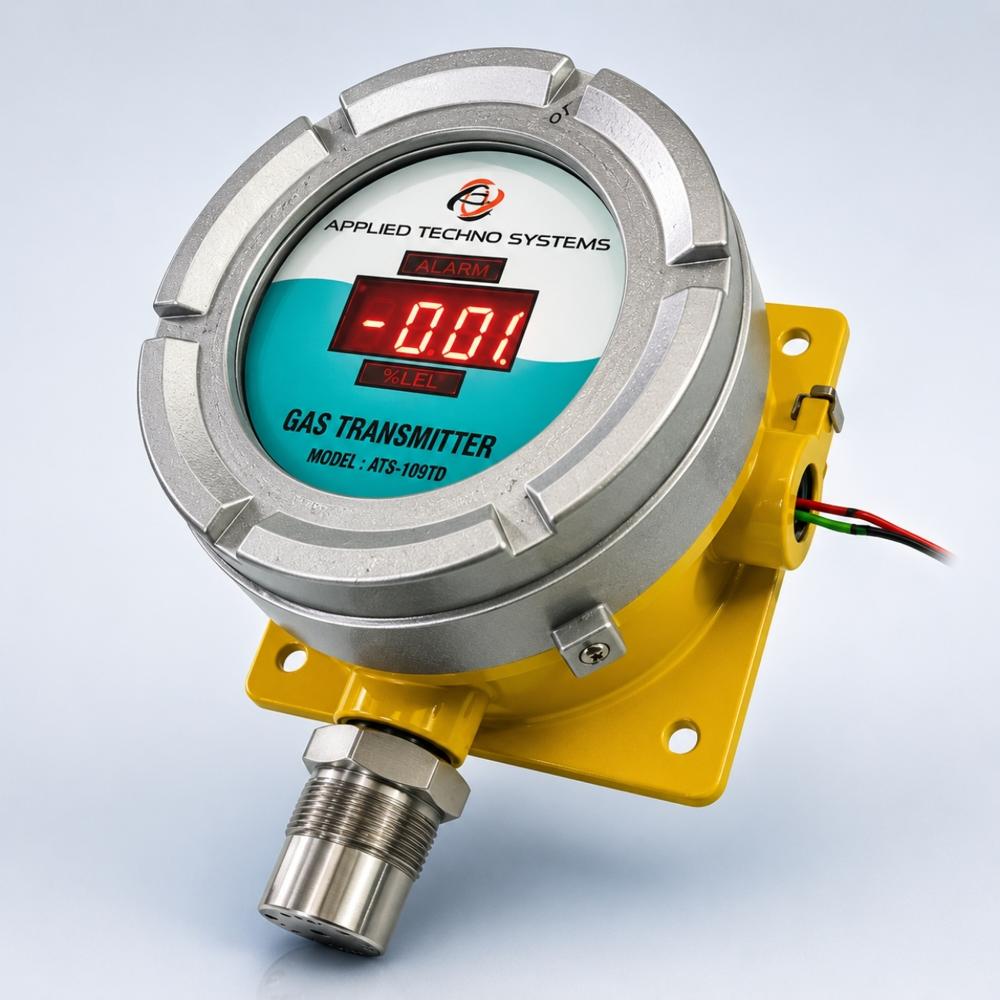
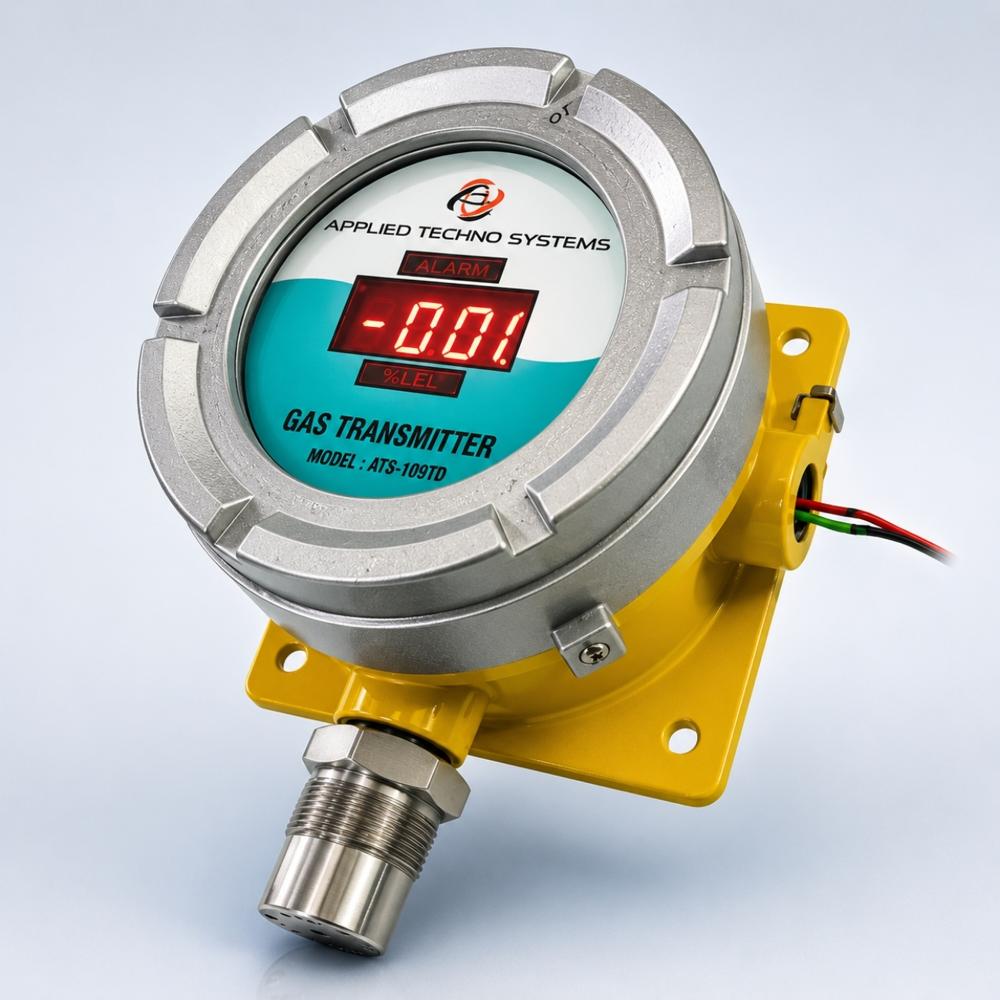
Industrial Gas Leak Detector
Price 43500.0 INR/ Piece
Industrial Gas Leak Detector Specification
- Features
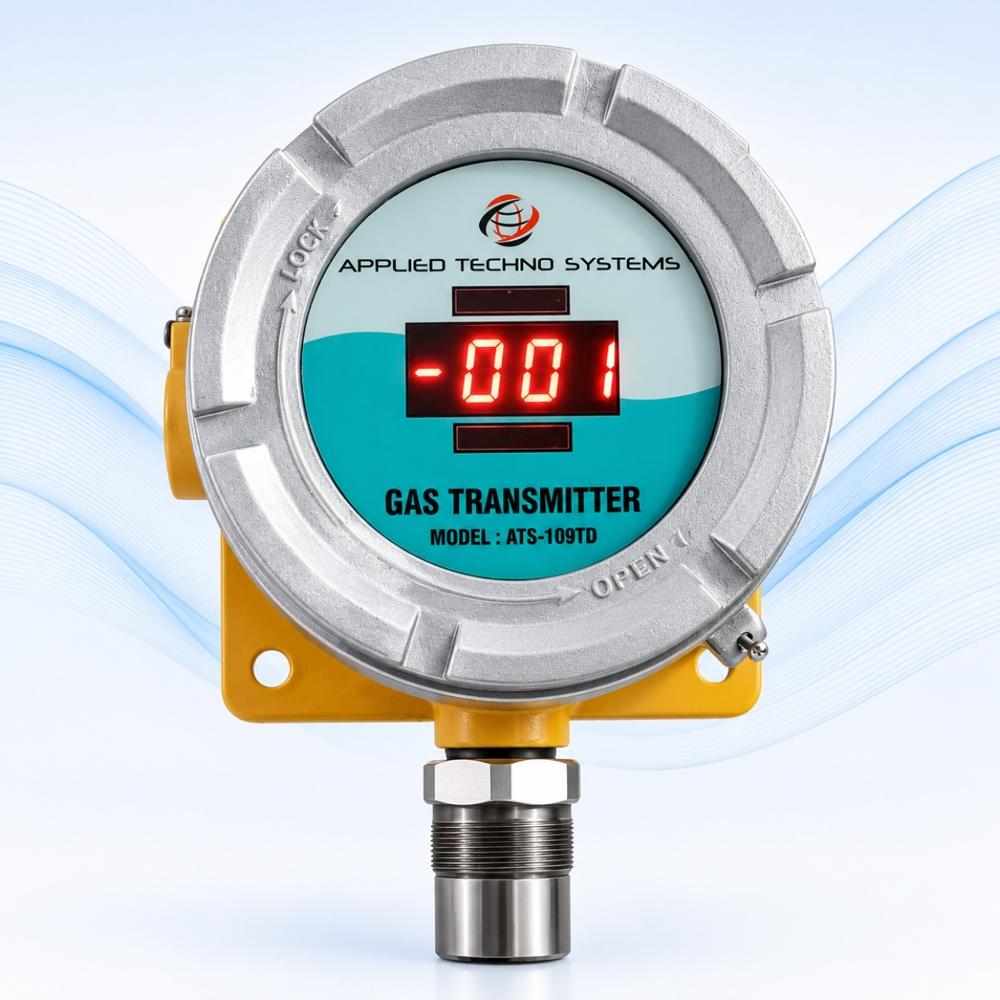
- Explosion-proof enclosure, digital display, alarm output
- Ingress Protection
- Explosion-proof (ATEX compliant)
- Operating Temperature
- -20C to +60C
- Sensitivity
- High (detects ppm to %LEL level)
- Mounting Type
- Wall mount
- Application
- Industrial gas detection, chemical plants, oil & gas refineries
- Wireless
- No
- Signal Type
- Analog (4-20mA)
- Interface
- Screw terminal, electrical cable
- Housing Material
- Die-cast Aluminum Alloy
- Cable Length
- Customizable as per installation
- Power Consumption
- <3W
- IP Rating
- IP65
- Measurement Range
- 0-100% LEL
- Mounting Thread
- M20 x 1.5
- Sensor Type
- Catalytic/semiconductor sensor
- Response Time
- <30 seconds
- Product Type
- Industrial Gas Leak Detector (Gas Transmitter)
- Material
- Aluminum body with stainless steel sensor head
- Input
- DC supply (typically 24V DC)
- Output
- 4-20mA analog output
- Function
- Detection and alarm for combustible gas leaks
- Usage
- Continuous gas monitoring in hazardous industrial environments
- Accuracy
- 3% of full scale
- Resolution
- 0.01 %LEL
- Voltage
- 24V DC nominal
- Weight
- Approx. 1.2 kg
- Relative Humidity
- <95% non-condensing
- Storage Temperature
- -30C to +70C
- Wiring Entry
- 1/2" NPT
- Explosion Proof Standard
- Ex d IIC T6 Gb certification
- Electronics
- Microprocessor based
- Alarm Indication
- Visual alarm LED and electrical relay output
- Fault Indication
- Self-diagnosis and fault alarm
- Compatible Gases
- Methane, Propane, LPG, Hydrogen, etc.
- Calibration
- Field calibration possible via external port
- Relay Output
- SPDT relay contact for external alarms
- Display Type
- LED digital display
- Maintanence
- Low, periodic calibration recommended
- Enclosure Color
- Yellow (industrial standard)
- Sensor Lifespan
- 2-3 years typical
About Industrial Gas Leak Detector
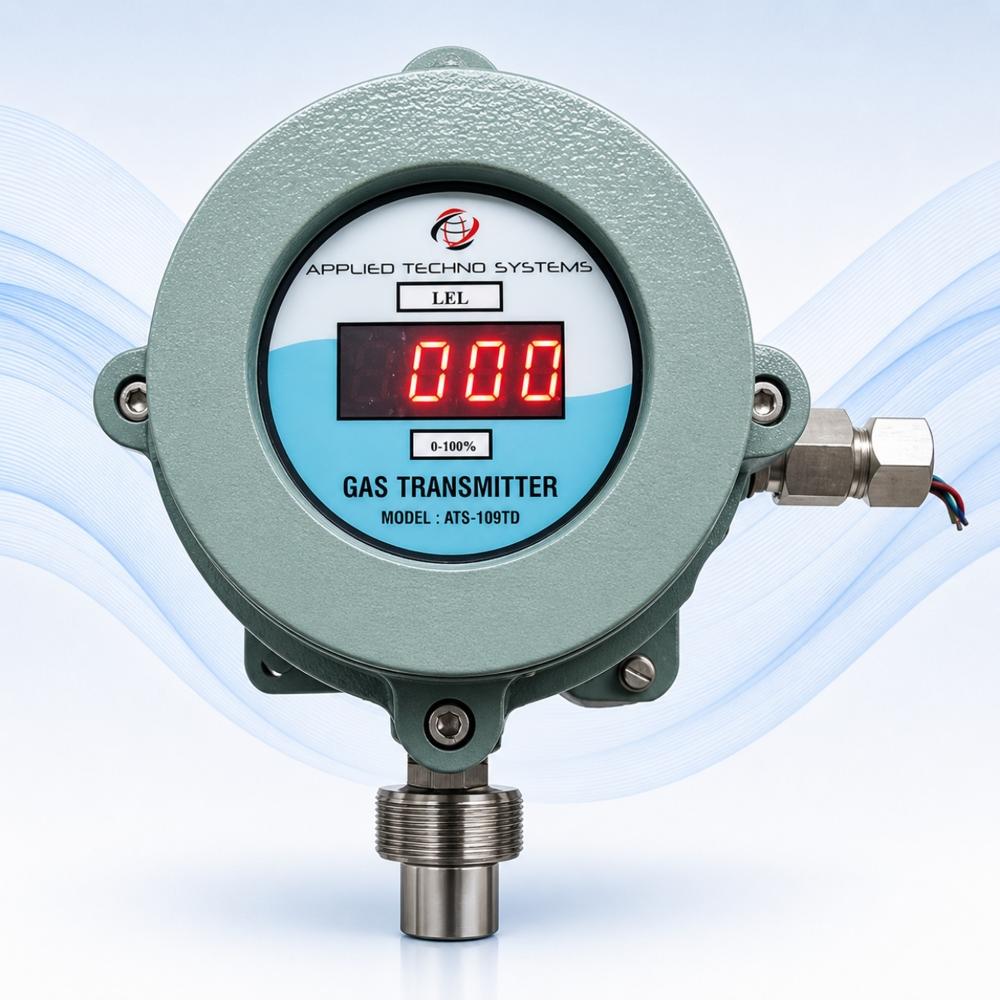
The Gas Sensor Transmitter EX-Proof is an industrial gas detection and monitoring device designed for the continuous measurement of hazardous, toxic, combustible, and flammable gases in potentially hazardous environments. The transmitter can be configured with suitable gas sensors for detecting gases such as Oxygen (O), Hydrogen Sulfide (HS), Carbon Monoxide (CO), Sulfur Dioxide (SO), Hydrogen (H), Methane (CH), combustible gases, VOCs, and other toxic or flammable gases, depending on the application requirement. Designed for use in demanding industrial conditions, the Explosion-Proof Gas Sensor Transmitter provides reliable gas concentration measurement with 420 mA output, alarm/relay options, self-diagnostics, and continuous monitoring capabilities. It can be integrated with fixed gas detection and multi-point gas monitoring systems for real-time monitoring and early detection of hazardous gas leaks. The transmitter is suitable for applications in Oil Refineries, Petrochemical, Chemical, Oil & Gas, Natural Gas, LNG/LPG, Fertilizer, Coal Mining, Power Plants, Iron & Steel, Foundries, Pharmaceutical, Battery Manufacturing, and other hazardous industrial environments, providing dependable gas monitoring for plant safety, process safety, leak detection, and workplace protection.Reliable Detection for Industrial Safety
Designed for hazardous environments, this gas leak detector offers dependable monitoring of explosive gases such as Methane and LPG. Its explosion-proof housing, combined with a digital LED display and powerful alarm system, ensures early warning and protects both personnel and assets.
Advanced Features and Ease of Maintenance
Field calibration can be performed easily through an external port, minimizing downtime and keeping your facility compliant. The detector boasts a microprocessor-based design, user-friendly interface, and self-diagnostic functions that promptly alert you to any faults or sensor issues.
Flexible Installation and Integration
With IP65 ingress protection, wall-mount compatibility, and both analog (4-20mA) and relay outputs, this detector integrates seamlessly with existing alarm and control systems. The robust aluminum alloy body with customizable cable length suits various industrial applications and environments.
FAQ's of Industrial Gas Leak Detector:
Q: How does the Industrial Gas Leak Detector indicate an alarm?
A: The detector provides a visual alarm through bright LEDs on the display, and also activates an external alarm circuit using its SPDT relay output, alerting personnel immediately to hazardous gas levels.Q: What gases can this detector monitor and in what environments is it typically used?
A: This device detects combustible gases including Methane, Propane, LPG, Hydrogen, and similar gases. It is suitable for use in chemical plants, oil & gas refineries, and other hazardous industrial locations requiring continuous gas monitoring.Q: How should calibration and maintenance be performed, and how often?
A: Field calibration can be done via the detector's external calibration port. It is recommended to perform calibration periodically, typically twice a year, to ensure high accuracy and reliable performance. The system's self-diagnosis function will also alert you to sensor faults or other maintenance needs.Q: Where should I install the detector for optimum performance?
A: Install the detector on a solid wall in areas where combustible gas leaks are most likely to occur, such as near storage tanks or processing lines. The sensor housing is rated IP65 for tough industrial conditions and the cable length can be customized as per your site's requirements.Q: What are the benefits of choosing this explosion-proof gas leak detector?
A: Its ATEX-certified explosion-proof enclosure, fast response time (<30 seconds), high sensitivity, and robust build protect against gas leak disasters, ensuring workplace safety and regulatory compliance.Q: What is the typical sensor lifespan and what happens when a fault is detected?
A: The sensor typically lasts 2 to 3 years under normal conditions. If the detector identifies a fault (such as sensor failure or wiring issues), it automatically triggers a fault alarm and visual notification via its self-diagnostic feature.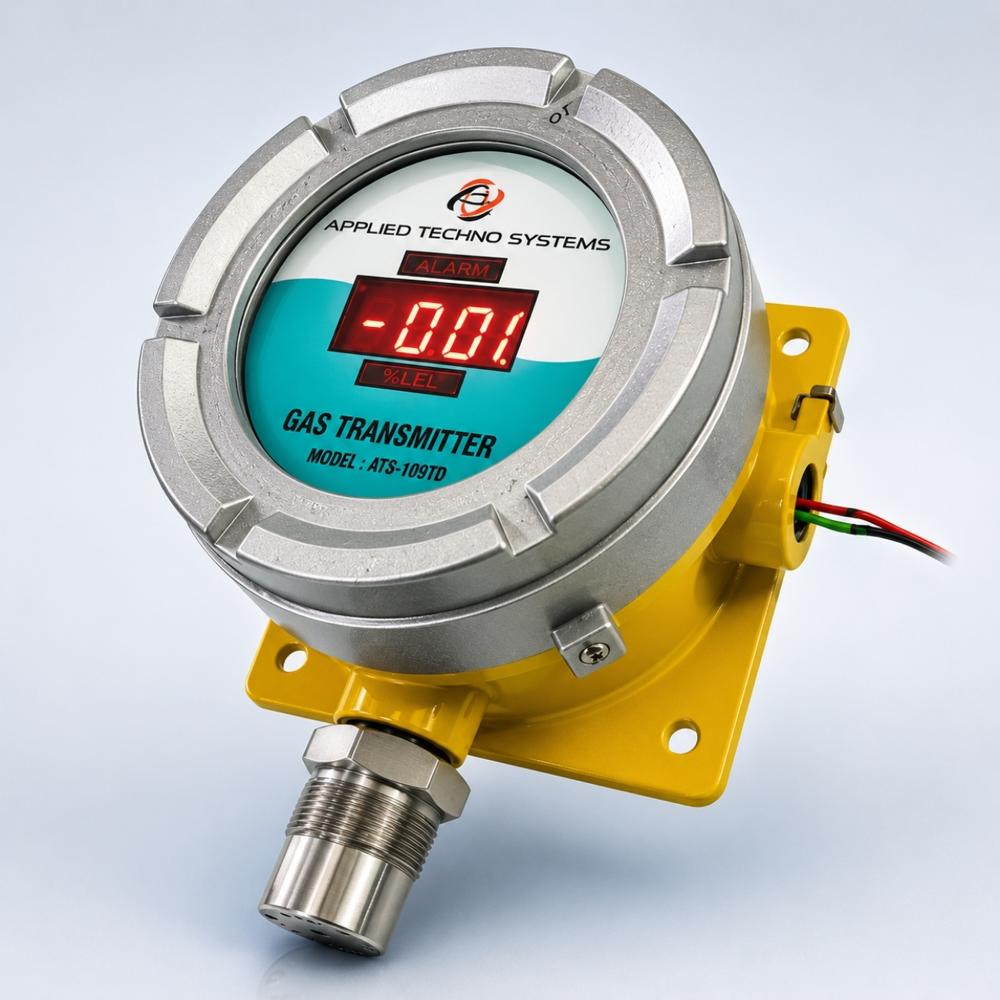

Price:
- 50
- 100
- 200
- 250
- 500
- 1000+

More Products in Gas Transmitters Category
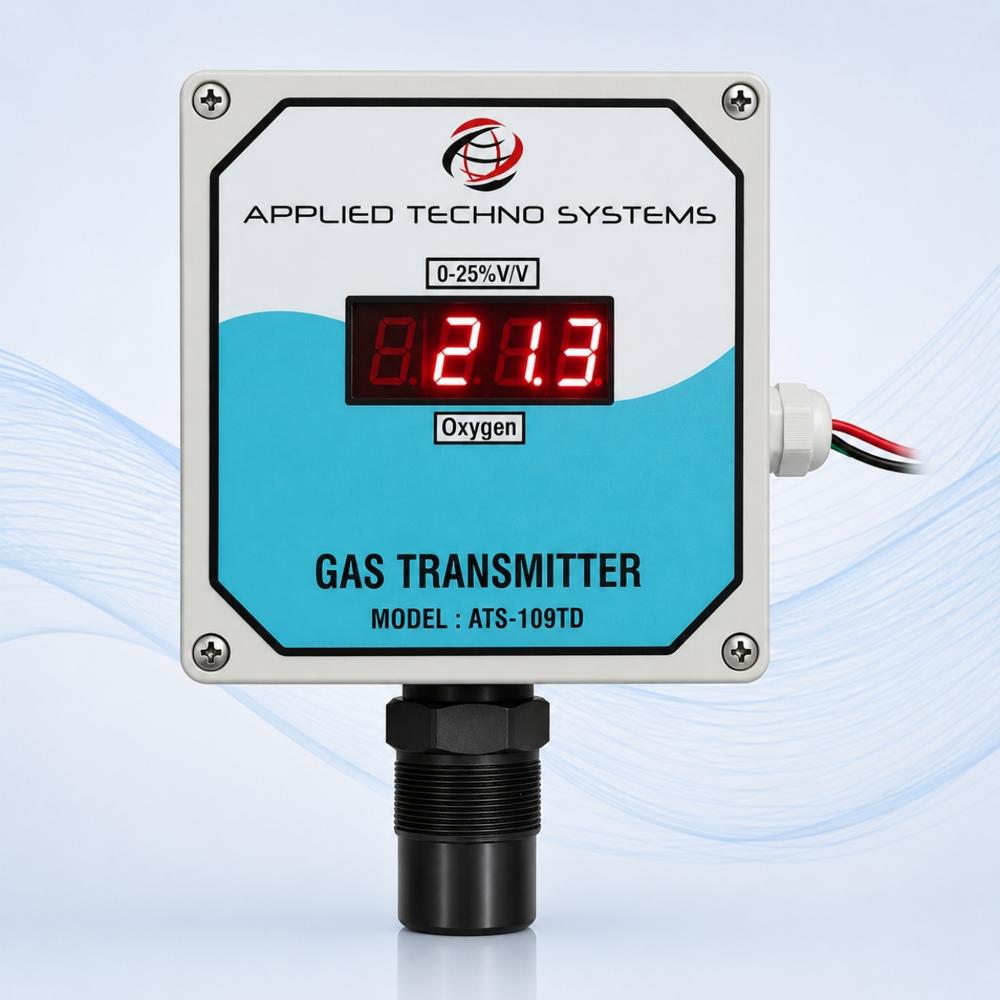
Fixed Gas Detector Transmitter
Price 25500.0 INR / Unit
Minimum Order Quantity : 1 Unit
Application : Oxygen Concentration Monitoring
Material : Plastic / Polycarbonate
Usage : Industrial & Commercial Safety Applications
Accuracy : 2% of Full Scale
Gas Sensor Transmitter
Price 28500.0 INR / Piece
Minimum Order Quantity : 1 Piece
Application : Safety, Leak Detection
Material : Aluminum & Stainless Steel
Usage : Industrial gas detection
Accuracy : 3% F.S.
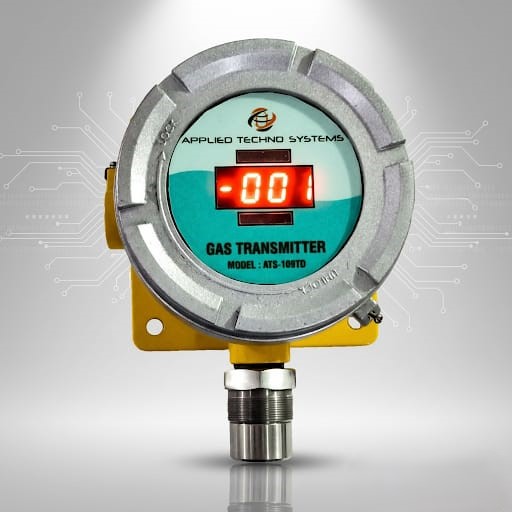
Explosion Proof Gas Detector
Price 32500.0 INR / Unit
Minimum Order Quantity : 1 Unit
Application : Hazardous areas, Oil & Gas, Petrochemical, Chemical Plants
Material : Aluminum Die Cast
Usage : Industrial safety monitoring
Accuracy : 2% of full scale
Hydrogen Gas Transmitter
Price 52400.0 INR / Pack
Minimum Order Quantity : 1 Pack
Application : Industrial
Material : Flameproof
Usage : gas leak detection
Accuracy : +/2 %


- 104, Delta Industrial Estate, Building No 1, Gokhivare, Sativali Road, Vasai East, Dist-Palghar,Vasai - 401208, Maharashtra, India
- Phone : 08045814504
GST : 27AAVCA1127G1ZN

- Mr M L YADAV (Marketing Manager)
- Mobile : 08045814504
- Send Inquiry
 Send Inquiry

|


- Dew Point Meters
- Gas Analysers
- Portable Gas Detector
- Moisture And Dew Point Analyzer
- Dust/Opacity Monitor
- Gas Monitoring Systems
- Gas Leak Detectors
- Gas Transmitters
- VOC Leak Detector
- Air Quality Monitoring System
- Online Continuous Emission Monitoring System-OCEMS
- Dew Point Monitors
- Gas Detector
- Opacity Monitor
- Portable Flue Gas Analyzer
- Online SOX & NOX Gas Analyzer
- Methane Gas Leak Detector
- Hydrogen Purity Analyzer
- Gas Purity Analyzer
- Effluent Monitoring Systems
- Producer Gas Analyzer
- Gas Detector Calibration Service
- Portable Gas Monitors
- Gas Sensor Transmitter

Developed and Managed by Infocom Network Private Limited.


 English
 Spanish
 French
 German
 Italian
 Chinese (Simplified)
 Japanese
 Korean
 Arabic
 Portuguese
