 Chat with us

- Dew Point Meters
- Gas Analysers
- Portable Gas Detector
- Moisture And Dew Point Analyzer
- Dust/Opacity Monitor
- Gas Monitoring Systems
- Gas Leak Detectors
- Gas Transmitters
- VOC Leak Detector
- Air Quality Monitoring System
- Online Continuous Emission Monitoring System-OCEMS
- Dew Point Monitors
- Gas Detector
- Opacity Monitor
- Portable Flue Gas Analyzer
- Online SOX & NOX Gas Analyzer
- Methane Gas Leak Detector
- Hydrogen Purity Analyzer
- Gas Purity Analyzer
- Effluent Monitoring Systems
- Producer Gas Analyzer
- Gas Detector Calibration Service
- Portable Gas Monitors
- Gas Sensor Transmitter

 Send Inquiry
Personal Single Gas Monitor with Pump
Price 41000.0 INR/ Piece
Personal Single Gas Monitor with Pump Specification
- Display Type
- Digital LCD
- Application
- Industrial safety, confined space monitoring, laboratory detection
- Temperature
- -10C to +50C
- Operating Voltage
- 3.7V DC
- Interface Type
- Push-button, digital display
- Mounting Type
- Handheld
- Number of Specimens
- Single
- Humidity
- 0-95% RH non-condensing
- Gas Pressure
- Atmospheric
- Measuring Range
- Oxygen (O2) 0-30% Vol.
- Resolution
- 0.1% Vol.
- Power Supply
- Rechargeable Lithium Battery (3.7V)
- Test Range
- 0-30% Vol. O2
- Accuracy
- 0.2% Vol.
- Features
- Audible and visible alarm, portable, built-in pump, high precision
- Response Time
- 15 seconds
- Max Height
- Approx. 160 mm
- Automation Grade
- Semi-automatic
- Port Size
- Standard inlet port for sampling tube
- Usage
- Personal gas monitoring
- Machine Weight
- Approx. 350 grams
- Control Mode
- Manual
- Calibration
- Automatic and manual calibration
- Sensor Type
- Electrochemical sensor
- Battery Life
- Up to 24 hours continuous use
- Equipment Type
- Personal Single Gas Monitor with Pump
- Compliance
- CE Certified
- Dimensions
- 160mm x 80mm x 40mm
- Enclosure Material
- ABS plastic
- Data Logging
- Optional
- Protection Class
- IP54
- Operating Environment
- Industrial, laboratory, confined spaces
- Sampling Method
- Built-in micro pump for remote sampling
- Model Number
- ATS-101M
- Alarm Type
- Audible, Visual
- Alarm Threshold
- Configurable low and high limits
About Personal Single Gas Monitor with Pump
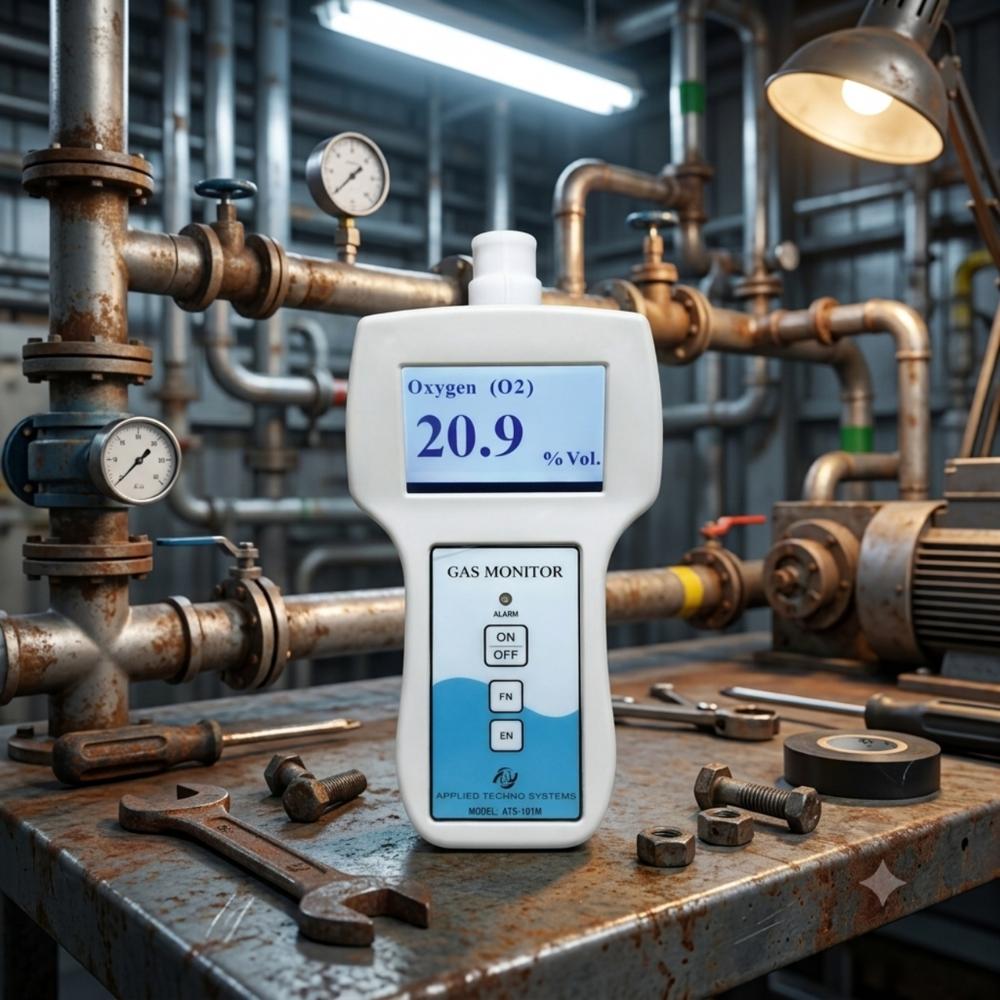
The Handheld Single Gas Detector With Pump is a compact and portable gas detection instrument designed for reliable monitoring of a specific gas in industrial, hazardous and confined-space environments. The integrated sampling pump enables active gas sampling from locations that are difficult to access, providing convenient and reliable detection of oxygen, toxic, combustible and other hazardous gases. Available in different gas configurations, the detector is suitable for personal safety, gas leak detection, confined-space entry, process monitoring and routine workplace gas monitoring. Its rugged handheld design makes it suitable for applications across oil & gas, oil refineries, petrochemical, chemical, pharmaceutical, fertilizer, power plants, steel, mining, battery manufacturing and other industrial sectors. The detector provides clear gas concentration readings along with visual and audible alarms when preset gas levels are reached, making it suitable for a wide range of industrial gas detection and safety applications.Advanced Oxygen Monitoring
Equipped with a high-precision electrochemical sensor, the ATS-101M detects oxygen concentrations ranging from 0 to 30% Vol. Its rapid response time and configurable alarm limits enable prompt intervention in hazardous environments, enhancing worker safety.
Convenient Remote Sampling
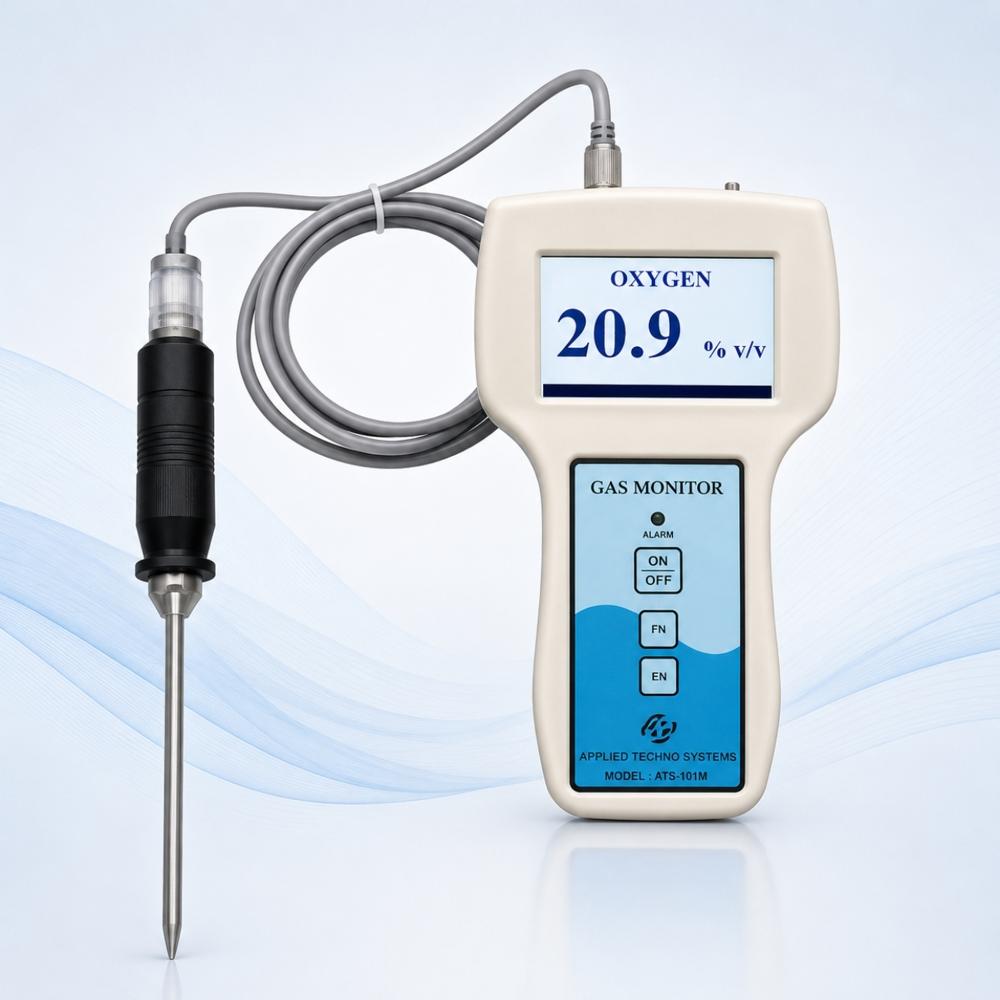
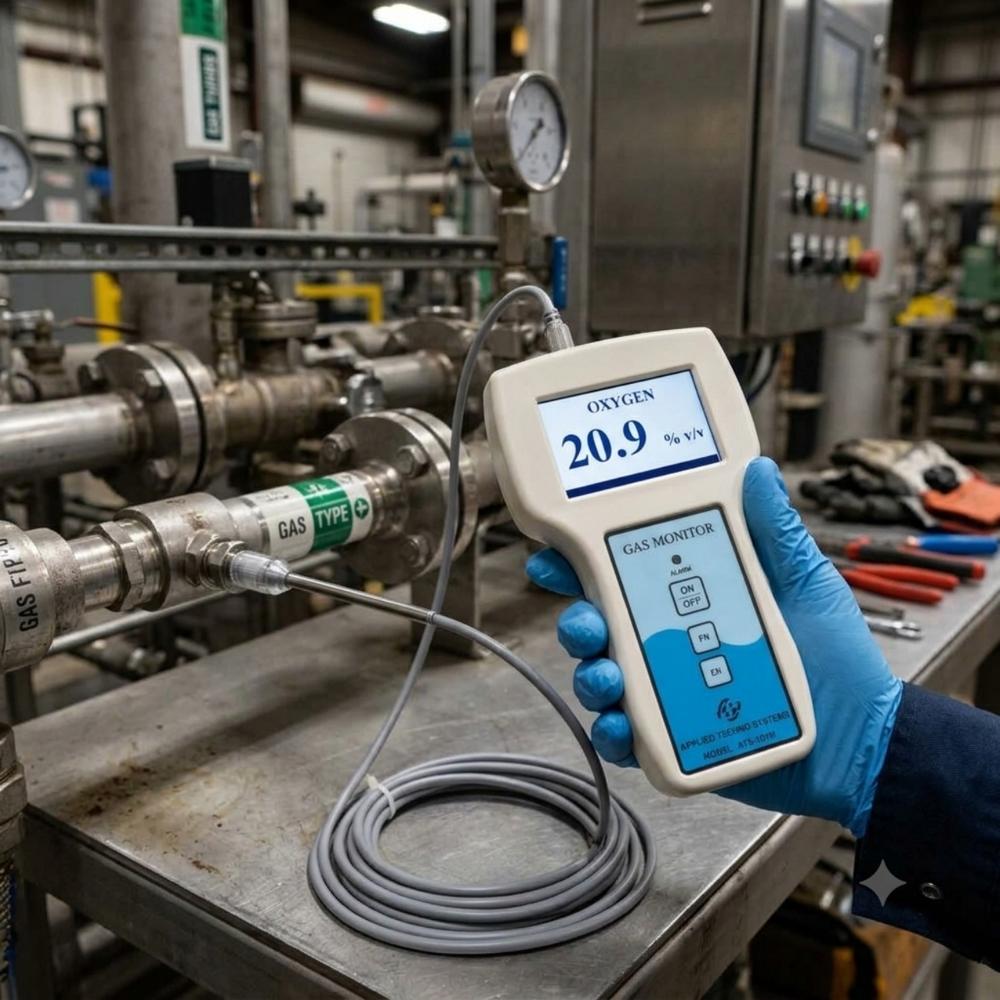
The integrated micro pump allows users to conduct remote sampling from confined spaces, ensuring accurate readings without direct exposure. This feature is particularly beneficial in industrial and laboratory safety applications where accessibility is limited.
Flexible Calibration and Data Logging
Automatic and manual calibration options streamline maintenance and uphold measurement integrity. Optional data logging supports compliance and record-keeping, making the device suitable for regulatory inspections and safety audits.
FAQ's of Personal Single Gas Monitor with Pump:
Q: How does the ATS-101M personal gas monitor operate in confined spaces?
A: The ATS-101M uses a built-in micro pump to remotely sample air from confined spaces, enabling users to assess oxygen levels without entering hazardous areas directly. Its compact handheld design also makes it easy to carry during monitoring.Q: What types of alarms does the monitor provide when gas levels exceed thresholds?
A: The monitor features configurable low and high alarm limits with both audible and visual alerts. When oxygen levels fall outside set thresholds, the device emits a loud sound and flashes a warning light to ensure immediate attention.Q: When should the ATS-101M be calibrated, and how is calibration performed?
A: Calibration is recommended before initial use, periodically during routine operation, or after sensor exposure to extreme conditions. Users can choose automatic calibration for ease or manual calibration if specific adjustments are required.Q: Where can the ATS-101M be utilized for personal gas monitoring?
A: This monitor is suited for industrial, laboratory, and confined space environments, including factories, chemical plants, and storage facilities. Its robust enclosure and IP54 rating support operation in demanding settings.Q: What is the process for logging gas measurements, and why is it beneficial?
A: Optional data logging allows users to record gas concentrations during monitoring sessions. This feature aids in compliance, safety audits, and incident tracking by providing accurate records of environmental conditions.Q: How long does the ATS-101M operate on a single battery charge?
A: The monitor delivers up to 24 hours of continuous operation on its rechargeable 3.7V lithium battery, making it reliable for extended shifts or field inspections without frequent recharging.Q: What are the key benefits of using this personal single gas monitor with pump?
A: Key benefits include high accuracy, rapid response time, robust alarms, remote sampling capability, flexible calibration options, durable construction, and portability-all contributing to safer working conditions and regulatory compliance.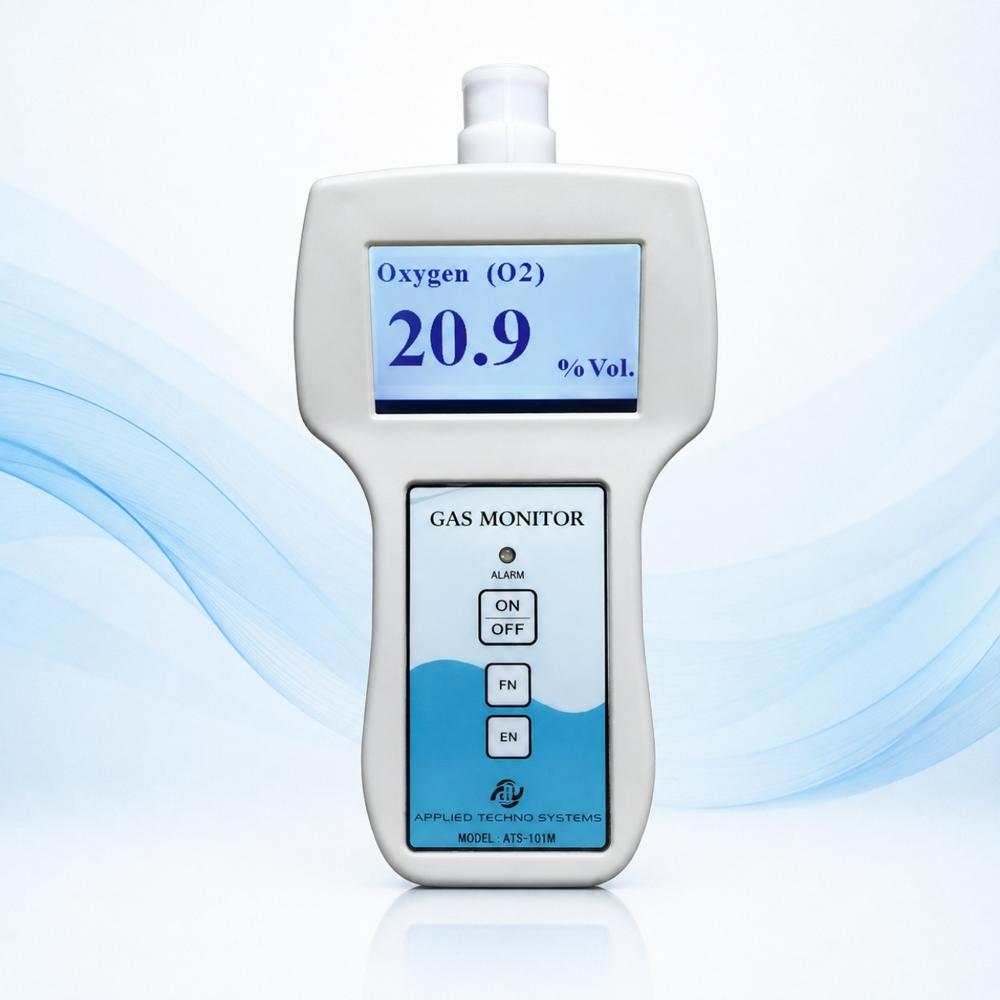

Price:
- 50
- 100
- 200
- 250
- 500
- 1000+

More Products in Gas Detector Category

Digital Multi Gas Detector
Price 78500.0 INR / Unit
Minimum Order Quantity : 1 Unit
Machine Weight : 450 g Gram (g)
Test Range : LEL: 0100%, O2: 030%, CO: 01000 ppm, H2S: 0100 ppm
Power Supply : Rechargeable Battery / USB Charging
Resolution : 0.01 (displayed value, gasspecific)
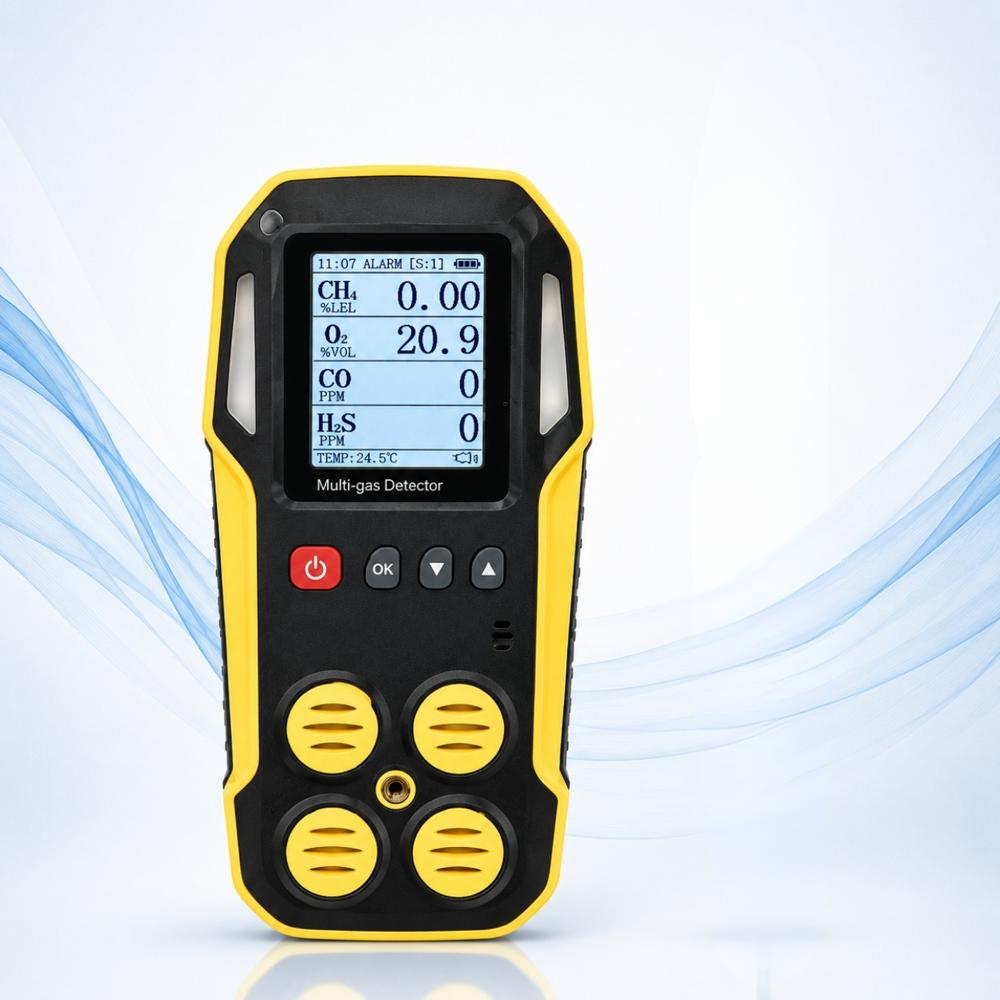
Portable Industrial Gas Detector
Price 46000.0 INR / Piece
Minimum Order Quantity : 1 Piece
Machine Weight : 250 g (approx.)
Test Range : CH4 (0100% LEL), O2 (030% VOL), CO (0999 ppm), H2S (0100 ppm)
Power Supply : Rechargeable Lithium Battery, DC 3.7V
Resolution : 0.01% for gases, 0.1C for temperature
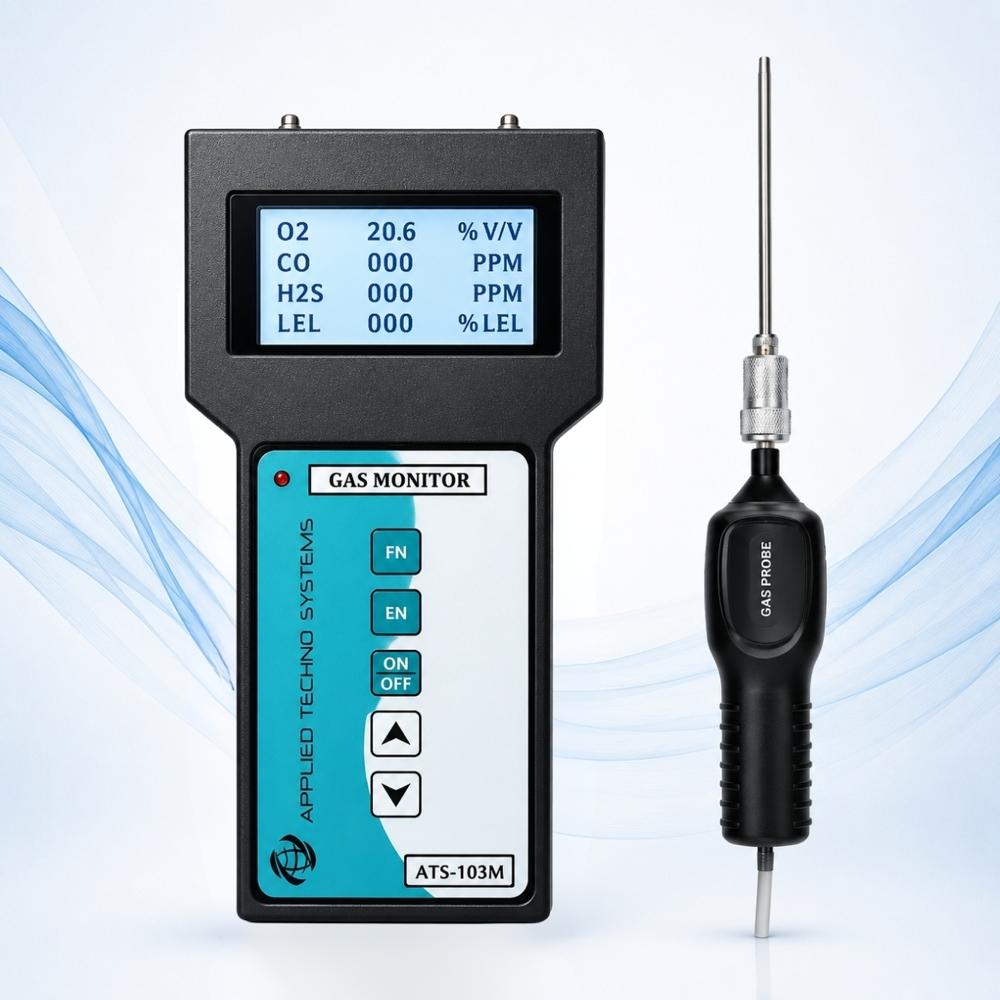
Gas Detector With Built In Pump
Price 70000.0 INR / Piece
Minimum Order Quantity : 1 Piece
Machine Weight : Approx. 350 g (Including battery)
Test Range : O2 (030% Vol), CO (01000 ppm), H2S (0100 ppm), LEL (0100 %LEL)
Power Supply : Rechargeable Liion Battery, USB Charging
Resolution : O2: 0.1%, CO: 1 ppm, H2S: 0.1 ppm, LEL: 1%
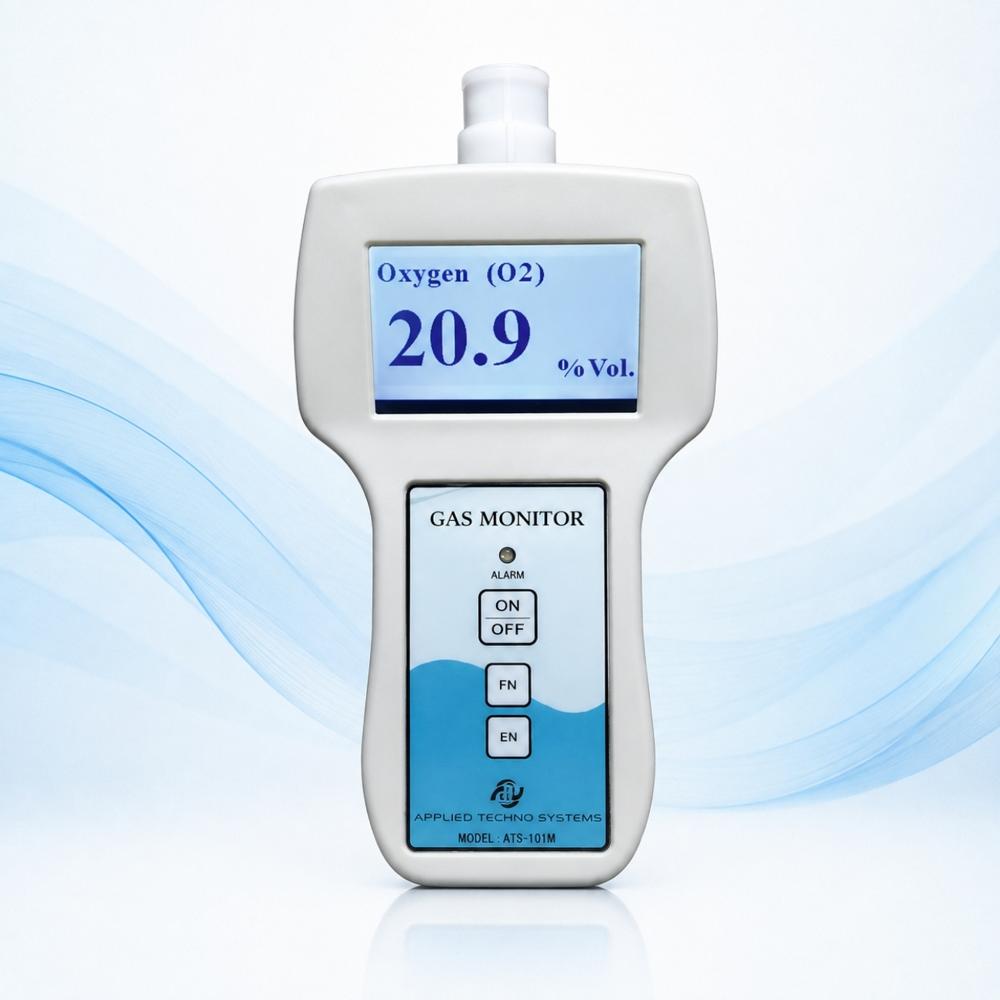
Portable Gas Safety Monitor with Pump
Price 44000.0 INR / Piece
Minimum Order Quantity : 1 Piece
Machine Weight : Approx. 350g
Test Range : Oxygen: 030% Vol
Power Supply : Rechargeable Liion battery / Direct adapter
Resolution : 0.1% Vol


- 104, Delta Industrial Estate, Building No 1, Gokhivare, Sativali Road, Vasai East, Dist-Palghar,Vasai - 401208, Maharashtra, India
- Phone : 08045814504
GST : 27AAVCA1127G1ZN

- Mr M L YADAV (Marketing Manager)
- Mobile : 08045814504
- Send Inquiry
 Send Inquiry

|


- Dew Point Meters
- Gas Analysers
- Portable Gas Detector
- Moisture And Dew Point Analyzer
- Dust/Opacity Monitor
- Gas Monitoring Systems
- Gas Leak Detectors
- Gas Transmitters
- VOC Leak Detector
- Air Quality Monitoring System
- Online Continuous Emission Monitoring System-OCEMS
- Dew Point Monitors
- Gas Detector
- Opacity Monitor
- Portable Flue Gas Analyzer
- Online SOX & NOX Gas Analyzer
- Methane Gas Leak Detector
- Hydrogen Purity Analyzer
- Gas Purity Analyzer
- Effluent Monitoring Systems
- Producer Gas Analyzer
- Gas Detector Calibration Service
- Portable Gas Monitors
- Gas Sensor Transmitter

Developed and Managed by Infocom Network Private Limited.


 English
 Spanish
 French
 German
 Italian
 Chinese (Simplified)
 Japanese
 Korean
 Arabic
 Portuguese
