 Chat with us

- Dew Point Meters
- Gas Analysers
- Portable Gas Detector
- Moisture And Dew Point Analyzer
- Dust/Opacity Monitor
- Gas Monitoring Systems
- Gas Leak Detectors
- Gas Transmitters
- VOC Leak Detector
- Air Quality Monitoring System
- Online Continuous Emission Monitoring System-OCEMS
- Dew Point Monitors
- Gas Detector
- Opacity Monitor
- Portable Flue Gas Analyzer
- Online SOX & NOX Gas Analyzer
- Methane Gas Leak Detector
- Hydrogen Purity Analyzer
- Gas Purity Analyzer
- Effluent Monitoring Systems
- Producer Gas Analyzer
- Gas Detector Calibration Service
- Portable Gas Monitors
- Gas Sensor Transmitter

 Send Inquiry
Portable Gas Monitoring Instrument
Price 25000.0 INR/ Piece
Portable Gas Monitoring Instrument Specification
- Resolution
- 0.1 ppm
- Port Size
- Standard Gas Inlet/Outlet
- Measuring Range
- Configurable: CO, O2, H2S, LEL, and others (Specify upon order)
- Equipment Type
- Portable Gas Monitoring Instrument
- Display Type
- LCD Digital Screen
- Number of Specimens
- Single Channel
- Temperature
- -20C to 50C
- Humidity
- 10%~95% RH (non-condensing)
- Mounting Type
- Handheld, belt clip
- Automation Grade
- Manual/Portable
- Gas Pressure
- Atmospheric
- Accuracy
- 3% F.S.
- Hardness
- Impact-Resistant Housing
- Response Time
- 30s
- Interface Type
- Micro USB for charging, No Data Port
- Test Range
- 0~1000 ppm (for CO); range varies by sensor
- Features
- High/Low Alarm, Backlight, Battery Indicator, Compact Design
- Max Height
- 13 cm (approx.)
- Operating Voltage
- 3.7V (battery powered)
- Power Supply
- Rechargeable Lithium Battery
- Application
- Industrial Safety, Gas Detection, Confined Spaces, Environmental Monitoring
- Usage
- Personal Safety, Continuous Ambient Monitoring
- Capacity
- Handheld / Portable
- Machine Weight
- Approx. 180 g
- Control Mode
- Manual Button Operation
- Sensor Type
- Electrochemical (for toxic gases), Catalytic (for combustible gases)
- Working Time
- 8-10 hours (continuous use)
- Storage Temperature
- -25C to 60C
- Dimensions
- 130 x 60 x 35 mm
- Waterproof Level
- IP65
- Alarm Mode
- Sound, Light, and Vibration
- Charging Time
- 2-3 hours
About Portable Gas Monitoring Instrument
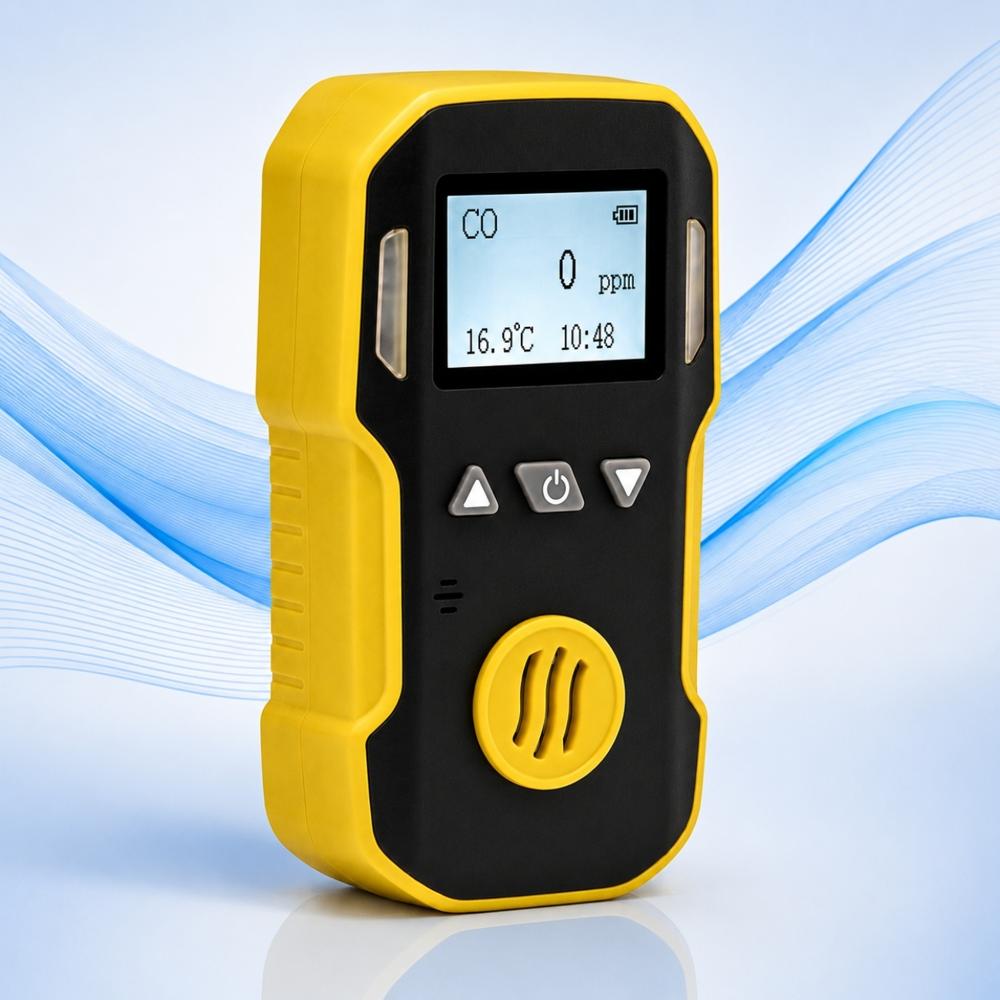
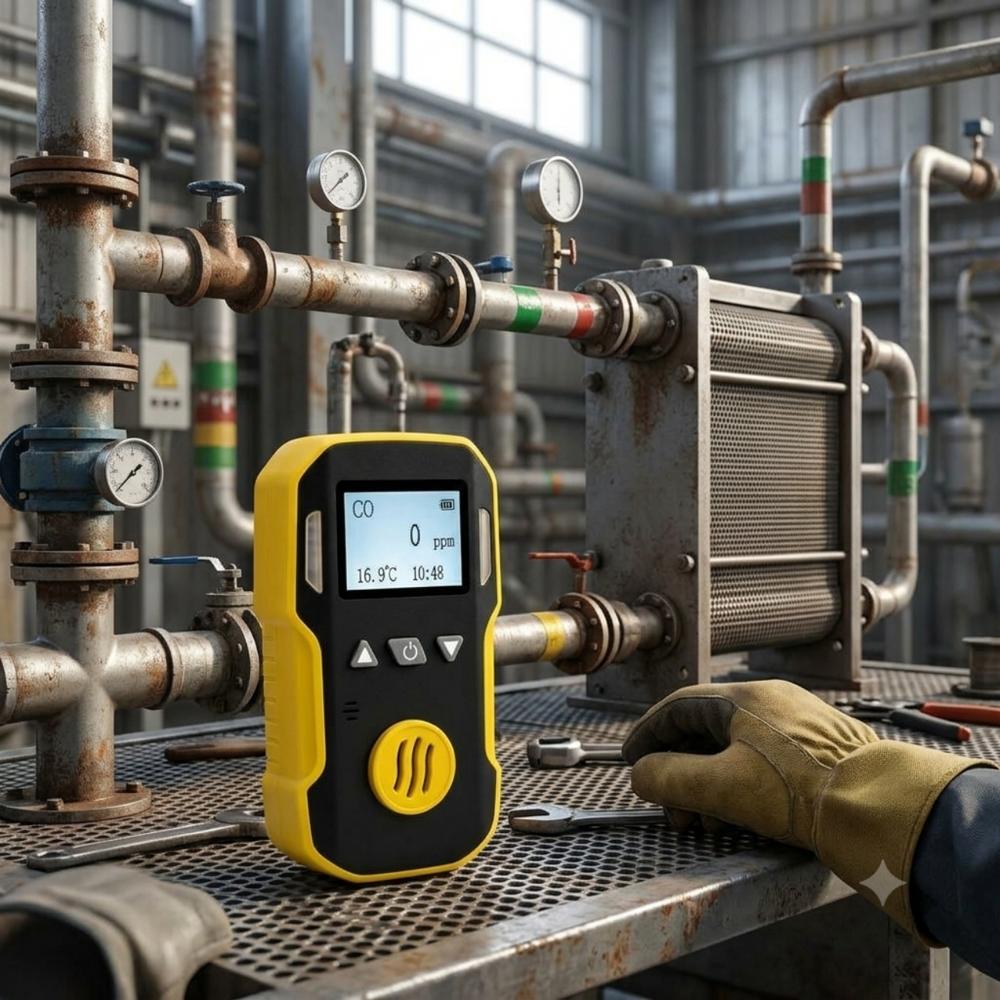
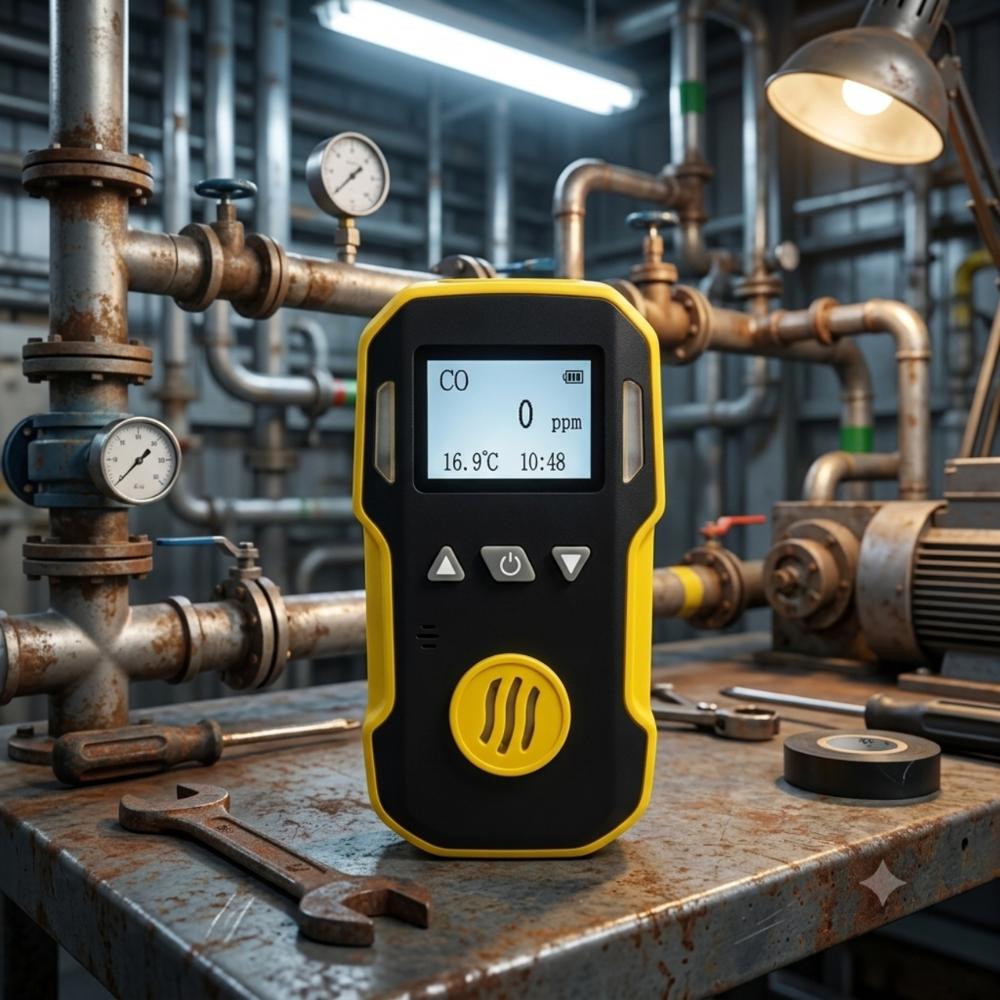
The Handheld Single Gas Detector is a compact, portable and easy-to-use gas detection instrument designed for the reliable monitoring of a specific gas in industrial and hazardous environments. The detector continuously monitors the selected gas and provides clear visual and audible alarms when the gas concentration reaches preset levels. Suitable for detecting oxygen, toxic, combustible and other hazardous gases, it is available in different gas configurations to meet application requirements. Its lightweight handheld design makes it suitable for personal safety, routine gas monitoring, leak detection and workplace safety across industries such as oil & gas, oil refineries, petrochemical, chemical, pharmaceutical, fertilizer, power plants, steel, mining, battery manufacturing and other industrial applications. The diffusion-type design enables convenient personal gas monitoring without requiring a sampling probe or external attachments.Robust Gas Detection for Enhanced Safety
Built to meet the demands of challenging work environments, this handheld gas monitor offers reliable detection for a range of harmful gases. Its compact, impact-resistant housing and IP65 rating protect against dust and water, making it perfect for industrial, environmental, and confined space applications. The digital LCD screen provides clear, precise readings, helping users stay informed and safe during every shift.
User-Friendly Operation and Maintenance
The monitor is operated manually via intuitive buttons, requiring no complex setup. Quick to recharge with a standard Micro USB interface, it can be fully powered in 2-3 hours for use throughout the workday. The device's high/low alarms, battery indicators, and backlight design ensure uninterrupted usability and timely responses to gas threats. Its handheld format and belt clip maximize portability and convenience, supporting effortless deployment on site.
FAQ's of Portable Gas Monitoring Instrument:
Q: How does the portable gas monitoring instrument alert me to dangerous gas levels?
A: The instrument provides immediate alerts using sound, light, and vibration alarms whenever set gas thresholds are exceeded. This multi-mode alarm system ensures you remain aware of potential dangers even in noisy or visually obstructed environments.Q: What types of gases can this device detect, and how do I specify the required sensors?
A: This monitor supports configurable detection for gases such as CO, O2, H2S, LEL, and others. The specific sensors should be specified at the time of order to customize the device for your application. It uses electrochemical sensors for toxic gases and catalytic sensors for combustibles.Q: Where can I use this gas detector, and in what conditions is it effective?
A: This equipment is ideal for industrial safety, confined space entry, environmental monitoring, and continuous ambient gas detection. It works reliably between -20C to 50C, and at humidity levels from 10% to 95% RH (non-condensing), even in harsh atmospheric conditions due to its IP65 waterproof rating.Q: What is the recommended process for charging and maintaining the device?
A: To recharge, simply connect the instrument to power using the provided Micro USB cable. Charging takes approximately 2-3 hours. Regularly check the battery and sensor status, clean the exterior as needed, and store the unit in environments ranging from -25C to 60C when not in use.Q: What benefits does the instrument offer in terms of personal safety and compliance?
A: By delivering accurate, real-time gas readings and instant alerts, the device enhances on-site safety and helps organizations adhere to workplace safety standards. Its compact and portable design ensures ease of use during routine inspections or emergencies, increasing operational efficiency.Q: How long can the gas monitor operate on a single charge, and how is the battery monitored?
A: The device operates for 8-10 hours of continuous use on a single charge. The LCD includes a battery indicator to keep users informed of remaining power, reducing the risk of downtime during critical operations.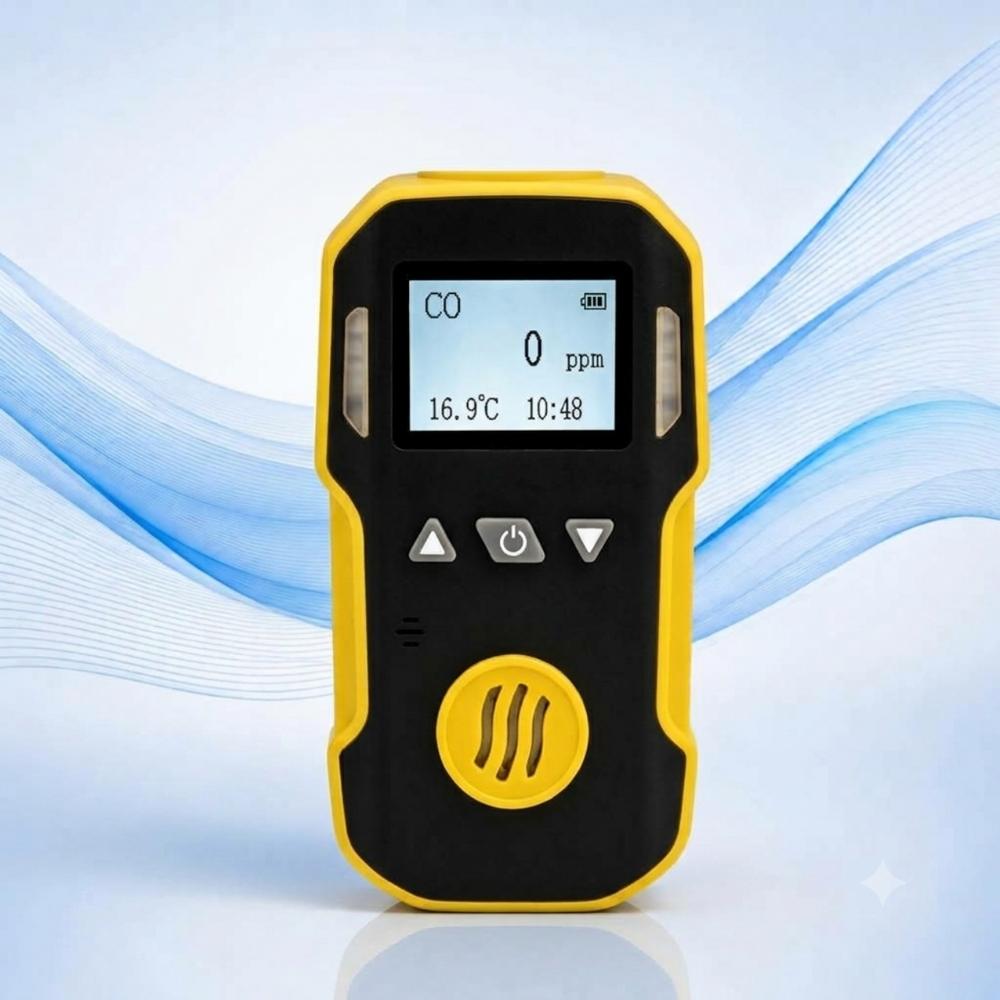

Price:
- 50
- 100
- 200
- 250
- 500
- 1000+

More Products in Gas Detector Category

ATS-101M Portable Gas Leak Detector/Monitor
Price 32500.0 INR / Unit
Minimum Order Quantity : 1 Unit
Resolution : 1ppm
Display Type : LCD Display
Usage : Industrial
Accuracy : 0.5 %

Digital Multi Gas Detector
Price 78500.0 INR / Unit
Minimum Order Quantity : 1 Unit
Resolution : 0.01 (displayed value, gasspecific)
Display Type : Digital LCD with Backlight
Usage : Monitoring and Detection Systems
Accuracy : High sensitivity, 3% (sensor dependent) gm
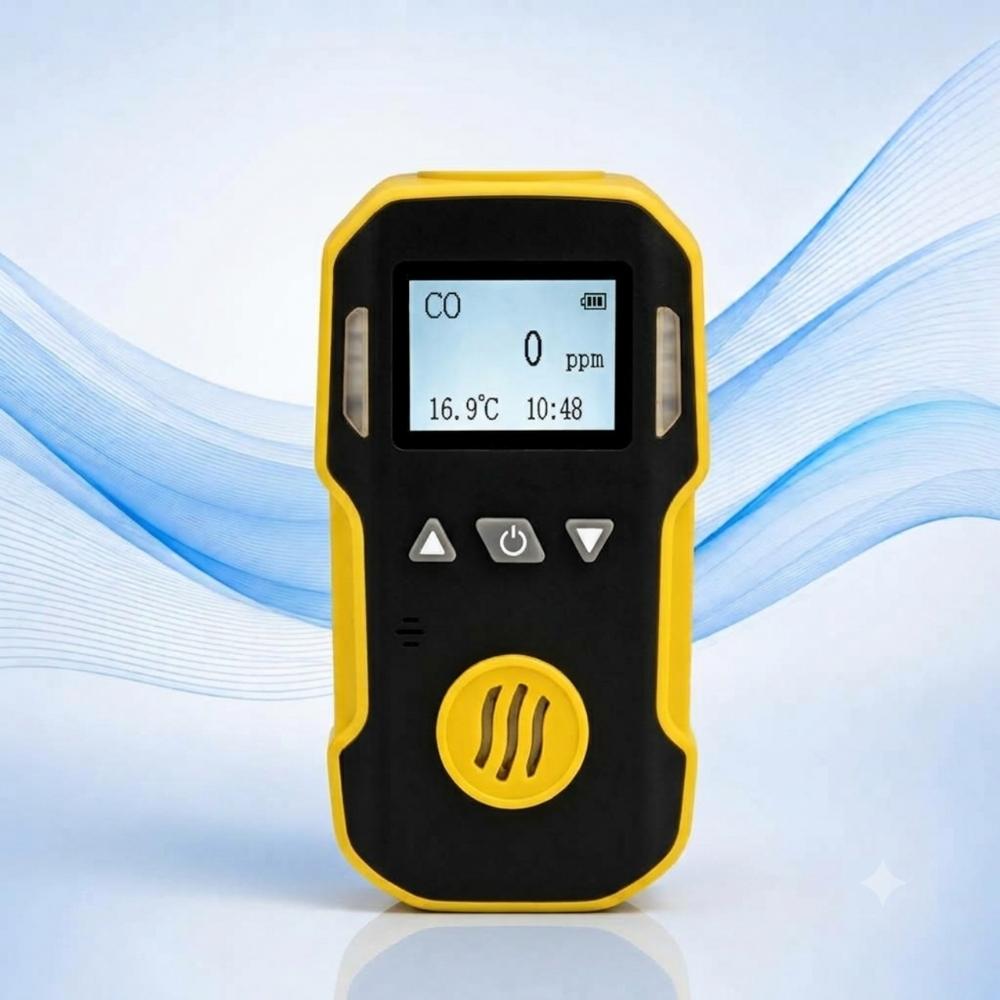
Gas Leak Detector
Price 25000.0 INR / Piece
Minimum Order Quantity : 1 Piece
Resolution : 1 ppm
Display Type : Digital LCD Screen
Usage : Industrial and Home Safety
Accuracy : 5% F.S.
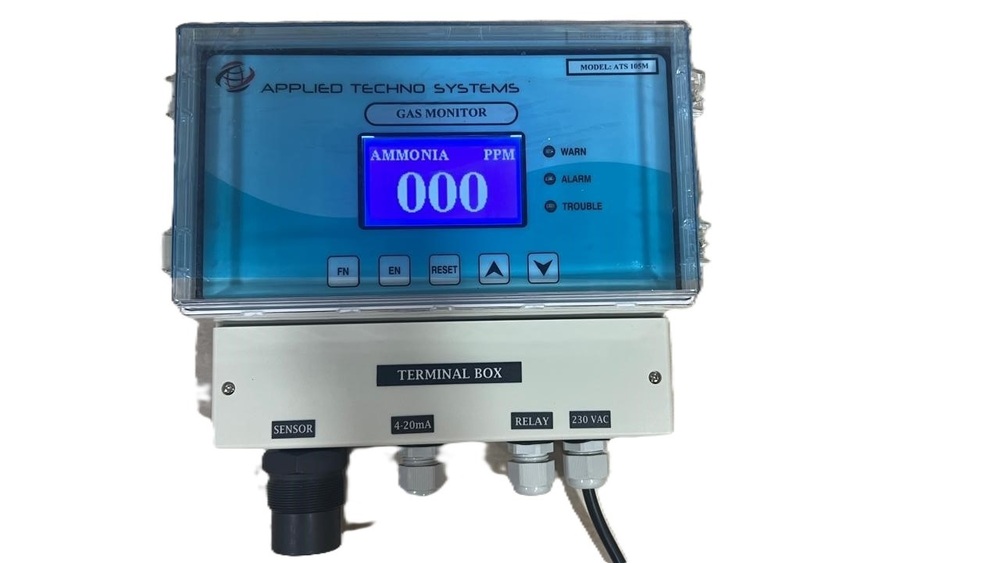
Hydrogen Sulphide (H2S) Gas Detector
Price 35000.0 INR / Unit
Minimum Order Quantity : 1 Unit
Resolution : 1, 0.1
Display Type : Digital
Usage : Industrial
Accuracy : 0.5 %


- 104, Delta Industrial Estate, Building No 1, Gokhivare, Sativali Road, Vasai East, Dist-Palghar,Vasai - 401208, Maharashtra, India
- Phone : 08045814504
GST : 27AAVCA1127G1ZN

- Mr M L YADAV (Marketing Manager)
- Mobile : 08045814504
- Send Inquiry
 Send Inquiry

|


- Dew Point Meters
- Gas Analysers
- Portable Gas Detector
- Moisture And Dew Point Analyzer
- Dust/Opacity Monitor
- Gas Monitoring Systems
- Gas Leak Detectors
- Gas Transmitters
- VOC Leak Detector
- Air Quality Monitoring System
- Online Continuous Emission Monitoring System-OCEMS
- Dew Point Monitors
- Gas Detector
- Opacity Monitor
- Portable Flue Gas Analyzer
- Online SOX & NOX Gas Analyzer
- Methane Gas Leak Detector
- Hydrogen Purity Analyzer
- Gas Purity Analyzer
- Effluent Monitoring Systems
- Producer Gas Analyzer
- Gas Detector Calibration Service
- Portable Gas Monitors
- Gas Sensor Transmitter

Developed and Managed by Infocom Network Private Limited.


 English
 Spanish
 French
 German
 Italian
 Chinese (Simplified)
 Japanese
 Korean
 Arabic
 Portuguese
