 Chat with us

- Dew Point Meters
- Gas Analysers
- Portable Gas Detector
- Moisture And Dew Point Analyzer
- Dust/Opacity Monitor
- Gas Monitoring Systems
- Gas Leak Detectors
- Gas Transmitters
- VOC Leak Detector
- Air Quality Monitoring System
- Online Continuous Emission Monitoring System-OCEMS
- Dew Point Monitors
- Gas Detector
- Opacity Monitor
- Portable Flue Gas Analyzer
- Online SOX & NOX Gas Analyzer
- Methane Gas Leak Detector
- Hydrogen Purity Analyzer
- Gas Purity Analyzer
- Effluent Monitoring Systems
- Producer Gas Analyzer
- Gas Detector Calibration Service
- Portable Gas Monitors
- Gas Sensor Transmitter

 Send Inquiry
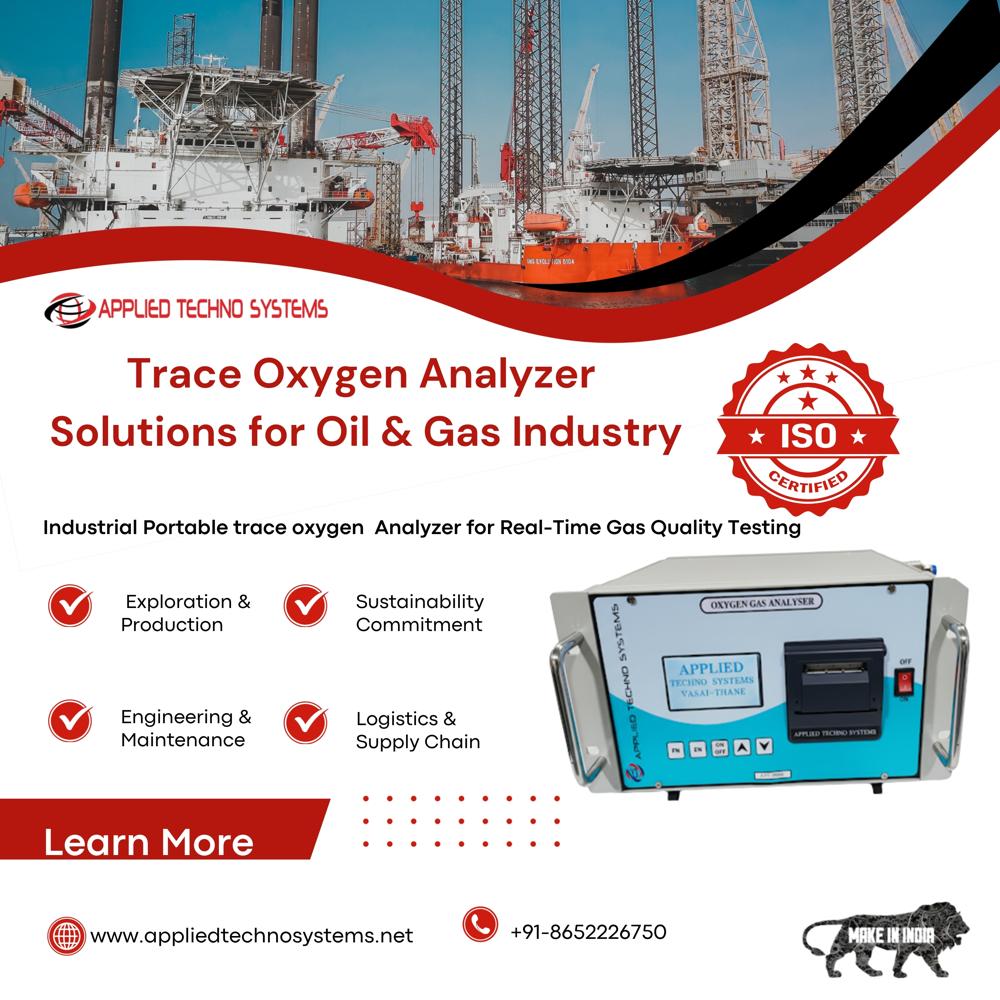
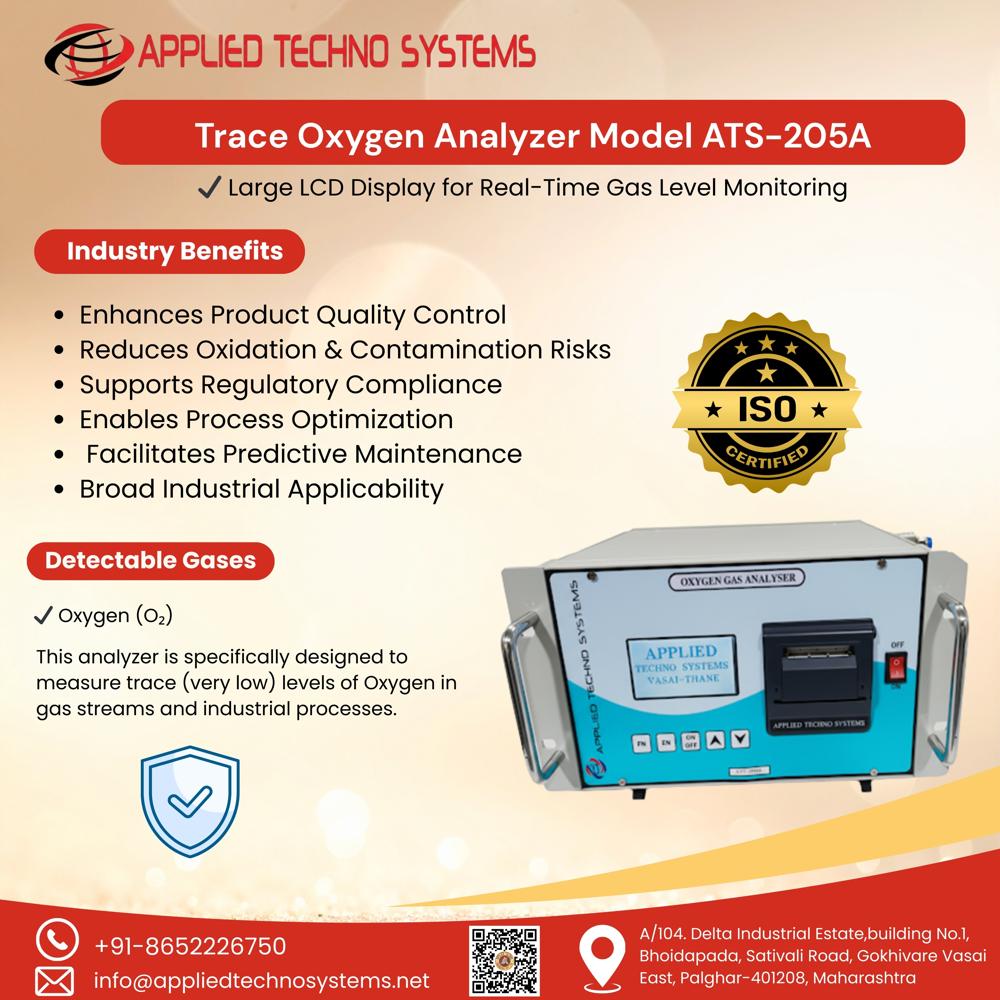
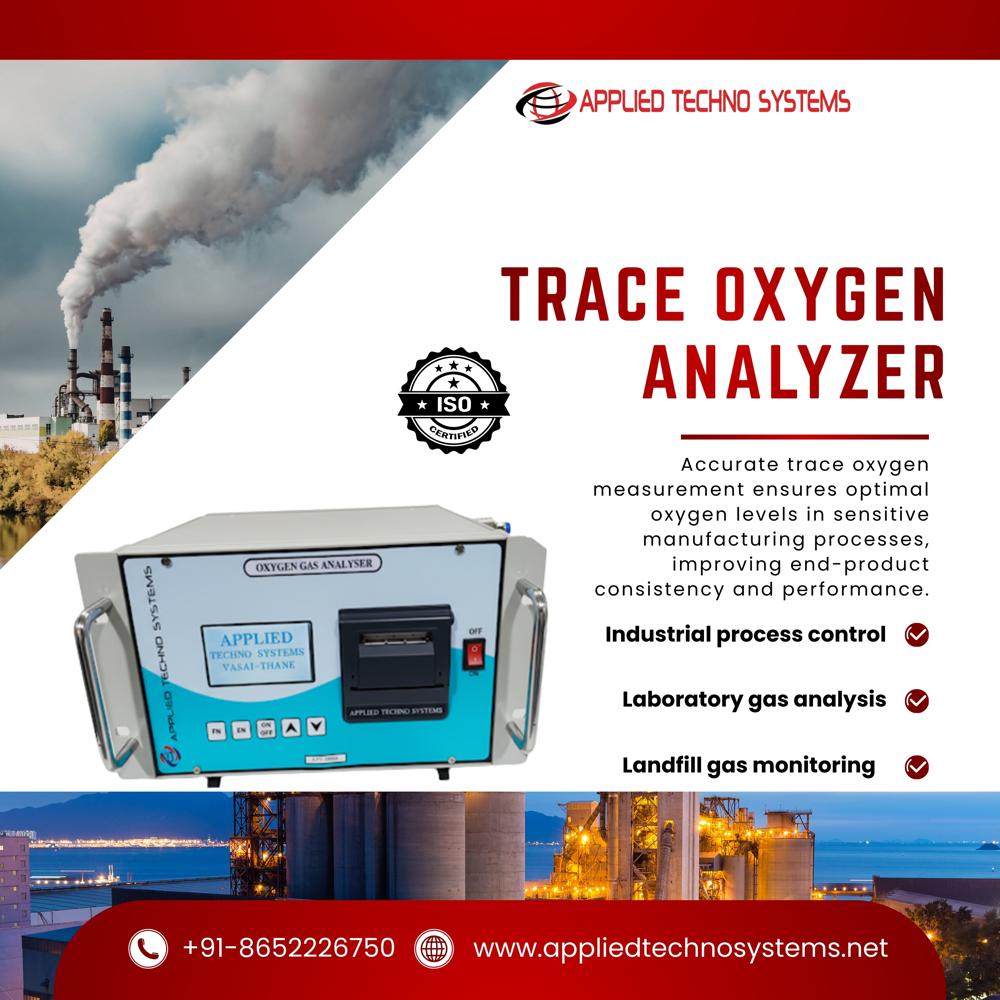
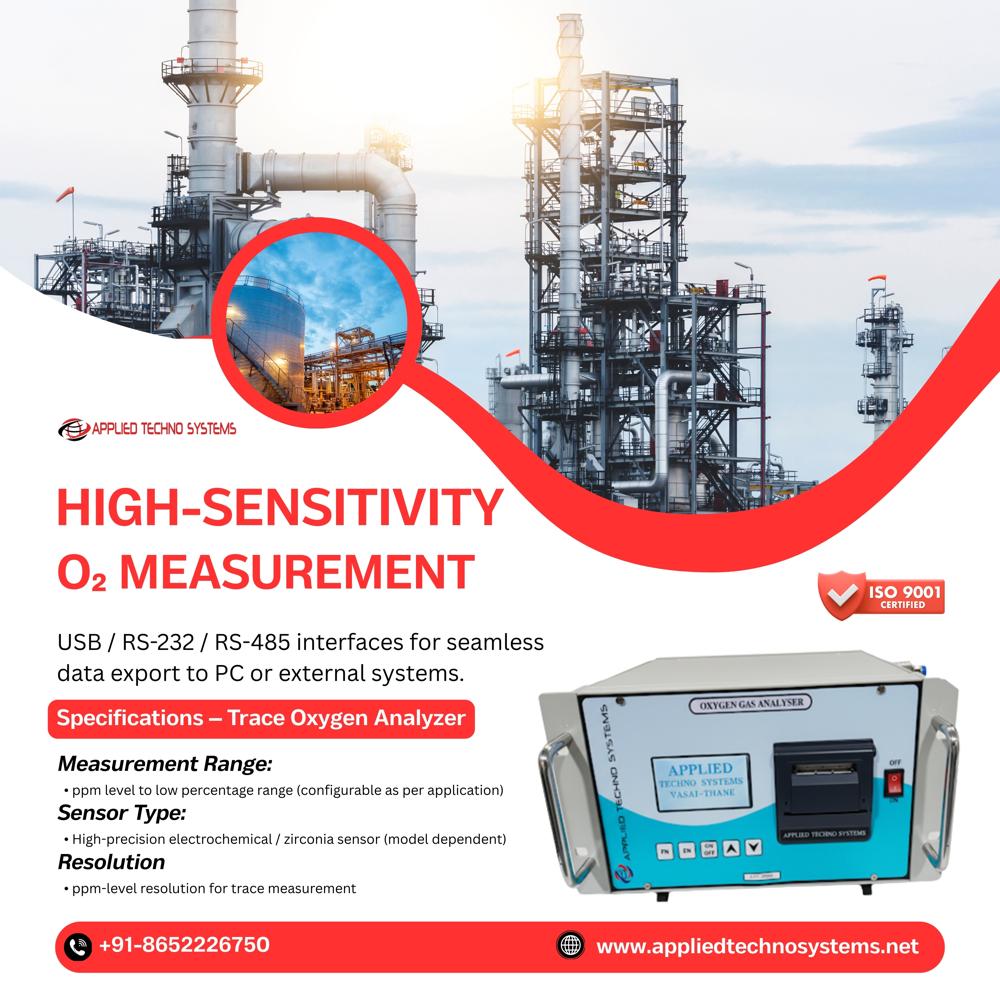
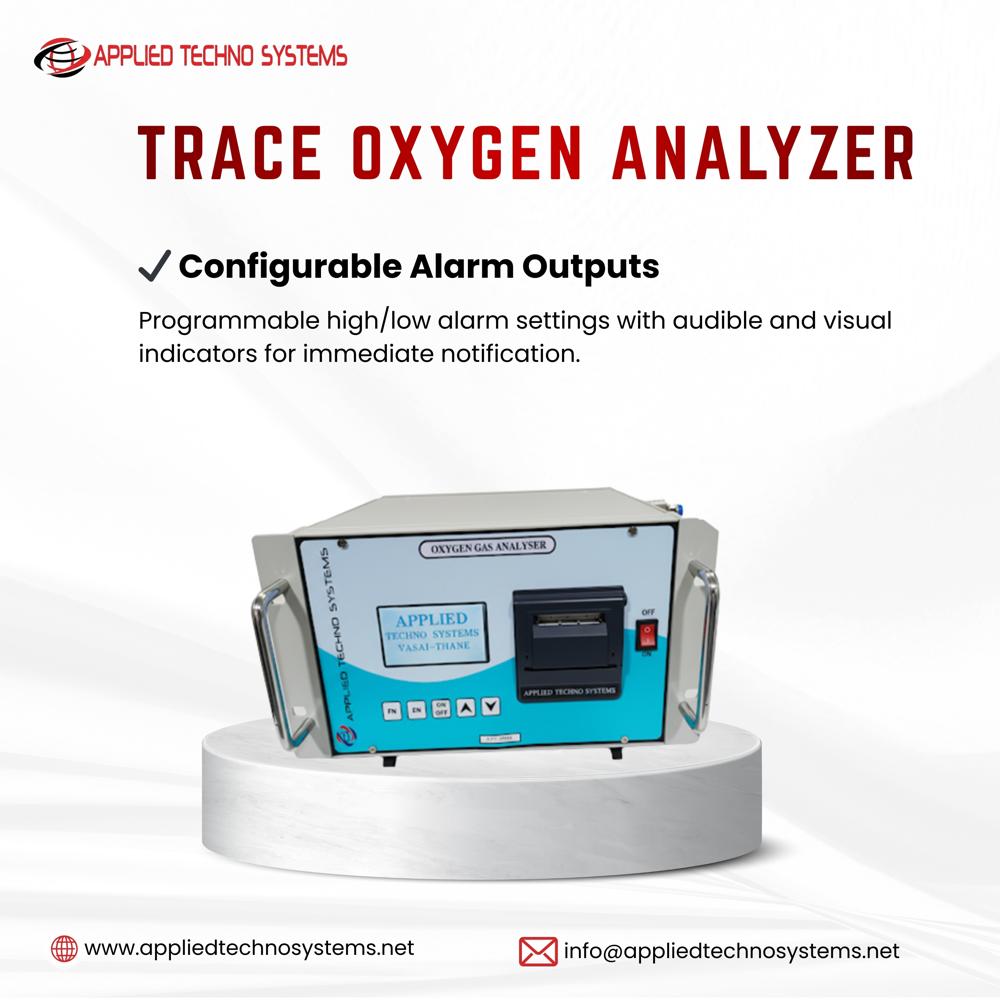
PPM Oxygen GAS ANALYZER
Price 425000.0 INR/ Number
MOQ : 1 Number
PPM Oxygen GAS ANALYZER Specification
- Product Type
- Gas analysis
- Accuracy
- +/-2 %
- Color
- Grey
- Response Time
- 10 Seconds
- Temperature
- -20 to 60 Celsius (oC)
- Usage
- Industrial
- Resolution
- 1ppm
- Classification
- IP 65
- Voltage
- 240 Volt (v)
- Display Type
- Graphic
- Application
- Industrial
- Material
- Aluminium
- Power Supply
- Electric
- Humidity
- 0-95% RH
- Machine Weight
- 3 Kilograms (kg)
- Control Mode
- Manual
PPM Oxygen GAS ANALYZER Trade Information
- Minimum Order Quantity
- 1 Number
- Delivery Time
- 1 Week
About PPM Oxygen GAS ANALYZER
Versatile Industrial Applications
The PPM Oxygen Gas Analyzer is specifically built for industrial use, providing accurate oxygen level readings in challenging environments. Its wide temperature and humidity tolerance, along with a strong aluminium build, make it an exceptional choice for processes requiring reliable monitoring and control.
Efficient and Durable Design
Constructed from high-quality aluminium, this analyzer is both lightweight and corrosion-resistant. Its electric-powered operation ensures continuous monitoring without compromise, providing precise readings under varying industrial conditions.
FAQs of PPM Oxygen GAS ANALYZER:
Q: How does the PPM Oxygen Gas Analyzer function in industrial settings?
A: The analyzer measures oxygen concentrations by sampling air or gas streams and utilizing advanced sensors to provide real-time, accurate readings. Its design allows for effective operation within a wide range of temperatures and humidity, making it suitable for tough industrial environments.Q: What are the main benefits of using this oxygen analyzer?
A: Key benefits include high measurement accuracy, durable aluminium construction, broad operating temperature and humidity ranges, and electrical efficiency. This results in improved safety, process optimization, and equipment longevity in industrial applications.Q: When should the oxygen analyzer be used in an industrial process?
A: The analyzer should be used whenever precise monitoring of oxygen levels is required to ensure product quality, safety, or compliance with industrial standards. It is ideal for continuous or periodic monitoring during production, storage, or material handling.Q: Where can this analyzer be installed within industrial facilities?
A: The PPM Oxygen Gas Analyzer can be installed in production areas, storage facilities, or any location where oxygen levels need to be controlled. Its flexible mounting options and robust design make it suitable for various installation environments.Q: What is the process for installing and commissioning the analyzer?
A: Installation involves mounting the device securely, connecting it to a 240V power supply, and calibrating it according to operational parameters. Detailed user manuals and support services from the manufacturer or supplier ensure smooth setup and integration.Q: Who provides support and supply for this oxygen analyzer in India?
A: The analyzer is available through multiple channels including exporters, importers, manufacturers, service providers, and suppliers within India. Comprehensive support is offered for installation, operation, and maintenance.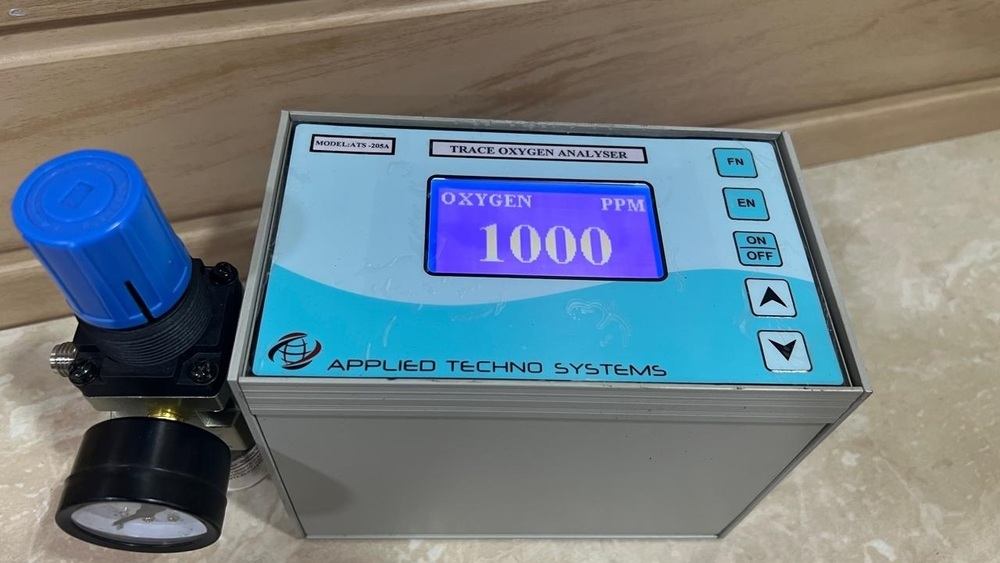
Tell us about your requirement

Price:
Quantity
Select Unit
- 50
- 100
- 200
- 250
- 500
- 1000+
Additional detail
Mobile number
Email

More Products in Gas Analysers Category
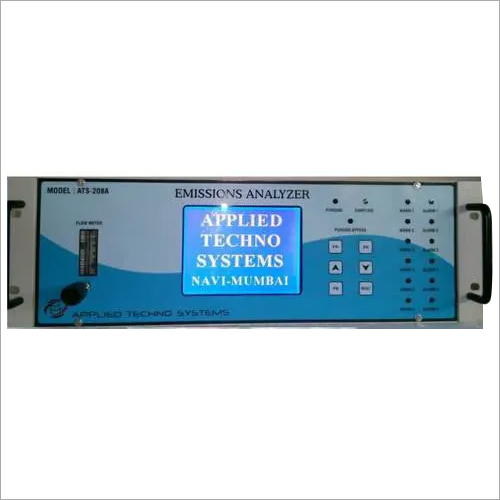
Online Gas Analyzer
Price 185000.0 INR / Set
Minimum Order Quantity : 1 Set
Product Type : Online
Classification : IP 65
Material : Aluminum
Control Mode : Microelectronic based
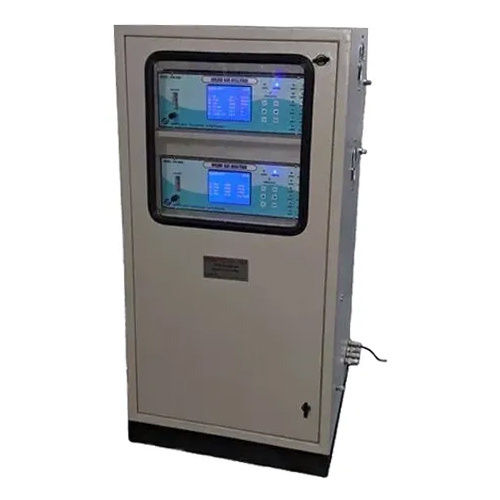
Stack emission analyzer
Price 850000.0 INR / Unit
Minimum Order Quantity : 1 Piece
Product Type : Gas analyzer
Classification : IP 65
Material : Mild Steel
Control Mode : Manual
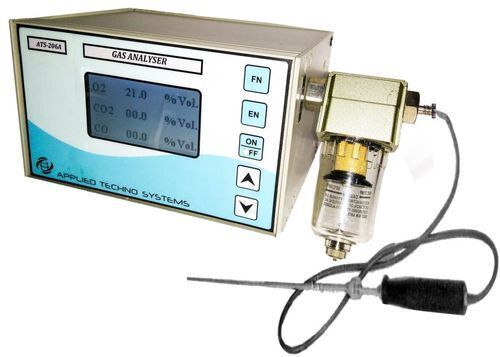
Portable Fuel Efficiency Analyser
Price 180000.0 INR / Number
Minimum Order Quantity : 1 Number
Product Type : Gas analysis
Classification : IP 65
Material : Aluminium
Control Mode : Manual
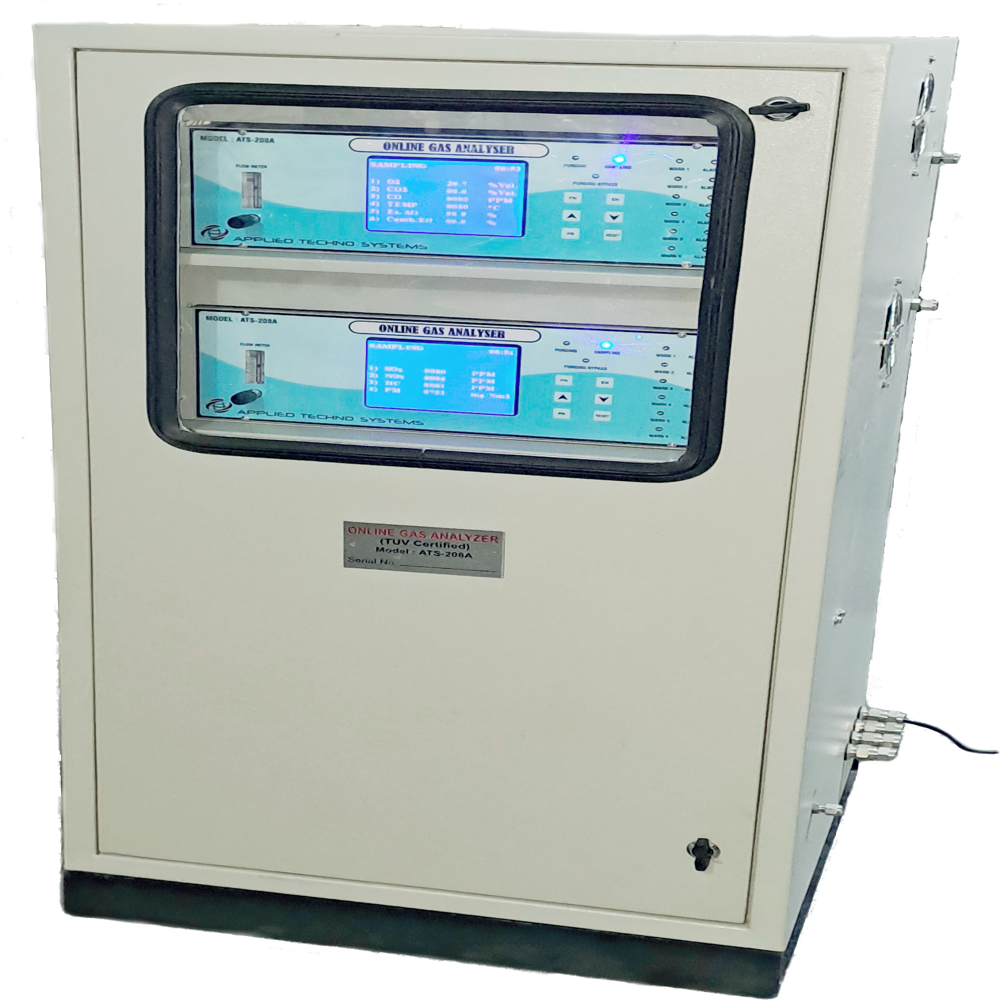
Online CO2 Gas Purity Analyzer Model ATS 208A
Price 325000.0 INR / Number
Minimum Order Quantity : 1 Unit
Product Type : Purity Analyzer
Classification : Ip 65
Material : MS
Control Mode : Manual

Contact Us

- 104, Delta Industrial Estate, Building No 1, Gokhivare, Sativali Road, Vasai East, Dist-Palghar,Vasai - 401208, Maharashtra, India
- Phone : 08045814504
APPLIED TECHNO ENGINEERS PRIVATE LIMITED
GST : 27AAVCA1127G1ZN

- Mr M L YADAV (Marketing Manager)
- Mobile : 08045814504
- Send Inquiry
 Send Inquiry
|


Our Products
- Dew Point Meters
- Gas Analysers
- Portable Gas Detector
- Moisture And Dew Point Analyzer
- Dust/Opacity Monitor
- Gas Monitoring Systems
- Gas Leak Detectors
- Gas Transmitters
- VOC Leak Detector
- Air Quality Monitoring System
- Online Continuous Emission Monitoring System-OCEMS
- Dew Point Monitors
- Gas Detector
- Opacity Monitor
- Portable Flue Gas Analyzer
- Online SOX & NOX Gas Analyzer
- Methane Gas Leak Detector
- Hydrogen Purity Analyzer
- Gas Purity Analyzer
- Effluent Monitoring Systems
- Producer Gas Analyzer
- Gas Detector Calibration Service
- Portable Gas Monitors
- Gas Sensor Transmitter

APPLIED TECHNO ENGINEERS PRIVATE LIMITED
All Rights Reserved.(Terms of Use)
Developed and Managed by Infocom Network Private Limited.
Developed and Managed by Infocom Network Private Limited.


 English
 Spanish
 French
 German
 Italian
 Chinese (Simplified)
 Japanese
 Korean
 Arabic
 Portuguese