 Chat with us

- Dew Point Meters
- Gas Analysers
- Portable Gas Detector
- Moisture And Dew Point Analyzer
- Dust/Opacity Monitor
- Gas Monitoring Systems
- Gas Leak Detectors
- Gas Transmitters
- VOC Leak Detector
- Air Quality Monitoring System
- Online Continuous Emission Monitoring System-OCEMS
- Dew Point Monitors
- Gas Detector
- Opacity Monitor
- Portable Flue Gas Analyzer
- Online SOX & NOX Gas Analyzer
- Methane Gas Leak Detector
- Hydrogen Purity Analyzer
- Gas Purity Analyzer
- Effluent Monitoring Systems
- Producer Gas Analyzer
- Gas Detector Calibration Service
- Portable Gas Monitors
- Gas Sensor Transmitter

 Send Inquiry
Multi Gas Detection System
Price 100500.0 INR/ Piece
Multi Gas Detection System Specification
- Channel Spacing
- Dedicated channel assignment for each monitored gas
- Operating Mode
- Continuous, real-time monitoring operation
- License Free
- Yes
- Connectivity Type
- Wired connection to remote sensors and alarm systems
- Size
- Standard 19-inch rack (approx. 133(H) x 483(W) x 250(D) mm)
- Mounting Type
- 19-inch rack mountable or wall mountable
- Standard
- CE Marked, compliant with relevant industrial safety and EMC standards
- Interface
- Front panel push buttons (channel selection, reset, test), digital display, indicator LEDs
- Technology
- Microcontroller-based digital gas detection system
- Special Features
- Multi-channel gas monitoring, digital numeric display per channel, built-in alarm and warning indicators, trouble indication, channel selection, modular expansion capability
- Remote Control
- Supports remote gas sensor input and output relay connections
- Application
- Industrial safety, hazardous gas monitoring, oil & gas, chemical plants, process industries, utilities
- Screen Resolution
- 4-digit digital LED display per channel
- Power Supply
- 90-270V AC, 50/60Hz
- Output Formats
- Relay output (alarm/warning/fault), 4-20mA analog output, optional RS485 Modbus RTU digital output
- Enclosure
- Powder-coated metal chassis, protection class IP-20
- Number of Channels
- 4 channels (expandable up to 16/32 channels by additional modules)
- Alarm Indication
- Visual indicators (LEDs) with audible buzzer
- Data Logging
- Optional internal/external data logger (available on request)
- Communication Interface
- RS485/RS232 Modbus RTU (optional)
- Alarm Levels
- 2-level programmable alarm thresholds
- Display Range
- 0-100 ppm (per channel, configurable for other measurement ranges)
- Sensor Type
- Accepts input from electrochemical, catalytic, or IR sensors
- Gas Detected
- H2S (Hydrogen Sulfide), expandable to other toxic/flammable gases with compatible sensors
- Humidity
- 0-95% RH (non-condensing)
- Operating Temperature
- -10C to +55C
- Calibration
- Manual or automatic calibration via front panel controls
About Multi Gas Detection System
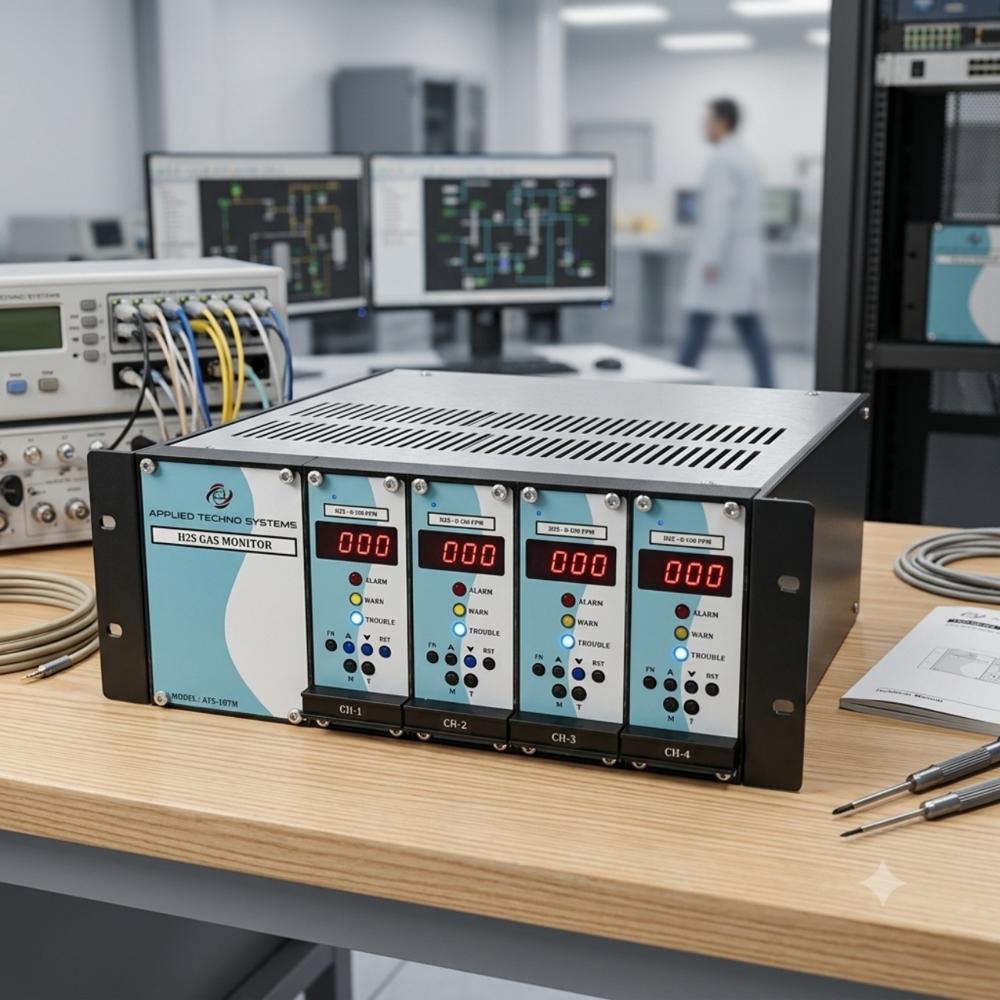
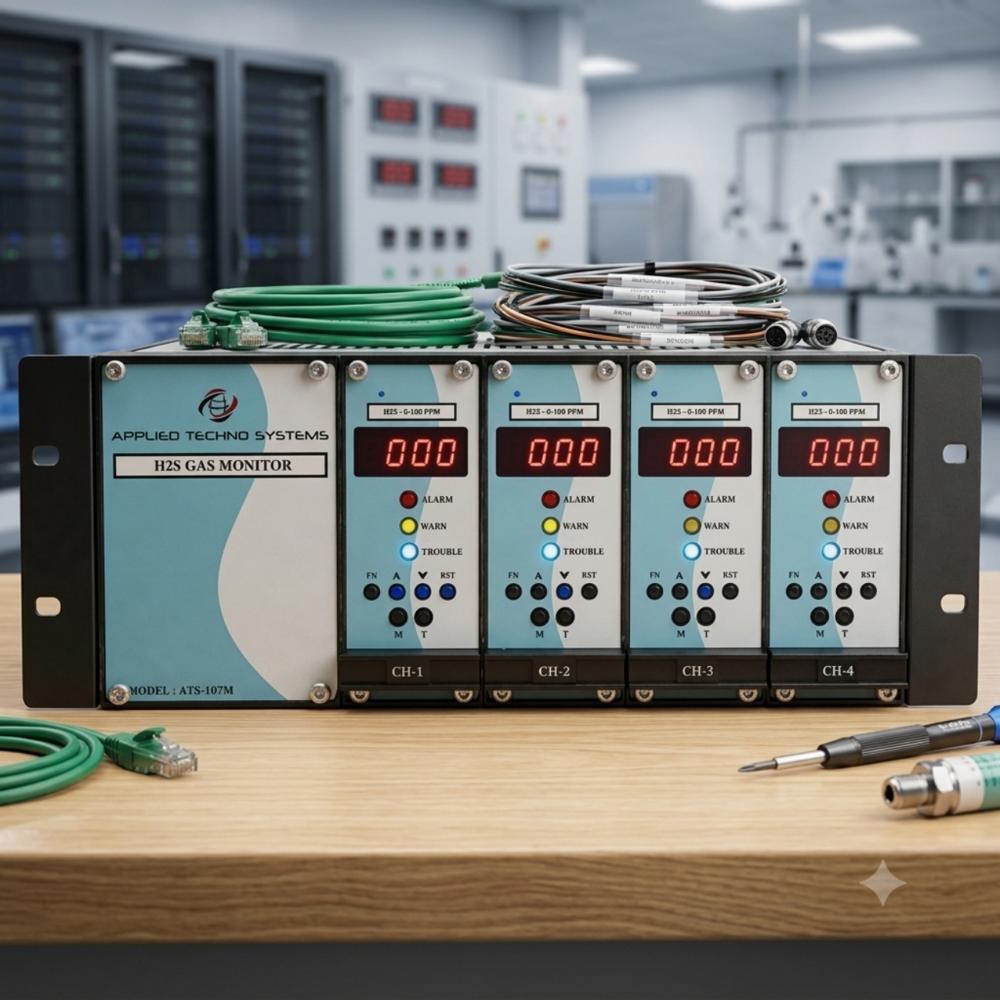
The Multi Channel Gas Monitoring System is an industrial gas detection and monitoring solution designed for the continuous and simultaneous monitoring of multiple gas detection points across industrial plants and hazardous areas. The system can be configured with multiple gas sensor transmitters to detect gases such as Oxygen (O), Hydrogen Sulfide (HS), Carbon Monoxide (CO), Sulfur Dioxide (SO), Hydrogen (H), Methane (CH), combustible gases, VOCs, and other toxic or flammable gases, depending on the application and sensor configuration. It provides centralized real-time monitoring of multiple channels with digital gas concentration display, high and low alarm indication, audible and visual alarms, relay outputs, and 420 mA signal integration, depending on system configuration. The multi channel gas monitoring system is suitable for continuous gas monitoring, gas leak detection, process safety, plant safety, storage area monitoring, confined-space monitoring, and emergency alarm applications. It can be used across Oil Refineries, Petrochemical, Chemical, Oil & Gas, Natural Gas, LNG/LPG, Fertilizer, Coal Mining, Power Plants, Iron & Steel, Foundries, Pharmaceutical, Battery Manufacturing, and other industrial environments, providing centralized and reliable monitoring of hazardous gases for improved workplace and process safety.Flexible, Scalable Monitoring
Easily monitor H2S and other hazardous gases with up to four simultaneous channels, expandable to 16 or 32 using additional modules. Channel selection, dedicated assignment, and modular expansion allow you to tailor detection coverage for your specific industrial environment.
Advanced Alarming and Indication
The system features programmable two-level alarm thresholds, providing clear visual indication through LEDs and loud audible alarms via a built-in buzzer. Quickly recognize critical gas concentration events and respond promptly with real-time warnings and relay outputs.
Robust Industrial Performance
Built for tough operating conditions, this detector functions reliably from -10C to +55C and 0-95% non-condensing humidity. Housed in a sturdy, powder-coated metal chassis with IP-20 protection, it meets CE safety and EMC standards for industrial or process settings.
FAQ's of Multi Gas Detection System:
Q: How does the Multi Gas Detection System detect multiple gases simultaneously?
A: The system operates with up to four independent channels (expandable to 16 or 32), each dedicated to a specific gas or location. Compatible with electrochemical, catalytic, and IR sensors, it can monitor H2S as well as other toxic or flammable gases by installing the appropriate sensors per channel.Q: What types of alarm notifications does the system provide?
A: The system employs two programmable alarm levels per channel. Alarm activation triggers bright LED visual notifications and a loud built-in buzzer, ensuring prompt awareness of hazardous gas concentrations. Relay outputs and external alarm device integration are also supported for enhanced response.Q: Where can the Multi Gas Detection System be installed, and what mounting options are available?
A: It is designed for industrial use-such as oil and gas facilities, chemical plants, and utility installations. The chassis supports both 19-inch rack mounting and wall mounting, providing flexibility for control room or field deployments.Q: When and how should calibration be performed on this detection system?
A: Calibration should be conducted periodically in accordance with guidelines for each sensor type. The system allows both manual and automatic calibration directly from the front panel using push button controls, ensuring accurate gas readings over time.Q: What are the benefits of the optional data logging feature?
A: Optional internal or external data logging allows for storage of gas level histories and alarm events. This data is essential for compliance documentation, performance review, incident analysis, and improving workplace safety protocols.Q: How is the system monitored and controlled in daily operation?
A: Users interact with the system via a front panel featuring push buttons for channel selection, reset, and testing. Each channel displays real-time readings on a 4-digit digital LED, with status indicated by dedicated LEDs for alarms, faults, and normal operation.Q: What communication and connectivity options does the system offer for integration with other equipment?
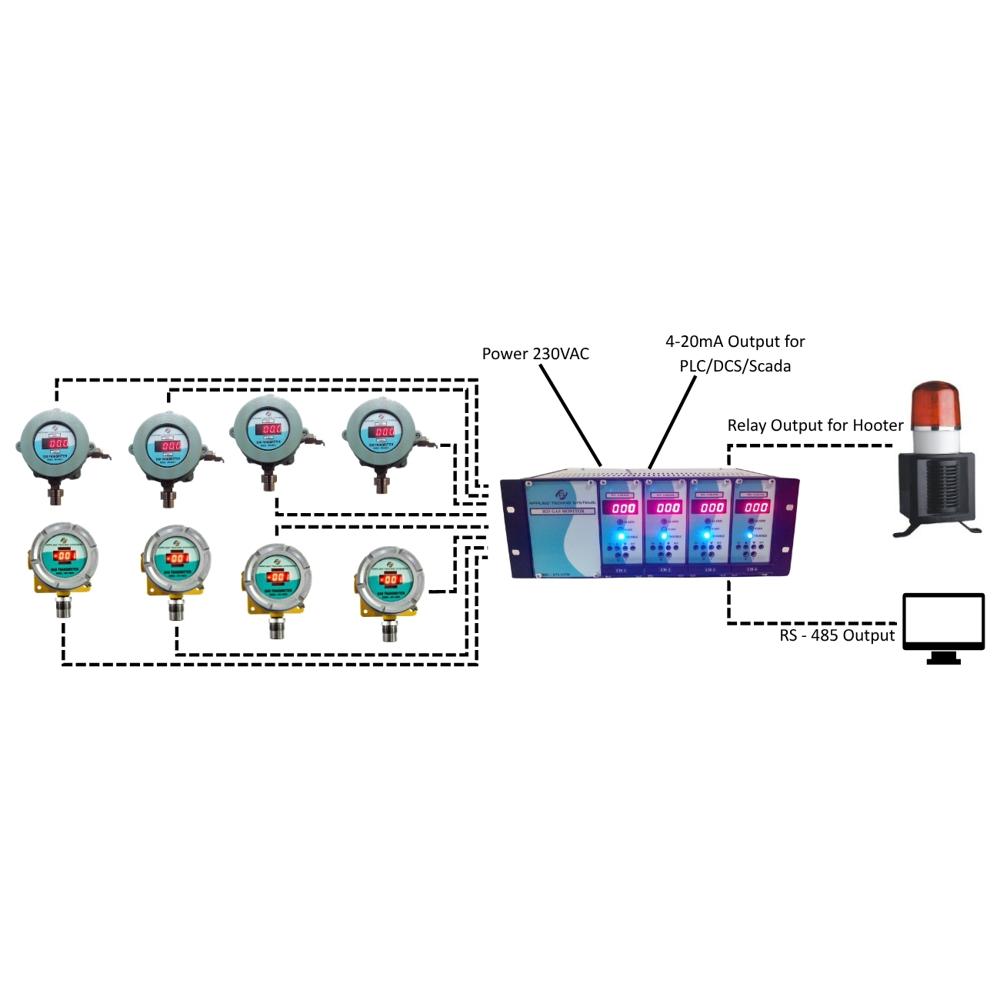
A: The system supports wired connections to remote sensors, alarm devices, and control systems. It offers relay outputs (alarm, warning, fault), 4-20mA analog outputs, and optional RS485/RS232 Modbus RTU digital interfaces for integration with supervisory or SCADA systems.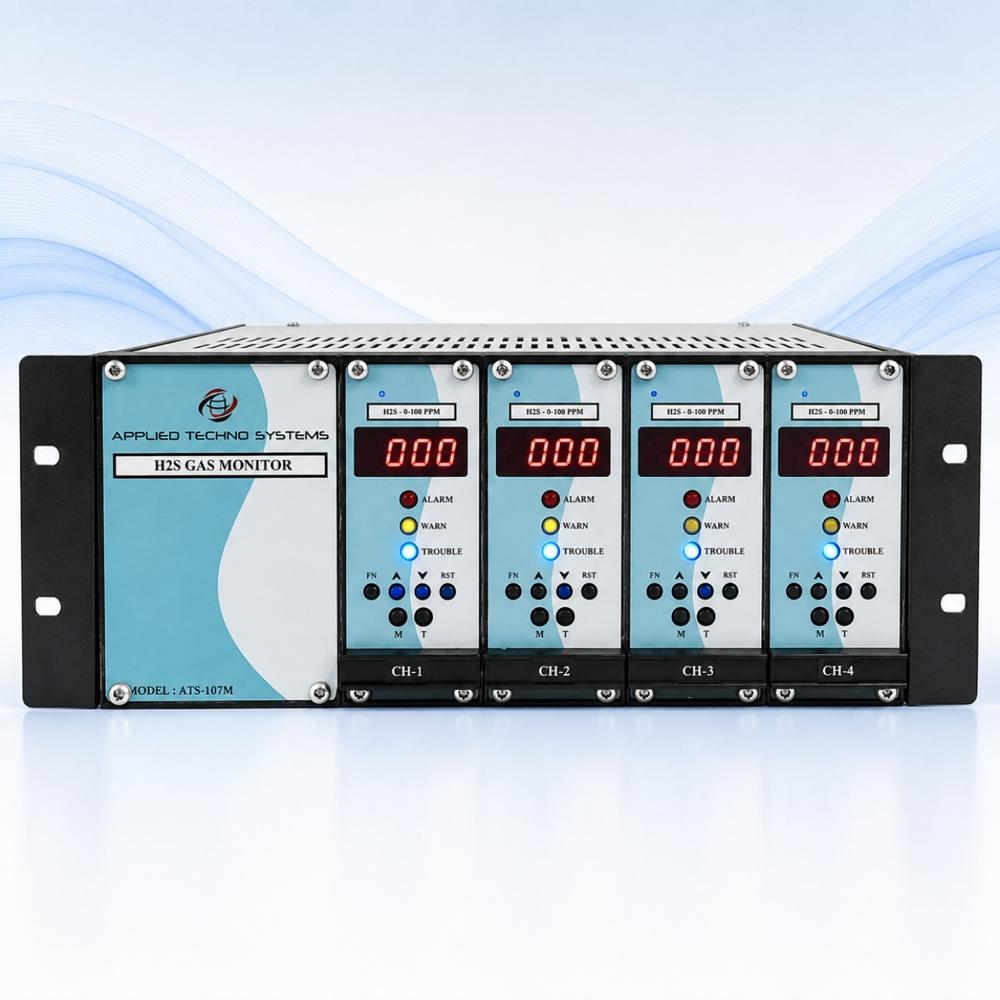

Price:
- 50
- 100
- 200
- 250
- 500
- 1000+

More Products in Gas Monitoring Systems Category
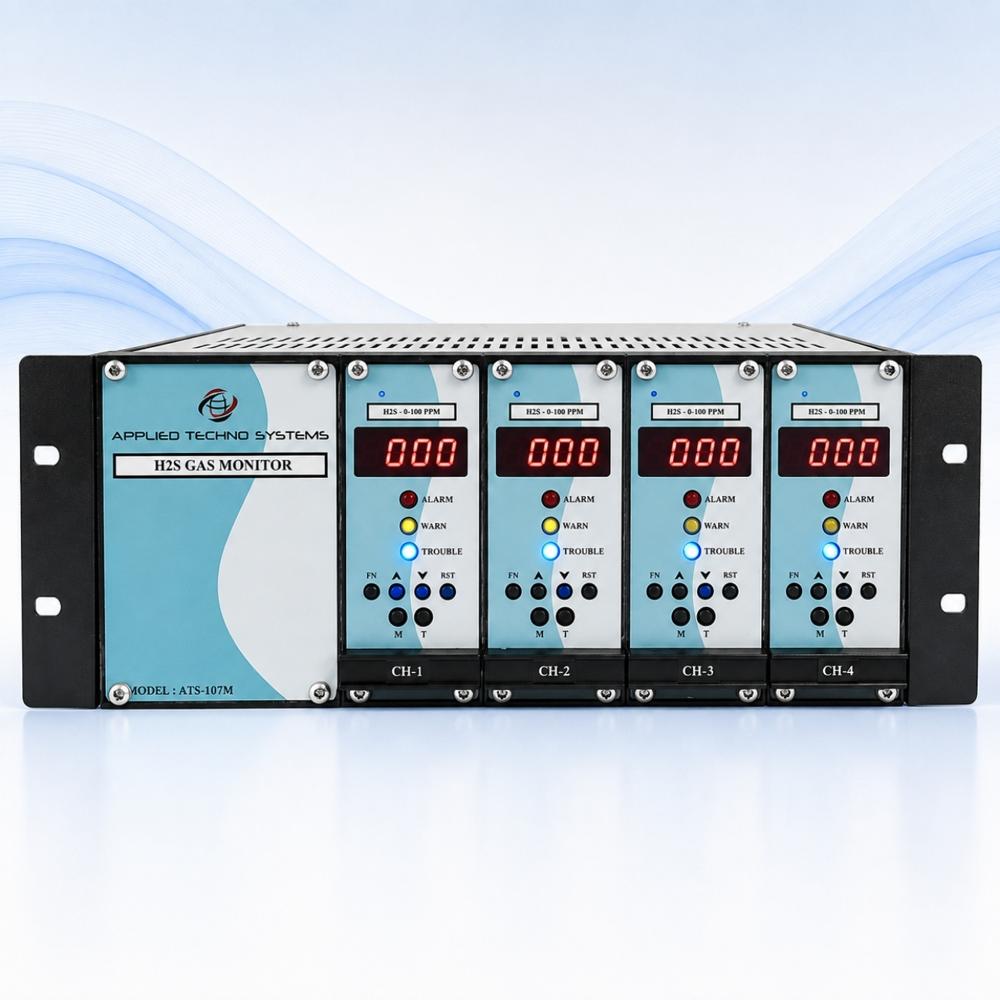
Gas Monitoring Control System
Price 220500.0 INR / Piece
Minimum Order Quantity : 1 Piece
Mounting Type : Rackmounted (19inch standard) or wall mounting
Size : Approx. 3U rack size
Screen Resolution : 3digit LED digital display for each channel
Application : Continuous monitoring of H2S and other toxic/combustible gases in industrial plants, refineries, laboratories
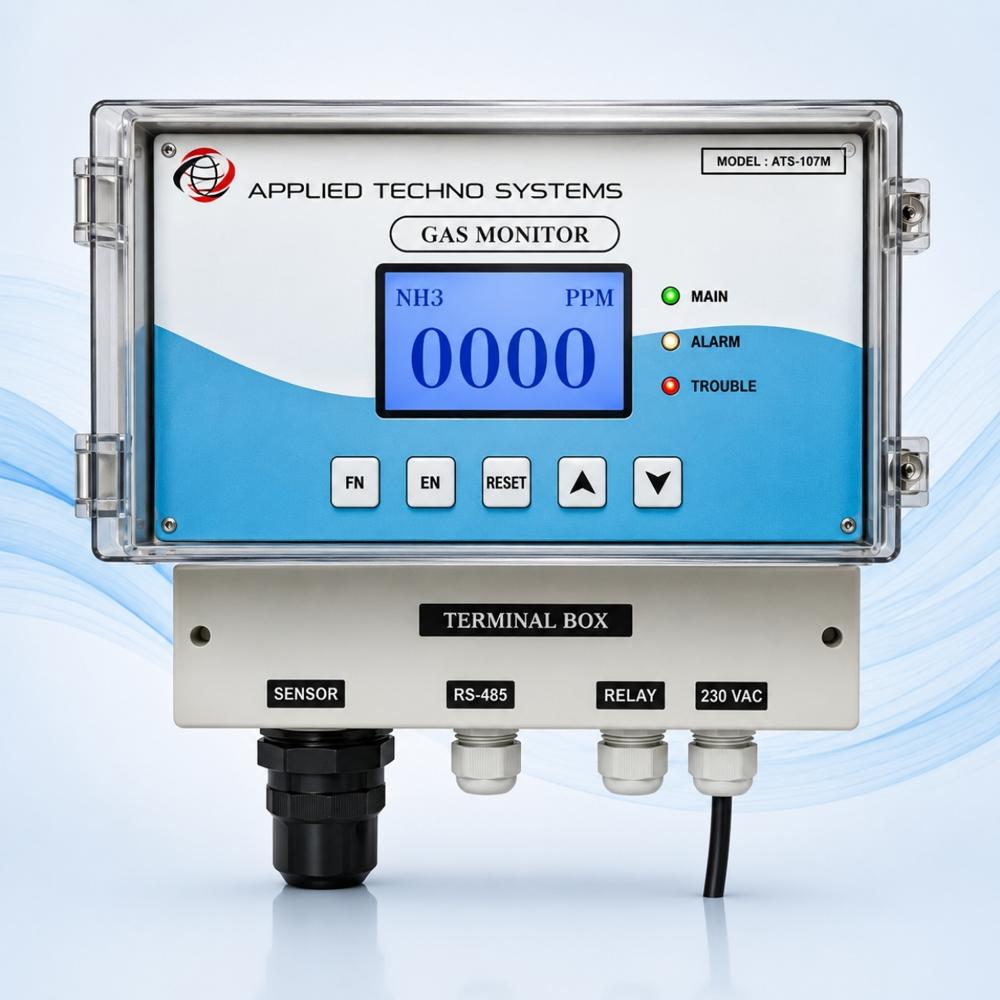
Continuous Gas Leak Monitoring System
Price 69500.0 INR / Piece
Minimum Order Quantity : 1 Piece
Mounting Type : Wallmounted with bracket
Size : Approx. 250 mm x 180 mm x 90 mm (unit only)
Screen Resolution : Backlit digital LCD display with clear numeric output
Application : Industrial plants, laboratories, manufacturing facilities, warehouses, storage areas, confined spaces, ammonia refrigeration systems
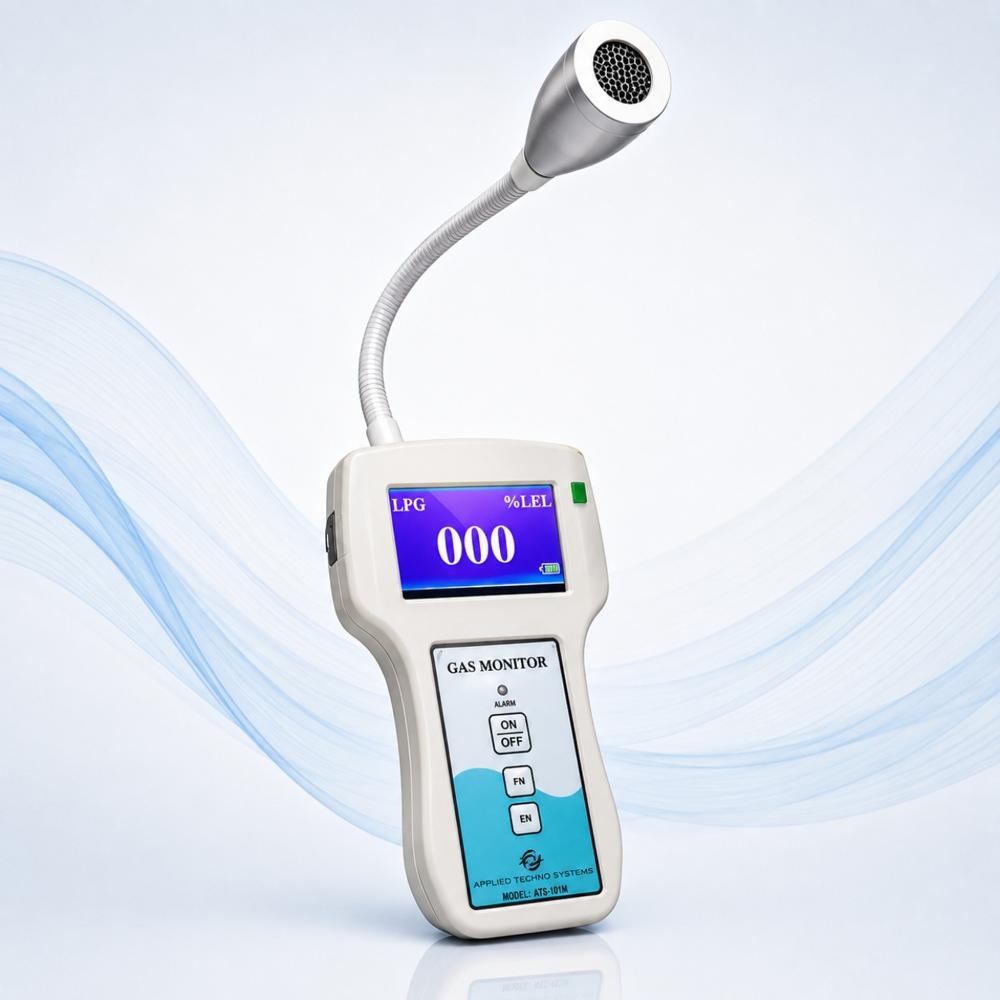
Portable Gas Detection Equipment
Price 29500.0 INR / Unit
Minimum Order Quantity : 1 Unit
Mounting Type : Handheld, portable use
Size : Compact handheld device (approx. 200 mm length, 80 mm width)
Screen Resolution : Highcontrast LCD digital display
Application : Detection of combustible gases such as LPG, Methane, and other hydrocarbons in industries, laboratories, and confined spaces
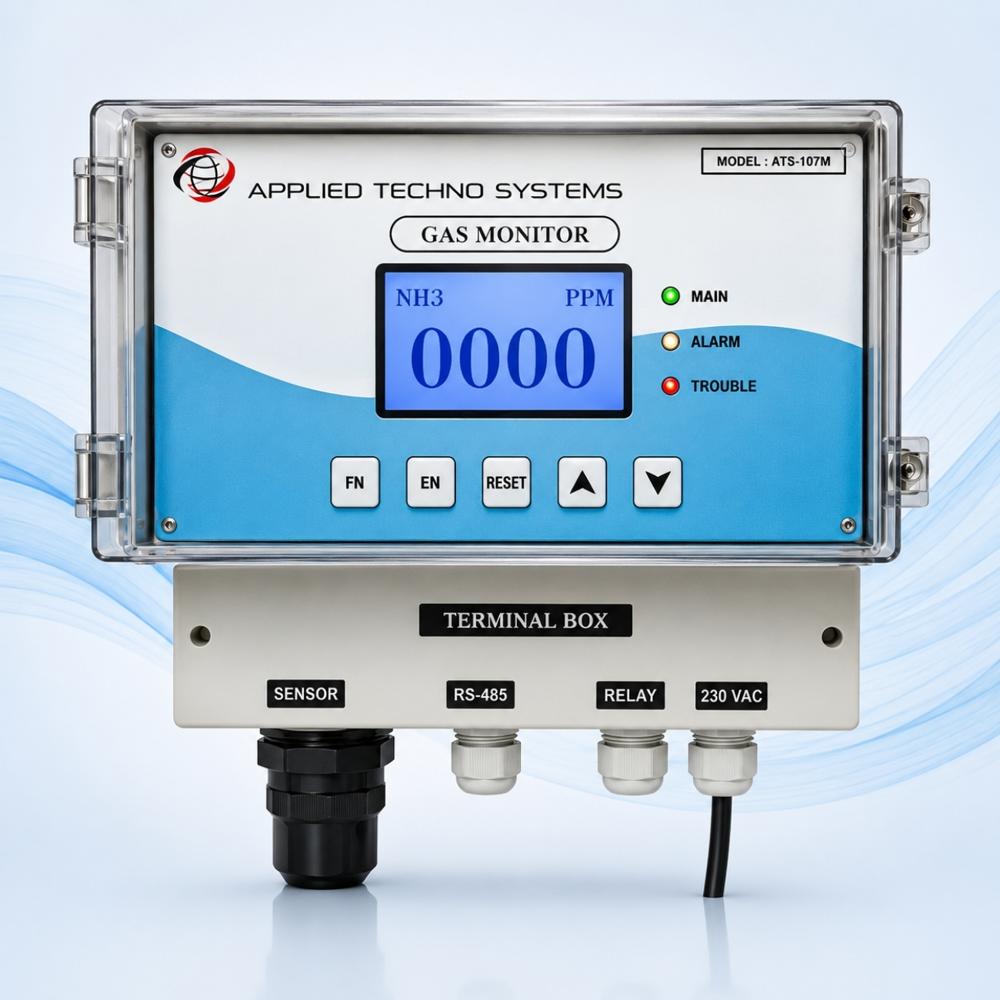
Fixed Gas Detection Equipment
Price 62500.0 INR / Unit
Minimum Order Quantity : 1 Unit
Mounting Type : Panel or Wall Mount
Size : Compact (approx. 260 x 165 x 100 mm)
Screen Resolution : 4digit Numeric LCD Display
Application : Industrial Gas Monitoring, Safety in hazardous environments


- 104, Delta Industrial Estate, Building No 1, Gokhivare, Sativali Road, Vasai East, Dist-Palghar,Vasai - 401208, Maharashtra, India
- Phone : 08045814504
GST : 27AAVCA1127G1ZN

- Mr M L YADAV (Marketing Manager)
- Mobile : 08045814504
- Send Inquiry
 Send Inquiry

|


- Dew Point Meters
- Gas Analysers
- Portable Gas Detector
- Moisture And Dew Point Analyzer
- Dust/Opacity Monitor
- Gas Monitoring Systems
- Gas Leak Detectors
- Gas Transmitters
- VOC Leak Detector
- Air Quality Monitoring System
- Online Continuous Emission Monitoring System-OCEMS
- Dew Point Monitors
- Gas Detector
- Opacity Monitor
- Portable Flue Gas Analyzer
- Online SOX & NOX Gas Analyzer
- Methane Gas Leak Detector
- Hydrogen Purity Analyzer
- Gas Purity Analyzer
- Effluent Monitoring Systems
- Producer Gas Analyzer
- Gas Detector Calibration Service
- Portable Gas Monitors
- Gas Sensor Transmitter

Developed and Managed by Infocom Network Private Limited.


 English
 Spanish
 French
 German
 Italian
 Chinese (Simplified)
 Japanese
 Korean
 Arabic
 Portuguese
